
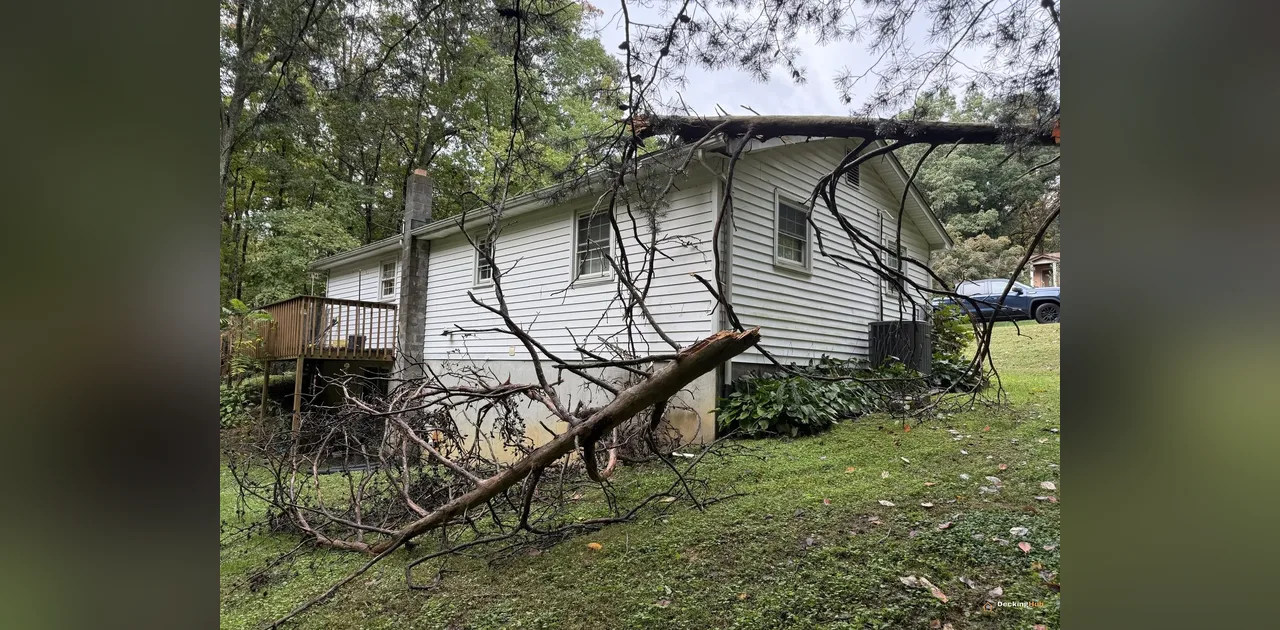
Katy sits in the Texas hail corridor. Storm season here means hail, hard wind, and rain that finds every weak spot on a roof. Cinco Ranch, Cross Creek Ranch, Fulshear, the whole 77494 and 77493 area takes the same hits year after year.
Here is the part most homeowners learn too late. A storm claim is won or lost on paperwork. The damage matters, but the photos, dates, receipts, and reports matter just as much. The insurance company works from documents. If your documents are thin, your settlement will be too.
This guide walks the full process in order, with the Texas deadlines at each step. We handle storm damage repair in Katy every season, and the claim help below is part of that work.
The Texas claim timeline
Texas Insurance Code prompt payment rules put deadlines on the insurance company once you file. These are the clocks that run on your claim.
| Step | Deadline |
|---|---|
| Acknowledge your claim | Within 15 days |
| Start the investigation | Promptly after that |
| Decide the claim | 15 business days, up to 45 days |
| Pay after agreement | Within 5 business days |
The decision clock can stretch to 45 days when the company needs more investigation time, and the company has to tell you why in writing. Keep these dates in a notebook with your claim. If a deadline passes with no word, you have grounds to push, and the last section of this guide shows how.
Step 1: Prove the storm date
Your policy covers damage from a specific storm on a specific date. Wear and old damage are not covered. So the first job is pinning the damage to one storm.
The NOAA Storm Events database records hail and wind reports by county and date. Look up Fort Bend and Harris County for the night in question. Then match it with your own dated photos from the days right after. Phone photos carry the date inside them. That pairing, an official storm record plus your dated photos, is hard for an adjuster to argue with.
Step 2: Document every slope
Photograph the whole roof from the ground, every slope, then the details. Bruised and cracked shingles. Lifted edges. Dents in vents and flashing. Shingles that landed in the yard.
Then photograph the soft metals. Dented gutters, window screens, and the top of your AC unit tell the story of the storm. Hail hard enough to dent metal was hard enough to damage shingles, and adjusters know it. Soft metal damage is some of the strongest proof you can hand them. Add photos of any ceiling stains or leaks inside the house, and keep a few of the blown off shingles if you can do it safely.
Step 3: Stop the damage from growing
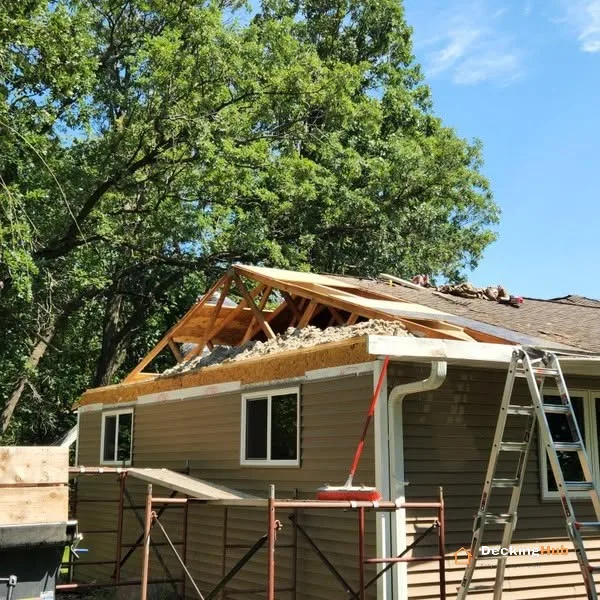
Your policy expects you to prevent more damage after a storm. Water coming through an open roof will soak decking, insulation, and drywall, and the insurance company can refuse the added damage if you let it run.
Get the roof tarped or patched fast. Emergency tarping in the Katy area runs $400 to $1,500, and most homeowners pay $600 to $1,200. Keep every receipt. Temporary repair costs are usually part of the claim. But do not let anyone start the permanent repair before the adjuster has seen the roof. A repaired roof cannot be inspected, and damage nobody documented is damage nobody pays for.
Step 4: File the claim and get the claim number
Before you file, it pays to know what Texas homeowners insurance covers for roof damage and what it leaves out. Then file by phone or online and write down the claim number, the date, and the name of everyone you speak with. Start a claim log and keep it current. Every call, every email, every promise goes in it with a date. If the claim ever stalls, that log is your leverage.
Step 5: Get your own inspection before the adjuster
Do not let the adjuster be the first person to look at your roof. Book a free roof inspection in Katy first. You get a written report with photos of every damaged slope, the soft metal proof, and a repair scope in plain numbers.
That report changes the adjuster meeting. Instead of hoping the adjuster finds everything, you hand over a list and walk it item by item. Damage that is missed at the first visit is the top reason storm settlements come in low.
Call (281) 677-8586
Step 6: Meet the adjuster, with your roofer on the roof
Be home for the adjuster visit, and have your roofer there too. The adjuster works for the insurance company. Your roofer works for you. On the roof, your roofer points out the cracked shingles, the creased tabs the wind lifted, and the soft metal proof, and makes sure each one lands in the adjuster notes.
This is not a fight. It is a walk through of the evidence, and roofs get a fair count when both sides look at the same damage at the same time. Take your own notes during the visit, including anything the adjuster says is not covered, and why.
Step 7: Read the settlement line by line
When the settlement letter comes, do not just look at the total. Read the scope line by line against your inspection report. What did the adjuster count, slope by slope? What got left out? Flashing, decking, and code items are the lines most often missing or short.
If the scope has gaps, your roofer sends a supplement: added line items with photos and a clear reason for each one. Supplements are a normal part of storm claims, not an argument. Also check which value the company used. Many policies pay actual cash value first, then release the rest after the repair is done and proven. A low first check is not always the final number.
Step 8: If the claim is denied or the offer is low
You have options, in this order. First, ask for the denial or the short scope in writing, with the policy language behind it. Second, request a second inspection and send your report and photos as new evidence. Third, check your policy for an appraisal clause. Appraisal lets each side hire its own appraiser to settle the amount, without court. Fourth, if the company still will not move, file a complaint. The Texas Department of Insurance explains how roof claims and complaints work on its site, and a TDI complaint gets a claim file opened and reviewed.
Wind or hail: why the label matters
Storm claims in Texas usually get coded as wind or as hail, and the label changes the math. Most Texas policies carry a separate wind and hail deductible, set at 1% to 2% of the home value the policy insures. On a home insured for $400,000, a 2% deductible means the first $8,000 of damage is yours. That is why small storm repairs often make no sense as a claim, and big ones do.
The damage type matters too. Wind lifts and creases shingles. Hail fractures the mat under the granules. Adjusters test and count the two in different ways, so a storm with both needs both documented. Hail has its own claim path, and we wrote a full guide to the hail damage roof insurance claim process if hail is your main damage.
Storm claim questions
How long do you have to claim roof damage after a storm in Texas?
Most Texas policies give you one year from the date of the storm to file, but check your own policy, because the deadline sits in your contract. File as soon as you can anyway. Fresh damage is easier to prove than damage found months later, and a later storm can blur which event caused what.
What should you not say to an insurance adjuster about your roof?
Do not guess at causes or dates you are not sure of, and do not describe damage as old or as a leak that has been there a while. Stick to what you know: the storm date, what you found, and what your inspection report shows. Let the photos and the report do the talking.
Will my insurance go up if I file a claim for roof damage?
It can. A claim goes on your record, and rates can rise at renewal. That is one more reason to run the deductible math first. A claim for damage under your deductible gains you nothing and still counts. A claim for major storm damage is what the policy is for.
Will insurance cover a 20 year old roof in Texas?
It can cover storm damage on an older roof, but many policies pay less as the roof ages, settling at cash value instead of full replacement cost. Wear and age alone are never covered. Read your policy roof schedule before you file.
How long does the insurance company have to pay my claim in Texas?
Under the Texas prompt payment rules, the company must acknowledge your claim within 15 days, decide within 15 business days in most cases (up to 45 days when more investigation is needed), and pay within 5 business days after you reach an agreement. The timeline table at the top of this guide has the full set.
What if the settlement is lower than the repair cost?
Compare the settlement scope to your inspection report line by line. Missing items go back as a supplement with photos. If the company will not correct the scope, ask for a second inspection, use the appraisal clause in your policy, or file a complaint with the Texas Department of Insurance.
Call (281) 677-8586
Lines open 7 AM to 9 PM.
Storm hit your street and your roof took damage? Start with the inspection, then the paperwork, then the repair. Our storm damage repair page shows how we handle the repair side once the claim is approved.