
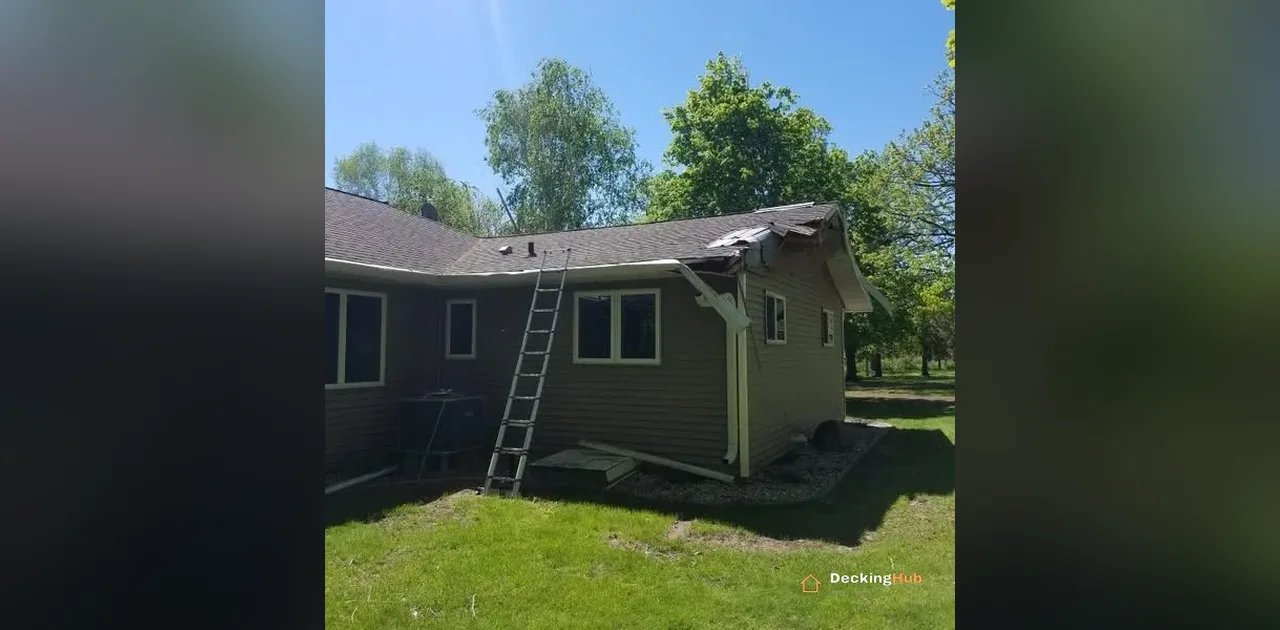
The storm rolls through Katy at night. By morning there are shingles in the yard and a drip over the bed. The first question every homeowner asks us is the same one: will insurance pay for this?
Sometimes the answer is yes, and the claim is worth thousands. Sometimes the honest answer is no, and filing only adds a claim to your record. It depends on what caused the damage, what your policy pays for an older roof, and how big your deductible is. We handle storm damage roof repair in Katy every season, and this is how we explain it to homeowners before anyone files anything.
What insurance usually covers
Homeowners policies are built for sudden events. The damage has to trace back to something that happened at a point in time, not something that built up over years.
Hail damage
Hail is the most common roof claim in Texas. Cracked and bruised shingles, dented vents, and torn flashing after a hail storm are usually covered. Minor hail damage often costs $300 to $800 to repair. A hard storm that works over the whole roof costs far more, and that is where a claim starts to make sense.
Wind damage
Wind that lifts, creases, or tears off shingles is usually covered, along with the leaks that follow. Storm damage repair in the Katy area runs $900 to $2,500 for most homes. Keep in mind the damage must come from a storm event, not from shingles that were already worn thin.
Fallen trees and limbs
If a tree or a large limb lands on your roof during a storm, the policy usually covers both the removal and the roof repair. A hole in the roof needs emergency tarping first, which runs $400 to $1,500, and that cost is usually part of the claim too.
Fire and lightning
Fire damage is covered, and so is a lightning strike that damages the roof or starts a fire. These claims are rare in Katy, but they are among the clearest ones a policy pays.
Sudden leaks caused by a covered event
If a storm tears open the roof and rain pours in, the repair and the water damage inside usually fall under the same claim. The key word is sudden. The leak has to start with the event, not before it.
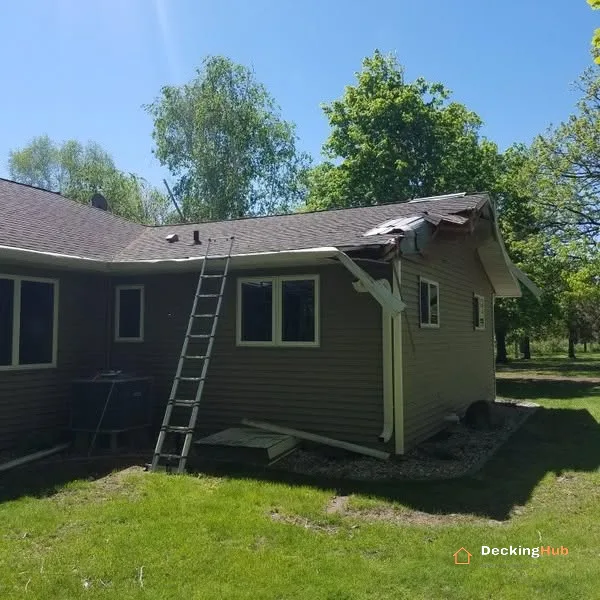
What it does not cover
This side of the list is where most denied claims live. Policies pay for events. They do not pay for time.
Wear and tear
Shingles that curl, crack, and lose their grit after years of Texas heat are wearing out. That is upkeep, not damage, and it is not covered. A roof at the end of its life is the owner’s cost.
Old age
A roof does not have to be hit by anything to fail. It can simply get old. Insurers treat age related failure as wear, and claims for it get denied.
Poor upkeep
Damage that grows because small problems were left alone lands on the homeowner. A vent boot that cracked years ago and was never sealed is a classic denial. Small fixes cost $150 to $500. Left alone, they turn into rot that no policy will touch.
Slow leaks over time
A leak that drips for months behind a wall is hard to claim. The insurer will argue the damage built up over time and the policy covers sudden events only. This is one more reason to fix a leak the week you spot the stain. Most leak repairs run $300 to $1,200.
Cosmetic damage on some policies
Some policies exclude damage that only looks bad. Dents in a metal roof or marks on shingles that still shed water may not be paid if the roof still does its job. Read the exclusions page of your policy to see if yours has this clause.
Replacement cost vs actual cash value
Two policies can cover the same storm and pay very different amounts. The difference is how yours values the roof.
Replacement cost value, or RCV, pays what the repair or new roof costs today, minus your deductible. With RCV, the insurer often pays part up front and releases the rest after the work is done and proven.
Actual cash value, or ACV, pays what the roof was worth when it was damaged. That means the insurer subtracts for age and wear first. A roof halfway through its life may be paid at about half its repair cost, and the rest comes out of your pocket.
Many Texas policies start a roof on RCV and then switch it to ACV, or to a roof payment schedule, once the roof passes a set age. A payment schedule pays a percent of the cost based on the age of the roof. Before you count on a claim, find the roof section of your policy and see which method yours uses.
The deductible math
Most Texas policies carry a separate deductible for wind and hail damage. It is not a flat fee. It is usually 1% to 2% of the insured value of the home, and it is the number that decides most roof claims.
This is why the same storm can be a smart claim on one street and a bad one on the next. The damage amount and the deductible have to be compared first, every time.
The 20 year old roof question
Homeowners ask us this one a lot, and the honest answer is: covered, but paid less. A storm can still damage a 20 year old roof, and that damage can still be a valid claim. But most policies value an older roof at cash value or on a payment schedule, so the check shrinks with every year of age.
There is a second problem. Some carriers will not write a new policy on a home with a very old roof, and some require the roof to be replaced before they renew. If your roof is past 20 years, a claim denial is not your only risk. Losing the policy itself is on the table. Keeping up with repairs and having records of the work helps on both fronts.
Claim or pay out of pocket? A simple test
Ask two questions. First, did a storm or another sudden event cause this damage? Second, is the repair cost clearly above your wind and hail deductible?
If both answers are yes, file the claim. Then read our guide on how to file a hail damage claim in Texas before the adjuster comes out, and our walkthrough of the storm damage claim process so you know what to document.
If either answer is no, pay for the repair yourself. You keep your claim record clean for the storm that really matters, and small repairs are cheaper than most homeowners expect. The Texas Department of Insurance explains what to know about insurance and your roof, in plain terms, before you file.
Call (281) 677-8586
Roof insurance questions
Does homeowners insurance cover roof repair in Texas?
Yes, when a sudden event like hail, wind, or a fallen tree causes the damage. No, when the cause is wear, age, or poor upkeep. The deductible then decides if a covered claim is worth filing.
Will insurance cover a 20 year old roof in Texas?
Storm damage can be covered, but most policies pay an older roof at cash value or on an age based schedule, so the payout is much lower than the repair cost. Wear on that same roof is never covered.
Does homeowners insurance cover roof leaks from rain?
Only if the rain got in because of a covered event, like wind tearing off shingles. A leak from an old, worn roof is treated as wear and is usually denied. The cause decides it, not the water.
How do I get insurance to pay for a roof replacement in Texas?
Document storm damage with dated photos, get your own inspection before the adjuster visit, file the claim soon after the storm, and be there when the adjuster inspects. The damage has to be storm caused and above your deductible.
Can I get my roof replaced for free?
No. Even a full, approved claim leaves you paying the deductible, which in Texas is often thousands of dollars. A roofer who offers to cover your deductible for you is breaking Texas law. Walk away from that offer.
Will a claim raise my rates?
It can. Insurers track claim history, and storm claims across a whole area can push rates up for everyone. That is one more reason to save claims for damage that clearly clears your deductible.
Call (281) 677-8586
Lines open 7 AM to 9 PM.
Start with the roof itself. Our storm damage repair crew will document what the storm did, tell you plainly if it looks like a claim or a simple repair, and fix what needs fixing either way. And if you are still weighing repair against replacement, the DeckingHub home page shows what we do and what it costs.