
Contractor’s Bottom Line
Roof vent leaks occur when the flashing boot surrounding the vent pipe cracks, shrinks, or separates from the roof shingles. UV radiation degrades the neoprene or rubber collar over time, creating gaps that allow wind-driven rain to flow directly into the attic. Replace the entire flashing boot rather than applying caulk, as surface seals cannot accommodate the thermal movement of the vent pipe.
Key Takeaways
- Most vent leaks in North Texas stem from cracked rubber gaskets on plumbing boots failing under extreme 100°F+ heat.
- IRC R903.2 requires all roof penetrations to be flashed with materials compatible with the roof covering, such as ASTM D226 compliant underlayment.
- Professional repairs in the DFW area typically take 2-4 hours and should include an inspection of the synthetic underlayment and surrounding shingles.
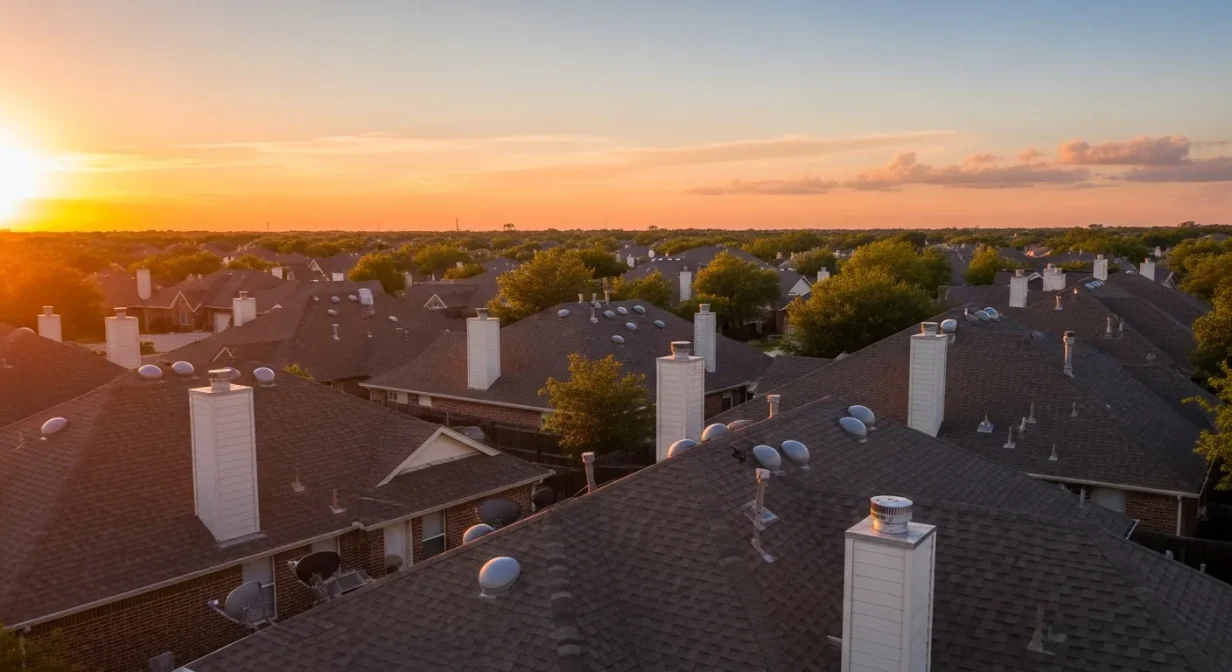
In the Dallas-Fort Worth area, roof vent leaks are a leading cause of premature roof deck failure. The extreme North Texas heat causes rapid expansion and contraction of asphalt shingles and plumbing boots, often cracking the seals. FIELD NOTE: Last month, a Dallas homeowner in Lakewood called me after a ‘minor’ stain appeared in their guest bathroom. Upon inspection, I found the OSB decking had completely rotted through because a cheap thermoplastic boot had split, resulting in a $4,800 repair that could have been avoided with a $50 maintenance check.
Understanding how to spot these leaks early is critical for protecting your home’s structural integrity. This guide leverages standards from the National Roofing Contractors Association (NRCA) to help you diagnose and resolve these common roofing failures.
Early Warning Signs of Vent Failures
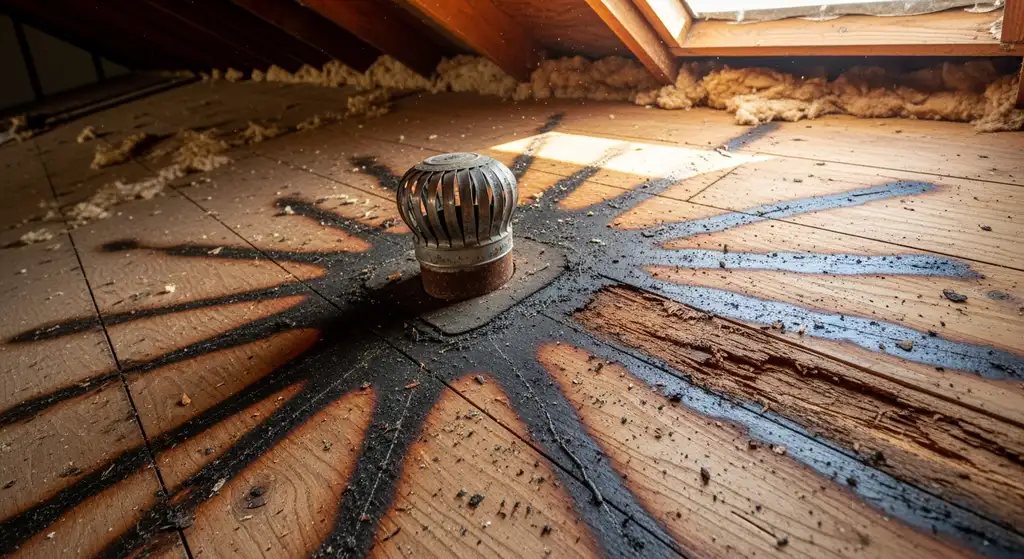
Homeowners often miss the earliest signs of a leak because they expect a steady drip. In reality, roof vent leaks often manifest as intermittent moisture during heavy North Texas thunderstorms. Look for dark water rings on the ceiling or walls specifically around areas where plumbing pipes or exhaust vents penetrate the roof. Inside the attic, check for damp insulation or white mineral deposits on the PVC piping, which indicate water tracking down the exterior of the vent.
If you notice shingle buckling or ‘humps’ around the base of a vent, the wood sheathing below is likely absorbing moisture and expanding. These symptoms often point to a failure in the flashing or the secondary water barrier. According to the International Code Council (ICC), maintaining a watertight seal at these penetrations is the primary defense against internal water damage.
Musty odors in the attic
Consequence: Suggests active mold growth on the roof deck or insulation.
Rusted nails in the attic space
Consequence: Indicates high humidity or direct water intrusion from a nearby vent.
Why Roof Vents Fail in North Texas
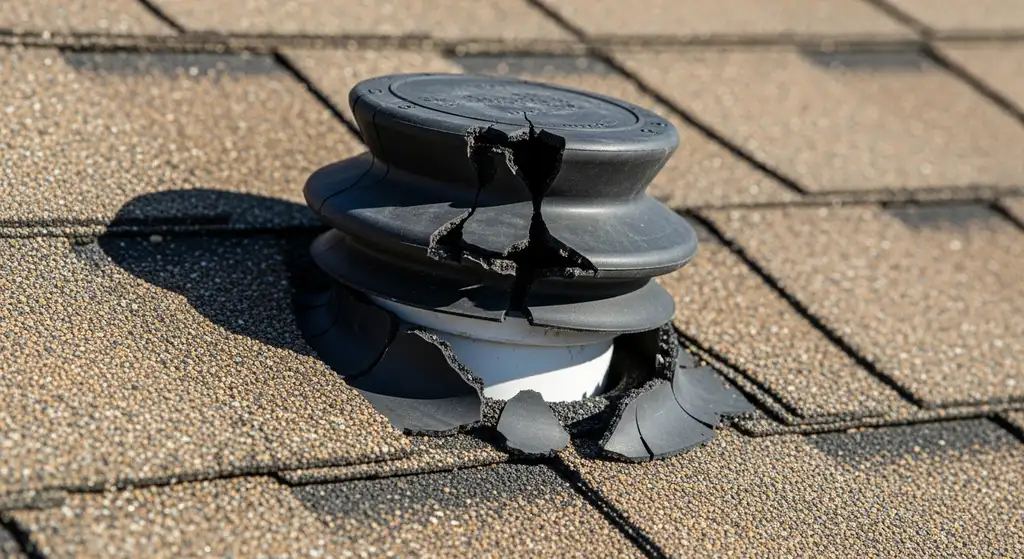
The primary culprit for vent leaks in the DFW Metroplex is the failure of the rubber gasket on plumbing boots. These boots, often made of thermoplastic, are not designed to withstand the 160°F surface temperatures common on Dallas roofs during July and August. Over time, the rubber becomes brittle and cracks, allowing water to bypass the flashing. Another common issue is improper installation of the ice and water shield or synthetic underlayment.
The NRCA recommends that underlayment be integrated with the flashing in a ‘shingle-fashion’ manner to ensure water flows over the penetration rather than under it. When contractors skip this step, water can track behind the flashing and rot the CDX plywood. High winds during North Texas spring storms can also lift the ‘tails’ of asphalt shingles surrounding the vent. If the shingles were not nailed according to manufacturer specs (like GAF or CertainTeed guidelines), the wind uplift can break the sealant bond, exposing the nail heads of the vent flashing.
Field Note from Experience
During an inspection in Plano, I found a row of vents where the previous contractor had used roofing cement instead of proper flashing. The Texas heat had melted the cement, creating a dam that trapped water and caused $3,200 in damages to the Advantech subflooring below.
Repairing vs. Replacing Your Roof Vents
Deciding whether to patch a leak or replace the entire vent assembly depends on the age of the roof and the condition of the surrounding architectural shingles. If the shingles are less than 10 years old and the leak is caught early, a simple boot replacement is often sufficient. However, if the underlying OSB is soft or showing signs of delamination, a more extensive repair is required. In Dallas-Fort Worth, expect to pay $450-$900 per vent for a professional repair.
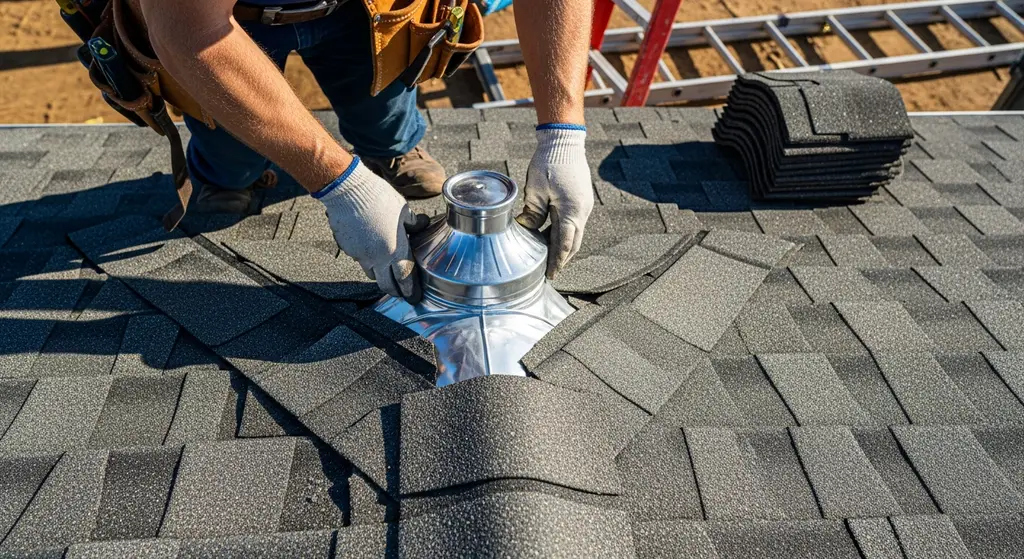
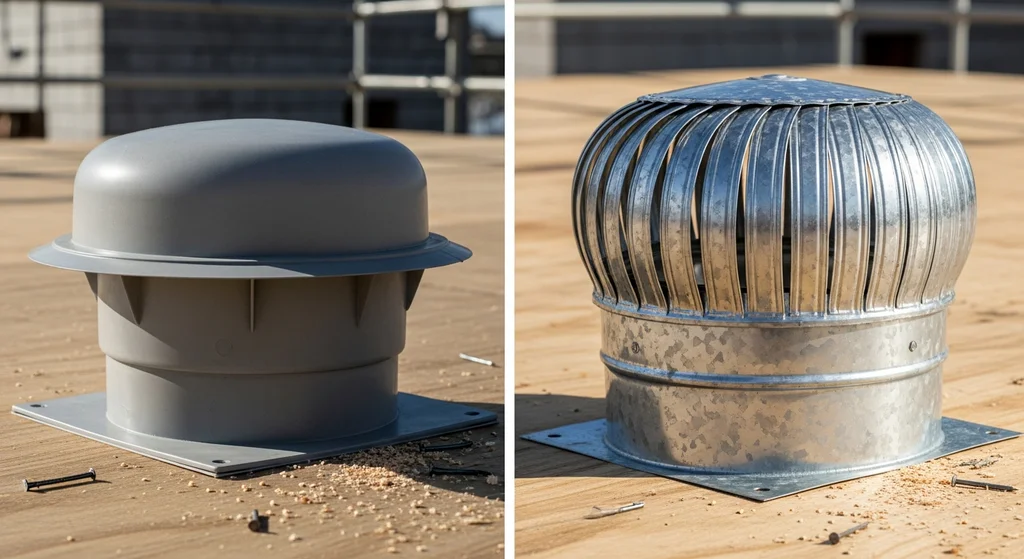
These are current 2026 Dallas market prices; costs vary by region and can be 15-25% higher in remote Texas areas. Peak pricing occurs during the spring storm season (March-May) when demand for roofers is highest. When replacing a vent, I always recommend upgrading to a lead boot or a G-90 galvanized steel base. While these materials have a higher upfront cost than plastic, they are immune to UV damage and can last the entire 30-year lifespan of a high-end asphalt shingle roof.
Dallas Market Pricing
In Dallas-Fort Worth, expect to pay $450-$900 per vent. These are current 2026 Dallas market prices; costs vary by region and can be 15-25% higher in remote Texas areas. Peak pricing occurs spring (March-May) storm season.
Cracked Gasket
Typical Cost: $450
Prevention: Annual inspections
Insurance Coverage: Typically excluded (maintenance)
Code Reference: IRC R903.2
Rotted Decking
Typical Cost: $1,200+
Prevention: Prompt repair of small leaks
Insurance Coverage: May be covered if caused by storm damage
Code Reference: IRC R803.2.1
Proactive Maintenance for Dallas Homeowners
Prevention is significantly cheaper than remediation. I recommend a bi-annual inspection of all roof penetrations, particularly after the extreme heat of a North Texas summer and the hail-heavy spring. Ensure that the sealant around the top of the vent pipe is still pliable and that no shingles have pulled away from the flashing. Using high-performance materials like synthetic underlayment meeting ASTM D4869 standards provides a secondary layer of protection if the primary flashing fails.
Many modern manufacturers, such as Owens Corning, offer integrated flashing systems that are far more durable than the generic components found at big-box retailers. Finally, ensure your attic has proper ventilation to reduce heat buildup. Excessive attic heat can bake the roofing materials from the inside out, accelerating the failure of vent seals. Following NRCA guidelines for balanced intake and exhaust can extend the life of your vent flashings by years.
| Maintenance Checklist | |
|---|---|
| Gasket Check | Inspect for cracks every 12 months |
| Sealant | Apply ASTM D4586 compliant cement if needed |
| Debris | Clear leaves from behind vent bases |
External Authoritative Resources
These industry-standard references support the information in this guide:
Building Codes
Frequently Asked Questions
How much does it cost to fix a roof vent leak in Dallas?
In the current 2026 market, expect to pay between $450 and $900 per vent for a professional repair. This includes removing surrounding shingles, replacing the boot, and ensuring compliance with IRC R905.2.8.1.
Will insurance cover a leaking roof vent?
Insurance typically covers leaks caused by sudden ‘perils’ like hail or wind damage. However, leaks caused by age-related wear or UV degradation are considered maintenance issues and are usually excluded from coverage.
Can I use roofing caulk to fix a vent leak?
Caulk is a temporary fix that rarely lasts more than one season in the North Texas heat. The NRCA recommends a full flashing replacement to ensure a long-term watertight seal.
What is the best material for a roof vent boot?
Lead boots are the gold standard because they are impervious to UV rays and flexible enough to fit various pipe sizes. Galvanized steel meeting ASTM A653 standards is also highly recommended for its durability.
How do I know if the leak is the vent or the shingles?
If the water stain is directly beneath a pipe penetration, the vent is the likely culprit. A professional can use a moisture meter to track the path of intrusion back to the IRC-regulated flashing.
How long do roof vent boots last in Texas?
Standard thermoplastic boots often fail within 7 to 10 years due to extreme heat. Upgrading to high-quality materials can extend this lifespan to 30 years or more.
Final Thoughts
Addressing a roof vent leak promptly is the difference between a simple repair and a full roof replacement. In the Dallas-Fort Worth Metroplex, our climate demands higher standards than the minimum code requirements. By opting for lead or steel flashings and ensuring your contractor follows NRCA best practices, you can protect your home from the inevitable North Texas storms. FIELD NOTE: I’ve worked with many families in Frisco who thought they needed a new roof, only to find that $1,200 in vent repairs could buy them another 5 years of life.
Don’t let a small leak turn into a major insurance claim. If you suspect an issue, have a professional inspection performed immediately to ensure your home remains compliant with IRC 2021 standards as of 2026.
