
Contractor’s Bottom Line
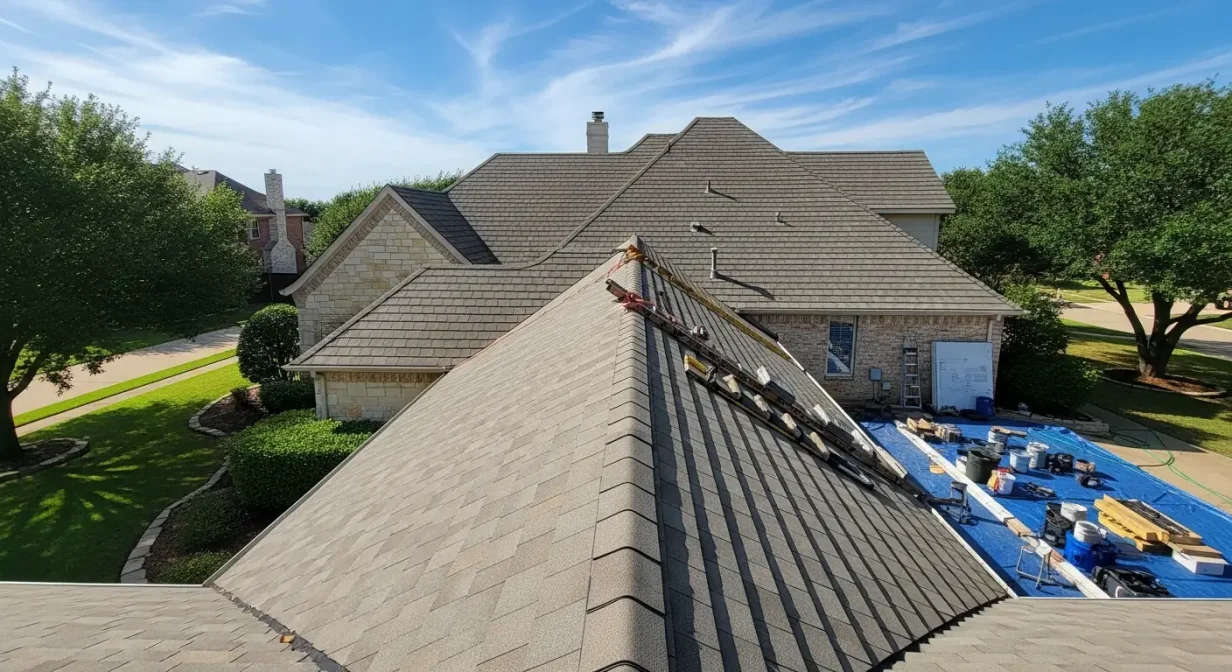
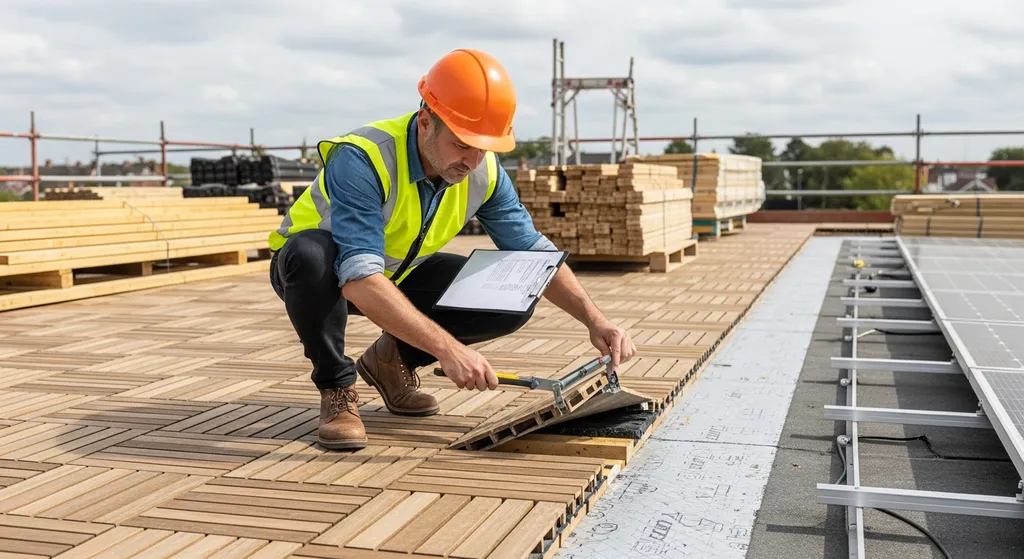
Roof decking tiles are interlocking surface materials, typically made of wood composite or concrete, used to create a finished floor on flat roof decks. These systems are designed with integrated drainage channels that allow water to flow beneath the tiles without ponding on the surface. Clean the gaps between the interlocking tiles regularly to prevent debris from blocking the essential drainage pathways to the roof membrane below.
Key Takeaways
- Roof decking tiles offer superior fire resistance compared to OSB or CDX plywood, enhancing safety and potentially lowering insurance premiums.
- Proper installation of roof decking tiles is crucial in Dallas to prevent water damage and ensure compliance with IRC R905, which specifies requirements for roof coverings.
- While durable, roof decking tiles can be more expensive than traditional materials; Dallas-Fort Worth homeowners should factor in the higher material and labor costs when budgeting for a roofing project.
Roof decking tiles provide a unique and durable option for roofing underlayment, offering advantages in fire resistance and longevity compared to traditional wood-based decking. These tiles are typically composed of concrete, clay, or composite materials, each with distinct characteristics and performance profiles. Understanding the composition and proper installation techniques is crucial for ensuring a long-lasting and weather-resistant roof, especially in demanding climates like that of North Texas. Selecting the right decking material is critical for the overall performance of any roofing system.
The National Roofing Contractors Association (NRCA) emphasizes the importance of proper substrate preparation and material compatibility. In Dallas, where temperature fluctuations and intense sun exposure are common, the choice of decking material can significantly impact the roof’s lifespan. Tiles offer a robust defense against these environmental stressors. FIELD NOTE: I recently consulted on a project in Preston Hollow where the homeowner chose lightweight concrete decking tiles.
They were drawn to the fire resistance, but the initial installation was flawed, leading to significant water intrusion during a heavy rain. It cost them nearly $8,000 to correct the issues, highlighting the importance of experienced installers. Always check TDLR license verification before hiring.
Understanding the Composition of Roof Decking Tiles
Roof decking tiles are available in various materials, each offering different benefits. Concrete tiles are known for their durability and affordability, while clay tiles provide a classic aesthetic and excellent longevity. Composite tiles combine recycled materials with polymers, offering a lightweight and environmentally friendly option. The specific composition influences the tile’s weight, water absorption, and resistance to impact.
The composition also affects the tile’s thermal properties and its ability to withstand temperature fluctuations. In Dallas, where temperatures can swing dramatically, selecting tiles with low thermal expansion coefficients is essential. ASTM International provides standards for testing and classifying these materials, ensuring they meet minimum performance requirements. The selection process should consider both aesthetic preferences and functional needs.
Dallas Market Pricing
In Dallas-Fort Worth, expect to pay $4.00-$8.00 per square foot for roof decking tiles. These are current 2026 Dallas market prices; costs can be 15-25% higher in remote Texas areas. Peak pricing occurs spring (March-May) storm season.
The Manufacturing Process: From Raw Materials to Finished Tile
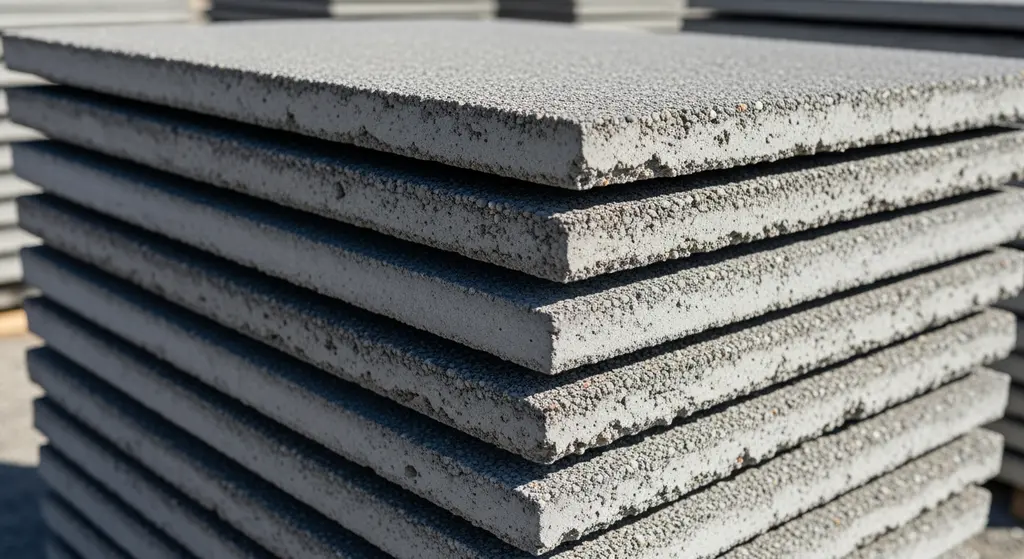
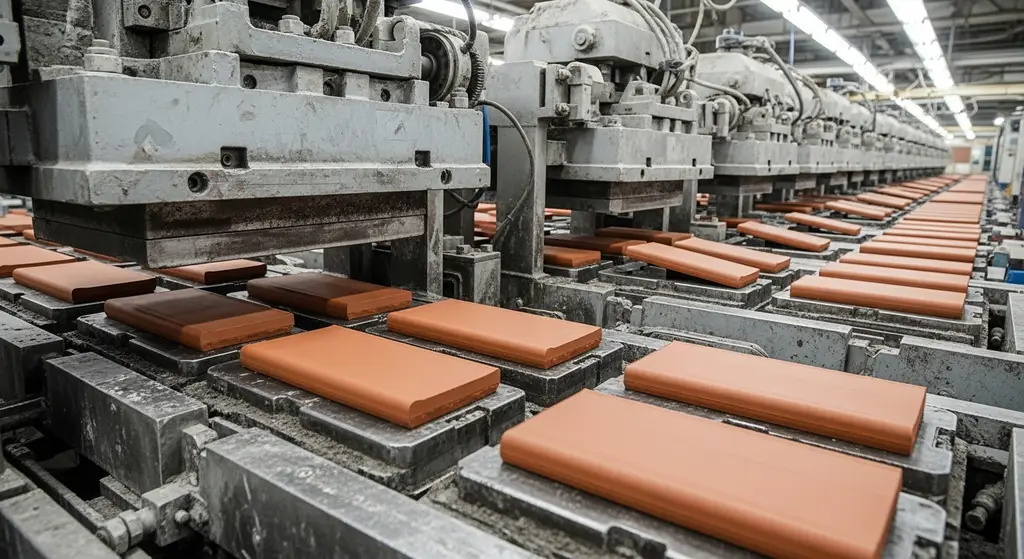
The manufacturing process of roof decking tiles varies depending on the material. Concrete tiles are typically made by mixing cement, sand, and water, then molding the mixture into the desired shape. Clay tiles involve firing clay at high temperatures to achieve hardness and durability. Composite tiles are often manufactured through a process of extrusion or compression molding, combining recycled plastics or other materials with binding agents.
Quality control is a crucial aspect of the manufacturing process. Tiles must meet stringent standards for dimensional accuracy, strength, and water absorption. ASTM D3043 outlines testing procedures for asphalt shingles and similar materials, ensuring they meet minimum performance criteria. Reputable manufacturers adhere to these standards to guarantee the quality and longevity of their products.
Ideal Use Cases: When Roof Decking Tiles Excel
Roof decking tiles are particularly well-suited for projects where fire resistance and durability are paramount. They are often used in areas prone to wildfires or where building codes require enhanced fire protection. Tiles are also an excellent choice for roofs with complex geometries or steep slopes, where traditional decking materials may be more difficult to install. Their aesthetic appeal makes them a popular choice for high-end residential projects.
In Dallas, where hailstorms are common, the impact resistance of certain tile types can be a significant advantage. Concrete and clay tiles, in particular, offer superior resistance to hail damage compared to OSB or CDX plywood. Homeowners in the Dallas-Fort Worth area should consider this factor when selecting roofing materials.
Incompatible Applications: When Roof Decking Tiles May Not Be Suitable
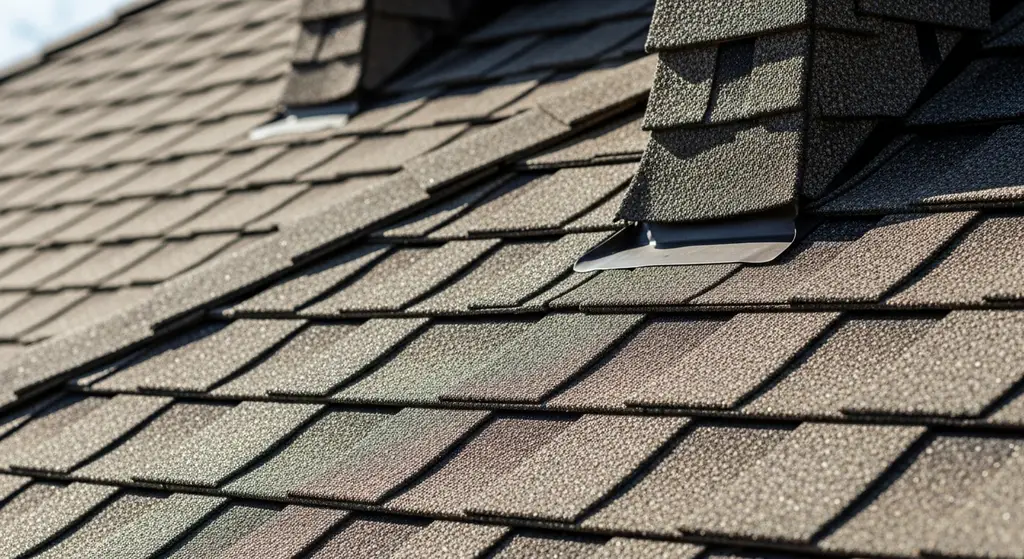
While roof decking tiles offer many benefits, they are not always the best choice for every project. Their weight can be a limiting factor, as some roof structures may not be able to support the added load. Installation can be more complex and time-consuming compared to traditional decking materials, potentially increasing labor costs. Tiles may also be less suitable for roofs with very low slopes, where water drainage can be an issue.
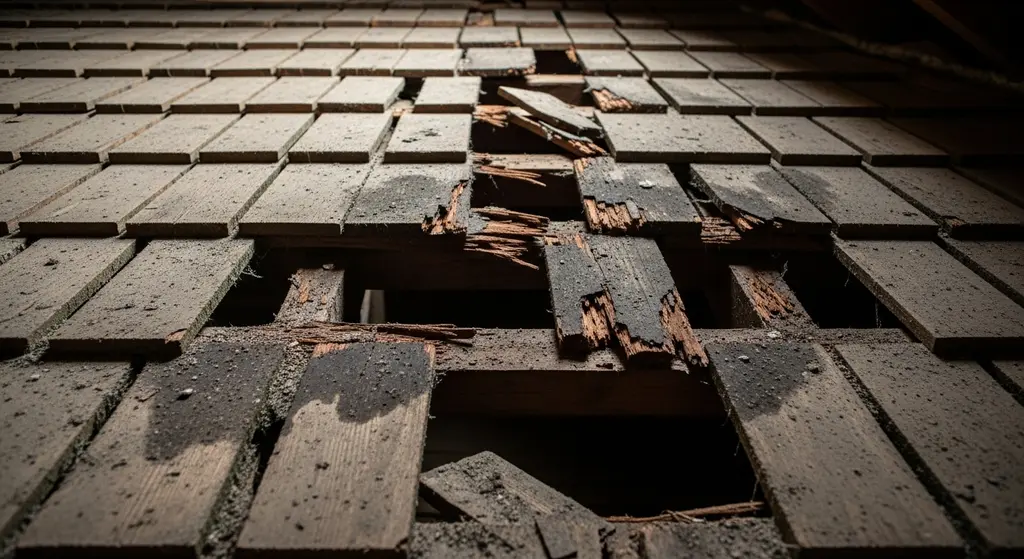
In the Dallas area, it’s crucial to assess the structural integrity of the roof before installing heavy tiles. Older homes, in particular, may require reinforcement to handle the additional weight. Consulting with a structural engineer is recommended to ensure the roof can safely support the chosen material. Ignoring this step can lead to costly and dangerous structural failures.
Dallas Climate Performance: How Roof Decking Tiles Hold Up
The Dallas-Fort Worth climate presents unique challenges for roofing materials. Extreme heat, intense sun exposure, and frequent hailstorms can all take a toll on roof decking. Roof decking tiles generally perform well in these conditions, offering superior resistance to fire and hail compared to traditional wood-based decking. However, proper ventilation and moisture control are essential to prevent condensation and mold growth.
The thermal performance of roof decking tiles can also be a factor in Dallas. Tiles with high thermal mass can help regulate indoor temperatures, reducing energy consumption. However, dark-colored tiles may absorb more heat, potentially increasing cooling costs during the summer months. Selecting tiles with appropriate color and reflectivity can help optimize energy efficiency.
Installer Preferences: What Contractors Say About Roof Decking Tiles
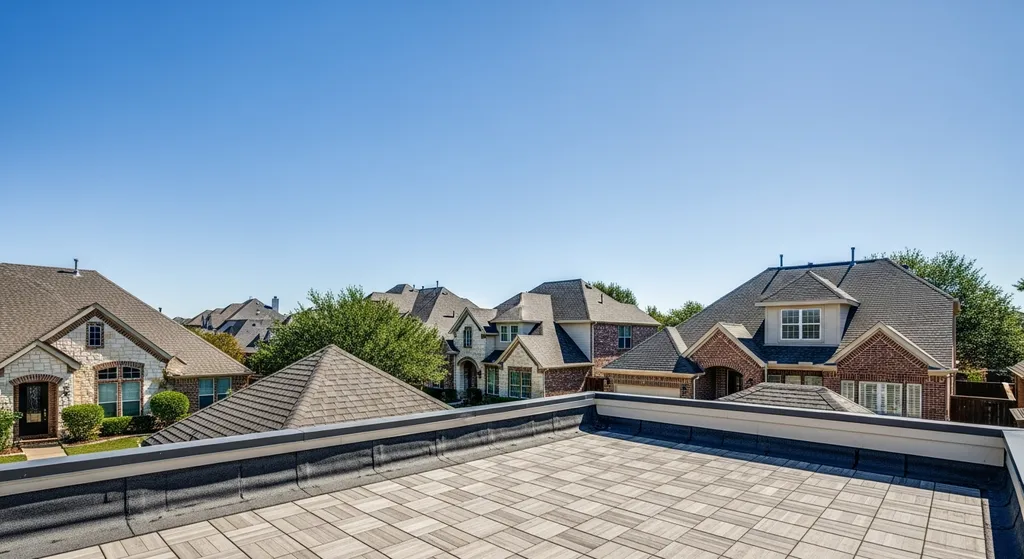
A survey of roofing contractors in the Dallas-Fort Worth area reveals mixed opinions on roof decking tiles. Some contractors praise their durability and aesthetic appeal, while others express concerns about the increased labor costs and installation complexity. Many contractors emphasize the importance of proper training and experience when working with tile roofing systems. The NRCA offers training programs and certifications for roofing professionals.
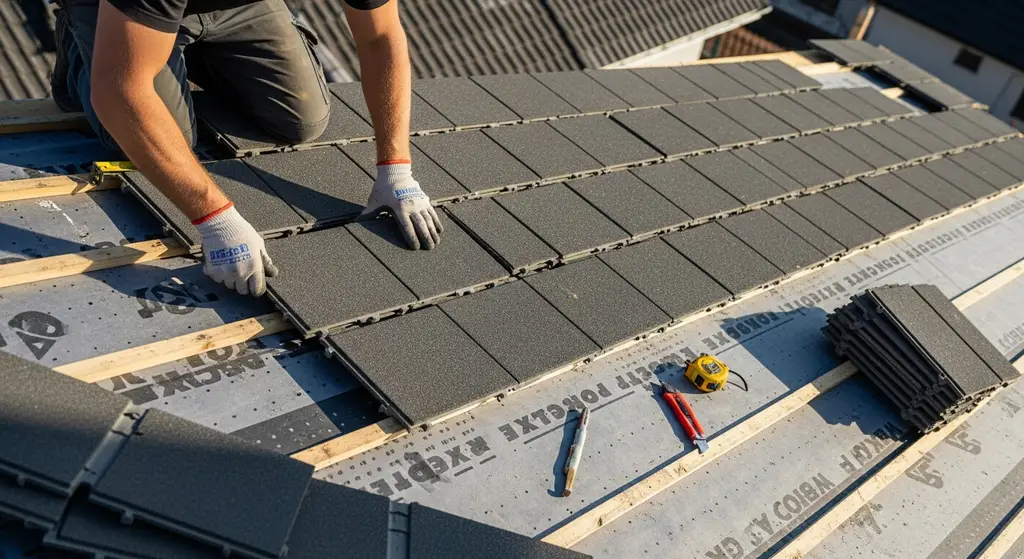
Contractors also highlight the need for specialized tools and equipment when installing roof decking tiles. Tile cutters, mortar mixers, and scaffolding may be required, adding to the overall project cost. It’s essential to choose a contractor with the necessary expertise and resources to ensure a successful installation.
Material Sourcing: Where to Find Roof Decking Tiles in Dallas
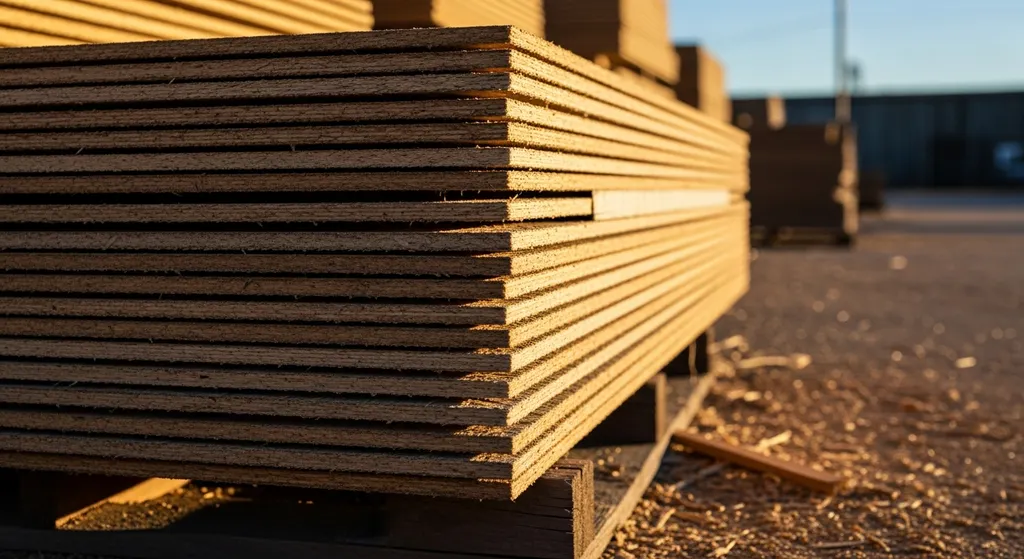
Roof decking tiles are available from various suppliers in the Dallas-Fort Worth area. Local lumberyards, roofing supply companies, and specialty tile distributors offer a wide range of options. Sourcing materials locally can help reduce transportation costs and lead times. It also allows homeowners and contractors to inspect the materials firsthand before making a purchase.
When sourcing roof decking tiles, it’s essential to consider the manufacturer’s reputation and warranty. Reputable manufacturers typically offer warranties that cover material defects and premature failure. Reviewing the warranty terms and conditions carefully is crucial to ensure adequate protection. Check with the Texas Department of Insurance for licensed and insured suppliers.
Specification Verification: Ensuring the Right Material for Your Project
Verifying the specifications of roof decking tiles is crucial to ensure they meet the requirements of your project. Check the manufacturer’s technical data sheets for information on weight, dimensions, water absorption, and fire resistance. Compare these specifications to the requirements outlined in the International Residential Code (IRC) and local building codes. Ensure the tiles are compatible with the chosen roofing system.
Consulting with a qualified roofing contractor or structural engineer is recommended to verify the suitability of the chosen material. They can assess the structural capacity of the roof and ensure the tiles meet all applicable code requirements. Proper specification verification can help prevent costly mistakes and ensure a long-lasting and safe roofing system.
Applicable ASTM Standards: Ensuring Quality and Performance
Several ASTM standards apply to roof decking tiles, ensuring quality and performance. ASTM D226 covers asphalt-saturated organic felt used in roofing and waterproofing. ASTM D4869 specifies the requirements for asphalt-saturated organic felt underlayment used in steep-slope roofing. These standards outline testing procedures for various properties, including tensile strength, water absorption, and fire resistance.
Adherence to ASTM standards is essential for ensuring the long-term performance and durability of roof decking tiles. Reputable manufacturers test their products to these standards and provide documentation to verify compliance. When selecting roofing materials, always ask for documentation of ASTM compliance to ensure you are getting a high-quality product.
Manufacturer Technical Data: Understanding Product Specifications
Reviewing manufacturer technical data is essential for understanding the specific properties of roof decking tiles. Technical data sheets typically include information on weight, dimensions, water absorption, fire resistance, and wind uplift resistance. This information is crucial for determining the suitability of the material for a particular project. GAF, Owens Corning, and CertainTeed are major manufacturers who publish detailed product data.
Technical data also includes information on installation requirements, such as fastener spacing and overlap. Following the manufacturer’s instructions is critical for ensuring a proper installation and maintaining the warranty. Always consult the manufacturer’s technical data before starting any roofing project.
Thermal and Structural Properties: Key Performance Indicators
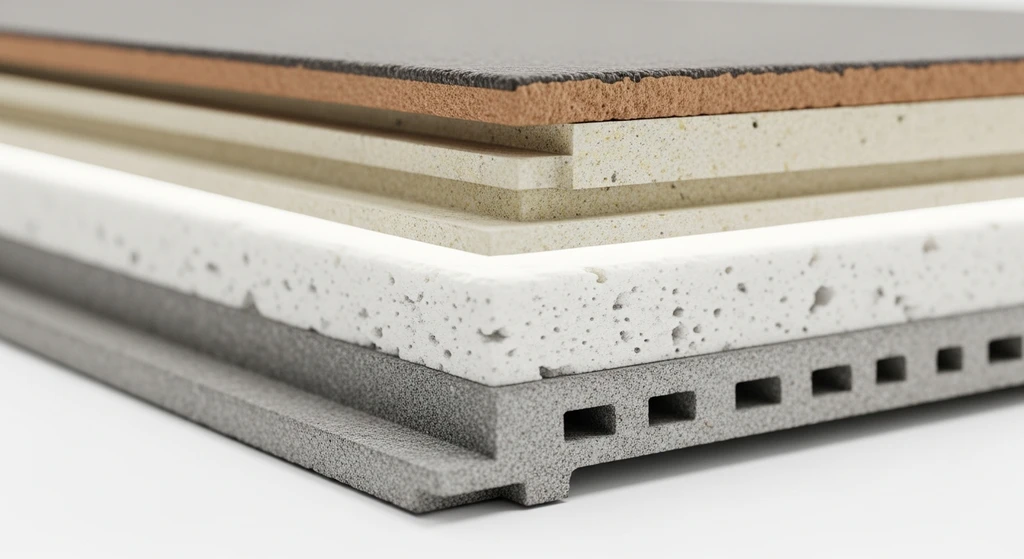
The thermal and structural properties of roof decking tiles significantly impact their overall performance. Thermal properties, such as R-value and thermal conductivity, determine the tile’s ability to insulate the building and reduce energy consumption. Structural properties, such as compressive strength and flexural strength, determine the tile’s ability to withstand loads and resist damage. Selecting tiles with appropriate thermal and structural properties is crucial for ensuring a comfortable and energy-efficient building.
In Dallas, where temperature extremes are common, high R-value tiles can help reduce heating and cooling costs. Similarly, tiles with high compressive strength can withstand hailstorms and other impacts, extending the roof’s lifespan.
External Authoritative Resources
These industry-standard references support the information in this guide:
Building Codes
Frequently Asked Questions
Are roof decking tiles more expensive than traditional decking?
Yes, roof decking tiles generally have a higher upfront material cost compared to traditional OSB or plywood decking, but their durability can result in long-term savings. In Dallas, material costs are often higher than the national average.
Do roof decking tiles require special installation techniques?
Yes, installing roof decking tiles requires specialized tools and techniques, and proper installation is crucial to prevent water damage and ensure compliance with IRC R905.
Are roof decking tiles fire-resistant?
Yes, roof decking tiles offer excellent fire resistance, providing an added layer of protection compared to wood-based decking materials and potentially lowering insurance premiums.
How do roof decking tiles perform in the Dallas climate?
Roof decking tiles are well-suited for the Dallas climate, offering resistance to hail, extreme heat, and intense sun exposure, but proper ventilation is essential to prevent moisture buildup.
Can I install roof decking tiles myself?
While DIY installation is possible, it’s generally recommended to hire a professional roofing contractor due to the complexity and potential risks involved in ensuring proper installation and code compliance.
What are the benefits of using composite roof decking tiles?
Composite roof decking tiles offer a lightweight and environmentally friendly option, combining recycled materials with polymers to create a durable and weather-resistant product that meets ASTM standards.
Final Thoughts
Roof decking tiles offer a durable and aesthetically pleasing alternative to traditional decking materials, providing enhanced fire resistance and longevity. However, careful consideration is needed for their application in the Dallas-Fort Worth climate, including assessing the roof’s structural capacity and ensuring proper installation techniques. Selecting an experienced contractor and verifying material specifications are crucial for a successful roofing project. FIELD NOTE: I once inspected a roof in Plano where the homeowner had installed lightweight concrete tiles without reinforcing the structure.
The roof began to sag within a few years, costing them over $15,000 to repair. Don’t let this happen to you. Contact a qualified roofing professional today to explore the benefits of roof decking tiles and ensure your roof is built to last.
