
Contractor’s Bottom Line
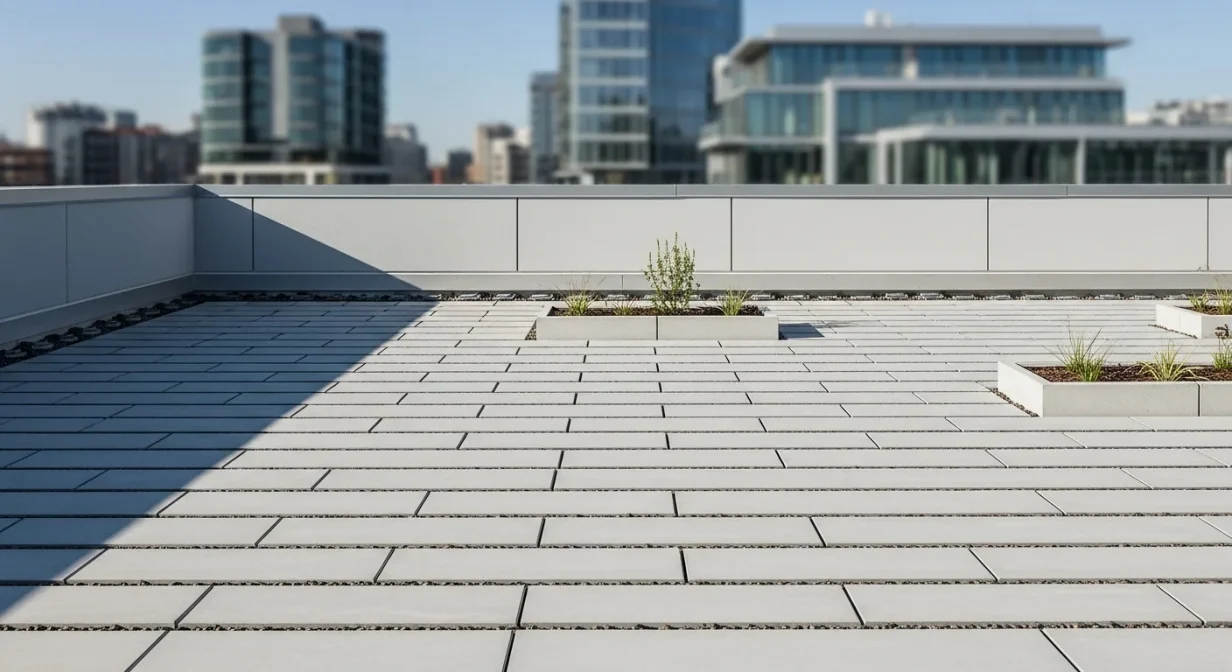
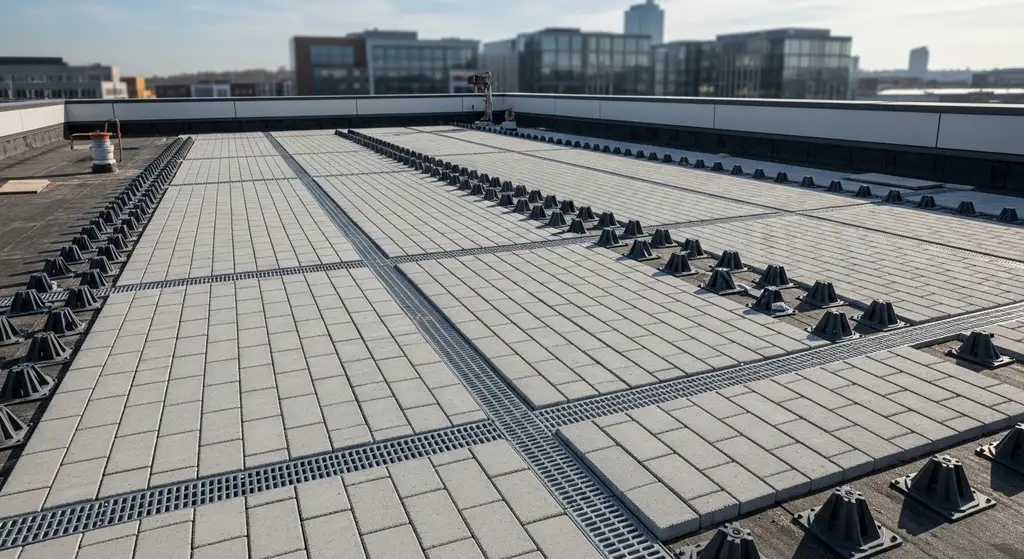
Roof decking pedestals are height-adjustable supports used to elevate pavers or walking decks above a flat roof membrane. By creating an air gap between the walking surface and the roof, pedestals protect the waterproofing layer from physical damage and thermal stress. Verify that the pedestal bases distribute the load evenly across the insulation to prevent compressing the underlying roof assembly.
Key Takeaways
- Roof decking pedestals provide a level surface for various rooftop applications, including paver systems and equipment mounting, ensuring proper drainage and protection of the roofing membrane.
- Compliance with the International Residential Code (IRC) and local Dallas amendments is crucial, focusing on load-bearing capacity and proper spacing to ensure structural integrity and safety.
- Selecting appropriate materials, such as pressure-treated lumber or composite materials, is essential for durability and resistance to the harsh Texas climate, impacting the long-term performance and cost-effectiveness of the pedestal system.
Roof decking pedestals are increasingly utilized in commercial roofing projects across Dallas-Fort Worth. They provide a stable and level surface for various applications, from supporting rooftop pavers to creating platforms for HVAC equipment. Understanding the specific challenges and code requirements associated with these systems is essential for ensuring a successful and long-lasting installation. Proper pedestal selection and installation are critical for preventing water damage and maintaining the integrity of the underlying roofing membrane.
The National Roofing Contractors Association (NRCA) provides valuable guidelines for best practices in pedestal system design and installation. Ignoring these guidelines can lead to costly repairs and potential code violations. FIELD NOTE: Last year, a Dallas building owner called me after a pedestal system failed, causing significant water damage to the underlying roof. The contractor had used untreated lumber, which quickly deteriorated in the Texas heat and humidity.
The repair cost the owner over $10,000 and highlighted the importance of using appropriate materials and following NRCA guidelines.
Unique Challenges of Roof Decking Pedestals
Roof decking pedestals present unique challenges due to the rooftop environment and the specific demands of commercial applications. One significant challenge is ensuring proper drainage to prevent water accumulation and potential damage to the roofing membrane. The NRCA recommends incorporating drainage pathways and using materials resistant to moisture and UV degradation. Another challenge is accommodating the weight and distribution of loads, especially when supporting heavy equipment or paver systems.
Proper load calculations and pedestal spacing are essential to ensure structural integrity and prevent overloading the roof decking. The International Code Council (ICC) provides guidelines for load calculations and structural design considerations. Accessibility for maintenance and repairs also poses a challenge. Pedestal systems should be designed to allow easy access to the underlying roofing membrane for inspections and repairs.
This may involve incorporating removable panels or designing the system to allow for easy removal and replacement of individual pedestals.
Field Note from Experience
I inspected a building in downtown Dallas where the pedestals were installed too close together, creating a tripping hazard and hindering access to the roof membrane. Correcting this required a complete redesign and reinstall, costing the building owner $8,000.
Code Variations for Different Applications
The specific code requirements for roof decking pedestals can vary depending on the intended application. For example, pedestal systems supporting rooftop pavers may have different load-bearing requirements than those supporting HVAC equipment. It is crucial to consult the IRC 2021 and local Dallas amendments to ensure compliance with all applicable codes. Furthermore, the type of occupancy and the location of the building can also influence code requirements.
Buildings in high-wind areas or those subject to seismic activity may have stricter requirements for pedestal anchorage and stability. FEMA provides guidelines for designing and constructing buildings to withstand natural disasters. Permit requirements and inspection procedures also vary depending on the scope and complexity of the project. In Dallas, a building permit is typically required for any structural modifications to a roof, including the installation of roof decking pedestals.
The Texas Department of Licensing and Regulation (TDLR) oversees licensing for roofing contractors.

Field Note from Experience
During an inspection in North Dallas, I found that a contractor had installed a pedestal system without obtaining the necessary permits. The city issued a stop-work order, and the building owner had to pay a hefty fine and bring the system into compliance, costing them over $5,000.
Selecting Scale-Appropriate Materials
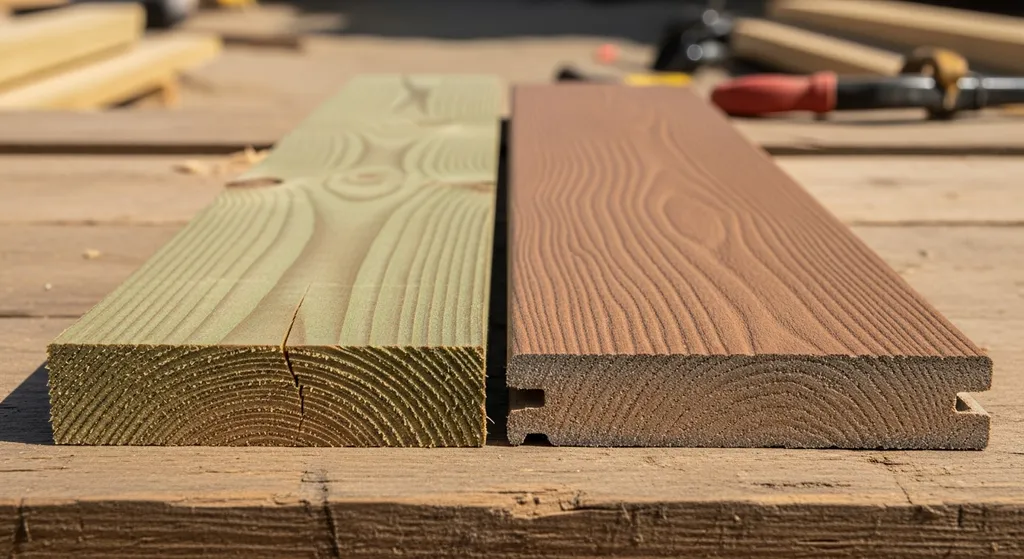
Choosing the right materials for roof decking pedestals is crucial for ensuring long-term performance and durability. Pressure-treated lumber is a common choice, but it is essential to select lumber that is properly treated for exterior use and resistant to decay and insect infestation. Advantech is an alternative that offers superior moisture resistance. Synthetic lumber is also an option.
Composite materials, such as recycled plastic or fiberglass, offer excellent resistance to moisture, UV degradation, and insect infestation. These materials are often more expensive than pressure-treated lumber but can provide a longer service life and reduced maintenance costs. ASTM International sets standards for the performance and durability of composite materials. Fasteners used to assemble and secure the pedestal system must also be corrosion-resistant and compatible with the chosen materials.
Stainless steel fasteners are recommended for use in exterior applications to prevent rust and degradation. The NRCA provides guidelines for selecting appropriate fasteners for roofing applications.
Field Note from Experience
I’ve seen pressure-treated lumber fail prematurely in Texas due to improper treatment and exposure to moisture. Switching to composite materials can significantly extend the lifespan of the pedestal system and reduce maintenance costs.
Integration with Existing Roof Structure
Proper integration of roof decking pedestals with the existing roof structure is essential to prevent water damage and maintain the integrity of the roofing system. The pedestals should be installed in a manner that does not compromise the roofing membrane or create pathways for water intrusion. NRCA guidelines emphasize the importance of using appropriate flashing and sealants to protect penetrations. Consideration should be given to the slope of the roof and the need for shimming or leveling the pedestals to create a flat and stable surface.
The IRC 2021 provides guidelines for roof slope and drainage requirements. The use of tapered insulation can also help to create positive drainage. When installing pedestals on existing roofs, it is important to assess the condition of the roofing membrane and make any necessary repairs before proceeding. Any damaged or deteriorated areas should be patched or replaced to ensure a watertight seal.
Synthetic underlayment offers an extra layer of protection.

Field Note from Experience
On a recent project in Dallas, we discovered significant rot in the roof decking beneath an existing pedestal system. The original installation had not been properly flashed, allowing water to penetrate the roof structure. The repair cost the building owner over $6,000.
Accessibility and Working Constraints
Working on commercial roofs often presents unique accessibility and working constraints. The height of the building, the slope of the roof, and the presence of existing equipment can all make it challenging to transport materials and install roof decking pedestals. OSHA provides safety regulations for working at heights and on roofs. Careful planning and coordination are essential to ensure a safe and efficient installation.
This may involve using cranes or hoists to lift materials onto the roof and implementing fall protection measures to protect workers. It’s important to consider the load-bearing capacity of the roof when using heavy equipment. Furthermore, it is important to minimize disruption to the building’s occupants and operations during the installation process. This may involve scheduling work during off-peak hours and taking steps to control noise and dust.
Communication with building management and tenants is crucial to ensure a smooth and successful project.

Field Note from Experience
I’ve seen contractors cut corners on safety to save time and money, putting their workers at risk. It’s essential to prioritize safety and comply with all applicable OSHA regulations.
IRC Requirements for Roof Decking Pedestals
The International Residential Code (IRC) provides specific requirements for roof structures, including those incorporating roof decking pedestals. IRC R803.2.1 specifies minimum thickness requirements for roof sheathing based on rafter spacing. It also outlines requirements for fastening and support. IRC R905 addresses roof covering requirements, including the need for proper underlayment and flashing.
The code also specifies requirements for wind uplift resistance, which is particularly important in areas prone to high winds. In Dallas, wind speeds can reach significant levels during storms, necessitating strict adherence to wind uplift requirements. Local amendments to the IRC may also apply, so it is crucial to consult with the Dallas building department to ensure compliance with all applicable codes. Failure to comply with the IRC can result in fines, delays, and potential structural failures.

Field Note from Experience
I’ve seen contractors use undersized roof sheathing to save money, which can compromise the structural integrity of the roof and violate the IRC. It’s essential to use the correct materials and follow all applicable code requirements.
Cost Breakdown for Roof Decking Pedestal Systems
The cost of installing a roof decking pedestal system can vary depending on several factors, including the size of the roof, the type of materials used, and the complexity of the installation. A detailed cost breakdown should include materials, labor, permits, and any necessary equipment rentals. Material markup can be 25-40% depending on the contractor. Material costs will depend on the type of pedestals chosen, with composite materials typically being more expensive than pressure-treated lumber.
Labor costs will vary depending on the skill and experience of the installers. Permit fees and inspection costs can also add to the overall cost of the project. Prices typically peak in spring (March-May) after storm season and are lowest in late fall (October-November). It’s important to obtain multiple quotes from qualified roofing contractors to ensure that you are getting a fair price.
Be sure to compare the quotes carefully and ask for a detailed breakdown of all costs. Hidden costs can include disposal fees and unforeseen repairs to the existing roof structure.
Dallas Market Pricing
In Dallas-Fort Worth, expect to pay $15-$30 per pedestal installed. These are current Dallas market prices; costs can be 15-20% higher in remote Texas areas and 10-15% lower in rural counties. Prices fluctuate seasonally, with spring storm season driving 20-30% premium.

Pressure Treated Lumber: A Deep Dive
Pressure-treated lumber is wood that has been chemically treated to resist decay, insects, and fungal attacks. The most common treatment is with alkaline copper quaternary (ACQ). This process forces preservatives deep into the wood fibers, making it suitable for outdoor use. However, it’s crucial to verify the lumber is rated for ground contact when used in pedestal systems.
The manufacturing process involves placing the lumber in a sealed cylinder, removing the air, and then injecting the preservative under high pressure. This ensures the chemical penetrates deep into the wood, providing long-lasting protection. ASTM D3043 outlines testing methods for evaluating the effectiveness of wood preservatives. While pressure-treated lumber is a cost-effective option, it can be susceptible to warping and cracking over time, particularly in the harsh Texas climate.
Proper sealing and maintenance are essential to prolong its lifespan. The NRCA recommends using a water-repellent sealant to protect the wood from moisture damage.

Field Note from Experience
I’ve seen pressure-treated lumber fail in Texas heat and humidity if it isn’t properly treated and maintained. Using a high-quality sealant and ensuring proper ventilation can significantly extend its lifespan.
External Authoritative Resources
These industry-standard references support the information in this guide:
Building Codes
Frequently Asked Questions
What is the purpose of roof decking pedestals?
Roof decking pedestals provide a level and stable surface for various rooftop applications, such as paver systems, HVAC equipment, and walkways, while protecting the underlying roofing membrane.
What materials are commonly used for roof decking pedestals?
Common materials include pressure-treated lumber, composite materials, and concrete, each offering different levels of durability, cost, and resistance to environmental factors, such as those outlined by ASTM standards.
What code requirements apply to roof decking pedestal systems?
Roof decking pedestal systems must comply with the International Residential Code (IRC) and local amendments, focusing on load-bearing capacity, wind uplift resistance, and proper drainage.
How much does it cost to install a roof decking pedestal system?
The cost varies depending on the size of the roof, the materials used, and the complexity of the installation, but in Dallas-Fort Worth, expect to pay $15-$30 per pedestal installed.
What are the benefits of using composite materials for roof decking pedestals?
Composite materials offer excellent resistance to moisture, UV degradation, and insect infestation, providing a longer service life and reduced maintenance costs compared to traditional materials like pressure-treated lumber.
How do I ensure proper drainage with a roof decking pedestal system?
Ensure proper drainage by incorporating drainage pathways and using materials resistant to moisture and UV degradation, as recommended by the National Roofing Contractors Association (NRCA).
Final Thoughts
Roof decking pedestals offer a versatile solution for creating functional and aesthetically pleasing rooftop spaces in Dallas. However, proper planning, material selection, and installation are crucial for ensuring a successful and long-lasting system. Compliance with the IRC 2021 and local amendments is essential for preventing code violations and ensuring the safety of the building and its occupants. FIELD NOTE: I recently helped a Dallas homeowner resolve a dispute with a contractor who had improperly installed a pedestal system, leading to water damage.
The homeowner had to spend an additional $5,000 to correct the errors. By following the guidelines outlined in this article and working with a qualified roofing contractor, you can avoid costly mistakes and enjoy the benefits of a well-designed and properly installed roof decking pedestal system. Contact us today for a comprehensive roof inspection and expert advice.
