
Contractor’s Bottom Line
Tongue and groove roof decking consists of solid wood planks machined with interlocking edges to create a continuous structural diaphragm. This system is often left exposed on the interior for aesthetic purposes and must be installed with specific blind nailing patterns to maintain structural strength. Apply a vapor retarder to the exterior face of the planks before applying the roof covering to prevent interior moisture staining.
Key Takeaways
- Properly installed tongue and groove decking enhances roof stability and weather resistance, complying with IRC 2021 standards.
- Using incorrect fasteners or spacing can compromise the deck’s integrity, potentially costing thousands in repairs, especially in Dallas’s climate.
- Always ensure the decking material meets ASTM standards and local building codes to avoid inspection failures and costly rework.
Tongue and groove roof decking offers a robust and aesthetically pleasing option for residential and commercial roofs. Its interlocking design provides enhanced structural support and a seamless surface for roofing materials. However, proper installation is paramount to ensure long-term performance and prevent issues like water damage and premature failure. In the Dallas-Fort Worth area, the extreme heat and occasional severe weather events place additional stress on roofing systems.
Therefore, meticulous attention to detail during installation is essential. The National Roofing Contractors Association (NRCA) provides comprehensive guidelines for best practices, supplementing the minimum requirements outlined in the International Residential Code (IRC). FIELD NOTE: Last year, I inspected a roof in Plano where the contractor skipped proper spacing between tongue and groove boards. The resulting buckling cost the homeowner over $3,000 to repair.
It’s crucial to follow NRCA guidelines and use the correct fastening techniques. The International Code Council (ICC) also provides valuable information on best practices.
Material Selection and Preparation
Choosing the right materials is the first step to a successful tongue and groove roof decking installation. CDX plywood is a common choice, offering a balance of strength and affordability. Ensure the plywood meets ASTM D3043 standards and is APA-rated for roof sheathing. OSB (oriented strand board) is another option, but it’s crucial to select a product specifically designed for roofing applications.
Before installation, acclimate the decking material to the job site conditions. This helps minimize expansion and contraction after installation, reducing the risk of buckling or warping. Check each board for defects like knots, cracks, or delamination, and discard any that don’t meet quality standards. Proper preparation ensures a smooth and durable roofing surface.

Essential Tools and Equipment
Proper tools are essential for efficient and accurate tongue and groove roof decking installation. A circular saw with a sharp blade is necessary for cutting boards to size. A pneumatic nailer or screw gun speeds up the fastening process. A measuring tape, level, and chalk line ensure accurate layout and alignment.
Safety equipment is also crucial. Wear safety glasses, gloves, and a hard hat at all times. Use fall protection equipment like harnesses and safety lines when working on elevated surfaces. Ensure all tools and equipment are in good working order and inspected regularly.
OSHA provides guidelines for construction site safety.

Step-by-Step Installation Process
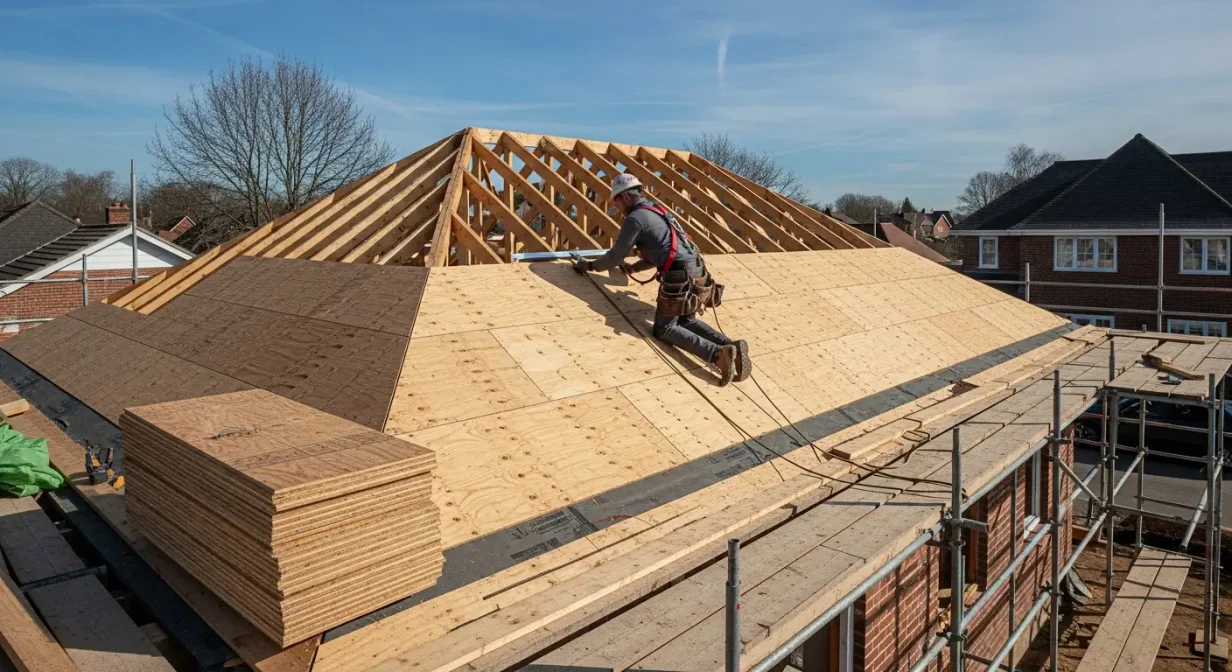
Start by ensuring the roof framing is properly aligned and level. Install the first row of decking along the eaves, ensuring it is flush with the edge of the roof. Use a chalk line to mark the location of each joist or rafter. Fasten the decking to the framing members using nails or screws.
Follow the manufacturer’s recommendations for fastener spacing and type. Continue installing rows of decking, interlocking the tongue and groove edges. Stagger the end joints to create a stronger and more rigid deck. Ensure each board is properly seated and aligned before fastening.
Leave a small gap between boards to allow for expansion and contraction. Proper installation ensures a structurally sound roof deck.

Fastener Specifications and Spacing
Using the correct fasteners and spacing is critical for the structural integrity of the roof deck. For CDX plywood, use 8d common nails or #8 screws. The fasteners should penetrate at least 1 inch into the framing members. Space fasteners 6 inches apart along the edges of the boards and 12 inches apart in the field.
For OSB, use fasteners specifically designed for OSB, as they have a larger head to prevent pull-through. Follow the manufacturer’s recommendations for fastener spacing. Over-driving or under-driving fasteners can compromise the deck’s strength. Proper fastening ensures a secure and durable roof deck.
ASTM D1761 outlines testing methods for mechanical fasteners in wood.

Edge Detail and Overhang Requirements
Proper edge detail is essential to prevent water intrusion and wind uplift. The decking should extend at least 1 inch beyond the fascia board. This overhang protects the fascia from the elements and provides a drip edge for water runoff. Ensure the edges of the decking are properly supported and fastened.
Use metal drip edge flashing to protect the edges from water damage. Seal any gaps or cracks along the edges with caulk or sealant. Proper edge detail ensures a weathertight and durable roof edge. IRC R905 specifies flashing requirements.

Flashing Integration and Weatherproofing
Proper flashing is critical to prevent water intrusion around chimneys, vents, and other roof penetrations. Install flashing according to NRCA guidelines and local building codes. Use ice and water shield underlayment around vulnerable areas like valleys and eaves. Overlap flashing pieces properly to ensure a watertight seal.
Seal any gaps or cracks around flashing with caulk or sealant. Inspect flashing regularly for damage or deterioration. Proper flashing integration ensures a weathertight roof system. FEMA provides resources on flood damage-resistant materials.

Safety Precautions and Regulations
Roofing work can be dangerous, so it’s essential to follow all safety precautions. Wear appropriate personal protective equipment (PPE), including safety glasses, gloves, and a hard hat. Use fall protection equipment when working on elevated surfaces. Ensure the work area is clear of hazards.
Follow all OSHA regulations for construction site safety. Use proper lifting techniques to avoid back injuries. Be aware of weather conditions and avoid working in extreme heat or inclement weather. Safety is paramount on every roofing project.
OSHA provides resources for fall protection in construction.

Quality Control and Inspection
After installation, inspect the roof deck for any defects or deficiencies. Check for proper fastener spacing, alignment, and seating. Ensure all edges are properly supported and flashed. Verify that the decking material meets ASTM standards and local building codes.
Address any issues promptly to prevent further damage. A thorough inspection ensures a high-quality and durable roof deck. Local building inspectors will verify code compliance.

Common Installation Errors to Avoid
Several common errors can compromise the integrity of a tongue and groove roof deck. Using incorrect fasteners or spacing is a frequent mistake. Failing to properly acclimate the decking material can lead to buckling or warping. Skipping flashing or using improper flashing techniques can result in water intrusion.
Ignoring local building codes and NRCA guidelines can also lead to problems. Always double-check your work and follow best practices to avoid these common errors. In Dallas-Fort Worth, temperature swings exacerbate these issues.

IRC Code Compliance
The International Residential Code (IRC) sets minimum standards for roof decking installation. IRC R803.2.1 requires a minimum thickness of 15/32-inch for roof sheathing. IRC R803.2.1.1 specifies fastener requirements for different types of sheathing. IRC R905 outlines requirements for flashing and weatherproofing.
Ensure your installation complies with all applicable IRC codes and local amendments. Failure to comply can result in inspection failures and costly rework. The International Code Council (ICC) publishes the IRC and related codes. Dallas County adopts and enforces the IRC 2021 currently applicable in Dallas as of 2026.

External Authoritative Resources
These industry-standard references support the information in this guide:
Building Codes
Industry Standards
NRCA Roofing Manual
National Roofing Contractors Association best practices
ASTM International Standards
Material testing standards (ASTM D3043, D1761)
Manufacturer Resources
Frequently Asked Questions
What is the minimum thickness required for roof decking according to the IRC?
IRC R803.2.1 requires a minimum thickness of 15/32-inch for roof sheathing to ensure structural integrity.
What type of fasteners should I use for installing CDX plywood roof decking?
Use 8d common nails or #8 screws, ensuring they penetrate at least 1 inch into the framing members, as per NRCA guidelines.
How important is flashing around roof penetrations?
Flashing is critical to prevent water intrusion around chimneys, vents, and other roof penetrations, following NRCA and local code requirements.
What are the common signs of improper roof decking installation?
Common signs include buckling, warping, and water damage, often resulting from incorrect fastener spacing or inadequate flashing.
Does Dallas’ climate affect roof decking installation?
Yes, Dallas’ extreme heat and temperature swings can cause expansion and contraction, requiring careful material selection and installation techniques.
What is the role of the National Roofing Contractors Association (NRCA)?
The NRCA provides comprehensive guidelines and best practices for roofing, supplementing the minimum requirements outlined in the International Residential Code (IRC).
Final Thoughts
Proper tongue and groove roof decking installation is essential for a durable and weathertight roof system. By following the steps outlined in this guide and adhering to local building codes and NRCA guidelines, you can ensure a long-lasting and trouble-free roof. Remember to prioritize safety and quality at every stage of the project. FIELD NOTE: I recently helped a homeowner in Frisco who had to replace their entire roof deck due to improper installation by an unlicensed contractor.
The cost was over $8,000. Always verify contractor credentials and insist on code-compliant work. Contact a qualified roofing professional in the Dallas-Fort Worth area for assistance with your roof decking project.
