
Contractor’s Bottom Line
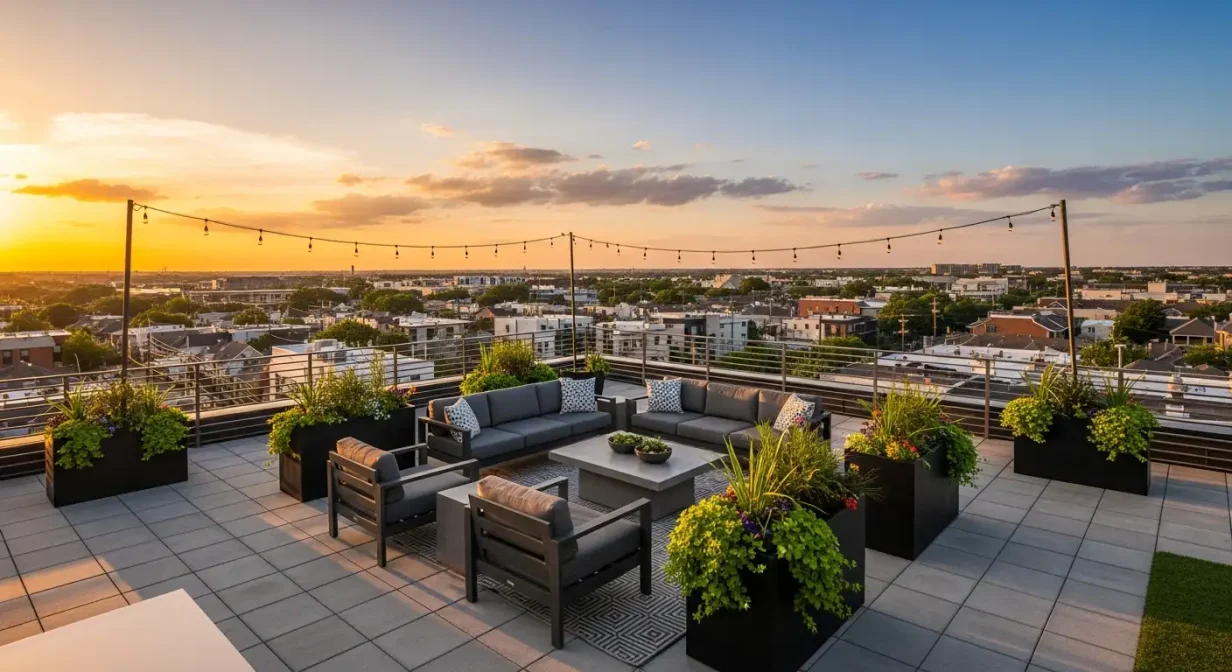
Roof decking pavers are modular concrete or porcelain tiles installed over a flat roof surface to create a usable pedestrian plaza. These pavers are laid on adjustable pedestals that elevate them above the waterproofing membrane, allowing drainage and protecting the roof from foot traffic. Ensure the pedestal system is leveled precisely to prevent water from pooling in low spots beneath the paver surface.
Key Takeaways
- Structural integrity is paramount: IRC 2021 mandates specific load-bearing capacities for roof decking supporting pavers, often requiring additional framing or thicker sheathing like Advantech.
- Waterproofing is non-negotiable: A robust, multi-layered waterproofing system, often exceeding basic IRC R905 requirements, is critical to prevent leaks into the structure below, especially in Dallas’s humid climate.
- Dallas-Fort Worth costs for roof decking pavers range from $25-$50 per square foot, significantly higher than traditional decking due to specialized materials, structural upgrades, and labor.
- Material specification is key: Use decking materials like CDX plywood or OSB that meet ASTM D3043 standards and pavers designed for roof applications, typically installed on adjustable pedestals for proper drainage.
Creating an elevated outdoor living space with roof decking pavers offers an attractive solution for maximizing usable area, particularly in dense urban environments like Dallas. This application, popular for its aesthetic appeal and durability, transforms underutilized roof surfaces into vibrant patios or gathering spots. However, it’s a far more intricate project than typical ground-level patios or standard residential roofing. It demands a sophisticated understanding of structural engineering, waterproofing, and building codes to ensure safety and longevity.
As a construction consultant with over eight years of experience in the Dallas-Fort Worth area, I’ve seen firsthand the opportunities and the pitfalls of such ambitious projects. The combination of heavy paver loads, the need for impeccable drainage, and the unforgiving Texas climate presents unique challenges. This guide will walk you through the essential considerations for successfully implementing roof decking pavers on your property. FIELD NOTE: Last year, a Dallas homeowner in Highland Park called me after their newly installed roof deck with pavers started leaking during a spring storm.
The previous contractor had neglected to properly assess the existing roof’s structural capacity and used a standard peel-and-stick membrane without adequate flashing. The result was significant water damage to the ceiling below, costing the homeowner over $30,000 to repair the interior and completely re-do the roof deck system according to IRC 2021 standards.
Navigating the Unique Challenges of Roof Decking Pavers
Integrating pavers onto roof decking introduces several critical challenges that differentiate it from standard roofing or ground-level patio installations. The primary concern is structural integrity, as the combined weight of the decking, waterproofing, pedestals, and pavers, plus live loads from people and furniture, can far exceed the design capacity of a typical roof structure. This often necessitates significant structural reinforcement, which must be engineered and approved to meet local building codes in Dallas-Fort Worth. Another major hurdle is effective water management.
A roof supporting pavers requires a robust, multi-layered waterproofing system beneath the decking, designed to drain efficiently and prevent water penetration into the building envelope. This system must account for the flat or low-slope nature of many roof decks and integrate seamlessly with flashing details around penetrations and parapet walls. The system must also withstand the intense thermal cycling common in North Texas, where temperatures can swing by 40°F in a single day, putting immense stress on materials. Accessibility for maintenance and repair also presents a unique challenge.
Unlike traditional roofs where membranes are exposed, a paver system often conceals the waterproofing layer, making leak detection and repair more difficult and costly. The National Roofing Contractors Association (NRCA) emphasizes the importance of designing systems that allow for access to the waterproofing membrane. Proper material specification, adhering to ASTM International standards for both decking and waterproofing, is crucial to mitigate these inherent risks and ensure a long-lasting, safe installation.
Essential Materials: Decking, Waterproofing, and Pavers
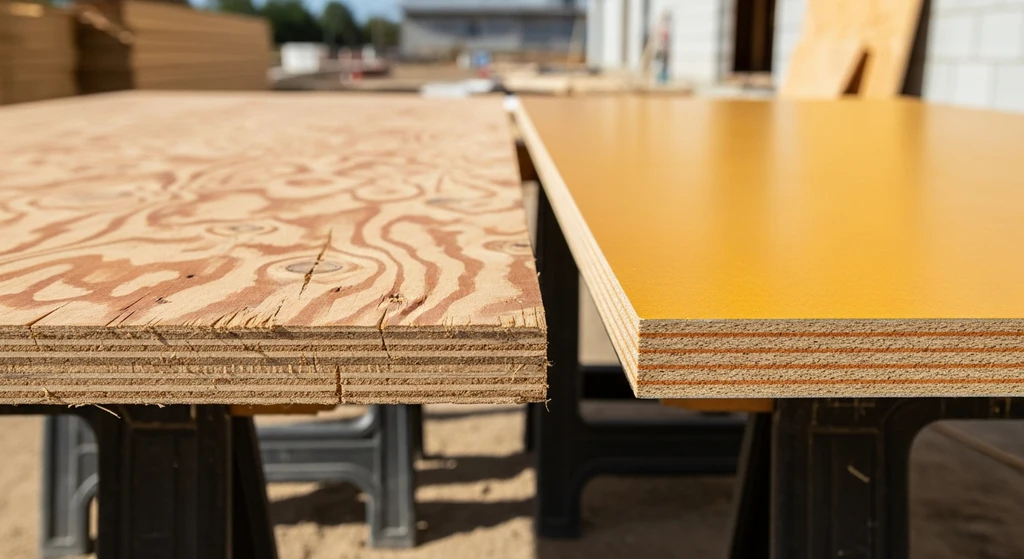
The foundation of any roof decking paver system begins with the structural deck itself. Common choices include CDX plywood or oriented strand board (OSB), with minimum thicknesses specified by the International Residential Code (IRC). For enhanced performance and moisture resistance, especially in humid climates like Dallas, Advantech panels are often preferred. These materials must meet specific ASTM International standards, such as ASTM D3043 for plywood or ASTM D1761 for fasteners, ensuring adequate shear strength and fastener holding capacity.
Above the structural decking, a high-performance waterproofing system is paramount. This typically involves a combination of ice and water shield, often a self-adhering modified bitumen membrane, followed by a robust liquid-applied or sheet-applied membrane designed for plaza deck applications. These membranes must meet rigorous standards like ASTM D4869 or ASTM D226 for underlayments, and manufacturers often specify specific systems for elevated deck applications. Proper flashing, integrated with the waterproofing, is critical at all perimeters and penetrations.
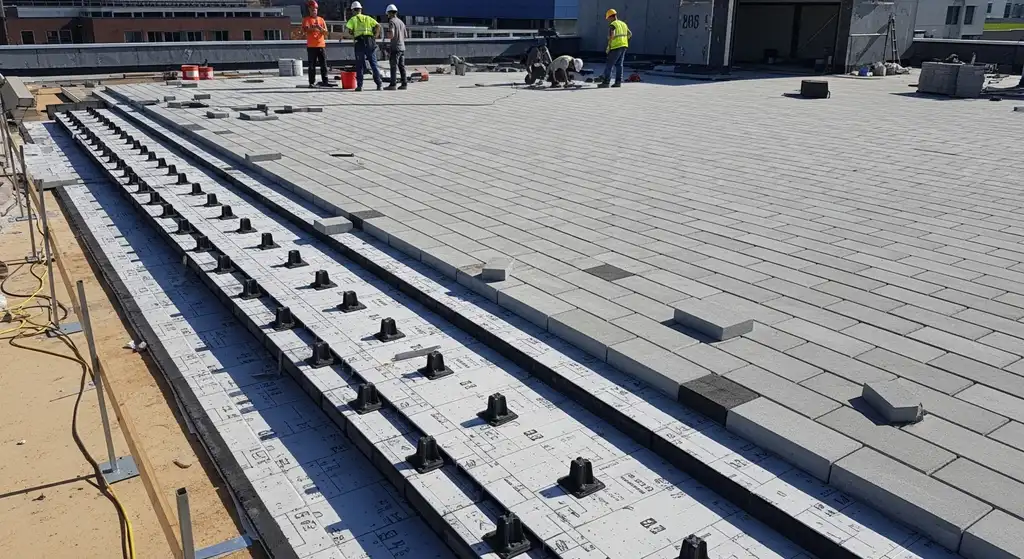
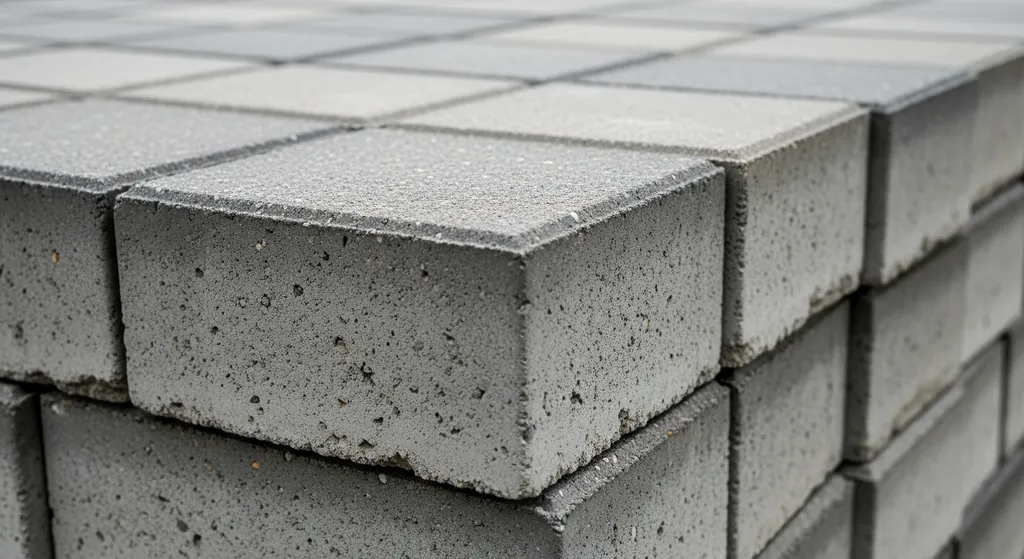
Finally, the pavers themselves are usually made of concrete, porcelain, or composite materials, chosen for their durability, low maintenance, and aesthetic appeal. These pavers are typically supported by adjustable pedestals, which allow for precise leveling and create a void for drainage beneath the paver surface. Pedestals also facilitate access to the waterproofing membrane for inspection or repair. Selecting pavers that can withstand the intense UV exposure and temperature fluctuations of North Texas is crucial for their longevity and appearance.
Code Compliance: Structural Loads and Waterproofing Mandates
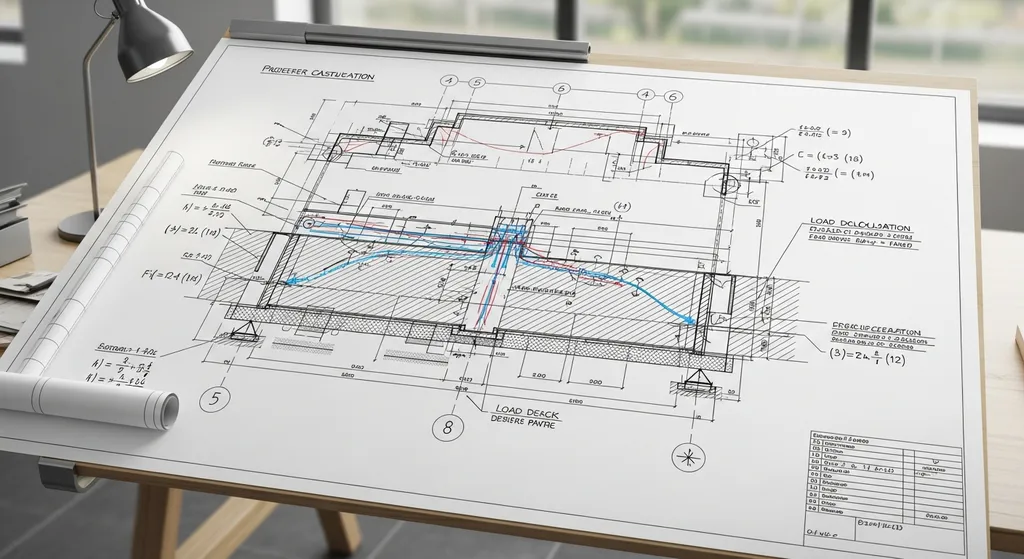
Adhering to the International Residential Code (IRC) 2021 is non-negotiable when installing roof decking pavers in Dallas, which has adopted these standards. The most critical aspect is addressing the structural load requirements. IRC R803.2.1 specifies minimum thicknesses for roof sheathing, typically 15/32-inch for plywood or OSB, but this is for standard roofing. When adding the significant weight of pavers, a structural engineer must calculate the increased dead load and potential live loads to ensure the existing framing can support it, often requiring upgrades to meet higher PSF (pounds per square foot) ratings.
IRC R905 outlines requirements for roof coverings, but a paver system goes beyond this. While the IRC doesn’t specifically detail paver systems on roofs, it mandates that any alteration to a roof structure or covering must maintain structural integrity and proper drainage. This means the underlying waterproofing system must meet or exceed the performance of a standard roof assembly, often requiring systems that comply with commercial plaza deck waterproofing standards. The system must effectively shed water and prevent accumulation, which is particularly challenging on low-slope roof decks.
Permit requirements for such projects in Dallas County are stringent, often requiring detailed architectural and structural plans stamped by a licensed engineer. Inspections will focus heavily on the structural modifications, the waterproofing installation, and the overall drainage plan. Failure to secure proper permits and pass inspections can lead to significant penalties, stop-work orders, and costly remediation. The National Roofing Contractors Association (NRCA) also provides extensive guidance on low-slope roof design that can inform these complex installations.
Precision Installation: From Decking to Paver Placement
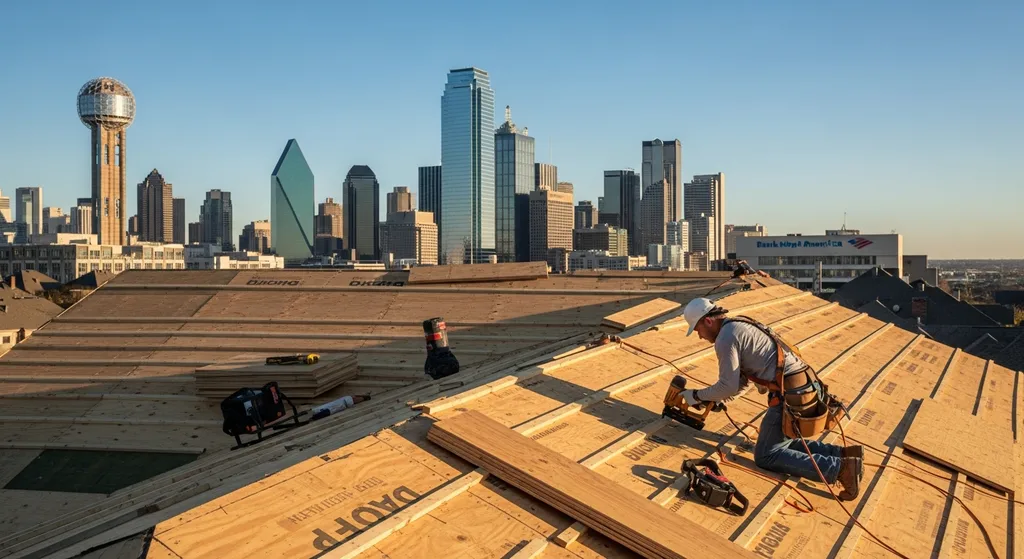
The installation of roof decking pavers is a multi-stage process demanding precision at each step. First, the existing roof deck is prepared, which may involve reinforcing joists or adding new structural members to meet the increased load requirements. New sheathing, such as 15/32-inch CDX plywood or Advantech, is then installed, ensuring proper fastening with nails or screws meeting ASTM D1761 standards. All seams and penetrations are carefully sealed to create a continuous substrate for waterproofing.
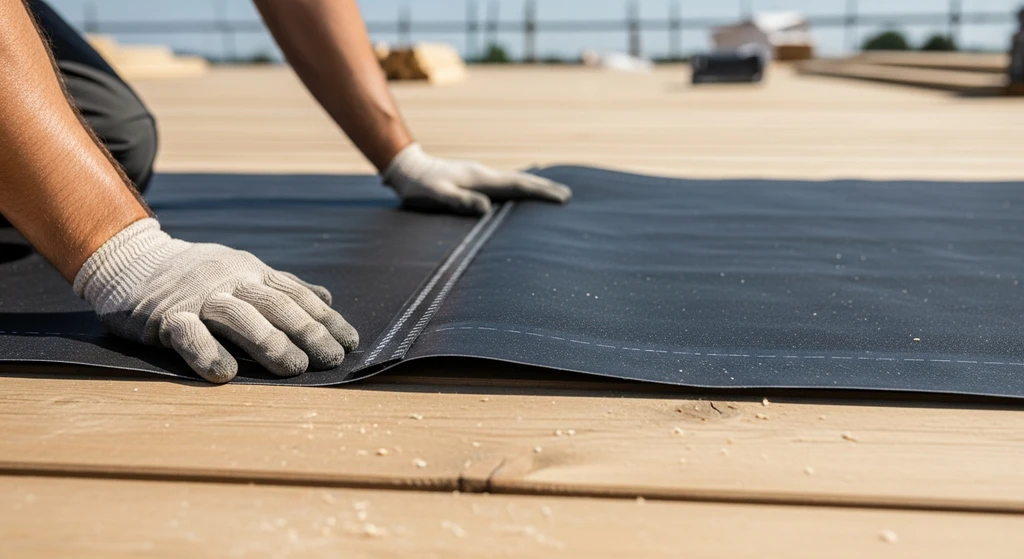
Next, the waterproofing system is meticulously applied. This typically starts with a self-adhering ice and water shield, followed by a primary waterproofing membrane, such as a modified bitumen or liquid-applied system. Flashing details around parapet walls, drains, and penetrations are critical and must be integrated with the waterproofing layers according to NRCA best practices and IRC R905. The goal is a seamless, watertight envelope that can withstand the intense Dallas weather, including heavy rains and thermal expansion.
Finally, the paver system is installed. Adjustable pedestals are placed directly on the finished waterproofing membrane, allowing for level paver surfaces and a drainage plane underneath. The pavers are then carefully laid on the pedestals, ensuring consistent spacing and levelness. Quality control during this phase includes checking for proper slope to drains, secure paver placement, and verifying that all components work together to provide a durable and functional outdoor space.
OSHA safety requirements are paramount throughout the entire installation process, especially when working at heights.
Performing Under Pressure: Dallas Climate & Paver Systems
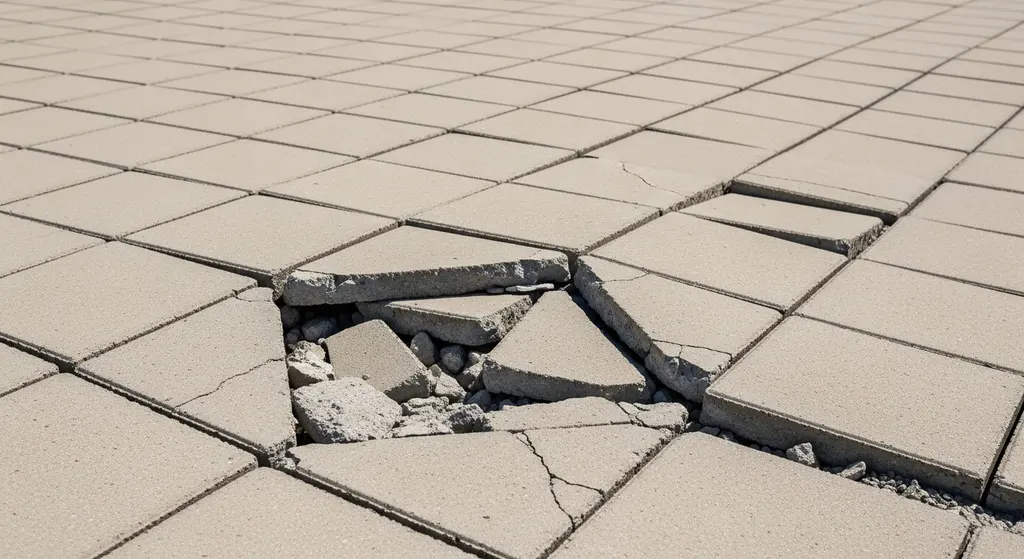
The Dallas-Fort Worth climate presents a formidable challenge for any exterior construction, and roof decking pavers are no exception. Extreme summer heat, often exceeding 100°F for extended periods, causes significant thermal expansion and contraction in all materials, from the structural decking to the pavers themselves. This constant movement can stress waterproofing membranes, crack pavers, and compromise the integrity of the entire system if not properly accounted for in the design and material selection. Materials must be specified to withstand these cycles, often requiring specific ASTM International ratings for thermal stability.
North Texas is also prone to severe weather, including intense thunderstorms and hail, particularly during spring. While pavers offer a durable surface, hail can still chip or damage certain paver types, and wind uplift can be a concern if pavers are not securely placed or if the underlying decking is not adequately fastened. The robust waterproofing system beneath the pavers must be capable of handling rapid, heavy downpours and preventing water from pooling, which could lead to leaks or mold growth. Humidity also plays a role, affecting the long-term performance of materials like OSB if moisture penetrates the system.
For this reason, synthetic underlayment or specialized moisture-resistant decking like Advantech is often preferred over traditional felt underlayment. Proper ventilation of the space beneath the roof deck, if applicable, is also crucial. Designing for the Dallas climate means selecting materials with proven performance in these conditions and ensuring installation practices exceed minimum code requirements, often aligning with recommendations from organizations like Energy Star for thermal efficiency where applicable.
Cost Analysis: Investing in Roof Decking Paver Systems
The investment in a roof decking paver system is considerably higher than a traditional roof or ground-level patio, reflecting the complexity and specialized materials involved. Costs can be broken down into several key categories: structural reinforcement, decking materials, waterproofing systems, pedestals, pavers, labor, and permits. Structural upgrades, often involving engineering fees and additional framing, can add significantly to the initial budget, ensuring the roof can safely bear the increased load according to IRC 2021 standards. Premium waterproofing membranes, which are critical for longevity and leak prevention, are a major cost component.
These are typically more expensive than standard asphalt shingles or synthetic underlayment used on conventional roofs. The pavers themselves, especially high-quality porcelain or concrete varieties designed for roof applications, also contribute substantially to the material cost. Adjustable pedestals, while essential for proper drainage and leveling, are another specialized item that adds to the overall expense. Labor costs for roof decking paver systems are higher due to the specialized skills required for structural modifications, meticulous waterproofing application, and precise paver installation.
Permitting and inspection fees in Dallas County also add to the project’s total. Homeowners should anticipate these factors when budgeting for such a project, recognizing that cutting corners can lead to far greater costs down the line due to failures. Securing multiple detailed quotes that specify all material types and installation methods is crucial for accurate budgeting.
Uncovering What Contractors Might Not Tell You
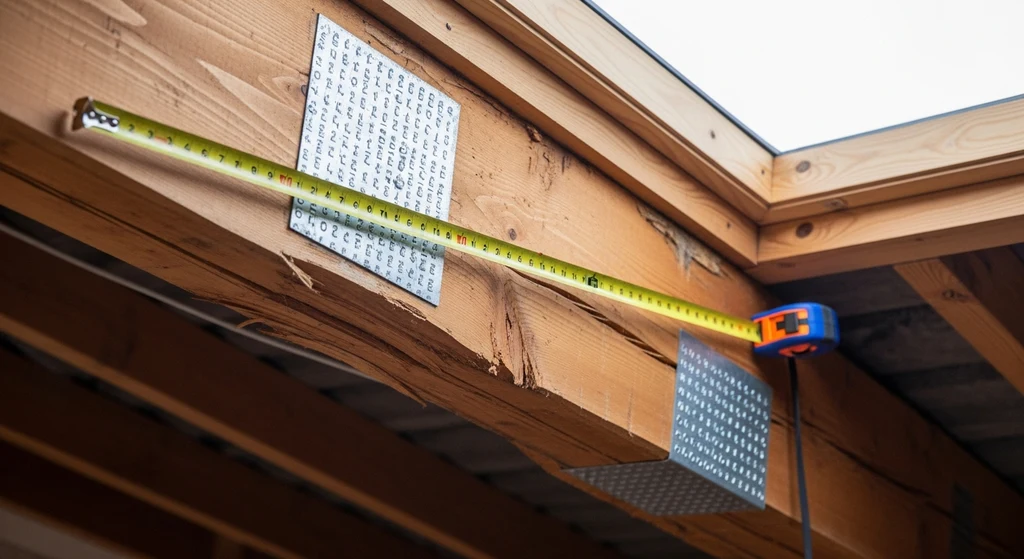
While most contractors are reputable, some may cut corners or omit critical information to win a bid on complex projects like roof decking pavers. One common hidden truth is the underestimation of structural reinforcement. A contractor might quote based on standard decking without fully assessing the need for additional joists or beams to support the paver load. This oversight, if not caught by a structural engineer or during inspection, can lead to dangerous structural failures down the road, costing tens of thousands in remediation.
Another area where contractors might skimp is the waterproofing system. Instead of proposing a multi-layered, high-performance membrane designed for plaza decks, they might suggest a cheaper, less robust system more suitable for standard roofs. While initial costs are lower, this significantly increases the risk of leaks, especially with the thermal expansion and contraction cycles in Dallas. Always ask for detailed specifications of the waterproofing membrane, ensuring it meets or exceeds ASTM International standards for severe exposure conditions.
Finally, some contractors may not fully explain the long-term maintenance implications or the difficulty of accessing the waterproofing membrane for repairs once pavers are installed. They might also neglect to mention the importance of proper drainage slope, leading to standing water that can compromise the system over time. Insist on a detailed project plan that includes structural engineering, specific material brands and ASTM ratings, and a clear warranty for both materials and labor. Verify their Texas Department of Licensing and Regulation (TDLR) license and check references for similar complex projects.
What Contractors Hide
Under-specifying structural reinforcement for paver loads
The Reality: This can lead to dangerous structural failure, compromising safety and costing significantly more to fix later.
Using inadequate or cheaper waterproofing membranes
The Reality: Increases the risk of leaks, mold, and water damage to the building interior, especially in Dallas’s climate.
Neglecting proper drainage slope and accessibility for maintenance
The Reality: Can lead to standing water, premature system failure, and extremely costly, disruptive repairs if a leak occurs.
Ensuring Quality: Verifying Materials for Longevity
Verifying the quality and suitability of every material component is crucial for the long-term success of your roof decking paver project. For the roof decking itself, ensure that CDX plywood or OSB meets minimum IRC 2021 thickness requirements and APA-rated sheathing standards. If using Advantech, confirm it’s the specified thickness and grade for the structural loads. Ask for manufacturer data sheets to verify performance characteristics like moisture resistance and fastener holding strength, which are critical in the Dallas-Fort Worth climate.
The waterproofing membrane is arguably the most critical component. Do not accept vague descriptions; demand specific product names and manufacturers. Verify that the membrane meets or exceeds ASTM International standards for its intended use, such as ASTM D4869 or ASTM D226 for underlayments, and is rated for plaza deck or severe exposure conditions. Check the warranty provided by the manufacturer for the waterproofing system, as this often indicates their confidence in the product’s longevity.
For the pavers and pedestals, confirm they are rated for roof applications and can withstand the UV exposure and thermal cycling of North Texas. Concrete pavers should meet ASTM C936 for freeze-thaw durability, although freeze-thaw cycles are less severe in Dallas than intense heat cycles. Porcelain pavers should be rated for exterior use and slip resistance. Always review product specifications and ensure your contractor is sourcing materials from reputable suppliers.
This diligence ensures your investment will endure the unique stresses of a roof decking paver system.
External Authoritative Resources
These industry-standard references support the information in this guide:
Building Codes
Frequently Asked Questions
Can I install pavers directly on my existing roof membrane?
No, installing pavers directly on a standard roof membrane is generally not recommended. The membrane is not designed to withstand the point loads and abrasion from pavers, nor is the underlying structure typically rated for the additional weight. A dedicated structural deck, robust waterproofing, and pedestals are required for proper installation, adhering to IRC 2021 structural load requirements.
What kind of waterproofing is best for a roof deck with pavers in Dallas?
For a roof deck with pavers in Dallas, a high-performance, multi-layered waterproofing system is essential. This often includes a self-adhering modified bitumen membrane (ice and water shield) followed by a liquid-applied or sheet-applied membrane specifically designed for plaza deck applications. These systems must meet rigorous ASTM International standards for durability and resistance to thermal cycling.
How much weight do roof decking pavers add to a structure?
Roof decking pavers add significant weight, typically ranging from 10-25 pounds per square foot (PSF) for the pavers alone, plus the weight of pedestals, decking, and waterproofing. This is in addition to live loads. A structural engineer must calculate the total load to ensure the roof can safely support it, often requiring upgrades beyond standard IRC 2021 roof framing.
Are permits required for roof decking paver projects in Dallas?
Yes, permits are almost always required for roof decking paver projects in Dallas. These projects involve significant structural modifications and changes to the roof system, necessitating detailed plans and inspections by Dallas County to ensure compliance with IRC 2021 and local amendments.
How does the Dallas climate affect roof decking paver systems?
The Dallas climate, with its extreme heat, significant temperature swings, and severe spring storms, significantly impacts roof decking paver systems. Materials must be selected for high thermal stability and UV resistance to prevent premature degradation. Robust drainage and waterproofing are critical to handle heavy rainfall and prevent leaks, as emphasized by NRCA guidelines.
What is the typical lifespan of a properly installed roof decking paver system?
A properly designed and installed roof decking paver system, using high-quality materials that meet ASTM International standards and adhering to IRC 2021, can last 20-30 years or more. The lifespan largely depends on the quality of the waterproofing membrane and the durability of the pavers, along with regular maintenance.
Final Thoughts
Installing roof decking pavers is an excellent way to enhance your property’s value and livability in Dallas, but it’s a project that demands expertise and meticulous planning. From understanding the structural implications under IRC 2021 to selecting high-performance materials that meet ASTM International standards, every detail counts. Don’t underestimate the critical role of a robust waterproofing system and the need for a contractor with proven experience in these specialized applications. FIELD NOTE: I recently advised a family in the DFW Metroplex who had a beautiful, but structurally unsound, roof deck.
The initial contractor, long out of business, had skipped engineering, and the roof was slowly deflecting. It ended up costing them over $45,000 to safely dismantle, reinforce, and rebuild the deck properly. This underscores the absolute necessity of doing it right the first time. Protect your investment by partnering with professionals who prioritize safety, code compliance, and long-term performance.
