
Contractor’s Bottom Line
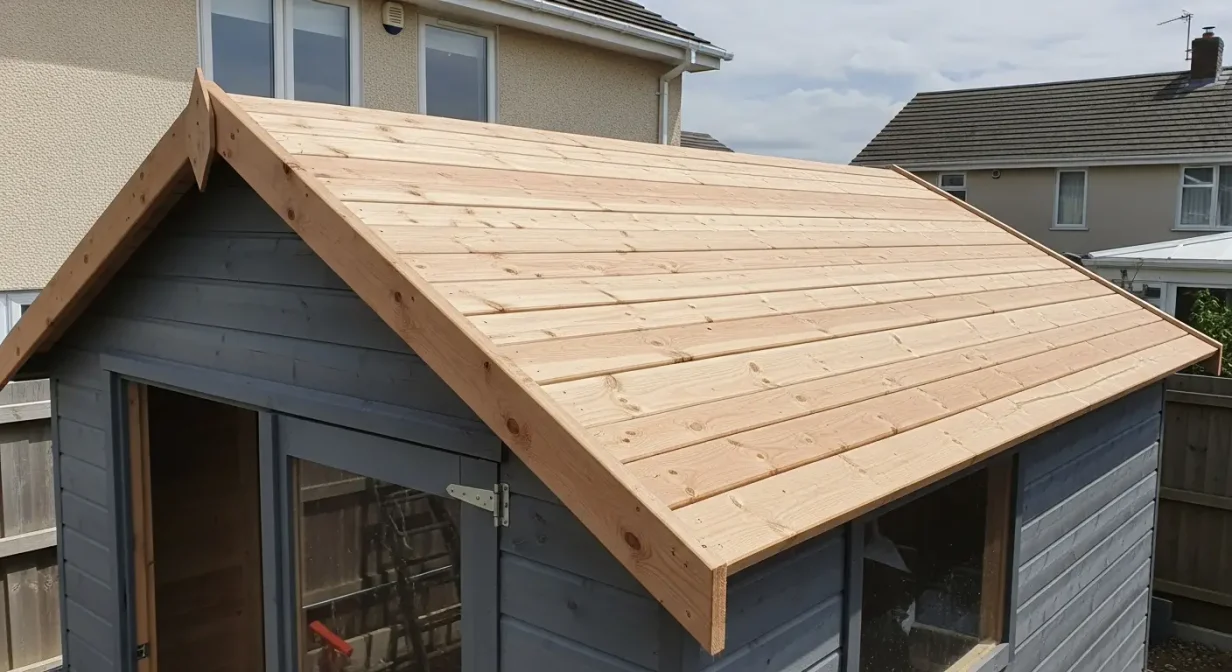
Roof decking for a shed does not require the same structural thickness as a residential home, provided the framing spacing is reduced accordingly. Thinner OSB or plywood panels are acceptable for small sheds, but the span rating on the panel stamp must still exceed the rafter spacing. Use a minimum of 3/8-inch CDX plywood for shed roofs and ensure the panels are adequately fastened to prevent wind uplift during storms.
Key Takeaways
- Choose the appropriate roof decking material (CDX plywood or OSB) based on shed size, load requirements, and local building codes, referencing IRC R803.2.1 for minimum thickness.
- Properly install roof decking with correct fastener spacing and edge support, adhering to NRCA guidelines and manufacturer specifications to ensure structural integrity.
- Ensure adequate ventilation in the shed to prevent moisture buildup and premature deterioration of the roof decking, especially in the humid Dallas climate.
- Comply with local building codes and obtain necessary permits to avoid costly fines and rework, referencing the IRC 2021 as adopted by Dallas County.
Selecting the right roof decking for your shed is crucial for ensuring its structural integrity and longevity. The roof decking provides a solid base for the roofing material, protecting the shed’s contents from the elements. In the Dallas-Fort Worth area, where we experience extreme temperature fluctuations and occasional severe weather, choosing durable and weather-resistant materials is especially important. Different materials, such as CDX plywood and oriented strand board (OSB), offer varying levels of performance and cost-effectiveness.
Understanding their properties and suitability for your specific shed design is essential. Compliance with the International Residential Code (IRC) 2021 is also a key factor to consider during the planning and installation process.
FIELD NOTE: I once inspected a shed roof in North Texas where the homeowner had used undersized OSB. The decking sagged significantly under a light snow load. It cost him over $800 in materials and labor to replace the decking with code-compliant CDX plywood. Always check IRC R803.2.1 for minimum thickness requirements.
Unique Challenges of Shed Roof Decking
Shed roofs, unlike residential roofs, often have simpler designs but can still present specific challenges. Smaller spans may tempt some to use thinner materials, which can lead to sagging or failure under snow or wind loads. Accessibility can also be a concern, especially with larger sheds where maneuvering materials and tools becomes more difficult. Ensuring proper ventilation in a shed roof is also critical.
Without adequate airflow, moisture can accumulate, leading to rot and decay of the roof decking. This is especially true in humid climates like that of Dallas. The NRCA recommends proper ventilation techniques to mitigate this risk. FIELD NOTE:I was called to inspect a shed in the DFW Metroplex where condensation had rotted the OSB decking within just a few years.
The owner had sealed the shed tightly, preventing any airflow. The repair cost him $1200, including mold remediation and new decking.

Code Compliance for Shed Roofs
While sheds are often smaller structures, they are still subject to local building codes. The International Residential Code (IRC) 2021, which is currently applicable in Dallas, provides minimum requirements for roof decking, including thickness, span ratings, and fastener spacing. It’s crucial to check with your local permitting office to ensure compliance. Some jurisdictions may have specific requirements for sheds based on their size or location.
For example, sheds located within a certain distance of a property line might require fire-resistant materials. Always obtain the necessary permits before starting any construction project. The IRC R905 covers specific roof covering installation.
CODE VIOLATION: I encountered a situation in a Dallas neighborhood where a homeowner built a shed without a permit and used non-code-compliant materials. The city inspector flagged the shed, forcing the homeowner to tear down the roof and rebuild it with approved materials, costing him an extra $1500.
Choosing the Right Materials for Your Shed
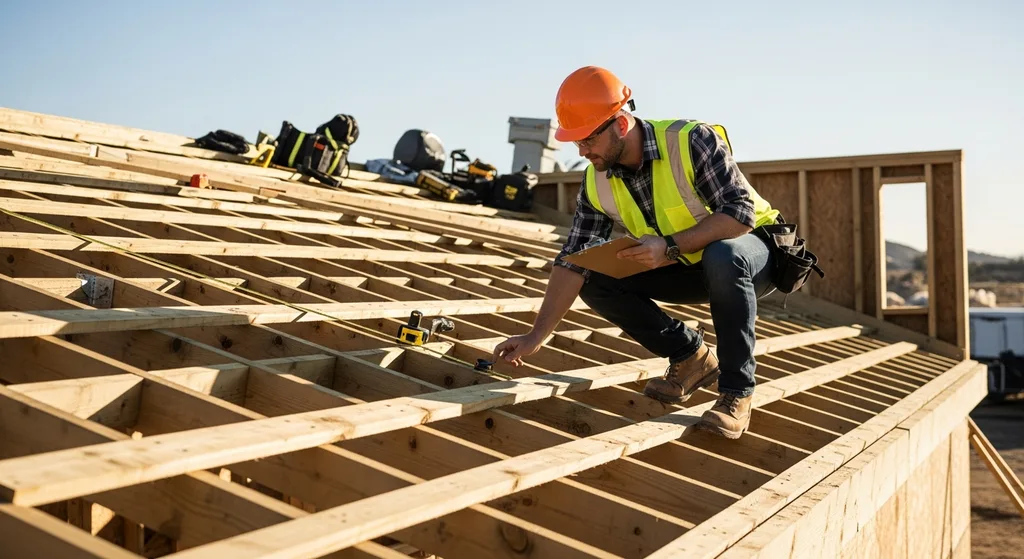
Common materials for shed roof decking include CDX plywood and oriented strand board (OSB). CDX plywood is known for its strength and water resistance, making it a good choice for areas with high humidity or rainfall. OSB is a more cost-effective option, but it is more susceptible to moisture damage if not properly protected. Consider the span between rafters when selecting your decking material.
Wider spans require thicker decking to prevent sagging. Consult span tables provided by the American Plywood Association (APA) or the OSB manufacturer to determine the appropriate thickness for your shed design. Using Advantech subflooring can reduce deflection due to its high density. MATERIAL FAILURE: I’ve seen OSB fail prematurely in Texas heat and humidity when not properly sealed and ventilated.
The edges swell and delaminate, requiring costly repairs. CDX plywood, while more expensive upfront, often provides better long-term value.

Integrating Roof Decking with Existing Shed Structure
When installing roof decking, ensure a secure connection to the rafters or trusses. Use appropriate fasteners, such as ring-shank nails or screws, spaced according to code requirements and manufacturer specifications. Proper fastening prevents the decking from lifting off during high winds. The NRCA provides detailed guidance on fastening patterns.
Pay close attention to edge support. The edges of the decking should be fully supported by the rafters or blocking to prevent sagging or deflection. Consider adding H-clips between rafters to provide additional edge support, especially with OSB. Always use corrosion-resistant fasteners when installing roof decking.
INSTALLATION ERROR: On a project in Dallas, I discovered that the contractor had used staples instead of nails to fasten the roof decking. The staples pulled out easily, compromising the structural integrity of the roof. The cost to replace the decking and properly fasten it was over $2000.

Addressing Accessibility and Working Constraints
Working on a shed roof can present challenges due to limited space and access. Ensure you have a stable and secure ladder or scaffolding to reach the roof safely. Consider using lightweight materials that are easier to handle and maneuver. Prioritize safety by wearing appropriate personal protective equipment (PPE), including a hard hat, safety glasses, and work gloves.
OSHA has specific guidelines for fall protection. Plan your work carefully to minimize trips up and down the ladder. Have all necessary tools and materials within easy reach. If working alone, consider using a buddy system for added safety.
Remember to take breaks to avoid fatigue, especially in hot weather. Texas summers can be brutal. SAFETY VIOLATION: I witnessed a homeowner in Dallas attempting to install roof decking on a shed without proper fall protection. He slipped and fell, sustaining serious injuries.
Always prioritize safety and follow OSHA guidelines when working at heights.

Detailed Look at IRC Requirements for Roof Decking
The International Residential Code (IRC) 2021 outlines specific requirements for roof decking. IRC R803.2.1 specifies the minimum thickness and span ratings for different decking materials. For example, it often requires a minimum of 15/32-inch CDX plywood or OSB for rafters spaced 24 inches on center. IRC R803.2.1.1 addresses the fastening of roof decking.
It requires specific nail sizes and spacing to ensure a secure connection. Consult the code for detailed requirements based on your specific decking material and rafter spacing. Also, ensure that the lumber is properly graded to ensure it meets structural requirements. It is critical to adhere to these code requirements to ensure the structural integrity of your shed roof.
Failure to comply can result in costly rework and potential safety hazards.

Preparing Roof Decking Materials for Installation
Before installing roof decking, ensure the materials are properly acclimated to the local climate. Store the decking in a dry, well-ventilated area to prevent moisture absorption. Allow the decking to adjust to the ambient temperature and humidity for several days before installation. This helps minimize expansion and contraction after installation.
Inspect each sheet of decking for defects, such as warping, cracks, or delamination. Discard any damaged sheets. Cut the decking to the required size and shape, using a circular saw or jigsaw. Ensure clean, straight cuts for a professional finish.
Remember to apply a sealant to the edges of OSB decking to protect it from moisture. This is especially important in humid climates like that of Dallas.

Step-by-Step Guide to Installing Shed Roof Decking
1. Start by attaching the first sheet of decking to the rafters, ensuring it is properly aligned and square. 2. Fasten the decking to the rafters using the specified nail spacing and pattern.
3. Overlap each subsequent sheet of decking by at least one inch, following manufacturer recommendations. 4. Stagger the joints between rows of decking to improve structural strength.
5. Continue installing the decking until the entire roof is covered. 6. Trim any excess decking along the edges of the roof.
Remember to use a chalk line to ensure straight lines and accurate cuts. Take your time and double-check your work to avoid mistakes. Proper installation is crucial for a durable and long-lasting roof. Refer to ASTM D3043 for testing methods related to roof covering.
FIELD NOTE: I recently consulted on a project where the homeowner rushed the roof decking installation, resulting in misaligned sheets and uneven overlaps. The roof leaked within months, causing significant damage to the shed’s contents. Slow down and do it right the first time.

Fastener Specifications for Roof Decking
The type and size of fasteners used to attach roof decking are critical for ensuring a secure connection. Use ring-shank nails or screws that are long enough to penetrate at least one inch into the rafters. Follow the manufacturer’s recommendations for fastener spacing, typically 6 inches along the edges and 12 inches in the field. Refer to ASTM D1761 for testing the mechanical properties of fasteners.
Use corrosion-resistant fasteners to prevent rust and deterioration. Galvanized nails or stainless steel screws are good choices. Avoid using staples, as they do not provide sufficient holding power. Ensure that the fasteners are driven straight and flush with the surface of the decking.
CONTRACTOR SCAM: I’ve seen contractors cut costs by using undersized or non-corrosion-resistant fasteners. This can lead to premature failure of the roof decking and costly repairs. Always insist on high-quality fasteners that meet code requirements.

Safety Requirements for Shed Roof Decking Installation
Safety should always be a top priority when installing roof decking. Wear appropriate personal protective equipment (PPE), including a hard hat, safety glasses, and work gloves. Use a stable ladder or scaffolding to access the roof safely. Ensure that the ladder is properly secured and positioned on a level surface.
Be aware of your surroundings and watch out for potential hazards, such as overhead power lines or slippery surfaces. Use caution when working with power tools and follow the manufacturer’s instructions. Avoid working in wet or windy conditions. Remember to take breaks to avoid fatigue, especially in hot weather.
Stay hydrated and protect yourself from the sun. Texas heat can be deadly.

External Authoritative Resources
These industry-standard references support the information in this guide:
Building Codes
Frequently Asked Questions
What is the minimum thickness for shed roof decking?
The minimum thickness for shed roof decking is typically 15/32-inch for CDX plywood or OSB when rafters are spaced 24 inches on center, as specified in IRC R803.2.1.
Is OSB a good choice for shed roof decking in Dallas?
OSB can be a cost-effective option for shed roof decking in Dallas, but it’s crucial to properly seal and ventilate the shed to prevent moisture damage.
What type of fasteners should I use for shed roof decking?
Use ring-shank nails or screws that are long enough to penetrate at least one inch into the rafters, following manufacturer specifications and NRCA guidelines.
Do I need a permit to replace my shed roof decking in Dallas?
It is generally recommended to check with your local permitting office to determine if a permit is required, as local regulations vary.
How can I prevent moisture damage to my shed roof decking?
Ensure adequate ventilation in the shed to prevent moisture buildup and premature deterioration of the roof decking, especially in humid climates like that of Dallas.
What are the key safety precautions when installing shed roof decking?
Wear appropriate personal protective equipment (PPE), use a stable ladder, and be aware of your surroundings to avoid accidents during shed roof decking installation, following OSHA guidelines.
Final Thoughts
Choosing and installing the right roof decking for your shed is essential for ensuring its structural integrity and protecting your belongings. By considering factors such as material selection, code compliance, and proper installation techniques, you can create a durable and long-lasting roof. Remember to prioritize safety and consult with a qualified professional if you have any questions or concerns. FIELD NOTE: I once helped a homeowner in Dallas whose shed roof collapsed due to undersized decking and improper installation.
The cost to repair the damage and replace the shed’s contents was over $5000. Don’t cut corners when it comes to your shed roof; it’s an investment that will protect your valuable items.
