
Contractor’s Bottom Line
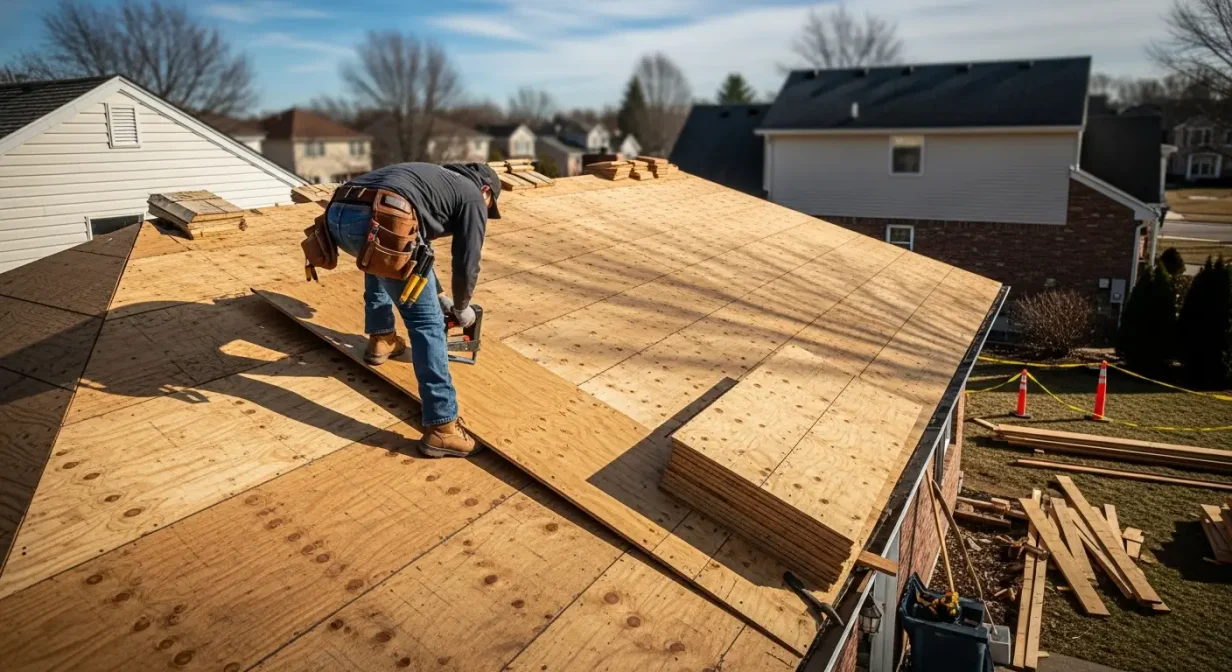
Roof decking patch repairs are crucial for maintaining your roof's structural integrity and preventing leaks. In Dallas-Fort Worth, expect to pay between $300 and $800 for a professional patch repair, depending on the extent of the damage and material used. Improper repairs can lead to further water damage and costly structural issues. The International Residential Code (IRC) R803.2.1 outlines minimum decking requirements. If the damage is extensive, consult with a qualified roofing contractor. A professional assessment is vital to determine if a simple patch is sufficient or a full replacement is necessary, especially after hail storms common in North Texas.
Key Takeaways
- Identify roof decking damage early to prevent further structural issues and costly repairs.
- Understand the materials used in roof decking patch repairs, such as CDX plywood or OSB, and ensure they meet IRC 2021 standards.
- Know when a DIY patch repair is appropriate and when to call a professional roofing contractor in Dallas.
- Factor in Dallas-specific climate considerations, such as thermal expansion and potential for hail damage, when assessing roof decking repairs.
Roof decking, the foundation beneath your shingles, plays a critical role in protecting your home from the elements. Damage to this crucial layer can lead to leaks, structural instability, and costly repairs. Identifying and addressing roof decking issues promptly is essential for maintaining the integrity of your roof and ensuring the safety of your home. The National Roofing Contractors Association (NRCA) emphasizes the importance of regular roof inspections to detect potential problems early.
I've seen firsthand how a small leak can quickly escalate into a major problem if the underlying roof decking is compromised. In Dallas, the intense summer heat and occasional severe storms can accelerate the deterioration of roofing materials. Last month, I consulted with a homeowner in Plano who ignored a small water spot on their ceiling, only to discover extensive rot in the roof decking, costing them over $5,000 in repairs. Understanding the basics of roof decking repair can save you time, money, and headaches in the long run.
Identifying Warning Signs of Roof Decking Damage
Detecting roof decking damage early can prevent minor problems from becoming major headaches. Common warning signs include visible sagging or bowing of the roof, water stains on ceilings or walls, and leaks in the attic. You might also notice granules from asphalt shingles accumulating in your gutters, indicating that the shingles are deteriorating and exposing the decking to the elements. The NRCA recommends checking for these signs at least twice a year, especially after severe weather events common in the Dallas-Fort Worth area.
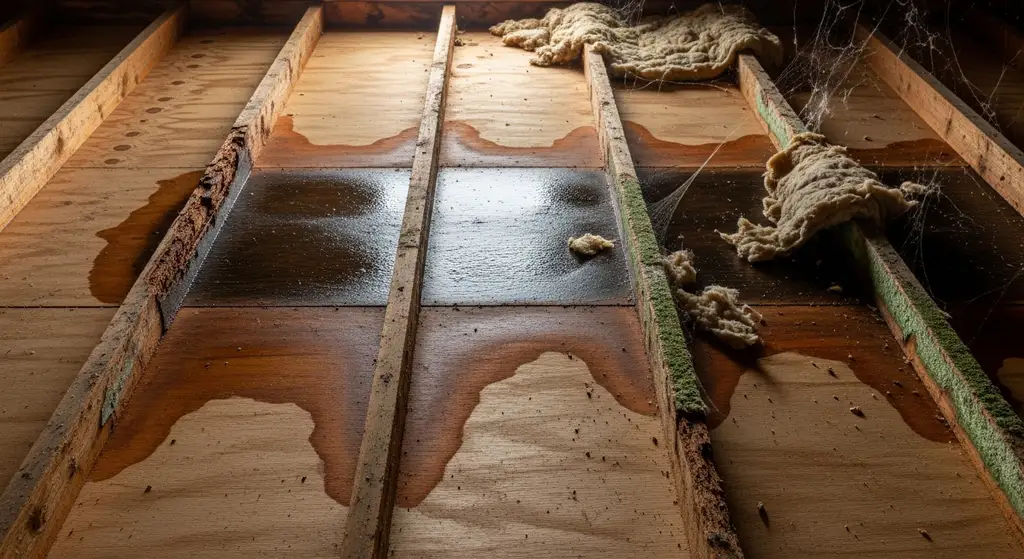
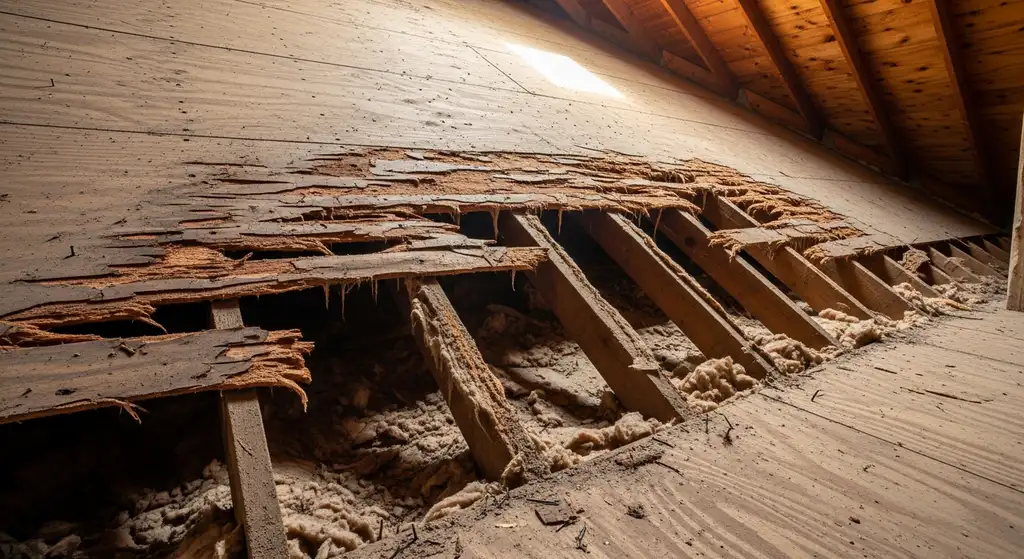
Another telltale sign is the presence of mold or mildew in the attic, which indicates excessive moisture. Walking on the roof might reveal soft spots or areas that feel spongy, suggesting that the decking is weakened. Don't ignore these warning signs! Addressing them promptly can save you from extensive and expensive repairs down the road.
Remember that proper ventilation in the attic, as recommended by the International Code Council (ICC), helps prevent moisture buildup and prolong the life of your roof decking.
Field Note from Experience
I inspected a home in North Dallas where the homeowner noticed a musty smell in the attic. Upon closer inspection, I found extensive mold growth on the underside of the roof decking due to a leaking pipe. The repair ended up costing $3,500, including mold remediation and decking replacement.
Assessing the Severity of Roof Decking Damage
Once you've identified potential roof decking damage, it's crucial to assess the extent of the problem. Minor damage, such as a small area of rot or a few damaged boards, might be addressed with a simple patch repair. However, more extensive damage, such as widespread rot, significant sagging, or multiple areas of damage, could indicate a larger structural issue that requires a full roof replacement. The International Residential Code (IRC) provides guidelines for roof sheathing requirements, including minimum thickness and fastener spacing.
Consider factors such as the age of your roof, the type of roofing materials used, and the climate conditions in your area. In Dallas, the combination of intense heat and occasional hail storms can accelerate the deterioration of roofing materials. A professional roofing contractor can conduct a thorough inspection and provide an accurate assessment of the damage, helping you determine the best course of action. Remember that ignoring severe damage can lead to further structural problems and potentially compromise the safety of your home.
Field Note from Experience
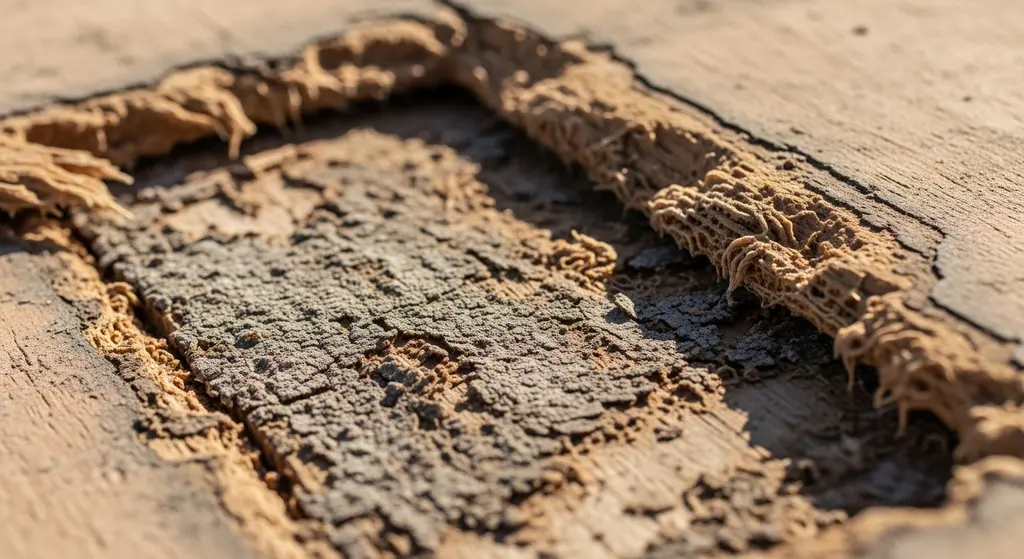
During an inspection in Preston Hollow, I found a section of roof decking that was so deteriorated it crumbled to the touch. The homeowner thought it was just a small leak, but the damage extended across nearly half the roof. A full roof replacement was necessary, costing $18,000.
Preparing Materials for Roof Decking Patch Repair
Proper material selection and preparation are essential for a successful roof decking patch repair. The most common materials used for patching include CDX plywood and oriented strand board (OSB), both of which must meet the requirements outlined in ASTM standards. Ensure that the replacement material is the same thickness as the existing decking to maintain a consistent surface for the roofing material. Before installing the patch, treat the surrounding area with a wood preservative to prevent further rot or decay.
Synthetic underlayment or felt underlayment is also necessary to protect the new decking from moisture. Apply this underlayment according to the manufacturer's instructions, overlapping the edges to create a watertight seal. In areas prone to ice dams, consider using an ice and water shield along the eaves to provide extra protection. Always follow local building codes and the NRCA's recommendations for material selection and installation practices to ensure a durable and long-lasting repair.
Field Note from Experience
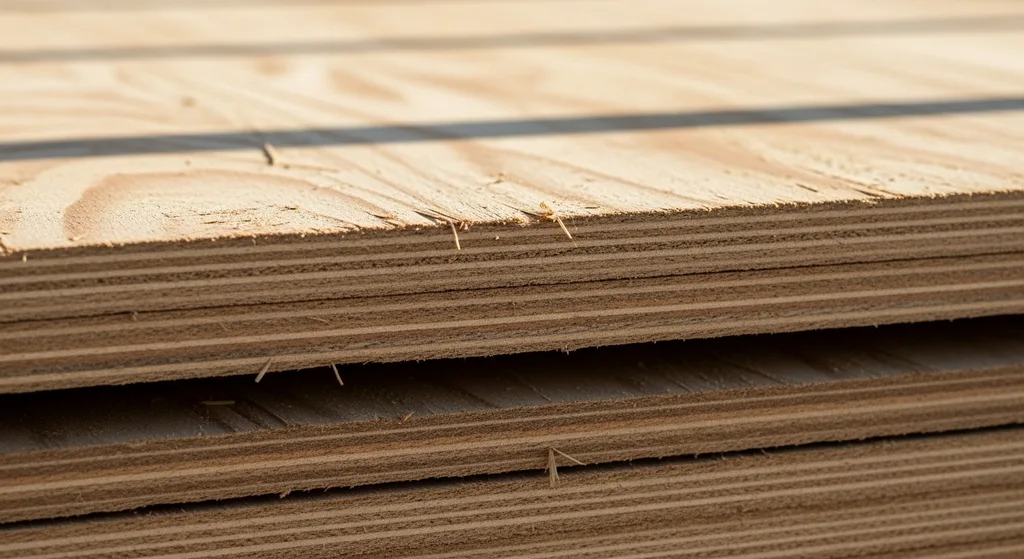
I've seen homeowners try to save money by using cheaper, non-CDX plywood for roof decking repairs. This is a mistake! The plywood delaminated within a year due to moisture exposure, leading to further damage and another costly repair.
Essential Tools and Equipment for Roof Decking Repair
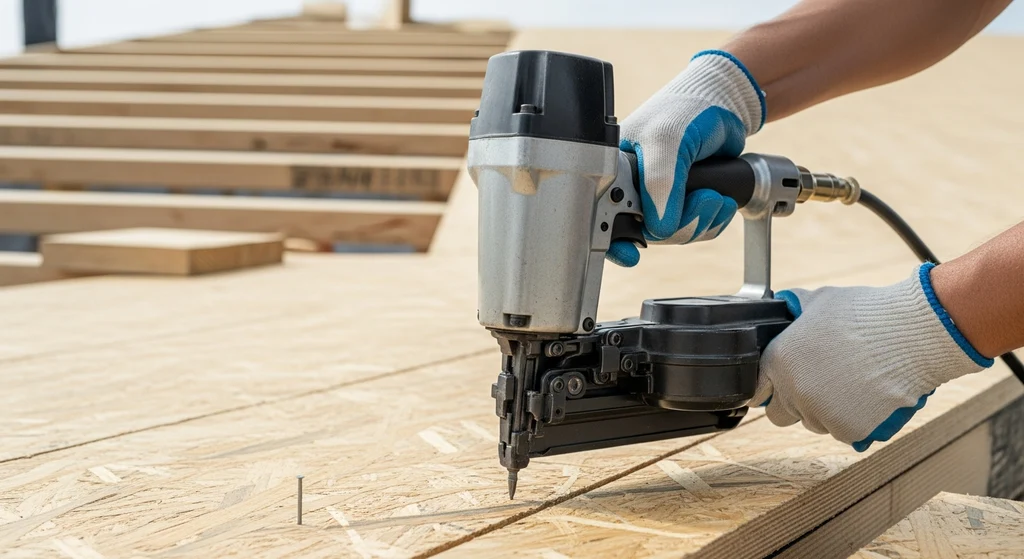
Having the right tools and equipment is crucial for a safe and effective roof decking repair. Essential tools include a circular saw or reciprocating saw for cutting the damaged decking, a hammer or nail gun for fastening the patch, and a pry bar for removing old nails or staples. A moisture meter can help you determine the extent of the moisture damage and ensure that the surrounding wood is dry before making the repair. Always wear safety glasses, gloves, and a dust mask to protect yourself from debris and harmful particles.
For working on the roof, you'll need a sturdy ladder, safety harness, and non-slip shoes. When using power tools, follow all safety precautions and wear hearing protection. A pneumatic nailer, while not essential, can significantly speed up the fastening process and ensure consistent nail depth. Remember that OSHA (Occupational Safety and Health Administration) has specific safety guidelines for roofing work, so be sure to familiarize yourself with these regulations before starting any project.
Field Note from Experience
A Dallas homeowner attempted a DIY roof decking repair without a proper safety harness. He slipped and fell off the roof, resulting in serious injuries and a hefty medical bill. Always prioritize safety when working at heights.
Step-by-Step Guide to Roof Decking Patch Installation
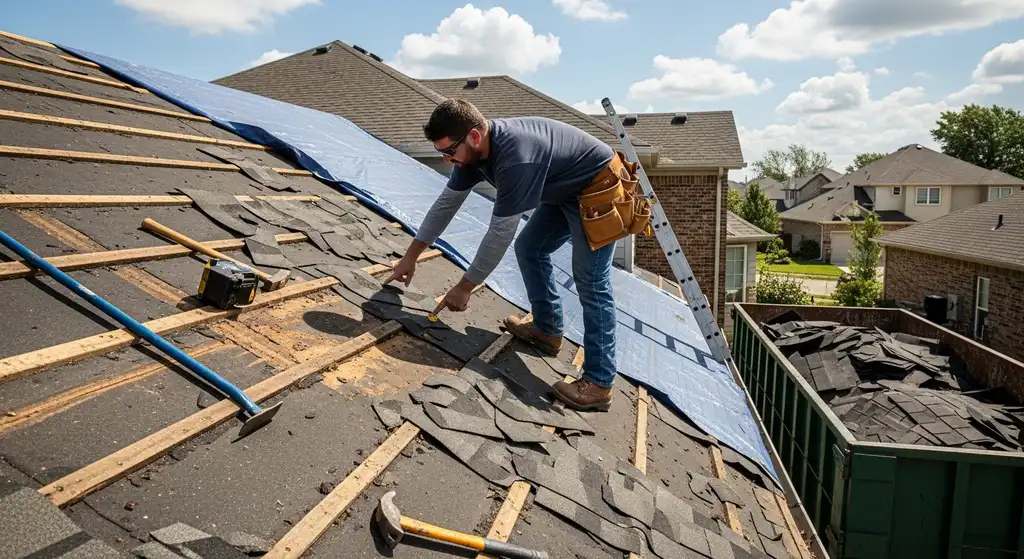
Follow these steps for a successful roof decking patch repair. First, carefully remove the damaged decking using a pry bar and saw. Cut the replacement decking to size, ensuring it fits snugly into the opening. Apply a bead of construction adhesive to the framing members around the opening before placing the patch.
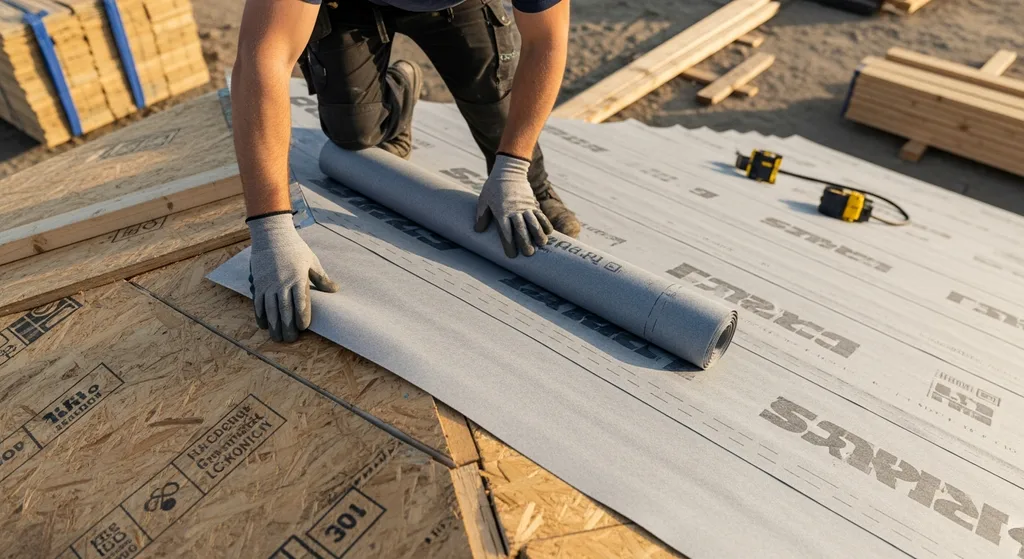
Fasten the patch securely using nails or screws, spacing them according to the IRC 2021 guidelines. Ensure fasteners penetrate the framing members adequately. Next, apply synthetic underlayment or felt underlayment over the patch, overlapping the surrounding underlayment by at least 6 inches. Seal any seams with roofing tape to prevent water penetration.
Finally, reinstall the roofing material, ensuring it is properly aligned and fastened. If you're working with asphalt shingles, use roofing nails to secure them. Remember to follow the manufacturer's instructions for the specific roofing material you're using. Always double-check your work to ensure a watertight seal and a secure patch.
Field Note from Experience
I saw a DIY repair in Garland where the homeowner didn't overlap the underlayment properly. Water seeped through the seams, causing the new decking to rot within months. Overlapping the underlayment correctly is essential!
Understanding Fastener Specifications for Roof Decking
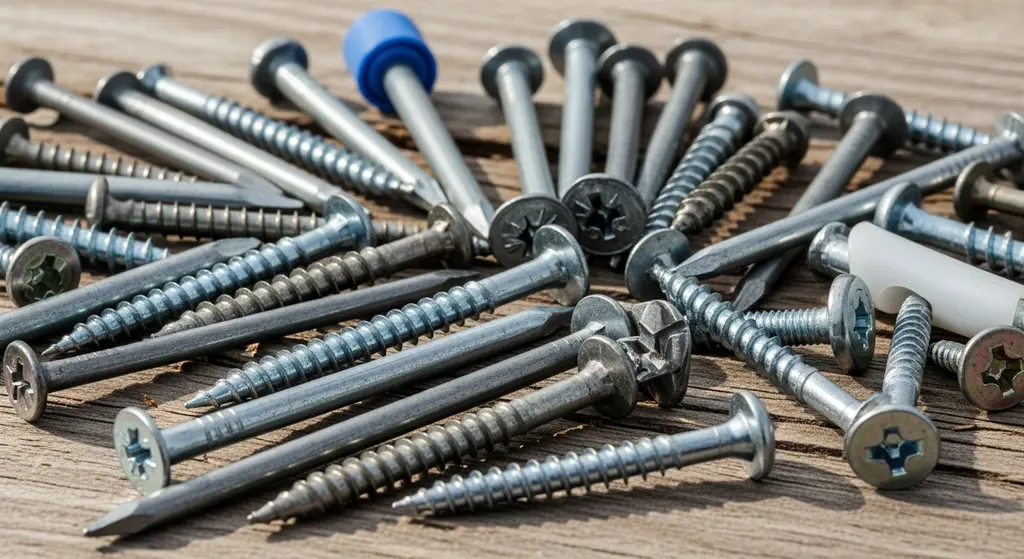
Choosing the right fasteners is critical for securing your roof decking and ensuring its long-term stability. The type and size of fasteners you use will depend on the type of decking material and the local building codes. The International Residential Code (IRC) specifies minimum fastener requirements for roof sheathing, including nail size, spacing, and penetration depth. Common fasteners include 8d or 10d nails, or screws of equivalent length.
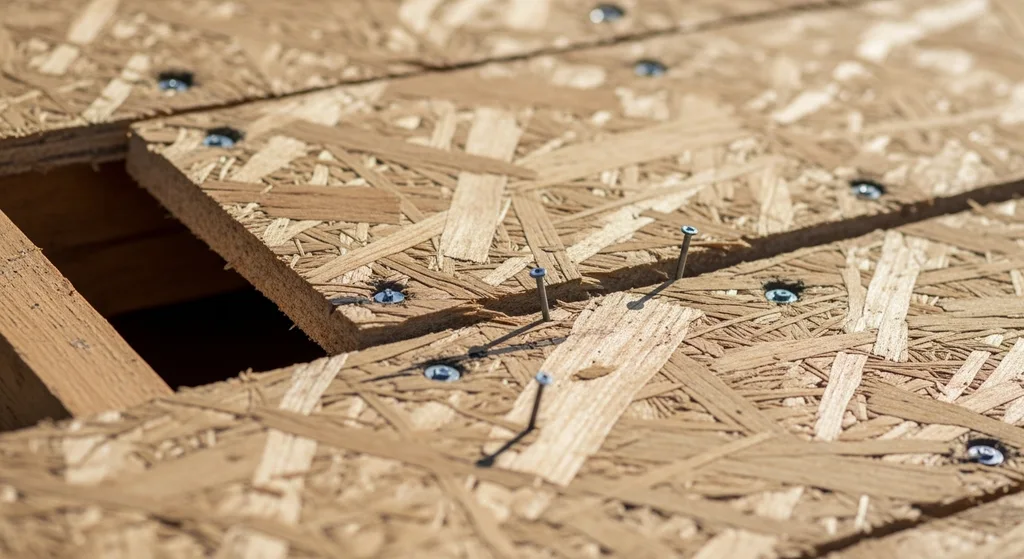
When using nails, ensure they are ring-shanked or spiral-shanked for increased holding power. Screws offer superior holding power and are often preferred for thicker decking materials. Space fasteners according to the IRC guidelines, typically 6 inches along the edges and 12 inches in the field. Overdriving fasteners can damage the decking and reduce their holding power, so be careful not to apply too much pressure.
Always consult with a local building inspector or roofing professional to ensure that your fastener selection and installation practices comply with local regulations.
Field Note from Experience
I inspected a roof in Mesquite where the contractor used the wrong type of nails for the decking. The nails were too short and didn't penetrate the framing members adequately. The roof failed during a windstorm, causing significant damage.
Common DIY Mistakes to Avoid During Roof Decking Repair
While a DIY roof decking repair might seem like a cost-effective solution, it's essential to be aware of common mistakes that can compromise the quality and longevity of the repair. One common mistake is using the wrong materials, such as non-CDX plywood or improperly treated lumber. Another mistake is failing to properly prepare the surface, such as not removing all the damaged wood or not applying a wood preservative. Improper fastening is also a common issue, such as using the wrong size or type of fasteners, or spacing them incorrectly.
Ignoring safety precautions is another significant mistake. Working on a roof can be dangerous, so it's crucial to use proper safety equipment and follow all safety guidelines. Finally, failing to obtain the necessary permits or inspections can result in fines or require you to redo the work. Remember that a poorly executed DIY repair can lead to further damage and ultimately cost you more money in the long run.
When in doubt, consult with a qualified roofing professional.
Field Note from Experience
I assisted a homeowner in University Park who attempted a roof decking repair without a permit. The city inspector discovered several code violations, including improper fastener spacing and inadequate underlayment. The homeowner had to tear out the entire repair and hire a licensed contractor to redo the work, costing him double the original amount.
Knowing When to Call a Professional Roofing Contractor
While minor roof decking repairs can often be handled by experienced homeowners, there are situations where it's best to call a professional roofing contractor. If the damage is extensive, if you're uncomfortable working on a roof, or if you're unsure about the proper repair techniques, it's time to seek professional help. Also, if you suspect structural damage or if the roof is leaking significantly, a professional assessment is crucial. In Dallas-Fort Worth, many roofing contractors are experienced in dealing with hail damage and other weather-related issues.
A professional can accurately assess the extent of the damage, recommend the best course of action, and ensure that the repair is done correctly and safely. They can also handle any necessary permits and inspections. Remember that a professional roofing contractor is licensed and insured, providing you with added protection and peace of mind. The NRCA recommends checking a contractor's credentials and references before hiring them.
Field Note from Experience
I inspected a home in Highland Park where the homeowner had attempted multiple DIY roof repairs over the years. The roof was a patchwork of different materials and techniques, and it was leaking in several places. A full roof replacement was necessary, costing the homeowner significantly more than if they had called a professional in the first place.
Analyzing the Cost of Roof Decking Repair vs. Replacement
When faced with roof decking damage, it's essential to weigh the cost of repair versus replacement. A simple patch repair might be a cost-effective solution for minor damage, but a full roof replacement might be necessary for more extensive problems. Consider factors such as the age of your roof, the extent of the damage, and the long-term cost of ownership. In Dallas-Fort Worth, expect to pay $1.50-$2.25 per square foot for roof decking repair, including materials and labor.
A full roof replacement can range from $8,000 to $20,000 or more, depending on the size and complexity of the roof, and the type of roofing materials used. While a replacement might seem more expensive upfront, it can provide long-term benefits such as increased energy efficiency, improved curb appeal, and a longer lifespan. Get quotes from multiple roofing contractors and carefully review the scope of work and the materials used. Remember that a cheap repair might not be the best solution if it only addresses the symptoms and not the underlying cause of the problem.
Dallas Market Pricing
In Dallas-Fort Worth, expect to pay $1.50-$2.25 per square foot for roof decking repair. These are current Dallas market prices; costs can be 15-20% higher in remote Texas areas and 10-15% lower in rural counties. Prices fluctuate seasonally, with spring storm season driving 20-30% premium.
Field Note from Experience
A homeowner in Frisco chose the cheapest roof repair quote they could find. The contractor used substandard materials and cut corners on the installation. Within a year, the roof started leaking again, and the homeowner had to pay for a full roof replacement. Choosing a reputable contractor and quality materials is always worth the investment.
External Authoritative Resources
These industry-standard references support the information in this guide:
Building Codes
Frequently Asked Questions
What is roof decking and why is it important?
Roof decking, also known as roof sheathing, is the structural layer beneath your roofing material. It provides a solid surface for the roofing material to attach to and helps protect your home from the elements. The International Residential Code (IRC) sets minimum standards for roof decking materials and installation.
What are the common signs of roof decking damage?
Common signs of roof decking damage include visible sagging or bowing of the roof, water stains on ceilings or walls, leaks in the attic, and the presence of mold or mildew. These issues can compromise the structural integrity of your roof, as noted by the NRCA.
Can I repair roof decking myself, or should I hire a professional?
Minor roof decking repairs can often be handled by experienced homeowners, but extensive damage or complex repairs should be left to a professional roofing contractor. Professionals understand local building codes and safety regulations.
What materials are used for roof decking repair?
The most common materials used for roof decking repair include CDX plywood and oriented strand board (OSB), both of which must meet ASTM standards. Ensure the replacement material matches the existing decking's thickness.
How much does roof decking repair cost in Dallas?
In Dallas-Fort Worth, expect to pay between $1.50 and $2.25 per square foot for roof decking repair, including materials and labor. Prices may fluctuate based on the season and the extent of the damage.
What are some common DIY mistakes to avoid during roof decking repair?
Common DIY mistakes include using the wrong materials, failing to properly prepare the surface, improper fastening, and ignoring safety precautions. Always follow best practices and consult with a professional if you're unsure.
Final Thoughts
Addressing roof decking damage promptly is crucial for maintaining the structural integrity of your home and preventing costly repairs. Whether you choose to tackle a minor repair yourself or hire a professional, understanding the basics of roof decking and following best practices will ensure a long-lasting and effective solution. Always prioritize safety and follow local building codes to protect yourself and your property. I once consulted with a homeowner in Dallas who ignored a small leak for years, only to discover extensive rot in the roof decking.
The repair ended up costing them over $10,000! Don't let this happen to you. If you suspect roof decking damage, take action now to protect your home and your investment. Contact a qualified roofing contractor for a professional assessment and a comprehensive repair plan.
