
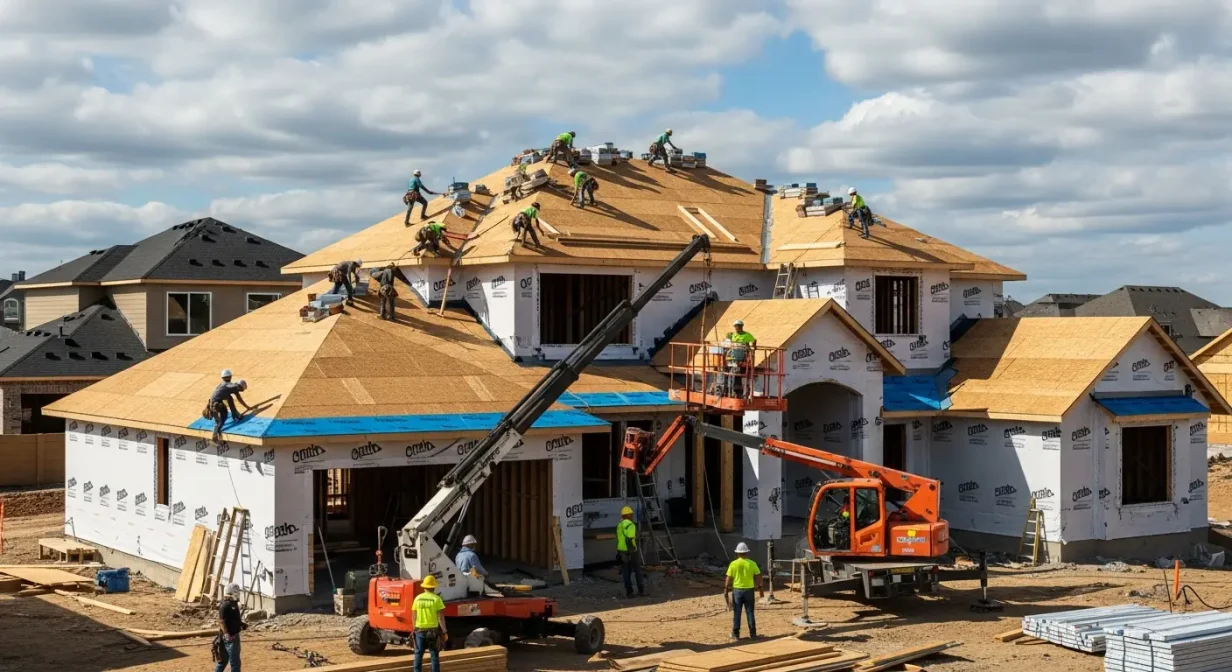
Contractor’s Bottom Line
Roof decking overlay is a viable solution when existing decking is structurally sound but requires a new surface for proper shingle attachment. Adherence to IRC 2021, specifically IRC R803.2.1 for sheathing requirements, is crucial. Expect a typical overlay project in Dallas to take 1-3 days, with costs ranging from $1.50-$3.00 per square foot depending on material and complexity. Always verify existing structure and use appropriate fasteners to avoid future issues. Failure to properly install the overlay can lead to shingle failure and leaks, costing thousands in repairs.
Key Takeaways
- Proper roof decking overlay requires a thorough inspection of the existing structure to ensure it meets minimum code requirements per IRC R803.2.1.
- Selecting the correct fastener type and spacing is crucial for a secure overlay, and should be verified against ASTM D1761 standards.
- In Dallas, temperature fluctuations can cause expansion and contraction, so choose materials and installation techniques that accommodate these conditions.
Roof decking overlay is a process of installing a new layer of sheathing over existing roof decking. This is often done to provide a solid, nail-able surface for new roofing materials, especially when the existing decking is slightly damaged or uneven. Understanding the proper techniques and materials is essential for a successful and long-lasting roof. As a construction consultant in Dallas, I've seen firsthand the consequences of improper roof decking overlay.
Last month, a Dallas homeowner called me after a contractor installed an overlay without properly inspecting the existing decking. The underlying rot continued to spread, resulting in over $5,000 in damages and a complete roof replacement. Proper evaluation and adherence to the International Residential Code (IRC) are crucial for a successful project.
IRC 2021 Requirements for Roof Decking Overlay
The International Residential Code (IRC) sets minimum standards for roof decking to ensure structural integrity and safety. IRC 2021 section R803.2.1 specifies the minimum thickness and grade of wood structural panels used for roof sheathing. In overlay situations, it's crucial to verify that the existing decking, combined with the overlay, meets these requirements. Furthermore, section IRC R905 addresses the installation of roofing materials, including proper attachment to the roof decking.
For example, asphalt shingles must be securely fastened to the decking with nails or staples that comply with ASTM D3043. The NRCA (National Roofing Contractors Association) also provides guidelines for best practices that often exceed the minimum code requirements, ensuring a more durable and weather-resistant roof.
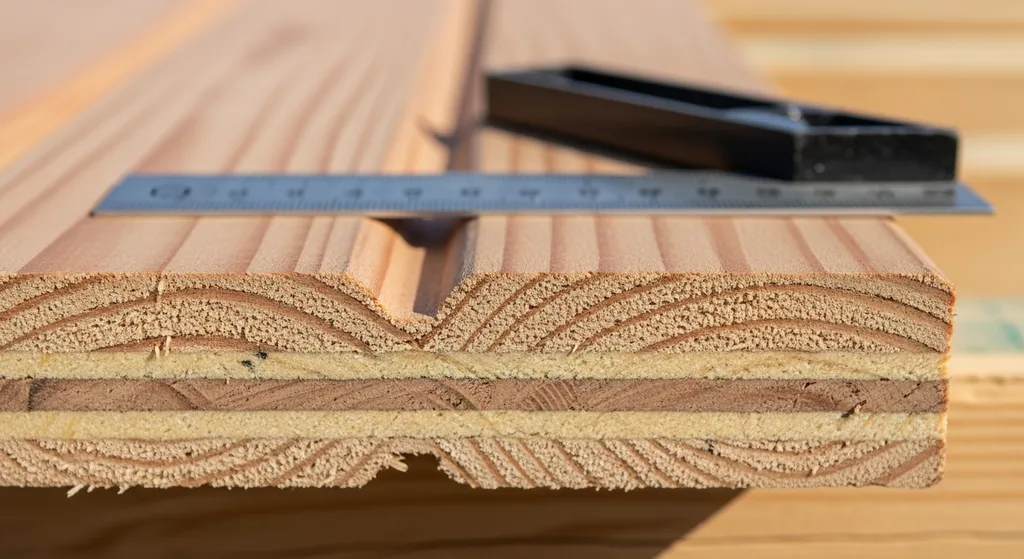
| Material | Minimum Thickness (in) | Span Rating |
|---|---|---|
| CDX Plywood | 15/32 | 24/0 |
| OSB | 15/32 | 24/0 |
Preparing the Existing Roof Decking
Before installing the overlay, thoroughly inspect the existing roof decking for signs of rot, water damage, or structural weakness. Any damaged sections must be replaced before proceeding. Clean the surface of debris, such as old nails, staples, and loose granules from old shingles. Ensure the existing decking is dry before installing the overlay.
Moisture can lead to mold growth and premature failure of the new roofing system. Consider applying a breathable synthetic underlayment like those meeting ASTM D4869 standards to provide an additional layer of protection against moisture intrusion. This is especially important in Dallas, where humidity levels can be high.
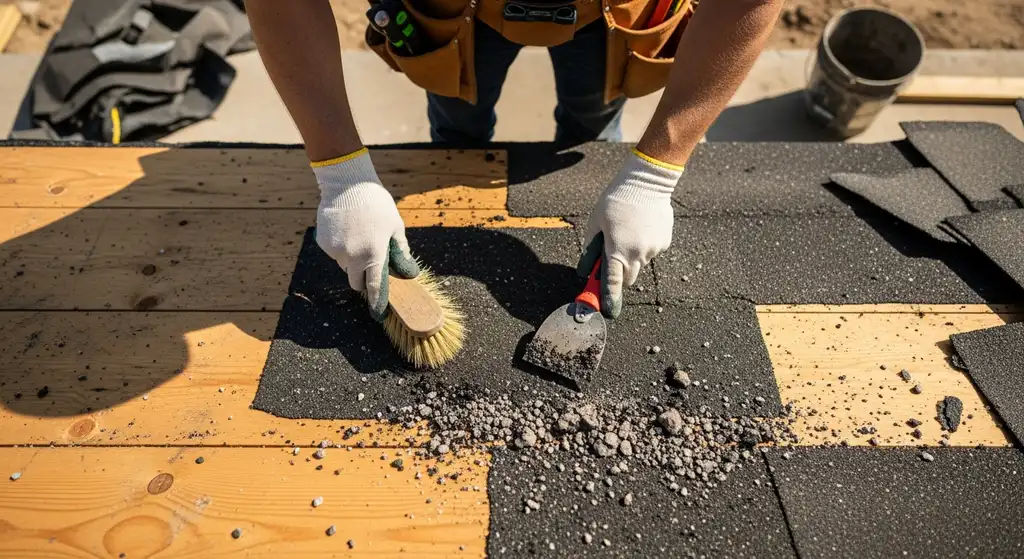
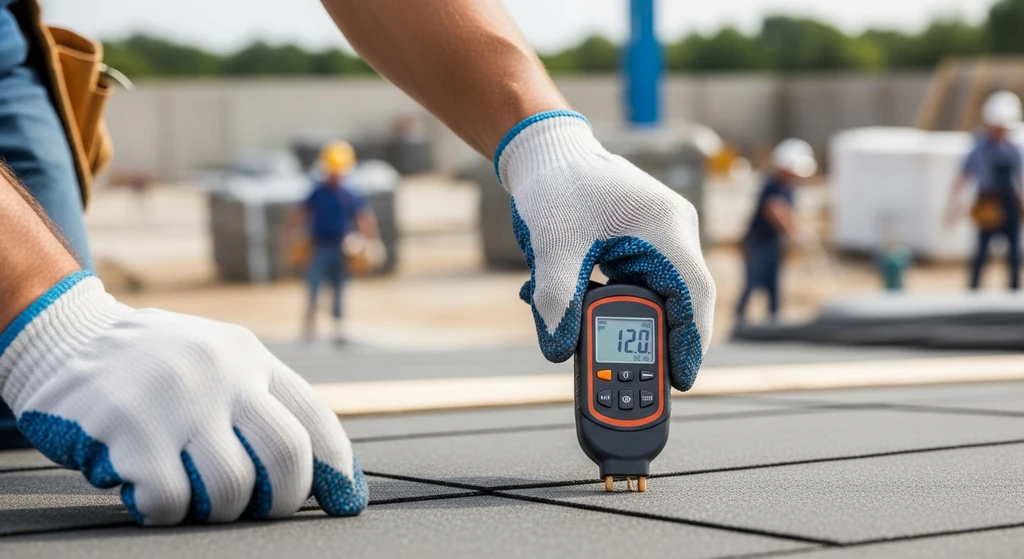
| Moisture Content Check | |
|---|---|
| Acceptable Moisture Level | Below 20% |
| Tool | Moisture Meter |
Step-by-Step Installation Process
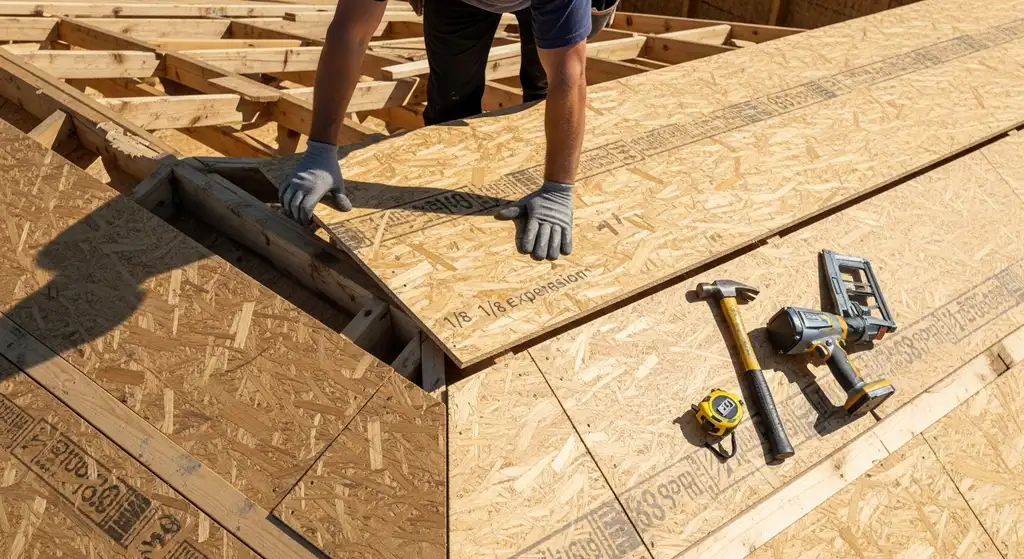
The overlay installation process typically involves these steps: First, install a layer of synthetic underlayment or felt underlayment, overlapping seams according to manufacturer specifications. Next, position the new decking material (CDX plywood or OSB) over the existing decking. Ensure the edges are aligned and properly spaced to allow for expansion and contraction. Fasten the overlay to the existing decking using appropriate fasteners, such as ring-shank nails or screws.
Follow a consistent nailing pattern, typically 6 inches on center along the edges and 12 inches on center in the field. Always consult the manufacturer's recommendations for fastener type and spacing. In Dallas, where winds can be high, proper fastening is critical for preventing blow-offs.
Advantages
- Provides a solid nailing surface
- Extends the life of the roof
Disadvantages
- Adds weight to the roof structure
- Requires careful inspection of the existing decking
Fastener Selection and Spacing
Choosing the correct fasteners is critical for a secure and long-lasting roof decking overlay. Ring-shank nails are commonly used because they provide excellent holding power. The length of the fastener should be sufficient to penetrate the existing decking and underlying framing members. Consult ASTM D1761 for fastener performance standards.
The NRCA recommends using fasteners that are corrosion-resistant, especially in coastal areas or environments with high humidity. Fastener spacing should be consistent and follow the manufacturer's recommendations. A typical spacing pattern is 6 inches on center along the edges and 12 inches on center in the field. Over-driving fasteners can damage the decking and reduce their holding power.
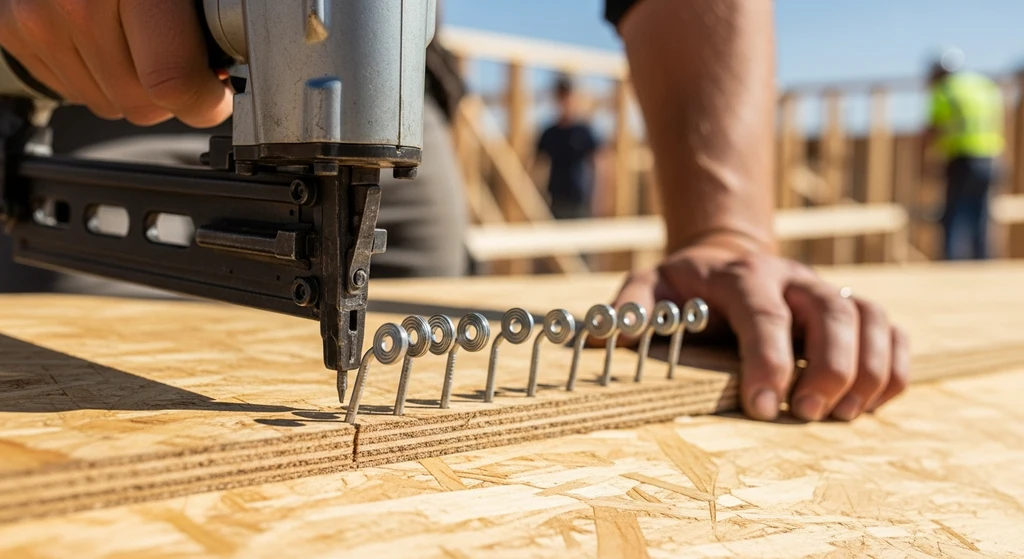
Incorrect Fastener Length
Typical Cost: $1,000-$3,000
Prevention: Measure total thickness of decking.
Insurance Coverage: Not covered
Code Reference: IRC R905
Edge Details and Overhangs
Proper edge details are essential for preventing water intrusion and ensuring a clean, professional look. The overlay should extend to the edge of the existing roof decking, creating a smooth transition. Ensure that the drip edge is properly installed to direct water away from the fascia board. Overhangs should be consistent and uniform.
Any gaps or irregularities can create weak points that are susceptible to wind damage and water penetration. Flashing should be properly integrated at all edge details to provide an additional layer of protection. In Dallas, where heavy rains are common, proper edge details are crucial for preventing leaks.
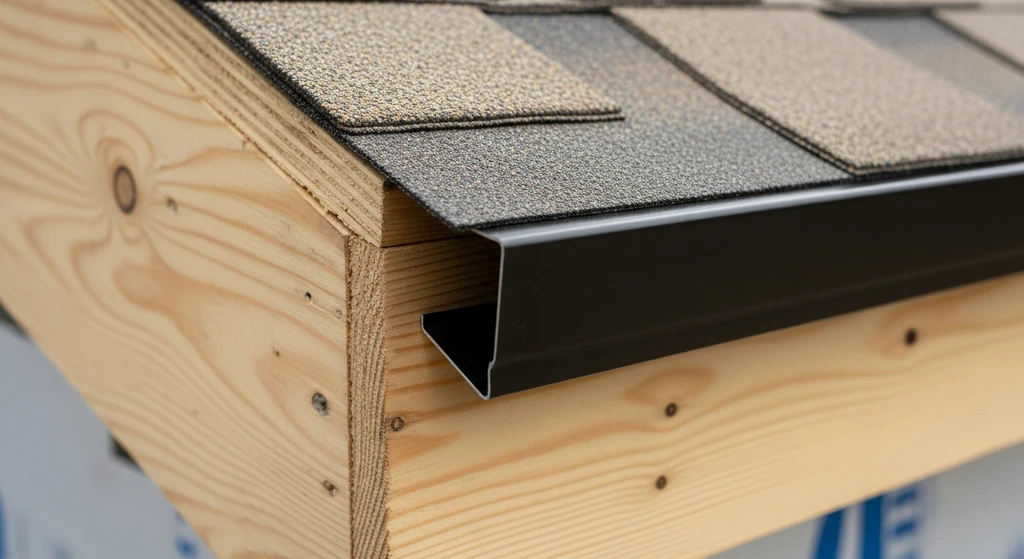
Flashing Integration and Weatherproofing
Flashing is a critical component of any roofing system, especially when installing a roof decking overlay. Proper flashing integration is essential for preventing water intrusion at vulnerable areas such as chimneys, vents, and valleys. Use appropriate flashing materials, such as aluminum or copper, and ensure they are properly sealed and overlapped. Ice and water shield should be installed along the eaves and valleys to provide an additional layer of protection against ice dams and water infiltration.
Pay close attention to detail and follow the manufacturer's recommendations for flashing installation. The NRCA provides detailed guidelines for flashing integration in various roofing applications. This is especially important in DFW Metroplex, where rapid temperature changes can cause expansion and contraction, leading to leaks if flashing is not properly installed.
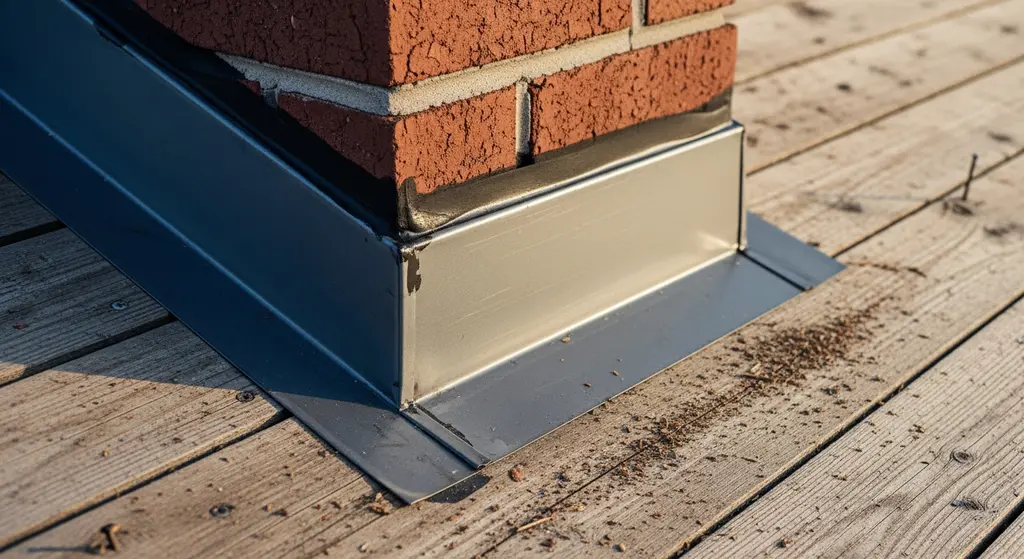
Safety Precautions and OSHA Compliance
Roofing work can be dangerous, so it's essential to follow proper safety precautions to prevent accidents and injuries. Wear appropriate personal protective equipment (PPE), such as a hard hat, safety glasses, and fall protection harness. Ensure that the work area is properly secured and barricaded to prevent unauthorized access. Follow OSHA (Occupational Safety and Health Administration) guidelines for fall protection and ladder safety.
Use caution when working on steep slopes or in wet conditions. Never work alone and always have a communication plan in place in case of an emergency. Regular safety meetings and training sessions can help to reinforce safe work practices. In Dallas, where summer heat can be extreme, stay hydrated and take frequent breaks to avoid heat exhaustion.
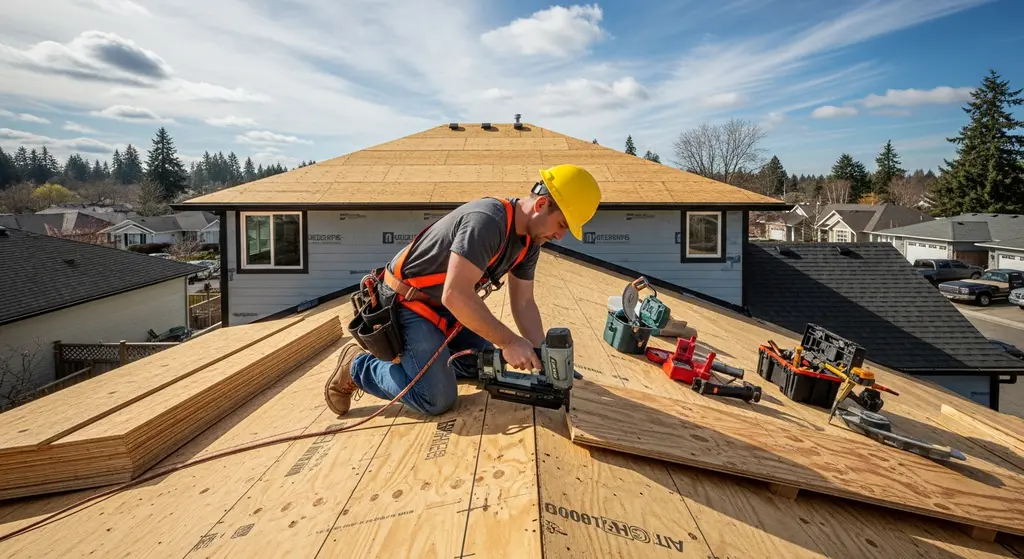
Quality Control and Inspection
After completing the roof decking overlay, conduct a thorough inspection to ensure that all work has been performed to the highest standards. Check for any loose fasteners, gaps, or irregularities. Verify that the flashing is properly integrated and sealed. Use a moisture meter to check the moisture content of the decking.
Any areas with excessive moisture should be addressed immediately. Consider hiring a third-party inspector to provide an unbiased assessment of the work. Regular quality control checks can help to identify and correct any issues before they become major problems. I recommend following NRCA guidelines for quality assurance.
Skipping inspections.
Consequence: Hidden damage and future costly repairs.
Common Installation Errors to Avoid
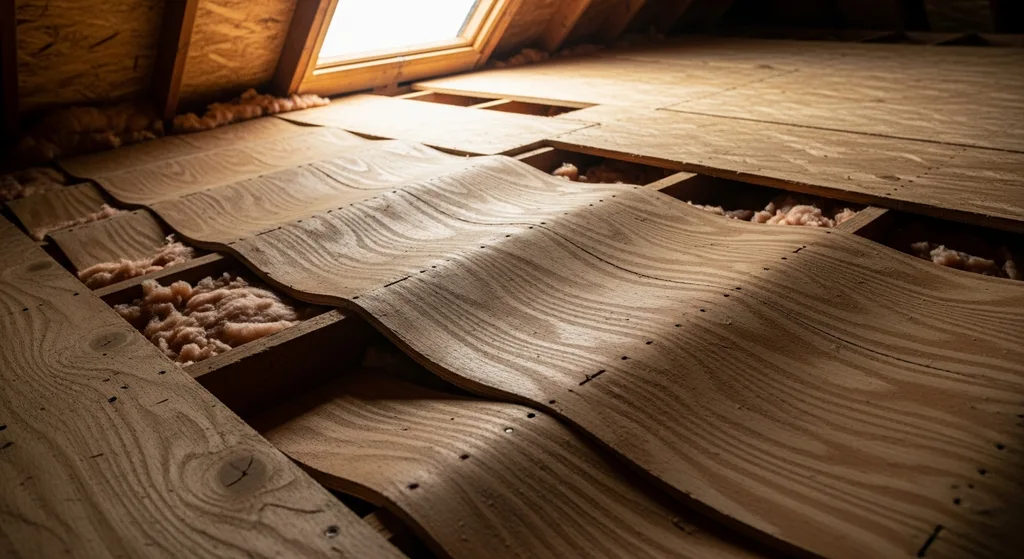
Several common installation errors can compromise the integrity of a roof decking overlay. One of the most frequent mistakes is failing to properly inspect and repair the existing decking. Another common error is using incorrect fasteners or improper spacing. Over-driving fasteners can also damage the decking and reduce their holding power.
Neglecting to properly integrate flashing is another significant error. Failing to properly seal and overlap flashing can lead to water intrusion and costly repairs. Always follow the manufacturer's recommendations and consult with experienced roofing professionals to avoid these common mistakes. I’ve seen countless roofs in North Texas fail due to improper flashing around chimneys, resulting in significant water damage and expensive repairs.
What Contractors Hide
Contractors might reuse old flashing to cut costs.
The Reality: This can lead to leaks and premature roof failure.
Field Note from Experience
On a project in Plano, I discovered the previous contractor had used the wrong type of nails, which were starting to corrode and lose their grip. This could have led to the entire overlay detaching during a strong windstorm. The homeowner had to pay an additional $2,500 to have the nails replaced with the correct type. Always verify fastener specifications!
External Authoritative Resources
These industry-standard references support the information in this guide:
Building Codes
International Residential Code (IRC 2021)
Official building code for residential construction
ICC Code Adoption Map
Find which IRC version your state uses
Industry Standards
NRCA Roofing Manual
National Roofing Contractors Association best practices
ASTM International Standards
Material testing standards (ASTM D3043, D1761)
Manufacturer Resources
Frequently Asked Questions
When is a roof decking overlay appropriate?
A roof decking overlay is suitable when the existing decking is structurally sound but needs a new, nail-able surface. It's a cost-effective solution compared to complete replacement, provided the underlying structure meets current code requirements.
What type of decking material is best for overlay?
CDX plywood and OSB are common choices, with CDX plywood often preferred for its moisture resistance. Ensure the chosen material meets the minimum thickness requirements specified in IRC R803.2.1.
How long does a roof decking overlay typically last?
With proper installation and quality materials, a roof decking overlay can last for 20-30 years, matching the lifespan of the roofing material itself. Regular maintenance and inspections are crucial for longevity.
What are the signs of a failing roof decking overlay?
Signs of failure include sagging, leaks, and loose shingles. These issues often indicate underlying problems with the existing decking or improper installation of the overlay. Prompt attention is needed to prevent further damage.
Does a roof decking overlay require a building permit in Dallas?
Yes, in most cases, a building permit is required for a roof decking overlay. Check with the Dallas County building department to ensure compliance with local regulations.
How does the Dallas climate affect roof decking overlay?
Dallas's extreme heat and temperature fluctuations can cause expansion and contraction, potentially leading to cracks and leaks. Proper material selection and installation techniques are essential to withstand these conditions. Synthetic underlayment meeting ASTM D226 Type II standards with 180-day UV exposure rating is recommended.
Final Thoughts
Roof decking overlay can be a cost-effective solution for extending the life of your roof, provided it's done correctly. Thorough inspection, proper material selection, and adherence to code requirements are crucial for success. Always hire qualified professionals and prioritize safety throughout the project. I recently inspected a roof in University Park where an improperly installed overlay led to significant water damage and a costly lawsuit.
Don't let this happen to you. Invest in quality workmanship and materials to ensure a long-lasting and trouble-free roof. Contact a trusted roofing contractor in the Dallas-Fort Worth area for a professional assessment and installation.
