
Contractor’s Bottom Line
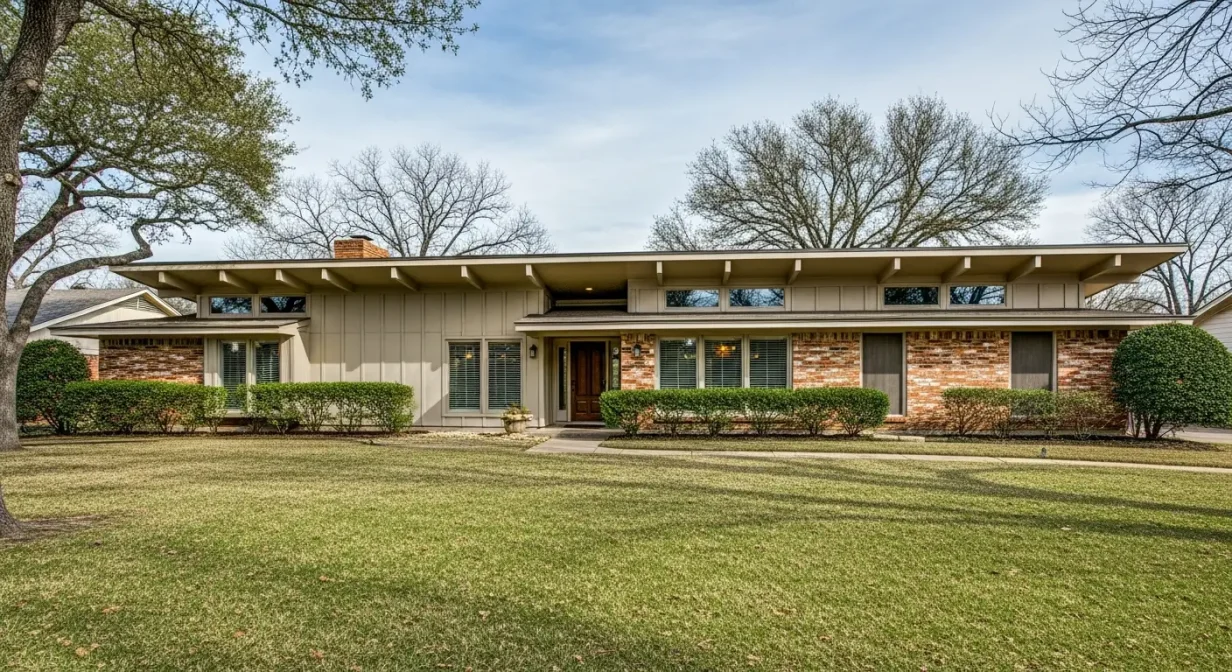
Roof decking overhang, the extension of the roof sheathing beyond the exterior wall, is crucial for weather protection and structural integrity. The International Residential Code (IRC) sets minimum requirements for overhang dimensions, influenced by factors like wind load and material type. In Dallas, compliance with IRC 2021 is essential for permitting and inspection. Expect installation to add $1.50-$2.25 per square foot to the overall roofing cost. Failure to meet code can lead to costly rework and insurance complications. Always consult with a licensed roofing contractor to ensure proper overhang installation.
Key Takeaways
- Roof decking overhang protects walls from water damage and enhances aesthetic appeal.
- IRC 2021 dictates minimum overhang dimensions based on local wind load and building design.
- Proper installation of roof decking overhang ensures code compliance and long-term roof performance in Dallas.
Roof decking overhang refers to the portion of the roof sheathing that extends beyond the exterior walls of a building. This overhang plays a critical role in protecting the building's structure from the elements, particularly water damage, and contributes to the overall aesthetic appeal of the roof. Understanding the requirements for roof decking overhang is crucial for homeowners and contractors alike, especially when ensuring compliance with local building codes and industry standards. In the Dallas-Fort Worth area, adhering to the International Residential Code (IRC) is paramount for any roofing project.
These codes specify the minimum acceptable dimensions for roof decking overhang, which can vary based on factors such as wind load, roof slope, and the type of roofing materials used. The National Roofing Contractors Association (NRCA) also offers guidelines and best practices for overhang installation that often exceed minimum code requirements, further enhancing the roof's performance and longevity. FIELD NOTE: During an inspection in Plano, a suburb of Dallas, I found a newly installed roof with insufficient overhang. The homeowner had used a general contractor who was not familiar with local codes, resulting in a violation that cost them an additional $3,000 to rectify with a qualified roofing professional.
This highlights the importance of hiring experienced contractors knowledgeable about IRC 2021 and NRCA standards.
Understanding IRC Requirements for Roof Decking Overhang
The International Residential Code (IRC) provides specific guidelines for roof decking overhang to ensure structural integrity and weather resistance. IRC 2021, currently applicable in Dallas as of 2026, outlines the minimum overhang dimensions based on factors like wind exposure and roof slope. It's crucial to consult the local amendments to the IRC, as some jurisdictions within the DFW Metroplex may have stricter requirements. The IRC addresses various aspects of roof decking overhang, including the type of materials used for sheathing, the fastening methods, and the allowable spans between supports.
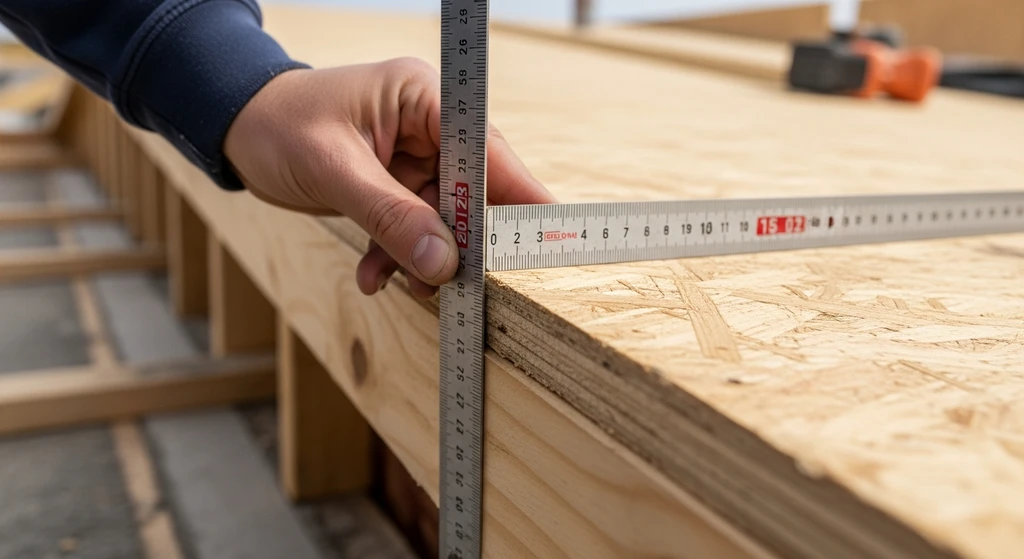
For instance, IRC R803.2.1 requires minimum 15/32-inch thickness for roof sheathing under asphalt shingles. Compliance with these requirements ensures that the overhang can withstand wind uplift forces and prevent water intrusion, protecting the underlying structure.
Field Note from Experience
I recently worked on a project in North Dallas where the original roof decking overhang was significantly undersized, leading to water damage on the exterior walls. Bringing the overhang up to code, according to IRC 2021, involved extending the rafters and installing new sheathing, costing the homeowner approximately $4,500. This underscores the importance of adhering to code requirements from the outset.
External Authoritative Resources
These industry-standard references support the information in this guide:
Building Codes
Frequently Asked Questions
What is the minimum roof decking overhang required by code?
The minimum roof decking overhang varies based on the specific IRC code and local amendments, but generally ranges from a few inches to over a foot, depending on wind load and other factors. Refer to IRC 2021 for details.
What happens if my roof decking overhang doesn't meet code?
Failure to meet code can result in failed inspections, requiring costly rework to bring the roof into compliance. It can also impact your homeowner's insurance coverage in Texas.
What materials are typically used for roof decking overhang?
Common materials include CDX plywood and oriented strand board (OSB), chosen for their strength and resistance to moisture. Advantech is also a premium option that provides superior moisture resistance.
How does wind load affect roof decking overhang requirements?
Areas with higher wind loads require larger overhangs and stronger fastening methods to withstand uplift forces, as specified in the IRC 2021.
Does roof decking overhang contribute to energy efficiency?
Yes, a properly designed roof decking overhang can provide shading to exterior walls, reducing solar heat gain and lowering energy consumption, especially important in the Dallas climate.
What is the role of the NRCA in roof decking overhang?
The NRCA (National Roofing Contractors Association) provides best practice guidelines for roof decking overhang installation that often exceed minimum code requirements, enhancing roof performance.
Final Thoughts
Proper roof decking overhang is essential for protecting your home from the elements and ensuring long-term structural integrity. Adhering to the International Residential Code (IRC) and consulting with a qualified roofing contractor are crucial steps in achieving code compliance and optimal roof performance. Remember that cutting corners on overhang installation can lead to significant problems down the road. FIELD NOTE: I once helped a homeowner in Frisco, Texas, whose insurance claim was denied because the roof decking overhang didn't meet the minimum requirements outlined in IRC 2021.
The lack of proper overhang contributed to water damage, which the insurance company deemed a pre-existing condition due to non-compliance. Don't let this happen to you! Always verify that your roofing project meets all applicable codes and standards. Contact a local roofing professional to assess your roof today.
