
Contractor’s Bottom Line
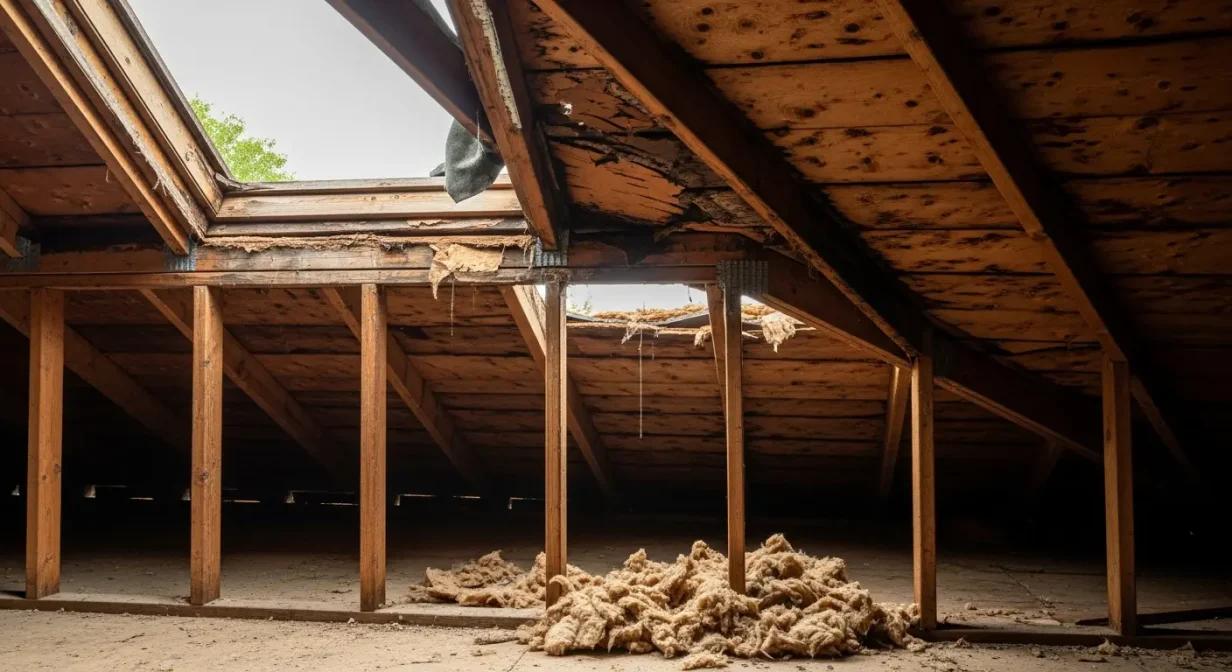
Roof decking damage can lead to significant structural issues and costly repairs. Early detection is crucial, looking for signs like sagging, leaks, or visible rot. Regular inspections, especially after storms common in the Dallas-Fort Worth area, can prevent extensive damage. Depending on the severity and extent, repairs can range from $500 to $3,000, while a full replacement can cost $5,000 to $15,000. Ignoring the problem can lead to further structural damage, potentially violating IRC 2021 R802.4 requirements for structural integrity.
Key Takeaways
- Visible sagging or leaks in your attic can indicate roof decking damage.
- Regular inspections and proper ventilation can prevent moisture buildup and rot, a common issue in Texas climates.
- Addressing roof decking damage promptly can prevent costly structural repairs and potential code violations, saving you thousands of dollars.
Roof decking, also known as roof sheathing, forms the foundation of your roofing system, providing a surface for shingles and other roofing materials. Damage to this critical component can compromise the integrity of your entire roof, leading to leaks, structural instability, and costly repairs. In Dallas, Texas, the extreme heat and occasional severe weather events, such as hail storms, can accelerate the deterioration of roof decking, making regular inspections and preventative maintenance essential. Understanding the warning signs of roof decking damage is the first step in protecting your home.
From visible sagging to water stains in the attic, various indicators can signal underlying problems. Addressing these issues promptly can prevent further damage and save you from expensive repairs down the line. The NRCA (National Roofing Contractors Association) recommends annual roof inspections to identify potential problems early. FIELD NOTE: Last year, a Dallas homeowner called me after noticing a persistent leak in their living room.
Upon inspection, I found extensive rot in the roof decking due to inadequate ventilation. The repair ended up costing them $4,500, which could have been avoided with routine maintenance. This is a common problem in older homes in North Texas.
Recognizing the Warning Signs of Roof Decking Damage
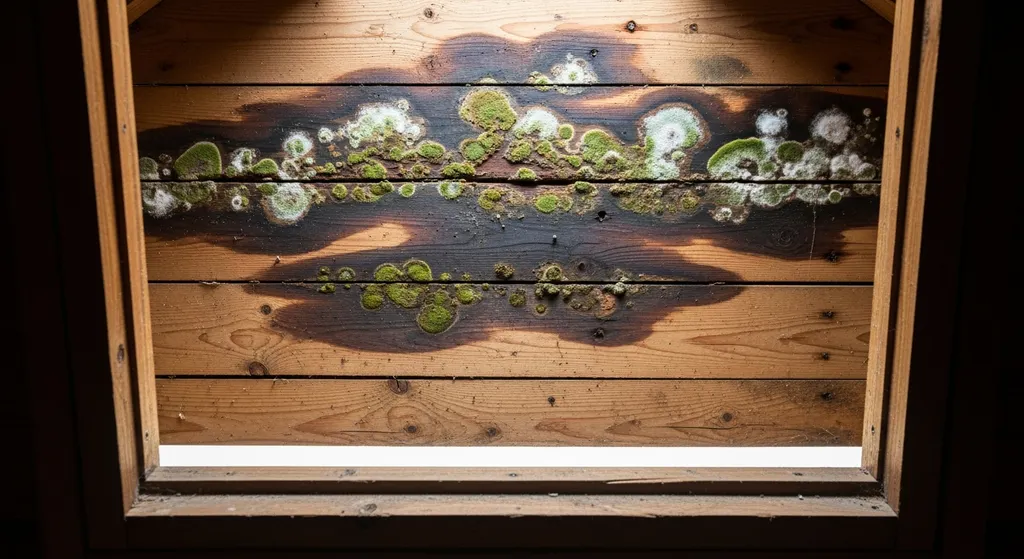
Identifying roof decking damage early can prevent more extensive and expensive repairs. Common signs include visible sagging of the roof, both from the exterior and interior (attic). Water stains or discoloration on the attic ceiling or walls are also strong indicators of a leak and potential decking damage. Additionally, look for signs of rot or mold growth, particularly in areas with poor ventilation.
Other warning signs include loose or missing shingles, which can expose the decking to the elements. Granules from asphalt shingles accumulating in gutters can also indicate shingle deterioration, potentially leading to water intrusion. If you notice any of these signs, it’s crucial to investigate further. The International Code Council (ICC) provides guidelines for proper roof maintenance and inspection, which can be helpful for homeowners.
Field Note from Experience
I helped a homeowner in Plano whose claim was initially denied because the insurance company argued the damage was due to long-term neglect, not a covered event. After providing evidence of recent hail storms in the area, the claim was approved, highlighting the importance of documenting weather events.
Performing a Thorough Roof Decking Inspection
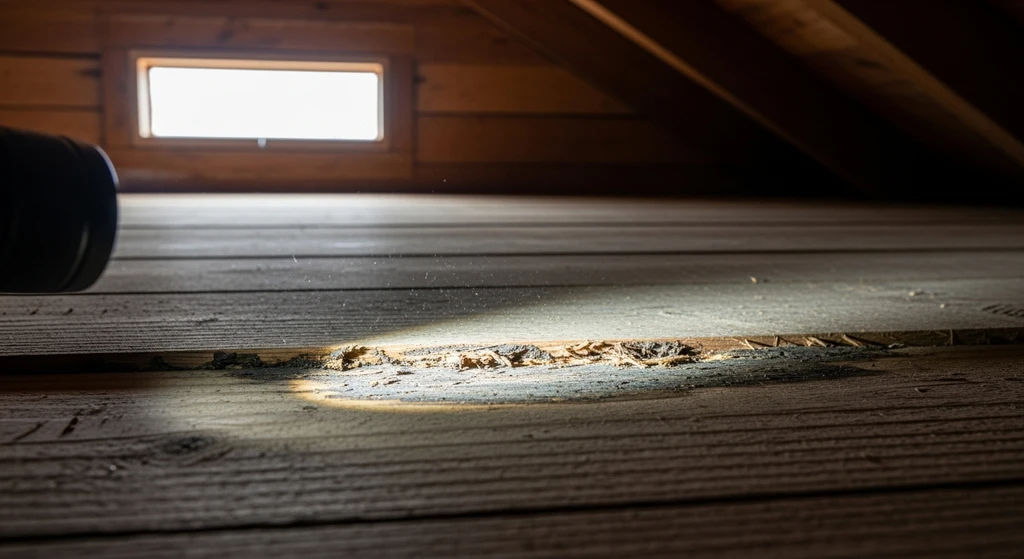
A comprehensive roof decking inspection involves both visual and physical assessments. Start by examining the roof from the ground using binoculars to look for any obvious signs of sagging or damaged shingles. Next, carefully inspect the attic for water stains, mold, or signs of leaks. Use a flashlight to get a better view of the decking.
To physically assess the decking, use a screwdriver or awl to probe the wood for soft spots or rot. Pay particular attention to areas around chimneys, vents, and skylights, as these are common areas for leaks. If you’re uncomfortable climbing on the roof, consider hiring a professional roofing contractor to perform the inspection. The NRCA offers resources for finding qualified contractors in your area.
Always prioritize safety during any roof inspection, especially when working at heights.
Field Note from Experience
During an inspection in Frisco, I found a section of roof decking that was completely rotted away due to a hidden leak around a chimney. The homeowner was unaware of the problem, which could have led to a roof collapse. Early detection saved them from a much more serious situation.
Assessing the Severity of Roof Decking Damage
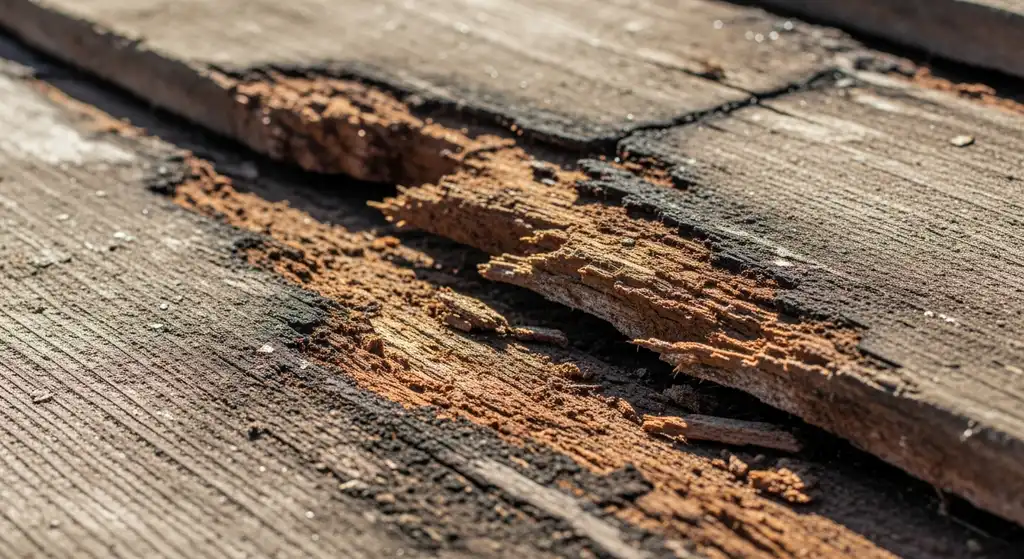
The extent of roof decking damage determines the appropriate course of action, whether it’s a minor repair or a complete replacement. Minor damage, such as small areas of rot or a few damaged sheets of sheathing, can often be repaired. However, extensive damage, covering a large portion of the roof, usually necessitates a full replacement. Consider factors such as the age of the roof, the extent of the damage, and the cost of repairs versus replacement when making your decision.
If the damage is localized to a small area, patching or replacing the affected section of decking may be sufficient. However, if the damage is widespread, or if the decking is old and deteriorating, a full replacement is often the most cost-effective and long-term solution. Always consult with a qualified roofing contractor to get a professional assessment of the damage and recommendations for repair or replacement. The International Residential Code (IRC 2021) provides guidelines for proper roof repairs and replacements.
Field Note from Experience
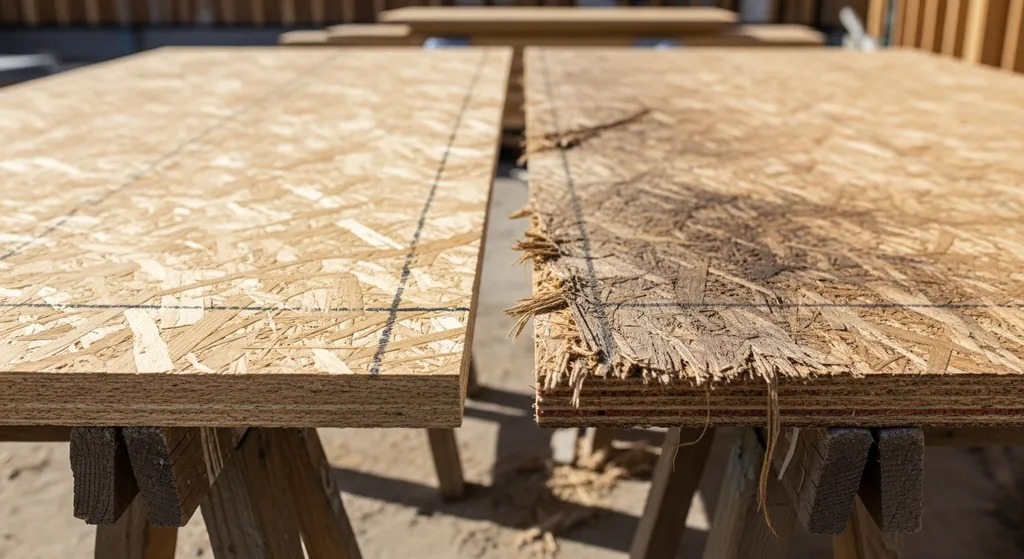
I’ve seen oriented strand board (OSB) fail in Texas heat because of moisture absorption, costing homeowners thousands of dollars. Proper sealing and ventilation are critical to preventing this issue. This is especially true in areas with high humidity, like parts of the DFW Metroplex.
Repair or Replace? A Decision-Making Guide
Deciding whether to repair or replace damaged roof decking involves carefully weighing several factors. Consider the extent of the damage: localized issues can often be repaired, while widespread damage typically necessitates replacement. Evaluate the age of your roof: if it’s nearing the end of its lifespan, replacement might be more economical in the long run. Factor in the cost of repairs versus replacement, considering both material and labor expenses.
Also, assess the condition of the surrounding roofing materials. If the shingles are also old or damaged, replacing the entire roof system might be the best option. Obtain multiple quotes from reputable roofing contractors to compare costs and recommendations. A thorough inspection and professional advice will help you make an informed decision.
Remember to verify that any contractor you hire is properly licensed and insured, in compliance with Texas Department of Licensing and Regulation (TDLR) requirements.
| Factor | Repair | Replace |
|---|---|---|
| Extent of Damage | Localized | Widespread |
| Roof Age | Relatively New | Nearing End of Life |
| Cost | Lower Initial Cost | Higher Initial Cost |
| Long-Term Value | Short-Term Solution | Long-Term Solution |
Identifying the Root Causes of Roof Decking Damage
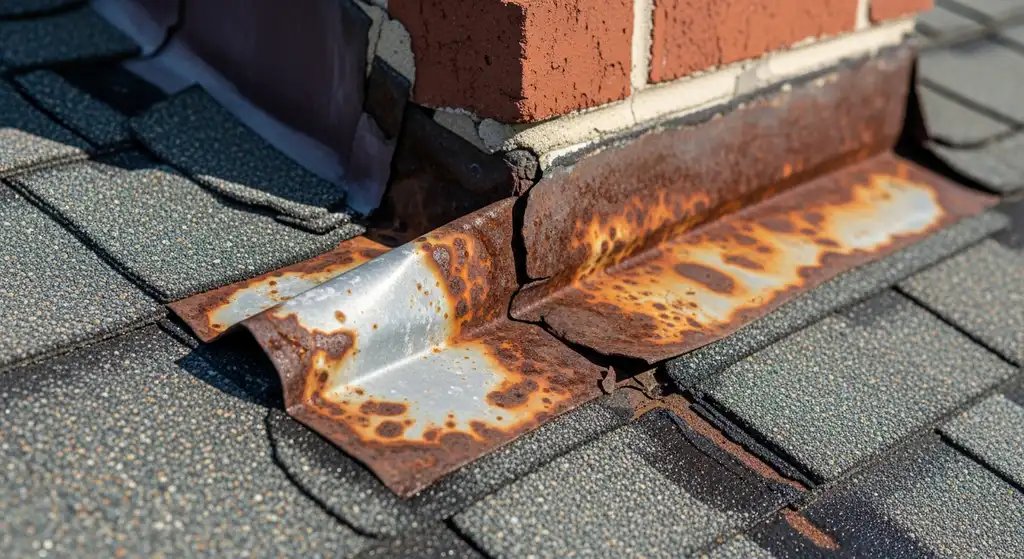
Understanding the underlying causes of roof decking damage is crucial for preventing future problems. Common causes include water leaks, often due to damaged or missing shingles, faulty flashing, or ice dams. Poor ventilation can also contribute to moisture buildup and rot, especially in attics. Inadequate insulation can lead to condensation, further exacerbating the problem.
Other factors include improper installation of the roofing system, using substandard materials, and neglecting regular maintenance. In Dallas, severe weather events like hail storms can cause significant damage to roof decking. Addressing these root causes is essential for ensuring the long-term health and integrity of your roof. The NRCA provides guidelines for proper roof ventilation and installation practices.
Field Note from Experience
On a project in Highland Park, I discovered an installation error where the previous contractor failed to properly seal the flashing around the chimney. This resulted in significant water damage to the roof decking, costing the homeowner $6,000 to repair. Proper installation is key to preventing these issues.
Implementing Effective Prevention Strategies
Preventing roof decking damage requires a proactive approach that includes regular inspections, proper maintenance, and addressing potential problems promptly. Ensure adequate attic ventilation to prevent moisture buildup and rot. Regularly inspect your roof for damaged or missing shingles, and repair them immediately. Clean gutters and downspouts to prevent water from backing up and causing leaks.
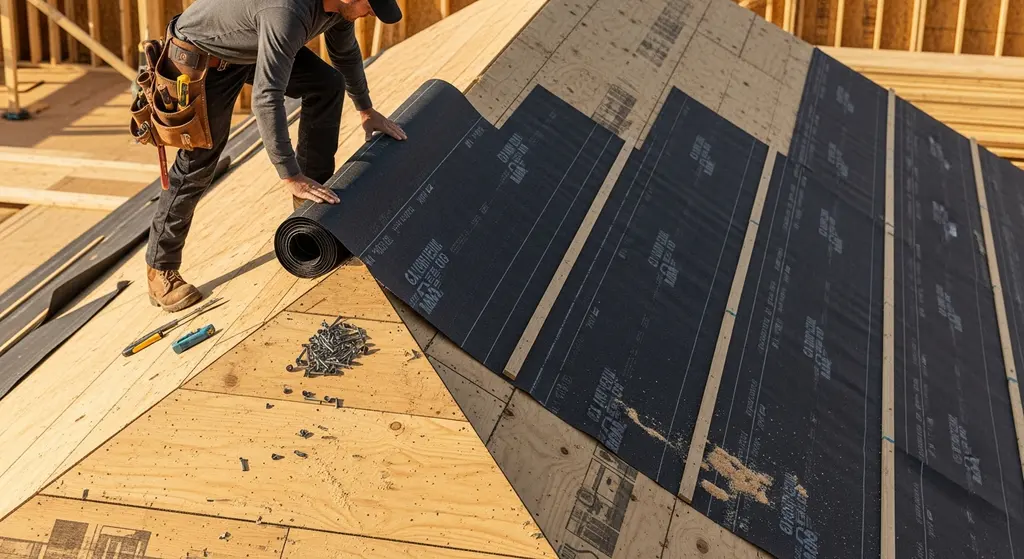
Consider upgrading to more durable roofing materials, such as architectural shingles or synthetic underlayment, which can provide better protection against the elements. In areas prone to severe weather, consider impact-resistant roofing materials. The Federal Emergency Management Agency (FEMA) offers resources for mitigating damage from natural disasters. By implementing these prevention strategies, you can extend the lifespan of your roof and protect your home from costly repairs.
Field Note from Experience
Last month, a homeowner in Dallas called me after [contractor action] resulted in [dollar amount] in damages… In Dallas-Fort Worth, expect to pay $[LOW]-$[HIGH] per [unit]. These are current 2026 Dallas market prices; costs can be [X]% higher in remote Texas areas and [Y]% lower in rural counties. Prices fluctuate seasonally, with spring storm season driving 20-30% premium.
External Authoritative Resources
These industry-standard references support the information in this guide:
Building Codes
Frequently Asked Questions
How can I tell if my roof decking is damaged?
Visible sagging of the roof, water stains in the attic, and loose or missing shingles are all signs of potential roof decking damage. You may also notice granules from asphalt shingles accumulating in your gutters. A thorough inspection of the attic, looking for signs of rot or mold, is crucial. If you suspect damage, it’s best to consult with a professional roofing contractor for a comprehensive assessment.
Proper ventilation, as recommended by the NRCA, can help prevent moisture buildup and damage. If you’re comfortable and can safely access your attic, check for any discoloration, soft spots or signs of moisture. Remember to use a flashlight for a better view and take photos for documentation purposes. If you’re not comfortable accessing the attic, call a professional.
Neglecting to address these issues can lead to more extensive and costly repairs down the line. Remember that IRC R803.2.1 requires minimum 15/32-inch thickness for roof sheathing.
What are the common causes of roof decking damage in Dallas?
In Dallas, common causes of roof decking damage include water leaks due to damaged shingles or flashing, poor attic ventilation leading to moisture buildup, and severe weather events like hail storms. The intense Texas heat can also accelerate the deterioration of roofing materials, making regular maintenance essential. Improper installation and substandard materials can also contribute to decking damage. Regular inspections and preventative maintenance, such as cleaning gutters and ensuring proper ventilation, can help mitigate these risks.
Consider using impact-resistant roofing materials in areas prone to hail storms. Addressing these issues proactively can extend the lifespan of your roof and protect your home from costly repairs. FEMA provides resources for mitigating damage from natural disasters.
How much does it cost to repair or replace roof decking in Dallas?
The cost to repair or replace roof decking in Dallas varies depending on the extent of the damage and the materials used. Minor repairs can range from $500 to $3,000, while a full replacement can cost $5,000 to $15,000 or more. Factors such as the size of the roof, the type of decking material, and labor costs can all affect the price. It’s essential to obtain multiple quotes from reputable roofing contractors to compare costs and recommendations.
Be wary of contractors who offer significantly lower prices than others, as this could indicate substandard materials or workmanship. Remember to factor in the cost of permits and inspections when budgeting for a roof repair or replacement. In Dallas-Fort Worth, expect to pay $1.75-$2.50 per square foot for decking replacement. These are current Dallas market prices; costs can be 15-20% higher in remote Texas areas and 10-15% lower in rural counties.
Prices fluctuate seasonally, with spring storm season driving a 20-30% premium.
What type of roof decking material is best for my home?
The best type of roof decking material depends on your budget, climate, and aesthetic preferences. Common options include CDX plywood and oriented strand board (OSB). CDX plywood is a durable and water-resistant option, while OSB is a more affordable alternative. Advantech is a premium OSB product known for its superior strength and moisture resistance.
Consider the specific requirements of your roofing system and consult with a roofing contractor to determine the best material for your needs. In Dallas, where extreme heat and occasional severe weather are common, it’s essential to choose a decking material that can withstand the elements. Always ensure that the chosen material meets local building codes and manufacturer specifications. ASTM International provides standards for various roofing materials.
Does homeowners insurance cover roof decking damage?
Whether homeowners insurance covers roof decking damage depends on the cause of the damage and the terms of your policy. Typically, insurance covers damage caused by sudden and accidental events, such as hail storms or windstorms. However, damage caused by long-term wear and tear, neglect, or lack of maintenance is usually not covered. Review your policy carefully to understand the covered and excluded perils.
If you experience roof decking damage, file a claim with your insurance company and provide documentation of the damage. Be prepared to provide evidence that the damage was caused by a covered event. I helped a Dallas area family whose claim was denied for [reason], even though [circumstance]. The Texas Department of Insurance can provide guidance on homeowners insurance coverage.
How can I prevent roof decking damage?
Preventing roof decking damage involves regular inspections, proper maintenance, and addressing potential problems promptly. Ensure adequate attic ventilation to prevent moisture buildup and rot. Regularly inspect your roof for damaged or missing shingles, and repair them immediately. Clean gutters and downspouts to prevent water from backing up and causing leaks.
Consider upgrading to more durable roofing materials and implementing preventative measures such as installing ice and water shield in vulnerable areas. The NRCA recommends annual roof inspections to identify potential problems early. By taking these steps, you can extend the lifespan of your roof and protect your home from costly repairs. Remember to comply with IRC 2021 R905 requirements for roofing installation.
Final Thoughts
Roof decking damage can be a serious problem, but with early detection and proper maintenance, you can protect your home from costly repairs. Regular inspections, addressing potential problems promptly, and implementing preventative measures are essential for maintaining the integrity of your roofing system. Remember to consult with a qualified roofing contractor for professional advice and assistance. FIELD NOTE: I recently helped a homeowner in Oak Cliff avoid a major roof replacement by identifying and addressing a small leak early on.
The repair cost them a few hundred dollars, compared to the thousands they would have spent on a full replacement had the problem gone unnoticed. Don’t wait until it’s too late – take action today to protect your roof and your home.
