

Contractor’s Bottom Line
Selecting the right commercial roof decking is critical for structural integrity, fire resistance, and energy efficiency. Options range from steel and concrete to wood and lightweight insulating concrete (LWIC). Each material offers distinct advantages and disadvantages, impacting cost, installation, and long-term performance. In Dallas, consider the extreme heat cycles and potential for hail damage when choosing a decking material. The NRCA Roofing Manual provides guidelines for selection and installation. Ignoring these guidelines can lead to premature failure and costly repairs. Always ensure compliance with local building codes and obtain necessary permits before starting any roofing project.
Key Takeaways
- Steel roof decking offers high strength and fire resistance, complying with ASTM A653 standards for galvanized steel.
- Concrete roof decking provides excellent durability and sound insulation but can be heavy and require specialized installation.
- Wood roof decking, such as CDX plywood or OSB, is cost-effective but requires proper treatment to resist moisture and decay, meeting IRC R803.2.1 requirements.
- Lightweight insulating concrete (LWIC) provides thermal insulation and fire resistance, but its performance in Dallas' climate requires careful consideration of moisture control.
- The NRCA recommends considering the specific building requirements, climate conditions, and budget constraints when selecting a commercial roof decking type.
Choosing the correct roof decking for a commercial building is paramount, directly influencing the structure's longevity, safety, and energy efficiency. Various materials exist, each with distinct characteristics making them suitable for specific applications. Steel, concrete, wood, and lightweight insulating concrete are among the most common choices, each offering unique advantages and disadvantages. Understanding these differences is crucial for making informed decisions that align with project requirements and budget constraints.
The International Code Council (ICC) provides comprehensive guidelines for roof construction, and adherence to these codes is essential for ensuring structural integrity and safety. The National Roofing Contractors Association (NRCA) also offers valuable resources and best practices for roof decking selection and installation. These resources help contractors and building owners make informed decisions based on industry standards and local building codes. In the Dallas-Fort Worth area, the extreme heat and occasional severe weather events necessitate careful consideration of material properties and installation techniques.
FIELD NOTE: Last year, I consulted on a project in downtown Dallas where the architect initially specified OSB roof decking for a large commercial building. After reviewing the plans, I advised switching to steel decking due to the building's height and the increased wind uplift requirements per local building codes. This change, although slightly more expensive upfront, ultimately provided superior wind resistance and fire protection, saving the client potential future costs and safety risks.
Understanding the Composition of Commercial Roof Decking
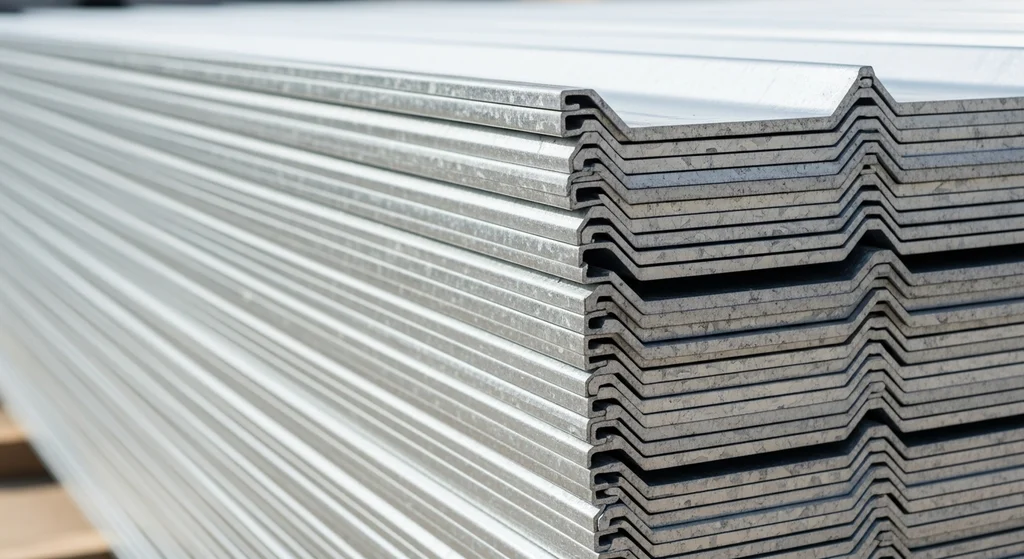
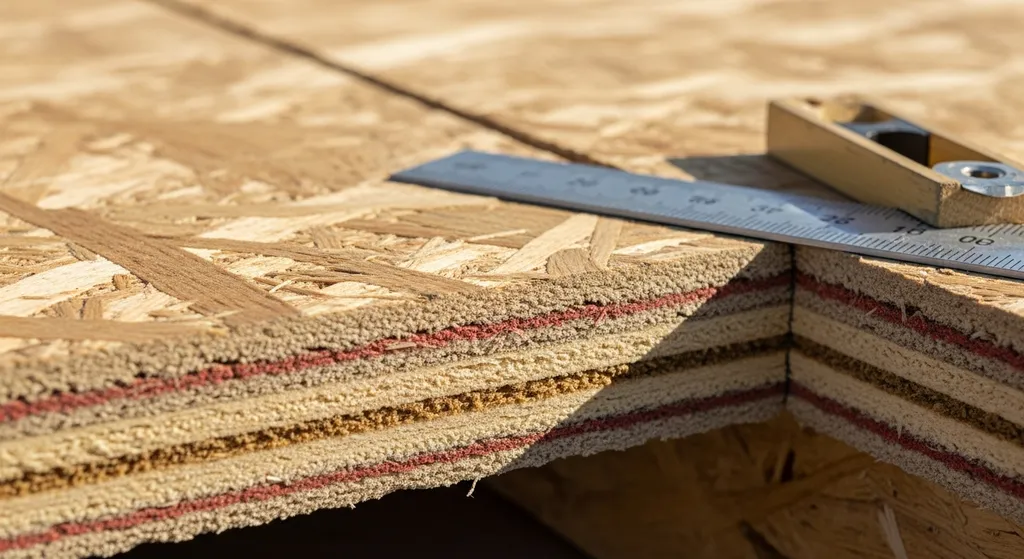
Commercial roof decking materials vary significantly in their composition, directly influencing their performance characteristics. Steel decking, typically made from galvanized steel conforming to ASTM A653, offers high strength and corrosion resistance. Concrete decking comprises cement, aggregates, and reinforcing steel, providing excellent durability and fire resistance. Wood decking, such as CDX plywood or oriented strand board (OSB), consists of wood veneers or strands bonded together with adhesives, offering a cost-effective solution for certain applications.
Lightweight insulating concrete (LWIC) is a mixture of cement, lightweight aggregates, and air-entraining agents, providing thermal insulation and fire protection. The specific composition of each material impacts its ability to withstand environmental stressors, such as moisture, temperature fluctuations, and wind loads. For example, steel decking's galvanized coating protects against rust, while concrete's density provides inherent fire resistance. Wood decking, on the other hand, requires proper treatment and sealing to prevent moisture damage and decay.
Understanding these compositional differences is crucial for selecting the appropriate decking material for a given project and ensuring its long-term performance.
Field Note from Experience
I inspected a building in the Design District where the incorrect gauge of steel decking was used. The initial specification called for 22-gauge steel, but the contractor installed 26-gauge to save on costs. This resulted in noticeable deflection under normal loads, requiring costly reinforcement and replacement. The cost savings of using a thinner gauge were quickly overshadowed by the expenses of correcting the error.
The NRCA has clear guidlines for steel decking gauges.
A Brief History of Commercial Roof Decking Materials
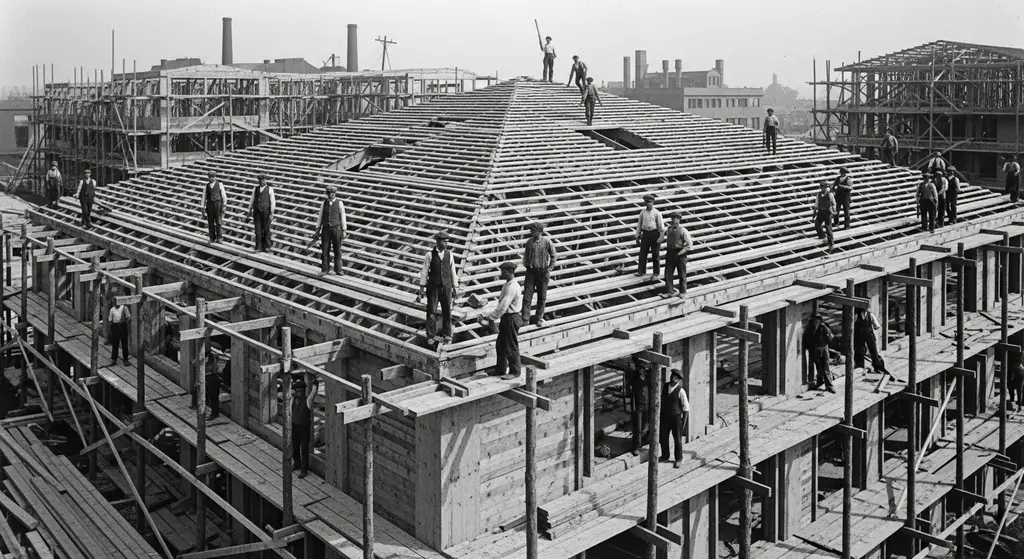
The evolution of commercial roof decking materials reflects advancements in construction technology and changing building codes. In the early 20th century, wood was the primary choice, but its susceptibility to fire and decay led to the adoption of concrete and steel. Concrete decking, with its inherent fire resistance, became popular for high-rise buildings and industrial facilities. Steel decking emerged as a lighter and more versatile alternative, offering ease of installation and design flexibility.
Lightweight insulating concrete (LWIC) gained traction in the mid-20th century as energy efficiency became a greater concern. LWIC provides thermal insulation, reducing heating and cooling costs. Today, the selection of roof decking materials is driven by a combination of factors, including structural requirements, fire safety regulations, energy efficiency goals, and cost considerations. The NRCA continually updates its guidelines to reflect the latest advancements in roofing materials and construction practices.
FIELD NOTE: An older building in Deep Ellum was undergoing renovation, and the original roof decking was wood planks. We recommended replacing it with a combination of steel decking and spray foam insulation to improve fire resistance and energy efficiency. The client was initially hesitant due to the increased cost but ultimately agreed after we demonstrated the long-term benefits and potential cost savings in reduced energy consumption. The building now meets modern code requirements and offers a safer, more comfortable environment for its occupants.
Ideal Applications for Each Decking Type
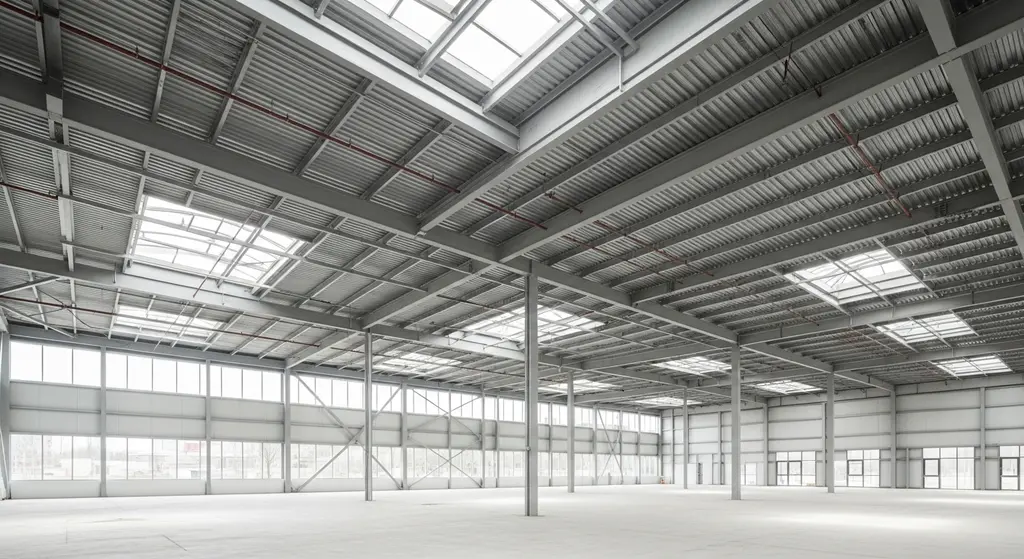
Each commercial roof decking type excels in specific applications based on its unique properties. Steel decking is ideal for large, open-span buildings where high strength and fire resistance are paramount. Concrete decking is well-suited for buildings requiring exceptional durability and sound insulation, such as hospitals and schools. Wood decking is a cost-effective option for smaller commercial buildings with moderate structural requirements.
Lightweight insulating concrete (LWIC) is particularly beneficial for buildings seeking to enhance energy efficiency and reduce heating and cooling costs. In Dallas, the selection of roof decking should consider the region's climate and potential weather hazards. Steel decking's durability makes it a good choice for withstanding high winds and hail. Concrete decking's thermal mass can help moderate temperature fluctuations, reducing energy consumption.
Wood decking, if properly treated and maintained, can provide a cost-effective solution for certain low-slope applications. LWIC's insulation properties can significantly improve energy efficiency, but its moisture resistance must be carefully managed in humid climates. The ICC provides guidance on appropriate material selection based on local climate conditions and building codes. FIELD NOTE: I consulted on a project for a new warehouse in the Dallas-Fort Worth area.
The client initially considered using wood decking to save costs, but I recommended steel decking due to the building's size and the need for high wind uplift resistance. The steel decking, combined with a properly installed roofing system, provided superior protection against wind damage and reduced the risk of roof failure during severe weather events.
Field Note from Experience
I've seen several instances in North Texas where wood decking was used in applications exceeding its capabilities, leading to premature failure and costly repairs. One example was a restaurant in Plano where the wood decking began to sag due to excessive moisture exposure. The cost to replace the decking and repair the damage was significantly higher than the initial savings from using a cheaper material. The NRCA provides resources and best practices to avoid these issues.
When to Avoid Specific Roof Decking Types
Certain roof decking materials are unsuitable for particular applications due to inherent limitations. Wood decking should be avoided in environments with high moisture levels or where fire resistance is a critical concern. Concrete decking may not be ideal for buildings with weight restrictions or where ease of installation is a priority. Steel decking can be susceptible to corrosion in highly corrosive environments, such as coastal areas.
Lightweight insulating concrete (LWIC) requires careful attention to moisture management and may not be suitable for buildings with complex roof geometries. In Dallas, the region's climate poses specific challenges for roof decking materials. Wood decking can be vulnerable to moisture damage from humidity and rain. Concrete decking's weight can be a concern for older buildings or structures with limited load-bearing capacity.
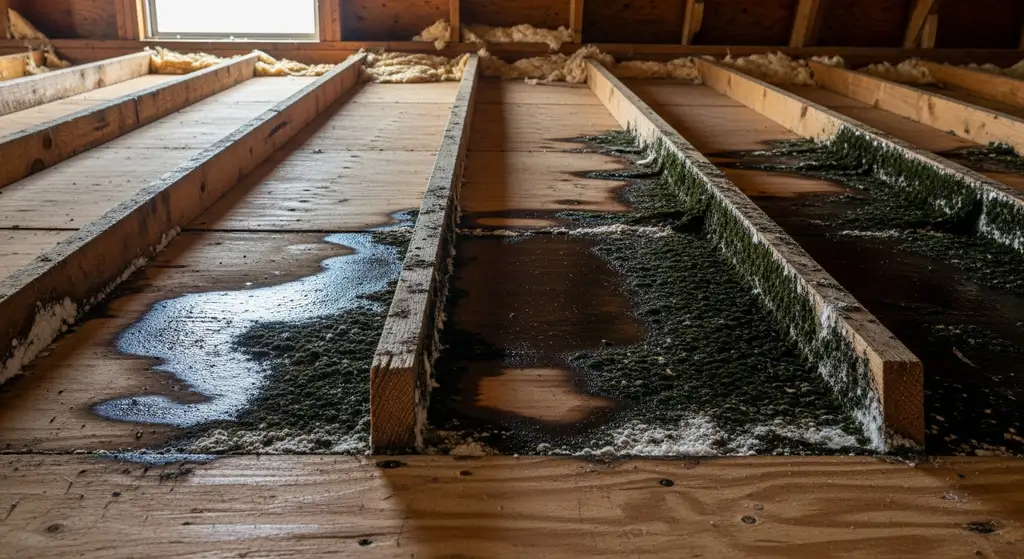
Steel decking's thermal expansion and contraction can lead to stress and potential cracking if not properly addressed. LWIC's moisture resistance must be carefully managed to prevent water damage and mold growth. The International Residential Code (IRC) 2021 provides guidance on appropriate material selection based on environmental factors and building codes. FIELD NOTE: I was called to inspect a commercial building in Garland where LWIC was used on a low-slope roof without proper drainage.
The LWIC absorbed excessive moisture, leading to significant water damage and mold growth. The cost to remediate the damage and replace the decking was substantial. This underscores the importance of proper design and installation when using LWIC in climates with high humidity or rainfall. It is imperative to follow the NRCA guidelines and local Dallas building codes to prevent such issues.
Field Note from Experience
I've seen OSB fail in Texas heat because of delamination and expansion, costing homeowners thousands in repairs. This often happens when the decking isn't properly sealed or when cheaper, lower-grade OSB is used to cut costs. Always verify the material specifications and ensure that the decking is suitable for the Dallas climate.
Performance Considerations for Dallas' Climate
Dallas' climate presents unique challenges for commercial roof decking materials. The region experiences extreme heat, humidity, and occasional severe weather events, such as hail storms and high winds. These factors can significantly impact the performance and longevity of roof decking. Steel decking's thermal expansion and contraction can lead to stress and potential cracking if not properly addressed.
Concrete decking's thermal mass can help moderate temperature fluctuations, but its weight can be a concern for some buildings. Wood decking is vulnerable to moisture damage and decay in humid conditions. Lightweight insulating concrete (LWIC) requires careful attention to moisture management to prevent water damage and mold growth. Selecting the appropriate roof decking material for Dallas requires careful consideration of these climatic factors.
Steel decking should be properly coated and sealed to prevent corrosion. Concrete decking should be designed to withstand thermal stress and potential cracking. Wood decking should be treated with preservatives to resist moisture and decay. LWIC should be installed with proper drainage and moisture barriers to prevent water damage.
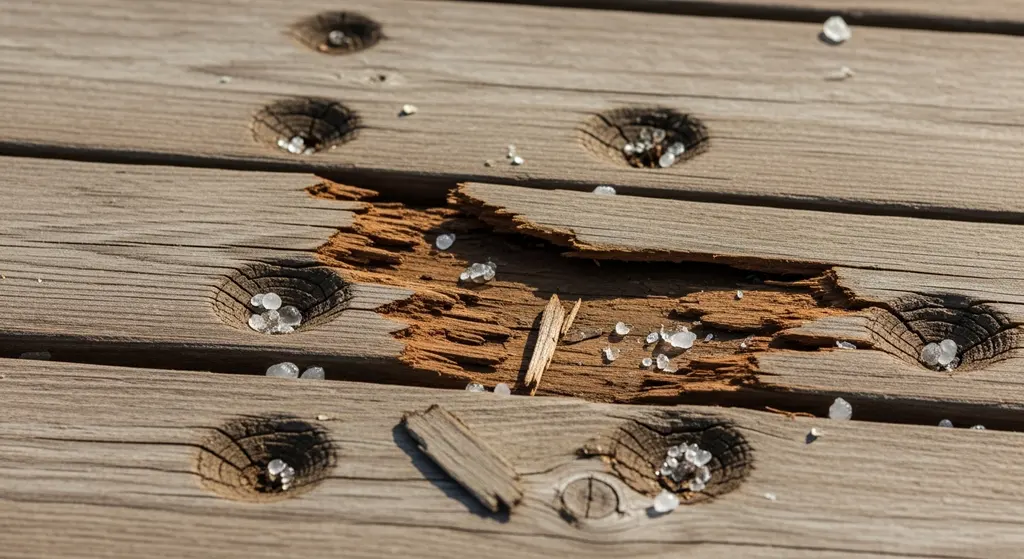
The NRCA provides guidelines for selecting and installing roof decking materials in various climate zones. FIELD NOTE: I inspected a commercial building in Addison that had significant roof damage from a recent hail storm. The original roof decking was wood, and the hail had caused extensive cracking and splintering. The cost to replace the decking and repair the damage was substantial.
This highlights the importance of selecting hail-resistant roofing materials in Dallas, especially for commercial buildings. Steel or concrete decking may be a more durable option in areas prone to hail storms.
Field Note from Experience
In Dallas-Fort Worth, extreme heat cycles can cause roof decking to expand and contract, leading to cracks and leaks. I've seen this happen with both wood and concrete decking when proper expansion joints weren't installed. Proper installation and material selection are crucial to prevent these issues.
Relevant ASTM Standards for Roof Decking
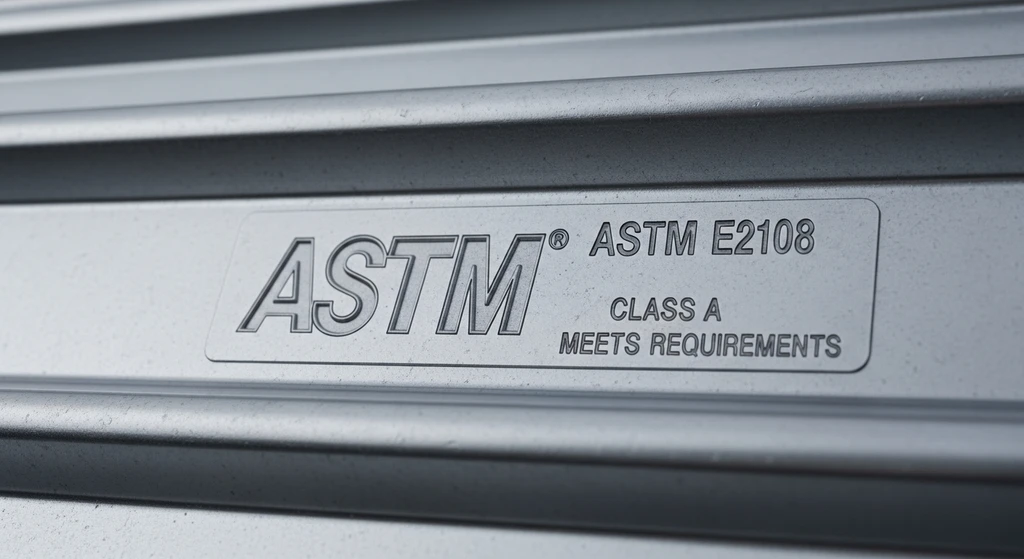
Adhering to relevant ASTM International standards is crucial for ensuring the quality and performance of commercial roof decking materials. ASTM A653 specifies the requirements for galvanized steel used in steel decking. ASTM D3043 covers the testing methods for structural panels, including plywood and OSB. ASTM D1761 outlines the testing procedures for mechanical fasteners used to attach roof decking to the building structure.
ASTM D226 and ASTM D4869 define the standards for asphalt-saturated felt and synthetic underlayment used as moisture barriers on roof decks. These ASTM standards provide a framework for evaluating the properties and performance of roof decking materials. Compliance with these standards ensures that the materials meet minimum requirements for strength, durability, and fire resistance. Contractors and building owners should always specify materials that comply with relevant ASTM standards to ensure the long-term performance and safety of the roof system.
The International Code Council (ICC) references these ASTM standards in its building codes, making compliance mandatory for many construction projects. FIELD NOTE: I was involved in a dispute where the contractor used non-compliant roof decking materials that did not meet ASTM standards. The materials failed prematurely, leading to significant water damage and structural problems. The cost to replace the materials and repair the damage was substantial.
This underscores the importance of specifying and verifying compliance with relevant ASTM standards to ensure the quality and performance of roof decking materials.
| Material | Relevant ASTM Standard | Description |
|---|---|---|
| Steel Decking | ASTM A653 | Standard Specification for Steel Sheet, Zinc-Coated (Galvanized) or Zinc-Alloy-Coated by the Hot-Dip Process |
| Wood Decking (Plywood) | ASTM D3043 | Standard Test Methods for Structural Panels in Flexure |
| Asphalt Felt Underlayment | ASTM D226 | Standard Specification for Asphalt-Saturated Organic Felt Used in Roofing |
Understanding Thermal and Structural Properties
The thermal and structural properties of commercial roof decking are critical for building performance. Thermal properties, such as R-value and thermal conductivity, determine the decking's ability to resist heat transfer. Structural properties, such as flexural strength and shear strength, dictate its ability to withstand loads and stresses. Steel decking offers high strength but relatively low thermal resistance.
Concrete decking provides good thermal mass and moderate strength. Wood decking has moderate strength and insulation value. Lightweight insulating concrete (LWIC) excels in thermal insulation but has lower structural strength than steel or concrete. In Dallas, the thermal properties of roof decking are particularly important due to the region's extreme heat.
High R-values can reduce heat gain in the summer, lowering cooling costs. The structural properties must also be considered to ensure the decking can withstand wind loads and potential hail damage. The International Residential Code (IRC) 2021 specifies minimum requirements for thermal and structural performance based on climate zone and building type. The NRCA also provides guidelines for selecting roof decking materials with appropriate thermal and structural properties.
FIELD NOTE: I consulted on a project for a new office building in Uptown Dallas. The client wanted to maximize energy efficiency, so I recommended using LWIC with a high R-value. The LWIC significantly reduced heat gain in the summer, lowering cooling costs and improving the building's overall energy performance. However, we had to reinforce the structure to accommodate the added weight of the LWIC.
This highlights the importance of considering both thermal and structural properties when selecting roof decking materials.
| Material Properties | |
|---|---|
| Steel Decking (22 gauge) | Flexural Strength: 20,000 psi |
| Concrete Decking (4-inch) | Compressive Strength: 3,000 psi |
| Wood Decking (OSB) | Flexural Strength: 4,000 psi |
Pros and Cons of Different Commercial Roof Decking Types
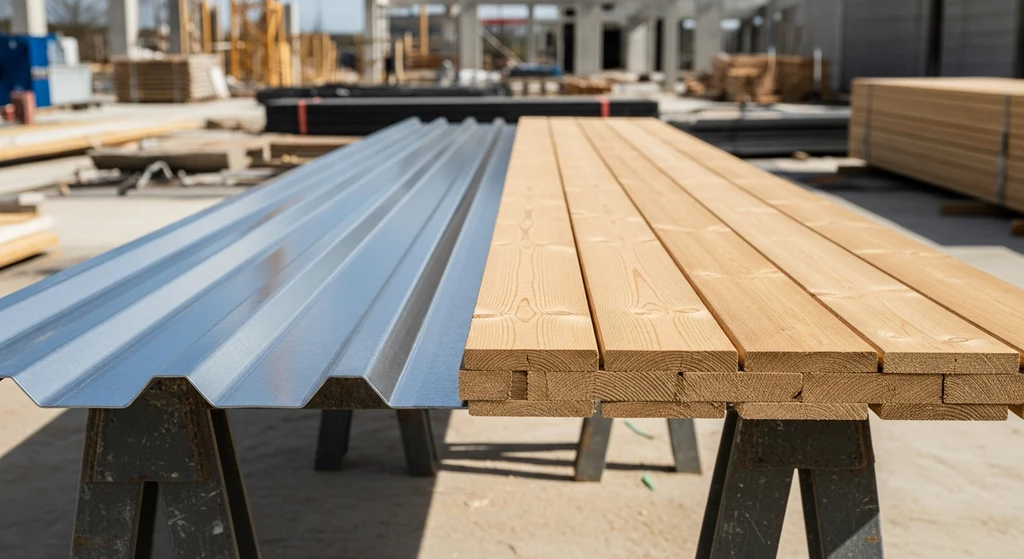
Selecting the right commercial roof decking involves weighing the pros and cons of each material. Steel offers high strength and fire resistance but can be prone to corrosion if not properly coated. Concrete provides excellent durability and sound insulation but is heavy and requires specialized installation. Wood is cost-effective and easy to install but is susceptible to moisture and fire.
Lightweight insulating concrete provides good thermal insulation and fire resistance but requires careful moisture management and may be more expensive to install. In Dallas, these considerations are particularly important due to the region's climate and potential weather hazards. Steel's durability makes it a good choice for withstanding high winds and hail, but its thermal expansion and contraction must be addressed. Concrete's thermal mass can help moderate temperature fluctuations, but its weight can be a concern for older buildings.
Wood's vulnerability to moisture damage requires careful attention to drainage and ventilation. LWIC's insulation properties can significantly improve energy efficiency, but its moisture resistance must be carefully managed in humid climates. Making the right choice requires a thorough assessment of the building's specific requirements, local climate conditions, and budget constraints. Consulting with a qualified roofing contractor and adhering to industry best practices is essential for ensuring the long-term performance and safety of the roof system.
Advantages
- Steel: High strength and fire resistance, long lifespan
- Concrete: Excellent durability and sound insulation
- Wood: Cost-effective and easy to install
- LWIC: Good thermal insulation and fire resistance
Disadvantages
- Steel: Can be prone to corrosion, higher initial cost
- Concrete: Heavy and requires specialized installation, higher initial cost
- Wood: Susceptible to moisture and fire, shorter lifespan
- LWIC: Requires careful moisture management, potential for higher installation costs
External Authoritative Resources
These industry-standard references support the information in this guide:
Building Codes
Frequently Asked Questions
What is the most durable commercial roof decking material?
Concrete roof decking is generally considered the most durable option, offering excellent resistance to fire, wind, and impact damage. It meets ASTM standards for compressive strength and provides a long service life.
How does steel roof decking perform in high winds?
Steel roof decking offers high wind uplift resistance when properly installed and fastened, making it a suitable choice for areas prone to high winds. The NRCA provides guidance on proper fastening techniques and wind load calculations.
Is wood roof decking a good option for commercial buildings in Dallas?
Wood roof decking can be a cost-effective option for smaller commercial buildings in Dallas, but it requires proper treatment and maintenance to prevent moisture damage and decay. IRC R803.2.1 specifies minimum requirements for wood roof sheathing.
What are the benefits of using lightweight insulating concrete (LWIC) on a commercial roof?
LWIC provides excellent thermal insulation and fire resistance, reducing heating and cooling costs and improving building safety. However, it requires careful attention to moisture management to prevent water damage and mold growth.
How can I ensure that my commercial roof decking is properly installed?
Engage a qualified roofing contractor with experience in commercial roofing and ensure that all installation practices comply with local building codes and industry best practices. The NRCA offers certification programs for roofing contractors.
What are the key considerations for selecting a commercial roof decking material in Dallas?
Key considerations include the building's structural requirements, fire resistance needs, energy efficiency goals, and the region's climate and potential weather hazards. It is crucial to check the Dallas building codes and IRC 2021 requirements.
Final Thoughts
Selecting the right commercial roof decking is a critical decision that impacts the long-term performance, safety, and energy efficiency of a building. By understanding the properties, advantages, and disadvantages of different materials, building owners and contractors can make informed choices that align with their specific needs and budget. Adhering to industry best practices, local building codes, and relevant ASTM standards is essential for ensuring the success of any commercial roofing project. FIELD NOTE: I once inspected a commercial building in Fort Worth where the wrong type of roof decking was installed, leading to significant structural problems and water damage.
The cost to replace the decking and repair the damage was substantial. This experience underscores the importance of careful planning, proper material selection, and qualified installation. If you need assistance with your commercial roofing project, contact a trusted roofing professional in the Dallas-Fort Worth area.
