
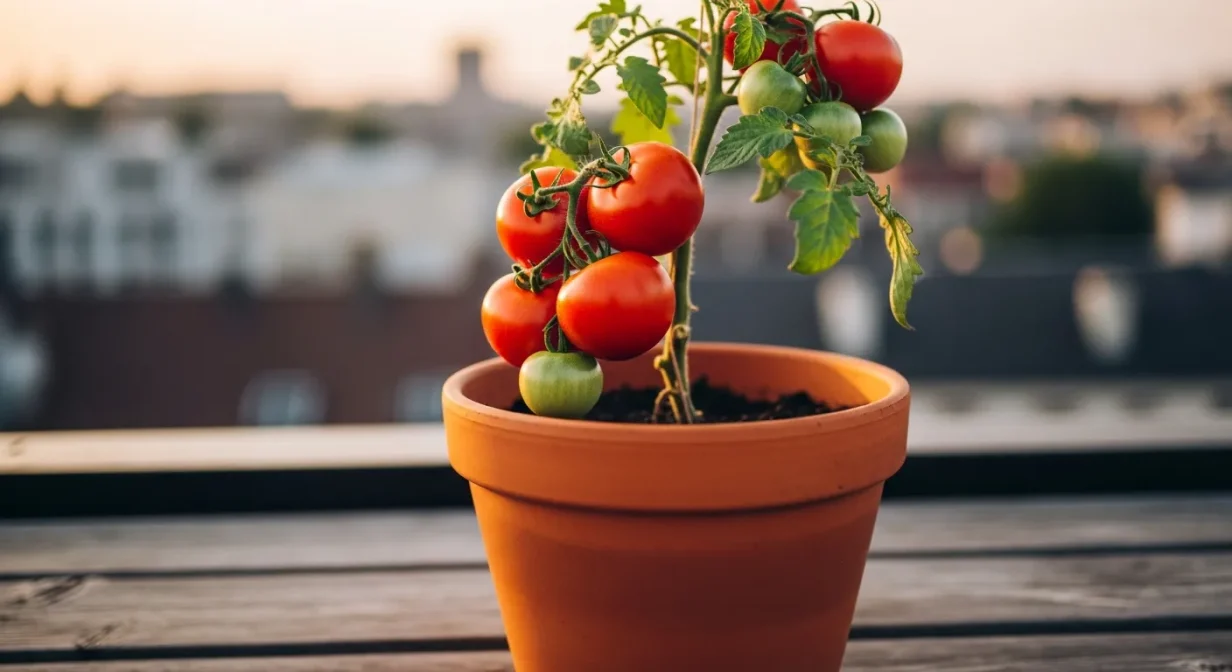
Dreaming of fresh, homegrown vegetables but short on space? A roof deck tabletop garden might be your answer! Imagine stepping outside your door to harvest ripe tomatoes, fragrant herbs, and crisp lettuce, all grown within arm’s reach. Tabletop gardens offer a fantastic solution for urban dwellers seeking to connect with nature and enjoy the benefits of homegrown produce, even without a traditional backyard. They are also an accessible way to add greenery to your outdoor living space. Transforming your roof deck into a mini-farm is easier than you think. With the right container, soil, and sunlight, you can cultivate a bountiful harvest of your favorite vegetables. From compact raised beds to innovative vertical planters, the options are endless. Discover 21 inspiring tabletop vegetable garden ideas that will maximize your roof deck space and bring the joy of gardening to your urban oasis, and get ready to enjoy the fruits (and vegetables!) of your labor.
1. Classic Wooden Raised Bed
A wooden raised bed is a timeless choice for any garden, offering ample space for a variety of vegetables. Choose a durable wood like cedar or redwood to withstand the elements and prevent rot. Ensure the bed has proper drainage to prevent waterlogging, which can harm your plants. Line the inside with landscape fabric to protect the wood and prevent soil from escaping. Consider the size of your roof deck and the amount of sunlight it receives when selecting the dimensions of your raised bed. Larger beds are suitable for growing multiple plants, while smaller beds are ideal for herbs or leafy greens. Fill the bed with a high-quality potting mix rich in organic matter to provide your vegetables with the nutrients they need to thrive. Regular watering and fertilization will ensure a healthy and productive garden.
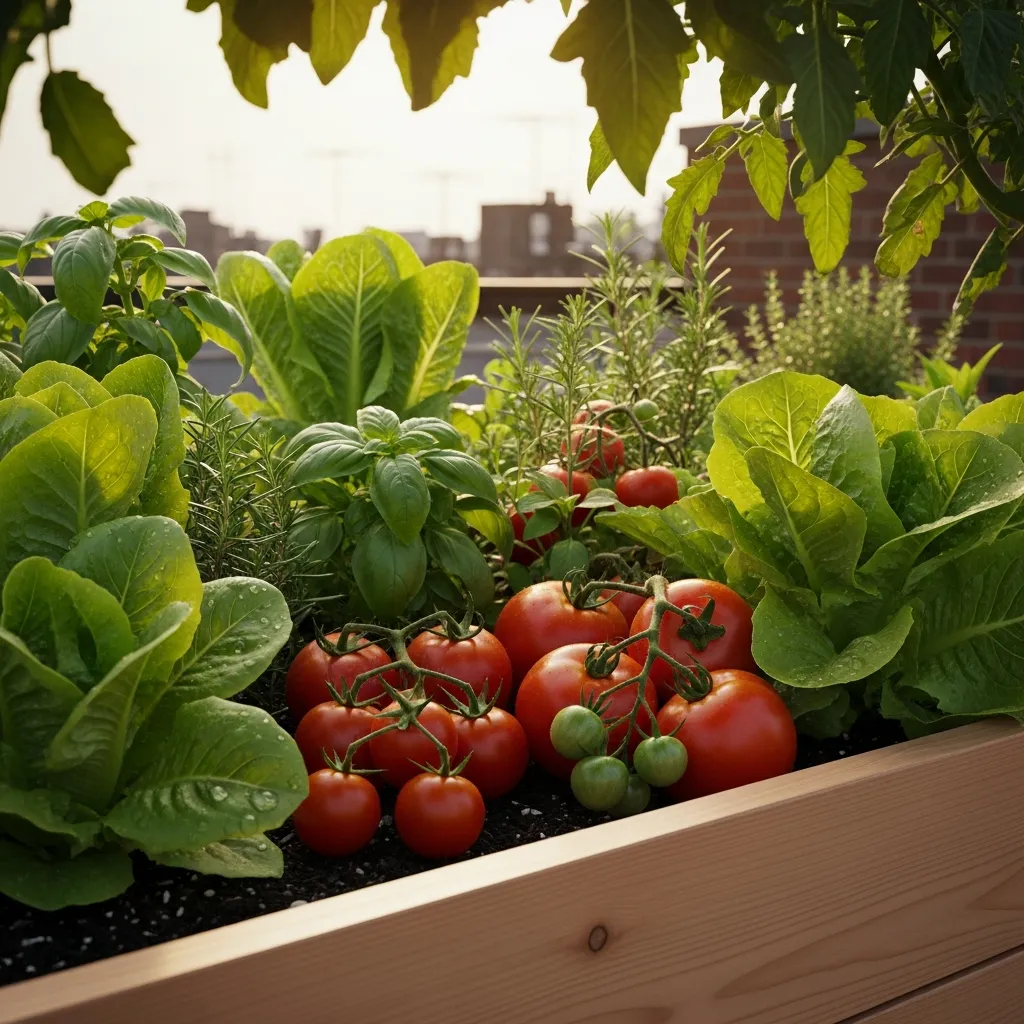
A classic cedar raised bed overflowing with fresh vegetables and herbs.
2. Galvanized Steel Tub Garden
Galvanized steel tubs offer a rustic and durable option for a tabletop vegetable garden. These tubs are naturally resistant to rust and corrosion, making them ideal for outdoor use. Their deep sides provide ample space for root development, allowing you to grow a wider variety of vegetables. Plus, the metallic finish adds an industrial chic touch to your roof deck décor. To prepare a galvanized steel tub for planting, drill drainage holes in the bottom to prevent water from accumulating. Line the inside with landscape fabric to prevent soil from leaching out and to protect the metal from direct contact with the soil. Choose a potting mix that is specifically formulated for vegetables and ensure it is well-draining. Position the tub in a sunny location and water regularly to keep your plants healthy and happy.
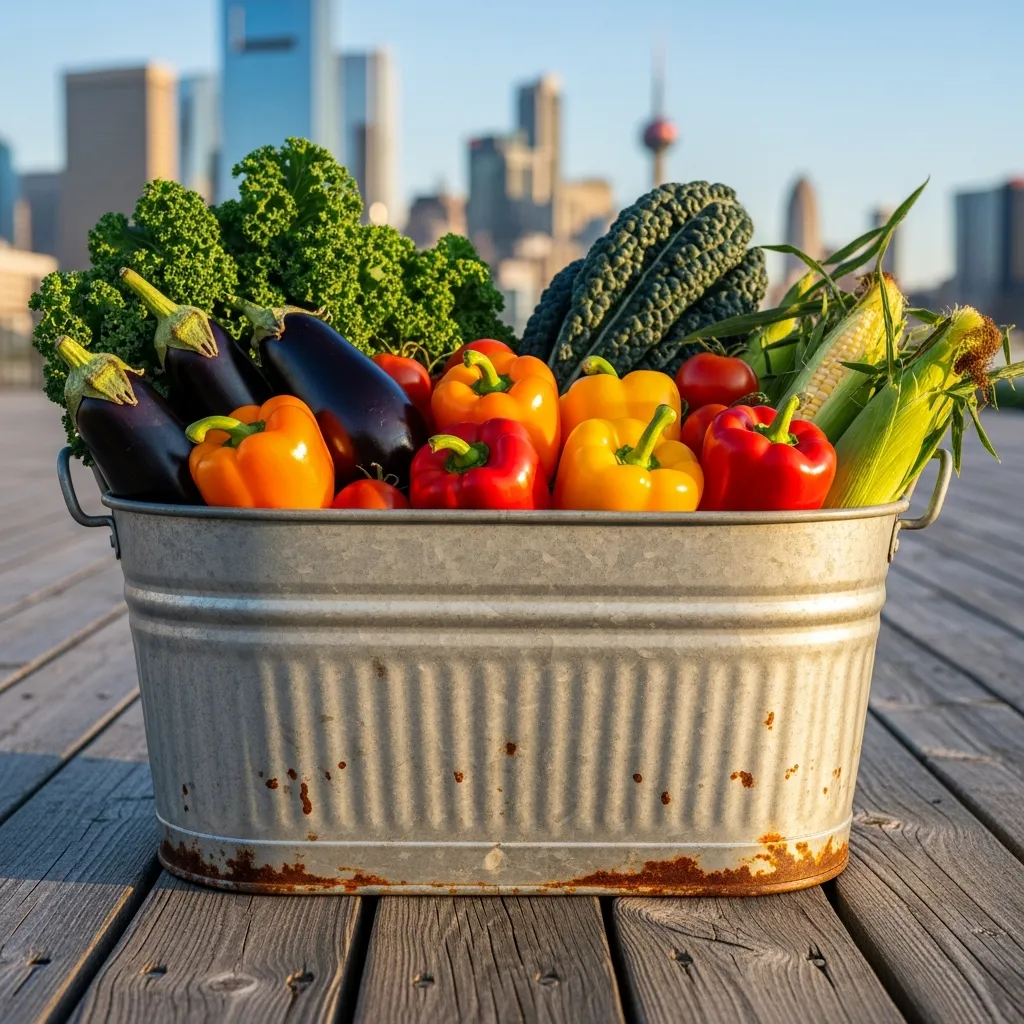
A rustic galvanized steel tub garden adds charm to any roof deck.
3. Self-Watering Planter Box
Self-watering planter boxes are a game-changer for busy gardeners or those who tend to forget to water their plants. These planters feature a built-in reservoir that provides a consistent supply of water to the roots. This helps to prevent overwatering and underwatering, ensuring that your vegetables receive the optimal amount of moisture. They are a great option for herbs and smaller vegetables that need consistent moisture. Self-watering planters are available in a variety of sizes and materials, so you can choose one that fits your needs and aesthetic. When using a self-watering planter, be sure to monitor the water level in the reservoir and refill it as needed. Use a high-quality potting mix and fertilize regularly to provide your vegetables with the nutrients they need to thrive. Place the planter in a sunny location and enjoy the convenience of a low-maintenance garden.
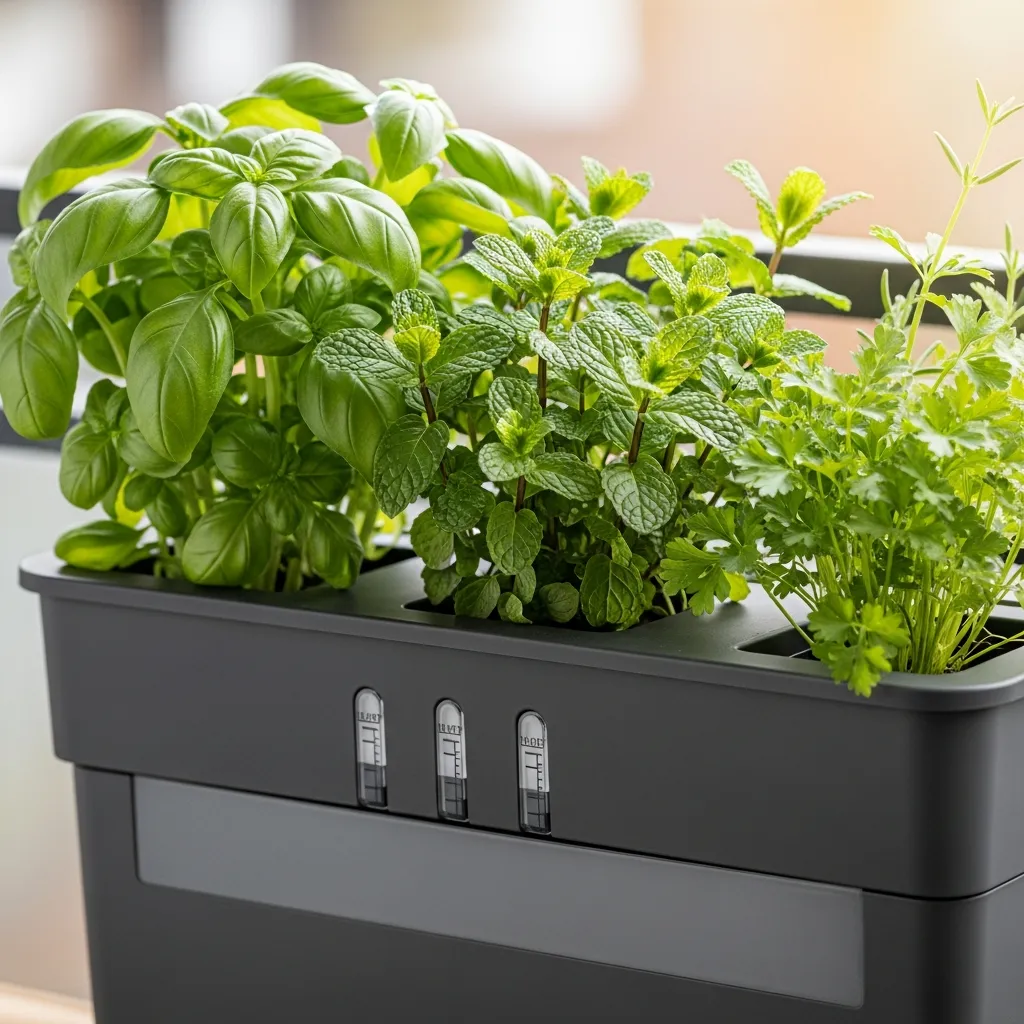
Self-watering planters offer a convenient and low-maintenance gardening solution.
4. Vertical Pallet Garden
Maximize your vertical space with a pallet garden, a cost-effective and eco-friendly option. Pallets can be repurposed into a charming vertical garden by attaching landscape fabric to the back and sides of the pallet to create planting pockets. This allows you to grow a variety of vegetables, herbs, and flowers in a small space. Pallet gardens add a rustic and unique touch to your roof deck. When selecting a pallet, choose one that is heat-treated rather than chemically treated to avoid contaminating your vegetables. Sand down any rough edges and seal the wood with a non-toxic sealant to protect it from the elements. Fill the planting pockets with a well-draining potting mix and water regularly. Consider planting herbs or leafy greens in your pallet garden for easy access while cooking.
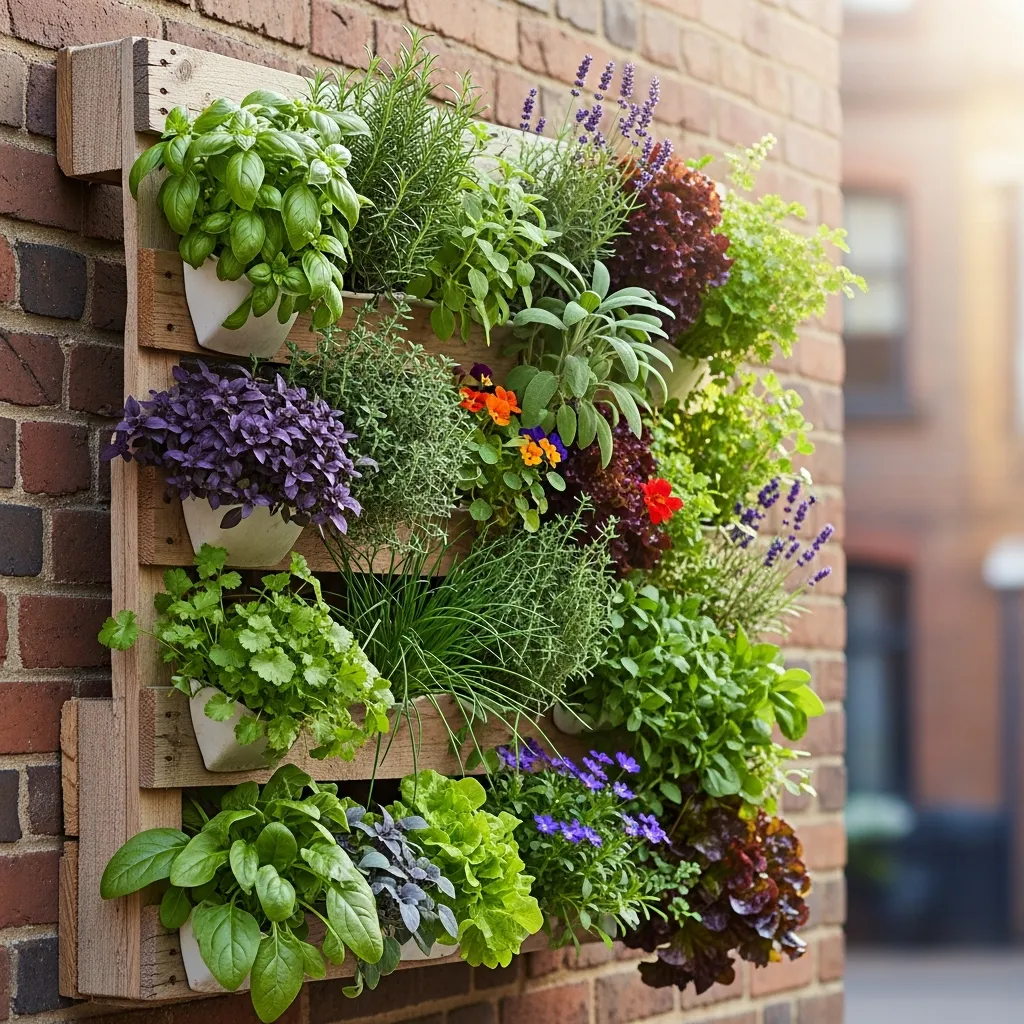
A vertical pallet garden is a space-saving and eco-friendly option.
5. Hanging Basket Garden
Hanging baskets are a beautiful way to add color and greenery to your roof deck. They are perfect for growing trailing vegetables and herbs such as cherry tomatoes, strawberries, and rosemary. Hanging baskets can be hung from railings, hooks, or even from the eaves of your roof. They add a touch of whimsy and charm to any outdoor space. Choose hanging baskets that are made of durable materials and have good drainage. Line the baskets with coconut coir or sphagnum moss to help retain moisture. Use a lightweight potting mix specifically formulated for hanging baskets. Water regularly and fertilize as needed to keep your plants healthy and vibrant. Be sure to choose a location that receives plenty of sunlight.
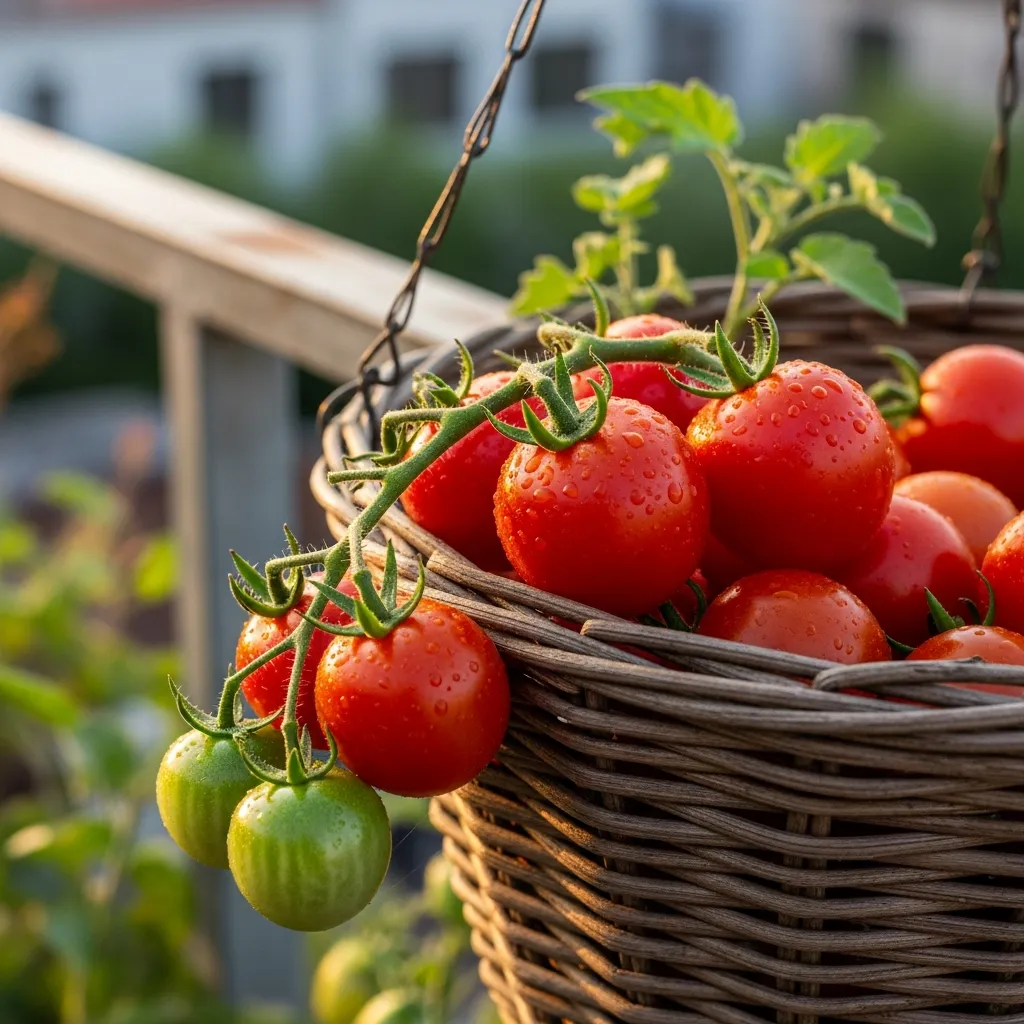
Hanging baskets add beauty and vertical interest to your roof deck.
6. Grow Bags
Grow bags are a lightweight and affordable option for growing vegetables on your roof deck. These bags are made of breathable fabric, which allows for excellent drainage and aeration. This helps to prevent root rot and promotes healthy root growth. Grow bags are also easy to move around, allowing you to adjust the position of your plants as needed. Choose grow bags that are made of durable materials and have reinforced handles. Fill the bags with a high-quality potting mix and water regularly. Grow bags are ideal for growing a variety of vegetables, including tomatoes, peppers, and cucumbers. They are also a great option for growing potatoes, as the bags can be easily rolled down to harvest the potatoes without disturbing the plant.
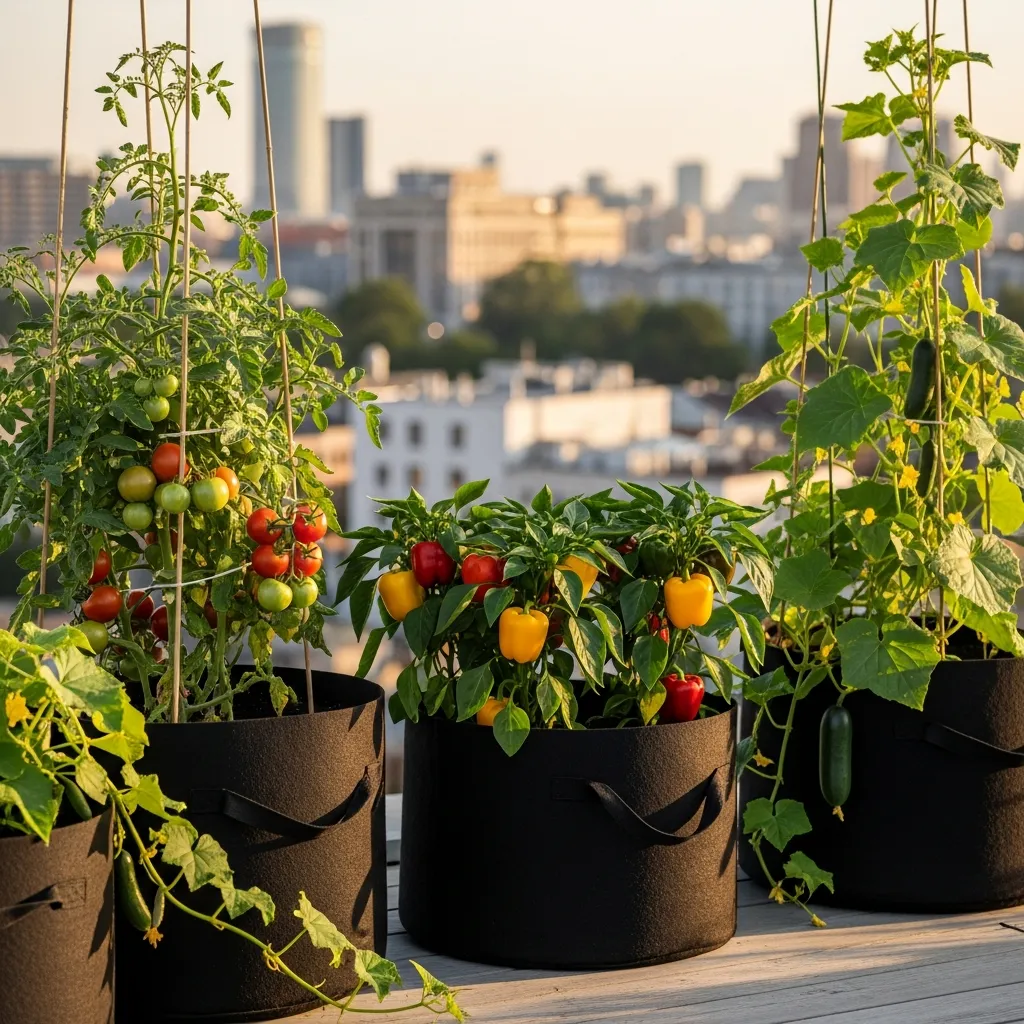
Grow bags are a lightweight and versatile option for vegetable gardening.
7. Repurposed Container Garden
Get creative and repurpose old containers into unique and charming planters. Old buckets, watering cans, and even old tires can be transformed into beautiful vegetable gardens. This is a great way to reduce waste and add a personal touch to your roof deck. Repurposed containers add character and charm. Be sure to clean and disinfect any repurposed containers before using them. Drill drainage holes in the bottom of the containers to prevent waterlogging. Line the containers with landscape fabric to prevent soil from leaching out. Choose a potting mix that is appropriate for the vegetables you plan to grow. Let your imagination run wild and create a one-of-a-kind garden.
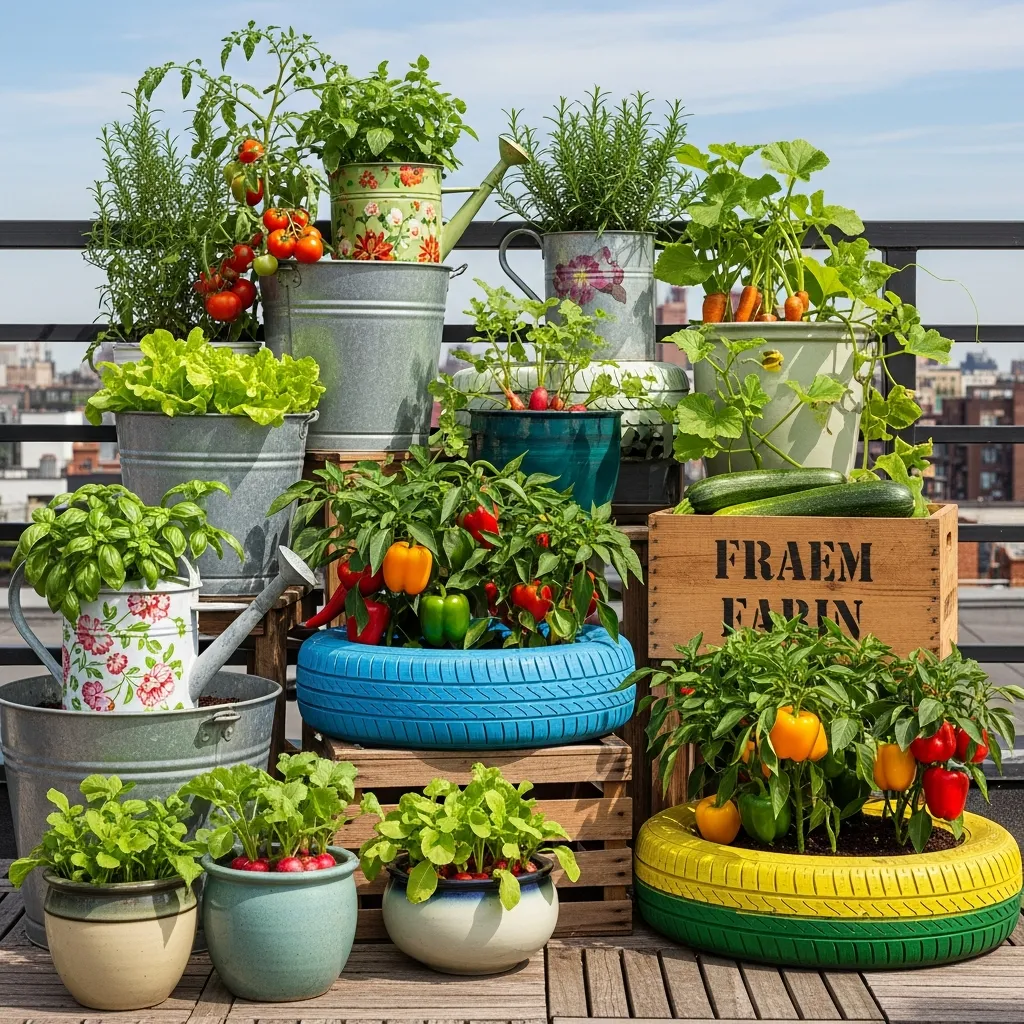
Repurposed containers add a unique and personal touch to your roof deck garden.
8. Herb Spiral Garden
An herb spiral is a visually appealing and functional way to grow a variety of herbs in a small space. The spiral design creates different microclimates, allowing you to grow herbs that prefer different levels of sunlight and moisture. The top of the spiral is drier and sunnier, while the bottom is more moist and shaded. This allows for a diverse range of herb varieties. Build your herb spiral using stones, bricks, or even recycled materials. Start by creating a circular base and then gradually build up the spiral shape. Fill the spiral with a well-draining potting mix and plant your herbs according to their needs. Place herbs that prefer dry conditions, such as rosemary and thyme, at the top of the spiral. Place herbs that prefer moist conditions, such as mint and parsley, at the bottom of the spiral.
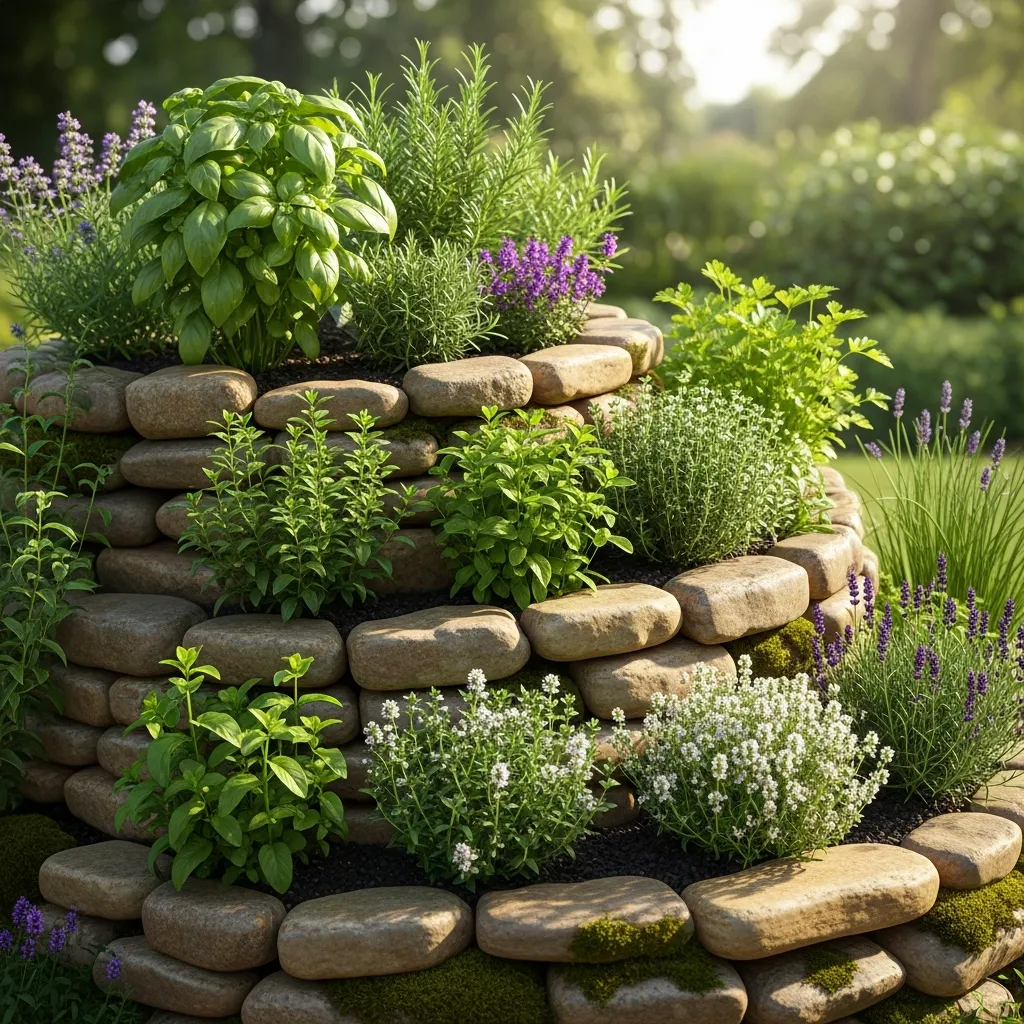
An herb spiral is a beautiful and functional way to grow a variety of herbs.
9. Strawberry Tower
A strawberry tower is a space-saving and attractive way to grow strawberries on your roof deck. These towers are typically made of plastic or terracotta and have multiple planting pockets. This allows you to grow a large number of strawberry plants in a small vertical space. Strawberry towers are easy to assemble and maintain. Fill the planting pockets with a well-draining potting mix and plant your strawberry plants. Water regularly and fertilize as needed. Place the strawberry tower in a sunny location and protect it from strong winds. Harvest your strawberries when they are ripe and red. Enjoy the sweet taste of homegrown strawberries all summer long. These towers are a great option for small-space gardening.
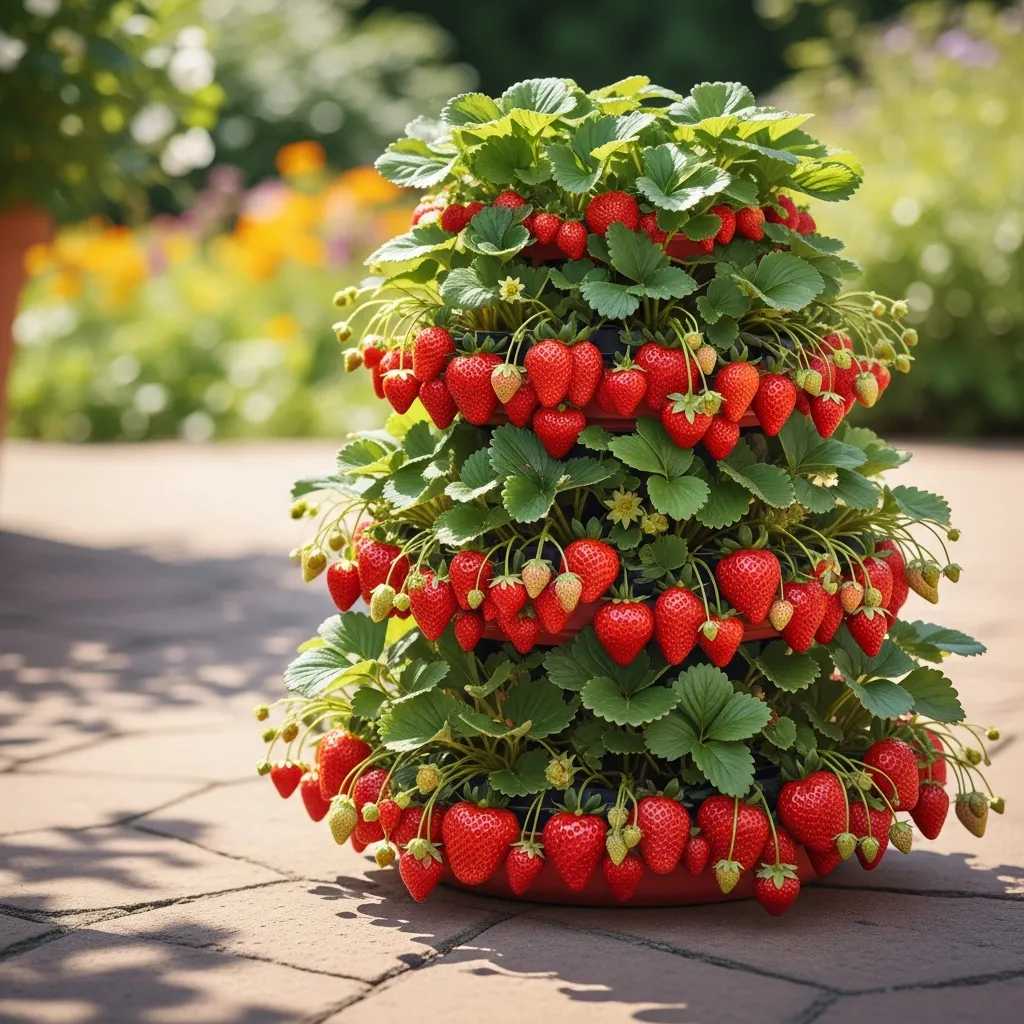
A strawberry tower is a space-saving and attractive way to grow strawberries.
10. Tomato Planter with Cage
Tomatoes are a popular choice for vegetable gardens, and a tomato planter with a cage provides the support they need to grow tall and strong. The cage prevents the tomato plants from sprawling and keeps the fruit off the ground. This helps to prevent diseases and pests. Tomato planters with cages are available in a variety of sizes and materials. Choose a tomato planter that is large enough to accommodate the root system of the tomato plant. Fill the planter with a high-quality potting mix and install the cage. Plant your tomato seedling and water regularly. Fertilize as needed to provide the plant with the nutrients it needs to thrive. Position the planter in a sunny location and enjoy the delicious taste of homegrown tomatoes.
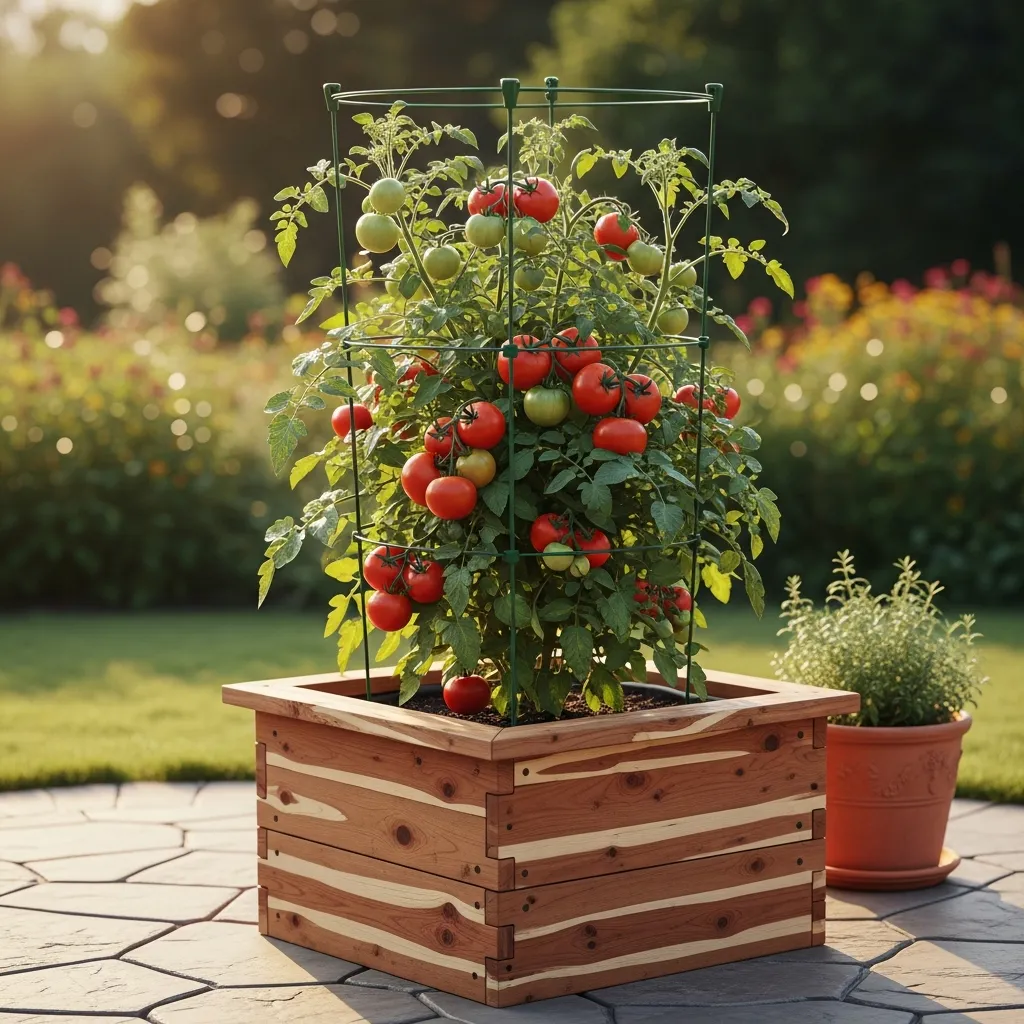
A tomato planter with a cage provides essential support for growing tomatoes.
11. Lettuce and Spinach Planter Box
Lettuce and spinach are easy-to-grow leafy greens that thrive in planter boxes. These vegetables prefer cool weather and can be harvested multiple times. A planter box allows you to grow a continuous supply of fresh greens for salads and sandwiches. They are also great for adding to smoothies and other dishes for some added nutrients. Choose a planter box that is at least 6 inches deep. Fill the planter box with a well-draining potting mix and sow the lettuce and spinach seeds. Water regularly and keep the soil moist. Harvest the leaves when they are young and tender. Plant new seeds every few weeks to ensure a continuous harvest. These leafy greens are a great option for beginner gardeners.
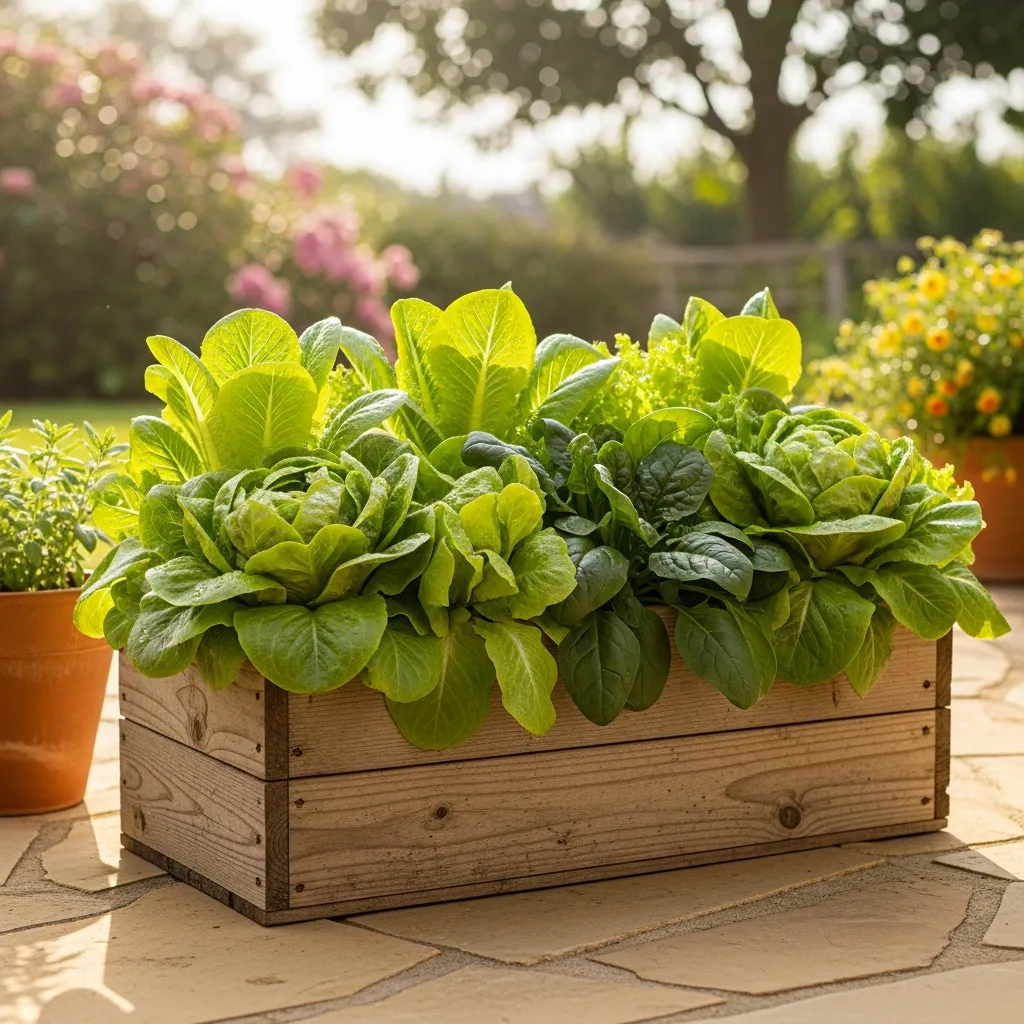
A lettuce and spinach planter box provides a continuous supply of fresh greens.
12. Pepper Plant Container
Pepper plants are another great addition to a tabletop vegetable garden. They come in a variety of colors and flavors, from mild bell peppers to spicy chili peppers. Pepper plants thrive in warm weather and require plenty of sunlight. A container allows you to easily move the pepper plant to a sunny location. Choose a container that is at least 12 inches deep. Fill the container with a well-draining potting mix and plant your pepper seedling. Water regularly and fertilize as needed. Provide support for the pepper plant with a stake or cage. Harvest the peppers when they are ripe and have reached their desired color. Enjoy the delicious flavor of homegrown peppers in your favorite dishes.
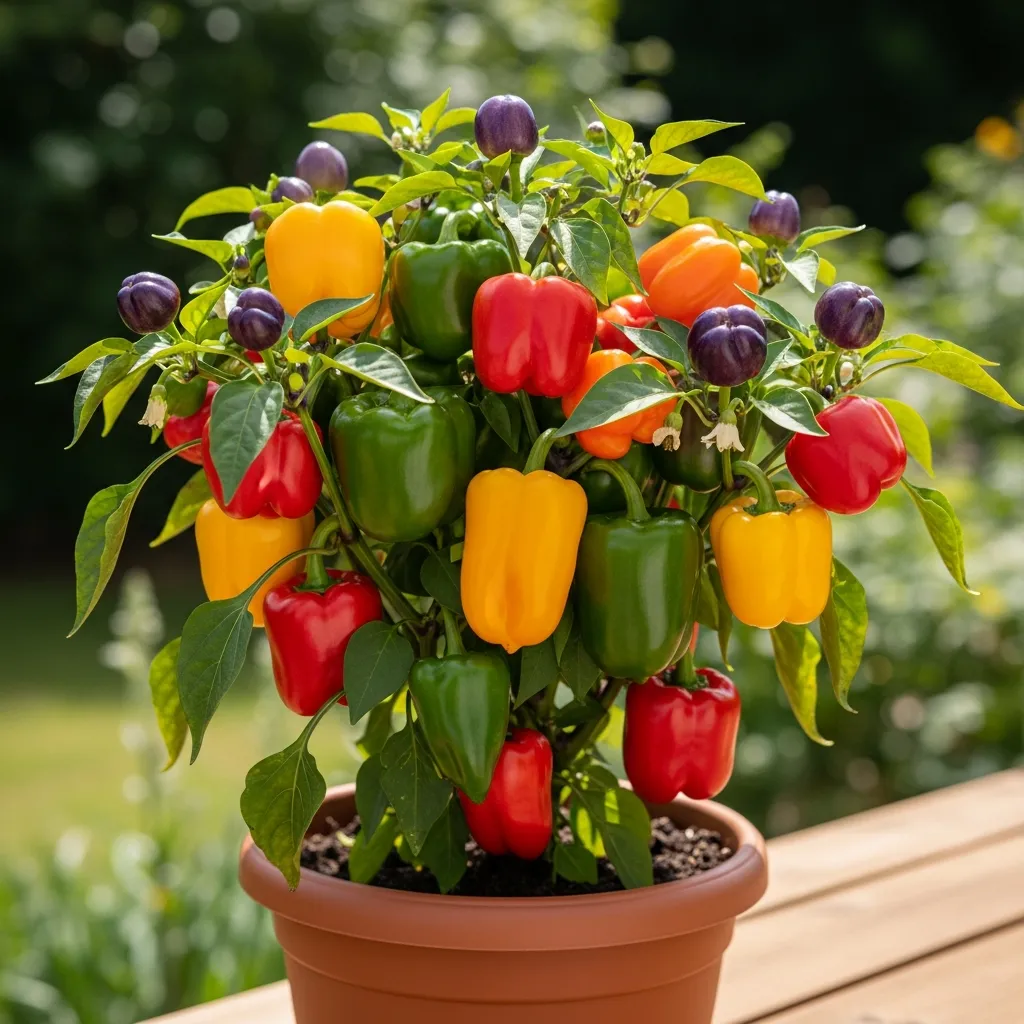
A pepper plant container allows you to grow a variety of colorful and flavorful peppers.
13. Cucumber Trellis Container
Cucumbers are vining plants that require a trellis to support their growth. A cucumber trellis container provides both a container for the plant and a trellis for it to climb. This allows you to grow cucumbers in a small space. They are a great addition to any summer salad or snack. Choose a container that is at least 12 inches deep and has a sturdy trellis attached. Fill the container with a well-draining potting mix and plant your cucumber seedling. Water regularly and fertilize as needed. Train the cucumber vines to climb the trellis. Harvest the cucumbers when they are the desired size and color. Enjoy the crisp and refreshing taste of homegrown cucumbers.
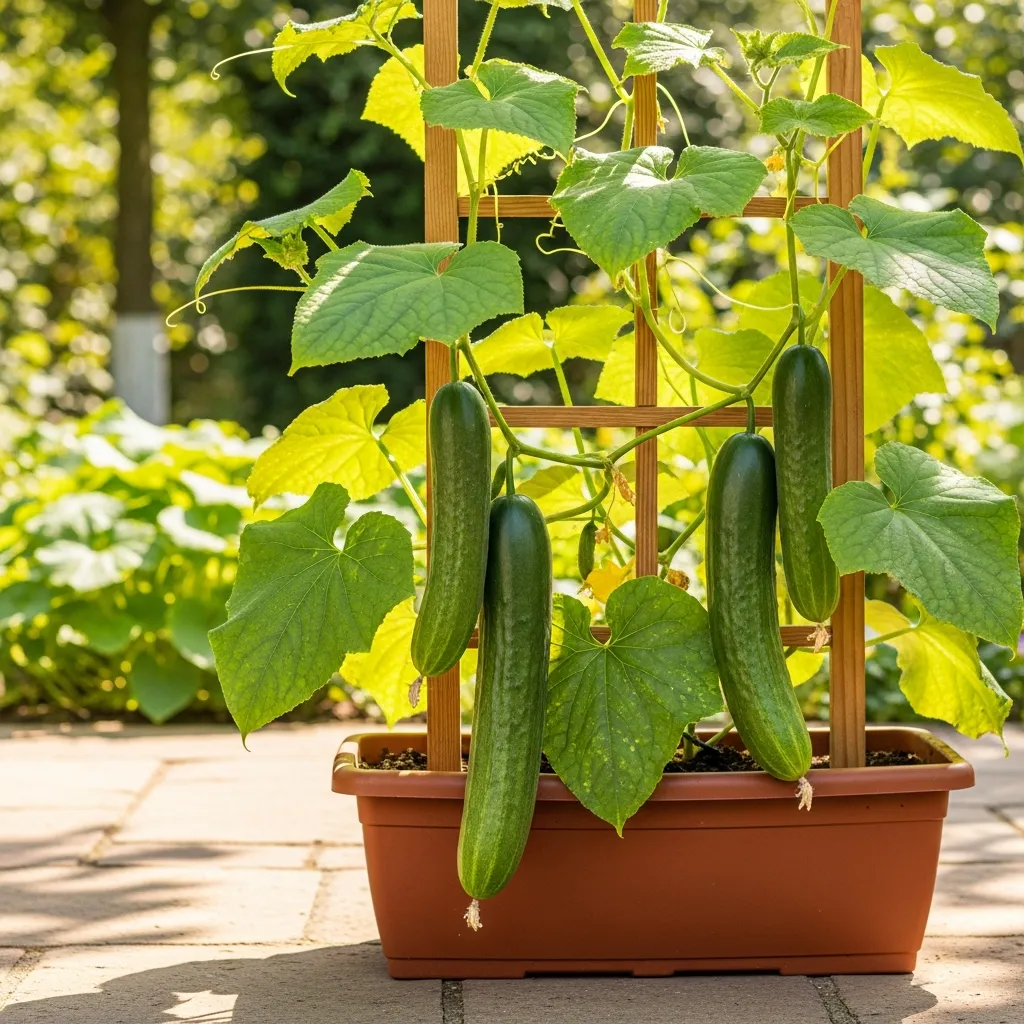
A cucumber trellis container allows you to grow cucumbers in a small space.
14. Eggplant Pot
Eggplants are beautiful and productive plants that thrive in containers. They require warm weather and plenty of sunlight. An eggplant pot allows you to grow eggplants on your roof deck. These vegetables are a great addition to many dishes, from ratatouille to baba ghanoush. Choose a pot that is at least 12 inches deep. Fill the pot with a well-draining potting mix and plant your eggplant seedling. Water regularly and fertilize as needed. Provide support for the eggplant plant with a stake. Harvest the eggplants when they are glossy and have reached their desired size. Enjoy the unique flavor of homegrown eggplants.
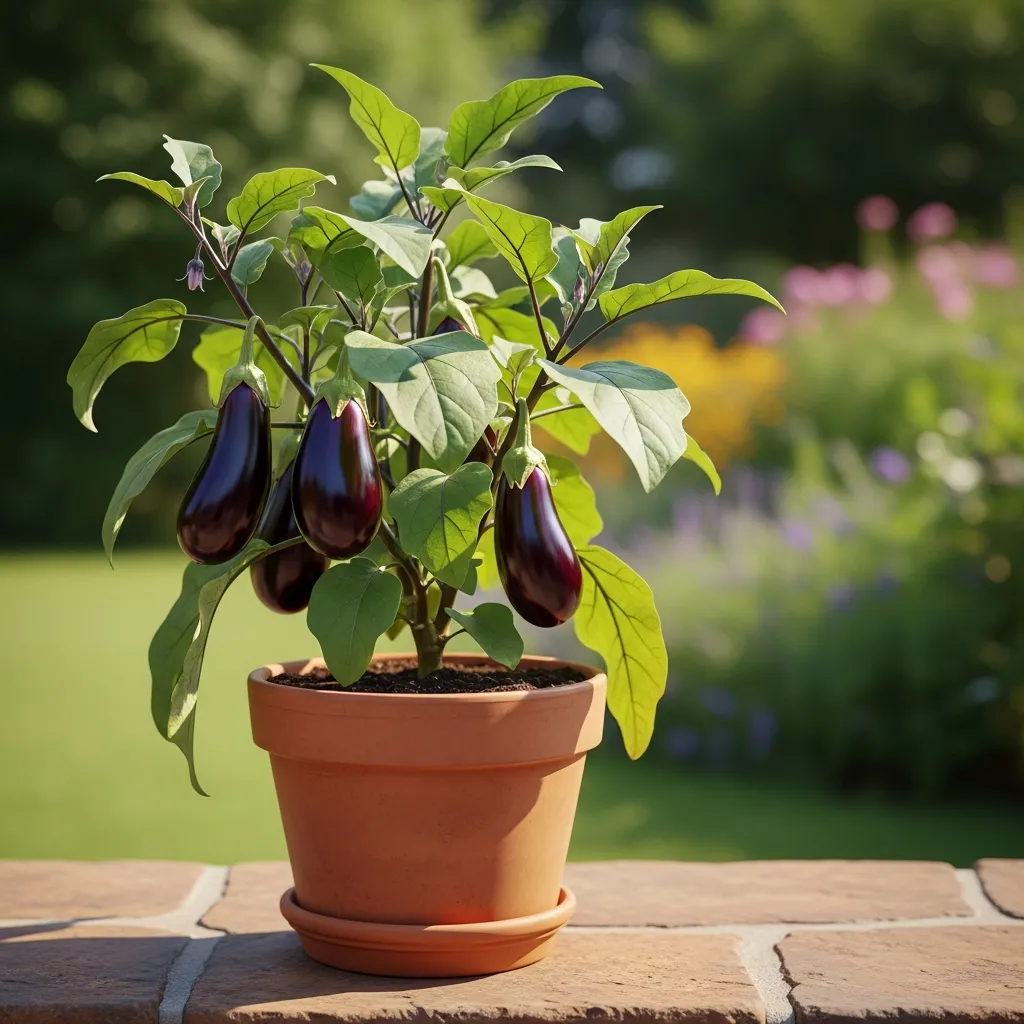
An eggplant pot allows you to grow beautiful and productive eggplants.
15. Carrot Container
Carrots are root vegetables that can be easily grown in containers. Choose a deep container to allow the carrots to develop properly. Carrots prefer cool weather and well-drained soil. They are a great addition to soups, salads, and snacks. Select a container that is at least 12 inches deep. Fill the container with a loose, well-draining potting mix. Sow the carrot seeds directly into the container. Water regularly and thin the seedlings as needed. Harvest the carrots when they have reached their desired size. Enjoy the sweet and crunchy taste of homegrown carrots.

A carrot container allows you to grow your own sweet and crunchy carrots.
16. Radish Container
Radishes are fast-growing root vegetables that are perfect for container gardening. They can be harvested in as little as 30 days. Radishes prefer cool weather and well-drained soil. They are a great addition to salads and sandwiches, adding a peppery flavor. Choose a container that is at least 6 inches deep. Fill the container with a loose, well-draining potting mix. Sow the radish seeds directly into the container. Water regularly and thin the seedlings as needed. Harvest the radishes when they have reached their desired size. Enjoy the crisp and spicy taste of homegrown radishes.
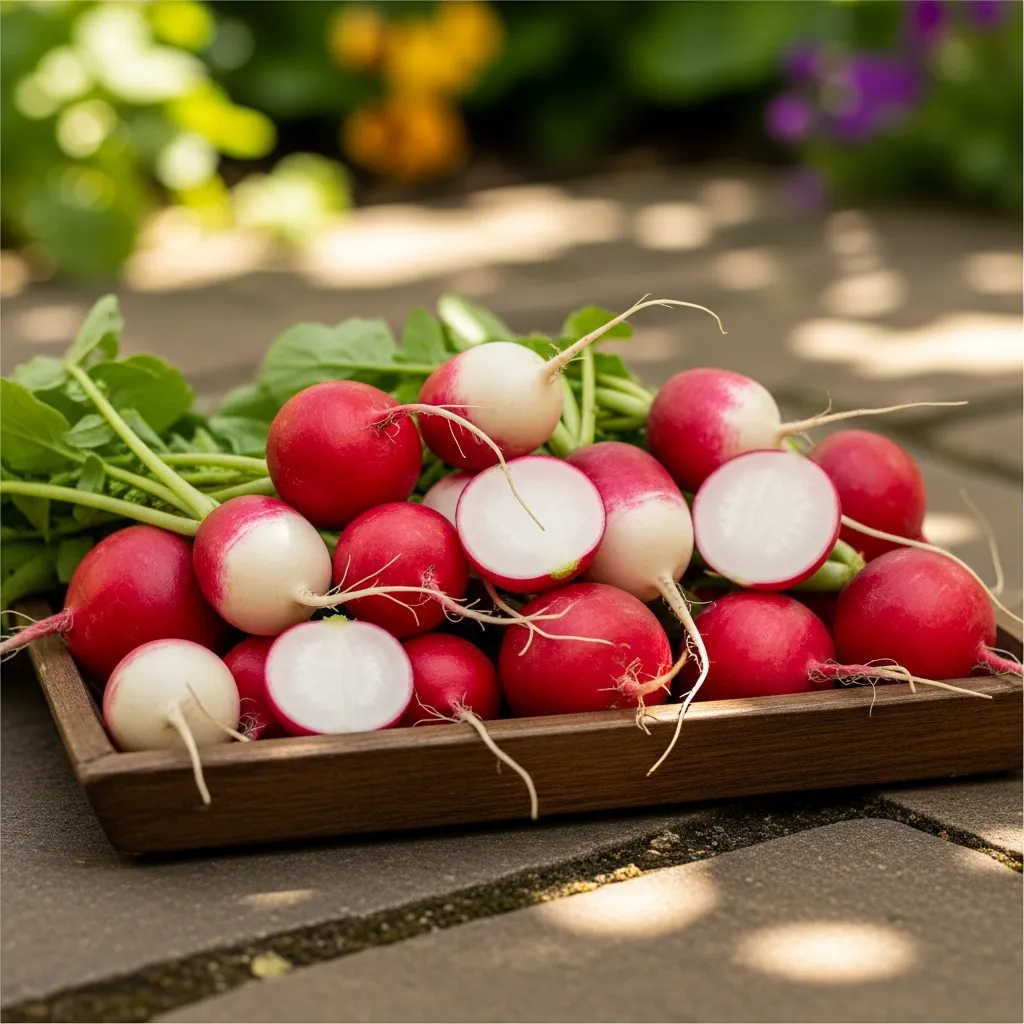
A radish container allows you to grow your own fast-growing and flavorful radishes.
17. Bush Bean Container
Bush beans are compact plants that are well-suited for container gardening. They produce beans in a relatively short amount of time. Bush beans prefer warm weather and well-drained soil. They are a great addition to salads, soups, and side dishes. Choose a container that is at least 8 inches deep. Fill the container with a well-draining potting mix. Sow the bean seeds directly into the container. Water regularly and fertilize as needed. Harvest the beans when they are tender and have reached their desired size. Enjoy the fresh and delicious taste of homegrown bush beans.
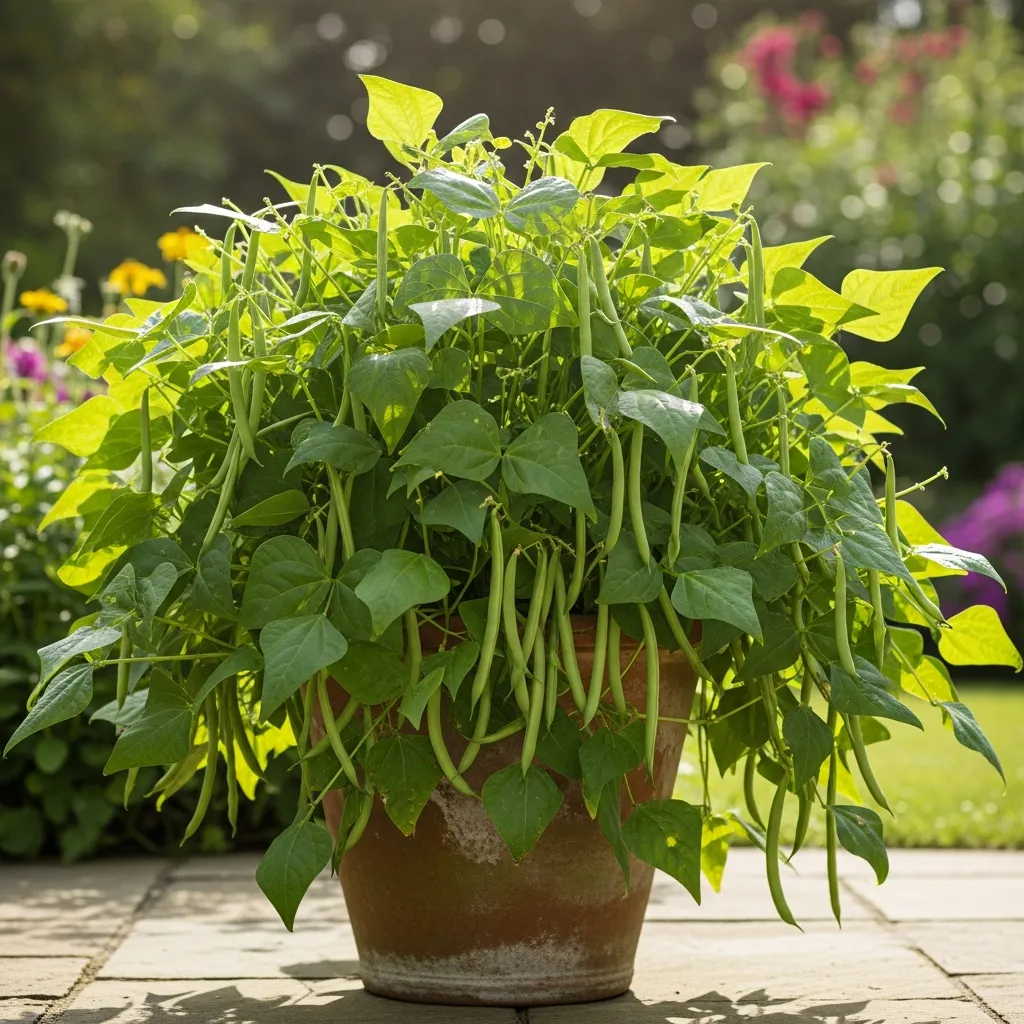
A bush bean container allows you to grow your own fresh and delicious bush beans.
18. Swiss Chard Container
Swiss chard is a leafy green vegetable that is easy to grow in containers. It is a colorful and nutritious addition to any garden. Swiss chard prefers cool weather and well-drained soil. It is a great addition to salads, soups, and stir-fries. Choose a container that is at least 8 inches deep. Fill the container with a well-draining potting mix. Sow the chard seeds directly into the container or transplant seedlings. Water regularly and fertilize as needed. Harvest the outer leaves as needed, allowing the inner leaves to continue to grow. Enjoy the mild and earthy flavor of homegrown Swiss chard.
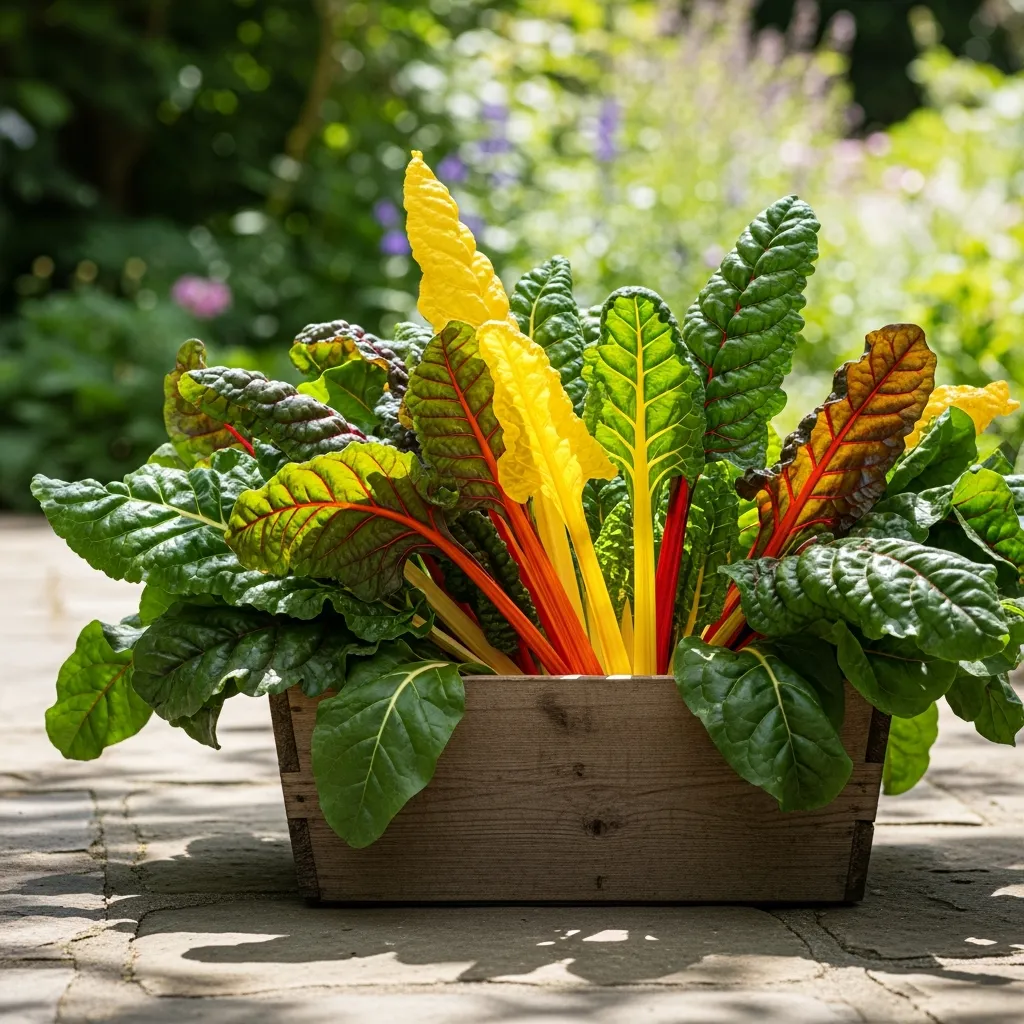
A Swiss chard container adds color and nutrition to your roof deck garden.
19. Kale Container
Kale is a hardy and nutritious leafy green vegetable that thrives in containers. It is a cold-weather crop that can tolerate frost. Kale is a great addition to salads, smoothies, and stir-fries. It’s a superfood that’s easy to grow in small spaces. Choose a container that is at least 8 inches deep. Fill the container with a well-draining potting mix. Sow the kale seeds directly into the container or transplant seedlings. Water regularly and fertilize as needed. Harvest the outer leaves as needed, allowing the inner leaves to continue to grow. Enjoy the slightly bitter and earthy flavor of homegrown kale.
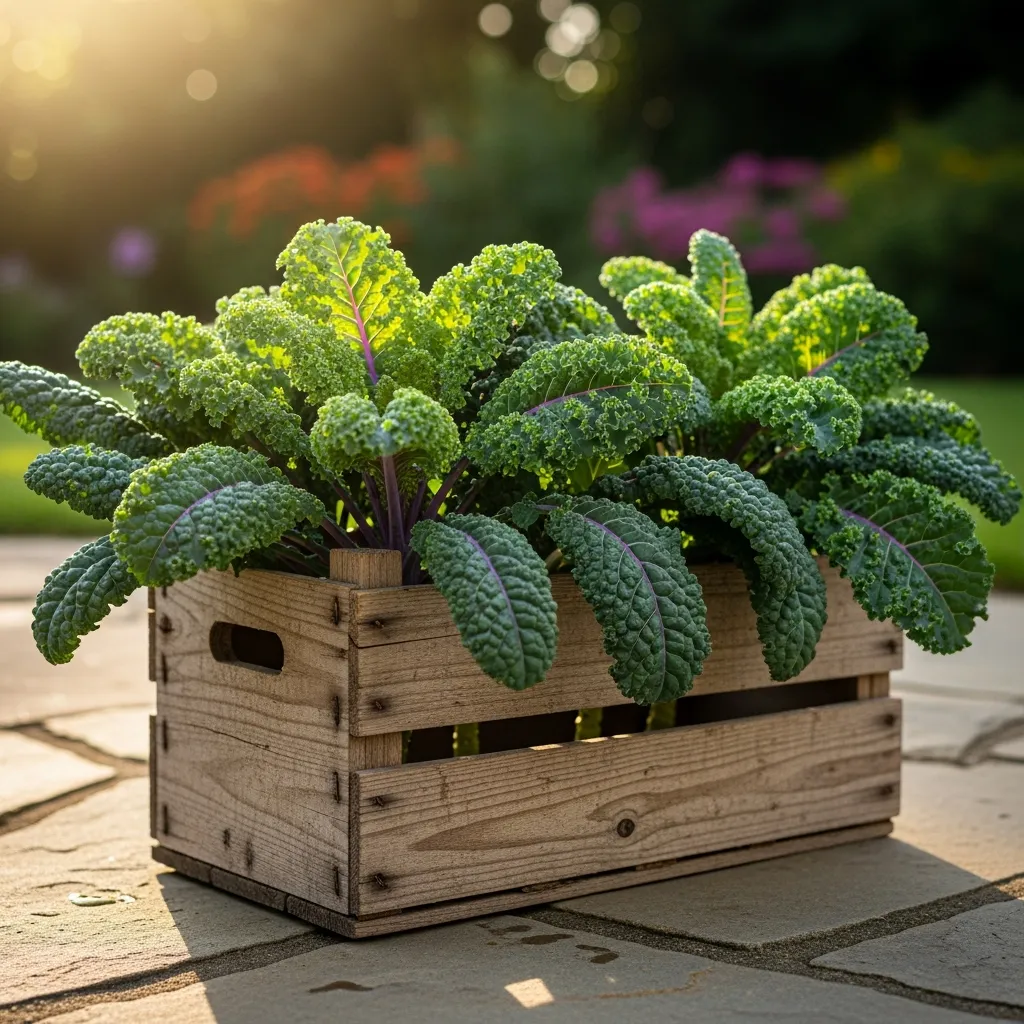
A kale container allows you to grow your own nutritious and hardy kale.
20. Zucchini Container
Zucchini plants are prolific producers and can be grown in large containers. They require plenty of sunlight and water. Zucchini is a versatile vegetable that can be used in a variety of dishes, from zucchini bread to grilled zucchini. Be prepared for an abundance of zucchini! Choose a container that is at least 18 inches deep. Fill the container with a well-draining potting mix. Plant your zucchini seedling and water regularly. Fertilize as needed to support the plant’s rapid growth. Harvest the zucchini when they are young and tender. Enjoy the mild and slightly sweet flavor of homegrown zucchini.
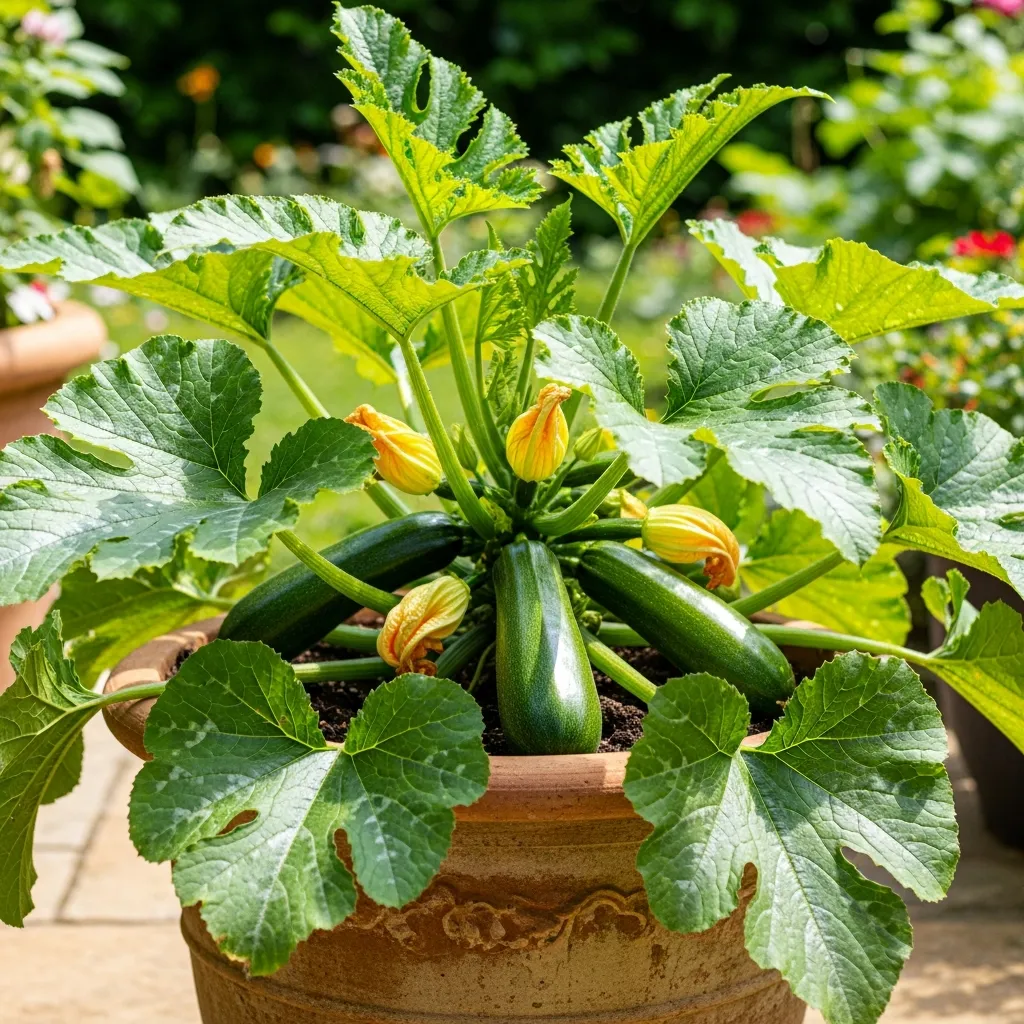
A zucchini container allows you to grow your own prolific zucchini crop.
21. Mixed Herb Container
Create a fragrant and flavorful mixed herb container with your favorite herbs. Choose herbs that have similar growing requirements, such as basil, parsley, and chives. A mixed herb container provides easy access to fresh herbs for cooking. It is also a great way to add fragrance and beauty to your roof deck. Choose a container that is at least 12 inches deep. Fill the container with a well-draining potting mix. Plant your herb seedlings and water regularly. Prune the herbs regularly to encourage bushy growth. Place the container in a sunny location and enjoy the fresh aroma and flavors of your homegrown herbs.
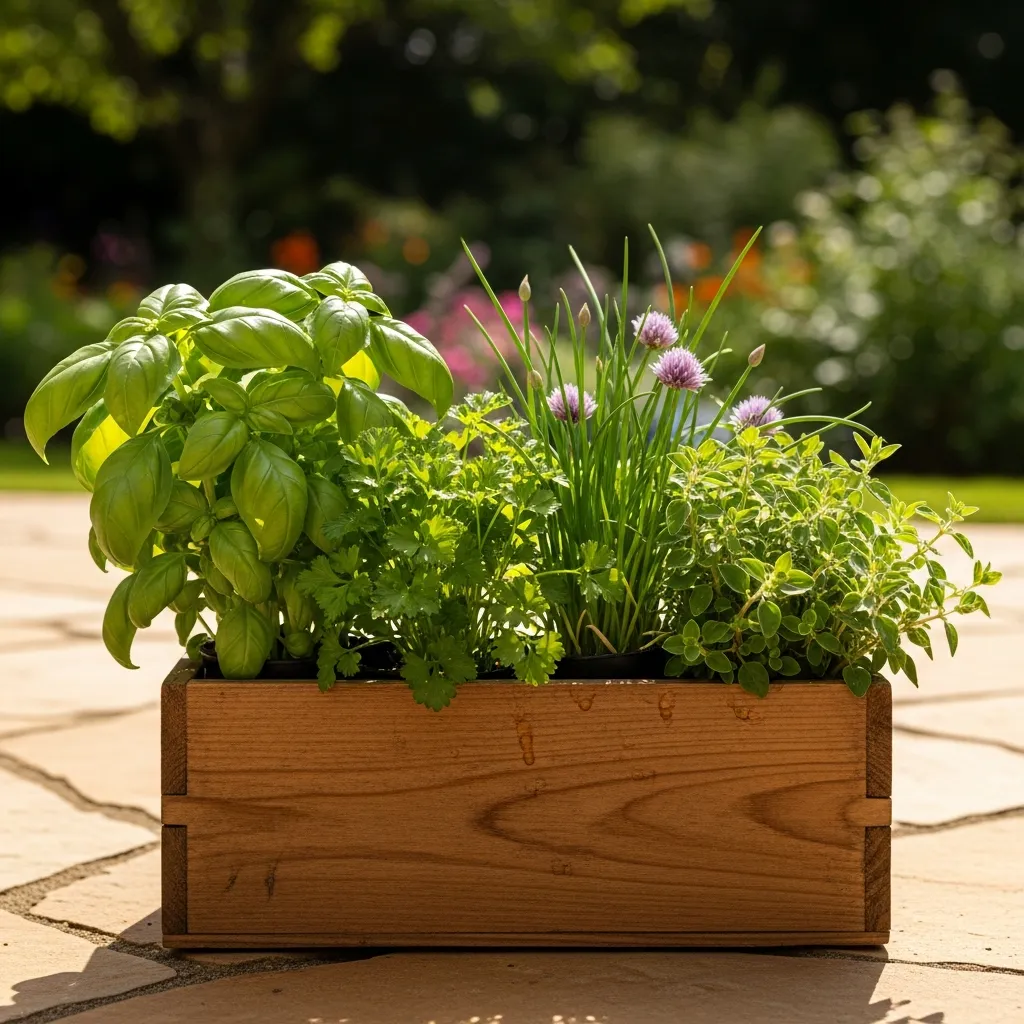
A mixed herb container provides easy access to fresh and flavorful herbs.
Conclusion
Transforming your roof deck into a tabletop vegetable garden is a rewarding experience that brings the joy of homegrown produce to your urban life. By choosing the right containers, soil, and vegetables, you can create a thriving edible landscape that enhances your outdoor living space. Experiment with different ideas and find what works best for your space and lifestyle. Enjoy the process of growing your own food and savoring the delicious flavors of your harvest!
