
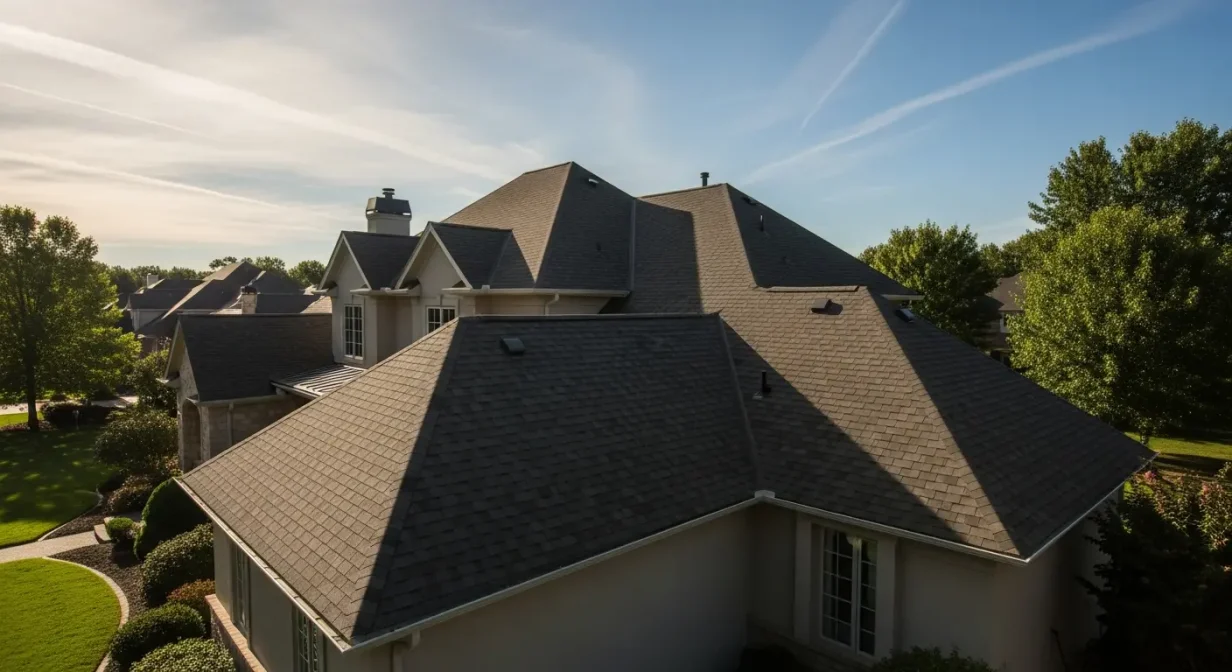
Contractor’s Bottom Line
Roof decking buckling is a serious issue that can compromise the structural integrity of your roof and lead to costly repairs. Look for warning signs like visible waves or humps in your attic or sagging shingles on your roof. Proper diagnosis involves a thorough inspection, often best performed by a professional. Addressing the root cause, such as moisture intrusion or improper installation according to IRC R803.2.1, is crucial to prevent recurrence. Repair costs in Dallas can range from $500 to $5,000 depending on the extent of the damage. Ignoring the issue can lead to full roof replacement.
Key Takeaways
- Buckling roof decking can be identified by visible waves or humps, potentially indicating moisture damage or improper installation.
- Addressing the root cause, such as inadequate ventilation, is critical to prevent future buckling. NRCA guidelines recommend ensuring proper airflow to maintain a stable environment.
- Regular roof inspections, especially after severe weather in the Dallas-Fort Worth area, can help catch problems early and prevent costly repairs.
Roof decking, also known as roof sheathing, forms the foundation of your roofing system. It provides a surface for attaching shingles and other roofing materials. When roof decking buckles, it creates uneven surfaces, compromising the roof’s integrity and potentially leading to leaks and other problems. Recognizing the signs of buckling early can save you significant money and headaches in the long run.
In the Dallas-Fort Worth area, the extreme temperature fluctuations and occasional severe weather can exacerbate roof decking issues. Understanding the common causes of buckling, such as moisture intrusion, improper installation, or inadequate ventilation, is crucial for effective prevention and repair. Ignoring these issues can lead to more extensive damage and higher repair costs. I’ve seen situations where minor buckling was neglected, ultimately resulting in thousands of dollars in repairs.
FIELD NOTE: Last year, a Dallas homeowner called me after noticing significant sagging in their roof. Upon inspection, I found widespread roof decking buckling due to a combination of poor ventilation and a previous leak. The repair ended up costing them $7,000, which could have been avoided with earlier detection and proper maintenance. This highlights the importance of regular inspections and addressing issues promptly.
Recognizing the Warning Signs of Roof Decking Buckling
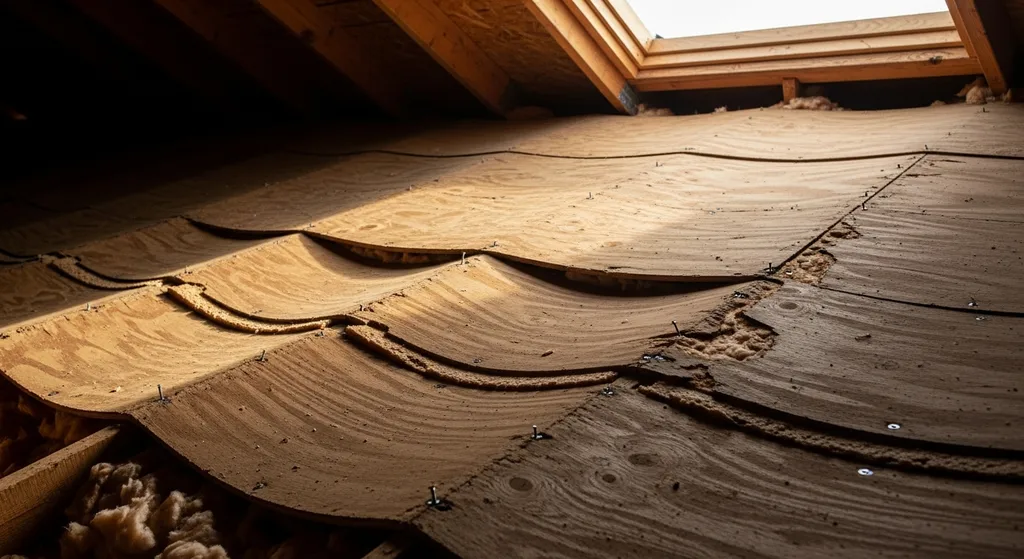
Identifying roof decking buckling early can prevent extensive damage and costly repairs. One of the most noticeable signs is visible waves or humps on the roof’s surface. These irregularities indicate that the decking material is no longer flat and even. Inside the attic, you might notice sagging or discoloration on the underside of the roof decking.
Other symptoms include loose or missing shingles, which can be a direct result of the uneven surface caused by buckling. Leaks inside the home, particularly after rain, are another red flag. These leaks may occur because the buckling has compromised the shingle’s ability to properly seal against water intrusion. Addressing these warning signs promptly is crucial for maintaining the structural integrity of your roof and preventing further damage.
The NRCA recommends regular inspections to identify potential problems early.
Field Note from Experience
I recently inspected a home in Plano where the homeowner noticed water stains on their ceiling. Upon closer examination in the attic, I found significant buckling of the roof decking. The source was a poorly installed skylight that had been leaking for months. The homeowner faced $4,500 in repairs due to the delayed detection.
Effective Methods for Inspecting Roof Decking
A thorough inspection is essential for accurately assessing the condition of your roof decking. Start by visually inspecting the roof from the ground, looking for any signs of sagging or unevenness. Use binoculars for a closer look. Next, inspect the attic, paying close attention to the underside of the roof decking.
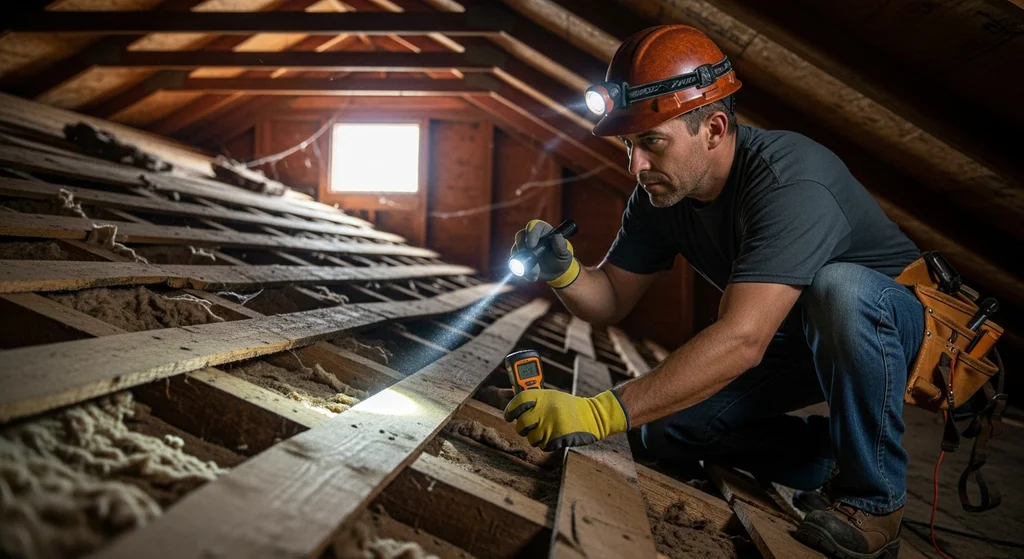
Use a flashlight to identify any water stains, discoloration, or sagging. Walk the roof to check for soft spots or loose shingles. Be extremely careful and follow OSHA safety guidelines. A moisture meter can be used to measure the moisture content of the decking.
High moisture levels indicate potential leaks or inadequate ventilation. If you are uncomfortable or unfamiliar with roof inspections, it’s best to hire a qualified roofing contractor. The International Code Council (ICC) provides resources and certifications for building inspectors. Remember safety first; do not attempt to inspect your roof in wet or windy conditions.
Field Note from Experience
During an inspection in Frisco, I used a moisture meter to detect high moisture levels in the roof decking, even though there were no visible signs of leaks inside the home. This early detection allowed the homeowner to address a minor ventilation issue before it escalated into a major problem, saving them thousands of dollars in potential repairs.
Assessing the Severity of Roof Decking Damage
Determining the extent of the damage is crucial for deciding on the appropriate course of action. Minor buckling, affecting only a small area, might be addressed with localized repairs. Moderate buckling, involving larger sections of the roof decking, may require replacing those sections. Severe buckling, especially if accompanied by widespread rot or structural damage, often necessitates a complete roof replacement.
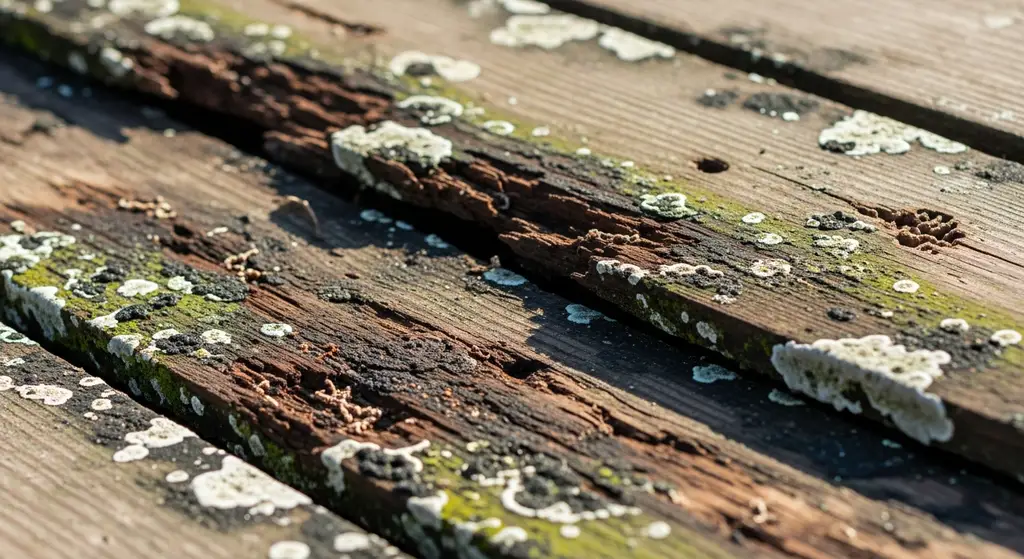
The age of the roof decking and the presence of other issues, such as mold or pest infestations, should also be considered. Assess the structural integrity of the decking by probing with a screwdriver. Soft or crumbling wood indicates significant decay. Document the damage with photographs and detailed notes.
Consulting with a qualified roofing contractor is essential for an accurate assessment and to determine the most cost-effective solution. Remember that ignoring the problem will likely lead to further damage and higher repair costs.
Field Note from Experience
I encountered a situation in McKinney where the homeowner attempted to repair minor buckling themselves, but they failed to address the underlying moisture problem. As a result, the buckling returned within a few months, and the damage had spread, requiring a more extensive and expensive repair. This underscores the importance of addressing the root cause, not just the symptoms.
Identifying the Root Causes of Roof Decking Buckling
Understanding why your roof decking is buckling is essential for preventing future occurrences. Moisture intrusion is one of the most common causes. Leaks from damaged shingles, faulty flashing, or ice dams can saturate the decking, causing it to swell and buckle. Inadequate ventilation in the attic is another significant factor.
Poor ventilation traps heat and moisture, creating a breeding ground for mold and decay. Improper installation techniques, such as using the wrong type of fasteners or failing to leave adequate spacing between decking panels, can also contribute to buckling. The IRC 2021, International Residential Code, specifies requirements for roof sheathing installation. Another cause can be thermal expansion and contraction.
In the Dallas-Fort Worth area, extreme temperature fluctuations can cause the decking to expand and contract, leading to stress and eventual buckling. Identifying and addressing the underlying cause is crucial for a long-term solution.
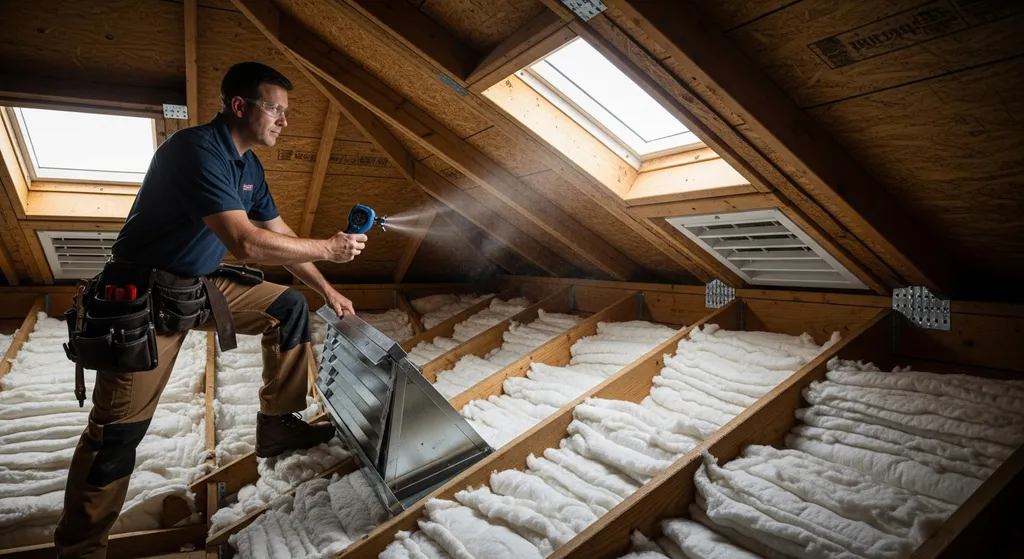
Field Note from Experience
I recently inspected a home in University Park where the roof decking was buckling due to inadequate attic ventilation. The vents were clogged with debris, preventing proper airflow. Clearing the vents and adding additional ventilation significantly reduced the moisture levels in the attic and prevented further buckling. This simple fix saved the homeowner thousands of dollars in potential repairs.
Proactive Strategies for Preventing Roof Decking Buckling
Preventing roof decking buckling requires a multi-faceted approach. Ensure proper attic ventilation by installing adequate soffit and ridge vents. Regularly inspect these vents to ensure they are free of obstructions. Address any roof leaks promptly by repairing or replacing damaged shingles, flashing, or other roofing components.
Consider using synthetic underlayment, which provides superior moisture protection compared to traditional felt underlayment. When installing or replacing roof decking, follow the manufacturer’s recommendations and the guidelines outlined in the International Residential Code (IRC). Use properly sized and spaced fasteners. Maintain your gutters and downspouts to ensure proper drainage and prevent water from backing up onto the roof.
Regular roof inspections, especially after severe weather, can help identify and address potential problems early. In Dallas, with the frequent hail storms, this is particularly important. The NRCA recommends regular maintenance to extend the life of your roof.
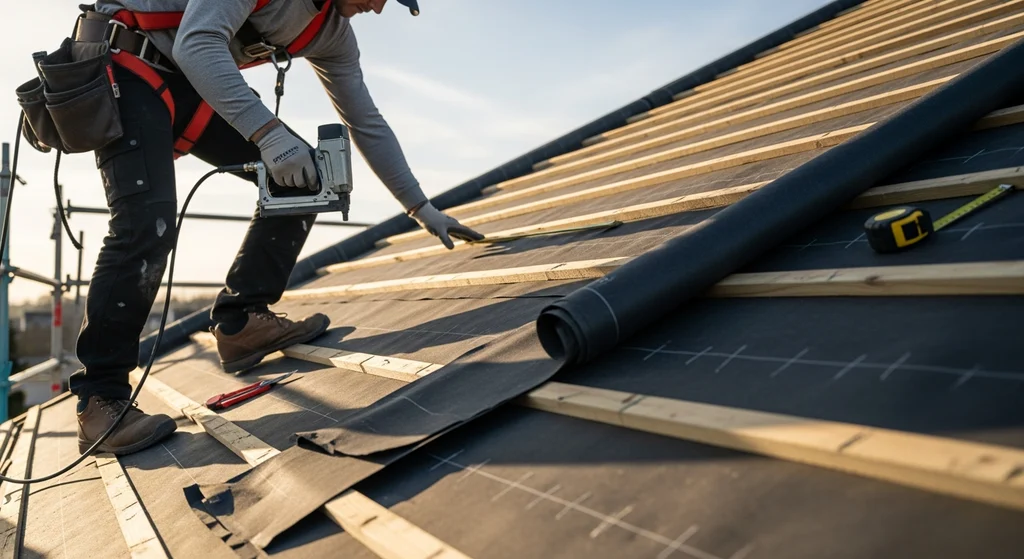
Field Note from Experience
I advised a homeowner in Highland Park to upgrade to a synthetic underlayment when they replaced their roof. This upgrade provided an extra layer of protection against moisture intrusion, significantly reducing the risk of future roof decking buckling. While the initial cost was slightly higher, the long-term benefits and peace of mind were well worth the investment.
Dallas Climate Considerations for Roof Decking
The Dallas-Fort Worth climate presents unique challenges for roof decking. Extreme heat, humidity, and frequent hailstorms can all contribute to buckling and other roofing problems. High temperatures cause thermal expansion and contraction, stressing the decking material. High humidity levels promote moisture intrusion and mold growth.
Hailstorms can damage shingles and flashing, leading to leaks. Choose roofing materials that are specifically designed to withstand the Texas climate. Consider using impact-resistant shingles that meet ASTM D7158 Class 4 standards. Ensure proper attic ventilation to reduce heat and moisture buildup.
Regularly inspect your roof for damage after severe weather. Pay particular attention to flashing around chimneys, vents, and skylights. Address any issues promptly to prevent further damage. FEMA provides resources for homeowners in disaster-prone areas like North Texas.
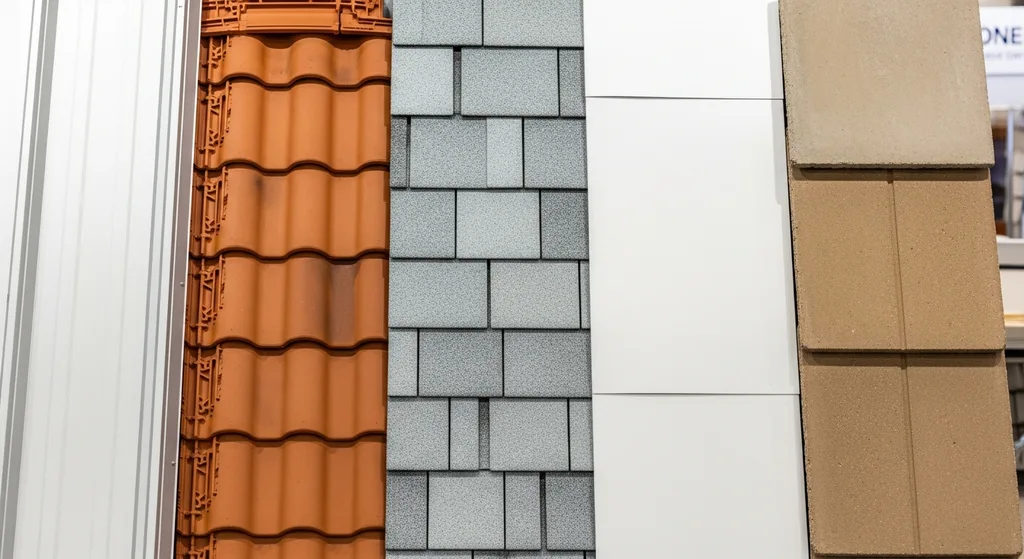
Field Note from Experience
I worked on a roof replacement project in Garland after a severe hailstorm. The original roof decking was severely damaged due to the impact of the hail. We replaced the decking with a more durable, impact-resistant material and improved the attic ventilation to better withstand the Dallas climate. This proactive approach helped prevent future damage and extended the life of the roof.
External Authoritative Resources
These industry-standard references support the information in this guide:
Building Codes
Frequently Asked Questions
What causes roof decking to buckle?
Roof decking buckling is primarily caused by moisture intrusion, inadequate ventilation, improper installation, or thermal expansion and contraction. Leaks from damaged shingles or flashing can saturate the decking, causing it to swell and buckle. Poor ventilation traps heat and moisture in the attic, creating a breeding ground for mold and decay. Improper installation techniques, such as using the wrong type of fasteners or failing to leave adequate spacing between decking panels, can also contribute to buckling.
In areas like Dallas, Texas, extreme temperature fluctuations can exacerbate these issues. Thermal expansion and contraction can also lead to stress and eventual buckling. The constant expansion and contraction of the decking material can weaken its structural integrity over time. Addressing these underlying causes is crucial for preventing future buckling.
The NRCA recommends regular roof inspections to identify and address potential problems early. Also, ensuring proper installation according to IRC R803.2.1 is important.
How can I tell if my roof decking is buckling?
The most obvious sign of roof decking buckling is visible waves or humps on the roof’s surface. Inside the attic, you may notice sagging or discoloration on the underside of the roof decking. Other symptoms include loose or missing shingles, which can be a direct result of the uneven surface caused by buckling. Leaks inside the home, particularly after rain, are another red flag.
These leaks may occur because the buckling has compromised the shingle’s ability to properly seal against water intrusion. In some cases, the buckling may be subtle and difficult to detect without a thorough inspection. Using a moisture meter can help identify areas with high moisture content, even if there are no visible signs of damage. If you suspect your roof decking is buckling, it’s best to consult with a qualified roofing contractor for a professional assessment.
Is roof decking buckling covered by insurance?
Whether roof decking buckling is covered by insurance depends on the cause of the damage and the terms of your insurance policy. If the buckling is caused by a covered peril, such as a hailstorm or windstorm, your insurance policy may cover the cost of repairs or replacement. However, if the buckling is caused by a maintenance issue, such as a leak that was not addressed promptly, your insurance claim may be denied. Some insurance policies may also exclude coverage for damage caused by inadequate ventilation or improper installation.
It’s important to review your insurance policy carefully and to consult with your insurance agent to understand your coverage. In Texas, the Texas Department of Insurance (TDI) provides resources for homeowners regarding insurance claims.
What are the best materials for roof decking in Dallas, Texas?
In Dallas, Texas, where extreme heat and humidity are common, it’s crucial to select roof decking materials that can withstand these conditions. CDX plywood and OSB (oriented strand board) are two of the most commonly used materials. CDX plywood is known for its strength and water resistance, while OSB is a more cost-effective option. For enhanced moisture protection, consider using treated plywood or OSB.
Advantech is a popular brand of engineered wood that is specifically designed to resist moisture and decay. Synthetic underlayment can also provide an extra layer of protection against moisture intrusion. When selecting roof decking materials, it’s important to consider your budget, the specific requirements of your project, and the local climate conditions.
How much does it cost to repair roof decking buckling in Dallas?
The cost to repair roof decking buckling in Dallas can vary depending on the extent of the damage, the type of materials used, and the labor costs. Minor repairs may cost a few hundred dollars, while more extensive repairs or replacements can cost several thousand dollars. In Dallas-Fort Worth, expect to pay $4 to $8 per square foot for roof decking replacement, including materials and labor. These are current Dallas market prices; costs can be 15-20% higher in remote Texas areas and 10-15% lower in rural counties.
Prices fluctuate seasonally, with spring storm season driving a 20-30% premium. The total cost will also depend on whether you hire a professional roofing contractor or attempt to do the repairs yourself. While DIY repairs may save you money upfront, it’s important to ensure that the repairs are done correctly to prevent further damage. Last month, a Dallas homeowner called me after their DIY repair failed and caused more damages.
The cost to fix it was about $10,000.
What are the building code requirements for roof decking in Dallas?
The building code requirements for roof decking in Dallas are based on the International Residential Code (IRC). The IRC specifies minimum requirements for roof sheathing thickness, fastener spacing, and other installation details. IRC R803.2.1 requires a minimum thickness of 15/32 inch for roof sheathing when using plywood or OSB. The code also specifies requirements for ventilation, underlayment, and other roofing components.
In addition to the IRC, the city of Dallas may have local amendments or requirements that must be followed. It’s important to check with the Dallas building department to ensure that your roof decking installation complies with all applicable codes. Failure to comply with building codes can result in fines or other penalties. The International Code Council (ICC) provides resources and training for code officials and building professionals.
Final Thoughts
Roof decking buckling is a serious issue that can compromise the structural integrity of your roof and lead to costly repairs. By understanding the warning signs, identifying the root causes, and implementing preventative measures, you can protect your roof and your home. Regular inspections, proper ventilation, and prompt repairs are essential for maintaining a healthy and durable roofing system. Don’t wait until the problem becomes severe.
If you suspect your roof decking is buckling, consult with a qualified roofing contractor for a professional assessment and to determine the best course of action. Taking proactive steps now can save you significant money and headaches in the long run. FIELD NOTE: I recently helped a Dallas homeowner avoid a costly roof replacement by identifying and addressing a minor buckling issue early on. The repair cost was minimal compared to the potential cost of replacing the entire roof.
This highlights the importance of early detection and prompt action.
