

Dreaming of a lush escape right above the city? Rooftop gardens offer a unique opportunity to create your own personal sanctuary, combining stunning city views with the tranquility of nature. However, planning a rooftop garden requires careful consideration of factors like weight load, weather conditions, and zoning regulations. This isn’t just about throwing some plants up there; it’s about designing a cohesive and functional outdoor living space that thrives in an urban environment. This comprehensive guide unveils 27 innovative rooftop garden zone planning ideas to help you maximize your space and create the rooftop oasis you’ve always envisioned. From cozy seating areas and vibrant container gardens to durable decking materials and efficient irrigation systems, we’ll explore everything you need to know to transform your rooftop into a stylish and sustainable urban retreat. Get ready to elevate your outdoor living experience and unlock the full potential of your rooftop space!
1. Define Your Zones with Purpose
Before you start planting, map out distinct zones for different activities. Consider a dining area, a relaxation zone with comfortable seating, a gardening area for your plants, and perhaps even a small outdoor kitchen. This strategic division will make your rooftop feel more organized and functional, maximizing its usability. Think about how you’ll realistically use the space and allocate accordingly. Zoning also helps with traffic flow and prevents one area from overwhelming another. Create clear pathways between zones using pavers, gravel, or even just a change in flooring material. This will visually separate the spaces and guide visitors through your rooftop garden. A well-defined zone plan is the foundation of a successful rooftop garden design.

Strategic zoning creates a functional and visually appealing rooftop garden.
2. Embrace Container Gardening
Container gardening is essential for rooftop gardens due to weight restrictions and limited space. Choose lightweight containers made from materials like fiberglass, plastic, or resin. Consider a variety of sizes and shapes to add visual interest and accommodate different plant types. Grouping containers together can create a lush and cohesive look. Don’t be afraid to experiment with different container styles and arrangements. Vertical planters are a great way to maximize space and add height to your garden. Hanging baskets can also add a touch of whimsy and color. Remember to choose plants that are well-suited to container gardening and provide adequate drainage.
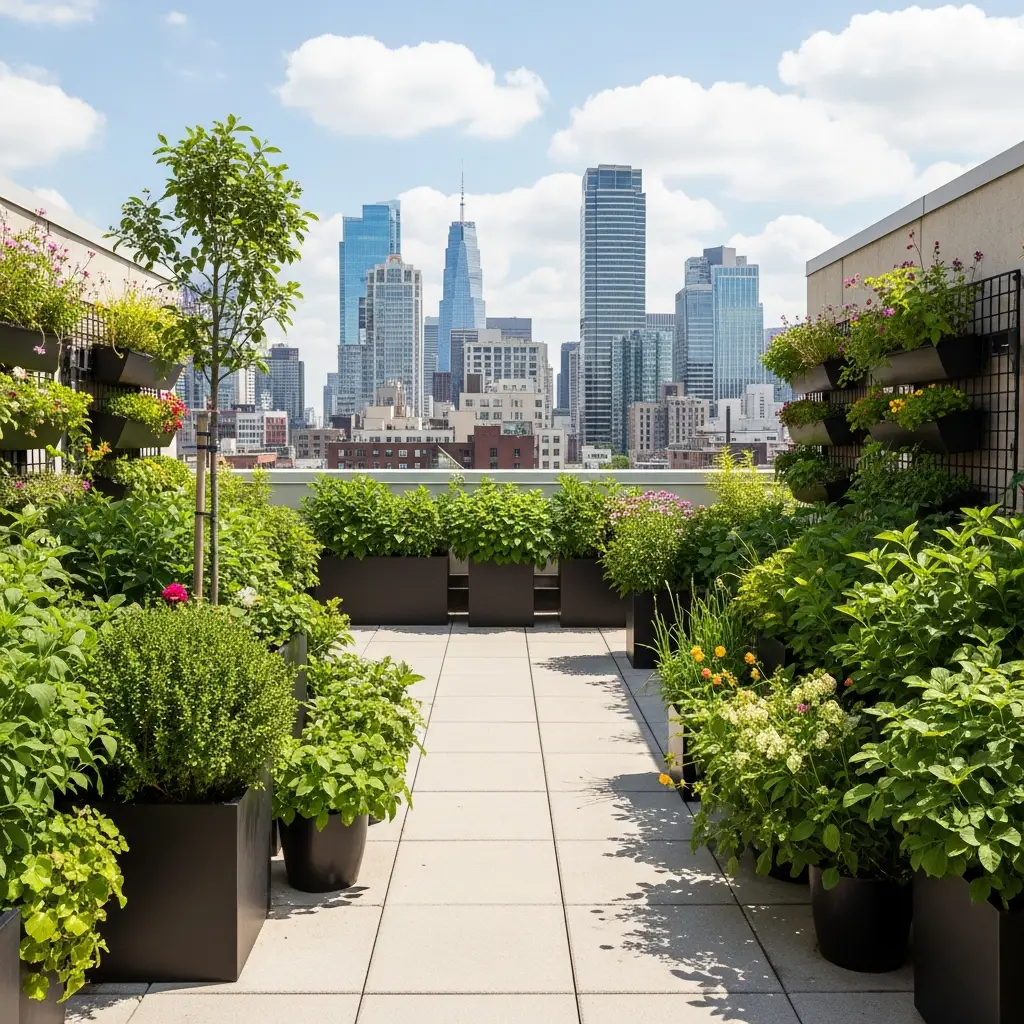
Container gardening offers flexibility and maximizes space in rooftop gardens.
3. Incorporate Weather-Resistant Furniture
Rooftop furniture needs to withstand the elements, so choose weather-resistant materials like teak, aluminum, or synthetic wicker. These materials are durable, low-maintenance, and can withstand sun, rain, and wind. Avoid furniture with exposed metal parts that can rust. Consider furniture covers for added protection during harsh weather. Opt for comfortable and stylish furniture that complements your garden’s design. Outdoor sofas, armchairs, and dining sets can create inviting spaces for relaxation and entertaining. Add cushions and pillows made from weather-resistant fabrics for extra comfort and style. Don’t forget to secure your furniture to prevent it from blowing away in strong winds.

Weather-resistant furniture ensures long-lasting comfort and style on your rooftop.
4. Install a Durable Decking Surface
Your decking surface is the foundation of your rooftop garden, so choose a durable and weather-resistant material. Composite decking is a popular choice because it’s low-maintenance, slip-resistant, and comes in a variety of colors and styles. Wood decking is another option, but it requires regular sealing and maintenance. Consider the weight of the decking material and consult with a structural engineer to ensure your roof can support it. Proper installation is crucial to prevent water damage and ensure the longevity of your decking surface. Install a waterproof membrane beneath the decking to protect your roof from leaks. Ensure proper drainage to prevent water from pooling on the surface. A well-installed decking surface will provide a safe and comfortable foundation for your rooftop garden.
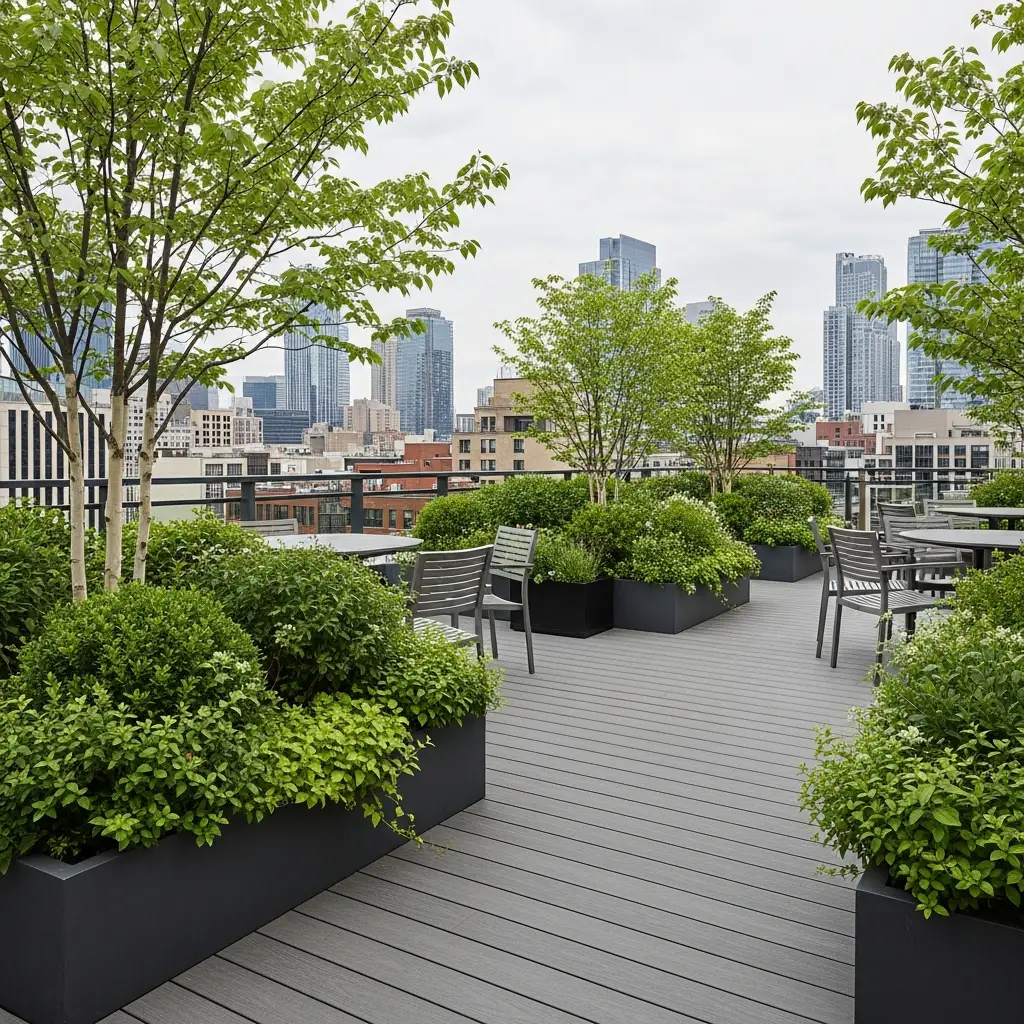
Composite decking is a durable and low-maintenance choice for rooftop gardens.
5. Create Shade with Awnings or Pergolas
Rooftops can get extremely hot during the summer months, so it’s important to provide shade. Awnings and pergolas are excellent options for creating shaded areas. Awnings can be retractable, allowing you to adjust the amount of sunlight you receive. Pergolas provide a more permanent shade structure and can be adorned with climbing plants for added beauty. Consider the direction of the sun when positioning your shade structures. Orient them to block the most intense sunlight during the hottest part of the day. Shade structures not only provide relief from the sun but also create a more comfortable and inviting outdoor space. Choose materials and styles that complement your garden’s design.
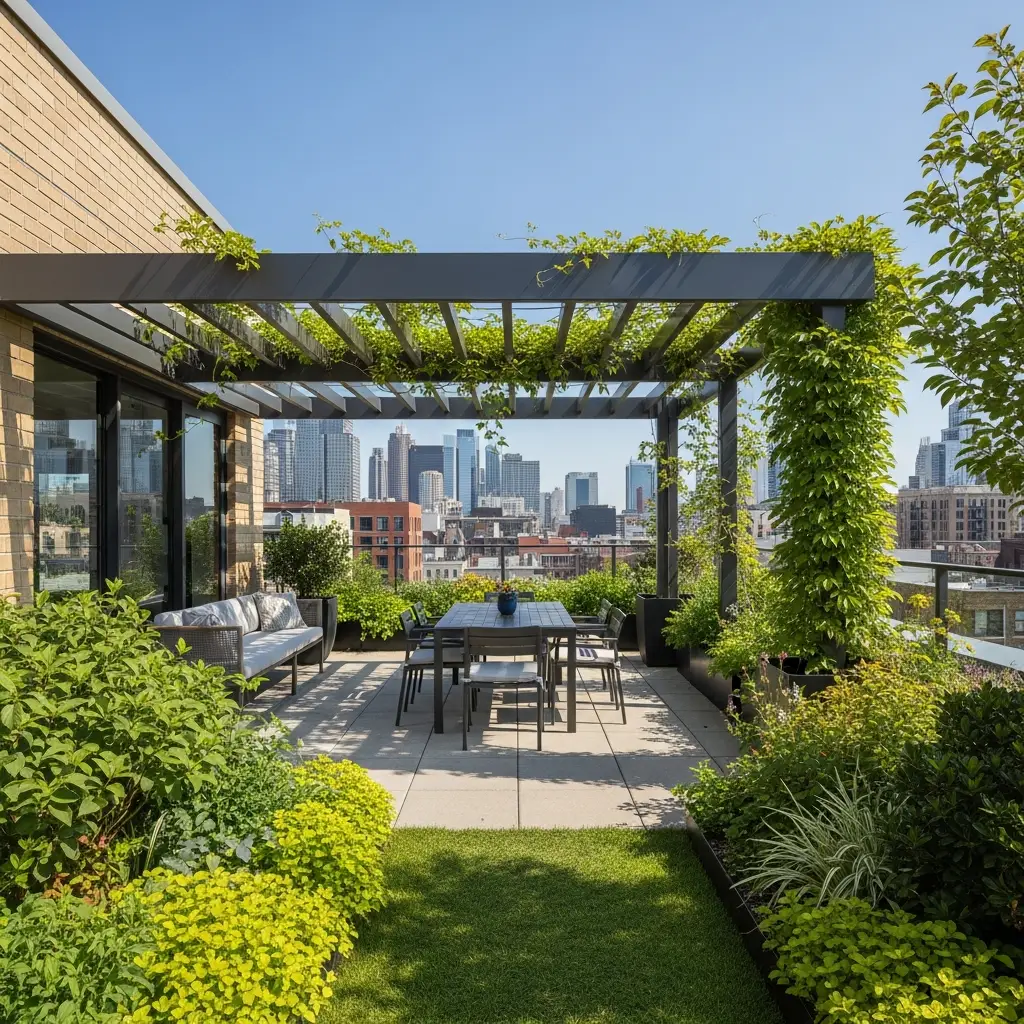
Pergolas provide shade and add architectural interest to rooftop gardens.
6. Install an Efficient Irrigation System
Watering plants on a rooftop can be challenging, so an efficient irrigation system is essential. Drip irrigation and soaker hoses are excellent options for delivering water directly to the roots of your plants, minimizing water waste. Consider installing a timer to automate your watering schedule and ensure your plants receive consistent moisture. Collect rainwater in barrels or tanks to supplement your irrigation system. This is a sustainable way to reduce your water bill and conserve water. Regularly inspect your irrigation system for leaks and clogs to ensure it’s functioning properly. Proper irrigation is crucial for the health and vitality of your rooftop garden.
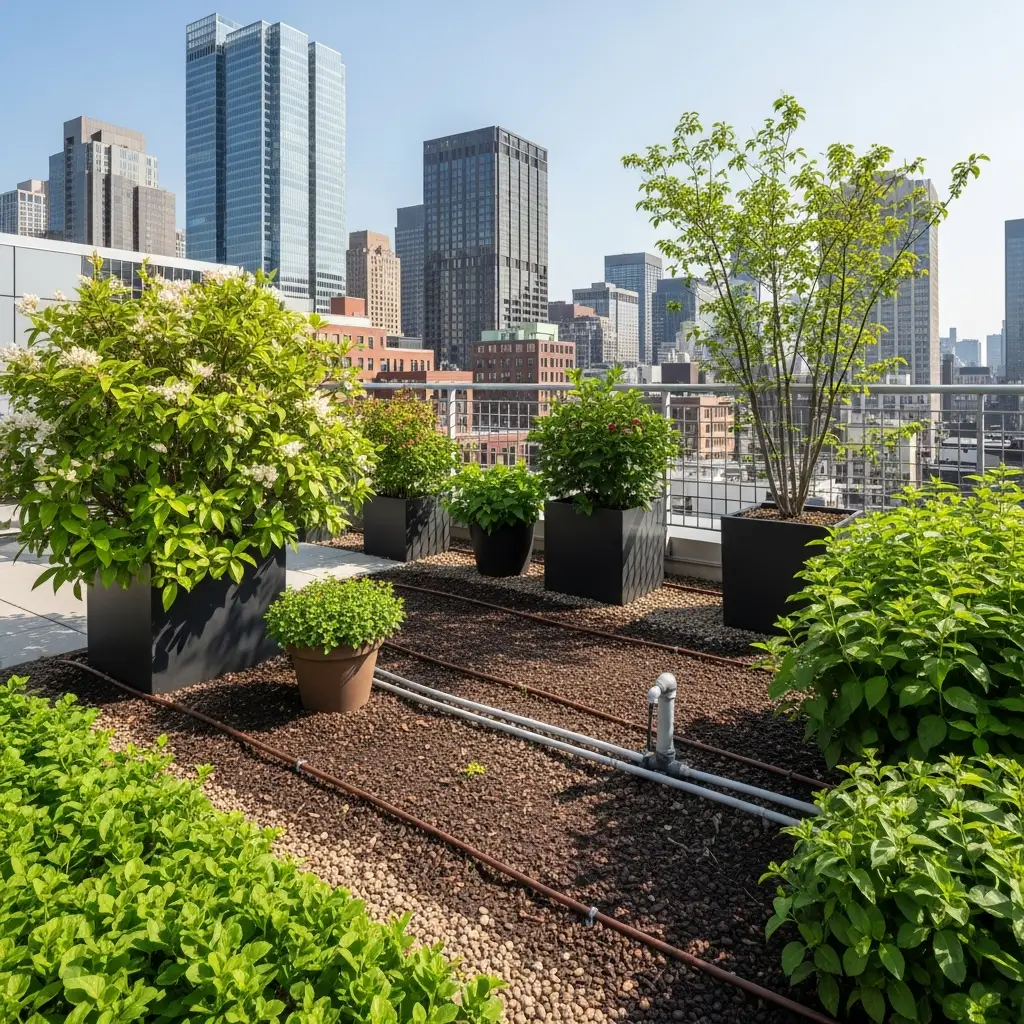
Drip irrigation provides efficient and targeted watering for rooftop plants.
7. Add Privacy with Screens or Trellises
Rooftops can sometimes lack privacy, especially in densely populated areas. Privacy screens and trellises are excellent solutions for creating a more secluded and intimate space. Choose screens made from durable materials like wood, metal, or composite. Trellises can be adorned with climbing plants for added privacy and beauty. Consider the height and placement of your privacy screens to maximize their effectiveness. Position them to block unwanted views from neighboring buildings. Privacy screens not only enhance privacy but also add visual interest and define different zones within your rooftop garden. Choose styles that complement your garden’s design and create a cohesive look.
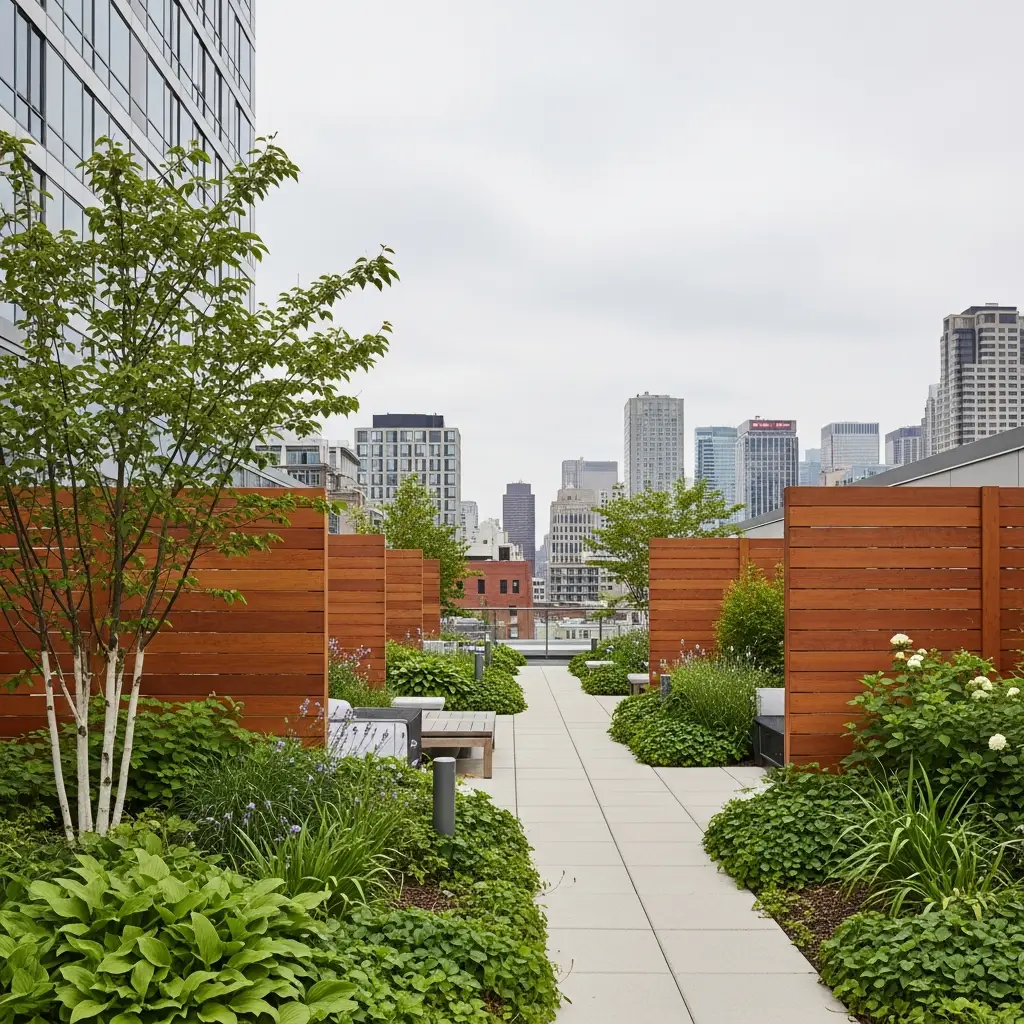
Privacy screens create a secluded and intimate rooftop oasis.
8. Incorporate Lighting for Evening Enjoyment
Lighting is essential for creating a welcoming and functional rooftop garden at night. String lights, lanterns, and spotlights can create a warm and inviting ambiance. Consider using solar-powered lights to save energy. Install pathway lighting to ensure safe navigation around your garden. Highlight focal points in your garden with spotlights, such as sculptures or specimen plants. Use uplighting to accentuate architectural features and create dramatic shadows. Experiment with different lighting techniques to create the desired mood and atmosphere. Proper lighting will transform your rooftop garden into a magical evening retreat.
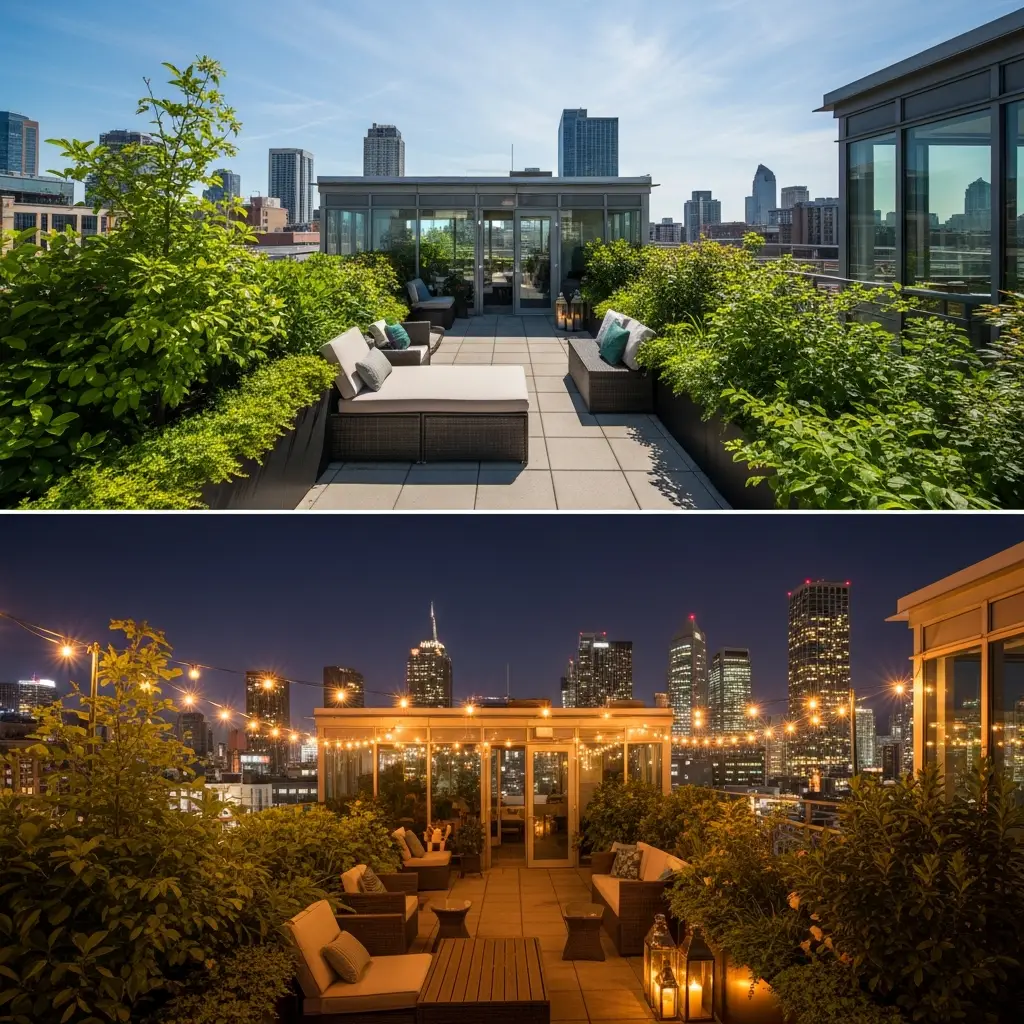
Strategic lighting enhances the ambiance and extends the usability of your rooftop.
9. Choose Plants Suitable for Rooftop Conditions
Rooftop gardens are exposed to harsh weather conditions, so choose plants that are drought-tolerant, wind-resistant, and can tolerate full sun. Succulents, grasses, and herbs are excellent choices. Consider the mature size of your plants and choose varieties that won’t outgrow their containers. Research the specific needs of each plant to ensure it thrives in your rooftop environment. Native plants are often a good choice because they are well-adapted to the local climate. Group plants with similar watering needs together to simplify irrigation. Regularly prune and fertilize your plants to keep them healthy and vibrant. With careful plant selection, you can create a thriving rooftop garden that blooms throughout the seasons.
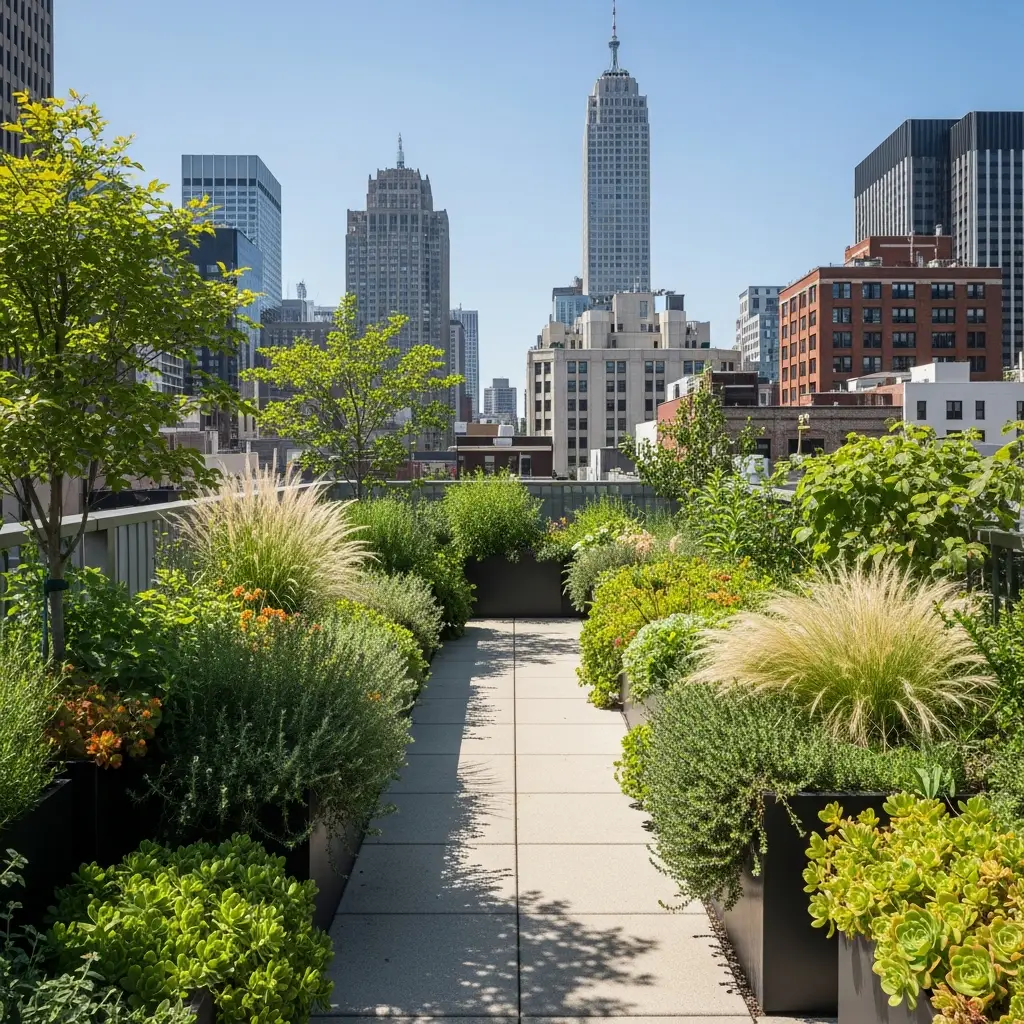
Selecting the right plants ensures a thriving rooftop garden despite harsh conditions.
10. Add a Water Feature for Tranquility
The sound of running water can create a sense of tranquility and relaxation in your rooftop garden. Consider adding a small fountain, a birdbath, or a pondless waterfall. Water features can also attract birds and other wildlife to your rooftop. Choose a water feature that complements your garden’s design and fits within your budget. Ensure your water feature is properly maintained to prevent algae growth and mosquito breeding. Regularly clean the water and add algaecide as needed. Consider installing a pump to circulate the water and prevent stagnation. A well-maintained water feature will add a touch of serenity to your rooftop oasis.
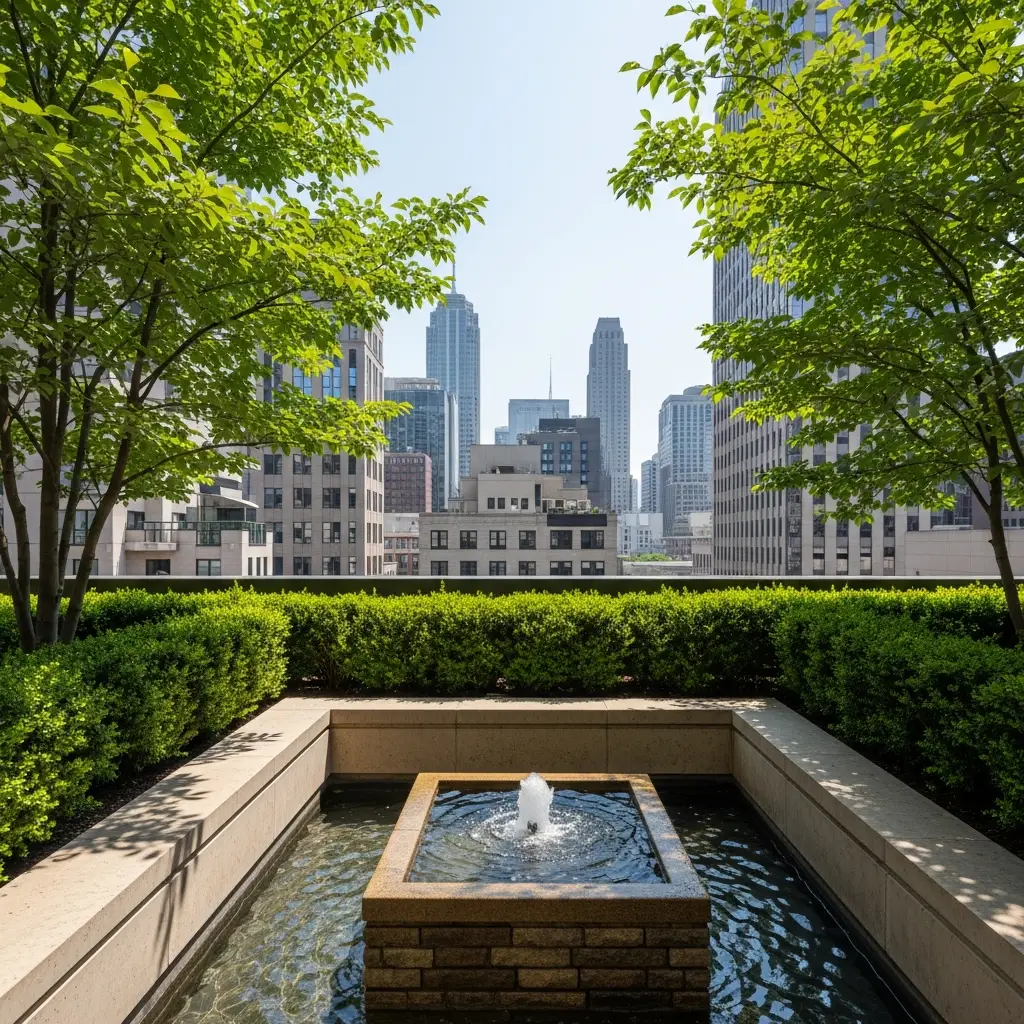
A water feature adds tranquility and attracts wildlife to your rooftop garden.
11. Create a Vertical Garden for Greenery
Vertical gardens are a great way to maximize space and add greenery to your rooftop. They can be created using a variety of materials, such as pallets, trellises, or specialized vertical planting systems. Choose plants that are well-suited to vertical growing, such as herbs, succulents, or climbing vines. Vertical gardens can be used to create living walls, privacy screens, or simply to add a touch of green to a barren wall. They can also help to insulate your building and reduce energy costs. Regularly water and fertilize your vertical garden to keep it healthy and thriving. A vertical garden is a stunning addition to any rooftop.
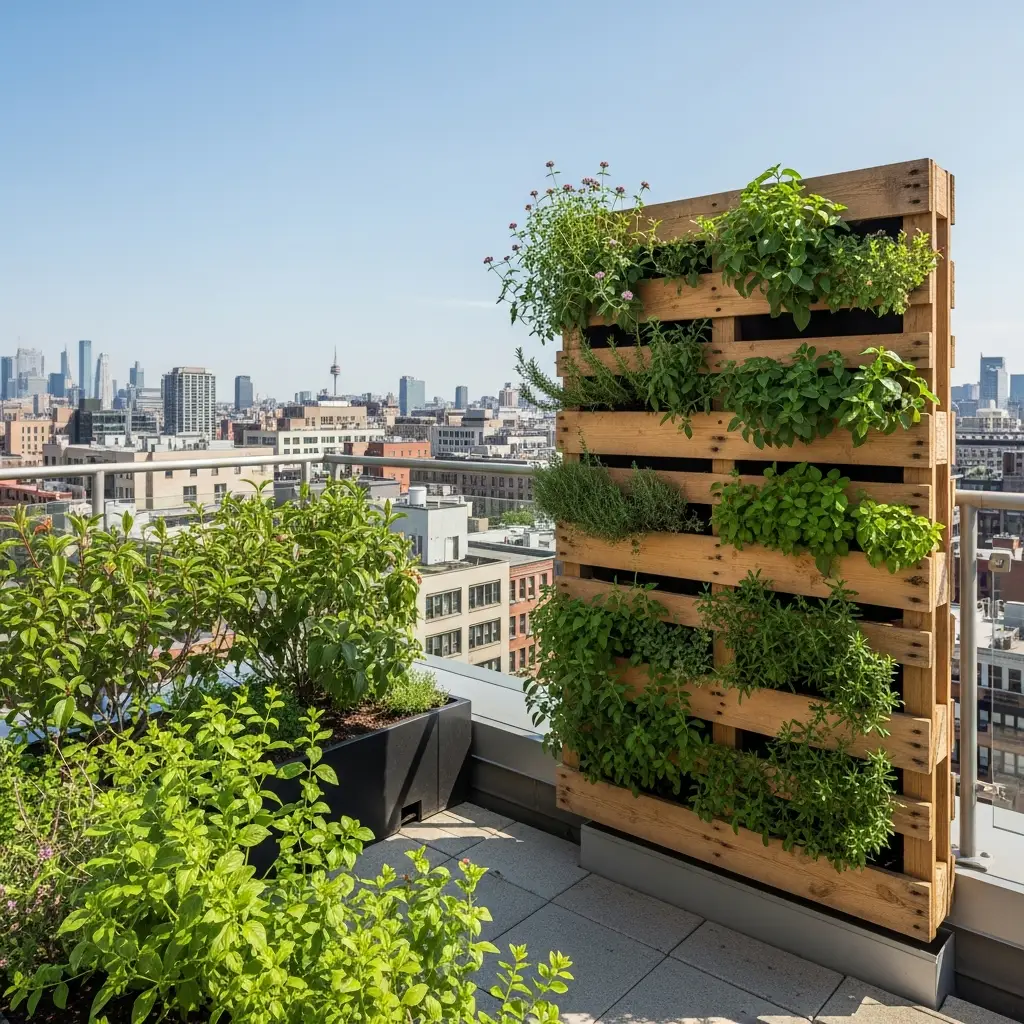
Vertical gardens maximize space and add a touch of green to rooftop walls.
12. Incorporate Edible Plants for Fresh Ingredients
Growing your own herbs, vegetables, and fruits on your rooftop is a rewarding experience. Choose plants that are well-suited to container gardening and rooftop conditions. Herbs like basil, mint, and rosemary are easy to grow in containers. Vegetables like tomatoes, peppers, and lettuce can also thrive on rooftops. Consider adding fruit trees in large containers, such as dwarf citrus trees or berry bushes. Provide your edible plants with plenty of sunlight, water, and fertilizer. Harvest your crops regularly to encourage continued production. Enjoy the fresh flavors of your own rooftop garden.
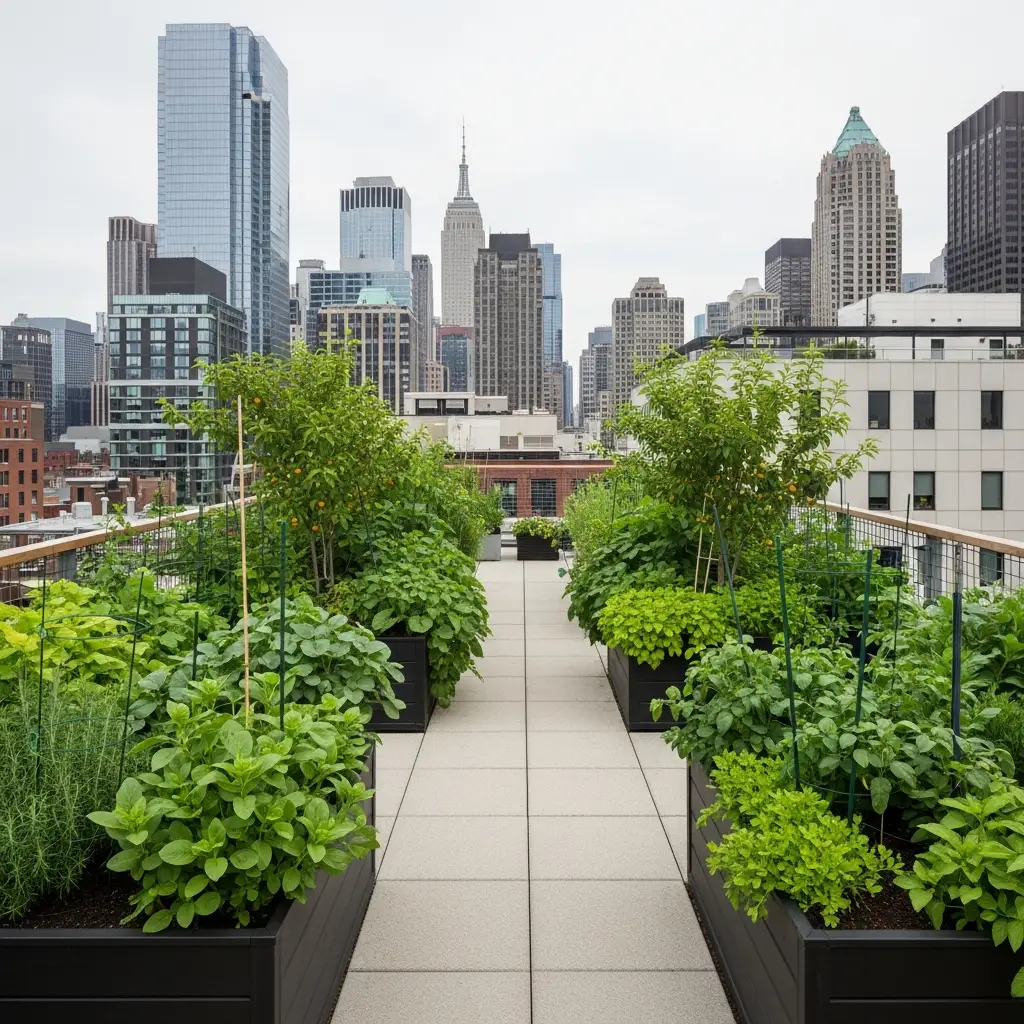
Edible plants provide fresh ingredients and a rewarding gardening experience.
13. Add a Fire Pit or Outdoor Fireplace
A fire pit or outdoor fireplace can create a cozy and inviting atmosphere on your rooftop. They provide warmth and ambiance on cool evenings, making your rooftop a year-round destination. Choose a fire pit or fireplace that is safe and compliant with local regulations. Consider the size and placement of your fire feature to ensure it doesn’t obstruct views or create a fire hazard. Provide adequate seating around the fire pit or fireplace for comfortable gatherings. Add firewood storage nearby for convenience. A fire pit or outdoor fireplace will transform your rooftop into a magical and inviting space.
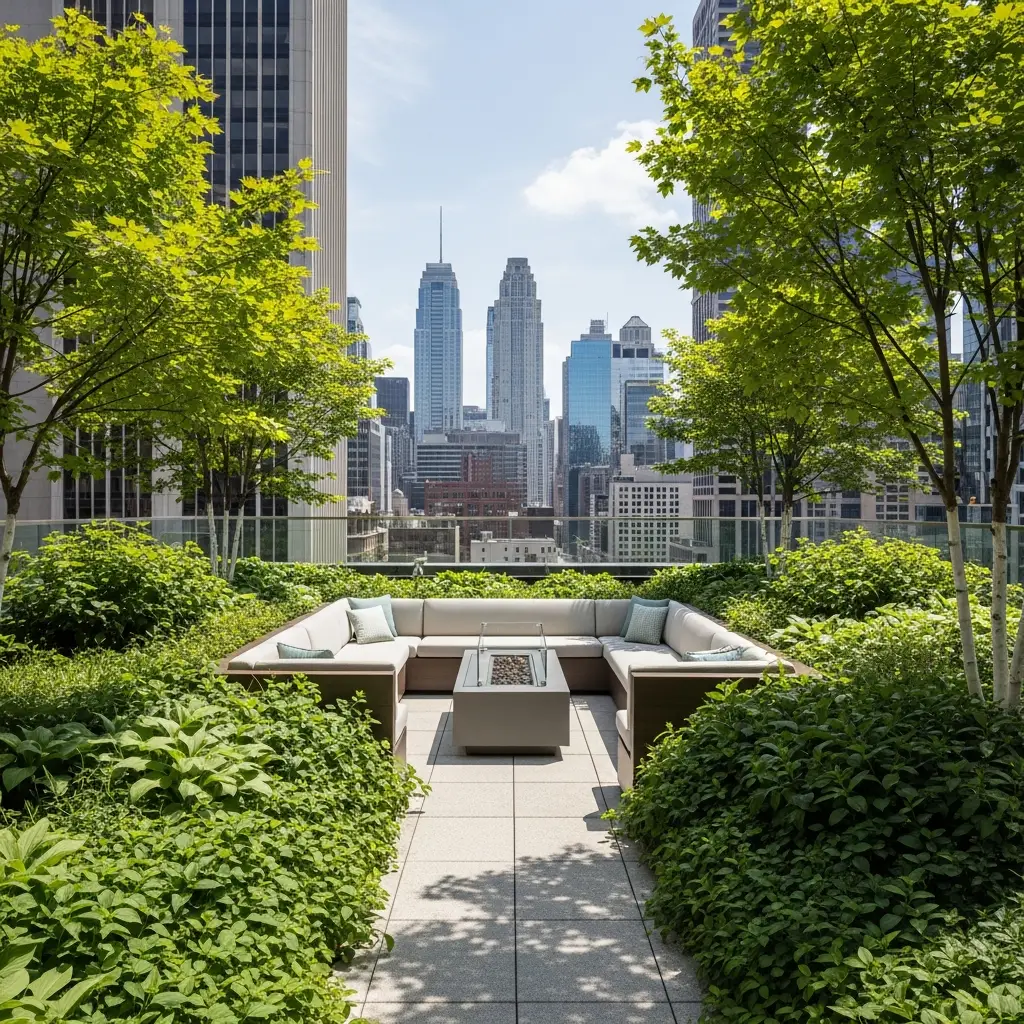
A fire pit adds warmth and ambiance to rooftop gatherings on cool evenings.
14. Create a Pet-Friendly Zone
If you have pets, consider creating a designated pet-friendly zone on your rooftop. Provide a grassy area for them to relieve themselves. Choose plants that are non-toxic to animals. Ensure there are shady spots for them to cool off during hot weather. Install a fence or railing to prevent them from falling off the roof. Provide them with fresh water and food. Consider adding a pet-friendly water feature, such as a small dog pool. A pet-friendly rooftop garden will provide a safe and enjoyable space for your furry friends.
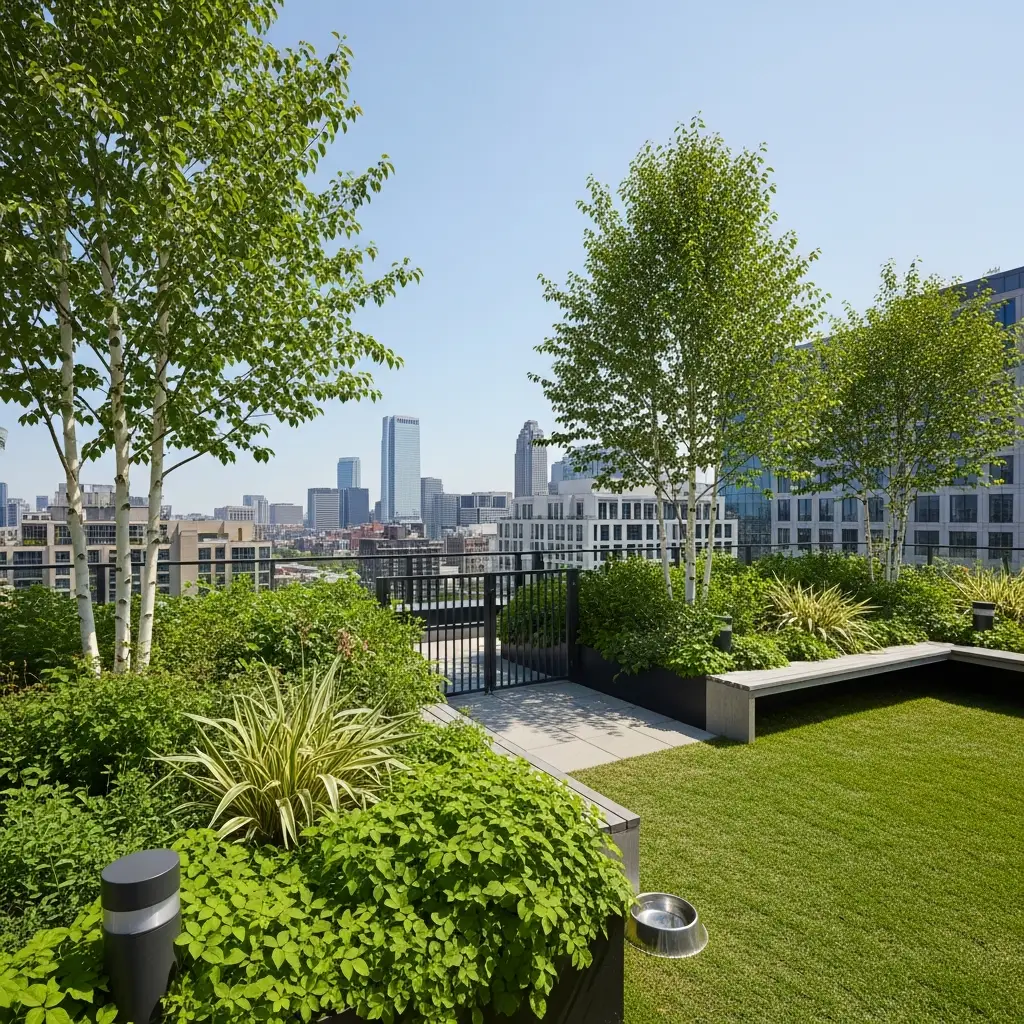
A pet-friendly zone ensures a safe and enjoyable space for furry companions.
15. Install an Outdoor Kitchen or Bar
An outdoor kitchen or bar can transform your rooftop into an entertainment hub. Consider adding a grill, a sink, a refrigerator, and a countertop for food preparation. Provide ample seating for guests. Install lighting for evening entertaining. Choose weather-resistant materials for your outdoor kitchen or bar. Consider adding a pergola or awning to provide shade. An outdoor kitchen or bar will make your rooftop the ultimate destination for outdoor gatherings.
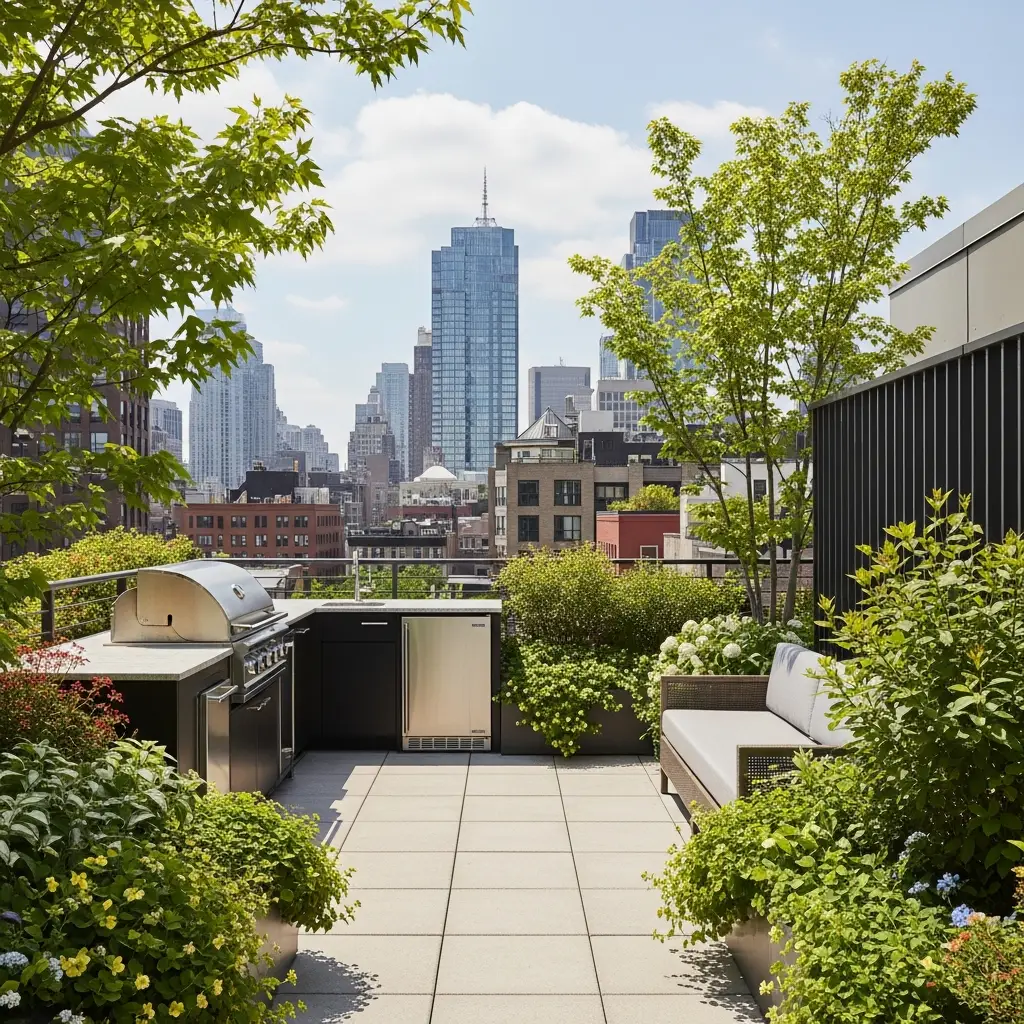
An outdoor kitchen transforms your rooftop into an entertainment hub.
16. Add a Hammock or Swing for Relaxation
A hammock or swing is the perfect addition to a rooftop garden for relaxation. Choose a comfortable hammock or swing that can withstand the elements. Hang it from a sturdy structure, such as a pergola or a tree. Provide shade with an umbrella or awning. Add cushions and pillows for extra comfort. A hammock or swing will provide a peaceful retreat on your rooftop.
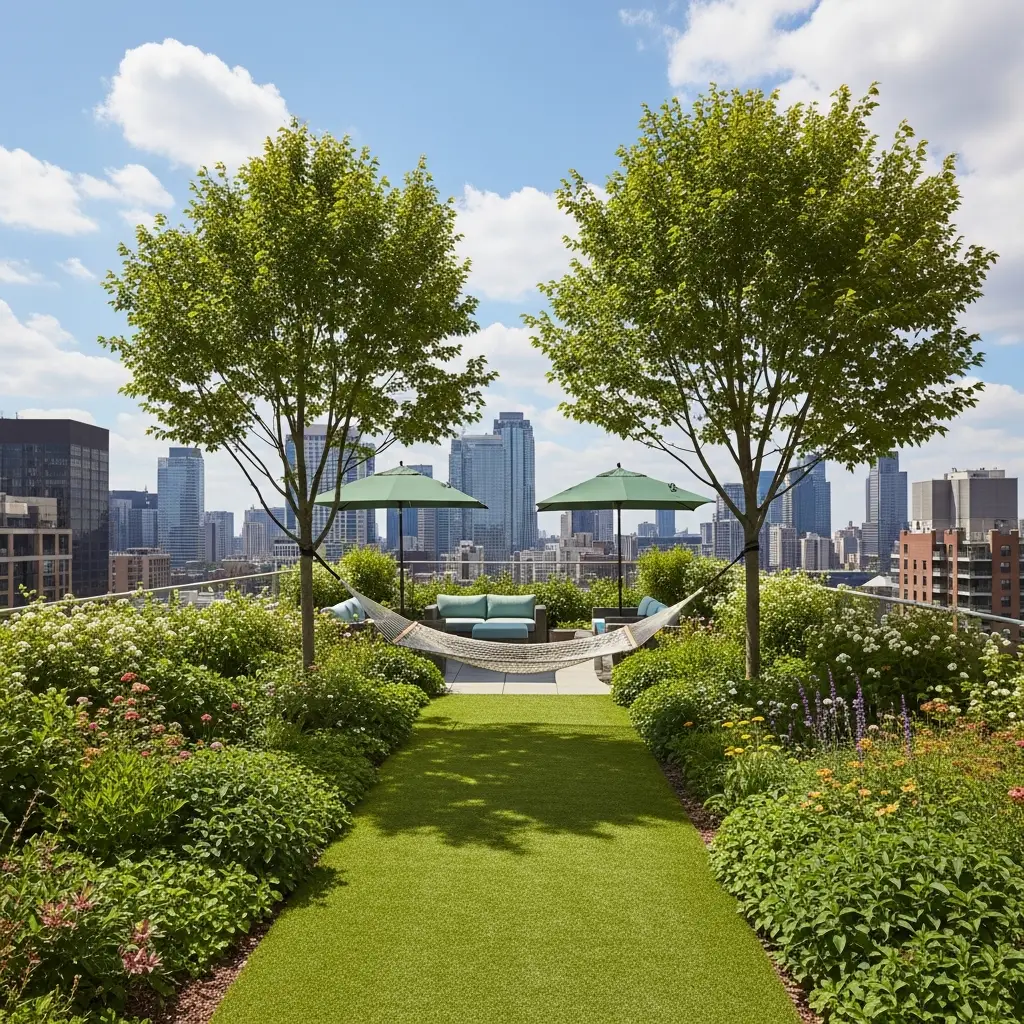
A hammock provides a peaceful retreat for relaxation on your rooftop.
17. Incorporate Art and Sculpture
Art and sculpture can add personality and visual interest to your rooftop garden. Choose pieces that complement your garden’s design and reflect your personal style. Consider the scale of the artwork and its placement within the garden. Choose weather-resistant materials for outdoor art. Secure sculptures to prevent them from blowing over in strong winds. Art and sculpture will transform your rooftop into a unique and inspiring space.

Art and sculpture add personality and visual interest to your rooftop garden.
18. Create a Meditation or Yoga Space
A rooftop garden can be the perfect place for meditation or yoga. Create a peaceful and secluded space with comfortable seating or a yoga mat. Add plants that promote relaxation, such as lavender or chamomile. Provide shade with an umbrella or awning. The tranquility of a rooftop garden can enhance your meditation or yoga practice.
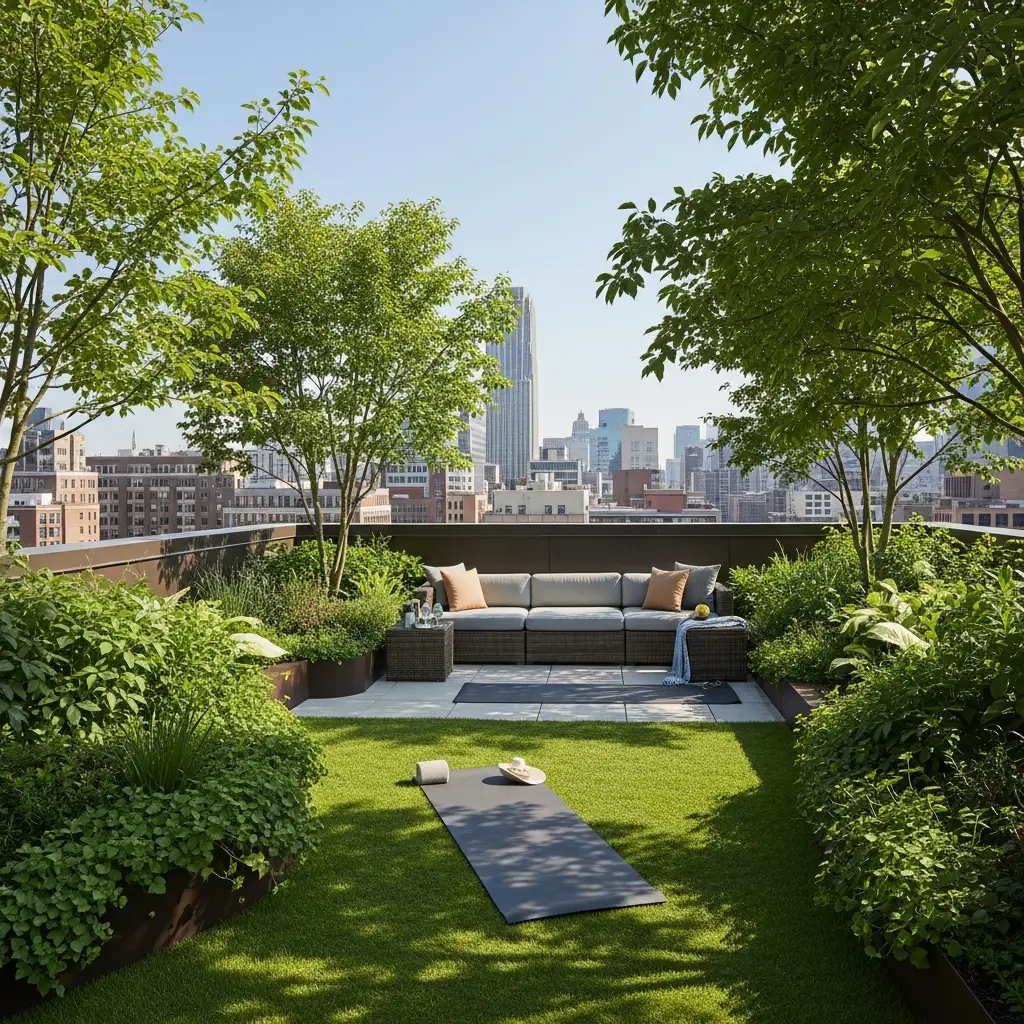
A rooftop garden provides a tranquil space for meditation and yoga practice.
19. Install a Windbreak
Rooftops can be windy, so installing a windbreak is essential for protecting your plants and furniture. A windbreak can be a fence, a hedge, or a screen. Choose a windbreak that is tall enough to provide adequate protection but doesn’t block your views. Consider the prevailing wind direction when positioning your windbreak. A windbreak will create a more comfortable and protected environment on your rooftop.
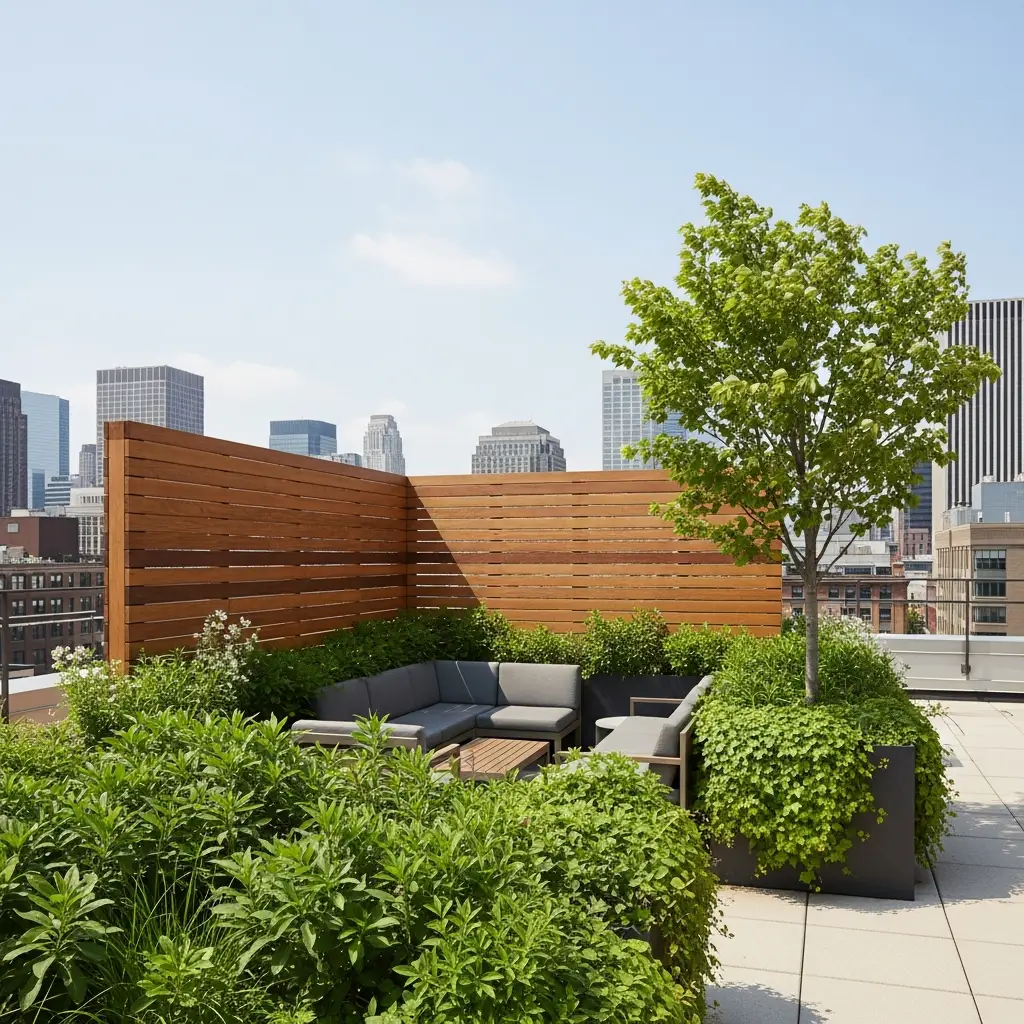
A windbreak protects plants and furniture from strong rooftop winds.
20. Consider the Weight Load
Before you start planning your rooftop garden, it’s crucial to consider the weight load of your roof. Consult with a structural engineer to determine the maximum weight your roof can support. Factor in the weight of the soil, plants, containers, furniture, and any other features you plan to add. Choose lightweight materials whenever possible. Distribute the weight evenly across the roof. Avoid placing heavy items in one concentrated area. Ignoring weight load can lead to serious structural damage.
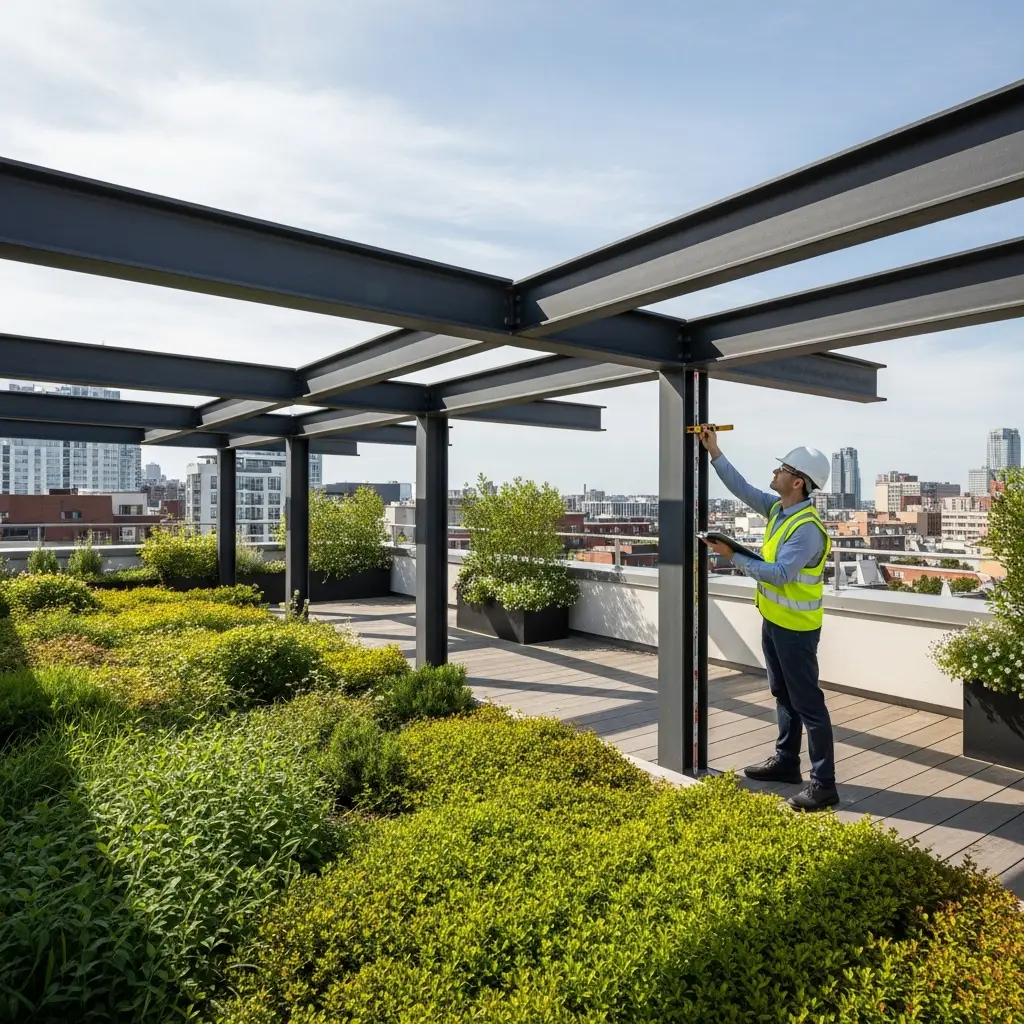
Consulting with an engineer ensures your rooftop can support the garden’s weight.
21. Obtain Necessary Permits
Before starting any construction on your rooftop, it’s essential to obtain the necessary permits from your local building department. Regulations vary depending on your location and the scope of your project. Failure to obtain permits can result in fines and delays. Research the specific requirements in your area and submit your plans for approval. A permit ensures your rooftop garden complies with safety and zoning regulations.
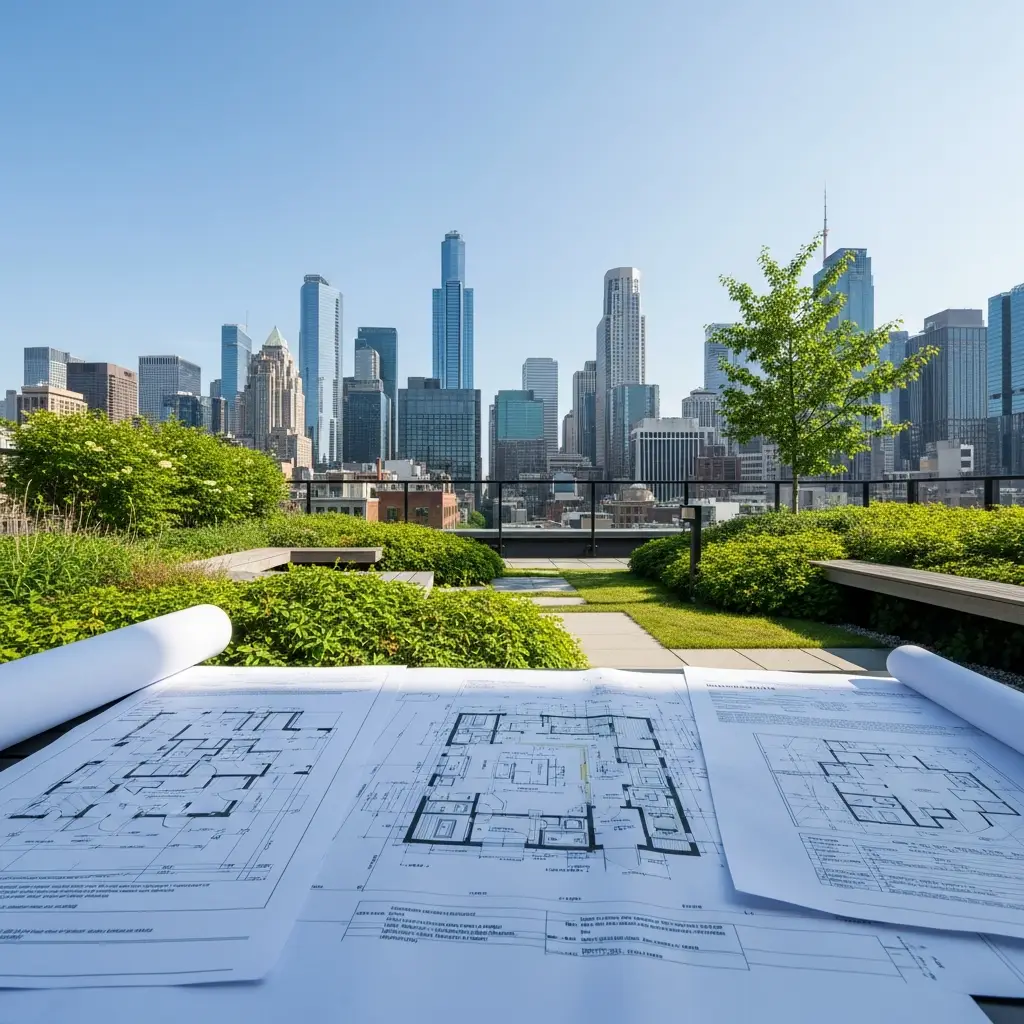
Obtaining necessary permits ensures compliance with local regulations.
22. Create a Storage Solution
Rooftop gardens require tools and supplies, so it’s important to create a storage solution. Consider adding a storage shed, a deck box, or built-in storage benches. Choose weather-resistant materials for your storage solution. Organize your tools and supplies to keep your rooftop garden tidy. A storage solution will help you maintain your rooftop garden with ease.
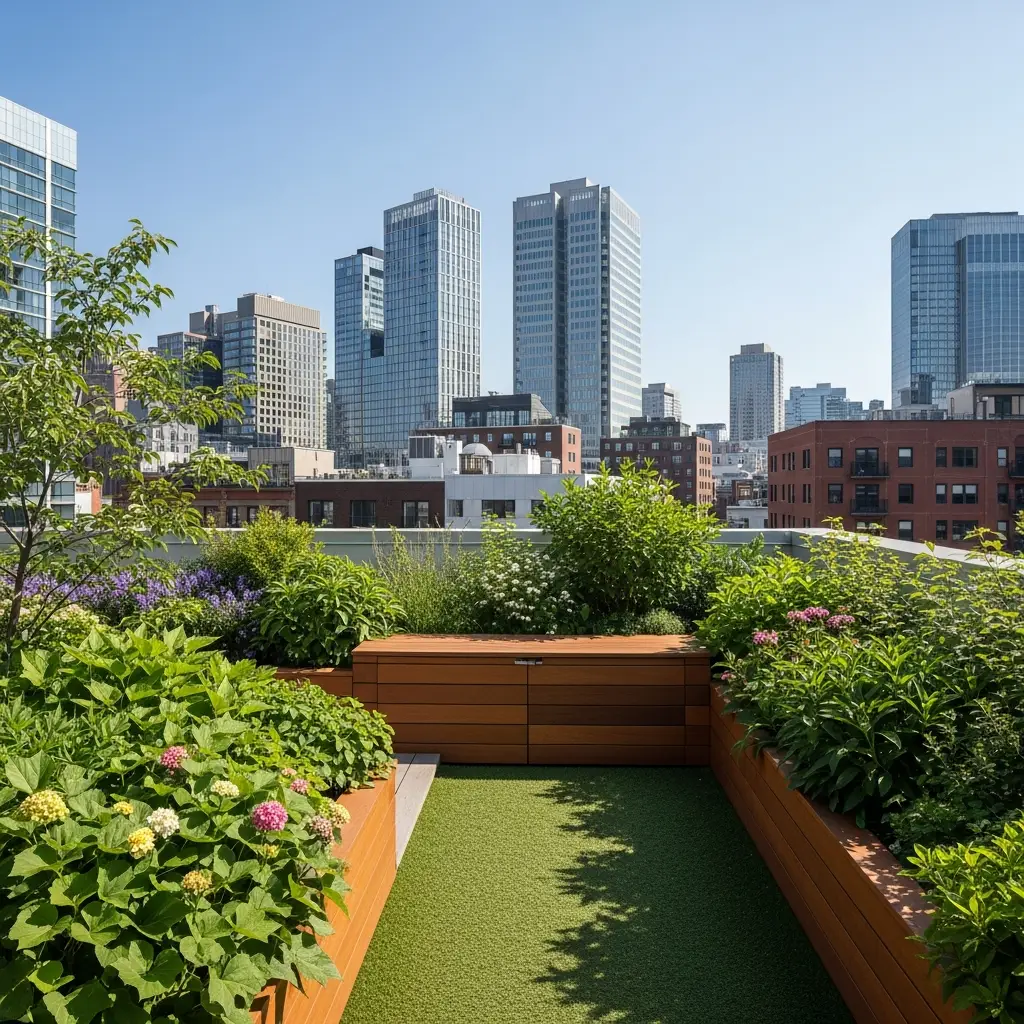
A storage solution keeps your rooftop garden organized and tidy.
23. Consider Wind Direction
Wind direction plays a crucial role in rooftop garden design. Prevailing winds can damage plants, blow away furniture, and make the space uncomfortable. Analyze the wind patterns on your rooftop and plan accordingly. Use windbreaks to shield plants and create sheltered areas. Secure furniture to prevent it from blowing away. Choose plants that are wind-resistant. Understanding wind direction is essential for creating a successful rooftop garden.
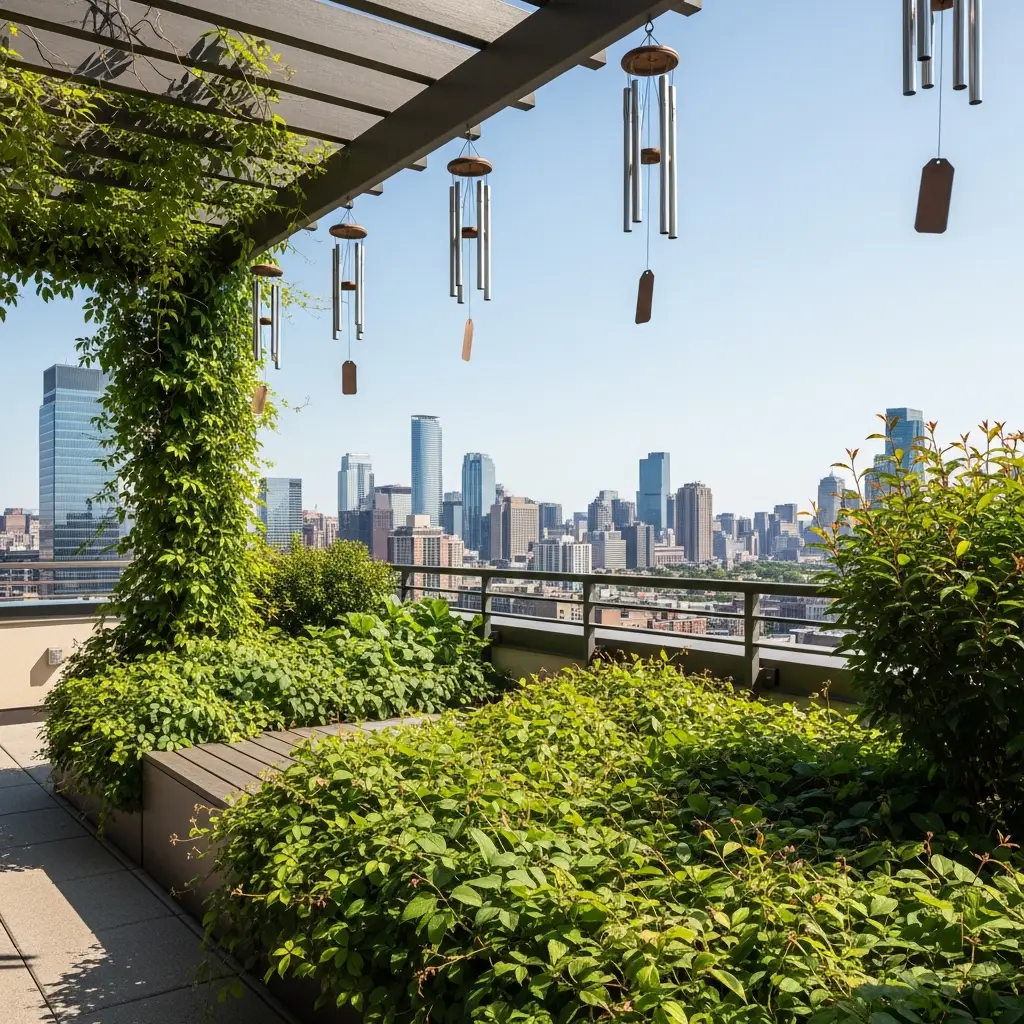
Understanding wind direction is crucial for rooftop garden design.
24. Designate a Composting Area
Composting is a sustainable way to recycle organic waste and create nutrient-rich soil for your rooftop garden. Designate a composting area and choose a composting system that suits your needs. Consider a tumbler composter or a worm composting bin. Compost food scraps, yard waste, and other organic materials. Use the compost to fertilize your plants. Composting will reduce waste and improve the health of your rooftop garden.
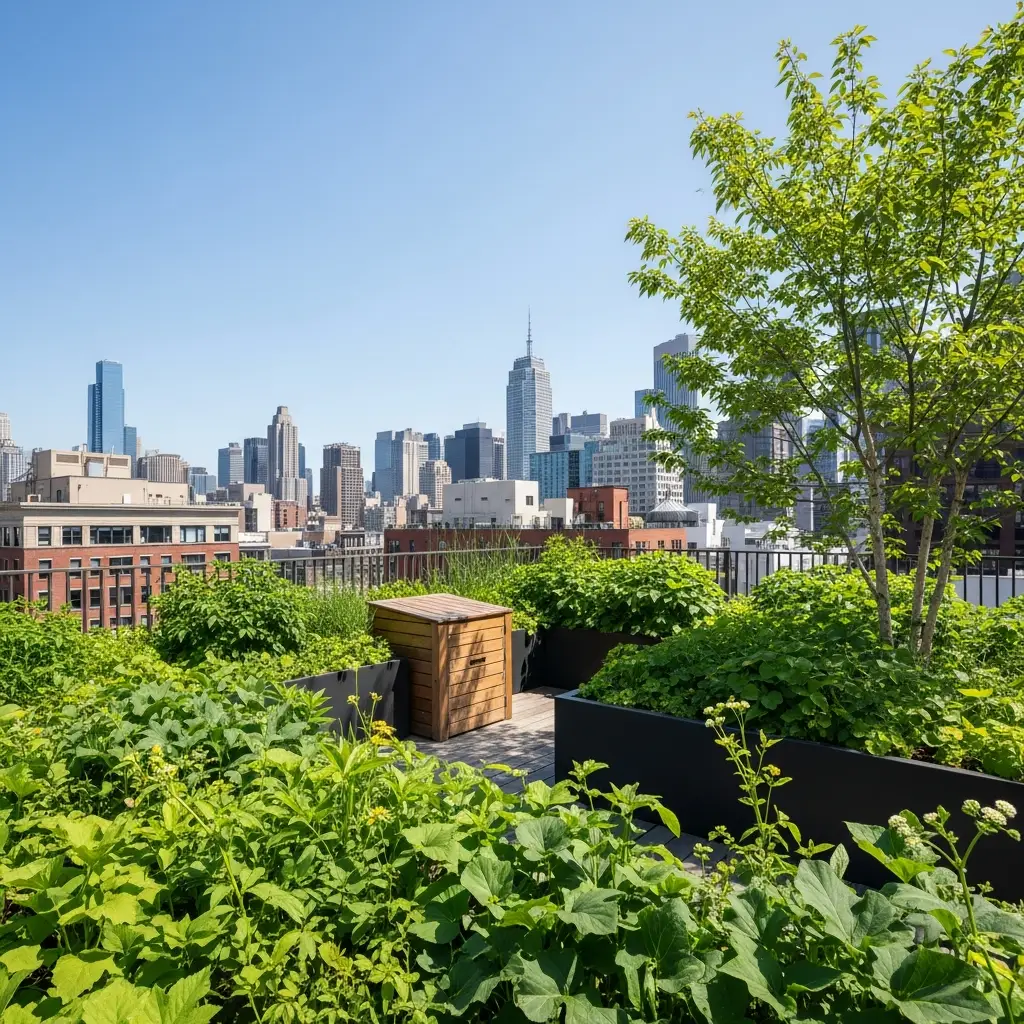
Composting recycles waste and creates nutrient-rich soil for your rooftop plants.
25. Install a Security System
A rooftop garden can be vulnerable to theft and vandalism, so it’s important to install a security system. Consider adding security cameras, motion sensors, and an alarm system. A security system will deter intruders and protect your investment. Ensure your security system is properly installed and maintained. Regularly check the cameras and sensors to ensure they are functioning properly. A security system will provide peace of mind and protect your rooftop garden.
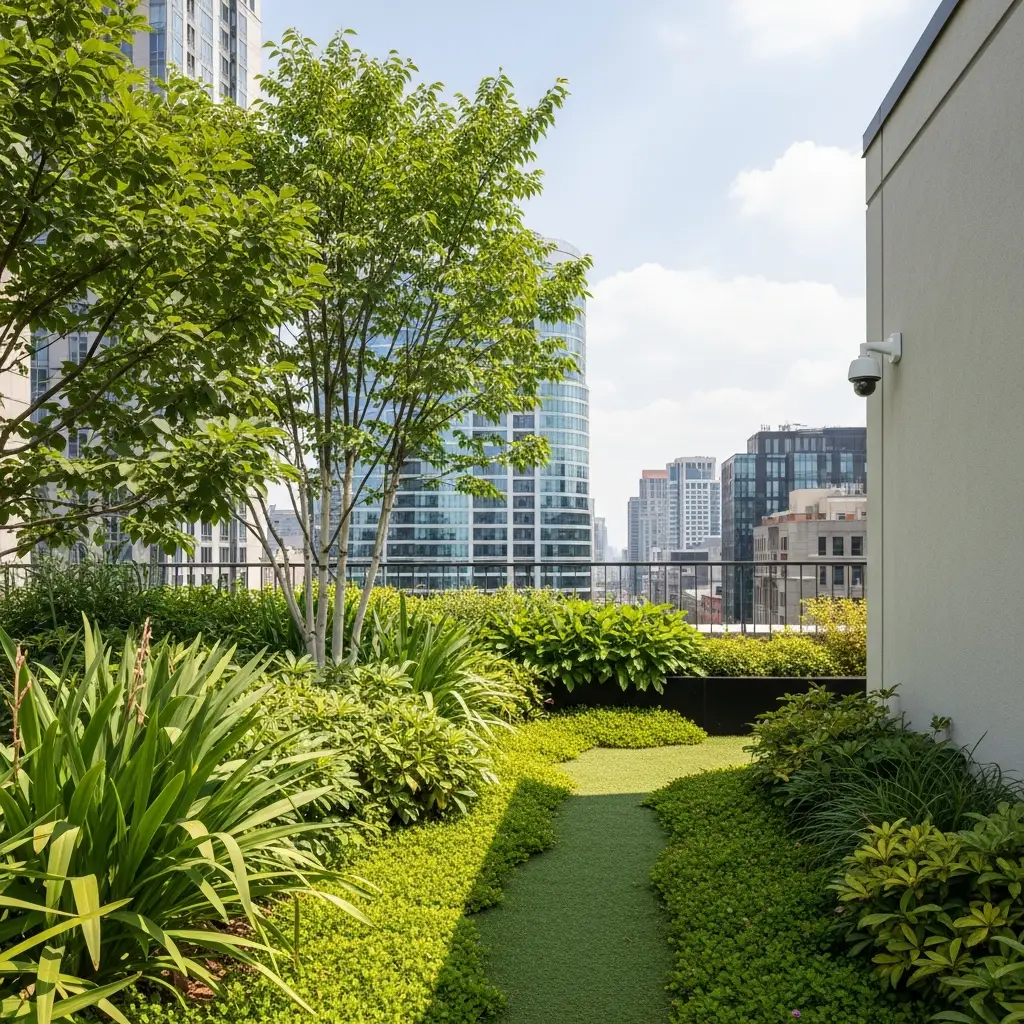
A security system deters intruders and protects your rooftop investment.
26. Add a Bird Feeder and Bird Bath
Attract birds to your rooftop garden by adding a bird feeder and bird bath. Choose a bird feeder that is easy to fill and clean. Place the bird feeder in a location that is protected from the wind and predators. Provide fresh water in the bird bath and clean it regularly. Birds will add life and beauty to your rooftop garden.
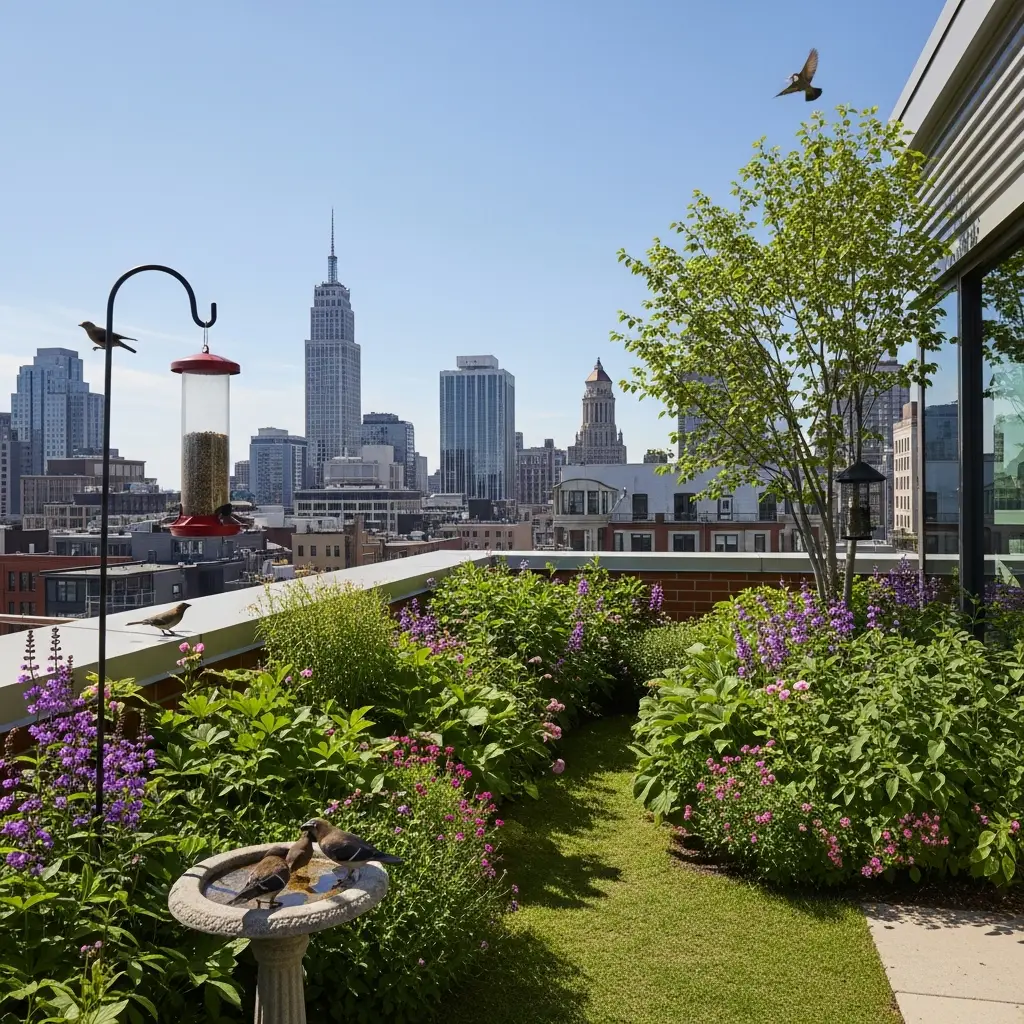
A bird feeder and bird bath attract birds and add life to your rooftop.
27. Enjoy the View!
The best part of having a rooftop garden is enjoying the view! Design your space to maximize the views of the city skyline or surrounding landscape. Create comfortable seating areas that face the view. Add binoculars for closer observation. A rooftop garden with a stunning view is a true urban oasis.

Maximize the view to create a true urban oasis on your rooftop.
Conclusion
Transforming your rooftop into a thriving garden is an investment in your well-being and your property’s value. By implementing these 27 zone planning ideas, you can create a stunning urban sanctuary that provides relaxation, entertainment, and a connection to nature. Remember to prioritize safety, sustainability, and personal style to create a rooftop garden that you’ll enjoy for years to come. So, gather your inspiration, plan your zones, and get ready to elevate your outdoor living experience to new heights!
