
Contractor’s Bottom Line
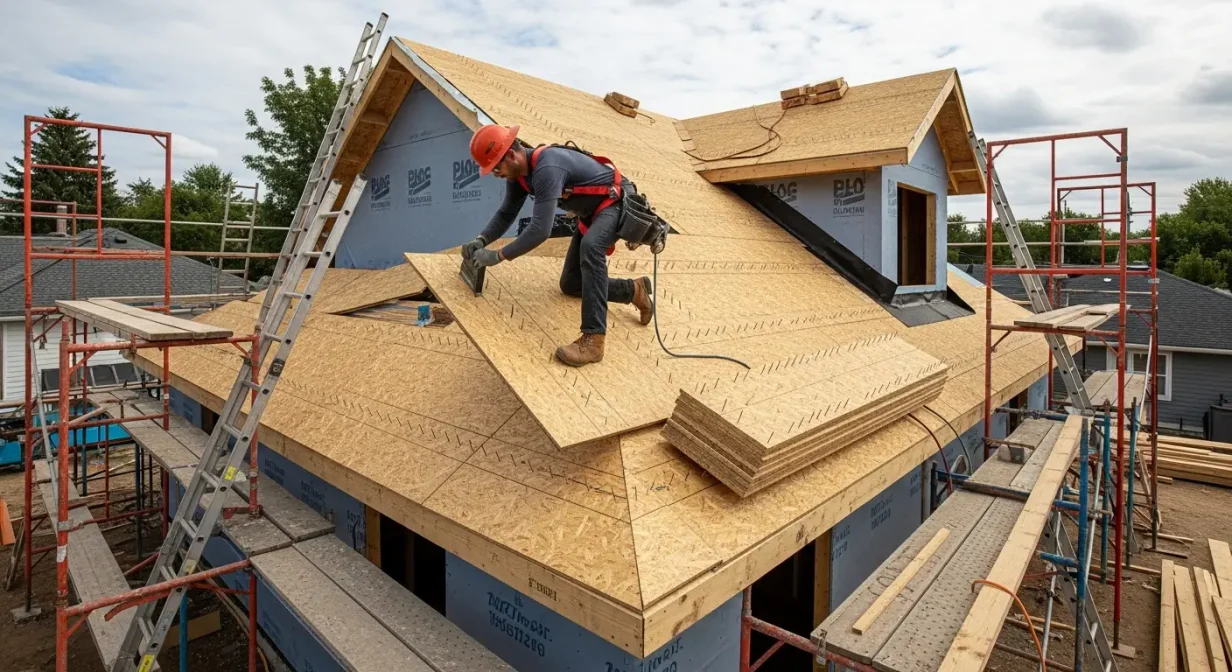
Proper roof decking nail patterns are critical for structural integrity and code compliance, specifically IRC R803.2.1. Incorrect nailing can lead to roof failure and costly repairs. Using the correct nail spacing, typically 6 inches on edges and 12 inches in the field, is crucial. Always consult local building codes and NRCA guidelines. Ignoring these details can result in inspection failures and potential safety hazards. In Dallas, extreme weather conditions demand adherence to best practices for long-term roof performance.
Key Takeaways
- Adhering to the correct roof decking nail pattern ensures structural integrity and prevents roof failure.
- IRC R803.2.1 specifies minimum requirements for roof sheathing attachment, which vary based on decking material and thickness.
- Incorrect nailing can lead to costly repairs, inspection failures, and potential safety hazards, especially in Dallas's extreme weather conditions.
Proper roof decking installation is paramount to the overall integrity and longevity of any roofing system. The 'roof decking nail pattern' is a critical element often overlooked, yet it directly impacts the roof's ability to withstand wind, snow, and other environmental stressors. Understanding the appropriate nailing pattern is essential for both DIY enthusiasts and professional contractors to ensure code compliance and prevent future issues. In the Dallas-Fort Worth area, fluctuating temperatures and occasional severe weather make proper installation even more critical.
The International Residential Code (IRC) provides minimum standards, but following the NRCA's best practices can provide added protection. Field Note: Last year, I inspected a roof in Plano where the contractor had used the wrong nail spacing. The decking was already showing signs of warping, and the homeowner faced a $3,000 repair bill.
IRC Code Requirements for Roof Decking Nail Patterns
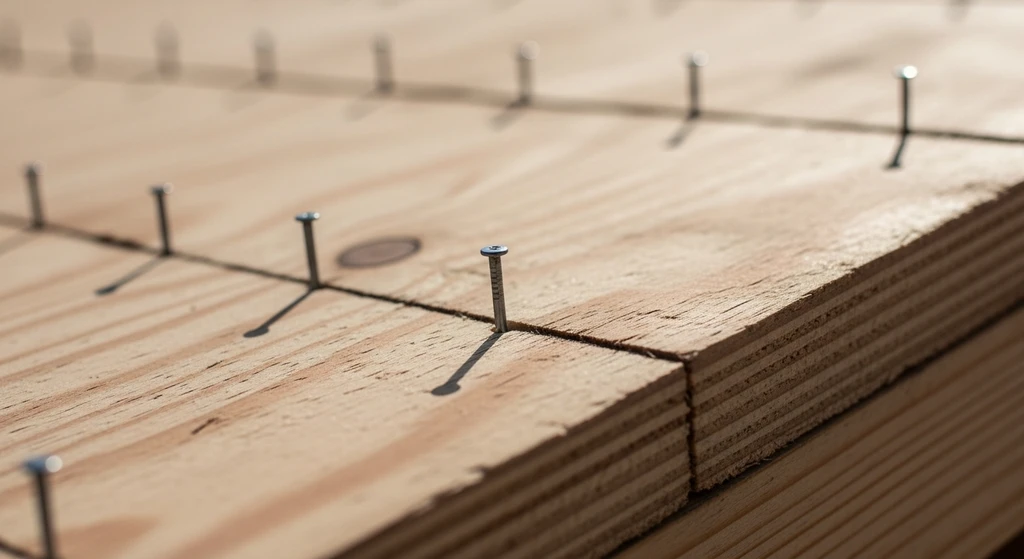
The International Residential Code (IRC) sets the minimum standards for roof decking installation. IRC R803.2.1 specifically addresses sheathing requirements, outlining acceptable materials, thicknesses, and fastening schedules. It mandates that roof sheathing be fastened with approved fasteners driven into supporting members. The code also specifies nail spacing based on the type of sheathing material, such as CDX plywood or oriented strand board (OSB).
Compliance with IRC 2021 is essential to pass inspections and ensure the structural integrity of the roof. In the Dallas area, local amendments may exist, so it's crucial to verify with the city's building department. The IRC also references ASTM International standards for material properties. Failure to adhere to these codes can result in red-tagging and costly rework.
Always check local amendments to the IRC, as some municipalities may have stricter requirements.
Field Note from Experience
During an inspection in Frisco, I encountered a roof where the nail pattern deviated significantly from IRC R803.2.1. The inspector flagged it, and the contractor had to redo the entire decking, costing them $2,500 in labor and materials.
Selecting the Right Fasteners for Roof Decking
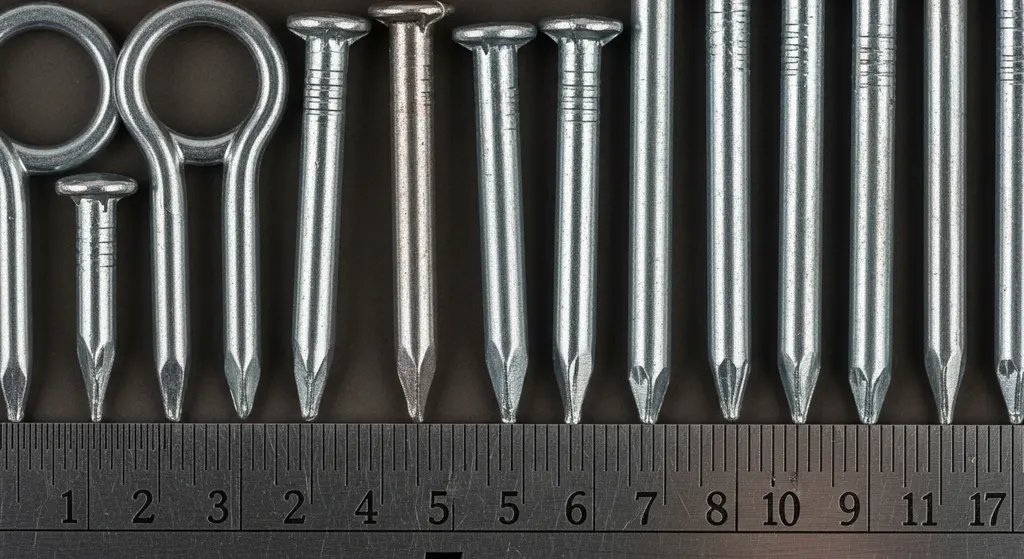
Choosing the appropriate fasteners is as important as the nailing pattern itself. The IRC specifies acceptable fasteners, but the NRCA provides more detailed recommendations. Common fasteners include 8d (2 1/2 inch) and 10d (3 inch) nails, depending on the sheathing thickness. Ring-shank nails are often preferred for their superior holding power, especially in high-wind areas like North Texas.
The type of fastener must also be compatible with the decking material. For example, using incorrect fasteners with Advantech can compromise its performance. Always consult the manufacturer's specifications for recommended fasteners and installation guidelines. Using galvanized or stainless steel fasteners is recommended to prevent corrosion, especially when using treated lumber.
ASTM D1761 provides testing methods for mechanical fasteners in wood.
| Fastener Type | Material | Common Size | Application |
|---|---|---|---|
| 8d Nail | Steel, Galvanized | 2 1/2 inch | Plywood, OSB |
| 10d Nail | Steel, Galvanized | 3 inch | Thicker Plywood |
| Ring-Shank Nail | Steel, Galvanized | 2 1/2 – 3 inch | High-Wind Areas |
Quality Control: Inspecting Your Nail Pattern
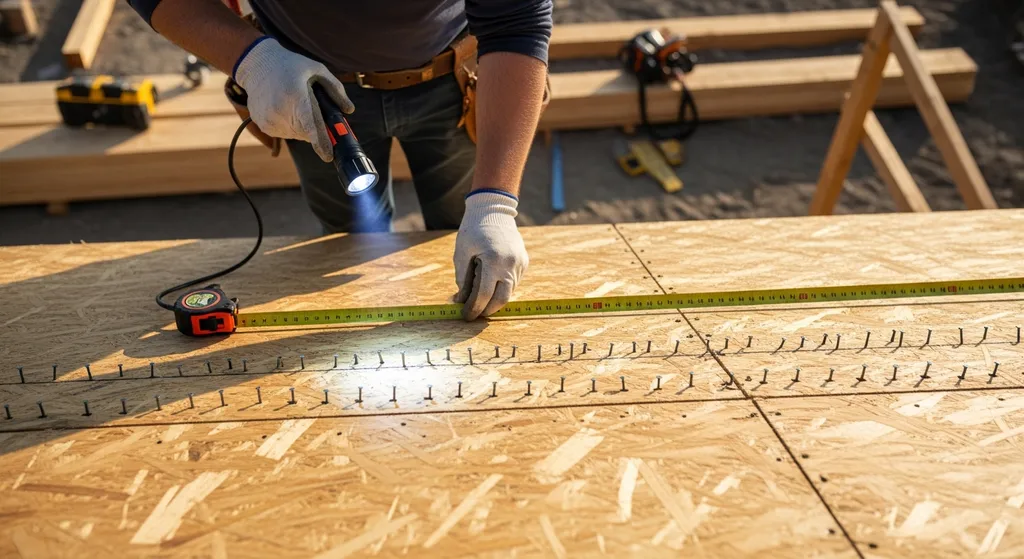
After installation, a thorough quality control inspection is crucial to ensure proper nail placement and penetration. Visually inspect each nail to confirm it is driven straight and flush with the sheathing surface. Check for any signs of overdriving, which can damage the decking material and reduce holding power. A moisture meter can be used to verify that the decking material is within acceptable moisture content levels before installation.
Spot checks should be conducted to confirm consistent nail spacing throughout the roof. Any discrepancies should be corrected immediately. Proper documentation, including photos and measurements, is essential for warranty purposes and future reference. The NRCA recommends regular inspections, especially after severe weather events, to identify and address any potential issues early on.
Field Note from Experience
I was hired to inspect a newly installed roof in McKinney. I found several areas where the nails were overdriven, compromising the structural integrity. The homeowner was able to leverage my report to get the contractor to redo the work correctly.
Common Mistakes to Avoid When Nailing Roof Decking
Several common errors can compromise the effectiveness of the roof decking nail pattern. Overdriving nails is a frequent mistake, as it crushes the wood fibers and reduces holding power. Underdriving nails, leaving the nail head protruding, is another common issue that can damage roofing materials and create leak paths. Incorrect spacing, failing to adhere to the specified pattern, can weaken the overall structure.
Using the wrong type or size of nail can also lead to problems. Always consult the manufacturer's specifications and local building codes to ensure compliance. Rushing the installation process often leads to errors, so taking the time to do it right is essential. Avoid nailing too close to the edges of the sheathing, as this can cause splitting and reduce holding power.
These issues can lead to a roof failure during a high wind event, common in the Dallas area.
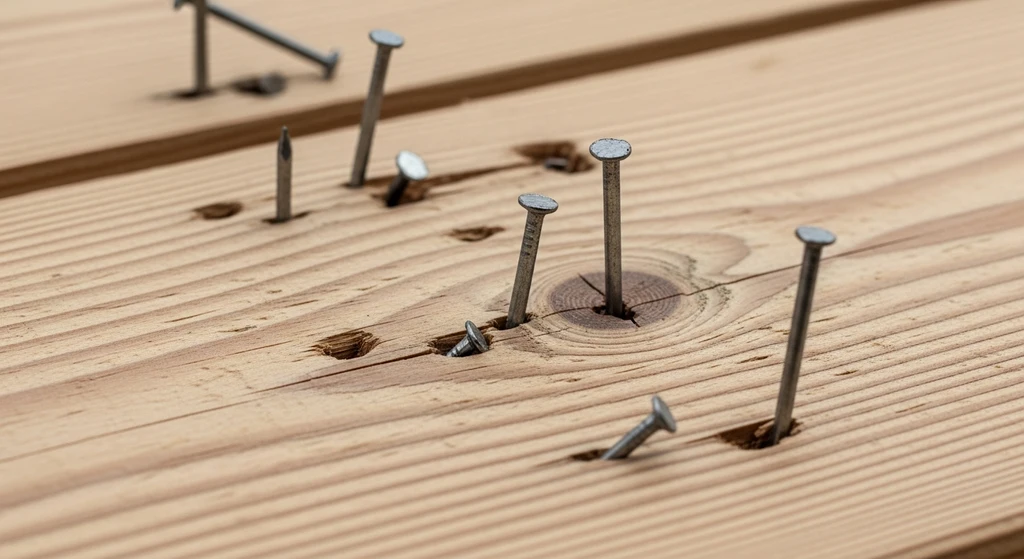
Overdriven Nails
Typical Cost: $500-$1000
Prevention: Use nail gun with depth control
Insurance Coverage: Not typically covered
Code Reference: IRC R803.2.1
Underdriven Nails
Typical Cost: $300-$700
Prevention: Ensure proper nail gun settings
Insurance Coverage: Not typically covered
Code Reference: IRC R803.2.1
Incorrect Spacing
Typical Cost: $1000-$3000
Prevention: Follow specified nail pattern
Insurance Coverage: Not typically covered
Code Reference: IRC R803.2.1
OSHA Safety Guidelines for Roof Decking Installation
Roofing work presents inherent safety risks, and adhering to Occupational Safety and Health Administration (OSHA) guidelines is crucial. Fall protection is paramount, requiring the use of harnesses, lifelines, and guardrails when working at heights. Eye protection, such as safety glasses, is essential to prevent debris from entering the eyes. Hard hats should always be worn to protect against falling objects.
Proper training is necessary to safely operate power tools, such as pneumatic nailers. Ensure all equipment is in good working order and used according to the manufacturer's instructions. Be aware of potential electrical hazards, especially when working near power lines. Always maintain a clean and organized work area to prevent slips and trips.
In Texas, the heat can be a major factor, so stay hydrated and take frequent breaks.
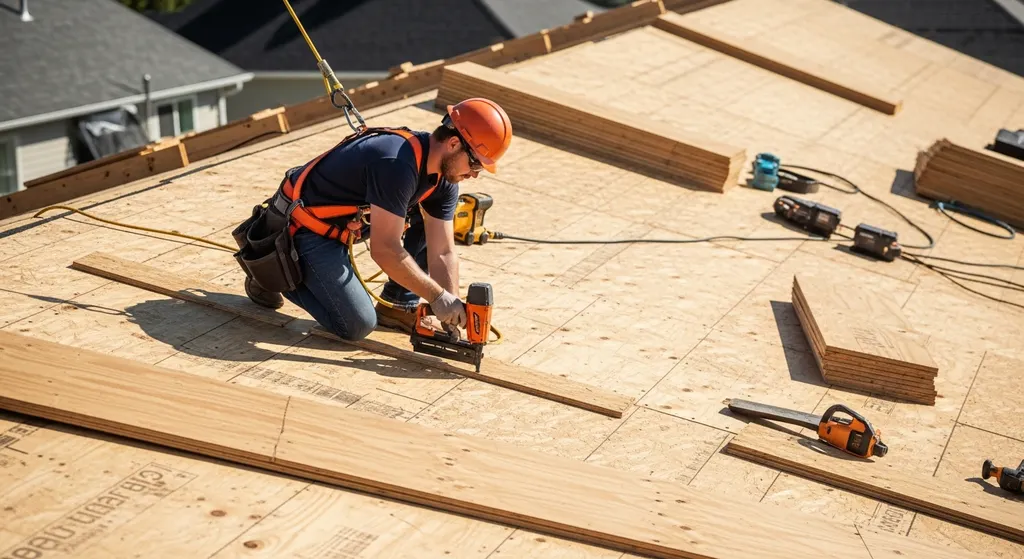
Contractor not using fall protection
Consequence: Severe injury or death, OSHA fines
Damaged or faulty equipment
Consequence: Increased risk of accidents
Lack of proper training
Consequence: Increased risk of errors and accidents
Essential Tools for Installing Roof Decking
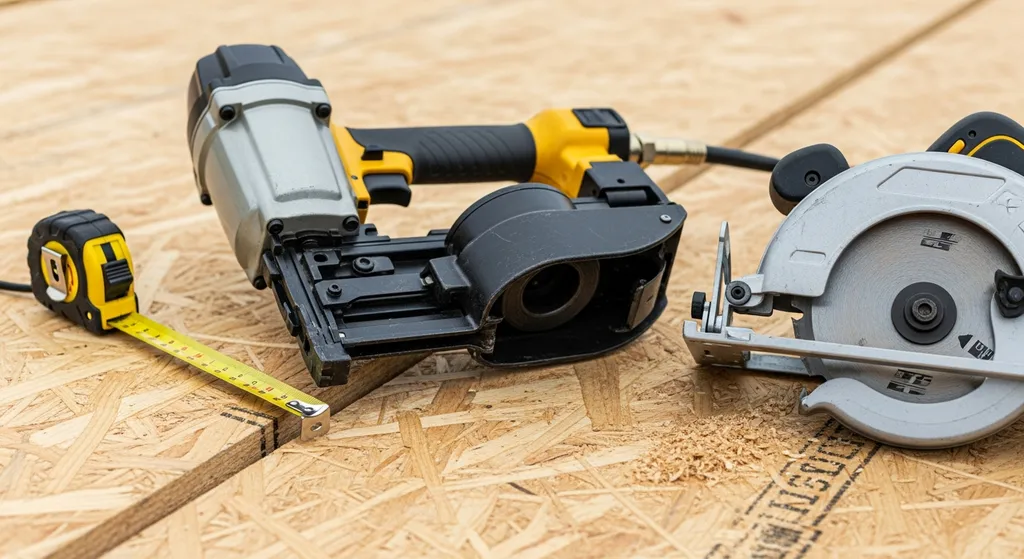
Installing roof decking efficiently and accurately requires the right tools. A pneumatic nailer is essential for driving nails quickly and consistently. A measuring tape and chalk line are needed to establish accurate nail patterns. A circular saw or reciprocating saw is used for cutting sheathing to size.
A hammer and nail set are useful for setting any nails that are not driven flush. A moisture meter can help determine the moisture content of the sheathing, ensuring it is within acceptable levels before installation. Safety glasses, gloves, and a hard hat are crucial for personal protection. Scaffolding or ladders are needed to access the roof safely.
Always use high-quality tools to ensure accurate and reliable results. These tools will help ensure a professional and safe installation, complying with NRCA standards.
External Authoritative Resources
These industry-standard references support the information in this guide:
Building Codes
International Residential Code (IRC 2021)
Official building code for residential construction
ICC Code Adoption Map
Find which IRC version your state uses
Industry Standards
NRCA Roofing Manual
National Roofing Contractors Association best practices
ASTM International Standards
Material testing standards (ASTM D3043, D1761)
Manufacturer Resources
Frequently Asked Questions
What is the correct nail spacing for roof decking?
Generally, nails should be spaced 6 inches apart along the edges of the sheathing and 12 inches apart in the field, according to IRC R803.2.1. Always verify local code requirements.
What type of nails should I use for roof decking?
8d or 10d nails are commonly used, with ring-shank nails preferred for their superior holding power, especially in high-wind areas. Consider ASTM D1761 standards for fastener strength.
What happens if I use the wrong nail pattern?
Incorrect nail patterns can weaken the roof structure, leading to potential failure during high winds or heavy snow loads. This can also result in inspection failures and costly repairs.
How can I ensure proper nail penetration?
Use a pneumatic nailer with adjustable depth settings to control nail penetration. Visually inspect each nail to ensure it is driven flush with the sheathing surface.
Is it okay to overdrive nails into roof decking?
No, overdriving nails can crush the wood fibers and reduce holding power. Adjust the nail gun settings to prevent overdriving and ensure proper nail placement.
Where can I find the NRCA guidelines for roof decking installation?
The NRCA Roofing Manual provides comprehensive guidelines and best practices for roof decking installation, exceeding the minimum requirements of the IRC.
Final Thoughts
Proper roof decking nail patterns are essential for the structural integrity and longevity of any roofing system. Adhering to IRC codes and NRCA best practices ensures a safe and durable roof that can withstand the elements, particularly in the challenging climate of the Dallas-Fort Worth area. Neglecting these details can lead to costly repairs, safety hazards, and potential roof failure. Remember to always prioritize safety, use the right tools and materials, and thoroughly inspect the installation.
Field Note: I once had to advise a homeowner in Dallas after they hired a contractor who skipped the proper nailing pattern. The roof failed after a hailstorm, costing them over $10,000 in repairs. Don't let this happen to you – ensure your roof is installed correctly from the start. Contact a qualified roofing contractor for professional installation and peace of mind.
