
Contractor’s Bottom Line
Roof decking brackets, often overlooked, are critical for structural integrity, especially when joining non-tongue-and-groove decking like OSB or CDX plywood. Proper installation, adhering to IRC R803.2.1 and manufacturer specifications, is non-negotiable to ensure adequate shear strength and prevent deflection. In Dallas, where extreme weather events are common, these connections are vital for wind uplift resistance, a key concern for the National Roofing Contractors Association (NRCA). Always verify fastener specifications per ASTM D1761 and ensure all work meets local Dallas-Fort Worth building codes, preventing costly structural failures and potential insurance claim denials down the line.
Key Takeaways
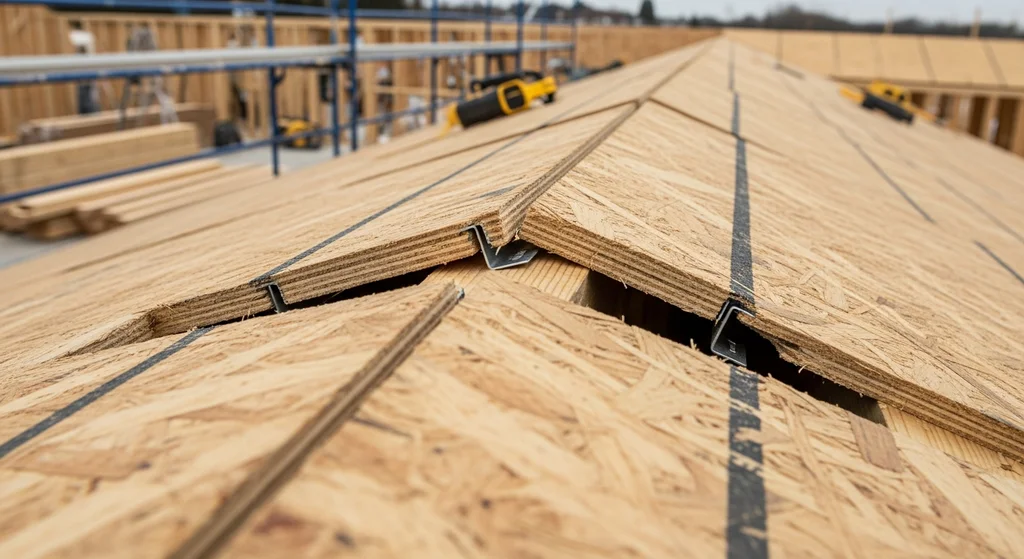
- Roof decking brackets, or H-clips, are required by IRC R803.2.1 for unsupported panel edges greater than 1/8-inch thickness, typically for 15/32-inch OSB or CDX plywood.
- Correct spacing and fastener specification, guided by NRCA best practices and ASTM D1761, are crucial for achieving proper shear strength and wind uplift resistance, particularly in North Texas.
- In Dallas, thermal expansion and contraction can stress decking connections; using appropriate brackets and synthetic underlayment can mitigate issues, preventing premature failure of asphalt shingles or architectural shingles.
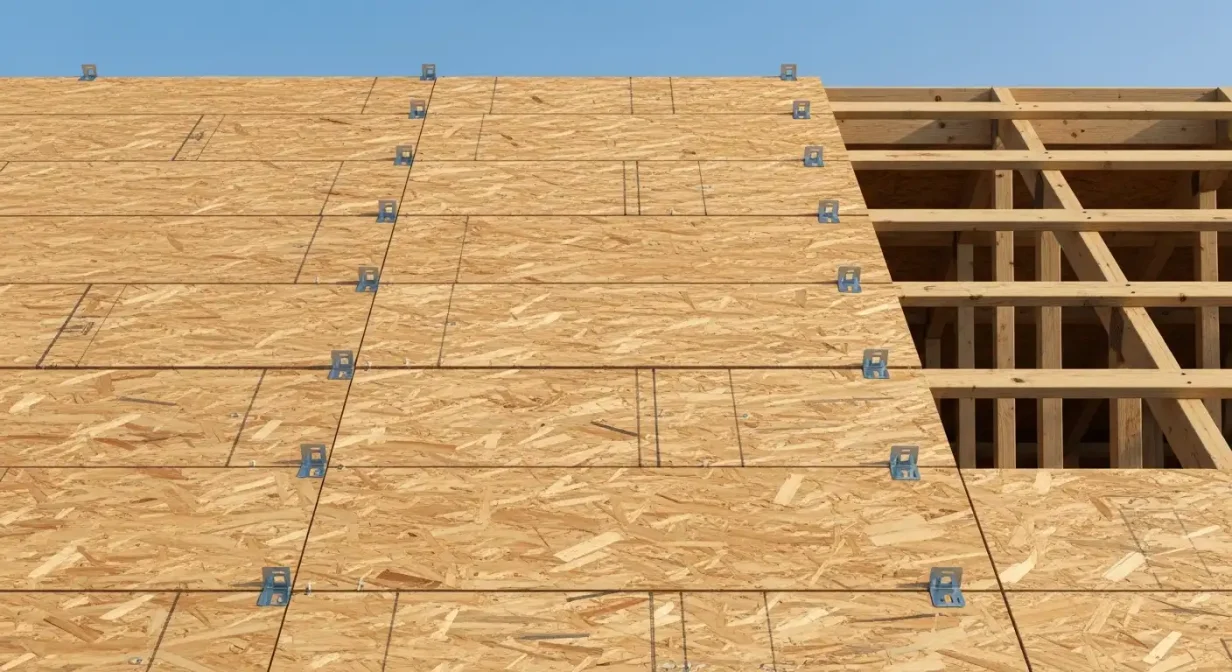
As a construction consultant with over eight years of experience in Dallas, I've seen firsthand how critical every component of your roof system is – even the small ones. Roof decking brackets, often called H-clips, might seem minor, but they play a significant role in the structural integrity of your roof, especially for residential construction. These brackets are designed to provide edge support for roof sheathing panels, ensuring a stable platform for your chosen roofing material, be it asphalt shingles or a more specialized system. Understanding their proper application is not just about good building practice; it's about adhering to strict code requirements set by the International Code Council (ICC) and safeguarding your investment in the unique climate of the DFW Metroplex.
FIELD NOTE: Last month, a Dallas homeowner in Plano called me after noticing significant sagging between their roof rafters. Upon inspection, I found that the previous contractor had either omitted H-clips entirely or installed them incorrectly on 1/2-inch OSB panels. This oversight compromised the decking's structural integrity, leading to a potential repair cost of over $15,000 to replace sections of the roof sheathing and re-install architectural shingles correctly.
Understanding IRC Requirements for Roof Decking Brackets
The use of roof decking brackets is not merely a recommendation; it's a code requirement under the International Residential Code (IRC). Specifically, IRC R803.2.1 mandates edge support for roof sheathing panels. This typically applies to oriented strand board (OSB) or CDX plywood panels that are 15/32-inch thick or greater, where the panel edges are not continuously supported by framing or tongue-and-groove connections. These brackets ensure that adjacent sheathing panels remain co-planar, preventing differential movement and providing enhanced shear strength for the overall roof diaphragm.
Failing to comply with these provisions can lead to structural deficiencies, making the roof susceptible to damage from wind uplift, a common concern in the Dallas-Fort Worth area. The National Roofing Contractors Association (NRCA) also emphasizes adherence to these structural guidelines for long-term roof performance. Local amendments in Dallas County often reinforce these IRC standards, sometimes even requiring stricter adherence or specific types of fasteners. Always check with the local building department in North Texas to confirm any specific requirements beyond the base IRC 2021.
This due diligence ensures your roofing project will pass inspection and provide lasting protection, whether you're installing 3-tab shingles or a more robust system.
Material Specifications for Brackets and Decking
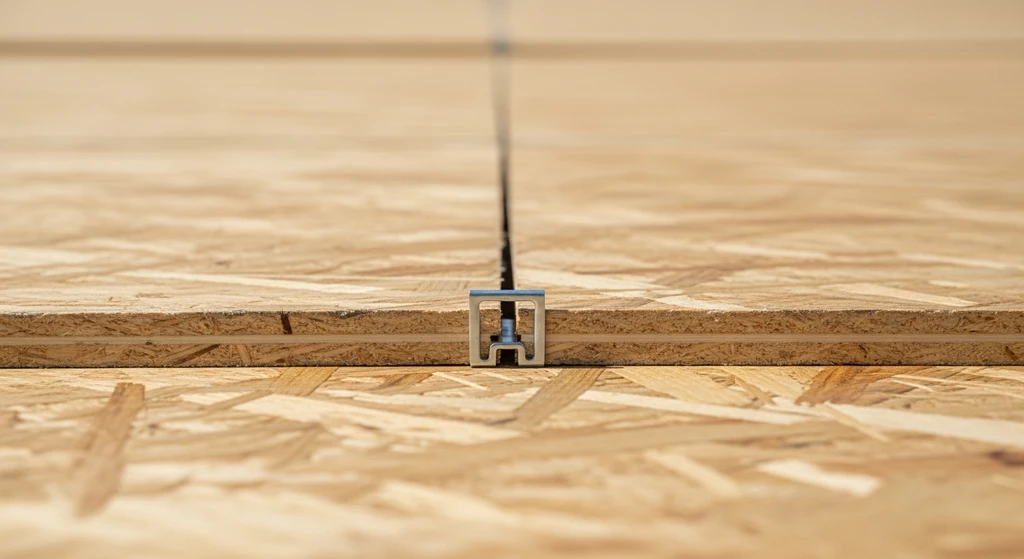
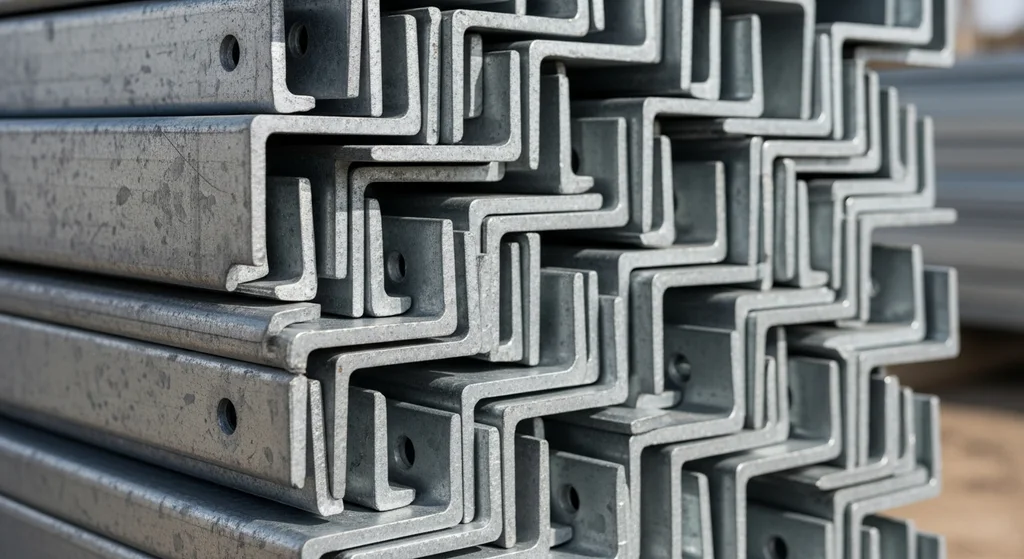
Roof decking brackets are typically made from galvanized steel, offering corrosion resistance critical for long-term outdoor exposure. The gauge of the steel is important, as it dictates the bracket's strength and ability to resist deformation. For the decking itself, common materials include CDX plywood and oriented strand board (OSB), with thicknesses like 15/32-inch being standard for residential applications. When selecting brackets, ensure they are compatible with your decking material and thickness.
For example, a bracket designed for 1/2-inch OSB might differ slightly from one for 5/8-inch CDX plywood. ASTM International standards, such as ASTM D3043 for asphalt shingles, rely on a stable substrate, making the decking and its connections paramount. Premium options like Advantech subflooring can also be used for roofing, offering superior moisture resistance and strength, which can be beneficial in the humid North Texas climate. The performance of your roofing system, from the synthetic underlayment to the architectural shingles, directly depends on the stability of the decking below.
Verify that your brackets meet or exceed specifications for shear strength and uplift resistance, especially given the potential for severe weather events in the Dallas-Fort Worth area.
Step-by-Step Installation of Roof Decking Brackets
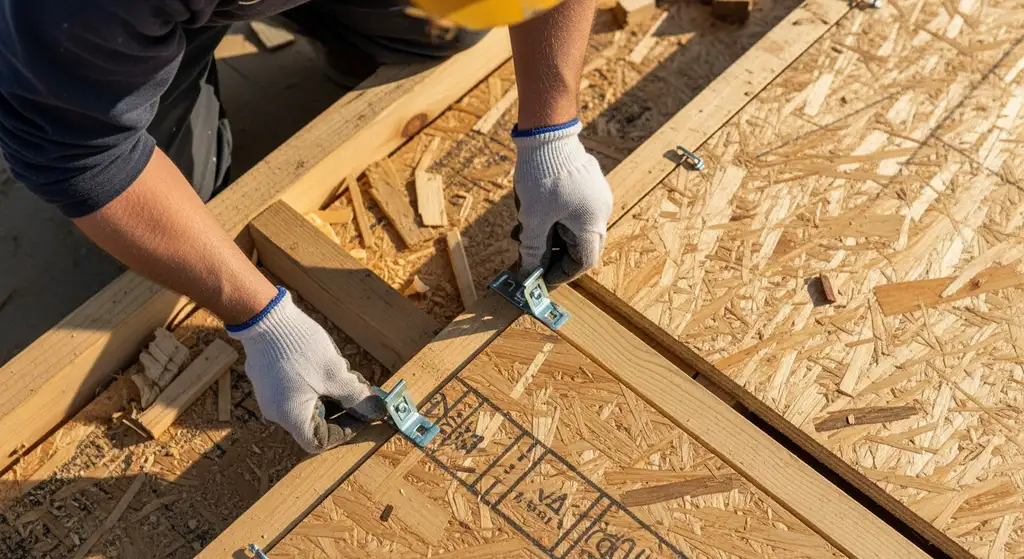
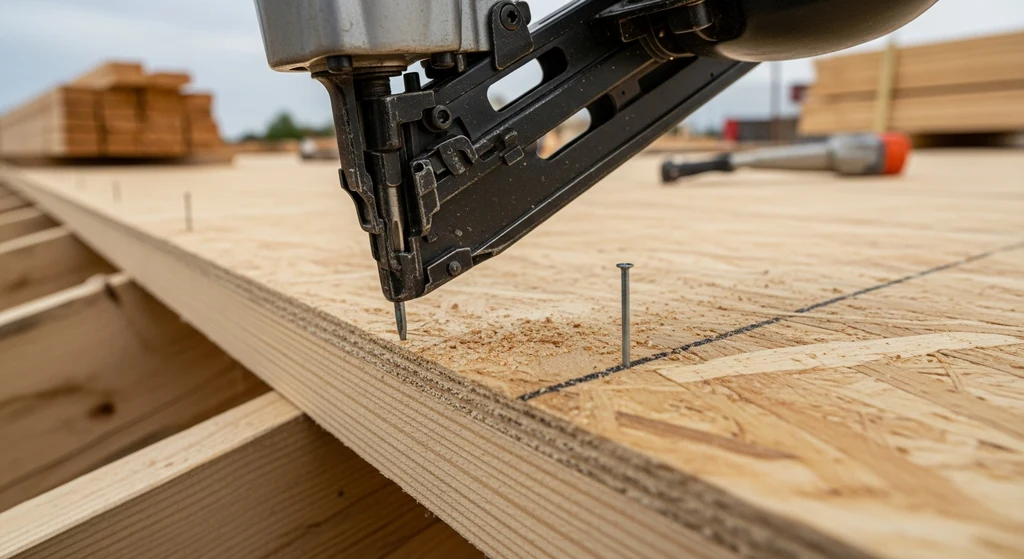
Proper installation of roof decking brackets is straightforward but crucial. First, ensure your roof framing is square and level, as this forms the foundation. Lay the first course of CDX plywood or OSB panels, typically starting at one corner of the roof. Secure these panels to the rafters with appropriate fasteners, following IRC R803.2.1.1 for nailing patterns, usually 6 inches on center at panel edges and 12 inches on center in the field.
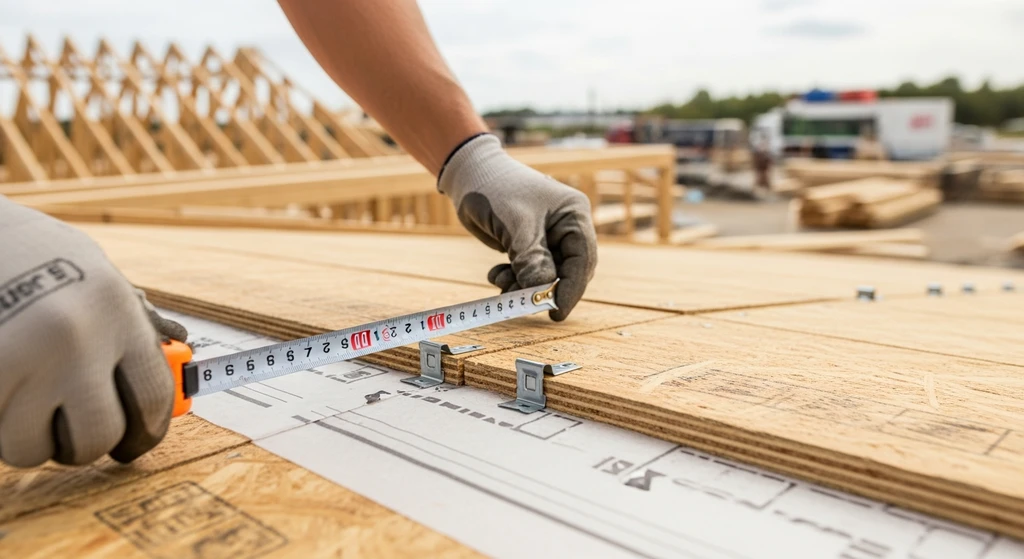
Next, slide the H-clips onto the edge of the installed panel, spaced according to manufacturer recommendations and code, typically every 24 inches for 15/32-inch thick panels. The clip should be centered on the panel edge. Then, place the next roof decking panel so its edge slides into the other side of the H-clips, ensuring a snug fit but allowing for a 1/8-inch expansion gap between panels. This gap is vital for thermal expansion in the Dallas heat.
Continue this process across the roof, ensuring all unsupported panel edges receive the necessary bracket support. Always use the specified nail size and type, such as 8d common nails or approved screws, to secure the decking. The Occupational Safety and Health Administration (OSHA) also requires fall protection measures to be in place throughout the installation process, protecting workers on site.
Fastener Specifications for Secure Decking and Brackets
The integrity of your roof decking system, including the performance of roof decking brackets, hinges significantly on using the correct fasteners. For roof sheathing, IRC R803.2.1.1 specifies minimum 8d common nails for panels 1/2-inch to 1-inch thick, or other approved fasteners providing equivalent withdrawal and lateral resistance. These nails should penetrate at least 3/4 inch into the framing members. In high-wind areas like Dallas-Fort Worth, enhanced fastening schedules are often adopted.
For the brackets themselves, while they primarily provide edge support and not direct fastening to rafters, the decking's attachment to the framing is paramount. ASTM D1761 provides standards for mechanical fasteners in wood, ensuring they meet specific performance criteria. Using the wrong nail length or diameter, or improper nailing patterns, can severely compromise the roof's ability to resist wind uplift, which is a major concern in North Texas during spring storm season. Always follow manufacturer recommendations for both the decking material (e.g., OSB, CDX plywood, Advantech) and the fasteners.
The National Roofing Contractors Association (NRCA) emphasizes that a robust fastening schedule is a critical component of a resilient roof system, supporting everything from synthetic underlayment to architectural shingles.
Avoiding Common Installation Errors with Decking Brackets
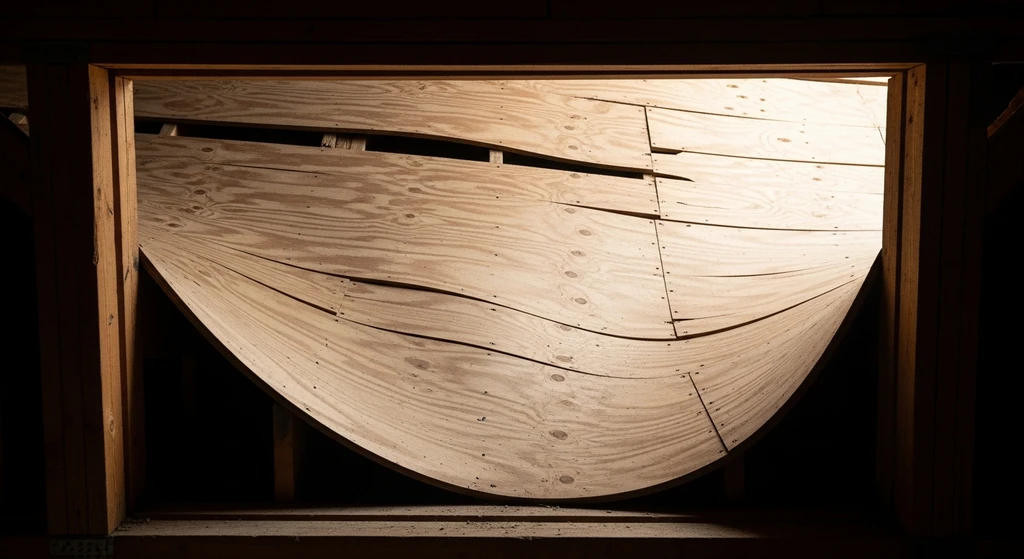
Even experienced contractors can make mistakes, and with roof decking brackets, common errors can lead to significant problems. One frequent issue is incorrect spacing of the H-clips; placing them too far apart defeats their purpose, allowing panels to deflect. Another error is failing to leave the required 1/8-inch expansion gap between panels, which can lead to buckling of the decking as it expands in the intense Dallas heat. This buckling can telegraph through the underlayment and even asphalt shingles.
Using the wrong size bracket for the decking thickness is also a critical mistake. A bracket that's too loose won't provide adequate support, while one that's too tight can damage the panel edges. I've seen instances in the DFW Metroplex where contractors have skipped H-clips entirely, especially on 1/2-inch OSB, incorrectly assuming the panel strength alone is sufficient. This directly violates IRC R803.2.1 and significantly weakens the roof's diaphragm.
These errors not only compromise the structural integrity but can also lead to warranty invalidation for your roofing materials, such as architectural shingles or synthetic underlayment. Always ensure meticulous attention to detail and adherence to both manufacturer guidelines and International Code Council (ICC) standards to avoid costly repairs down the line.
Quality Control and Inspection for Bracketed Decking
Effective quality control during roof decking installation, especially concerning brackets, is paramount for a durable roof. Before any underlayment or roofing materials like asphalt shingles are applied, a thorough inspection of the decking should be conducted. Verify that all panel edges not supported by rafters have an H-clip in place, spaced correctly according to code (typically every 24 inches for standard panels). Ensure the 1/8-inch expansion gaps are consistently maintained between panels.
Check for proper fastener penetration and spacing, confirming that nails are not over-driven or under-driven and adhere to the IRC R803.2.1.1 nailing schedule. A moisture meter can also be used to check the decking's moisture content, particularly important for OSB, as excessive moisture can lead to swelling and delamination, especially in the humid Dallas climate. The National Roofing Contractors Association (NRCA) emphasizes these checks as part of their best practices. Local building inspectors in Dallas-Fort Worth will specifically look for these details during the decking inspection phase.
Passing this crucial inspection means your roof's foundation is sound, ready for the application of synthetic underlayment, ice and water shield, and your chosen roofing material, providing confidence in its long-term performance.
Roof Decking and Brackets: Performance in the Dallas Climate
The Dallas-Fort Worth climate presents unique challenges for roof decking and its components, including brackets. Extreme summer heat, often exceeding 100°F, causes significant thermal expansion and contraction in decking materials like OSB and CDX plywood. This constant movement puts stress on panel connections and underscores the importance of the 1/8-inch expansion gaps and properly installed H-clips as mandated by the International Code Council (ICC). Frequent hail storms in North Texas can impart severe impact loads on the roof system.
While decking brackets don't directly resist hail, they ensure the decking remains a stable, continuous surface, allowing the underlayment and asphalt shingles to perform optimally. A compromised decking system, due to missing or improperly installed brackets, is more vulnerable to structural damage from these impacts. FEMA guidelines for resilient construction often highlight the need for robust structural connections. Moisture, from heavy rains or humidity, also plays a role.
While Advantech offers superior moisture resistance, standard OSB can be susceptible. Properly installed synthetic underlayment and ice and water shield are crucial moisture barriers, but they rely on a stable decking surface. Ensuring brackets are galvanized steel and correctly installed helps the entire system withstand these environmental stressors over its lifespan.
What Contractors Hide: The Truth About Decking Brackets
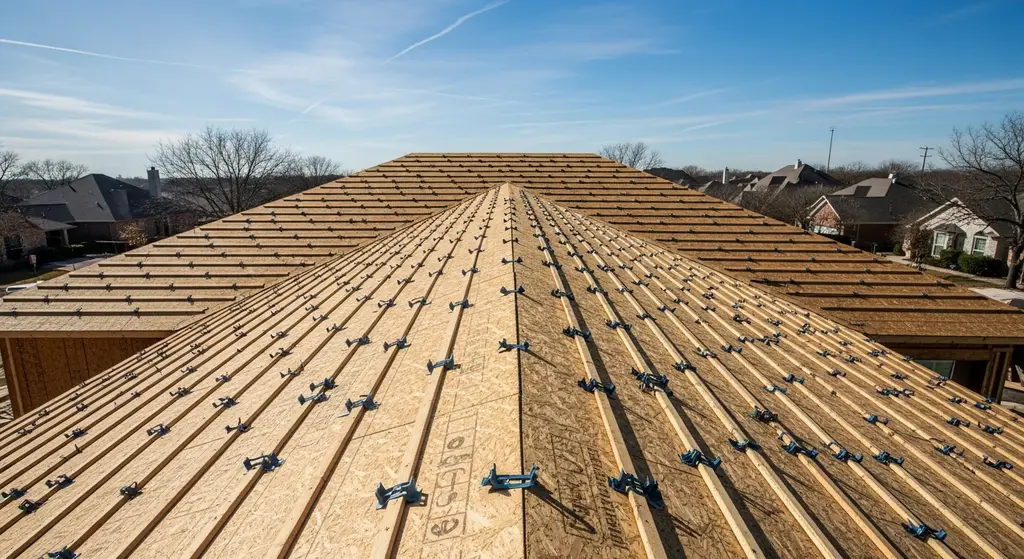
As a consultant in Dallas, I often encounter situations where contractors cut corners, and roof decking brackets are a prime target. What many homeowners don't realize is that some contractors will skip H-clips entirely to save a few dollars and a bit of installation time. They might argue that for certain decking thicknesses or if using specific types of OSB, they aren't strictly necessary, directly contradicting IRC R803.2.1. This is a red flag.
Another hidden truth is the use of incorrect bracket sizes or insufficient spacing. A contractor might use a bracket designed for thinner decking on thicker 15/32-inch OSB, leading to a loose fit and inadequate support. Or they might space them at 36 inches on center instead of the required 24 inches. These seemingly minor shortcuts significantly compromise the roof's structural integrity and can lead to decking deflection, especially in the high winds of the DFW Metroplex.
Always insist on seeing the decking before underlayment is installed and verify the presence and spacing of H-clips. A reputable contractor will be transparent about these details and happy to walk you through the process. Don't let a contractor's cost-saving tactics jeopardize the longevity and safety of your roof, whether it's supporting asphalt shingles or more advanced materials.
What Contractors Hide
Skipping H-clips for 'stronger' decking
The Reality: Directly violates IRC R803.2.1 for unsupported edges and compromises structural shear strength, leading to deflection and potential roof failure.
Using incorrect size or spacing for H-clips
The Reality: Inadequate support for decking panels, leading to buckling, telegraphing through roofing materials, and potential warranty voidance for synthetic underlayment or architectural shingles.
Not leaving expansion gaps with brackets
The Reality: Causes decking to buckle and warp under thermal expansion, particularly severe in Dallas's summer heat, leading to premature roof system failure.
External Authoritative Resources
These industry-standard references support the information in this guide:
Building Codes
International Residential Code (IRC 2021)
Official building code for residential construction
ICC Code Adoption Map
Find which IRC version your state uses
Industry Standards
NRCA Roofing Manual
National Roofing Contractors Association best practices
ASTM International Standards
Material testing standards (ASTM D3043, D1761)
Manufacturer Resources
Frequently Asked Questions
What are roof decking brackets and why are they important?
Roof decking brackets, or H-clips, are small metal clips inserted between adjacent roof sheathing panels (like OSB or CDX plywood) to provide edge support. They are crucial for preventing panel deflection, enhancing shear strength, and are mandated by IRC R803.2.1 for unsupported panel edges, especially vital for wind uplift resistance in areas like Dallas.
Are roof decking brackets required by code in Dallas?
Yes, in Dallas and across Texas, the International Residential Code (IRC), specifically IRC R803.2.1, requires edge support for roof sheathing panels that are 15/32-inch thick or greater, where edges are not continuously supported. This typically means H-clips are mandatory for standard OSB or CDX plywood roof decking.
What kind of roof decking requires brackets?
Roof decking panels such as oriented strand board (OSB) and CDX plywood, especially those 15/32-inch thick or greater, typically require brackets (H-clips) along their unsupported edges. Tongue-and-groove decking, or decking with continuous blocking, usually does not require them.
How are roof decking brackets installed properly?
Brackets are installed by sliding them onto the edge of a laid decking panel before the next panel is placed. They should be centered on the panel edge and spaced according to code and manufacturer specs, typically every 24 inches. A 1/8-inch expansion gap must be maintained between panels to prevent buckling, a key consideration in the Dallas climate.
Can skipping H-clips affect my roof's warranty or insurance claim?
Yes, skipping H-clips or installing them incorrectly can compromise the structural integrity of your roof decking, potentially voiding the manufacturer's warranty for your roofing materials like asphalt shingles or synthetic underlayment. It could also lead to insurance claim denials if a structural failure is attributed to non-code-compliant installation, particularly after a storm in the DFW Metroplex.
What are common issues if brackets are improperly installed?
Improperly installed or missing roof decking brackets can lead to panel deflection, buckling of the roof sheathing, and reduced wind uplift resistance. These issues can cause cracking in roofing materials, leaks, and costly structural repairs, especially under the thermal stress and storm conditions common in North Texas.
Final Thoughts
The humble roof decking bracket, or H-clip, is a foundational element in creating a robust and code-compliant roof system. My years of experience in Dallas have taught me that overlooking these small but mighty components can lead to significant structural problems, costly repairs, and even insurance claim complications down the line. Adhering to IRC R803.2.1 and NRCA best practices for installation is not just about meeting minimum standards; it's about building resilience. FIELD NOTE: On a recent project in Highland Park, I advised a client whose previous roof replacement failed inspection because the H-clips were either missing or incorrectly spaced.
The city inspector required the entire roof decking to be re-inspected and corrected before the asphalt shingles could be installed, adding an unexpected $7,000 to the project. This highlights the importance of choosing a contractor who understands and respects every detail, ensuring your roof stands strong against the unique challenges of the Dallas-Fort Worth climate. Don't compromise on these critical structural details.
