
Contractor’s Bottom Line
Roof decking delamination is a serious issue that can compromise the structural integrity of your roof and lead to costly repairs. Early detection is crucial; look for sagging, soft spots, or visible layers separating. In Dallas-Fort Worth, expect repair costs to range from $300 to $1500 depending on the extent of the damage. Ignoring delamination can lead to complete roof failure, potentially violating IRC R905. Consult a qualified roofing contractor for a thorough inspection and professional assessment. The NRCA recommends regular roof inspections to prevent costly issues.
Key Takeaways
- Delamination weakens roof structure, increasing risk of leaks and collapse.
- Early detection through visual inspection and attic checks can save thousands in repair costs.
- In Dallas, extreme temperature fluctuations exacerbate delamination, requiring vigilant monitoring.
- Proper ventilation, as outlined by the IRC 2021, helps prevent moisture buildup that causes delamination.
Roof decking, the foundation beneath your shingles, plays a crucial role in protecting your home. Delamination, the separation of these layers, can significantly compromise its integrity. If left unaddressed it can lead to extensive damage and costly repairs. Understanding the signs and causes of roof decking delamination is essential for every homeowner, especially in the challenging climate of North Texas.
I've seen firsthand the devastating effects of neglected delamination. Last year, a Dallas homeowner in Plano called me after noticing a significant sag in their roof. Upon inspection, I discovered widespread delamination caused by years of unnoticed leaks. The repair ended up costing them over $8,000.
Recognizing the early warning signs and taking prompt action can save you significant headaches and expenses. The NRCA recommends regular inspections to prevent issues like this from escalating. This guide will walk you through the warning signs, inspection methods, and potential solutions for roof decking delamination. We'll cover everything from understanding the root causes to making informed decisions about repair or replacement.
Whether you have asphalt shingles or architectural shingles, understanding delamination is crucial for maintaining a safe and secure home in the Dallas-Fort Worth area. Remember that proper installation according to IRC R803.2.1 is critical to preventing issues later on.
Recognizing the Warning Signs of Roof Decking Delamination
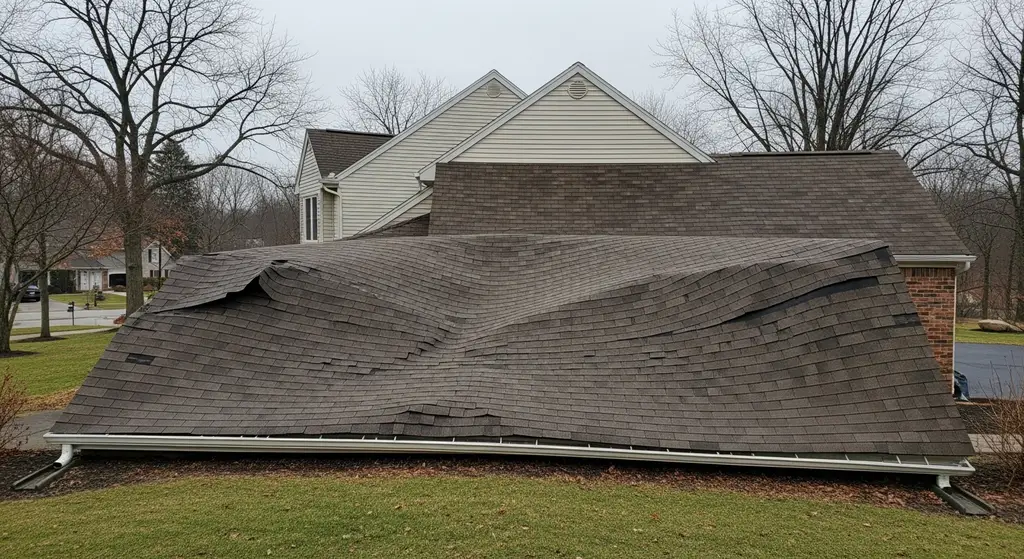
Identifying roof decking delamination early can prevent extensive damage. One of the most obvious signs is a visible sag in the roofline, which indicates a weakening of the underlying structure. Inside the attic, look for dark stains or watermarks on the underside of the decking, suggesting moisture intrusion. Another sign is a spongy or soft feel when walking on the roof, signaling compromised integrity.
Pay close attention to areas around roof penetrations, such as vents, chimneys, and skylights, as these are common entry points for water. Also, check for loose or missing asphalt shingles, as they can expose the decking to the elements, accelerating delamination. Remember, early detection and prompt action are key to minimizing the damage and cost associated with roof decking issues. The NRCA recommends addressing any signs of water damage immediately to prevent further deterioration.
Field Note from Experience
I inspected a home in Frisco, Texas, where the homeowner noticed granules from their architectural shingles accumulating in the gutters. This was a red flag, and upon closer inspection, I found delamination around the chimney flashing, leading to a $2,500 repair. Ignoring it would have led to a much larger problem.
How to Inspect Your Roof Decking for Delamination
A thorough inspection is crucial to determine the extent of the delamination. Start by visually inspecting the roof from the ground, looking for any sags, dips, or uneven surfaces. Then, carefully access the roof (or hire a professional) and examine the asphalt shingles for damage, such as curling, cracking, or missing granules. Remove any loose shingles to expose the decking beneath.
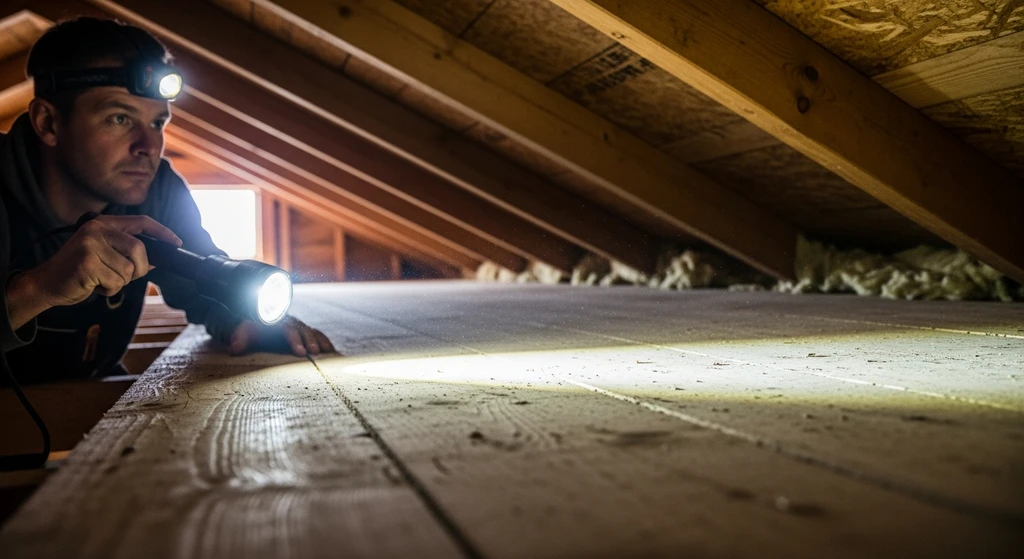
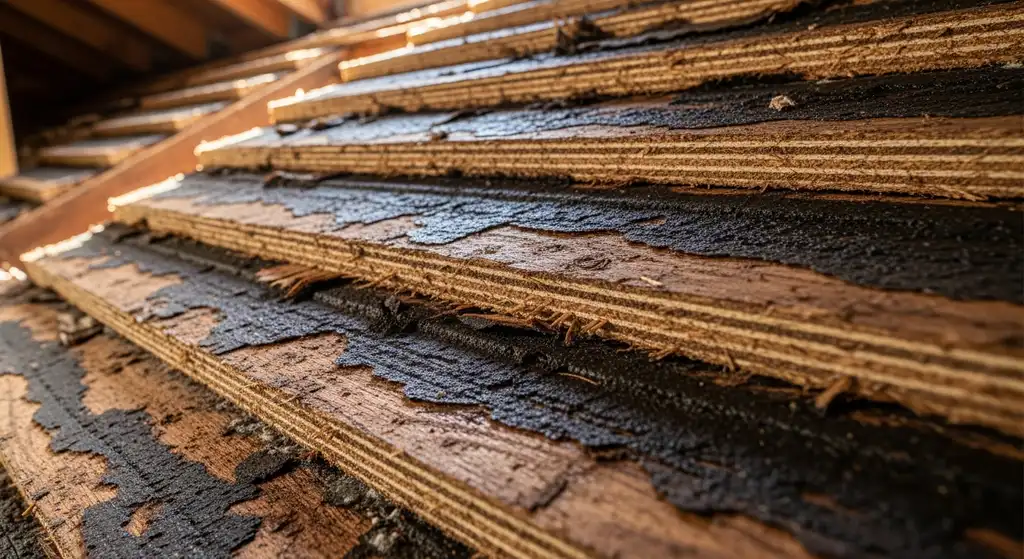
In the attic, use a flashlight to inspect the underside of the decking for water stains, mold, or signs of delamination (separation of layers). You can also use a moisture meter to check the moisture content of the decking. According to IRC 2021, proper attic ventilation is essential to prevent moisture buildup, which can contribute to delamination. If you're uncomfortable performing the inspection yourself, it's best to hire a qualified roofing contractor.
Remember to check the contractor's license with the Texas Department of Licensing and Regulation (TDLR).
Field Note from Experience
During an inspection in a Highland Park home, I used a moisture meter to detect high moisture levels in the roof decking, even though there were no visible water stains. This early detection prevented further damage and saved the homeowner approximately $1,000 in potential repairs.
Assessing the Severity of Delamination Damage
Once you've identified delamination, it's important to assess the severity of the damage. Minor delamination, affecting only a small area, may be repairable. However, widespread delamination, particularly if it affects a large portion of the roof or multiple layers of the decking, often necessitates replacement. Consider the age of your roof.
If it's nearing the end of its lifespan (typically 20-30 years for asphalt shingles), replacement may be the most cost-effective solution. Evaluate the extent of any associated water damage. If the delamination has led to significant rot or mold growth, the structural integrity of the roof may be compromised. The NRCA recommends consulting with a structural engineer in severe cases to ensure the safety of the building.
Remember that addressing delamination promptly can prevent further damage and potentially hazardous conditions. Following ASTM D3043 standards for shingle application can prevent future damage.
Field Note from Experience
I encountered a case in University Park where the delamination was so extensive that the roof was structurally unsound. The homeowner had to evacuate the house until the roof was completely replaced, costing them $15,000. This highlights the importance of addressing delamination promptly.
Understanding the Root Causes of Roof Decking Delamination
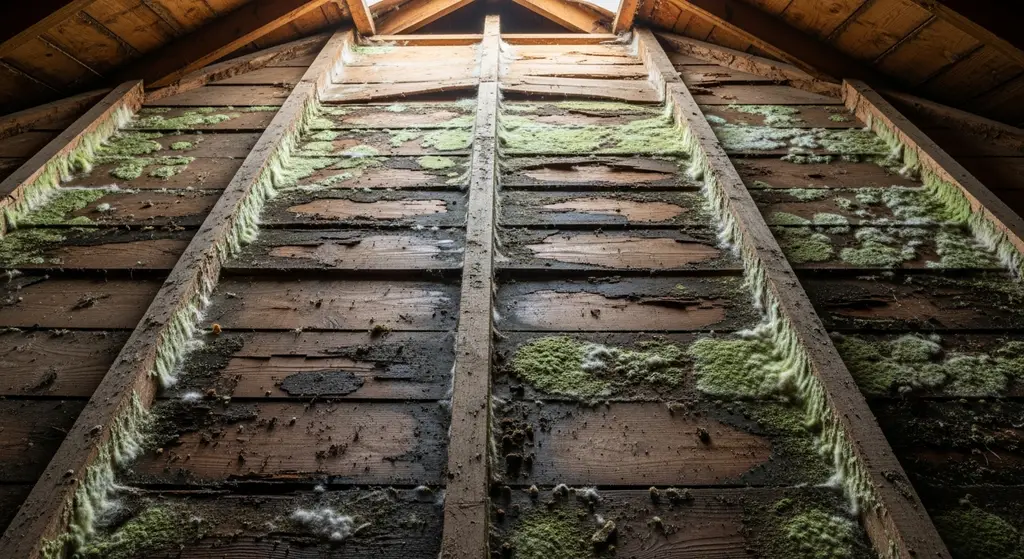
Several factors can contribute to roof decking delamination. One of the most common causes is moisture intrusion, which can result from leaks, inadequate ventilation, or condensation. In Dallas-Fort Worth, extreme temperature fluctuations can exacerbate the problem, causing the decking to expand and contract, leading to stress and eventual delamination. Poor installation practices, such as improper nailing or the use of substandard materials, can also contribute.
Another potential cause is the age of the roof. Over time, the adhesives that bond the layers of the decking can degrade, leading to separation. Consider the type of roofing materials used. Some materials are more prone to delamination than others.
Addressing the root cause of the problem is crucial to prevent recurrence. Ensure proper attic ventilation to meet IRC R806.2 requirements and prevent moisture buildup.
Field Note from Experience
In a Richardson home, I discovered that the delamination was caused by a faulty bathroom vent that was venting directly into the attic. Correcting the ventilation issue and replacing the damaged decking prevented further problems. This cost the homeowner $800, a small price to pay compared to a full roof replacement.
Preventing Roof Decking Delamination: Proactive Measures
Preventing roof decking delamination starts with proper installation and maintenance. Ensure that your roofing contractor follows best practices and uses high-quality materials. Proper attic ventilation is crucial to prevent moisture buildup. Regularly inspect your roof for any signs of damage, such as leaks, missing shingles, or sagging.
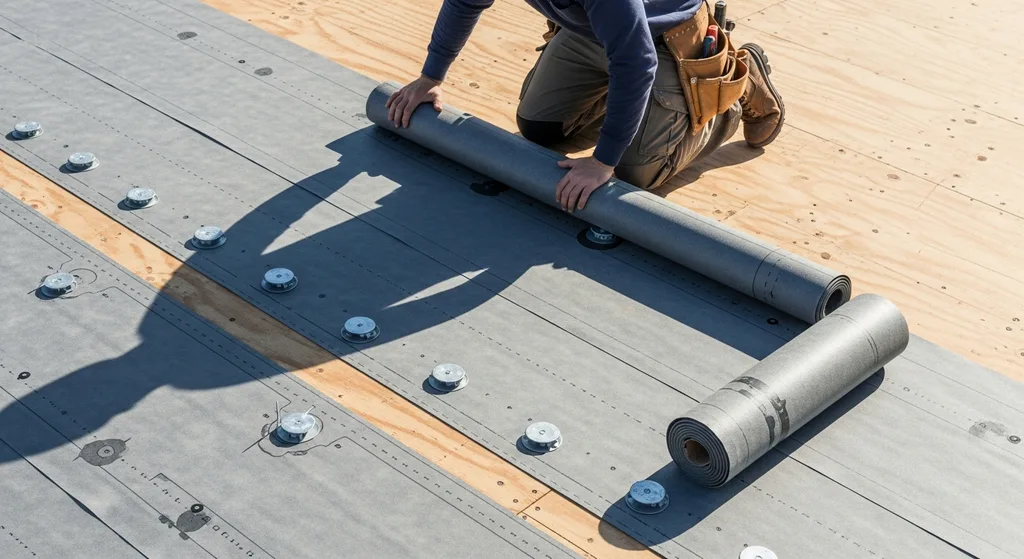
Address any issues promptly to prevent them from escalating. Consider using synthetic underlayment instead of felt underlayment, as it provides better protection against moisture. In areas prone to ice and water damage, such as around valleys and chimneys, install an ice and water shield. The NRCA recommends regular professional roof inspections, especially after severe weather events.
Using CDX plywood or OSB that meets ASTM standards can also help prevent delamination.
Field Note from Experience
I advised a homeowner in Allen, Texas, to upgrade to a synthetic underlayment and install an ice and water shield around their chimney. This proactive measure prevented potential delamination and saved them from future headaches. The upgrade cost $500 but provided peace of mind.
Repair or Replace? Making the Right Decision for Your Roof
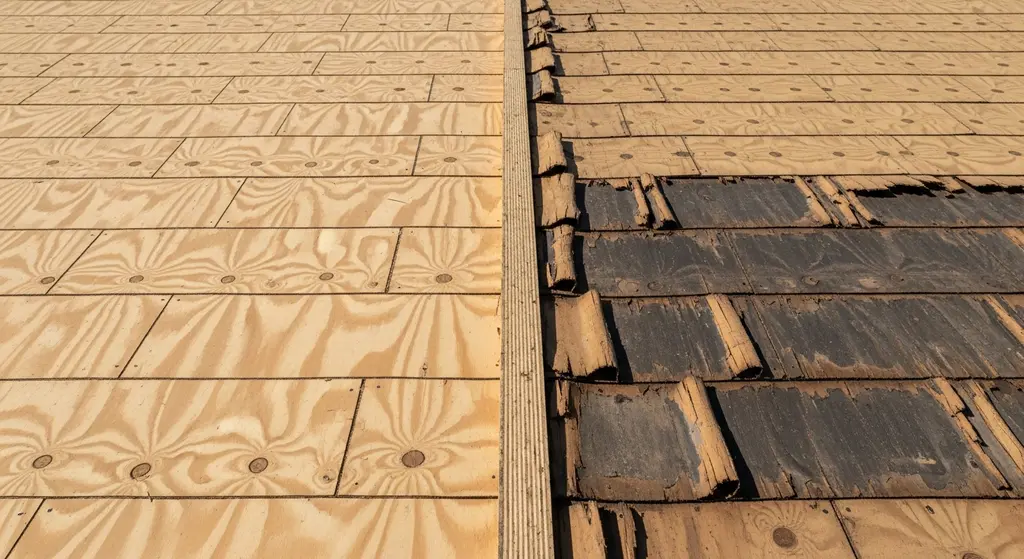
Deciding whether to repair or replace delaminated roof decking depends on several factors. If the damage is minor and localized, repair may be a viable option. This typically involves removing the damaged section of decking and replacing it with new material. However, if the delamination is widespread or the decking is severely damaged, replacement is usually the best course of action.
Consider the age of your roof. If it's nearing the end of its lifespan, replacement may be more cost-effective in the long run. Also, factor in the cost of labor and materials. Get quotes from multiple contractors to ensure you're getting a fair price.
In Dallas-Fort Worth, expect to pay $1.50-$2.25 per square foot for roof decking replacement. Ultimately, the decision should be based on a thorough assessment of the damage and a careful consideration of your budget and long-term goals. The International Code Council (ICC) provides guidelines for structural repairs and replacements.
Field Note from Experience
I helped a homeowner in Garland, Texas, evaluate their options after discovering delamination. After considering the extent of the damage and the age of their roof, they decided to replace the entire roof decking. This cost them $7,000 but provided them with a new, structurally sound roof that will last for years to come.
External Authoritative Resources
These industry-standard references support the information in this guide:
Building Codes
Frequently Asked Questions
What is roof decking delamination?
Roof decking delamination is the separation of the layers that make up the roof decking, compromising its structural integrity. This is often caused by moisture intrusion or age, and the NRCA recommends addressing it promptly.
How can I tell if my roof decking is delaminated?
Signs of delamination include a sagging roofline, water stains in the attic, and a spongy feel when walking on the roof. Regular inspections are key to catching these early, especially in Dallas's climate.
Is delaminated roof decking dangerous?
Yes, delaminated roof decking can weaken the roof structure and increase the risk of leaks and collapse. Addressing the issue promptly is crucial for safety, especially if you live in an area with high winds.
Can I repair delaminated roof decking myself?
Minor delamination may be repairable, but extensive damage often requires professional replacement. Incorrect repairs can lead to further damage, so it's best to consult a qualified contractor.
How much does it cost to repair or replace roof decking in Dallas?
In Dallas-Fort Worth, expect to pay $300 to $1500 for repairs and $1.50 to $2.25 per square foot for replacement. Prices can vary depending on the extent of the damage and the materials used.
What are the best ways to prevent roof decking delamination?
Preventing delamination involves proper installation, adequate attic ventilation, and regular roof inspections. Synthetic underlayment and ice and water shields can also provide added protection, meeting ASTM D226 standards.
Does homeowners insurance cover roof decking delamination?
Coverage depends on the cause of the delamination. If it's caused by a covered peril, such as wind or hail, it may be covered. However, delamination due to age or lack of maintenance is typically not covered. Review your policy carefully and consult with your insurance provider.
Final Thoughts
Roof decking delamination is a serious issue that requires prompt attention. By understanding the warning signs, performing regular inspections, and addressing the root causes, you can protect your home from costly damage. Whether you choose to repair or replace your roof decking, it's essential to work with a qualified roofing contractor to ensure the job is done correctly. Remember that proper ventilation, as outlined by the IRC 2021, is crucial for preventing moisture buildup and future problems.
I recently helped a family in Mesquite, Texas, whose roof was severely damaged by delamination. After assessing the damage and working with their insurance company, we were able to replace their roof decking and restore their home's structural integrity. Don't wait until it's too late. If you suspect roof decking delamination, take action today to protect your home and your family.
Contact a local roofing professional for an inspection and estimate.
