
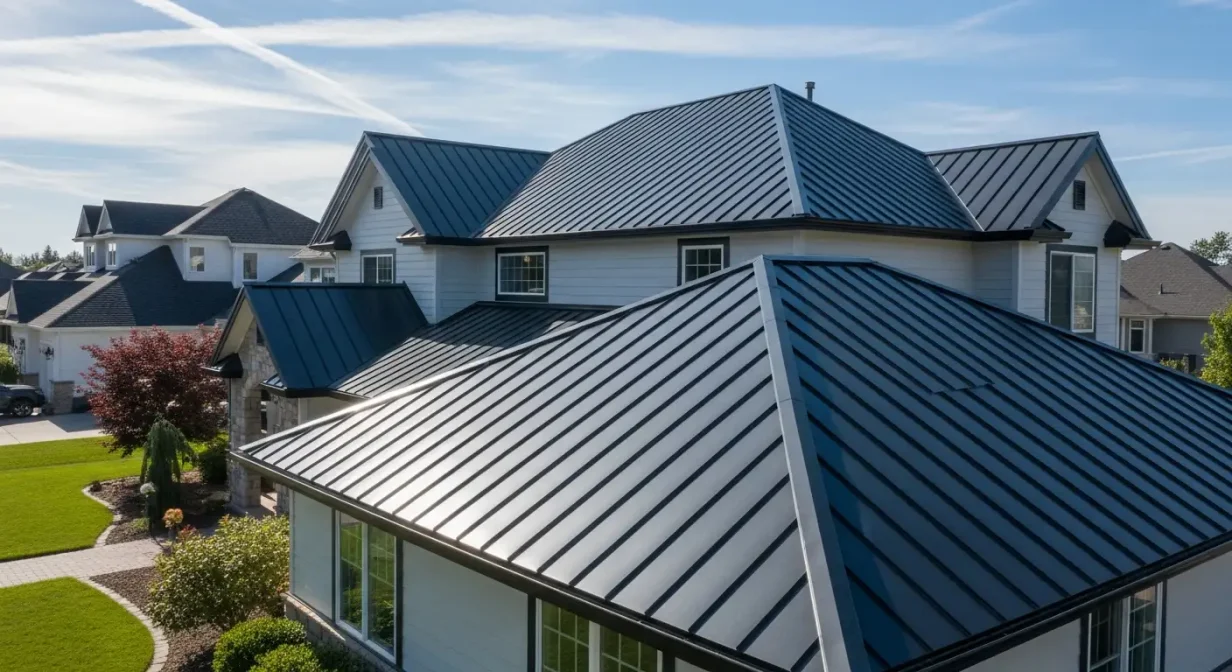
Contractor’s Bottom Line
Installing a metal roof directly to purlins or rafters without decking is generally not permitted by the International Residential Code (IRC) in Dallas, Texas, unless it meets specific engineering requirements as outlined in IRC R905. Proper decking provides a solid substrate for fastening and weather protection. Ignoring this can lead to structural issues, leaks, and costly repairs, potentially costing upwards of $5,000 to rectify. Always obtain necessary permits and inspections to ensure compliance with local building codes.
Key Takeaways
- Most metal roof installations require continuous decking for proper support and weather protection as per IRC R905.
- Installing a metal roof without decking can void manufacturer warranties and lead to premature failure, costing homeowners thousands in repairs.
- Always obtain the necessary building permits and inspections in Dallas to ensure compliance with local building codes and avoid costly fines and rework.
Installing a metal roof is a significant investment, and ensuring it's done correctly is crucial for its longevity and performance. One common question that arises is whether a metal roof can be installed without roof decking. In most cases, the International Residential Code (IRC) requires continuous decking for proper support and weather protection. However, there are specific situations where a metal roof might be installed directly onto purlins or rafters, but these installations must meet stringent engineering requirements and local building codes.
Failing to comply with these regulations can lead to structural problems, leaks, and voided warranties. FIELD NOTE: I once inspected a metal roof installation in Plano where the contractor skipped the decking to save on costs. The homeowner ended up facing over $8,000 in repairs due to leaks and structural instability. This could have been avoided by following IRC guidelines and obtaining the necessary permits.
IRC Code Requirements for Metal Roof Decking
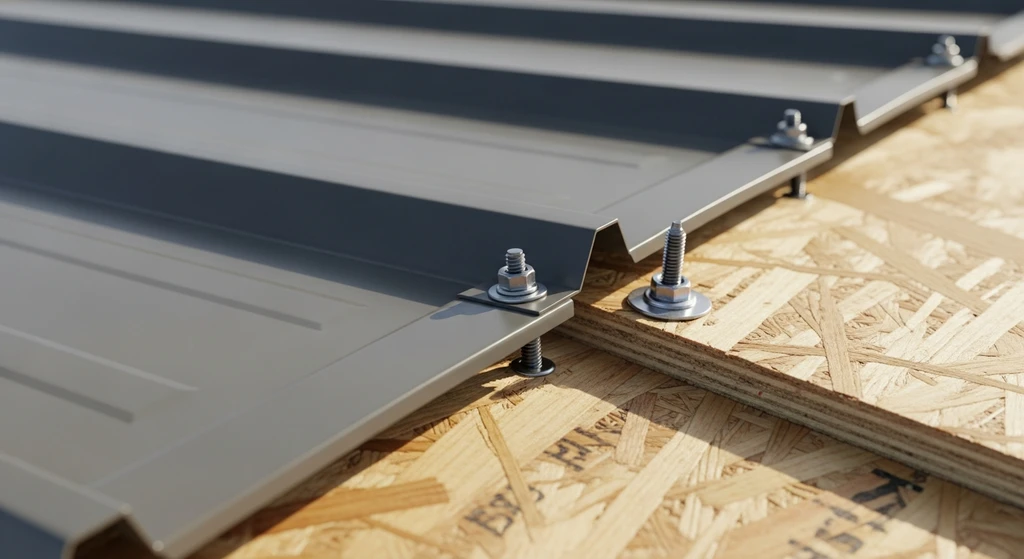
The International Residential Code (IRC) sets the standards for residential construction, including roofing. IRC R905 typically requires a solid, continuous substrate beneath metal roofing materials. This substrate, usually CDX plywood or OSB (oriented strand board), provides a stable surface for fastening the metal panels and helps to prevent deflection or movement that could lead to leaks or structural damage. Specific code requirements may vary depending on the type of metal roofing system and local amendments adopted by Dallas County.
For example, IRC R803.2.1 requires minimum 15/32-inch thickness for roof sheathing. Always consult with a qualified roofing contractor and the local building department to ensure compliance with the latest code requirements. The NRCA (National Roofing Contractors Association) also provides guidelines and best practices for metal roof installation.
| Requirement | Description | IRC Reference |
|---|---|---|
| Decking Material | CDX Plywood or OSB | IRC R803.2.1 |
| Minimum Thickness | 15/32 inch (minimum) | IRC R803.2.1 |
| Fastening | Properly spaced fasteners | Manufacturer specifications & NRCA guidelines |
| Underlayment | Synthetic or felt underlayment | IRC R905 |
Warning Signs of Metal Roof Installed Without Proper Decking
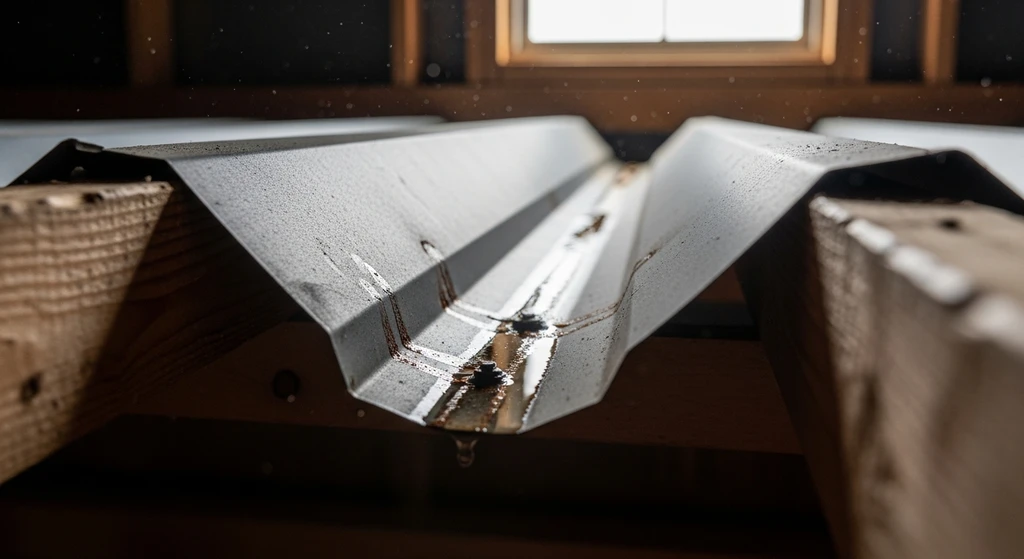
Installing a metal roof without proper decking can lead to several problems that can manifest over time. One of the most common signs is deflection or sagging of the metal panels between the purlins or rafters. This can be visually noticeable and may also cause the fasteners to loosen, leading to leaks. Another warning sign is increased noise during wind or rain events, as the metal panels vibrate against the supports.
Additionally, improper installation can compromise the weather-tightness of the roof system, leading to water infiltration and potential damage to the underlying structure. Check for water stains in the attic or signs of mold growth. Ignoring these warning signs can result in costly repairs and potentially require a complete roof replacement. Always consult with a qualified roofing contractor for a thorough inspection.
Remember that OSHA (Occupational Safety and Health Administration) has specific requirements for working safely at height, so hire licensed and insured professionals.
Panel Deflection
Typical Cost: $1,000 – $5,000
Prevention: Proper decking installation
Insurance Coverage: May not be covered if due to improper installation
Code Reference: IRC R905
Leaks
Typical Cost: $500 – $2,000 per leak
Prevention: Proper underlayment and flashing
Insurance Coverage: Potentially covered, depending on proximate cause
Code Reference: IRC R905
Increased Noise
Typical Cost: N/A
Prevention: Proper fastening and decking
Insurance Coverage: Not typically covered
Code Reference: N/A
Field Note from Experience
Last month, a Dallas homeowner called me after noticing significant sagging in their metal roof. The previous contractor had installed the roof directly onto the purlins without any decking, violating IRC R905. The homeowner ended up paying an additional $6,000 to have the roof properly installed with decking. This highlights the importance of verifying contractor credentials with the Texas Department of Licensing and Regulation (TDLR) and ensuring they follow proper code guidelines.
Preventing Metal Roof Installation Issues
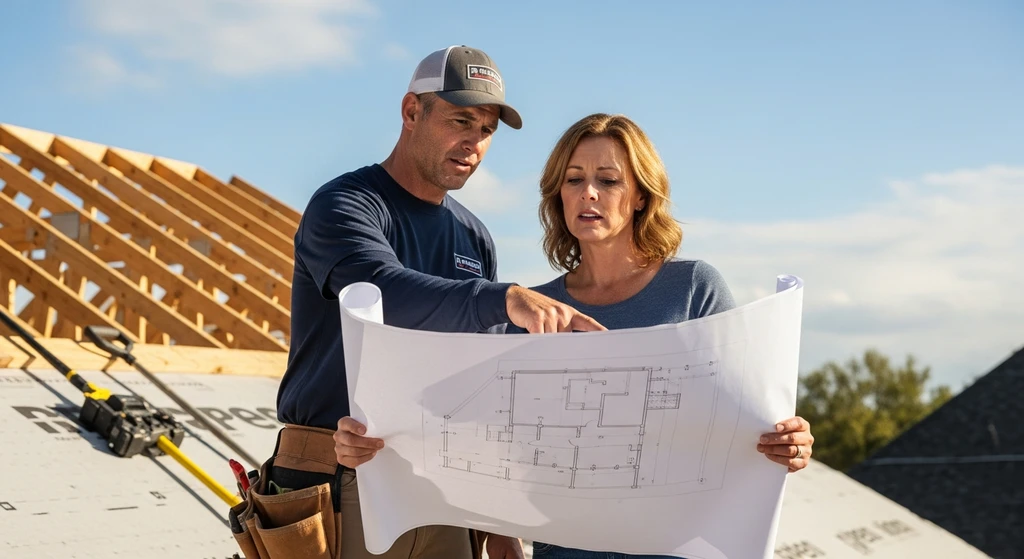
The best way to avoid problems with metal roof installation is to ensure that the project is done correctly from the start. This includes hiring a qualified and experienced roofing contractor who is familiar with local building codes and NRCA guidelines. Obtain multiple quotes and verify the contractor's license and insurance. Before work begins, review the contract carefully and make sure it specifies the use of proper decking materials and installation techniques.
Obtain all necessary building permits and schedule inspections with the local building department. These inspections will help to ensure that the work is being done to code and can catch any potential problems early on. Also, consider using high-quality materials that meet ASTM standards for durability and weather resistance. Remember that Energy Star rated metal roofs can also provide energy savings and potential rebates.
Advantages
- Ensures code compliance
- Prevents structural issues
- Maintains warranty coverage
- Provides long-term weather protection
Disadvantages
- Adds to the initial cost
- Requires additional materials
- Increases installation time
Field Note from Experience
I recently consulted on a project in University Park where the homeowner proactively obtained all necessary permits and inspections before starting the metal roof installation. This allowed them to catch a potential issue with the decking material early on and avoid costly rework. This proactive approach saved them approximately $3,000 and ensured a compliant and durable roof system.
External Authoritative Resources
These industry-standard references support the information in this guide:
Building Codes
Frequently Asked Questions
Is roof decking always required for metal roof installation?
While generally required by IRC R905, some engineered metal roofing systems may be installed without decking if they meet specific structural requirements and are approved by the local building department.
What type of decking material is recommended for metal roofs?
CDX plywood or OSB (oriented strand board) are commonly used for roof decking, with a minimum thickness of 15/32 inch as per IRC R803.2.1.
What are the risks of installing a metal roof without decking?
Installing a metal roof without proper decking can lead to structural instability, leaks, increased noise, and voided warranties, potentially costing thousands in repairs.
How can I ensure my metal roof installation is code-compliant?
Obtain all necessary building permits, hire a qualified roofing contractor, and schedule inspections with the local building department to ensure compliance with local codes.
Does the NRCA have any recommendations for metal roof installation?
Yes, the NRCA (National Roofing Contractors Association) provides guidelines and best practices for metal roof installation, including recommendations for decking, underlayment, and fastening techniques.
Are there any specific requirements for metal roofs in Dallas due to the climate?
Yes, due to the extreme heat and potential for hail storms in the Dallas-Fort Worth area, it's important to choose a metal roofing system that is designed to withstand these conditions and meets ASTM standards for impact resistance.
Final Thoughts
Ensuring that your metal roof is installed correctly, with proper decking, is essential for its long-term performance and durability. Failing to comply with local building codes and industry best practices can lead to costly repairs and potential safety hazards. Always consult with a qualified roofing contractor and obtain the necessary permits and inspections to protect your investment. FIELD NOTE: I recently helped a homeowner in Frisco whose metal roof was improperly installed without decking.
The resulting leaks caused significant damage to their attic and interior. After extensive negotiations, their insurance company covered a portion of the repair costs, but the homeowner still had to pay several thousand dollars out of pocket. Don't let this happen to you – prioritize code compliance and proper installation from the start.
