
Contractor’s Bottom Line
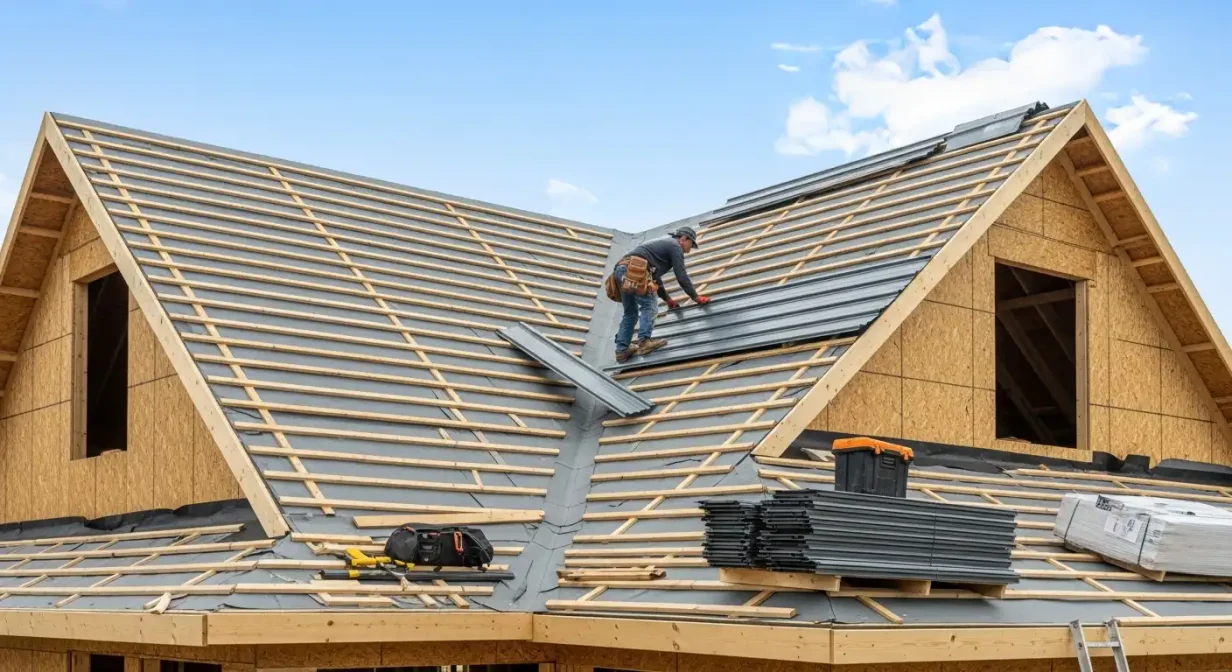
Installing metal roof decking requires precision and adherence to the International Residential Code (IRC). Proper installation involves selecting the right materials, using correct fastening techniques, and ensuring adequate flashing. In Dallas, expect the project to take 2-5 days, depending on roof size and complexity. Ignoring OSHA safety guidelines can lead to serious injury and hefty fines. The NRCA (National Roofing Contractors Association) provides additional best practice guidance for ensuring a long-lasting and weather-resistant roof.
Key Takeaways
- Metal roof decking must comply with IRC 2021 standards, ensuring structural integrity and wind uplift resistance.
- Proper fastener selection, as specified by ASTM International standards, is crucial for preventing leaks and maintaining the roof's integrity.
- In the Dallas-Fort Worth area, extreme temperature fluctuations necessitate careful attention to thermal expansion and contraction when installing metal roof decking.
Installing metal roof decking is a critical step in ensuring the longevity and durability of any roofing system. It serves as the foundation for the roofing material, providing a stable and secure base. In the Dallas area, where weather conditions can be extreme, proper installation is even more crucial. As a construction consultant in Dallas, I've seen firsthand the consequences of improper roof decking installation.
Ignoring the International Residential Code (IRC) or cutting corners on materials can lead to costly repairs down the line. FIELD NOTE: Last month, a Dallas homeowner called me after a contractor installed metal roof decking with insufficient fasteners, resulting in significant water damage after a heavy rain. The repair cost the homeowner $8,000, highlighting the importance of doing the job right the first time. The NRCA (National Roofing Contractors Association) provides resources and guidelines for proper installation techniques.
Essential Tools and Equipment for Metal Roof Decking Installation
Installing metal roof decking requires a specific set of tools to ensure accuracy, safety, and efficiency. A pneumatic nailer or screw gun is essential for fastening the decking to the roof structure. Safety equipment, including hard hats, safety glasses, and fall protection harnesses, are non-negotiable, especially when working at heights. A metal cutting saw or shears is needed for trimming and shaping the decking panels.
A measuring tape, chalk line, and level are crucial for accurate layout and alignment. Additionally, a moisture meter can help verify the dryness of the underlying structure, preventing future problems. OSHA (Occupational Safety and Health Administration) provides guidelines for safe tool operation on construction sites.
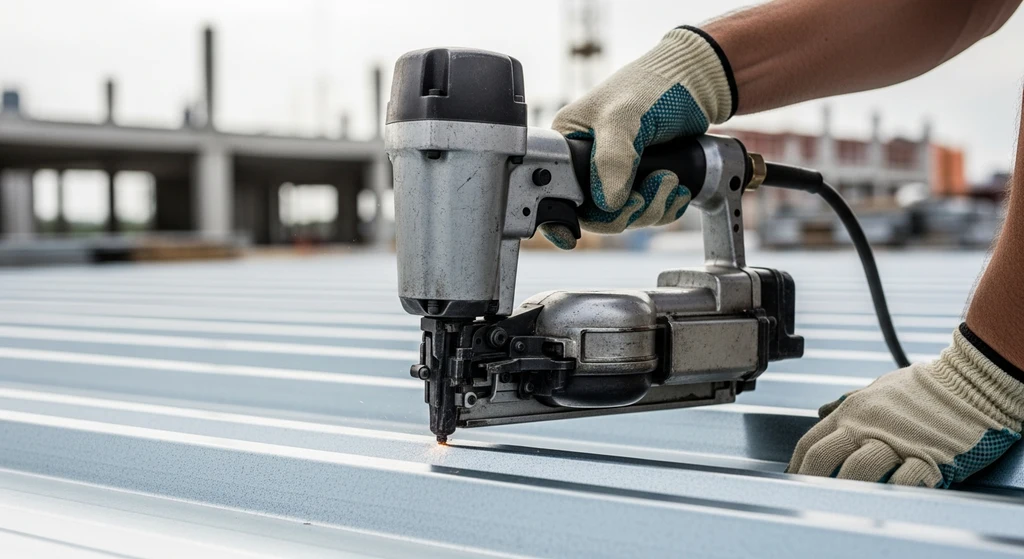
| Tool/Equipment | Purpose |
|---|---|
| Pneumatic Nailer/Screw Gun | Fastening decking to roof structure |
| Metal Cutting Saw/Shears | Trimming and shaping decking panels |
| Measuring Tape/Chalk Line/Level | Accurate layout and alignment |
| Safety Glasses/Hard Hat/Harness | Personal protection and fall prevention |
Preparing Materials for Metal Roof Decking Installation
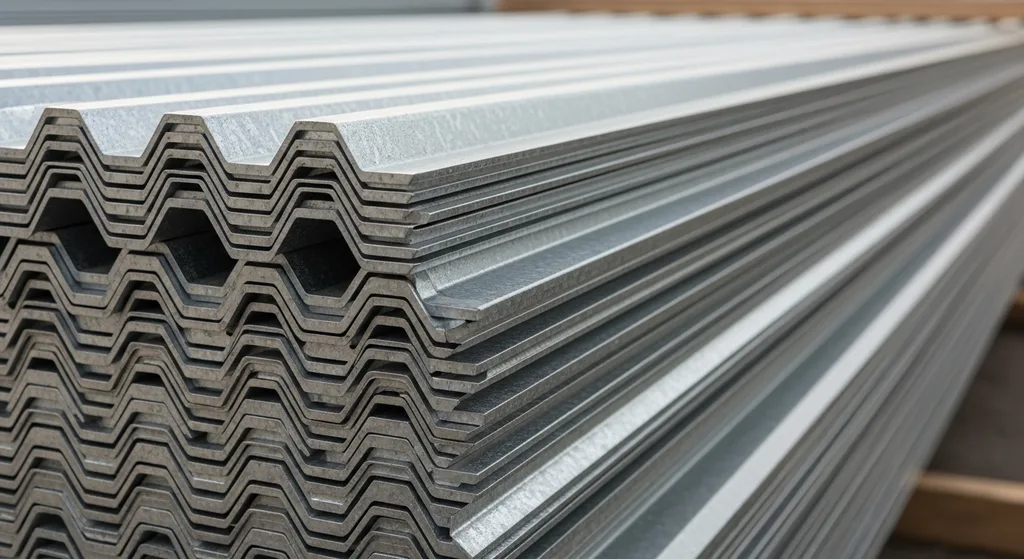
Proper material preparation is key to a successful metal roof decking installation. Begin by verifying the dimensions of the roof and calculating the required amount of decking material. This ensures minimal waste and efficient use of resources. Inspect each panel for any damage or defects before installation.
Store the metal decking in a dry, covered area to prevent moisture damage. If using insulation, ensure it is properly cut and fitted to the decking. Synthetic underlayment, compliant with ASTM D226, should be unrolled and secured to the decking before installing the roofing material. This provides an additional layer of protection against water infiltration.
The NRCA recommends using a high-quality underlayment for optimal performance.
| Material Checklist | |
|---|---|
| Metal Decking Panels | Verify quantity and dimensions |
| Fasteners | Correct type and length as per ASTM D1761 |
| Underlayment | Synthetic, meeting ASTM D226 |
| Flashing | Aluminum or galvanized steel |
Step-by-Step Guide to Installing Metal Roof Decking
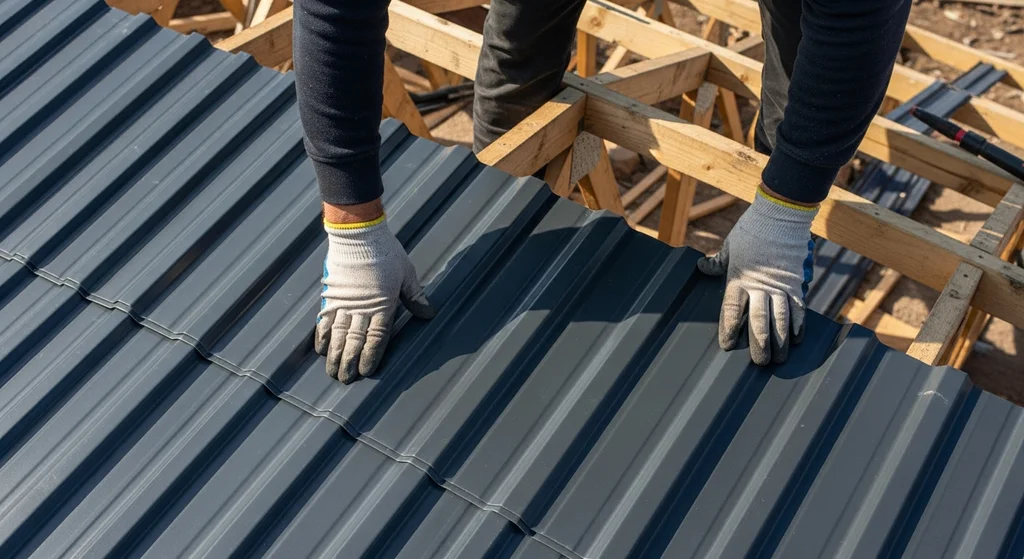
Installing metal roof decking requires a systematic approach to ensure proper alignment and secure attachment. Start by laying out the first row of decking panels along the eaves, ensuring they are square and aligned with the roof edges. Overlap the panels according to the manufacturer's specifications, typically 2-4 inches. Fasten the panels to the roof structure using appropriate screws or nails, following the recommended spacing and pattern.
IRC R803.2.1 specifies minimum fastening requirements. Pay close attention to the edges and seams, ensuring they are securely fastened to prevent water infiltration. Continue installing the panels row by row, working your way up the roof. Regularly check for alignment and adjust as needed.
In Dallas, it's crucial to account for thermal expansion by leaving small gaps between panels.
Advantages
- Durable and long-lasting
- Provides a solid base for roofing materials
Disadvantages
- Requires precision and attention to detail
- Can be more expensive than other decking options
Understanding Fastener Specifications for Metal Roof Decking
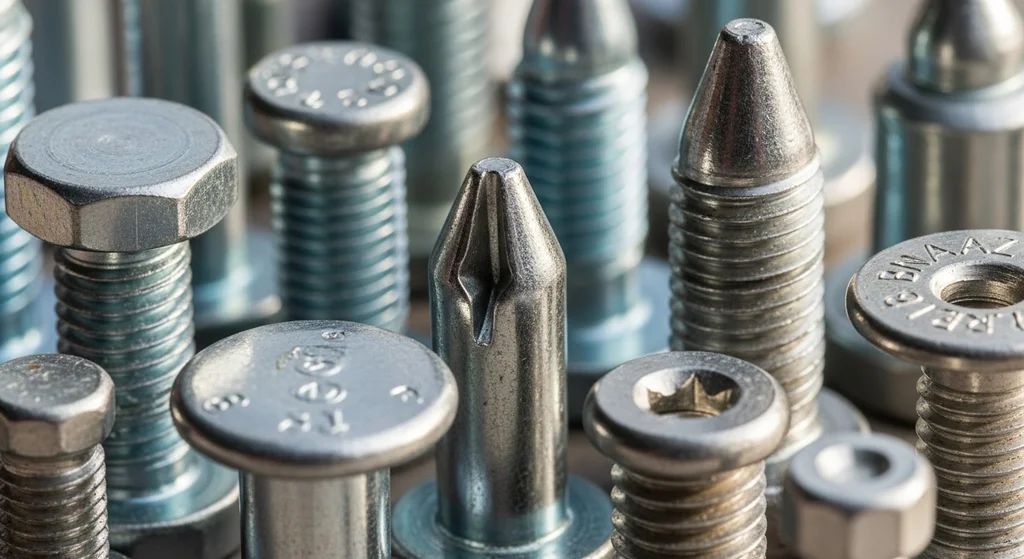
The type and size of fasteners used to install metal roof decking are critical to its performance. Fasteners must be compatible with both the metal decking and the underlying roof structure. Screws are generally preferred over nails for their superior holding power and resistance to pull-out. ASTM D1761 provides guidelines for testing the mechanical properties of fasteners.
The length of the fastener should be sufficient to penetrate the roof structure by at least one inch. Spacing should adhere to manufacturer specifications and local building codes, typically 6-12 inches along the panel edges and 12-24 inches in the field. Over-tightening fasteners can damage the decking, while under-tightening can lead to loose panels and leaks. In areas prone to high winds, such as North Texas, consider using fasteners with enhanced wind uplift resistance.
Field Note from Experience
On a project in Plano, I encountered a contractor using incorrect fasteners that corroded quickly due to the Dallas climate. This resulted in loose decking and leaks, costing the homeowner $5,000 to repair. Always verify fastener compatibility and use corrosion-resistant options.
Addressing Edge Detail Requirements for Metal Roof Decking
Proper edge detailing is crucial for preventing water infiltration and maintaining the structural integrity of metal roof decking. The edges of the decking panels must be properly supported and sealed to prevent moisture from entering the roof system. This typically involves using edge flashing and sealant. Ensure that the edge flashing extends beyond the edge of the decking and is properly fastened to the underlying structure.
Sealants should be applied to all seams and joints to create a watertight barrier. In areas with high wind exposure, such as the DFW Metroplex, consider using edge details with enhanced wind resistance. IRC R905 provides guidelines for edge flashing requirements.
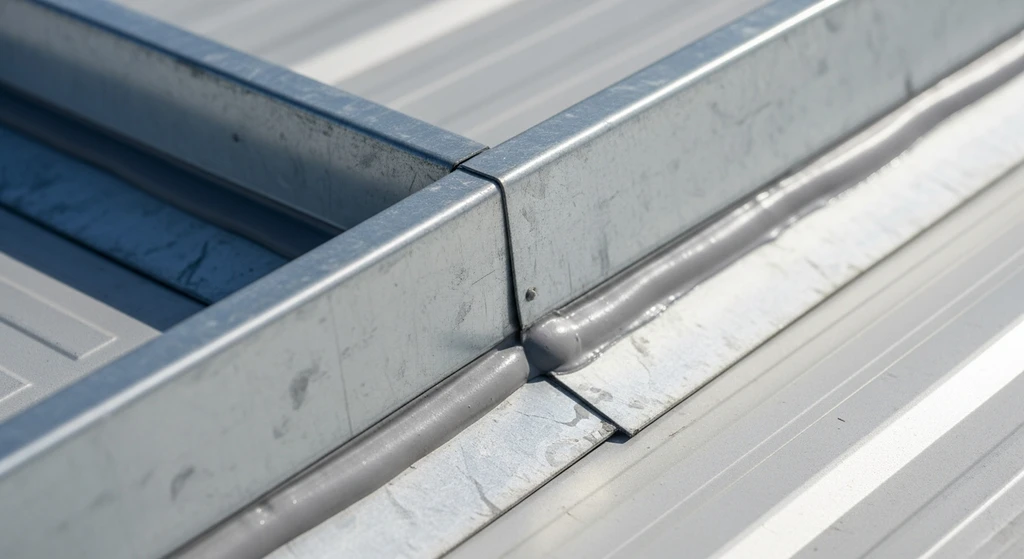
Improper edge flashing
Typical Cost: $2,000-$5,000
Prevention: Ensure proper overlap and sealing
Insurance Coverage: May be covered if due to storm damage
Code Reference: IRC R905
Integrating Flashing with Metal Roof Decking
Flashing is a critical component of any roofing system, especially with metal roof decking. It is used to prevent water infiltration around chimneys, vents, skylights, and other roof penetrations. Proper flashing integration is essential for a watertight seal. Flashing should be made of a durable, corrosion-resistant material, such as aluminum or galvanized steel.
It should be installed according to manufacturer specifications and local building codes. The NRCA recommends using a two-piece flashing system for added protection. Ensure that the flashing is properly sealed to the decking and the roofing material. Ice and water shield should be installed around penetrations for added protection.
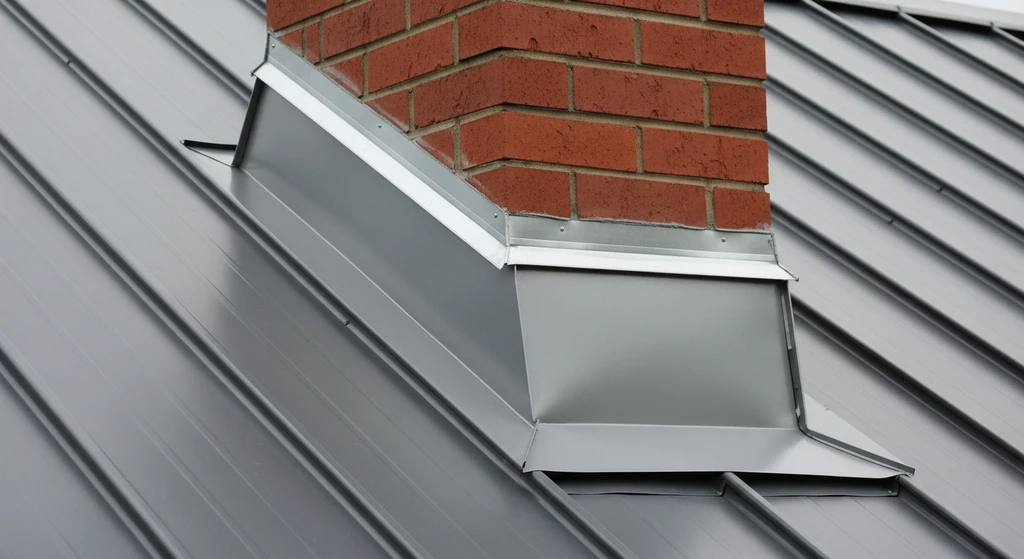
Reusing old flashing
Consequence: Increased risk of leaks and water damage
Skipping ice and water shield
Consequence: Water damage in vulnerable areas
Adhering to Safety Requirements During Metal Roof Decking Installation
Safety should be the top priority during any roofing project, especially when installing metal roof decking. Working at heights presents significant risks, and it's crucial to take precautions to prevent falls and other injuries. OSHA (Occupational Safety and Health Administration) provides detailed guidelines for construction site safety. Always wear appropriate personal protective equipment (PPE), including a hard hat, safety glasses, and fall protection harness.
Use ladders and scaffolding safely, ensuring they are properly secured and stable. Be aware of weather conditions, and avoid working in high winds or inclement weather. Designate a safety observer to monitor the work area and ensure that all safety protocols are followed. Ignoring these safety measures can result in serious injury or even death.
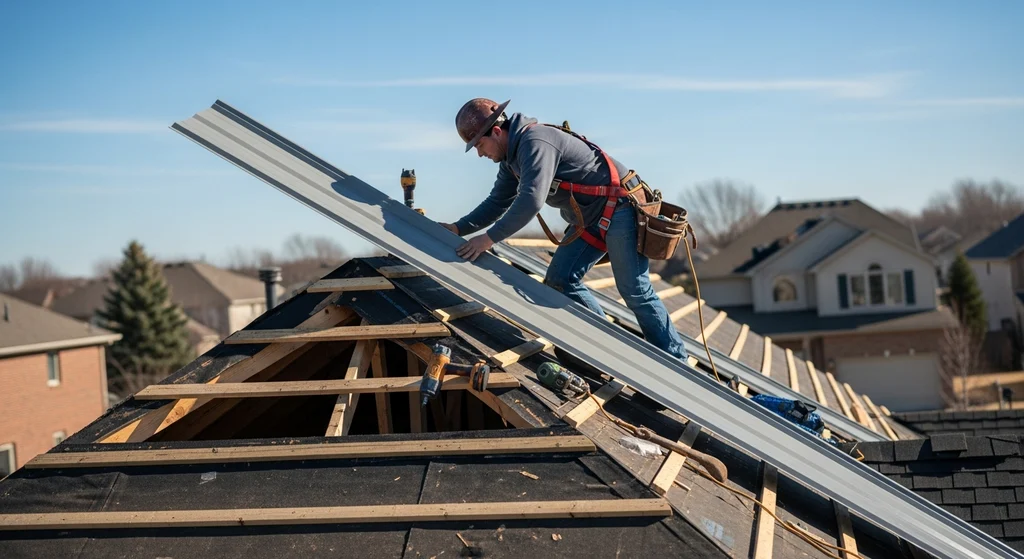
What Contractors Hide
Some contractors skip fall protection
The Reality: It's a serious OSHA violation with huge fines
Cheaper materials save money
The Reality: They fail faster and cost more long-term
Performing Quality Control Testing on Metal Roof Decking Installation
After installing metal roof decking, it's essential to perform quality control testing to ensure that the installation meets all requirements and is free from defects. This includes visually inspecting the decking for proper alignment, secure fastening, and proper sealing. A moisture meter can be used to check for any signs of moisture infiltration. Test the roof for leaks by spraying it with water and checking for any signs of water penetration.
Verify that all flashing is properly installed and sealed. In Dallas, it's crucial to inspect the roof after a heavy rain to identify any potential problems. Document all findings and address any issues promptly. The International Code Council (ICC) provides resources for building inspections.
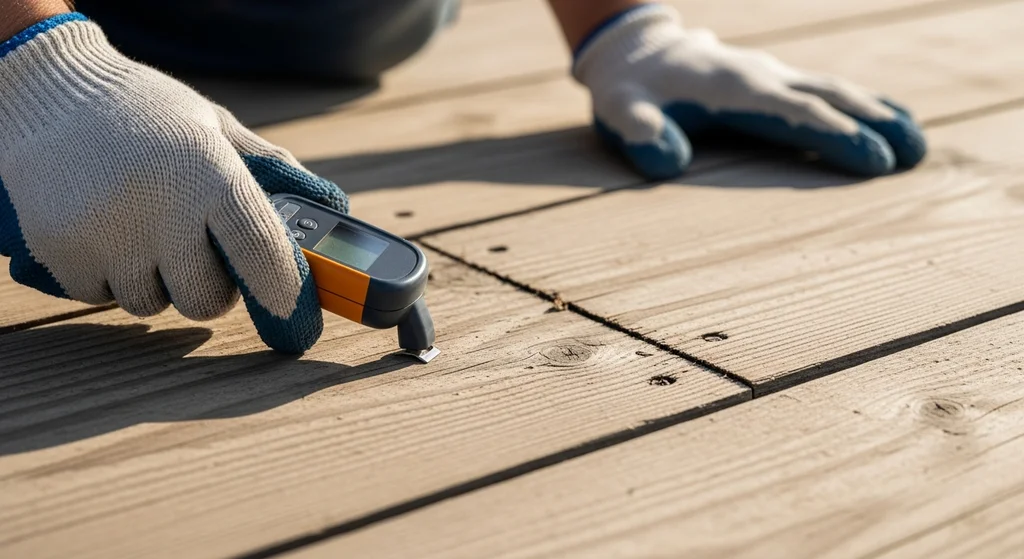
Field Note from Experience
During an inspection in University Park, I found a contractor had skipped quality control testing, resulting in several leaks and water damage. The homeowner had to spend an additional $3,000 to correct the issues. Always insist on thorough quality control testing after installation.
Avoiding Common Installation Errors with Metal Roof Decking
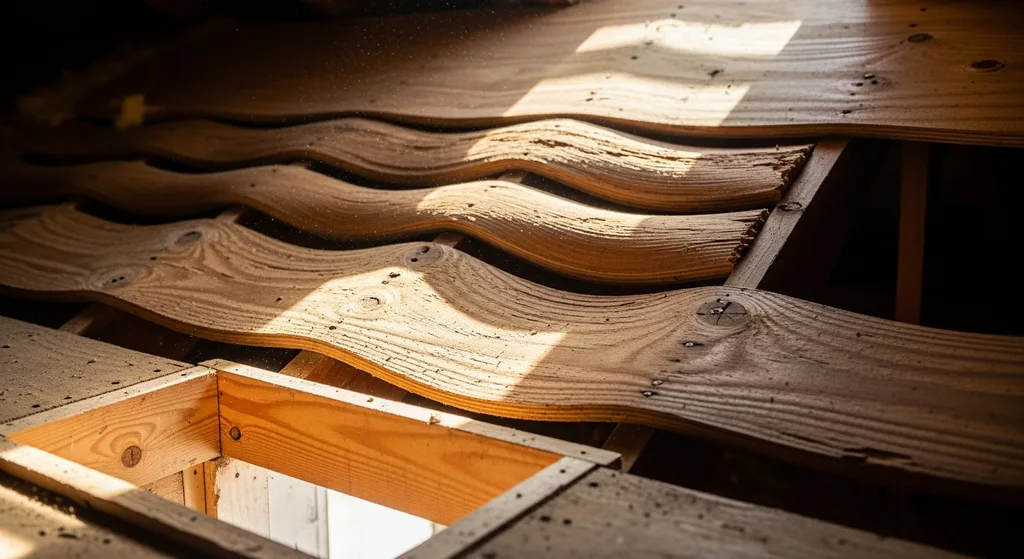
Several common errors can occur during metal roof decking installation, leading to problems down the line. One of the most frequent mistakes is using incorrect fasteners, which can lead to loose panels and leaks. Another common error is improper flashing integration, which can allow water to penetrate the roof system. Incorrect panel alignment can also cause problems, leading to uneven surfaces and potential leaks.
Failing to properly seal seams and joints can also result in water infiltration. Always follow manufacturer specifications and local building codes to avoid these errors. Pay close attention to detail and double-check your work to ensure a successful installation. The NRCA provides resources for avoiding common roofing mistakes.
Incorrect fasteners
Typical Cost: $1,000-$3,000
Prevention: Use correct fasteners as per ASTM D1761
Insurance Coverage: May not be covered if due to faulty workmanship
Code Reference: IRC R803.2.1
Improper flashing
Typical Cost: $2,000-$5,000
Prevention: Ensure proper overlap and sealing
Insurance Coverage: May be covered if due to storm damage
Code Reference: IRC R905
External Authoritative Resources
These industry-standard references support the information in this guide:
Building Codes
International Residential Code (IRC 2021)
Official building code for residential construction
ICC Code Adoption Map
Find which IRC version your state uses
Industry Standards
NRCA Roofing Manual
National Roofing Contractors Association best practices
ASTM International Standards
Material testing standards (ASTM D3043, D1761)
Manufacturer Resources
Frequently Asked Questions
What is the minimum thickness required for metal roof decking?
The minimum thickness for metal roof decking depends on the span and load requirements, but generally, a 22-gauge or 24-gauge steel is used, complying with ASTM standards for steel decking.
How do I ensure proper ventilation with metal roof decking?
Proper ventilation is crucial to prevent condensation and moisture buildup. Ensure adequate soffit and ridge vents are installed, following IRC guidelines for ventilation requirements.
What type of fasteners should I use for metal roof decking?
Use self-drilling screws or nails specifically designed for metal roofing, ensuring they are compatible with both the decking and the underlying structure, as per ASTM D1761.
How often should I inspect my metal roof decking?
Inspect your metal roof decking at least twice a year, and after any major storm, to check for damage, leaks, or loose fasteners. The NRCA recommends regular inspections to maintain the roof's integrity.
What are the benefits of using metal roof decking?
Metal roof decking offers superior durability, fire resistance, and wind uplift resistance compared to other decking materials, providing a long-lasting and reliable roofing system.
Does metal roof decking require special maintenance?
Metal roof decking requires minimal maintenance, but it's essential to keep it clean and free from debris, and to promptly repair any damage or leaks to prevent further issues.
Final Thoughts
Installing metal roof decking is a complex process that requires careful planning, attention to detail, and adherence to building codes and manufacturer specifications. By following the steps outlined in this guide and taking the necessary precautions, you can ensure a durable, long-lasting, and weather-resistant roofing system. FIELD NOTE: I once inspected a roof in Frisco where the contractor had used the wrong type of metal decking, leading to premature failure and costing the homeowner $10,000 to replace. Always verify the materials and installation techniques to protect your investment.
Contact a qualified roofing professional in the Dallas area for assistance with your metal roof decking project.
