
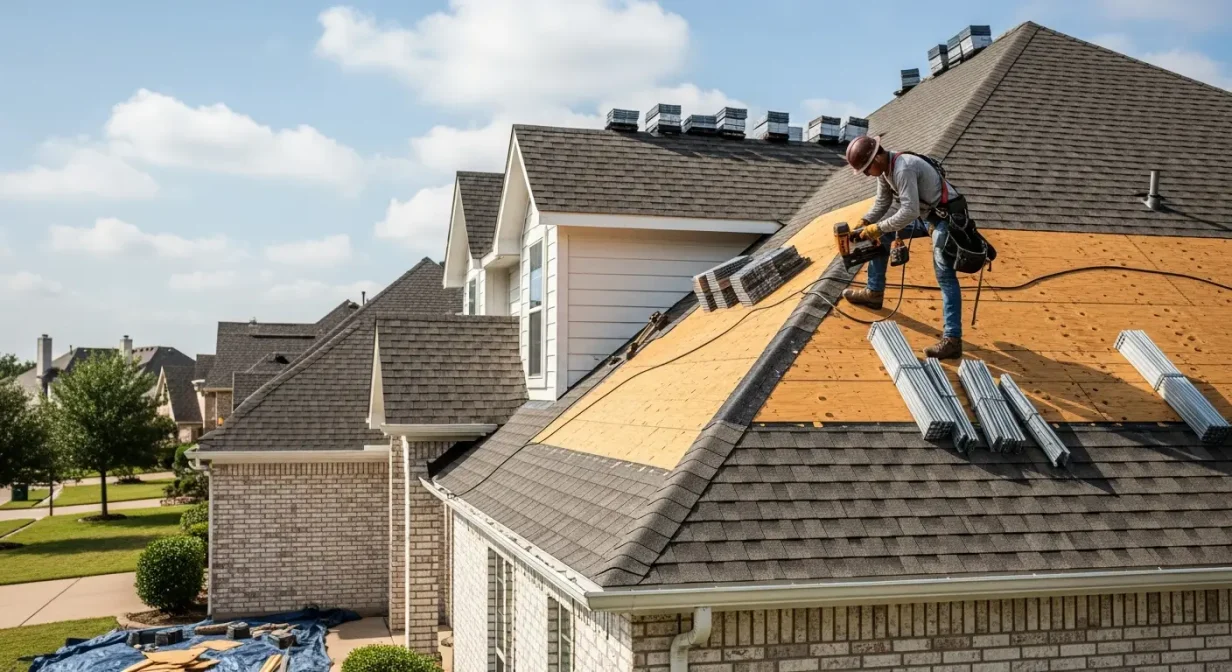
Contractor’s Bottom Line
Hurricane clips are essential for securing roof decking and resisting wind uplift, particularly in areas like Dallas, Texas. Adherence to the International Residential Code (IRC), specifically IRC R803.2.1 and IRC R905, is mandatory. Failure to install these clips correctly can result in costly repairs, potential code violations, and compromised safety. Proper installation, often involving a pneumatic nailer and galvanized fasteners meeting ASTM D1761 standards, ensures compliance and structural integrity. Inspections are crucial to verify correct clip placement and fastening. Ignoring these requirements can lead to significant financial repercussions and put your home at risk during severe weather events.
Key Takeaways
- Hurricane clips significantly enhance roof resistance to wind uplift, a major concern in North Texas.
- The International Residential Code (IRC) mandates hurricane clip usage in many regions, with specific requirements found in IRC R803.2.1 and IRC R905.
- Proper installation is crucial; use the correct fasteners (ASTM D1761) and follow manufacturer specifications for clip placement.
In Dallas, Texas, ensuring your roof can withstand high winds is paramount. Hurricane clips play a vital role in securing roof decking to the rafters or trusses, preventing wind uplift damage. These small metal connectors are a critical component of a wind-resistant roofing system, contributing significantly to the overall structural integrity of your home. The International Code Council (ICC) develops the International Residential Code (IRC), which sets the standards for building safety.
The IRC 2021, currently applicable in Dallas as of 2026, outlines specific requirements for roof attachment, including the use of hurricane clips in certain wind zones. Understanding these codes is crucial for both homeowners and contractors to ensure compliance and protect against costly damages. FIELD NOTE: During a recent inspection in Plano, a suburb of Dallas, I discovered a new home build that skipped hurricane clips on a section of the roof. This oversight would have cost the homeowner approximately $5,000 to rectify and brought the home out of compliance with local building codes.
Such oversights are not uncommon, highlighting the importance of diligent inspections and adherence to the IRC standards.
Understanding IRC Requirements for Hurricane Clips
The International Residential Code (IRC) sets minimum standards for residential construction, including roof attachment. Specifically, IRC R803.2.1 addresses roof sheathing requirements, outlining the acceptable materials and fastening schedules. IRC R905 further details the requirements for specific roofing materials, such as asphalt shingles and their attachment methods. These sections, along with local Dallas amendments, dictate when and where hurricane clips are required.
The NRCA (National Roofing Contractors Association) provides best practices that often exceed the minimum code requirements. While the IRC provides the baseline for safety, the NRCA offers guidance on enhancing roof performance and longevity. For example, the NRCA recommends specific nailing patterns and clip placement that can provide greater wind resistance than the minimum code mandates. Always consult the latest version of the IRC and local amendments to ensure full compliance.
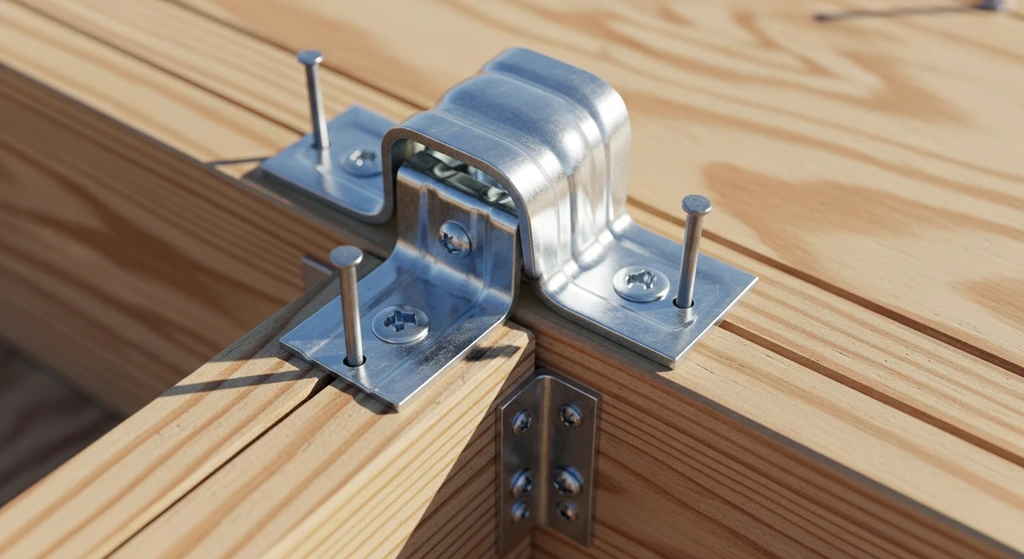
Field Note from Experience
I once worked on a project in the Lakewood neighborhood of Dallas where the original roof had failed due to inadequate wind uplift protection. The original builder had only used the bare minimum nailing pattern dictated by the IRC, but the code hadn't required clips at the time. After installing hurricane clips and a new roof system with enhanced fastening, the homeowner saw a significant reduction in their insurance premiums.
Consequences of Non-Compliance
Failing to comply with building codes regarding hurricane clips can lead to several negative consequences. The most immediate risk is structural damage to your roof during high-wind events. Without proper attachment, roof decking can be lifted, leading to leaks, water damage, and even complete roof failure. This can result in extensive and costly repairs, potentially reaching tens of thousands of dollars in severe cases.
Additionally, non-compliance can result in fines and penalties from local building authorities. The city of Dallas, for example, conducts inspections to ensure adherence to the IRC and local amendments. Violations can lead to stop-work orders, requiring immediate corrective action. Furthermore, insurance companies may deny claims for damage resulting from code violations, leaving homeowners financially responsible for repairs.
Therefore, ensuring code compliance is not only a matter of safety but also financial prudence.
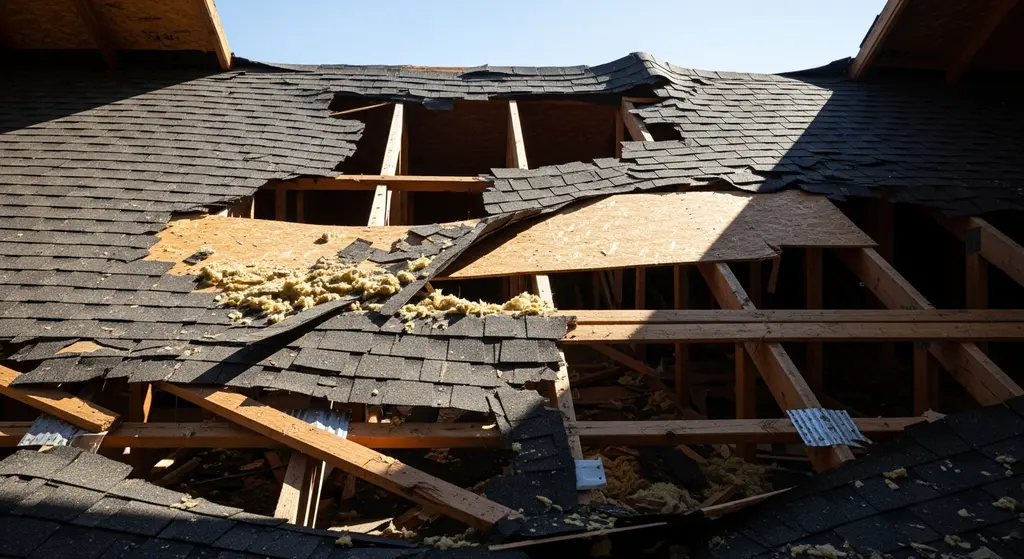
Wind Uplift Damage
Typical Cost: $5,000 – $20,000+
Prevention: Install hurricane clips per IRC code
Insurance Coverage: May be denied if code violation
Code Reference: IRC R803.2.1
Hurricane Clip Installation: A Step-by-Step Guide
Proper hurricane clip installation is crucial for their effectiveness. First, ensure you have the correct type of clip for your roof decking and framing. Consult with a local building inspector or a qualified roofing contractor to verify the appropriate clip type. Next, position the clip according to the manufacturer's specifications, typically at each rafter or truss connection along the edge of the roof.
Secure the clip using the specified fasteners, which are typically galvanized nails or screws meeting ASTM D1761 standards. Use a pneumatic nailer for efficient and consistent fastening. Ensure the fasteners penetrate the framing member sufficiently to provide a secure connection. Finally, inspect each clip to ensure it is properly seated and securely fastened.
The NRCA provides detailed guidelines on proper fastening techniques to ensure optimal performance.
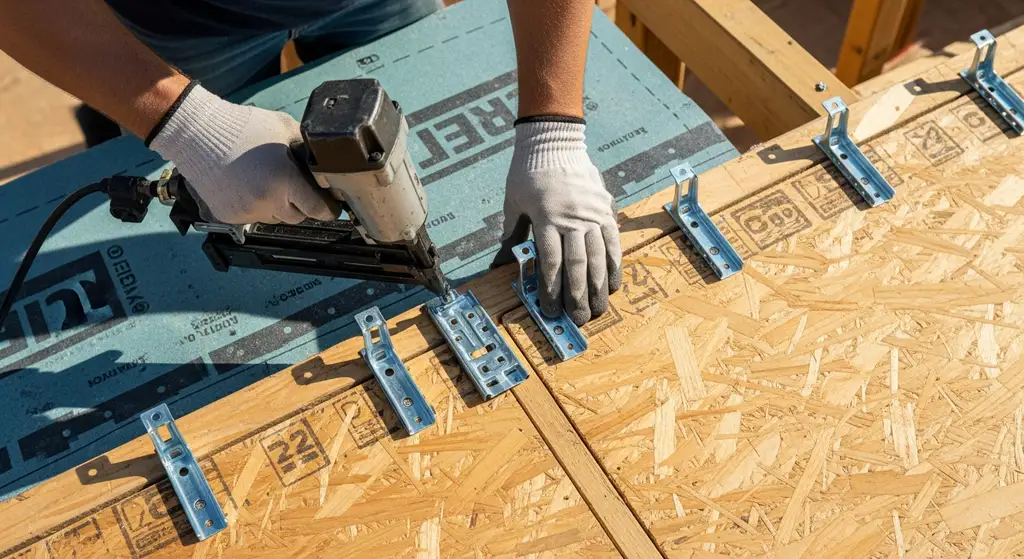
Field Note from Experience
I recall a project in Frisco, Texas where the homeowner attempted to install hurricane clips themselves without proper knowledge of fastener requirements. They used drywall screws instead of galvanized nails, which are not suitable for exterior applications. This mistake would have compromised the clip's effectiveness and potentially led to roof damage during a storm. We had to remove and replace all the incorrect fasteners, costing the homeowner an additional $800.
External Authoritative Resources
These industry-standard references support the information in this guide:
Building Codes
Frequently Asked Questions
What are hurricane clips and why are they important?
Hurricane clips are metal connectors that secure roof decking to rafters or trusses, preventing wind uplift. They are vital for protecting roofs from wind damage, especially in areas prone to high winds like Dallas, and are often required by the International Residential Code (IRC).
Are hurricane clips required by code in Dallas, Texas?
Yes, depending on the wind zone and other factors, hurricane clips may be required by the IRC 2021, currently applicable in Dallas as of 2026, and local amendments. Consult with a local building official or roofing contractor to determine specific requirements.
What type of fasteners should be used to install hurricane clips?
Use galvanized nails or screws that meet ASTM D1761 standards. The specific type and size of fastener will depend on the clip manufacturer's recommendations and the framing material.
Can I install hurricane clips myself, or should I hire a professional?
While DIY installation is possible, it's recommended to hire a qualified roofing contractor. Proper installation is crucial for the clips to function effectively, and a professional can ensure compliance with code requirements.
What are the penalties for not complying with hurricane clip requirements?
Non-compliance can result in fines, stop-work orders, and potential denial of insurance claims in the event of wind damage. It's essential to adhere to all applicable building codes to avoid these consequences.
Where can I find more information about hurricane clip requirements in Dallas?
Consult the International Residential Code (IRC), local Dallas building codes, and the NRCA Roofing Manual for detailed information on hurricane clip requirements. Also, contact a local building official or qualified roofing contractor for guidance.
Final Thoughts
Hurricane clips are a crucial element in ensuring the wind resistance of your roof in Dallas, Texas. Compliance with the IRC and local building codes is essential for protecting your home and avoiding costly damages. By understanding the requirements and ensuring proper installation, you can safeguard your roof against the forces of nature. FIELD NOTE: I once consulted with a homeowner in University Park who was selling their house.
During the inspection, it was found that the roof decking was inadequately secured. Even though the roof itself was relatively new, the lack of hurricane clips became a sticking point in the sale. The homeowner had to negotiate a $4,000 price reduction to cover the cost of installing the clips. Don't let this happen to you.
Ensure your roof is properly secured and in compliance with local building codes.
