
Contractor’s Bottom Line
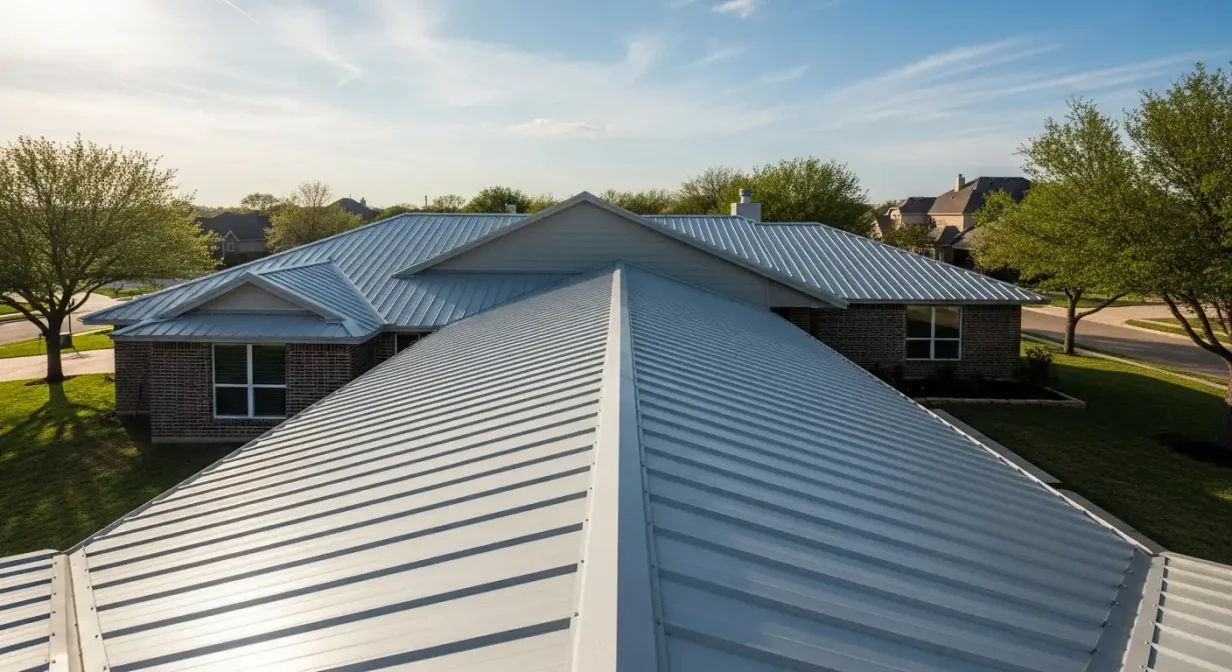
Installing steel roof decking requires precision and adherence to safety standards. This guide provides a detailed overview of the process, from material preparation to quality control. Proper installation, including correct fastener spacing and flashing integration, is crucial for a durable and code-compliant roof. Always consult local building codes, such as the International Residential Code (IRC), and follow Occupational Safety and Health Administration (OSHA) guidelines for safety. Professional installation in Dallas-Fort Worth can range from $4.00 to $7.00 per square foot, depending on the complexity of the roof and material costs. Neglecting proper installation can lead to costly repairs and potential structural damage.
Key Takeaways
- Steel roof decking provides a durable and fire-resistant base for roofing systems, enhancing structural integrity.
- Proper fastener selection and spacing are critical to ensure the steel decking can withstand wind uplift forces, as specified by the NRCA.
- Integrating flashing correctly around penetrations and edges is essential to prevent water intrusion and maintain the integrity of the roofing system. IRC R905 provides guidelines for flashing installation.
- Adhering to OSHA safety standards is paramount to prevent accidents and injuries during the installation process.
Steel roof decking offers a durable and fire-resistant alternative to traditional wood decking. Its strength and longevity make it an excellent choice for both residential and commercial buildings in Dallas, Texas. However, proper installation is critical to realizing these benefits. This guide outlines the steps involved in installing steel roof decking, emphasizing code compliance, safety, and best practices.
As a construction consultant in Dallas, I've seen firsthand the consequences of improper steel decking installation. Last month, a homeowner in Plano called me after a contractor installed the decking with incorrect fastener spacing, leading to significant deflection under load. The repair cost the homeowner an additional $5,000. Always verify contractor qualifications and adherence to the International Code Council (ICC) standards.
This guide will cover everything from selecting the right materials and tools to ensuring proper fastener spacing and flashing integration. We'll also discuss critical safety considerations and quality control measures to ensure a long-lasting and code-compliant roof. Whether you're a seasoned professional or a DIY enthusiast, this guide will provide the knowledge you need to install steel roof decking correctly.
Essential Tools and Equipment for Steel Decking Installation
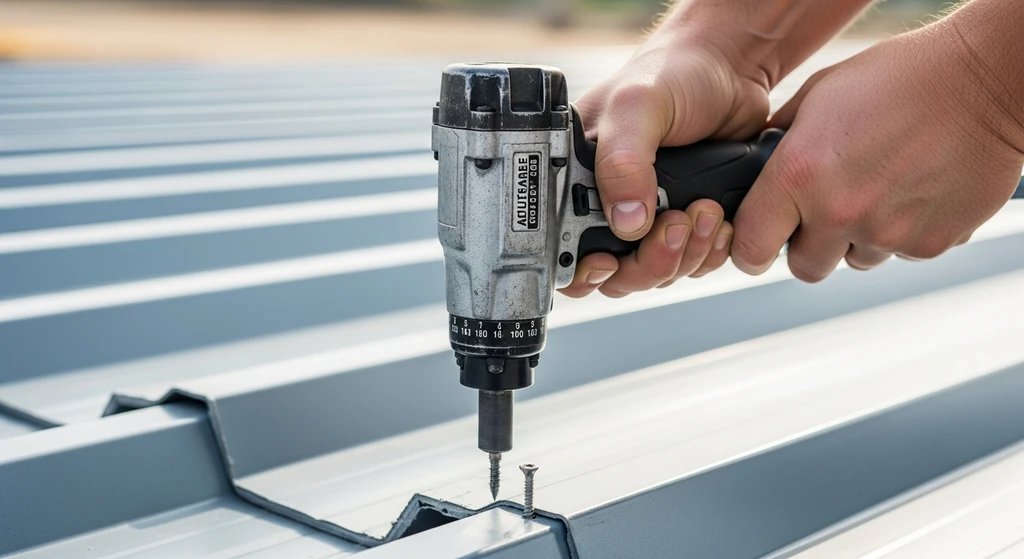
Installing steel roof decking requires a specific set of tools and equipment to ensure accuracy, safety, and efficiency. Essential tools include a metal cutting saw (such as a circular saw with a metal cutting blade or a nibbler), a screw gun with adjustable depth settings, measuring tape, chalk line, and safety glasses. Additionally, a personal fall arrest system (PFAS) compliant with OSHA standards is crucial for working at heights. For fastening the steel decking, you'll need self-drilling screws specifically designed for steel-to-steel connections, as specified by ASTM International.
These screws should have a corrosion-resistant coating to withstand the elements. A properly calibrated screw gun is essential to avoid over-driving or under-driving the fasteners, which can compromise the integrity of the installation. Finally, don't forget essential safety gear such as gloves, hard hats, and steel-toed boots. The NRCA recommends regular inspection of all tools and equipment to ensure they are in good working order.
Field Note from Experience
I once worked on a commercial project in downtown Dallas where the crew didn't use proper metal cutting blades, resulting in jagged edges and wasted material. This added significant time and cost to the project. Investing in the right tools from the start saves time and money in the long run.
Preparing the Site and Materials for Installation
Before installing steel roof decking, it's essential to prepare the site and materials properly. Begin by ensuring the supporting structure (trusses or joists) is level, plumb, and free of any defects. Verify that the spacing between supports meets the manufacturer's specifications and complies with local building codes, such as the IRC 2021. Next, carefully inspect the steel decking sheets for any damage or imperfections.
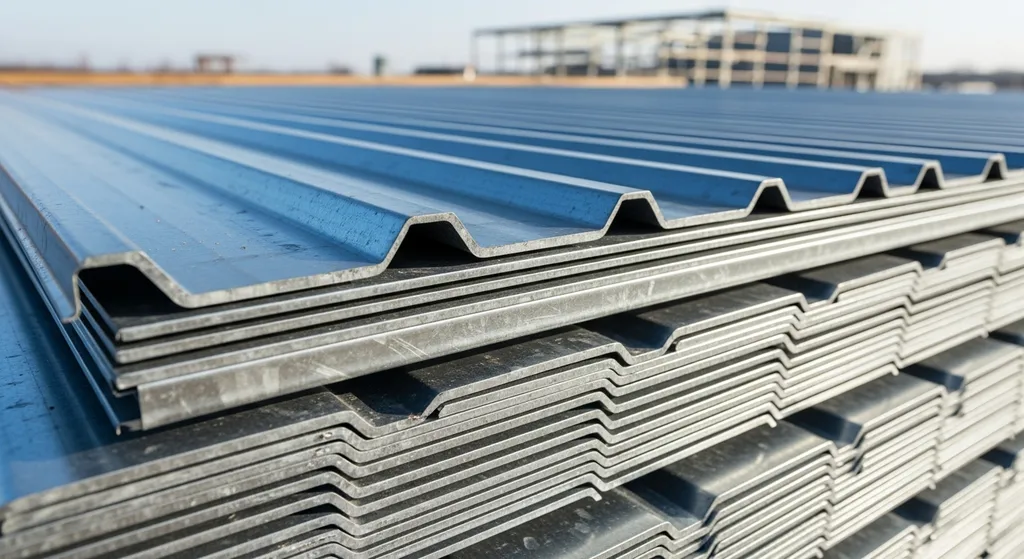
Store the steel decking materials in a dry and secure location to prevent corrosion or damage from the elements. Before lifting the sheets onto the roof, plan the layout to minimize cutting and waste. Use a chalk line to mark the cutting lines and ensure accurate cuts. Always wear safety glasses and gloves when handling steel decking to protect against sharp edges.
NRCA guidelines emphasize the importance of proper material handling to prevent injuries and damage.
Step-by-Step Guide to Installing Steel Roof Decking
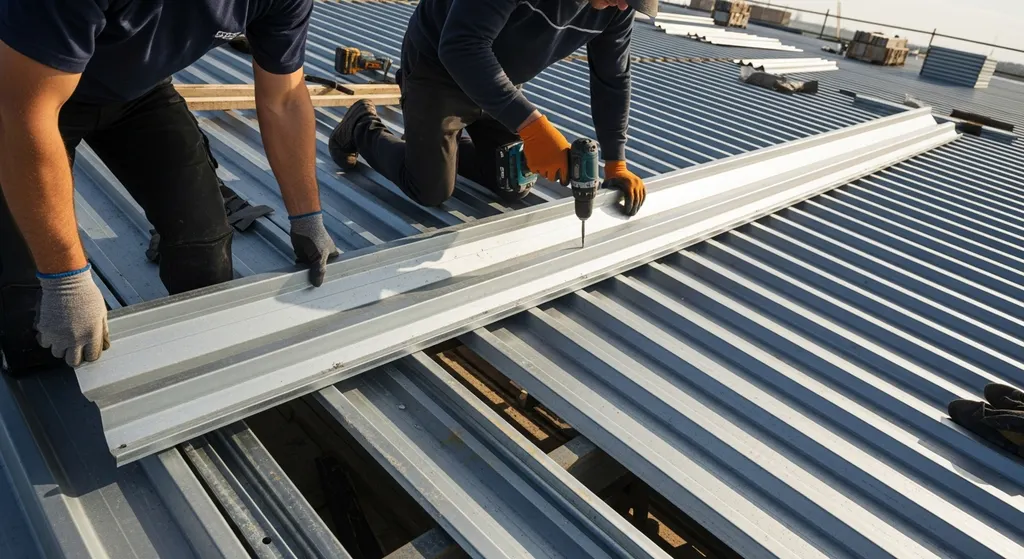
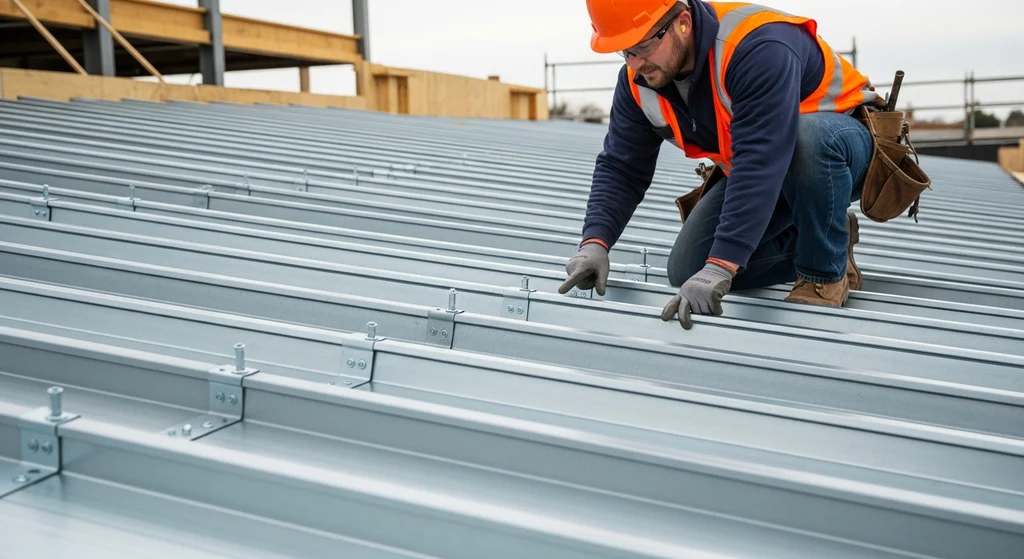
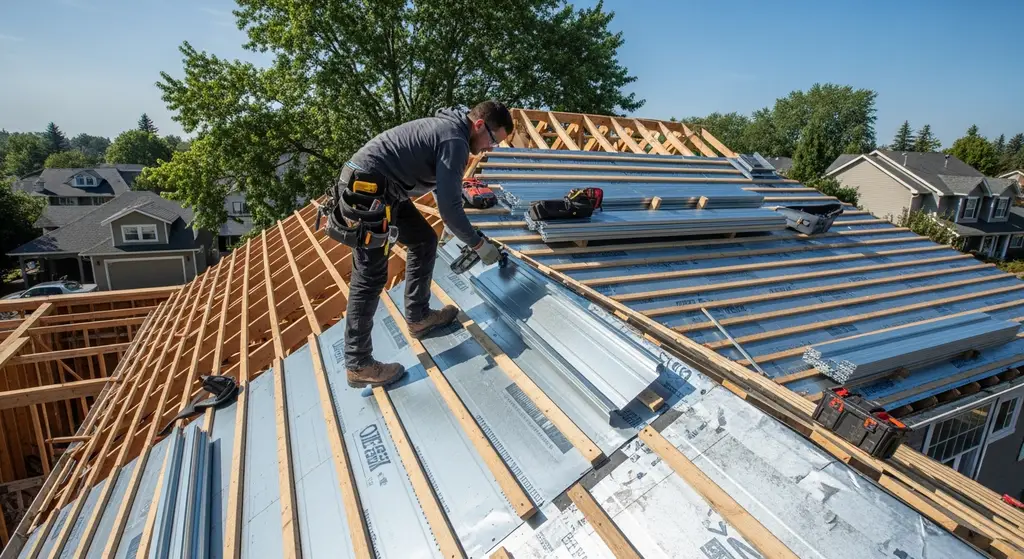
The installation process involves several key steps. First, lift the steel decking sheets onto the roof, ensuring they are properly aligned with the supporting structure. Begin fastening the sheets at one corner, working your way across the sheet. Use self-drilling screws with the correct length and diameter, following the manufacturer's recommended spacing.
Overlap the sheets according to the manufacturer's specifications, typically 2-3 inches. Ensure that the screws penetrate the steel decking and the supporting structure by at least 1/2 inch. Check the screw depth regularly to avoid over-driving or under-driving. After installing each sheet, inspect the fasteners and overlaps to ensure they are secure and properly aligned.
Pay close attention to edge details and flashing integration. The NRCA recommends using a minimum of two fasteners per flute at each support location. Proper installation according to IRC R803.2.1 ensures structural integrity.
Understanding Fastener Specifications and Spacing
Selecting the correct fasteners and adhering to proper spacing is crucial for the structural integrity of the steel roof decking. Fasteners must be self-drilling screws specifically designed for steel-to-steel connections. The length and diameter of the screws will depend on the thickness of the steel decking and the supporting structure. Consult the manufacturer's specifications for the recommended fastener size and type.
Fastener spacing is typically dictated by local building codes, such as the International Residential Code (IRC), and the manufacturer's recommendations. A common spacing is 6 inches on center along the edges of the sheets and 12 inches on center in the field. Pay close attention to the fastener pattern, ensuring that each flute is properly secured. NRCA guidelines recommend using corrosion-resistant fasteners to prevent rust and degradation over time.
ASTM D1761 provides testing methods for mechanical fasteners in building materials.
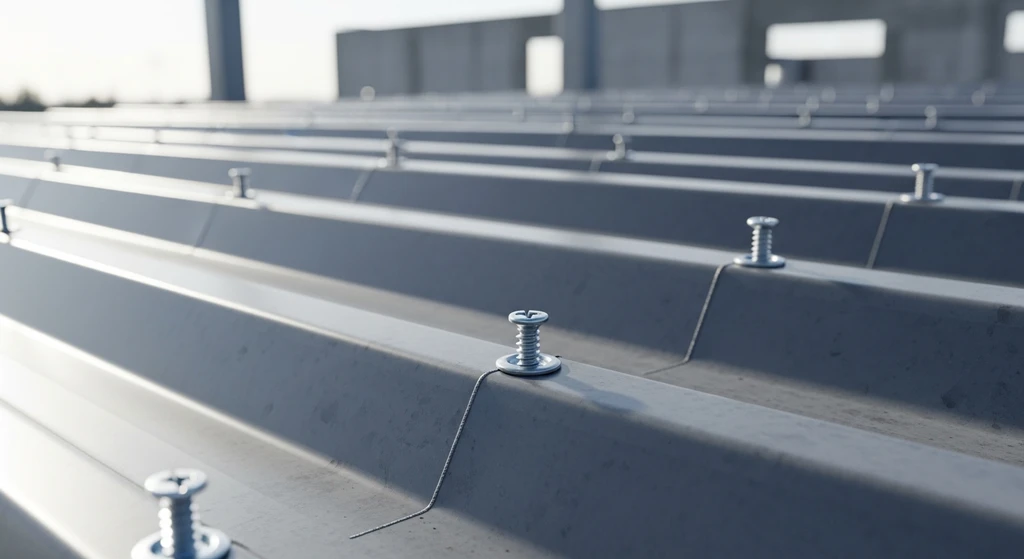
Addressing Edge Detail Requirements for a Professional Finish
Proper edge detailing is essential for a professional and weather-resistant steel roof decking installation. The edges of the steel decking should be properly supported and secured to prevent wind uplift and water intrusion. Use edge trim or flashing to protect the exposed edges of the decking. Ensure that the edge trim is securely fastened to the decking and the supporting structure.
Overlap the edge trim with the steel decking sheets according to the manufacturer's specifications. Seal the edges with a high-quality sealant to prevent water from seeping underneath the decking. Pay close attention to the corners, ensuring they are properly sealed and protected. The NRCA recommends using a continuous bead of sealant along all edges to create a watertight seal.
Neglecting edge details can lead to premature failure of the roofing system, costing homeowners in the Dallas-Fort Worth area thousands of dollars in repairs.
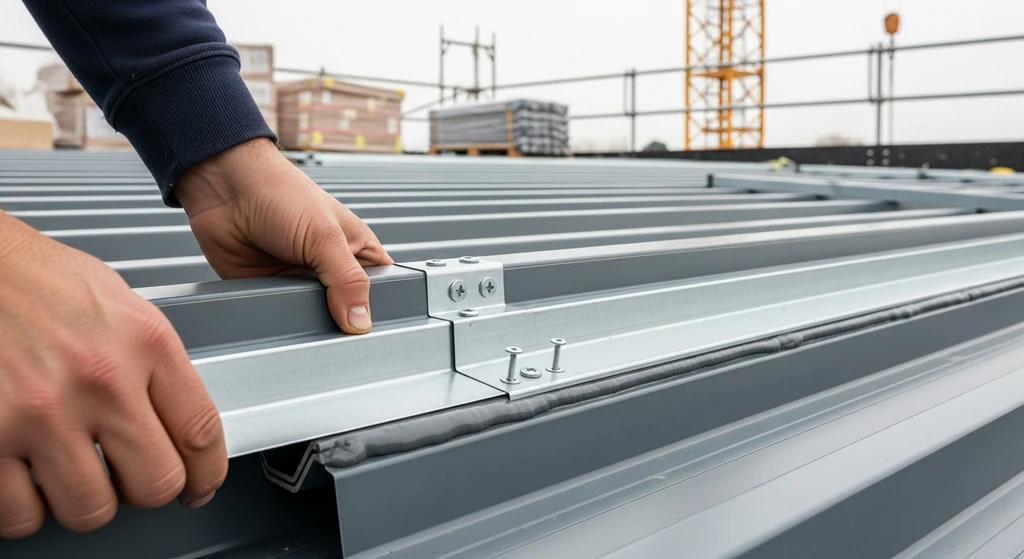
Integrating Flashing for Weather Protection
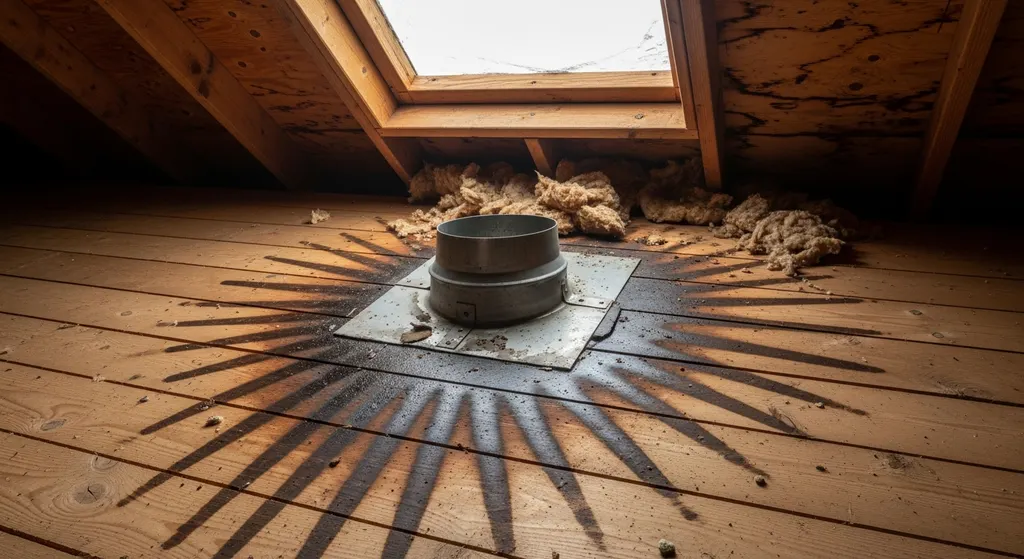
Flashing is a critical component of any roofing system, providing weather protection around penetrations such as chimneys, vents, and skylights. When installing steel roof decking, it's essential to integrate the flashing correctly to prevent water intrusion. Use pre-formed flashing or create custom flashing from sheet metal. The flashing should extend up the penetration and over the steel decking.
Seal the flashing with a high-quality sealant to create a watertight barrier. Ensure that the flashing is properly fastened to the decking and the penetration. Overlap the flashing with the roofing material according to the manufacturer's specifications. IRC R905 provides detailed requirements for flashing installation around various roof penetrations.
Neglecting flashing can lead to leaks and water damage, especially during the heavy rainstorms common in North Texas.
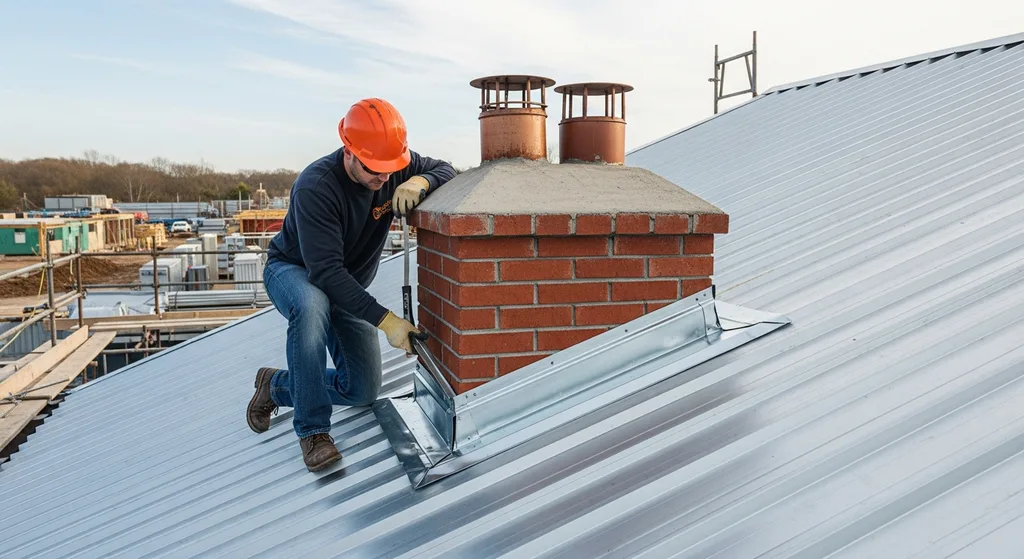
Adhering to Safety Requirements During Installation
Safety is paramount when installing steel roof decking. Working at heights presents significant risks, so it's essential to follow all OSHA safety guidelines. Use a personal fall arrest system (PFAS) that includes a full-body harness, lanyard, and anchor point. Ensure that the anchor point is properly secured to the supporting structure.
Wear safety glasses, gloves, and steel-toed boots to protect against injuries. Be aware of the weather conditions, and avoid working on the roof during high winds or rain. Use caution when handling steel decking sheets, as they can have sharp edges. Keep the work area clean and free of debris.
Provide adequate ventilation to prevent the buildup of fumes from sealants or adhesives. OSHA requires all workers to be properly trained in fall protection and other safety procedures. Failure to adhere to safety requirements can result in serious injuries or even fatalities.
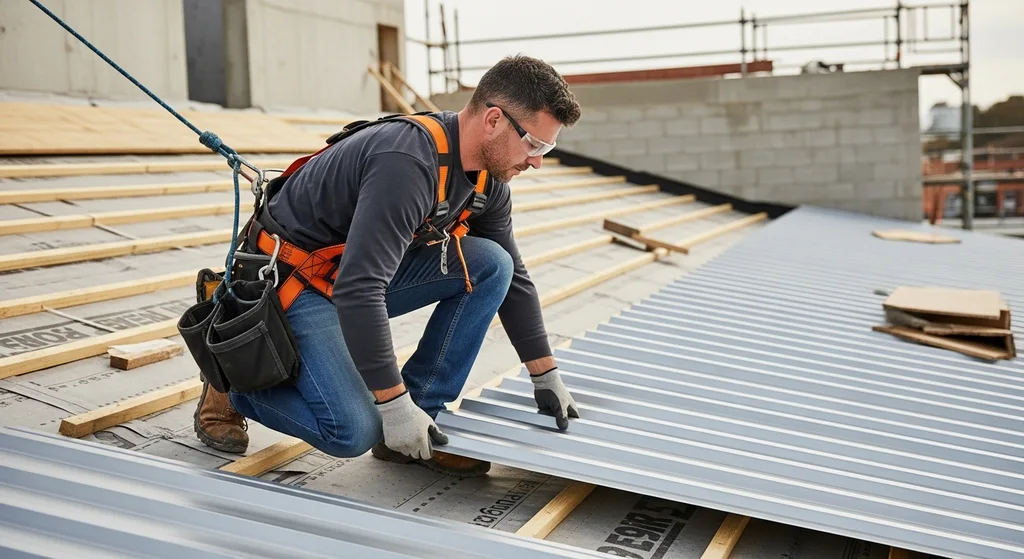
Implementing Quality Control Measures for a Durable Roof
Quality control is essential to ensure a durable and long-lasting steel roof decking installation. After installing each sheet, inspect the fasteners and overlaps to ensure they are secure and properly aligned. Check the screw depth regularly to avoid over-driving or under-driving. Use a moisture meter to check the moisture content of the supporting structure, especially if it's wood.
Verify that the flashing is properly integrated and sealed around all penetrations. Conduct a visual inspection of the entire roof to identify any potential problems. Consider hiring a third-party inspector to conduct a thorough inspection of the installation. The NRCA recommends regular maintenance and inspections to prolong the life of the roofing system.
Addressing problems early can prevent costly repairs down the road. In Dallas, the extreme heat cycles can exacerbate any installation flaws, making quality control even more critical.
Avoiding Common Installation Errors with Steel Decking
Several common errors can compromise the integrity of a steel roof decking installation. One of the most common errors is incorrect fastener spacing, which can lead to wind uplift and water intrusion. Over-driving or under-driving the fasteners can also weaken the connection. Improper flashing integration is another common error, leading to leaks around penetrations.
Failing to properly seal the edges of the decking can allow water to seep underneath, causing corrosion and damage. Using the wrong type of fasteners can also lead to premature failure. Always follow the manufacturer's specifications and local building codes to avoid these errors. I've seen material failure in Texas heat because the incorrect fasteners were used, costing homeowners thousands of dollars.
Thorough training and attention to detail are essential to prevent these problems.
DIY vs. Professional Installation: Which is Right for You?
Installing steel roof decking can be a DIY project, but it requires significant skill, knowledge, and experience. If you're comfortable working at heights, have experience with metalworking, and understand local building codes, you may be able to tackle the project yourself. However, if you're not experienced or lack the necessary tools, it's best to hire a professional roofing contractor. Professional installers have the expertise, equipment, and insurance to ensure a safe and code-compliant installation.
They also offer warranties on their work, providing peace of mind. While DIY installation can save money upfront, it can also lead to costly mistakes if not done correctly. In Dallas-Fort Worth, expect to pay $4.00-$7.00 per square foot for professional installation. This is higher than the Texas average due to demand and labor costs.
Consider the risks and benefits carefully before deciding whether to DIY or hire a professional.
External Authoritative Resources
These industry-standard references support the information in this guide:
Building Codes
International Residential Code (IRC 2021)
Official building code for residential construction
ICC Code Adoption Map
Find which IRC version your state uses
Industry Standards
NRCA Roofing Manual
National Roofing Contractors Association best practices
ASTM International Standards
Material testing standards (ASTM D3043, D1761)
Manufacturer Resources
Frequently Asked Questions
What is the typical lifespan of a steel roof deck?
With proper installation and maintenance, a steel roof deck can last for 50 years or more. The NRCA recommends regular inspections to identify and address any potential problems early on.
What type of fasteners should I use for steel roof decking?
Use self-drilling screws specifically designed for steel-to-steel connections. These screws should have a corrosion-resistant coating and meet ASTM standards for mechanical fasteners.
How do I prevent water intrusion around roof penetrations?
Proper flashing integration is critical to prevent water intrusion. Use pre-formed flashing or create custom flashing from sheet metal, and seal it with a high-quality sealant, following IRC R905 guidelines.
What safety precautions should I take when installing steel roof decking?
Always wear a personal fall arrest system (PFAS) that meets OSHA standards, along with safety glasses, gloves, and steel-toed boots. Be aware of the weather conditions and avoid working on the roof during high winds or rain.
How much does it cost to install steel roof decking in Dallas?
Professional installation in Dallas-Fort Worth can range from $4.00 to $7.00 per square foot, depending on the complexity of the roof and material costs. This is higher than the Texas average due to demand and labor costs.
Do I need a permit to install steel roof decking in Dallas?
Yes, you typically need a building permit from the city of Dallas before starting the installation process. Contact the Dallas building inspection department for specific requirements.
Final Thoughts
Installing steel roof decking offers numerous benefits, including durability, fire resistance, and longevity. However, proper installation is essential to realize these benefits. By following the steps outlined in this guide and adhering to local building codes and safety guidelines, you can ensure a successful and long-lasting roofing system. Remember, if you're not comfortable working at heights or lack the necessary skills and experience, it's best to hire a professional roofing contractor.
Last year, I consulted with a homeowner in University Park who attempted a DIY installation and ended up causing significant structural damage. The repair cost them over $10,000. Don't let this happen to you! Contact a licensed and insured roofing contractor in Dallas, Texas, for a professional installation.
