
Contractor’s Bottom Line
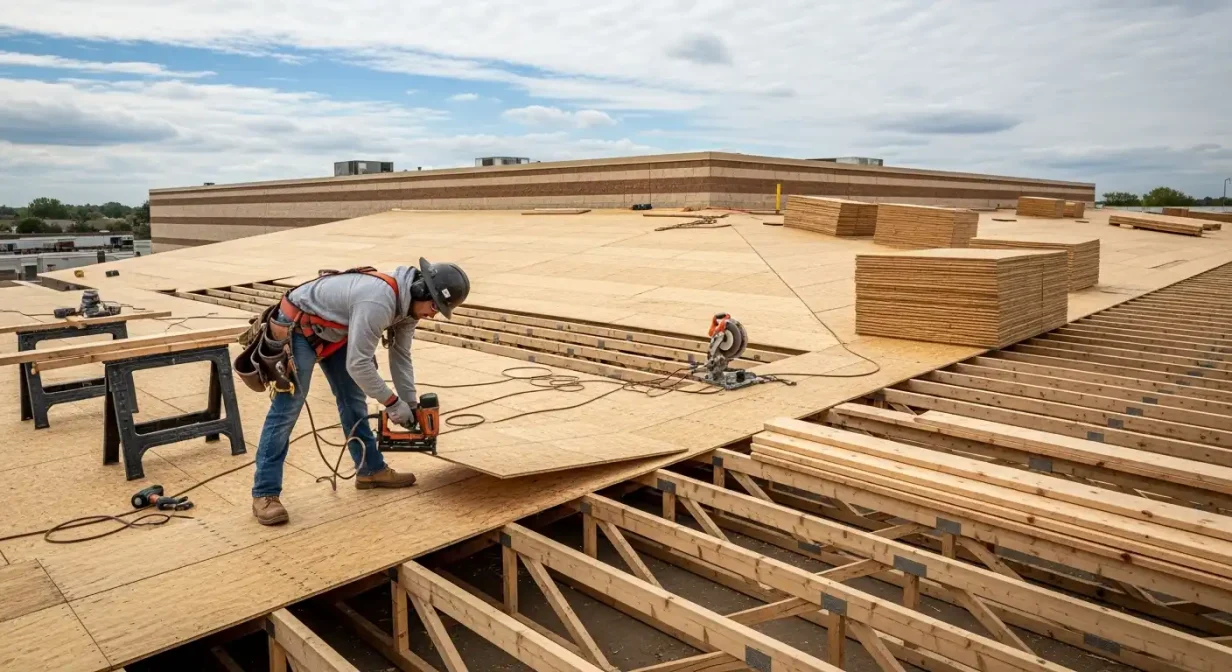
Choosing the right commercial roof decking is crucial for longevity and structural integrity. Options include steel, concrete, wood (CDX plywood or OSB), and composite materials, each with different load-bearing capacities and resistance to moisture and fire. In Dallas, consider the extreme heat and potential for hail damage. Costs range from $2.50 to $7.00 per square foot installed. The NRCA recommends adhering to local building codes and consulting with a qualified roofing contractor. IRC 2021 provides minimum requirements, but exceeding these can significantly improve roof performance.
Key Takeaways
- Steel decking offers high strength and fire resistance, ideal for large commercial buildings, conforming to ASTM A653 standards.
- Concrete decking provides excellent durability and sound insulation but is heavier and more expensive, with costs reaching $7.00 per square foot.
- Wood decking, such as CDX plywood, is a cost-effective option for smaller commercial structures, but requires proper treatment to resist moisture and insect damage, as specified in IRC R803.2.1.
- In Dallas, Texas, selecting a roof decking material that can withstand extreme temperature fluctuations and potential hail storms is critical for long-term performance.
Commercial roof decking serves as the foundation for any roofing system, providing structural support and a surface for the roofing membrane. Selecting the appropriate type of decking is crucial for ensuring the building's long-term performance and safety. Factors such as load-bearing capacity, fire resistance, and resistance to moisture and pests must be carefully considered. Different materials offer varying levels of performance in these areas, making the selection process a complex one.
Understanding the various types of commercial roof decking available is essential for making an informed decision. Common options include steel, concrete, wood (CDX plywood or OSB), and composite materials. Each material has its own set of advantages and disadvantages, making it suitable for different applications. The NRCA provides guidelines and best practices for selecting and installing roof decking materials.
Consider that in the Dallas-Fort Worth area, extreme weather conditions demand a durable decking choice. FIELD NOTE: I once inspected a commercial building in downtown Dallas where the wrong type of roof decking was installed. The decking was unable to withstand the weight of the HVAC equipment, leading to structural damage and costing the owner over $15,000 in repairs. This underscores the importance of selecting the right material and adhering to the International Code Council (ICC) guidelines for roof decking installation.
Understanding the Composition of Different Decking Materials
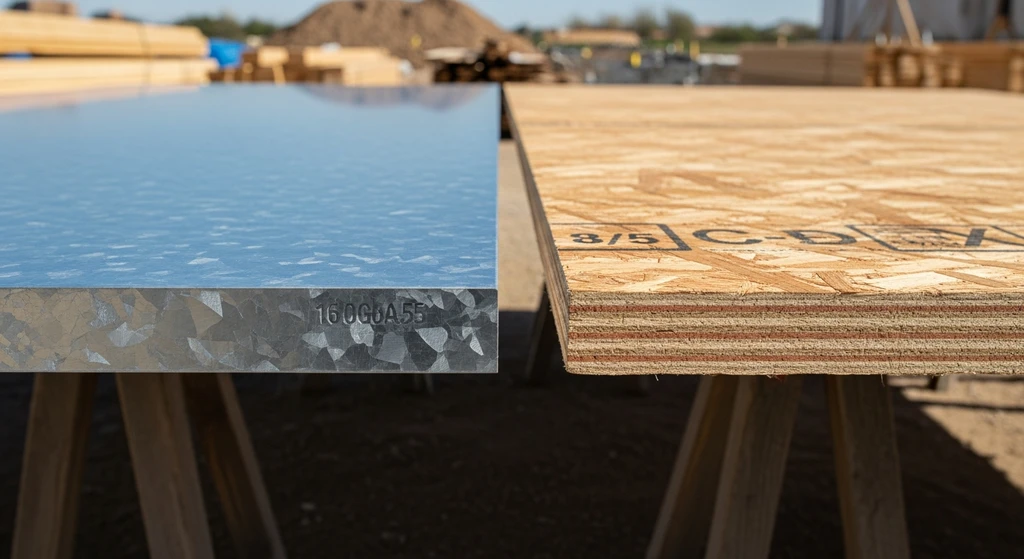
Commercial roof decking materials vary significantly in their composition, impacting their performance characteristics. Steel decking, for example, is typically made from galvanized steel, which provides corrosion resistance. The galvanization process involves coating the steel with zinc, protecting it from rust and degradation. G-90 galvanized steel (0.90 oz zinc/sq ft per ASTM A653) is a common choice for commercial roofing applications, offering superior protection against the elements.
Concrete decking, on the other hand, is composed of cement, aggregates (sand and gravel), and water. The mixture is poured into forms and allowed to cure, creating a solid, durable surface. The addition of reinforcing steel bars (rebar) within the concrete enhances its tensile strength and load-bearing capacity. Wood decking, such as CDX plywood or oriented strand board (OSB), is made from layers of wood veneer or strands bonded together with adhesives.
CDX plywood, conforming to APA-rated sheathing, is a common choice for its strength and stability. Finally, composite decking materials often combine different materials, such as cement and wood fibers, to create a lightweight and durable product.
A Brief History of Commercial Roof Decking Materials
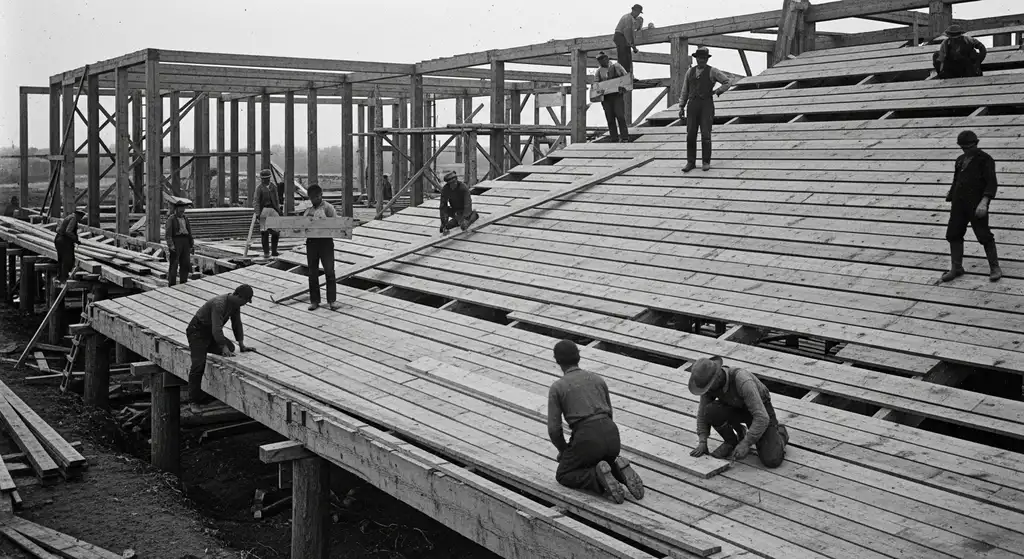
The evolution of commercial roof decking materials reflects advancements in construction technology and changing building needs. In the early days of commercial construction, wood was the primary choice for roof decking. Solid wood planks were commonly used, providing a simple and readily available solution. However, wood is susceptible to moisture damage, fire, and insect infestation, limiting its lifespan and suitability for larger structures.
Steel decking emerged as a viable alternative in the early 20th century, offering superior strength, fire resistance, and durability. The development of galvanization techniques further enhanced steel's corrosion resistance, making it a popular choice for commercial buildings. Concrete decking also gained prominence, particularly for structures requiring high load-bearing capacity and sound insulation. Modern composite materials represent the latest advancement in roof decking technology, offering a balance of strength, lightweight construction, and durability.
Ideal Applications for Different Types of Roof Decking
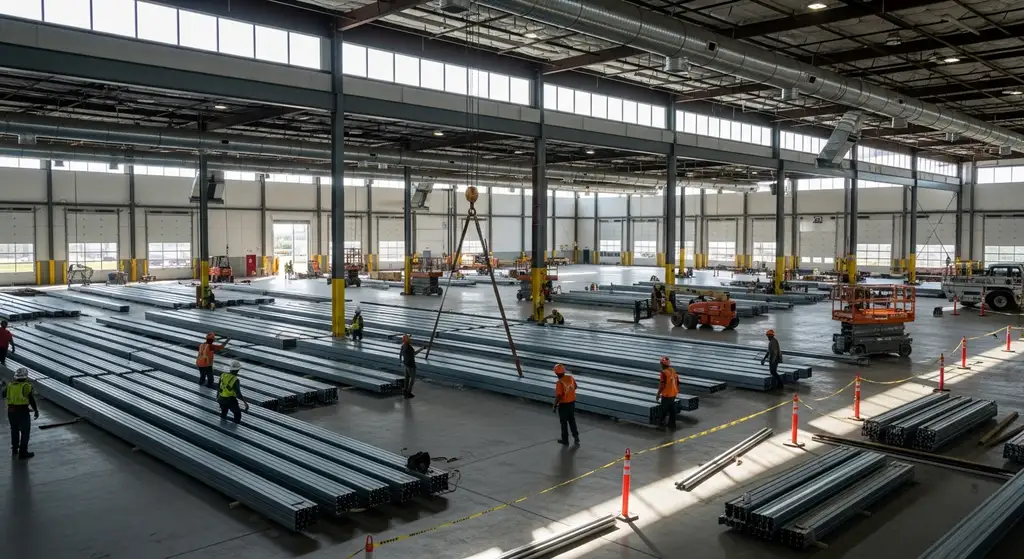
Each type of commercial roof decking is best suited for specific applications based on its unique properties. Steel decking is ideal for large commercial buildings, warehouses, and industrial facilities where strength, fire resistance, and long spans are required. Its ability to withstand heavy loads and resist fire makes it a safe and reliable choice. Concrete decking is well-suited for buildings that require excellent sound insulation, such as theaters, concert halls, and apartment buildings.
The mass of the concrete effectively blocks sound transmission, creating a quieter interior environment. Wood decking, such as CDX plywood or OSB, is a cost-effective option for smaller commercial structures, such as retail stores, offices, and restaurants. However, it's crucial to ensure proper treatment to resist moisture and insect damage. Composite decking materials offer a versatile solution for a wide range of applications, combining the benefits of different materials.
They are often used in projects where lightweight construction, durability, and ease of installation are important considerations.
When to Avoid Certain Types of Roof Decking
While each type of commercial roof decking has its ideal applications, there are also situations where certain materials should be avoided. Using wood decking in environments with high moisture levels or excessive humidity is generally not recommended, as it can lead to rot, decay, and structural failure. Similarly, steel decking may not be the best choice for buildings that require high levels of sound insulation, as it can transmit noise easily. Concrete decking, due to its weight, may not be suitable for structures with limited load-bearing capacity.
Composite decking materials, while versatile, may not be appropriate for applications requiring extreme fire resistance or very long spans. It's essential to carefully evaluate the specific requirements of the project and select a decking material that meets those needs. Failure to do so can result in costly repairs, premature failure, and potential safety hazards. Always consult with a qualified structural engineer and roofing contractor to ensure the appropriate material selection.
Roof Decking Performance in the Dallas Climate
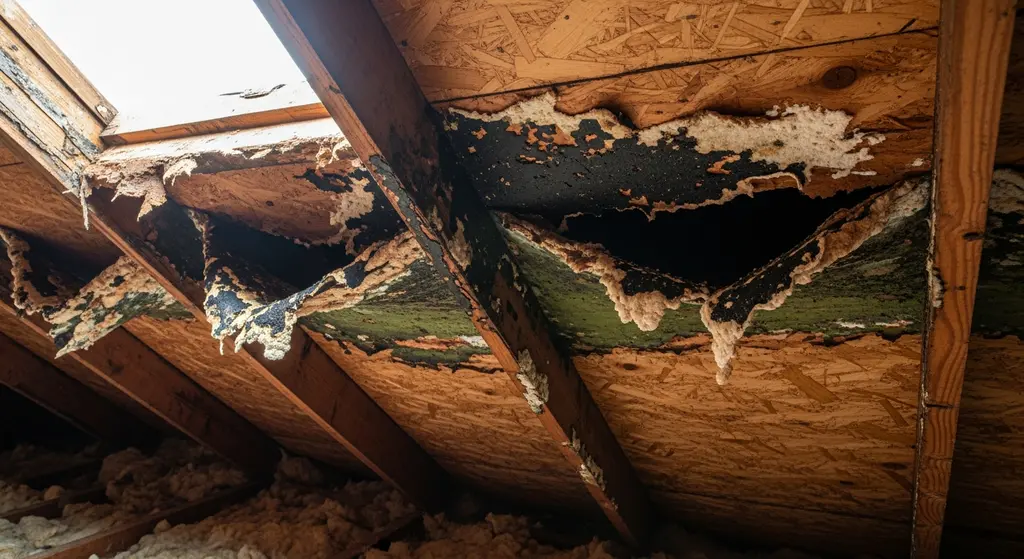
The Dallas-Fort Worth climate presents unique challenges for commercial roof decking. Extreme heat, humidity, and occasional hailstorms can significantly impact the performance and longevity of roofing materials. In the summer months, temperatures can soar above 100°F, causing thermal expansion and contraction of the decking. This can lead to cracks, warping, and premature failure, especially in materials that are not designed to withstand such extreme temperature fluctuations.
Hailstorms are another common occurrence in the Dallas area, posing a significant threat to roof decking. Large hailstones can damage or puncture the decking, compromising its structural integrity and allowing water to penetrate the building. Selecting a decking material with high impact resistance is crucial for mitigating hail damage. Wood decking, for example, should be properly treated with preservatives to resist moisture and insect damage, which are exacerbated by the humid climate.
Steel decking should be galvanized to prevent corrosion. The NRCA recommends regular roof inspections to identify and address any potential problems before they escalate.
Relevant ASTM Standards for Roof Decking
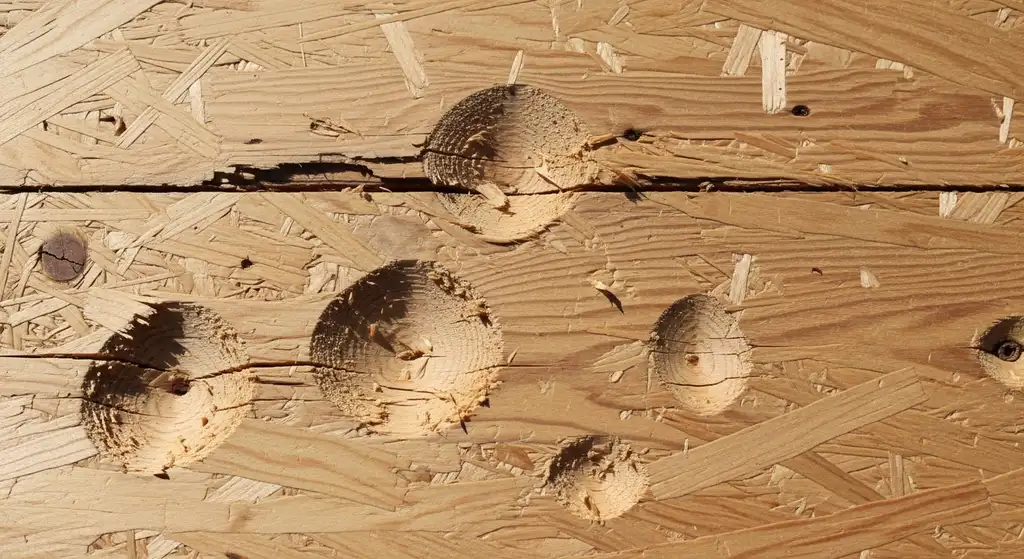
Adhering to relevant ASTM International standards is crucial for ensuring the quality and performance of commercial roof decking. ASTM standards provide specifications and testing methods for various materials, ensuring that they meet minimum requirements for strength, durability, and fire resistance. For example, ASTM D3043 covers the standard test methods for structural panels in flexure. This standard outlines procedures for determining the flexural properties of wood-based structural panels, such as CDX plywood and OSB.
ASTM D1761 provides testing methods for mechanical fasteners used in wood assemblies, ensuring that they can withstand the loads and stresses imposed on the decking. ASTM D226 specifies the requirements for asphalt-saturated organic felt used as an underlayment for roofing. This standard ensures that the felt provides adequate protection against moisture penetration. ASTM D4869 covers the requirements for asphalt-saturated roofing felt used as an underlayment for steep-slope roofs.
These standards are essential for ensuring that the roof decking and underlayment work together to provide a durable and weather-resistant roofing system. Consulting with a qualified roofing contractor and adhering to these standards are crucial for ensuring the long-term performance of your commercial roof.
Understanding Thermal and Structural Properties
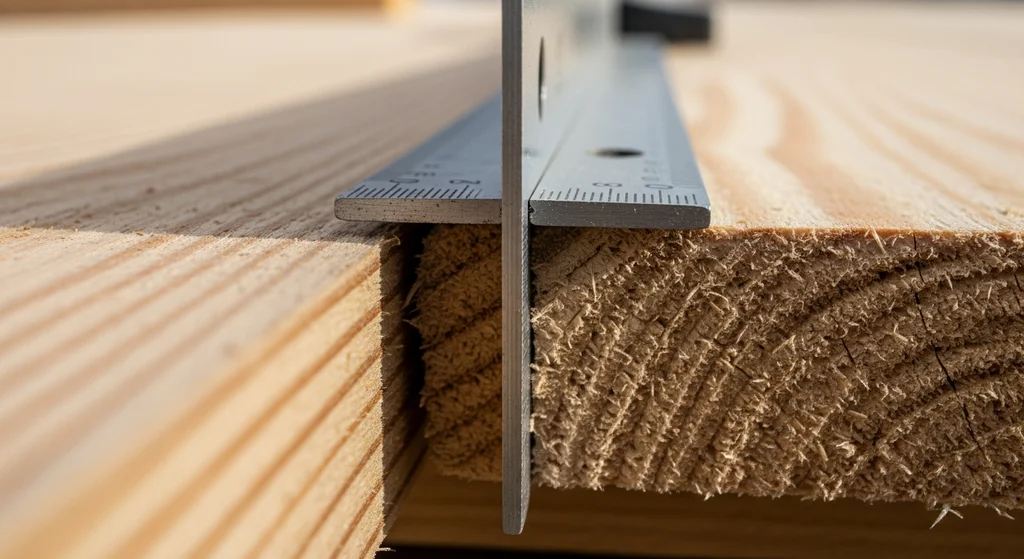
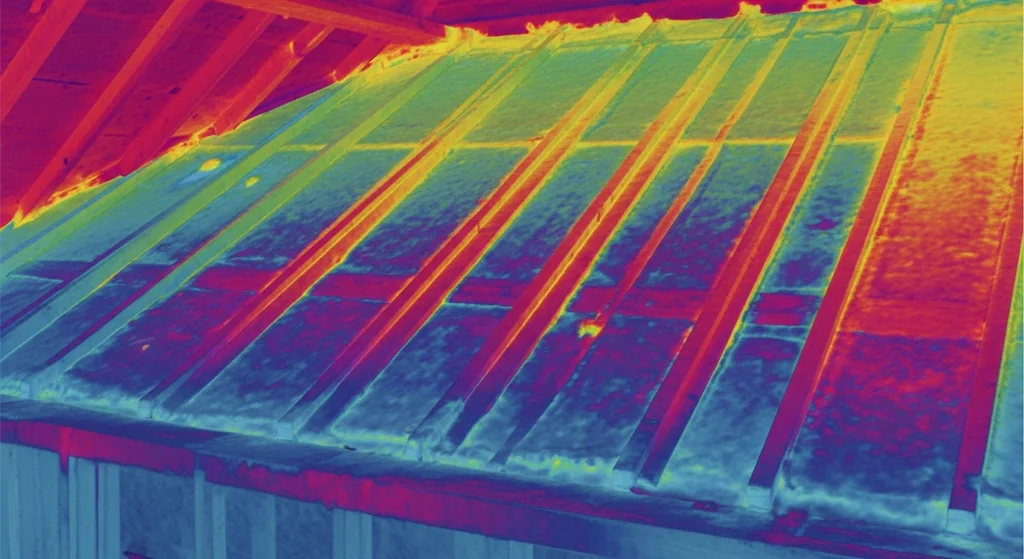
The thermal and structural properties of commercial roof decking are critical factors in determining its overall performance. Thermal properties, such as R-value and thermal conductivity, affect the building's energy efficiency and comfort. A higher R-value indicates better insulation, reducing heat transfer and lowering energy costs. Structural properties, such as load-bearing capacity, shear strength, and tensile strength, determine the decking's ability to withstand loads and stresses imposed by wind, snow, and building occupants.
Steel decking typically has a lower R-value compared to wood or concrete, requiring additional insulation to meet energy efficiency requirements. Concrete decking offers excellent thermal mass, helping to stabilize indoor temperatures. Wood decking provides moderate insulation and structural strength. Composite decking materials can be engineered to achieve specific thermal and structural properties, offering a customizable solution for various building needs.
Always consult with a qualified engineer to ensure that the selected decking material meets the structural and thermal requirements of the building.
External Authoritative Resources
These industry-standard references support the information in this guide:
Building Codes
Frequently Asked Questions
What is the most durable type of commercial roof decking?
Concrete decking is generally considered the most durable option, offering excellent resistance to fire, moisture, and impact, although it is heavier and more expensive than other options. Consider ASTM standards for concrete performance.
How does the Dallas climate affect roof decking selection?
In Dallas, extreme heat, humidity, and hailstorms necessitate selecting a decking material with high resistance to thermal expansion, moisture damage, and impact, with proper installation being crucial.
What are the code requirements for roof decking in Dallas?
Dallas adheres to the International Residential Code (IRC), which specifies minimum requirements for roof decking materials, installation, and load-bearing capacity; ensure compliance with IRC 2021 and local amendments.
Is steel decking a good choice for commercial buildings?
Steel decking offers high strength, fire resistance, and long spans, making it a suitable choice for large commercial buildings, but it requires additional insulation to meet energy efficiency requirements, according to ASHRAE standards.
What is the cost of installing different types of roof decking?
The cost varies depending on the material, but expect to pay between $2.50 and $7.00 per square foot installed, with concrete being the most expensive and wood being the least, with Dallas rates being higher than rural Texas.
How can I prevent moisture damage to wood roof decking?
Proper treatment with preservatives and adequate ventilation are crucial for preventing moisture damage to wood roof decking, especially in humid climates like Dallas, as specified by IRC R803.2.1.
Final Thoughts
Choosing the right type of commercial roof decking is a critical decision that impacts the long-term performance and safety of the building. Understanding the properties, advantages, and disadvantages of different materials is essential for making an informed choice. Consider factors such as load-bearing capacity, fire resistance, resistance to moisture and pests, and the specific requirements of the project. Always consult with qualified professionals and adhere to relevant building codes and ASTM standards.
FIELD NOTE: I was recently called to a commercial building in North Texas where the roof decking had failed prematurely due to improper installation. The contractor had not followed the manufacturer's specifications, leading to water damage and structural instability. The cost to replace the decking was over $20,000. Don't let this happen to you.
Invest in quality materials and professional installation to ensure the longevity of your commercial roof.
