
Contractor’s Bottom Line
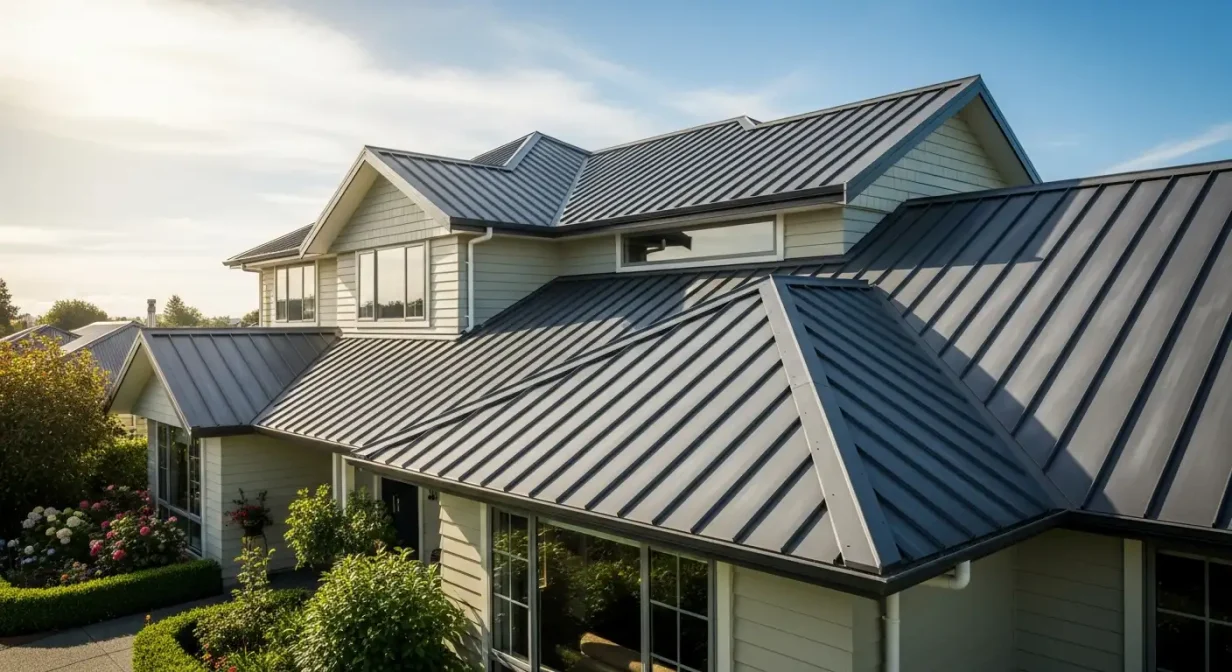
Choosing the right insulation for metal roof decking is crucial for energy efficiency and preventing condensation. Several options exist, including rigid foam, spray foam, and fiberglass, each with distinct R-values and installation requirements. In Dallas-Fort Worth, expect to pay $1.50-$4.00 per square foot for installed insulation, depending on the material and thickness. Ensure compliance with IRC 2021 energy codes and consult with a qualified contractor. Improper installation can lead to moisture problems and reduced insulation performance.
Key Takeaways
- Proper insulation prevents condensation and improves energy efficiency in metal roofing systems.
- R-value is a key metric, but installation quality and air sealing are equally important. NRCA guidelines emphasize proper ventilation to prevent moisture buildup.
- In Dallas, temperature fluctuations can cause significant expansion and contraction in metal roofs, requiring insulation that can accommodate these movements.
- Cost varies widely, with spray foam typically being more expensive but providing superior air sealing.
Metal roof decking presents unique insulation challenges compared to traditional wood-framed roofs. Metal's high thermal conductivity means it readily transfers heat, making insulation critical for maintaining comfortable indoor temperatures and reducing energy consumption. Proper insulation also helps prevent condensation, which can lead to corrosion and structural damage. Selecting the right insulation material and ensuring proper installation are essential for optimal performance.
Factors to consider include R-value, moisture resistance, fire rating, and compatibility with the metal roof system. Understanding these factors will help you make an informed decision and avoid costly mistakes. FIELD NOTE: Last year, a homeowner in Plano called me after noticing condensation forming on their metal roof decking. After inspection, I found that the insulation was improperly installed, leading to significant moisture buildup.
The repair cost, including mold remediation, totaled $8,000. This highlights the importance of professional installation and proper vapor barrier placement.
Understanding Insulation Material Composition
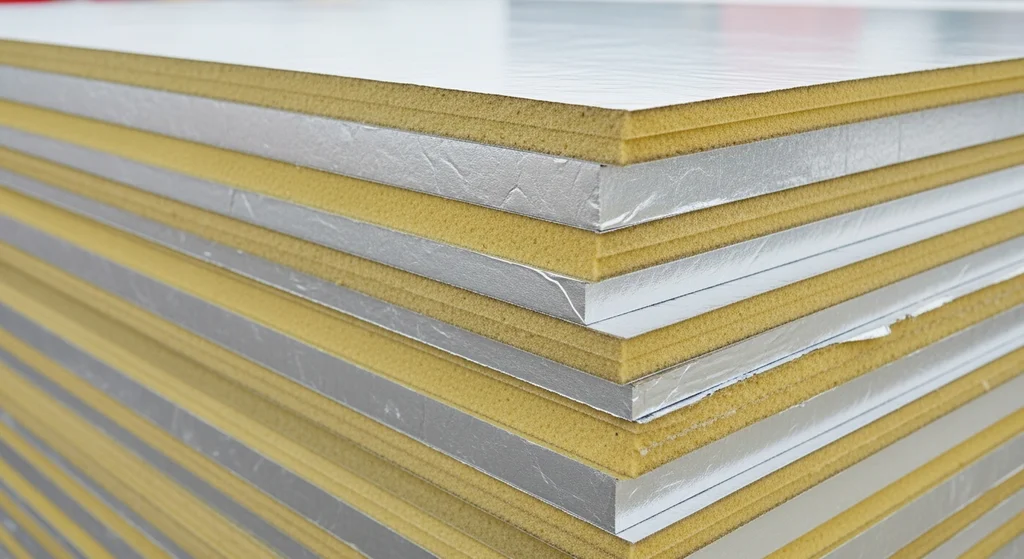
Several insulation materials are suitable for metal roof decking, each with unique compositions and properties. Rigid foam boards, such as polyisocyanurate (polyiso) and expanded polystyrene (EPS), offer high R-values and moisture resistance. Spray foam insulation, including closed-cell and open-cell varieties, provides excellent air sealing and can conform to irregular surfaces. Fiberglass insulation, while less common for metal roofs, can be used in conjunction with a vapor barrier to prevent moisture issues.
Mineral wool insulation offers excellent fire resistance and sound absorption properties. Understanding the composition of each material helps in selecting the best option for specific project needs and climate conditions. ASTM International sets standards for these materials. For example, ASTM D3043 covers testing methods for rigid foam insulation.
Always verify that the insulation material meets relevant ASTM standards for performance and safety.
Ideal Use Cases for Different Insulation Types
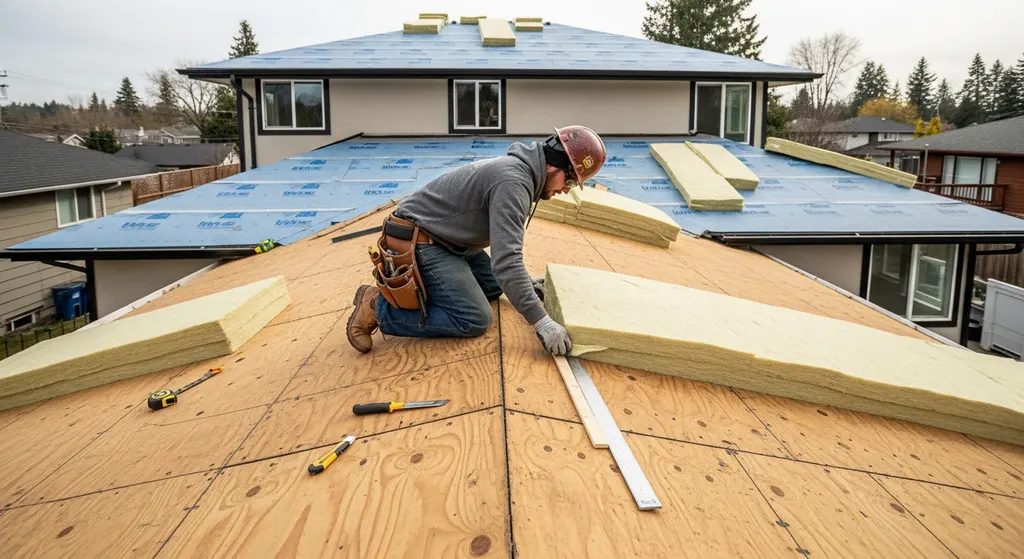
The best insulation choice depends on the specific application and project requirements. Rigid foam boards are ideal for providing a continuous layer of insulation over the metal roof decking, minimizing thermal bridging. They are often used in commercial buildings and new construction projects. Spray foam is well-suited for retrofitting existing metal roofs or insulating complex shapes and crevices.
Fiberglass insulation may be a cost-effective option for residential projects where moisture control is carefully managed. Mineral wool is an excellent choice for applications requiring high fire resistance, such as industrial buildings or areas with strict fire codes. Consider the building's usage, climate conditions, and budget when selecting the appropriate insulation material. NRCA (National Roofing Contractors Association) provides guidelines on selecting insulation based on climate zone and building type.
Consulting with a roofing professional can help determine the best insulation strategy for your specific project.
Incompatible Applications and Potential Failures
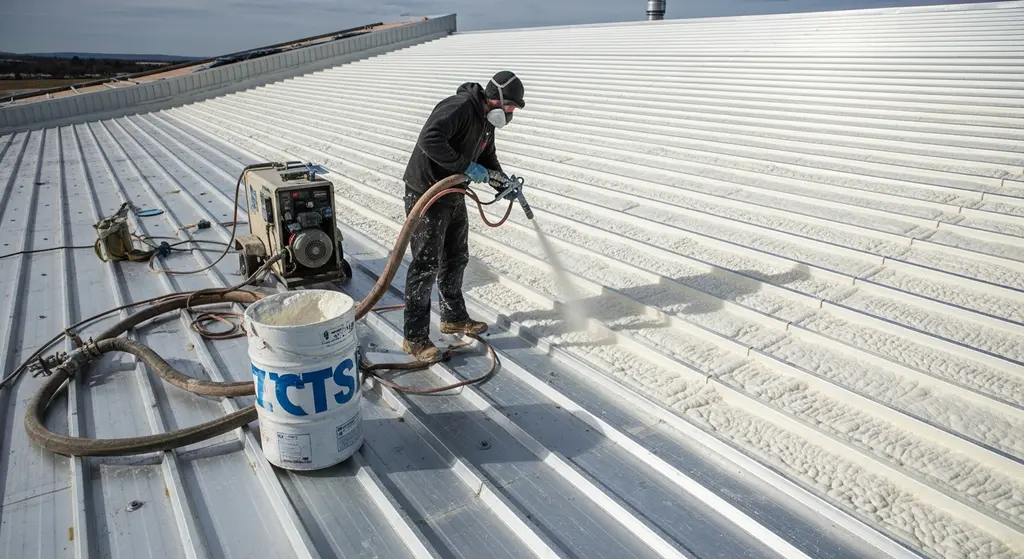
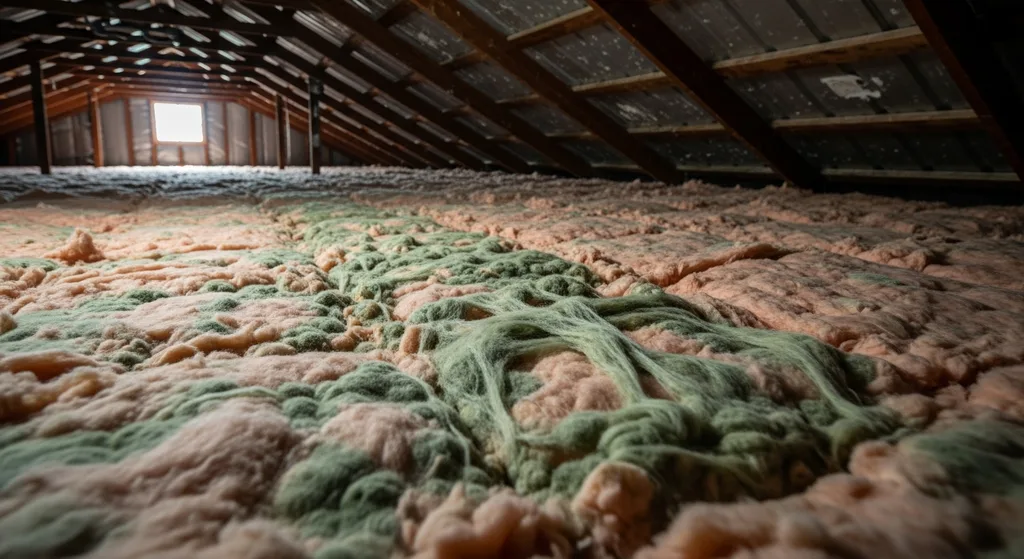
Certain insulation materials are not suitable for all metal roof applications. Using fiberglass insulation without a proper vapor barrier in a humid climate like Dallas can lead to moisture accumulation and mold growth. Spray foam insulation applied directly to a corroded metal surface can accelerate corrosion. Rigid foam boards installed improperly can create gaps and thermal bridges, reducing their effectiveness.
It's crucial to assess the condition of the metal roof decking and the environmental conditions before selecting an insulation material. Neglecting these factors can result in premature insulation failure and costly repairs. FEMA (Federal Emergency Management Agency) provides resources on mitigating moisture damage in buildings. Understanding these risks can help prevent common insulation failures.
Dallas Climate Considerations for Insulation
The Dallas-Fort Worth climate presents unique challenges for metal roof insulation. Extreme heat during the summer months can cause significant thermal expansion and contraction of the metal roof decking. Rapid temperature swings can lead to condensation issues. Selecting insulation materials that can withstand these conditions is crucial for long-term performance.
High humidity levels in Dallas necessitate the use of vapor barriers to prevent moisture intrusion into the insulation. Proper ventilation is also essential to remove any accumulated moisture. Consider insulation materials with high R-values to minimize heat transfer during the summer and retain heat during the winter months. FIELD NOTE: I have seen metal roofs in Dallas buckle due to thermal expansion when the insulation restricts movement.
Always allow for expansion joints and select insulation with some flexibility. Ignoring this can lead to costly repairs. The International Code Council (ICC) publishes guidelines for thermal expansion in building materials.
Field Note from Experience
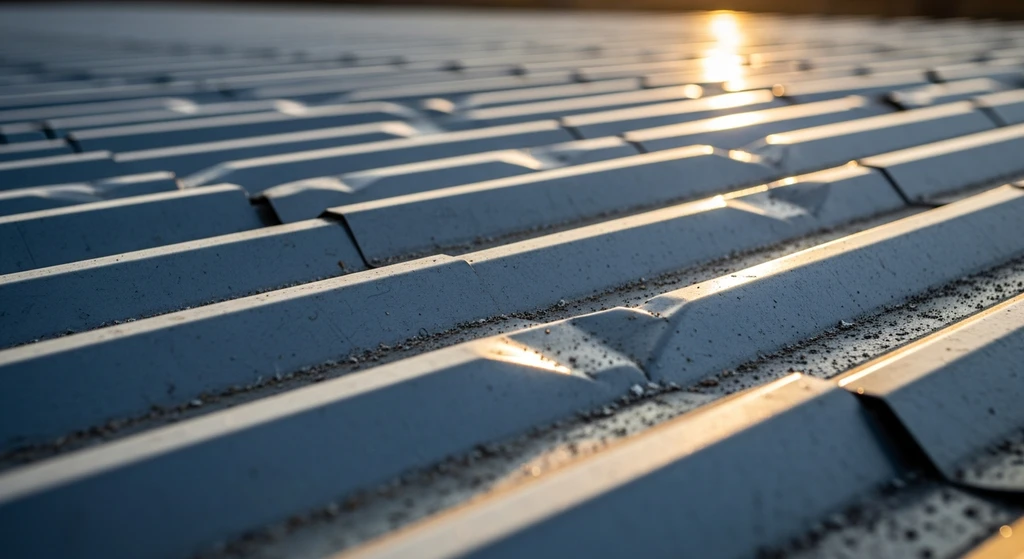
Last month, I inspected a metal roof in McKinney where the rigid foam insulation had been installed too tightly, preventing thermal expansion. This resulted in buckling and required significant repairs costing the homeowner $6,500.
Applicable ASTM Standards for Insulation
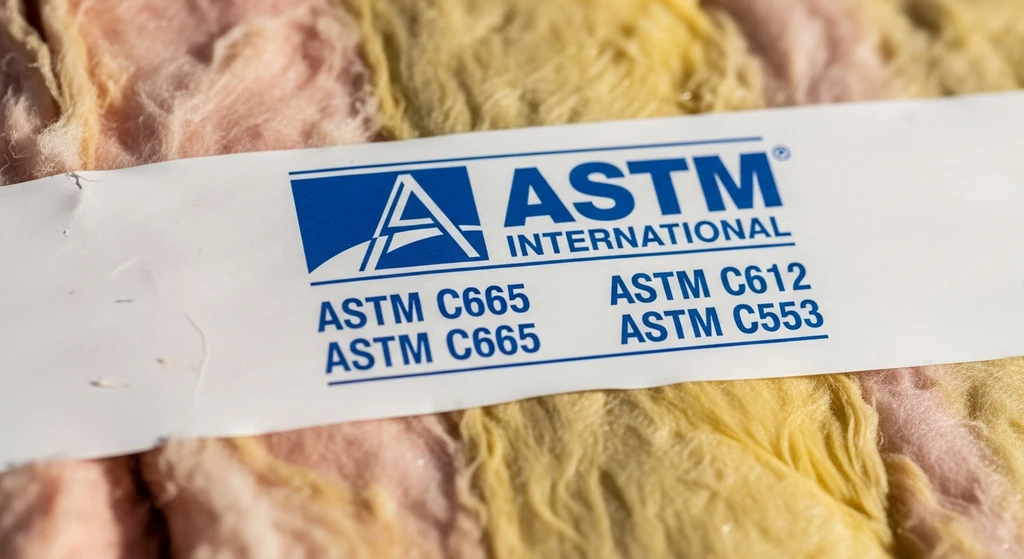
Several ASTM standards govern the performance and testing of insulation materials. ASTM C518 specifies the test method for determining the thermal conductivity of insulation. ASTM E84 outlines the standard test method for surface burning characteristics of building materials. ASTM D1622 covers the compressive strength of rigid cellular plastics.
Ensure that the insulation materials used in your project meet these relevant ASTM standards. Compliance with these standards provides assurance of the material's quality and performance. Consult with a qualified roofing contractor or building inspector to verify compliance. The International Residential Code (IRC 2021) references these ASTM standards for insulation requirements.
Adhering to these standards ensures compliance with building codes and promotes safe and effective insulation practices.
Understanding Thermal and Structural Properties
Insulation materials possess distinct thermal and structural properties that influence their performance. R-value measures the resistance to heat flow, with higher R-values indicating better insulation. Thermal conductivity (k-value) is the inverse of R-value, representing the material's ability to conduct heat. Compressive strength measures the material's ability to withstand loads without deformation.
Density affects the material's weight and ability to resist moisture. Understanding these properties helps in selecting the appropriate insulation material for specific structural and thermal requirements. The Energy Star program provides guidelines on recommended R-values for different climate zones. Consulting these guidelines ensures optimal energy efficiency and compliance with energy codes.
The Occupational Safety and Health Administration (OSHA) provides guidelines for safe handling of insulation materials.
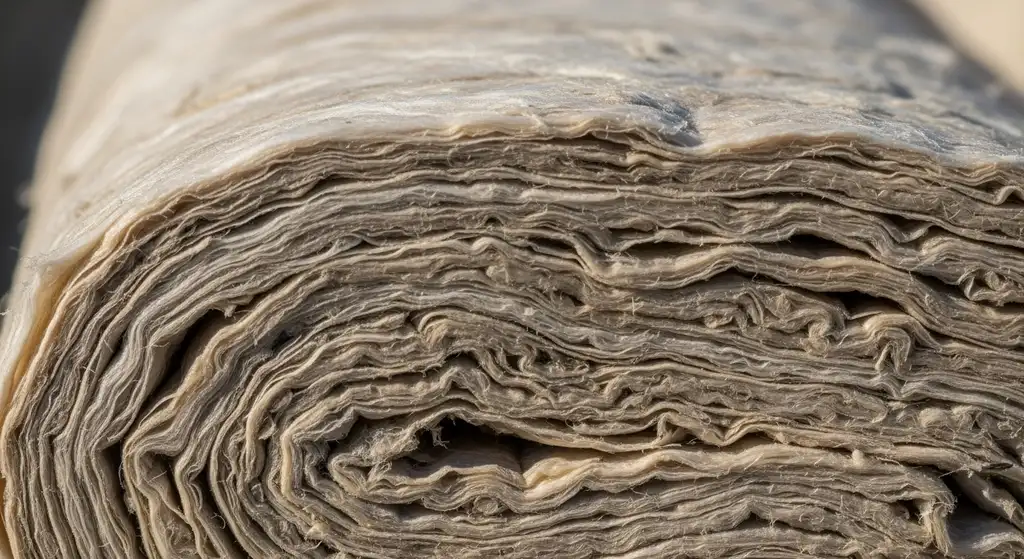
| Material | R-Value (per inch) | Compressive Strength (psi) |
|---|---|---|
| Polyisocyanurate (Polyiso) | 6.0-7.0 | 20-25 |
| Expanded Polystyrene (EPS) | 3.6-4.2 | 10-15 |
| Spray Foam (Closed-Cell) | 6.0-6.5 | 25-30 |
| Fiberglass | 3.0-4.0 | Low |
Evaluating Energy Performance Metrics
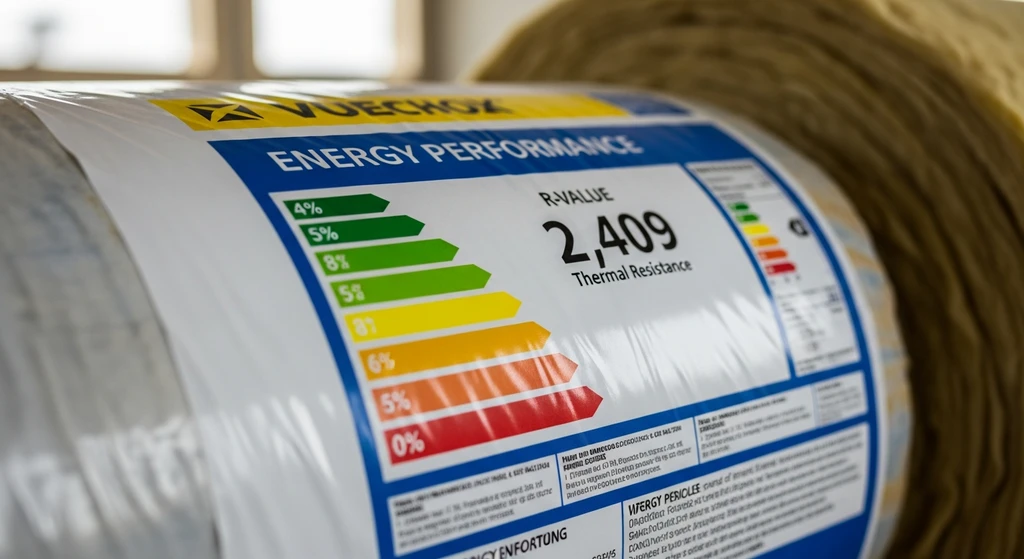
Energy performance metrics provide a quantitative assessment of insulation effectiveness. R-value, U-factor (the inverse of R-value), and air infiltration rates are key indicators of energy performance. Lower U-factors and air infiltration rates indicate better energy efficiency. Energy Star certification provides a standardized measure of energy performance for insulation materials and building systems.
Building codes often specify minimum energy performance requirements for insulation. Evaluating these metrics ensures that the insulation system meets energy efficiency goals and complies with relevant regulations. IRC 2021 outlines minimum insulation requirements based on climate zone. Ensuring compliance with these requirements is crucial for energy conservation and reducing utility costs.
The National Roofing Contractors Association (NRCA) also provides recommendations for energy-efficient roofing practices.
| Energy Performance Metrics | |
|---|---|
| R-value | Resistance to heat flow |
| U-factor | Rate of heat transfer |
| Air Infiltration | Air leakage through building envelope |
Itemized Cost Breakdown for Insulation
The cost of insulating metal roof decking varies depending on the material, thickness, and installation complexity. Material costs range from $0.50 to $2.00 per square foot for rigid foam boards and $1.00 to $4.00 per square foot for spray foam insulation. Labor costs typically add another $0.50 to $2.00 per square foot. Additional costs may include vapor barriers, fasteners, and sealant.
Obtaining multiple quotes from qualified roofing contractors is essential for comparing prices and ensuring fair pricing. Consider the long-term energy savings when evaluating the cost-effectiveness of different insulation options. In Dallas-Fort Worth, expect to pay $1.50-$4.00 per square foot for installed insulation. These are current Dallas market prices; costs can be 15-20% higher in remote Texas areas and 10-15% lower in rural counties.
Prices fluctuate seasonally, with spring storm season driving a 20-30% premium.
Dallas Market Pricing
In Dallas-Fort Worth, expect to pay $1.50-$4.00 per square foot for installed insulation. These are current 2026 Dallas market prices; costs can be 15-20% higher in remote Texas areas and 10-15% lower in rural counties. Prices fluctuate seasonally, with spring storm season driving a 20-30% premium.
External Authoritative Resources
These industry-standard references support the information in this guide:
Building Codes
Frequently Asked Questions
What R-value is recommended for metal roof insulation in Dallas?
The recommended R-value depends on the climate zone and building type, but generally, an R-value of R-30 to R-49 is suitable for metal roofs in Dallas, according to IRC 2021 energy codes.
How do I prevent condensation on my metal roof decking?
Prevent condensation by installing a proper vapor barrier and ensuring adequate ventilation. NRCA guidelines emphasize the importance of moisture control in metal roofing systems.
Is spray foam insulation suitable for all metal roofs?
Spray foam insulation is versatile but may not be suitable for corroded metal surfaces. Always assess the condition of the metal roof before applying spray foam.
What are the benefits of using rigid foam boards for metal roof insulation?
Rigid foam boards provide high R-values and moisture resistance, making them a good choice for continuous insulation. ASTM standards ensure consistent quality and performance.
How much does it cost to insulate a metal roof in Dallas?
In Dallas-Fort Worth, expect to pay $1.50-$4.00 per square foot for installed insulation, depending on the material and installation complexity.
What building codes apply to metal roof insulation in Texas?
The International Residential Code (IRC 2021), as adopted by Texas, governs insulation requirements. Local amendments may also apply, so check with your city or county building department.
Final Thoughts
Selecting the right insulation for metal roof decking is a critical decision that impacts energy efficiency, moisture control, and long-term structural integrity. Consider the climate conditions, building usage, and budget when evaluating different insulation options. Ensure compliance with building codes and ASTM standards for optimal performance. FIELD NOTE: I once had a client in Fort Worth who tried to save money by installing cheap fiberglass insulation without a vapor barrier.
Within a year, the insulation was saturated with moisture and had to be replaced, costing them twice as much in the long run. Don't cut corners on insulation; it's an investment that pays off. Consult with a qualified roofing contractor to determine the best insulation strategy for your metal roof and protect your property from moisture damage and energy loss.
