
Contractor’s Bottom Line
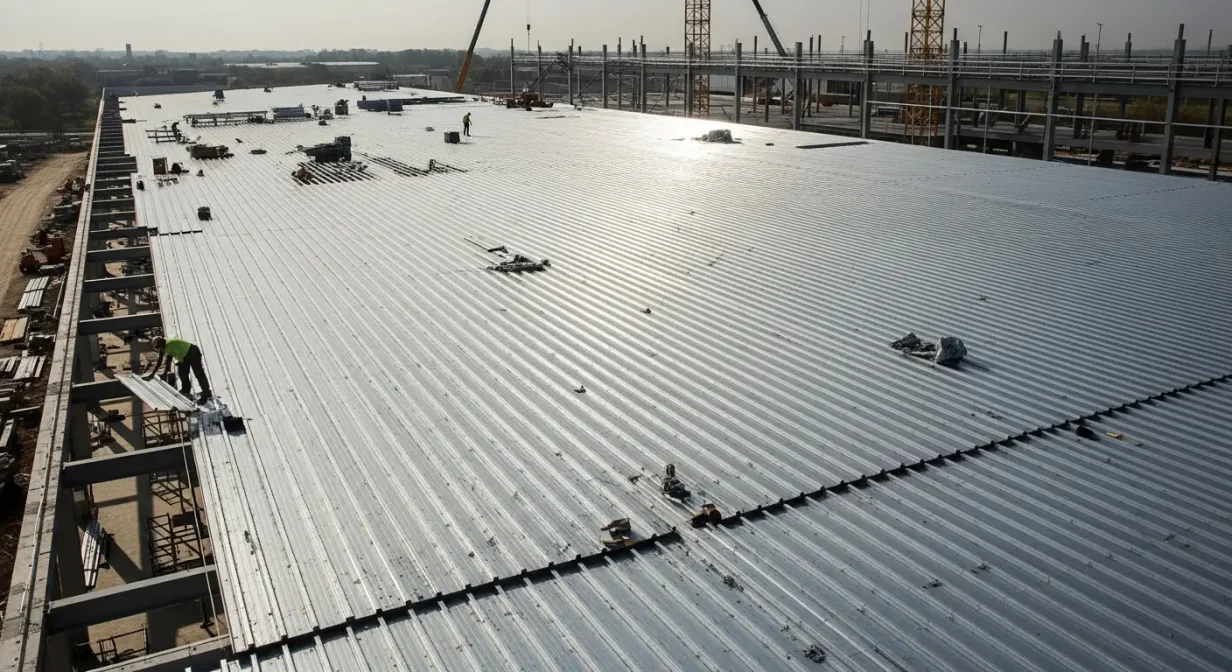
Commercial steel roof decking offers durability and fire resistance for various commercial applications. Understanding its composition, manufacturing, and relevant ASTM standards is crucial for proper specification. In Dallas, thermal expansion due to extreme heat must be considered. Costs range from $3.50 to $6.00 per square foot installed, depending on gauge and complexity. Always verify steel deck thickness and coating compliance with ASTM A653. NRCA guidelines recommend consulting a structural engineer to ensure proper load capacity and deflection limits for your specific project requirements.
Key Takeaways
- Commercial steel roof decking offers superior strength and fire resistance compared to wood-based decking, crucial for commercial buildings.
- Proper installation, including correct welding or fastening patterns as outlined by the NRCA, is essential for structural integrity and preventing premature failure.
- In Dallas, the extreme summer heat can cause significant thermal expansion in steel decking; design considerations should include expansion joints and appropriate fastening methods.
- Material costs for steel decking can vary based on gauge, finish, and manufacturer, so obtaining multiple quotes is recommended to ensure competitive pricing.
Commercial steel roof decking is a common choice for flat and low-sloped roofs due to its strength, durability, and fire resistance. It provides a structural base for roofing systems in various commercial buildings, from warehouses to office complexes. Understanding the material's properties and applications is crucial for architects, engineers, and contractors to ensure proper installation and performance. As a construction consultant in Dallas, I frequently encounter projects using steel roof decking.
The key is selecting the right gauge and profile for the specific load requirements and environmental conditions. FIELD NOTE: I once consulted on a project in downtown Dallas where the original steel decking was under-specified, leading to excessive deflection and ultimately requiring costly repairs. This experience highlighted the importance of thorough structural analysis before installation. The International Code Council (ICC) and the National Roofing Contractors Association (NRCA) offer guidelines for best practices.
This guide dives deep into commercial steel roof decking, exploring its composition, manufacturing, applications, and considerations for the Dallas climate. We'll cover relevant ASTM standards, installation best practices, and cost factors to help you make informed decisions for your commercial roofing projects. We will also review some of the current IRC 2021 codes that are currently applicable in Dallas as of 2026.
Understanding the Composition of Commercial Steel Roof Decking
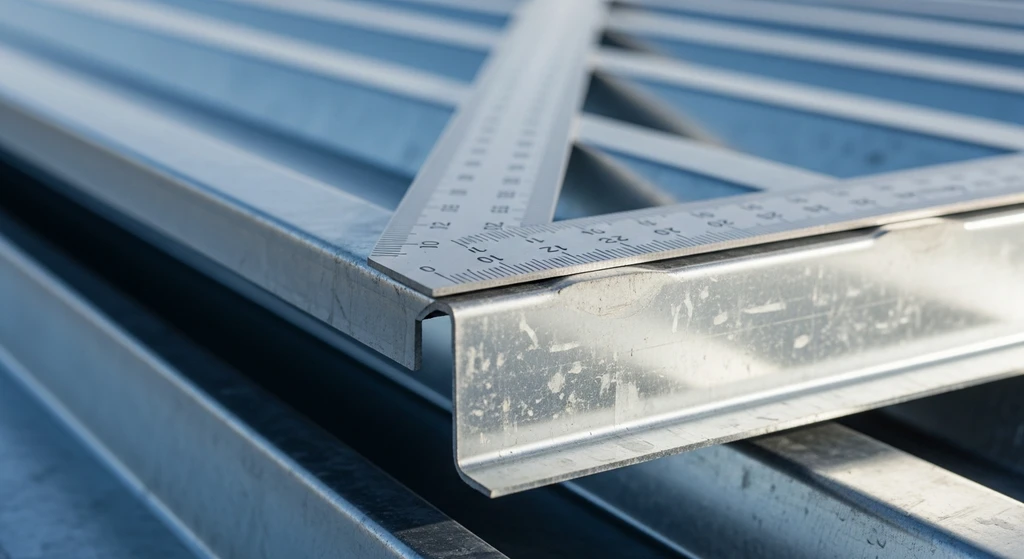
Commercial steel roof decking is typically manufactured from cold-formed steel sheets. The steel's grade and thickness (gauge) determine its strength and load-bearing capacity. Common steel grades include ASTM A653, which specifies the requirements for hot-dipped galvanized steel sheets. The galvanization process applies a zinc coating to protect the steel from corrosion.
The zinc coating thickness is crucial, often specified as G-60 or G-90, indicating the amount of zinc per square foot (0.60 oz/ft² and 0.90 oz/ft², respectively). G-90 provides superior corrosion resistance, particularly important in the humid climate of North Texas. Some manufacturers offer additional coatings, such as epoxy or polyester, for enhanced protection and aesthetic appeal. These coatings must also meet ASTM standards for durability and UV resistance.
Field Note from Experience
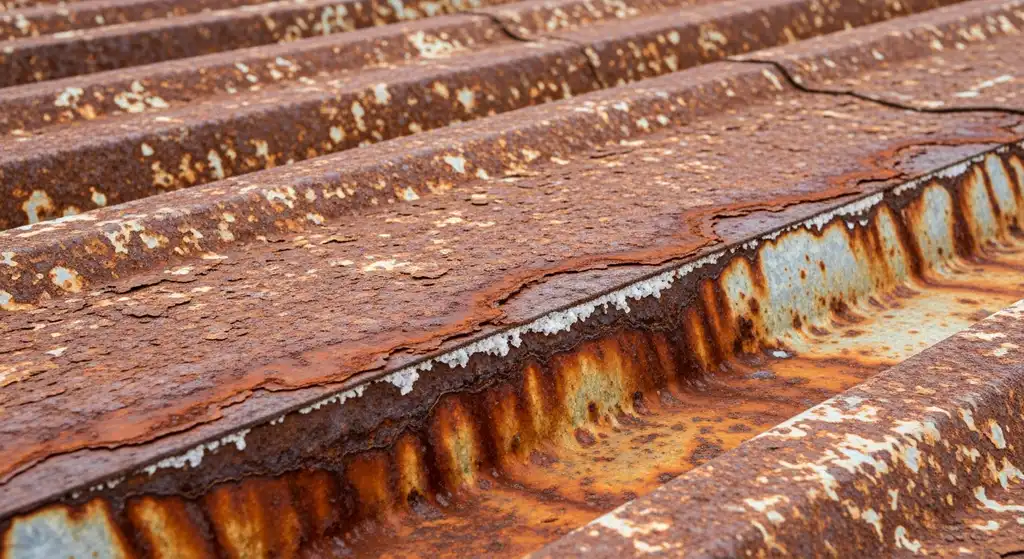
I inspected a steel deck installation in Plano last year where the contractor used G-60 galvanized steel instead of the specified G-90. Within a year, I observed rust forming around the fasteners. The cost to replace the decking was substantial, exceeding $15,000.
The Manufacturing Process of Steel Roof Decking
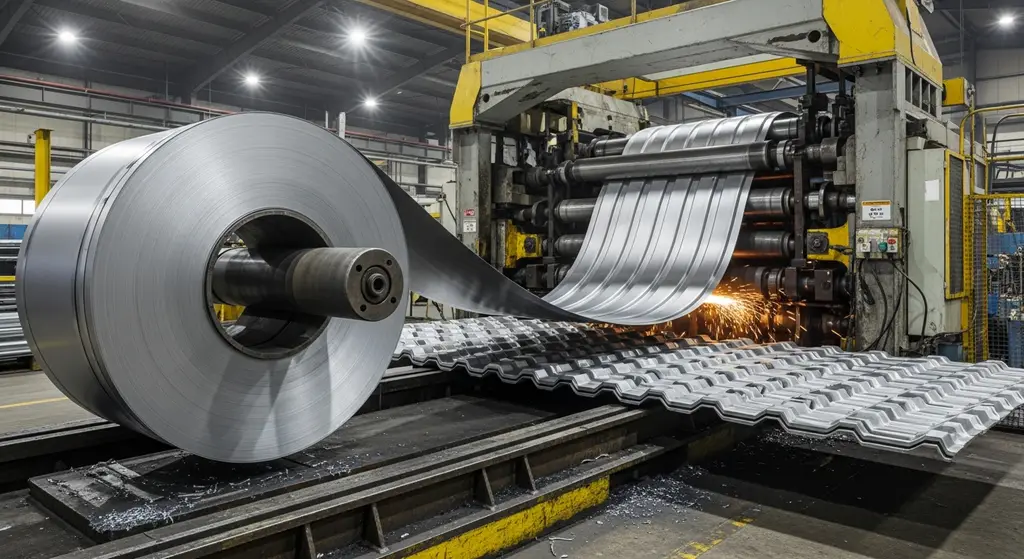
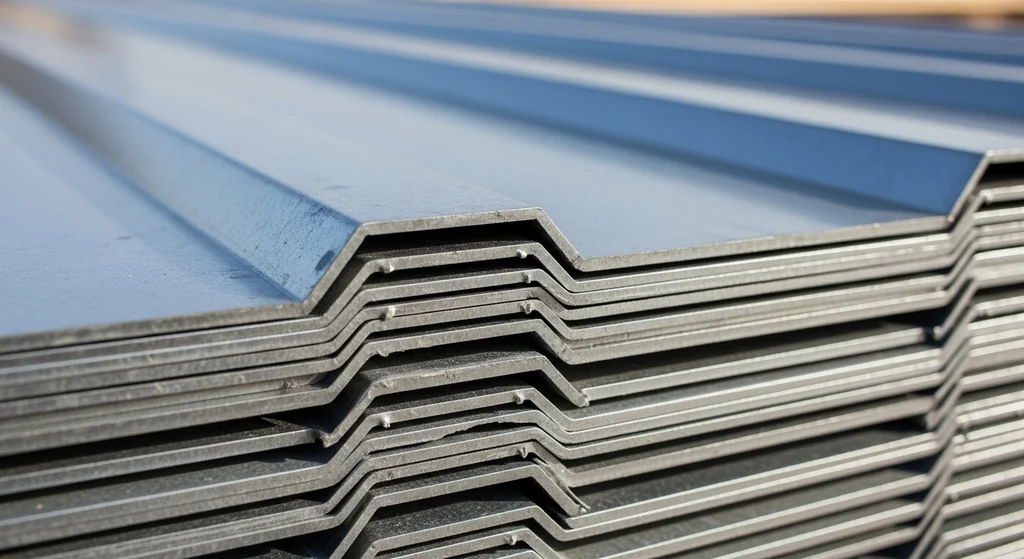
The manufacturing process begins with large coils of steel that are unrolled and fed into a roll-forming machine. This machine progressively shapes the steel into the desired profile, such as Type A, Type B, or Type F decking. These profiles are designed to provide specific structural characteristics and load-carrying capabilities. The steel is then cut to the required length and often stamped with identification markings.
After forming, the steel decking is typically galvanized to prevent corrosion. This involves immersing the steel in a bath of molten zinc. The galvanization process ensures a uniform coating thickness and provides long-term protection against rust. Quality control checks are performed throughout the manufacturing process to ensure compliance with ASTM standards and project specifications.
The NRCA Roofing Manual offers detailed guidelines on steel deck manufacturing and quality control.
Ideal Use Cases for Commercial Steel Roof Decking
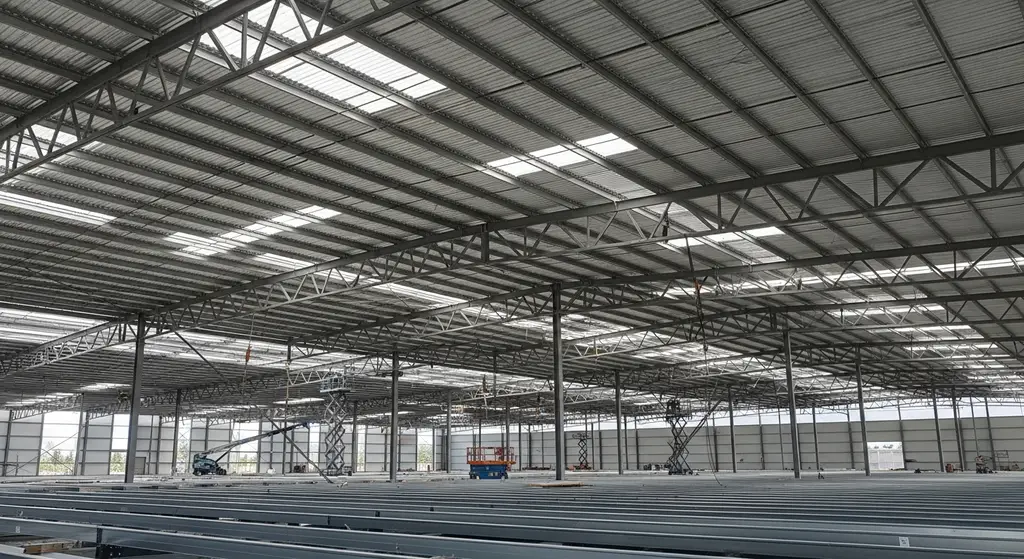
Commercial steel roof decking excels in applications demanding high strength, fire resistance, and durability. Warehouses, manufacturing facilities, and large retail spaces often utilize steel decking due to its ability to span long distances and support heavy loads. Its non-combustible nature makes it a preferred choice in buildings where fire safety is a paramount concern. Steel decking is also suitable for buildings with complex roof geometries or those requiring resistance to high winds.
Its versatility allows for various roofing systems, including built-up roofing, modified bitumen, and single-ply membranes. The NRCA provides guidelines on selecting the appropriate steel deck profile and thickness for specific applications. Always consult with a qualified structural engineer to determine the optimal design for your project.
When Steel Roof Decking Might Not Be the Best Choice
While robust, steel roof decking may not be ideal in environments with extreme corrosive exposure, such as chemical plants or coastal areas with high salt content, unless specialized coatings are applied. In these cases, alternative materials like aluminum or stainless steel might offer better long-term performance. Additionally, steel decking can be prone to thermal bridging, potentially impacting energy efficiency if not properly insulated. Steel decking is also not recommended for applications requiring exceptional sound dampening properties.
Its rigid nature can transmit noise, necessitating additional soundproofing measures. The International Code Council (ICC) provides guidelines on insulation and soundproofing requirements for different building types. It’s always important to consider the specific environmental and performance requirements of your project when selecting roof decking materials.
Performance Considerations for Steel Roof Decking in the Dallas Climate
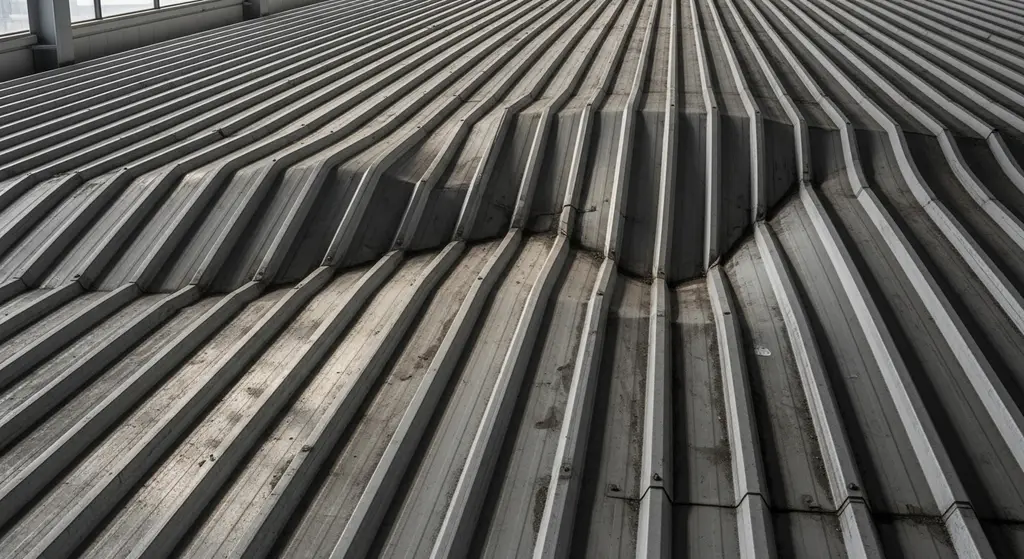
The Dallas-Fort Worth climate presents unique challenges for steel roof decking. Extreme summer heat can cause significant thermal expansion, potentially leading to buckling or fastener failure if not properly addressed. Proper design should include expansion joints and appropriate fastening systems to accommodate these movements. The NRCA recommends specific fastening patterns and expansion joint spacing for steel decking in hot climates.
Hailstorms, common in North Texas, can also damage roofing systems, including steel decking. While steel is inherently more resistant to hail than some other materials, large hailstones can still dent or puncture the decking, compromising its integrity. Proper maintenance and inspection after hailstorms are crucial. Additionally, the Texas Department of Insurance (TDI) provides resources for homeowners and building owners on assessing hail damage.
Verifying Steel Roof Decking Specifications
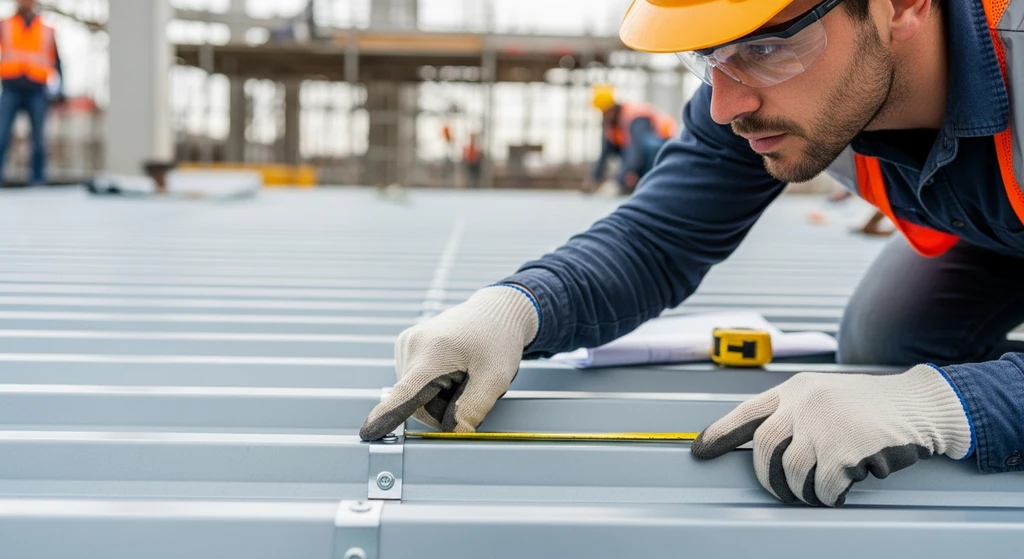
Ensuring that the delivered steel roof decking meets the specified requirements is critical for project success. Verify that the steel grade, gauge, and coating thickness match the project plans and ASTM standards. Check the manufacturer's markings on the decking for identification and traceability. Request mill certifications from the supplier to confirm the steel's properties.
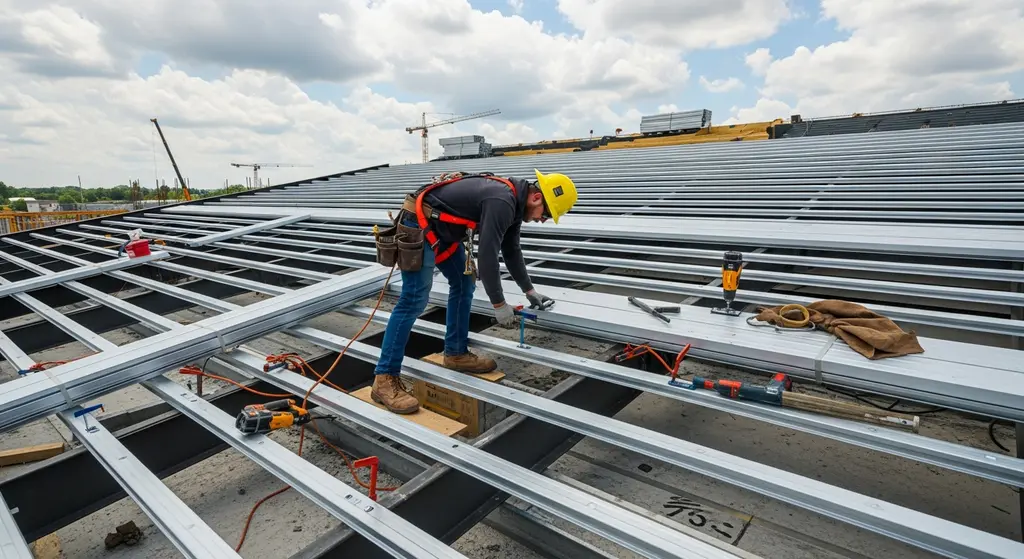
During installation, inspect the decking for any signs of damage or defects. Ensure that the fasteners are of the correct type and are installed according to the manufacturer's recommendations and NRCA guidelines. Regular inspections throughout the project can help identify and address any issues early on, preventing costly rework. The ICC provides inspection checklists for various building components, including roof decking.
Applicable ASTM Standards for Commercial Steel Roof Decking
Several ASTM standards govern the manufacturing, testing, and performance of commercial steel roof decking. ASTM A653 is the primary standard for hot-dipped galvanized steel sheets, outlining requirements for coating thickness, steel grade, and mechanical properties. ASTM A924 specifies the general requirements for steel sheet, metallic-coated by the hot-dip process. These standards ensure consistency and quality in steel decking products.
Other relevant ASTM standards include ASTM A36 for structural steel, ASTM A1008 for steel sheet, cold-rolled, carbon, structural, high-strength low-alloy, and high-strength low-alloy with improved formability, and ASTM C1513 for steel framing members intended for structural support of roofs, walls, and floors. Compliance with these standards is essential for ensuring the safety and durability of steel roof decking systems. Always refer to the latest versions of these standards for the most up-to-date requirements.
Thermal and Structural Properties of Steel Roof Decking
Steel roof decking's thermal properties are important for energy efficiency considerations. Steel is a good conductor of heat, meaning it can readily transfer heat into or out of a building. This can increase heating and cooling costs. To mitigate this, insulation is crucial.
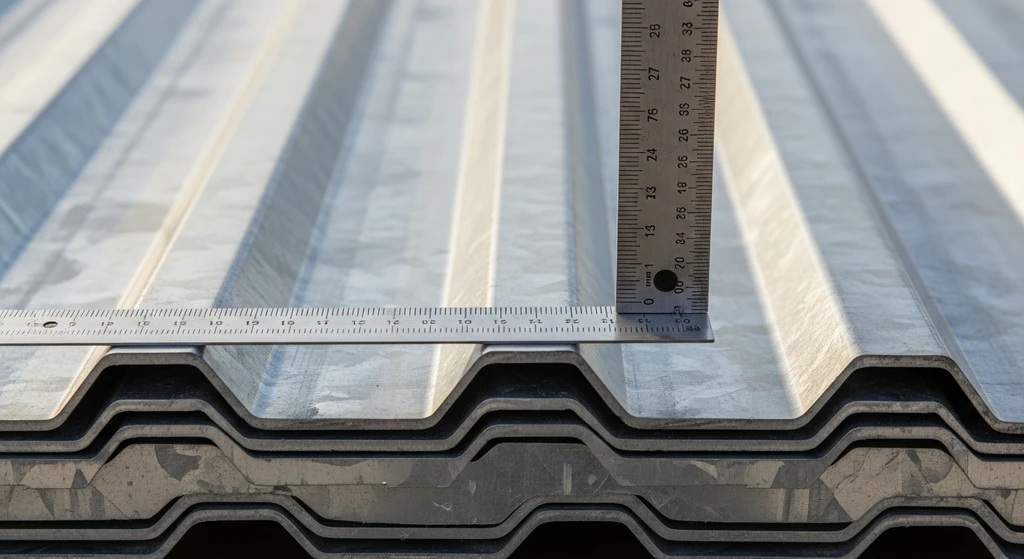
The R-value of the insulation system significantly impacts the overall thermal performance of the roof. Structurally, steel decking provides excellent strength and load-bearing capacity. The allowable load depends on the steel gauge, profile, and span. Structural calculations must be performed by a qualified engineer to ensure the decking can support the anticipated loads, including live loads (snow, wind) and dead loads (roofing materials, equipment).
NRCA guidelines provide information on load calculations and deflection limits. The Occupational Safety and Health Administration (OSHA) also has specific guidelines for working on steel roof decks.
Field Note from Experience
Last month, a Dallas homeowner called me after a contractor installed steel decking that was too thin for the intended load. The roof sagged visibly, and the homeowner faced significant costs to replace the decking with a thicker gauge. This highlights the need for proper structural calculations.
Installer Preferences and Considerations for Steel Roof Decking
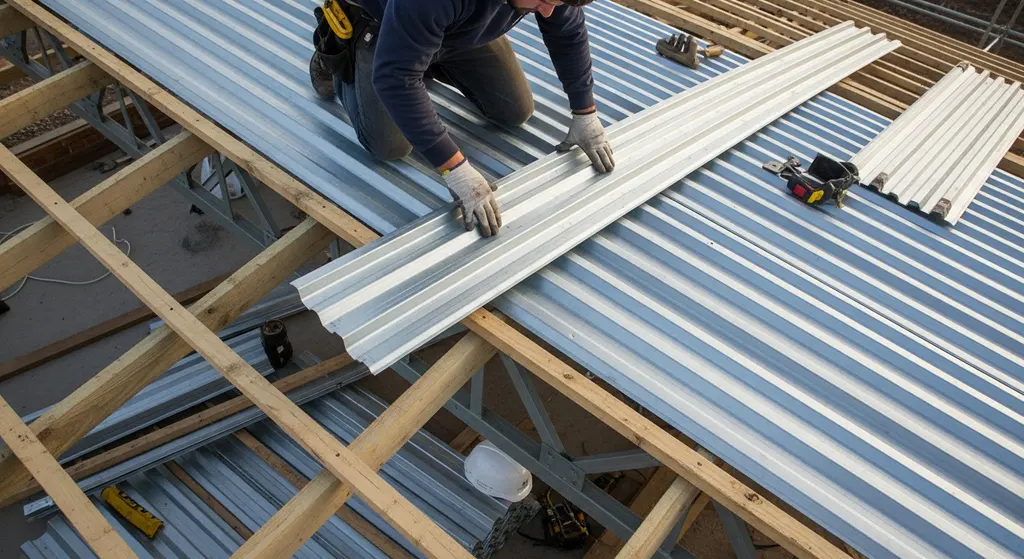
Experienced installers often prefer using specific fastening methods, such as welding or mechanical fasteners, depending on the project requirements and their familiarity. Welding can provide a strong and permanent connection, but requires skilled welders and adherence to safety protocols. Mechanical fasteners, such as screws, offer a faster and more flexible installation method, but must be properly torqued to ensure adequate holding power. Installers also consider the weight of the steel decking when handling and placing the sheets.
Proper lifting equipment and safety measures are essential to prevent injuries. The NRCA and OSHA provide guidelines on safe handling and installation practices for steel roof decking. Communication and coordination between the installer, engineer, and building owner are crucial for a successful project.
Sourcing Commercial Steel Roof Decking in the Dallas Area
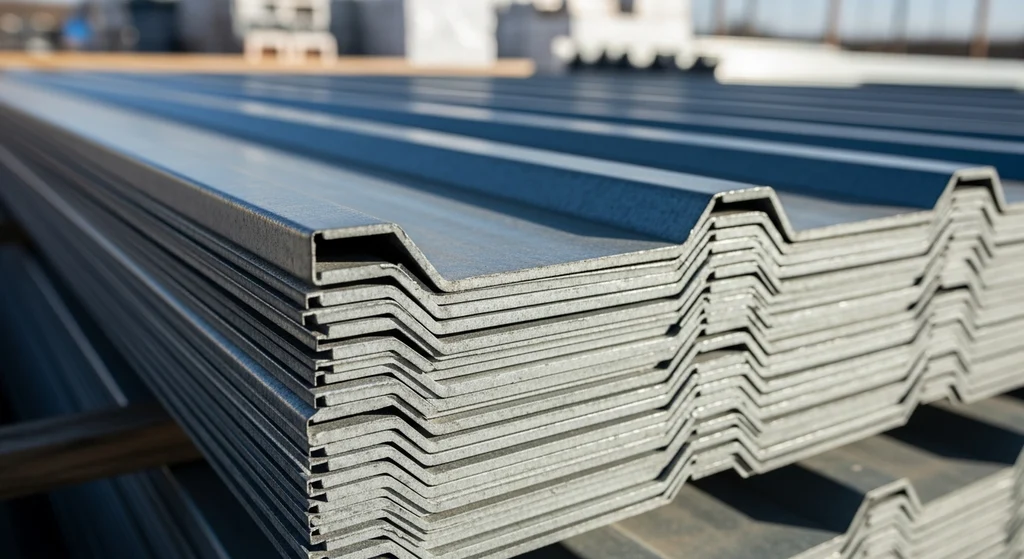
Several suppliers in the Dallas-Fort Worth area offer a wide range of commercial steel roof decking products. Local suppliers can provide quick delivery and support, which is particularly beneficial for projects with tight deadlines. When sourcing steel decking, consider the supplier's reputation, product quality, and pricing. Obtain multiple quotes to ensure you are getting a competitive price.
Ensure that the supplier provides mill certifications and complies with ASTM standards. Also, consider the lead times for the specific steel gauge and profile you require. Some specialized profiles may require longer lead times than standard options. Building relationships with reliable local suppliers can streamline the procurement process and ensure a steady supply of high-quality steel roof decking.
You can often find a list of approved vendors through the NRCA or local contractor associations.
Cost Considerations for Commercial Steel Roof Decking
The cost of commercial steel roof decking depends on several factors, including the steel gauge, profile, coating type, and installation complexity. Material costs typically range from $2.00 to $4.00 per square foot, while installation costs can add another $1.50 to $2.00 per square foot. Additional costs may include engineering fees, permits, and disposal fees. Proper planning and budgeting are crucial for managing project costs.
Obtain detailed quotes from multiple contractors, specifying all materials and labor involved. Consider the long-term benefits of using high-quality steel decking, such as reduced maintenance and increased durability, which can offset the initial cost. The Occupational Safety and Health Administration (OSHA) also requires specific safety measures during installation, which can add to overall project costs.
Dallas Market Pricing
In Dallas-Fort Worth, expect to pay $3.50-$6.00 per square foot installed for commercial steel roof decking. These are current 2026 Dallas market prices; costs can be 15-25% higher in remote Texas areas. Peak pricing occurs spring (March-May) storm season.
External Authoritative Resources
These industry-standard references support the information in this guide:
Building Codes
Frequently Asked Questions
What is the typical lifespan of commercial steel roof decking?
With proper installation and maintenance, commercial steel roof decking can last for 50 years or more, especially when galvanized or coated to prevent corrosion as per ASTM standards.
How does steel roof decking compare to concrete roof decking in terms of cost?
Steel roof decking is generally less expensive than concrete roof decking, particularly for large spans, but the specific cost depends on the gauge, profile, and project complexity. NRCA provides guidelines to help with comparison.
What are the fire resistance properties of steel roof decking?
Steel roof decking is non-combustible and provides excellent fire resistance, crucial for commercial buildings, and often exceeds the minimum requirements set by the International Code Council (ICC).
How can I prevent corrosion on steel roof decking?
Galvanizing the steel with a G-90 coating or applying a protective coating, such as epoxy or polyester, can significantly reduce the risk of corrosion, especially in humid climates like Dallas, Texas.
What are the common types of steel roof decking profiles?
Common steel roof decking profiles include Type A, Type B, and Type F, each designed for specific structural characteristics and load-carrying capabilities; selection should align with NRCA recommendations.
How does thermal expansion affect steel roof decking?
Extreme heat can cause thermal expansion in steel roof decking, potentially leading to buckling or fastener failure if not properly addressed with expansion joints and appropriate fastening systems.
What are the requirements for steel roof decking according to IRC 2021?
IRC 2021 outlines requirements for steel roof decking regarding fire resistance, load capacity, and fastener spacing, ensuring structural integrity and safety, which are currently applicable in Dallas as of 2026.
Final Thoughts
Commercial steel roof decking is a durable and versatile option for various commercial roofing applications. Understanding its composition, manufacturing, and performance characteristics is crucial for making informed decisions. Proper design, installation, and maintenance are essential for ensuring long-term performance and safety. FIELD NOTE: I recently consulted with a building owner in Fort Worth who chose a cheaper, non-galvanized steel decking option.
Within a few years, the decking showed significant rust and required costly repairs. Investing in quality materials and proper installation techniques can save you money in the long run. Consult with a qualified professional to determine the best solution for your specific needs. Always ensure compliance with relevant ASTM standards and local building codes.
