
Contractor’s Bottom Line
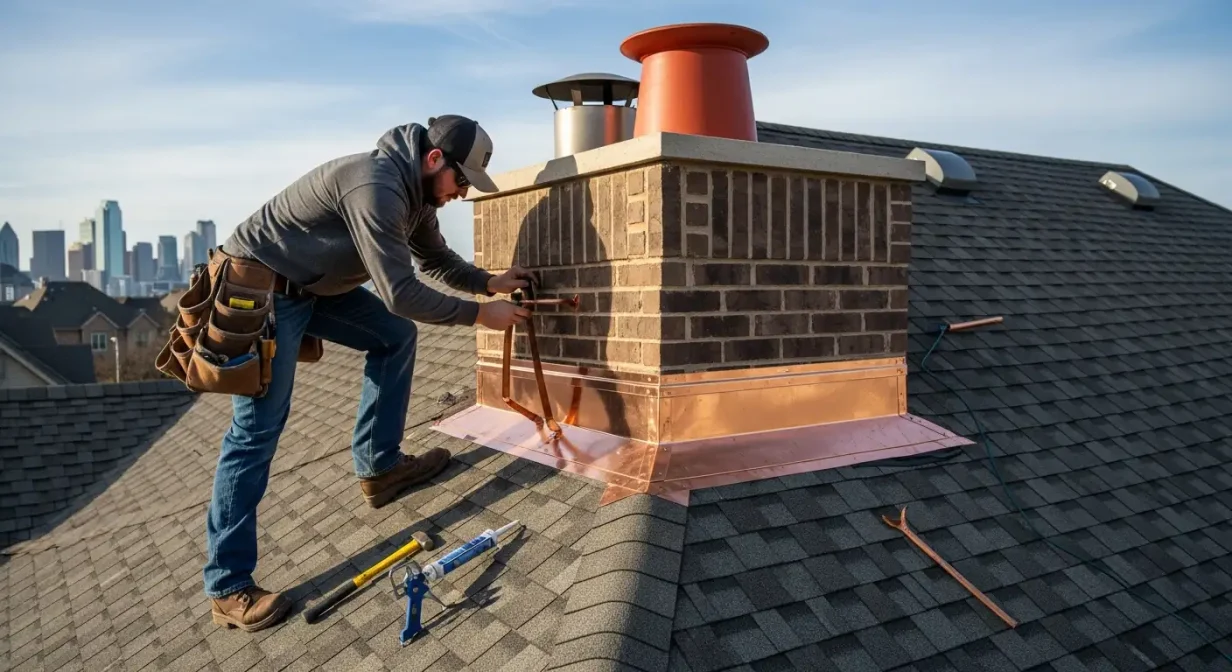
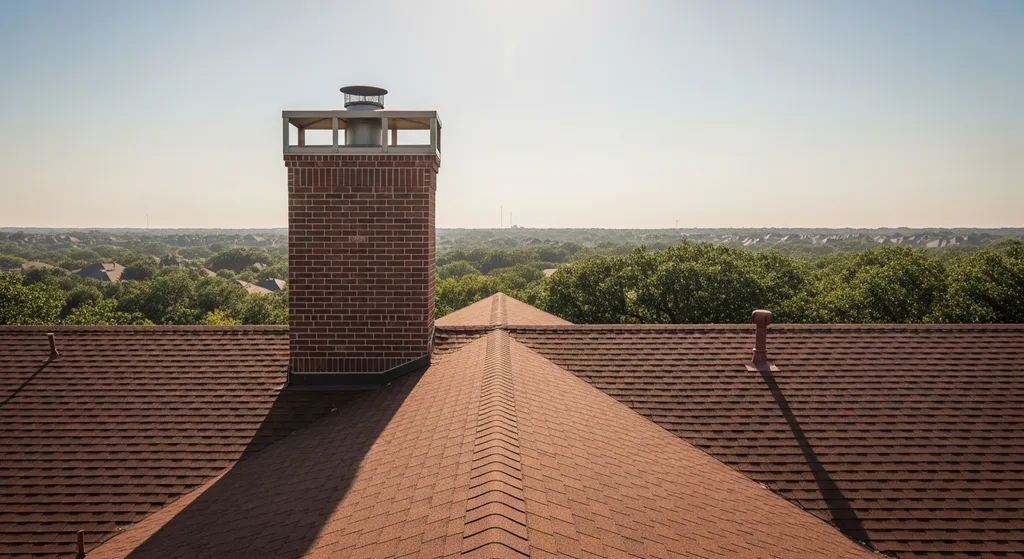
Counter flashing on a roof is a rigid metal piece embedded into a masonry wall that overlaps the step flashing below to create a watertight seal. This two-piece flashing system accommodates the different expansion rates of the brick chimney and the wood roof structure. Ensure the counter flashing is properly mortared or caulked into the masonry reglet to prevent water from bypassing the step flashing underneath.
Key Takeaways
- IRC 2021 R905.2.8.3 mandates that flashing must be installed to prevent moisture entry into the wall or roof.
- The National Roofing Contractors Association (NRCA) recommends a two-piece flashing system for masonry to allow for structural movement.
- ASTM A653 galvanized steel or ASTM B370 copper are the industry standards for durable Dallas roof-to-wall transitions.
- Proper reglet depth should be a minimum of 1 inch into masonry mortar joints to ensure a secure mechanical bond.
Installing a counter flashing roof system correctly is one of the most technical aspects of a professional roofing project. This secondary defense layer protects the vulnerable top edge of step flashing where the roof meets a chimney or brick wall. Without it, the intense North Texas rain will find its way behind your shingles and into your structural framing. Field Note #1: Last month, I was called to a home in Highland Park where a brand new roof was leaking into the formal dining room.
The previous contractor had used a single-piece surface-mount flashing and relied entirely on caulk rather than cutting a proper reglet into the brick. This shortcut resulted in $4,500 in interior drywall and floor damage after just one spring thunderstorm. We must look beyond the shingles and understand the integration of metals and masonry. By adhering to International Code Council (ICC) standards and using high-quality asphalt shingles like GAF Timberline HDZ, we can build systems that last 30 years.
This guide will walk you through the technical specifications and local Dallas requirements for a leak-free home.
IRC 2021 Code Requirements for Roof Flashing
The International Residential Code (IRC) is very specific about how transitions must be handled to ensure a weather-tight envelope. According to IRC R905.2.8.3, flashing must be installed at wall and roof intersections, at gutters, and at change of roof slope or direction. In Dallas, building inspectors strictly enforce these sections during mid-roof inspections to prevent long-term structural rot. Furthermore, IRC R905.1 requires that all roof coverings be applied in accordance with the manufacturer’s installation instructions.
This means if you are installing CertainTeed Landmark shingles, you must also follow their specific flashing details which often exceed minimum code. The International Code Council (ICC) emphasizes that the goal is to direct water away from the vertical surface and onto the roof covering. In the DFW Metroplex, we also look to the National Roofing Contractors Association (NRCA) for best practices that go beyond the IRC. While code might allow for surface-mounted flashing in some repair scenarios, the NRCA strongly advocates for inset counter flashing.
This involves cutting a groove, or reglet, into the masonry to provide a mechanical lock for the metal.
Step-by-Step Counter Flashing Installation Procedure
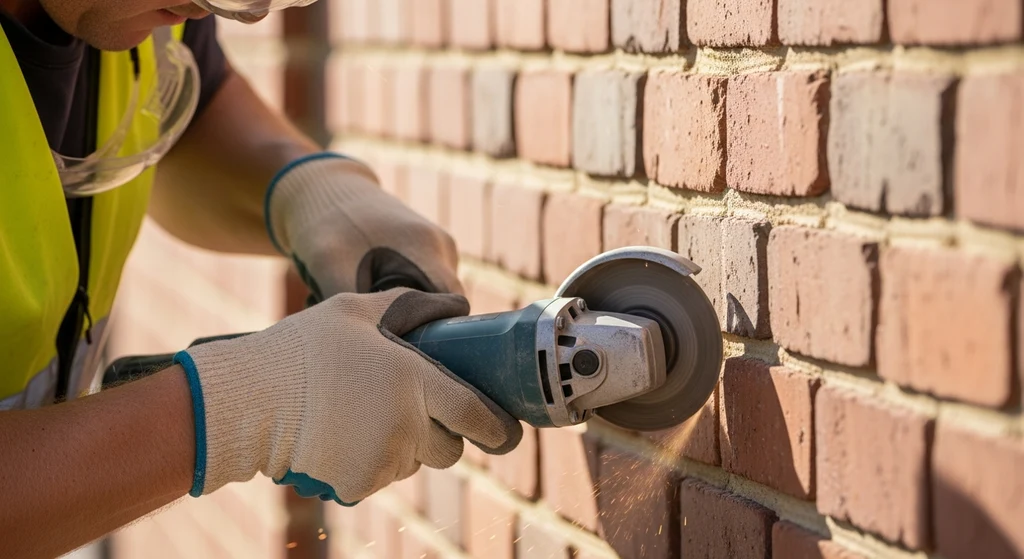
The first step in a professional installation is preparing the masonry by cutting a reglet using a diamond-blade grinder. We typically cut at least 1 inch deep into the mortar joint, never the brick itself, to maintain structural integrity. This follows the ASTM D226 standards for underlayment integration, ensuring the ice and water shield is properly turned up the wall before the metal is set. Next, we fabricate the metal sections, usually using G-90 galvanized steel or 16-oz copper for Dallas homes.
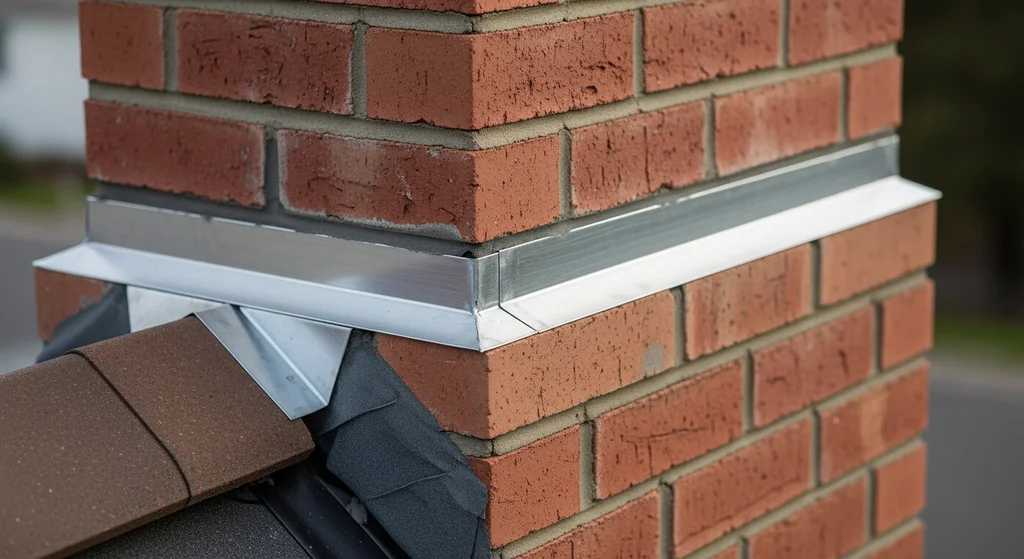
The metal is bent with a hemmed bottom edge to provide rigidity and a ‘kick-out’ to shed water away from the wall. We then insert the top flange into the reglet and secure it with lead wedges or stainless steel fasteners to ensure it stays put during high wind events in North Texas. Finally, the reglet joint is sealed with a high-performance polyurethane sealant, which is superior to standard silicone. This sealant must meet ASTM C920 standards to handle the extreme thermal expansion we see in the DFW Metroplex.
We ensure the counter flashing overlaps the base flashing by at least 4 inches, exceeding the NRCA minimum for high-wind zones.
Material Specifications: Galvanized vs. Copper
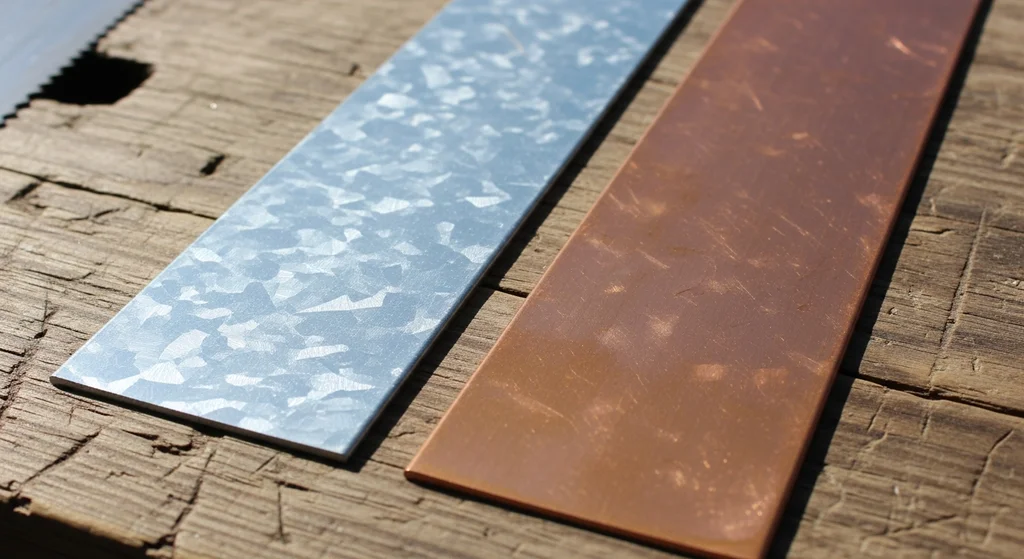
Choosing the right material for your counter flashing is vital for longevity, especially with the corrosive potential of some treated lumbers. G-90 galvanized steel, which has a zinc coating of 0.90 oz/sq ft per ASTM A653, is the most common choice in Dallas for its balance of cost and durability. It provides excellent rust resistance and can be painted to match the roof’s aesthetic. For high-end residential projects in neighborhoods like University Park, we often specify 16-ounce or 20-ounce copper.
Copper offers a lifetime solution that develops a beautiful patina and requires zero maintenance once installed. It must be installed using stainless steel or copper fasteners to prevent galvanic corrosion, adhering to ASTM D1761 for mechanical fasteners. We also see an increase in the use of pre-finished aluminum for commercial applications. While aluminum is resistant to rust, it has a higher coefficient of thermal expansion than steel.
In the Dallas heat, this means the metal will move more, requiring more frequent inspections of the sealant joints to prevent failure.
| Flashing Material Properties | |
|---|---|
| G-90 Steel | ASTM A653, 50-year potential |
| 16-oz Copper | ASTM B370, 100-year potential |
| Aluminum | 0.032″ thickness, 30-year potential |
Why Counter Flashing Fails in North Texas
The most common failure I see in the DFW area is ‘over-caulking’ in place of proper mechanical installation. Many ‘storm chaser’ contractors will simply nail a flat piece of metal to the brick and run a thick bead of caulk over the top. In the 105°F Dallas summer, that caulk dries out and shrinks within two years, creating a direct path for water to enter the home. Another frequent error is the lack of a proper hemmed edge on the bottom of the flashing.
Without a hem, the metal is flimsy and can ‘oil-can’ or bow, which breaks the seal at the reglet. We also find that many installers fail to use a proper ice and water shield underlayment, such as Owens Corning WeatherGuard, as a backup layer behind the metal. Field Note #2: I recently inspected a property in Plano where the contractor had reused the old, rusted counter flashing on a new $30,000 roof. They tried to hide the rust with a fresh coat of spray paint, but the metal was so thin it wouldn’t hold a seal.
This shortcut saved them about $300 in materials but cost the homeowner a full replacement of the chimney flashing within 18 months.
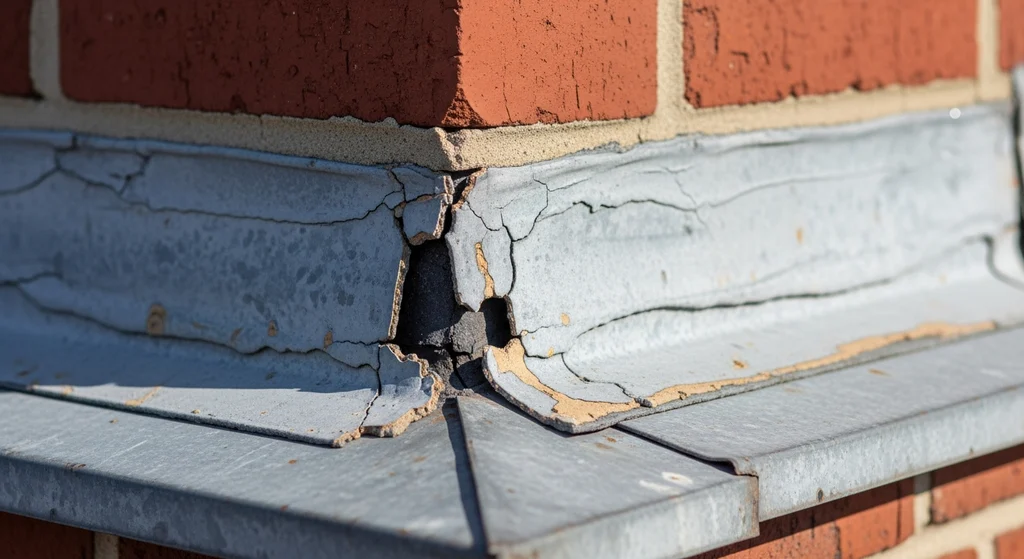
Surface Mounting (No Reglet)
Typical Cost: $800 – $1,500
Prevention: Insist on a cut reglet joint
Insurance Coverage: Often excluded as ‘faulty workmanship’
Code Reference: IRC R905.2.8.3
Dallas Climate Challenges: Heat and Hail
The Dallas-Fort Worth climate is particularly brutal on roof-to-wall transitions due to extreme temperature swings. A roof surface can reach 160°F in July and drop to 20°F in January. This thermal cycling causes constant expansion and contraction of the metal flashing. If the counter flashing is not installed with room for movement, it will eventually buckle or pull out of the wall.
Hail is another major factor in North Texas. Large hail can dent thin-gauge aluminum flashing, creating ‘cups’ that hold water against the sealant line. We recommend using at least 26-gauge steel or 16-oz copper to provide impact resistance. This is consistent with FEMA recommendations for building in wind and hail-prone regions like North Texas.
Humidity also plays a role in the DFW Metroplex. During our humid spring months, moisture can condense behind poorly ventilated flashing systems. Using a breathable synthetic underlayment that meets ASTM D226 Type II standards behind the flashing helps manage this moisture. This prevents the wood sheathing (CDX plywood or OSB) from rotting from the inside out.
What Contractors Hide About Flashing Costs
Many roofing estimates in Dallas are ‘bundled,’ which allows contractors to hide the fact that they are skipping flashing replacement. A standard line item might say ‘replace all flashing,’ but in reality, they only replace the easy parts and reuse the old counter flashing. This is a common tactic to keep the bid low while maintaining a 30-40% profit margin on labor. Contractors also frequently skip the ‘kick-out’ flashing at the end of a roof-to-wall run.
This small piece of metal costs about $15 but is labor-intensive to install correctly. Without it, water is funneled directly into the siding and wall cavity at the corner. In Dallas, this is a leading cause of ‘hidden’ rot that isn’t discovered until the siding is replaced years later. Always ask for a specific line item for ‘masonry reglet counter flashing.’ If the price seems too low, they aren’t cutting the brick.
In the 2026 Dallas market, expect to pay a premium for a true two-piece flashing system. It takes twice as long to install, but it is the only way to guarantee a leak-free transition for the life of your asphalt shingles.
Dallas Market Pricing
In Dallas-Fort Worth, expect to pay $25-$45 per linear foot for professional reglet-cut counter flashing. These are current 2026 Dallas market prices; costs vary by region and can be 15-25% higher in remote Texas areas. Peak pricing occurs during the spring (March-May) storm season.
What Contractors Hide
Reusing old wall flashing
The Reality: Saves the contractor $500 in labor/materials but risks the entire roof warranty.
Using silicone instead of polyurethane
The Reality: Silicone doesn’t bond well to masonry and will fail within 24 months in Texas heat.
External Authoritative Resources
These industry-standard references support the information in this guide:
Building Codes
International Residential Code (IRC 2021)
Official building code for residential construction
ICC Code Adoption Map
Find which IRC version your state uses
Industry Standards
NRCA Roofing Manual
National Roofing Contractors Association best practices
ASTM International Standards
Material testing standards (ASTM D3043, D1761)
Manufacturer Resources
Frequently Asked Questions
How long does roof counter flashing last?
When installed with G-90 galvanized steel or copper, counter flashing can last 35-50 years, though the sealant in the reglet joint usually requires maintenance every 10-15 years according to NRCA standards.
Do I need to replace counter flashing when I get a new roof?
Yes, if the existing metal is rusted, thin, or was surface-mounted. Reusing old flashing is a violation of best practices and often voids manufacturer warranties from GAF or CertainTeed.
What is the difference between step flashing and counter flashing?
Step flashing is the primary L-shaped metal woven into the shingles, while counter flashing is the secondary layer that covers the top of the step flashing to prevent water from going behind it.
Is a ‘reglet’ required by Dallas building code?
While IRC R905.2.8.3 doesn’t explicitly use the word ‘reglet,’ it requires flashing to be weather-tight. In Dallas, most inspectors consider a reglet the only acceptable way to meet this code for masonry.
What is the best sealant for counter flashing in Texas?
A high-performance polyurethane sealant meeting ASTM C920 is best for the DFW climate because it remains flexible during extreme heat and bonds permanently to both metal and masonry.
Can I use aluminum for counter flashing on a brick chimney?
You can, but it is less ideal than steel or copper because it expands and contracts significantly more in the Dallas sun, which can put stress on the reglet sealant.
Final Thoughts
Properly installed counter flashing is the unsung hero of a durable roofing system. By following IRC 2021 codes and NRCA guidelines, you can ensure that your home remains protected against the unpredictable North Texas weather. Whether you choose galvanized steel or copper, the key lies in the mechanical bond of a well-cut reglet and the use of high-quality materials. Field Note #3: I recently consulted on a commercial project in Downtown Dallas where we used a two-piece counter flashing system on a historic building.
By allowing the base and counter flashing to move independently, we eliminated the leaks that had plagued the building for a decade. Don’t settle for shortcuts—demand a flashing system that is built to last as long as your home. If you’re planning a roof replacement this year, make sure your contractor includes a detailed flashing specification in the contract.
