
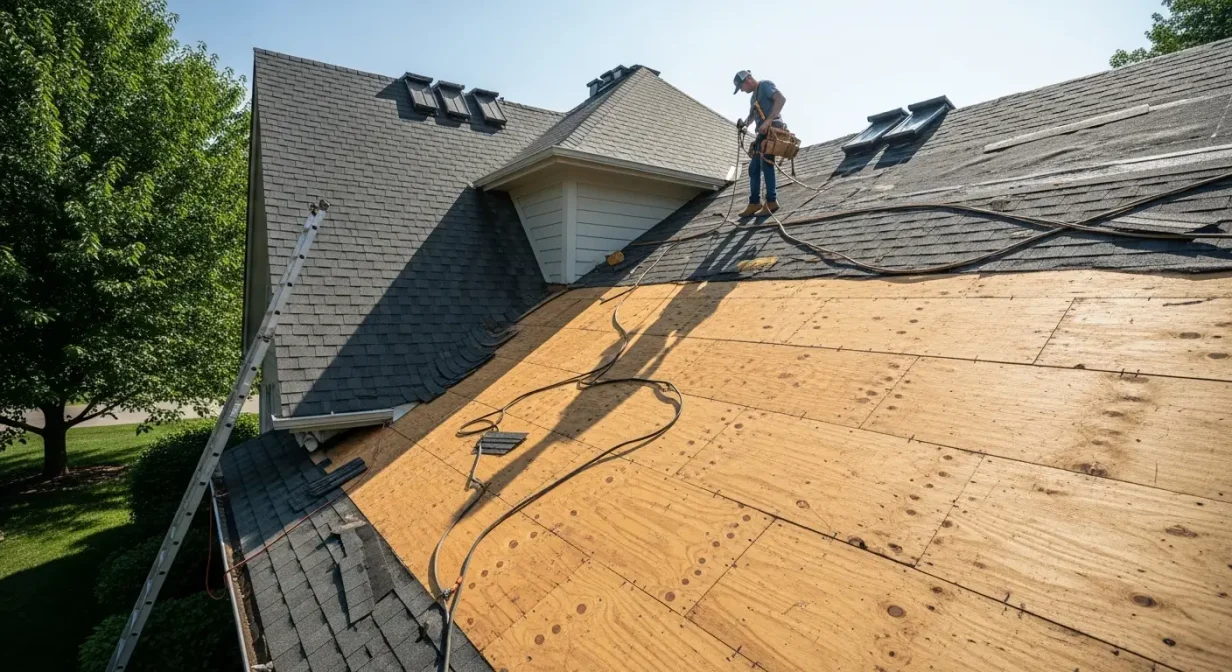
Contractor’s Bottom Line
Roof decking water damage can lead to significant structural issues and costly repairs. Identifying warning signs early is crucial. In Dallas, the combination of intense heat and frequent storms accelerates deterioration. Regular inspections, proper ventilation adhering to IRC 2021 R806, and quality materials are essential for prevention. Addressing minor issues promptly can prevent replacement costs, which can range from $5 to $15 per square foot in the DFW Metroplex. Neglecting water damage can also lead to insurance claim denials.
Key Takeaways
- Early detection of roof decking water damage can save thousands in repair costs.
- Proper ventilation, as outlined by the International Residential Code (IRC), is critical for preventing moisture buildup.
- In Dallas, Texas, regular roof inspections are essential due to the extreme climate conditions.
- Insurance policies may not cover water damage resulting from neglected maintenance.
Roof decking, the foundation of your roofing system, is vulnerable to water damage. This damage can compromise the structural integrity of your roof and, consequently, your entire home. Understanding the causes and recognizing the signs of water damage are crucial for homeowners in the Dallas-Fort Worth area to mitigate potential risks and costly repairs. The National Roofing Contractors Association (NRCA) emphasizes preventative maintenance to extend the lifespan of your roof decking.
Water damage can stem from various sources, including leaks, condensation, and improper ventilation. Identifying the root cause is essential for effective remediation. In Dallas, the fluctuating temperatures and intense heat can exacerbate these issues, making regular inspections all the more important. Ignoring early signs can lead to extensive damage, potentially requiring a full roof replacement.
FIELD NOTE: Last summer, a Dallas homeowner called me after noticing a musty smell in their attic. Upon inspection, I found significant water damage to the OSB roof decking caused by a slow, undetected leak around the chimney. The repair ended up costing them $8,000, a cost that could have been significantly lower with earlier detection.
Recognizing the Warning Signs of Roof Decking Water Damage
Identifying water damage early can prevent extensive and expensive repairs. Several warning signs can indicate that your roof decking is compromised. These signs can manifest both inside and outside your home. Regularly inspecting your roof and attic can help you catch these problems before they escalate.
The earlier you detect water damage, the easier and more affordable it is to address. Inside the home, look for water stains on ceilings or walls, peeling paint, or bubbling drywall. Musty odors, particularly in the attic or upper floors, are another red flag. Outside, check for sagging or discolored shingles, granule loss, or signs of rot around vents and chimneys.
Proactive observation and maintenance, consistent with NRCA guidelines, are your best defense against hidden damage. FIELD NOTE: I was inspecting a home in Plano, Texas, and noticed water stains on the ceiling. The homeowner hadn't paid much attention to it, thinking it was minor. However, upon closer inspection in the attic, the roof decking was severely damaged due to a long-term, undetected leak.
The cost to repair the decking and the interior damage was significant.
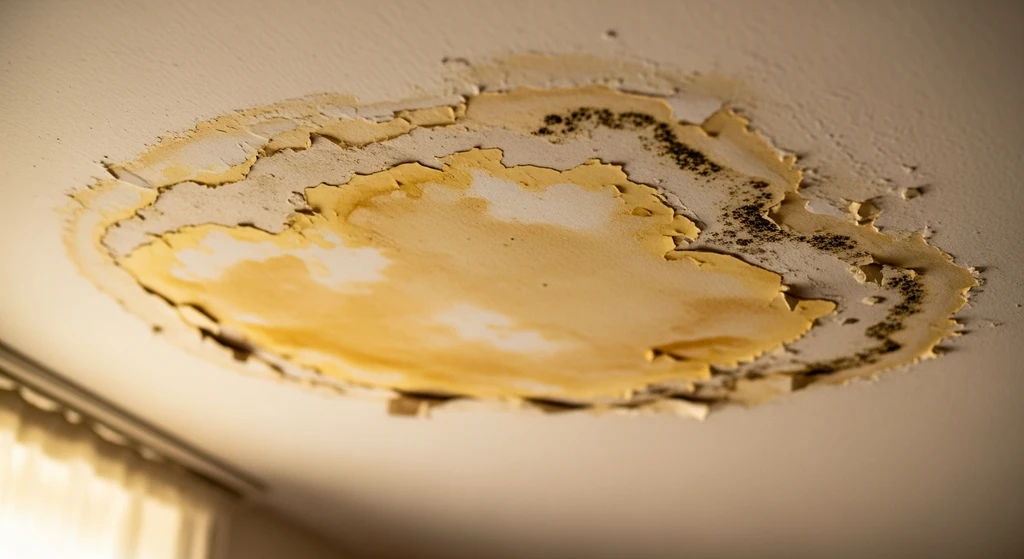
Water stains on ceilings
Typical Cost: $500 – $5,000+
Prevention: Regular roof inspections, prompt leak repair
Insurance Coverage: May be covered if due to sudden event, not neglect
Code Reference: IRC R905 requires proper shingle installation to prevent leaks
How to Inspect Your Roof Decking for Water Damage
A thorough inspection is crucial for detecting roof decking water damage. This involves both visual checks and, in some cases, more invasive methods. Safety is paramount; if you're uncomfortable on a ladder, hire a professional. The International Code Council (ICC) emphasizes the importance of regular inspections for maintaining structural integrity.
Start by visually inspecting the roof from the ground, looking for any signs of sagging or damaged shingles. In the attic, use a flashlight to examine the underside of the roof decking for stains, mold, or rot. A moisture meter can help detect hidden moisture. Probe suspect areas with a screwdriver; soft or crumbling wood indicates damage.
Consider a professional inspection at least once a year, especially after severe weather. Adherence to OSHA safety guidelines is crucial during any roof inspection. FIELD NOTE: While inspecting a roof in Frisco, I used a moisture meter to find hidden moisture pockets in the roof decking. The homeowner was surprised because there were no visible signs of damage.
The moisture was due to poor ventilation, and we were able to address it before it caused significant rot.
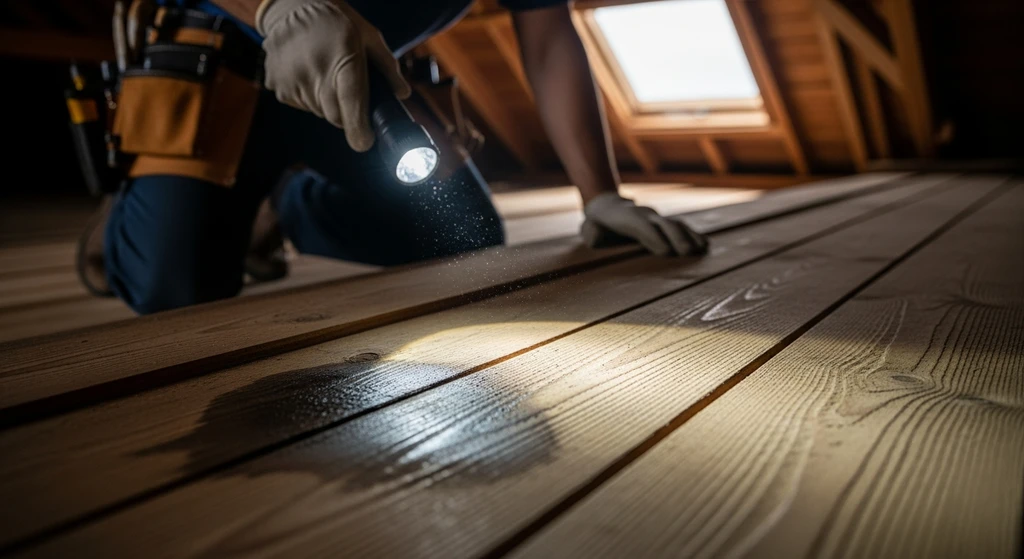
| Inspection Checklist | |
|---|---|
| Visual Roof Inspection | Check for damaged or missing shingles |
| Attic Inspection | Look for stains, mold, or rot on decking |
| Moisture Meter Reading | Detect hidden moisture pockets |
| Ventilation Check | Ensure adequate airflow in attic |
Assessing the Severity of Roof Decking Water Damage
Once water damage is detected, assessing its severity is crucial for determining the appropriate course of action. Minor damage may be repairable, while extensive damage may necessitate complete roof replacement. A professional assessment is often recommended to accurately gauge the extent of the problem. FEMA provides resources for assessing damage after severe weather events.
Consider the area affected, the depth of the damage, and the presence of mold or rot. Small, localized stains may indicate a minor leak that can be easily patched. However, widespread damage, soft or crumbling wood, and significant mold growth suggest a more serious problem. Structural integrity is paramount; if the decking is significantly weakened, it must be replaced.
Ignoring severity can lead to safety hazards and further structural damage. FIELD NOTE: I evaluated a home in McKinney where the homeowner attempted a DIY roof repair. They only addressed the visible shingle damage but didn't inspect the decking underneath. The decking had extensive rot, and the entire section needed to be replaced, costing them significantly more than if they had addressed it properly initially.
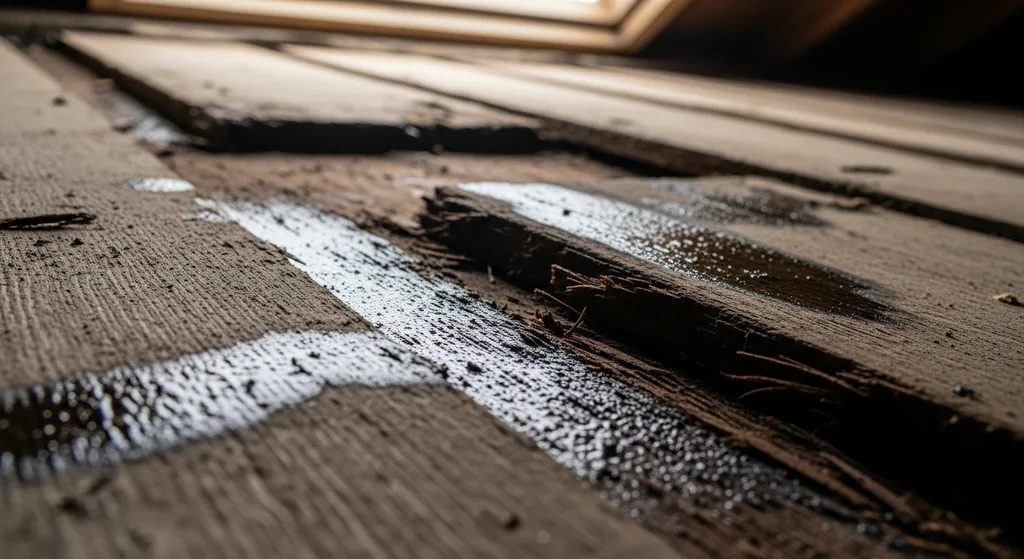
| Damage Level | Description | Action Required |
|---|---|---|
| Minor | Small stains, surface mold | Clean, repair leak, monitor |
| Moderate | Soft wood, localized rot | Replace damaged section |
| Severe | Widespread rot, structural weakness | Complete roof replacement |
Identifying the Root Causes of Roof Decking Water Damage
Understanding the source of water damage is essential to prevent recurrence. Common causes include leaks from damaged shingles, faulty flashing, ice dams, and inadequate ventilation. Proper diagnosis is critical for effective remediation. The NRCA provides guidelines for identifying and addressing common roofing problems.
Inspect shingles for cracks, curling, or missing granules. Check flashing around chimneys, vents, and skylights for damage or corrosion. Ensure proper attic ventilation to prevent condensation buildup. In colder climates, ice dams can form, causing water to back up under the shingles.
Addressing the root cause, rather than just the symptoms, is crucial for long-term protection. Ignoring the cause will only lead to repeated problems. FIELD NOTE: I inspected a home in University Park where the roof decking was consistently getting water damage, even after multiple repairs. It turned out the builder never properly sealed around the skylights during original construction.
Every rainfall resulted in leaks that damaged the decking. Proper flashing installation, as per NRCA standards, would have prevented this.
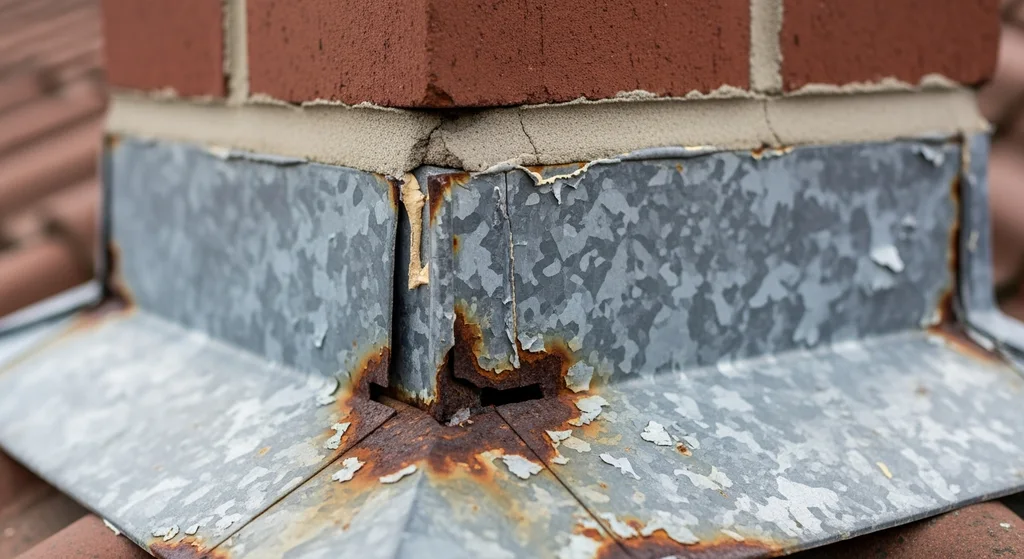
Damaged Flashing
Typical Cost: $200 – $1,000
Prevention: Regular inspection and maintenance of flashing
Insurance Coverage: Often covered, especially if due to storm damage
Code Reference: IRC R905.04 requires proper flashing installation
Implementing Strategies to Prevent Roof Decking Water Damage
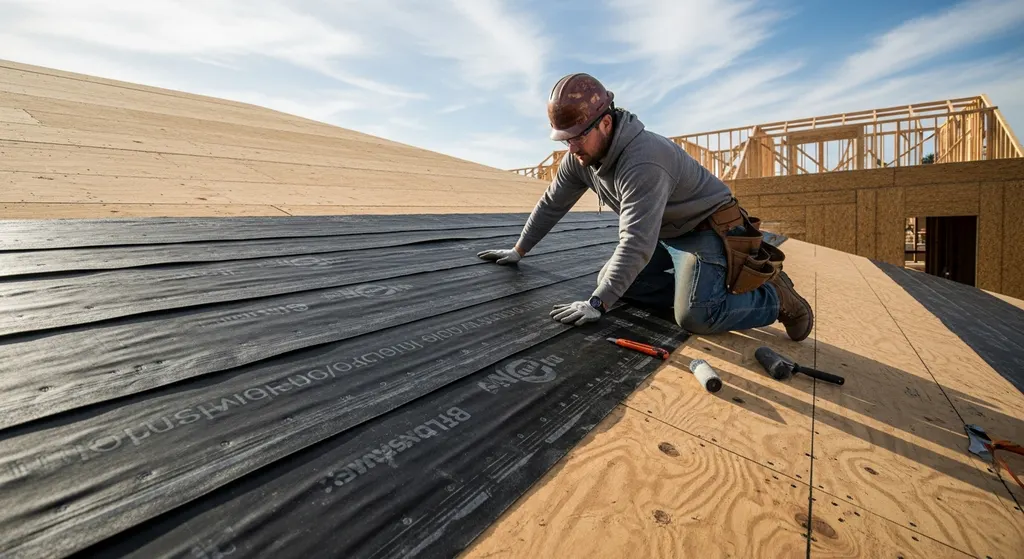
Preventing water damage is far more cost-effective than repairing it. Regular maintenance, proper ventilation, and quality materials are key components of a proactive approach. Adhering to industry best practices, such as those recommended by ASTM International, will significantly reduce the risk of water damage. Schedule annual roof inspections to identify and address potential problems early.
Ensure adequate attic ventilation to prevent condensation buildup. Use high-quality roofing materials and proper installation techniques. Consider installing ice and water shield in vulnerable areas, especially in colder climates. A well-maintained roof can protect your home for decades.
Neglecting preventative measures can lead to premature roof failure. FIELD NOTE: I advised a homeowner in Southlake to upgrade their attic ventilation during a roof replacement. Their previous roof had suffered extensive water damage due to condensation. By installing proper vents, they significantly reduced the risk of future problems.
The cost of the ventilation upgrade was minimal compared to the potential cost of future repairs.
Advantages
- Regular inspections identify potential problems early.
- Proper ventilation prevents condensation buildup.
- Quality materials offer superior water resistance.
Disadvantages
- Preventative maintenance requires ongoing investment.
- Some measures, like ice and water shield, add to initial cost.
Understanding Your Insurance Coverage for Roof Decking Water Damage
Navigating insurance coverage for roof decking water damage can be complex. Understanding your policy and documenting damage properly are crucial for a successful claim. Many policies cover sudden and accidental damage but exclude damage resulting from neglect or lack of maintenance. The Texas Department of Insurance (TDI) provides resources to help consumers understand their rights.
Review your policy to understand what types of water damage are covered. Typically, damage caused by a sudden event, such as a storm, is covered. However, damage resulting from a long-term leak or lack of maintenance may be excluded. Document all damage with photos and videos.
Contact your insurance company promptly to file a claim. Be prepared to provide evidence of the cause of the damage and any preventative measures you've taken. Insurance companies often look for proximate cause when determining coverage. FIELD NOTE: I assisted a Dallas family whose insurance claim was initially denied for roof decking water damage.
The insurance company argued the damage was due to neglect. However, we were able to prove that the damage was caused by a recent hailstorm, which was a covered peril. With proper documentation and persistence, the claim was eventually approved.
Insurance companies denying claims due to 'pre-existing conditions'
Consequence: Homeowners may have to pay for repairs out-of-pocket
External Authoritative Resources
These industry-standard references support the information in this guide:
Building Codes
Frequently Asked Questions
What are the most common causes of roof decking water damage in Dallas?
In Dallas, common causes include hail damage from spring storms, thermal expansion and contraction due to extreme heat, and inadequate attic ventilation leading to condensation. Regular inspections are key to early detection, as recommended by the NRCA.
How can I tell if my roof decking is rotting?
Signs of rotting roof decking include soft or crumbling wood, a musty odor in the attic, and visible mold or mildew growth. Probing suspect areas with a screwdriver can help determine the extent of the damage, as per ASTM standards.
Will my homeowner's insurance cover roof decking water damage?
Coverage depends on the cause of the damage. Most policies cover sudden and accidental damage, such as that caused by a storm, but exclude damage resulting from neglect or lack of maintenance. Review your policy carefully, referencing the Texas Department of Insurance guidelines.
How often should I inspect my roof for water damage?
It's recommended to inspect your roof at least once a year, and after any major storm. Regular inspections can help you catch problems early, preventing costly repairs and potential insurance claim denials, as supported by ICC guidelines.
What type of roof decking material is most resistant to water damage?
While no material is completely impervious to water, CDX plywood treated with preservatives offers better resistance than standard OSB. Proper installation and maintenance are still crucial, regardless of the material. Consult ASTM standards for material specifications.
What is the average cost to replace roof decking in Dallas?
In Dallas-Fort Worth, expect to pay $5 to $15 per square foot to replace damaged roof decking, including material and labor. The cost can vary depending on the extent of the damage and the type of material used. These are current Dallas market prices as of 2026.
Final Thoughts
Roof decking water damage is a serious issue that can compromise the structural integrity of your home. Early detection, proper maintenance, and understanding your insurance coverage are crucial for mitigating potential risks. By taking proactive steps, you can protect your investment and ensure the safety of your home. Ignoring water damage can lead to costly repairs and potential safety hazards.
If you suspect your roof decking is damaged, contact a qualified roofing contractor for a thorough inspection and professional advice. Remember to verify their Texas Department of Licensing and Regulation (TDLR) license. FIELD NOTE: Last year, I inspected a home in Highland Park where the homeowner had ignored a small leak for years. The resulting water damage had severely weakened the roof decking, and the entire roof needed to be replaced, costing them over $30,000.
Don't let a small problem turn into a major expense. Prioritize preventative maintenance and address issues promptly.
