
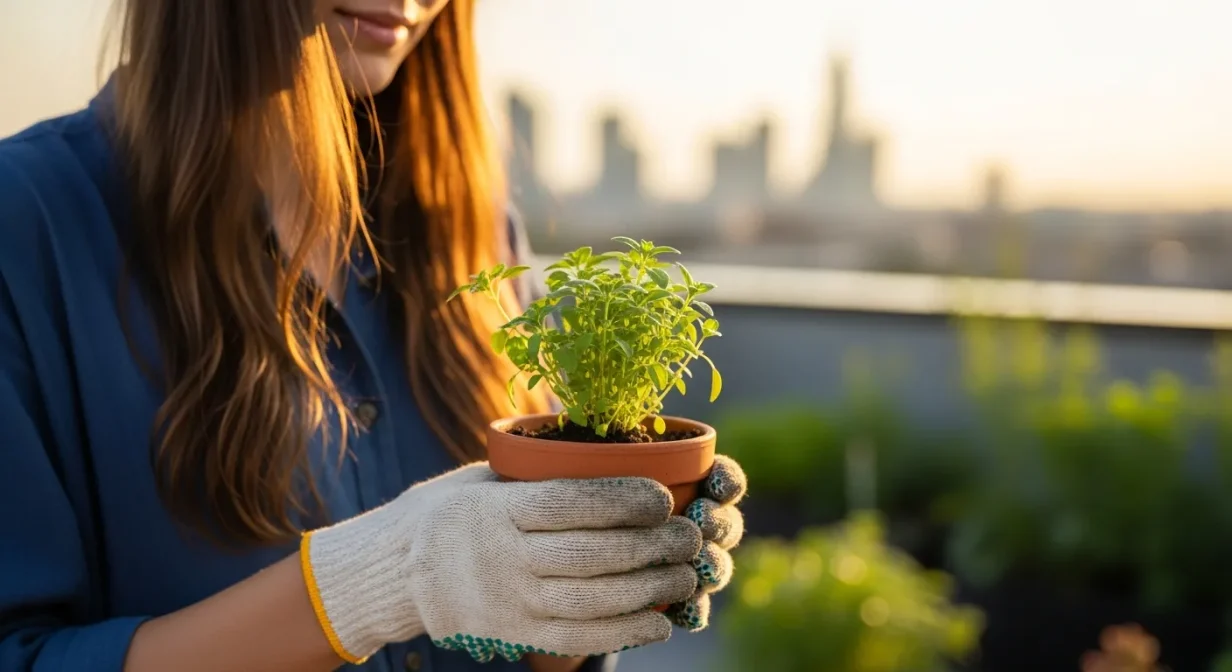
Dreaming of transforming your rooftop into a lush, green paradise? Rooftop gardens are becoming increasingly popular, offering a unique blend of relaxation, sustainability, and urban farming right at your doorstep. But before you start envisioning your rooftop oasis, it’s crucial to understand the costs involved in making this dream a reality, especially as we look ahead to 2026, considering potential material and labor cost fluctuations. This comprehensive guide breaks down the top 29 expenses you’ll likely encounter when planning and building a rooftop garden. We’ll delve into each element, from the foundational necessities like structural reinforcement and waterproofing to the more aesthetic choices like plant selection and outdoor furniture. By understanding these costs, you can create a realistic budget and ensure your rooftop garden project stays on track, transforming your vision into a beautiful and thriving space.
1. Structural Assessment & Reinforcement
The very first step in any rooftop garden project is a thorough structural assessment. This involves hiring a qualified structural engineer to evaluate the load-bearing capacity of your roof and determine if any reinforcement is necessary. Ignoring this step can lead to disastrous consequences, including structural damage or even collapse. Reinforcement costs can vary significantly depending on the existing structure and the weight of your planned garden. Common reinforcement methods include adding steel beams, concrete supports, or carbon fiber wraps. This is a crucial investment for the safety and longevity of your rooftop garden, and it’s best to overestimate rather than underestimate the required support.

Structural assessment is the foundation of a safe rooftop garden.
2. Waterproofing Membrane Installation
A high-quality waterproofing membrane is essential to protect your building from water damage. Rooftop gardens introduce a constant source of moisture, and leaks can lead to costly repairs and structural issues. The choice of membrane depends on the type of roof and the specific requirements of your garden. Common waterproofing options include modified bitumen, PVC, and EPDM rubber membranes. Proper installation is crucial to ensure a watertight seal, and it’s best to hire a professional with experience in rooftop garden waterproofing. Consider adding root barriers as part of the waterproofing system to prevent roots from damaging the membrane.
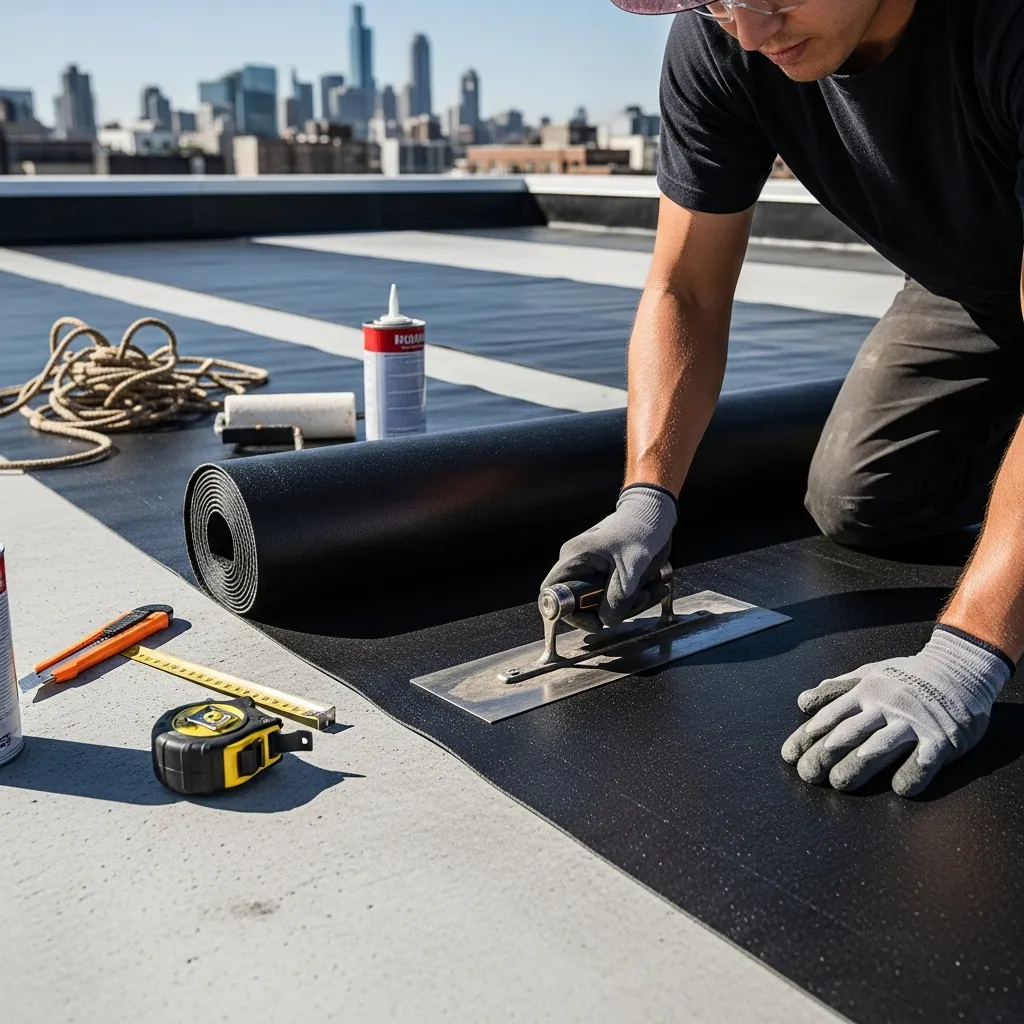
Waterproofing protects your building from water damage.
3. Drainage System Implementation
Effective drainage is critical for preventing waterlogging and ensuring the health of your plants. A well-designed drainage system will remove excess water from the growing medium and direct it away from the building’s structure. Without proper drainage, roots can rot, and the roof can become overloaded. Drainage systems typically consist of drainage mats, gravel layers, and drainage pipes that direct water to designated outlets. The complexity of the system will depend on the size and layout of your garden. Consider installing a filter to prevent debris from clogging the drainage pipes.
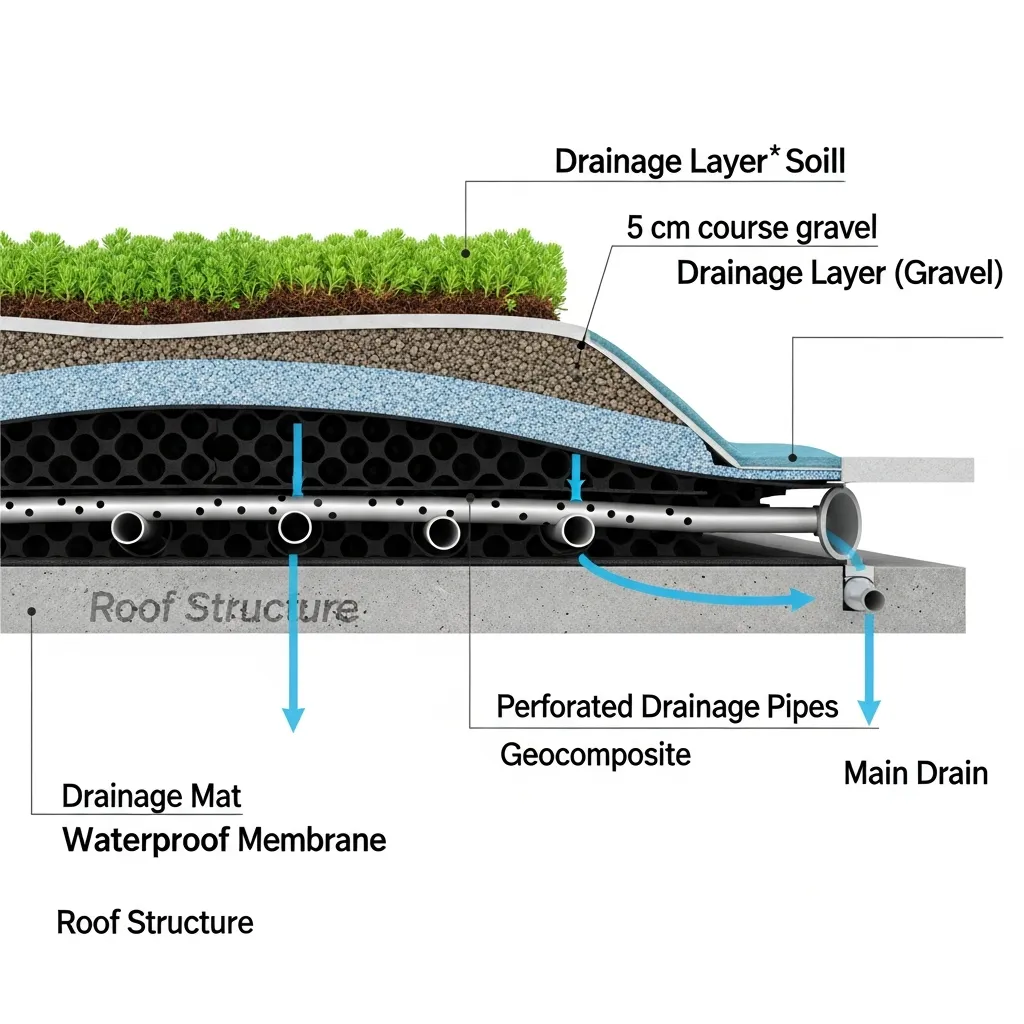
Proper drainage is essential for plant health and roof protection.
4. Growing Medium Selection & Delivery
The growing medium is the foundation for your plants, providing essential nutrients and support. Unlike traditional soil, rooftop gardens require a lightweight growing medium that won’t overload the roof. This often involves a blend of materials like perlite, vermiculite, compost, and peat moss. The cost of the growing medium will depend on the quality, quantity, and delivery method. Consider purchasing in bulk to save money, but ensure you have a plan for transporting the materials to the rooftop. Look for suppliers that specialize in rooftop garden mixes to ensure you’re getting the right blend for your plants.
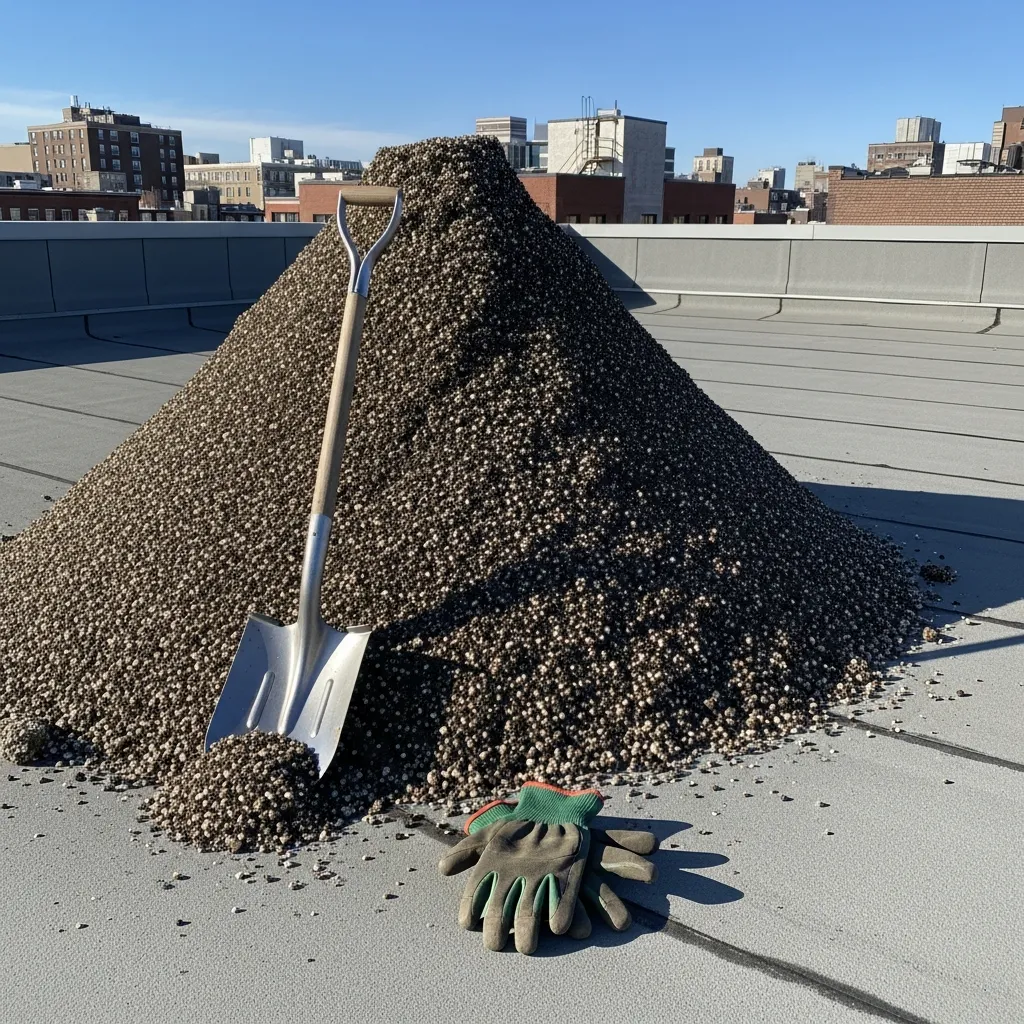
Choose a lightweight growing medium for your rooftop garden.
5. Container Selection & Placement
Containers are a popular choice for rooftop gardens, offering flexibility and control over plant placement. They come in a wide variety of materials, sizes, and styles, from terracotta pots to raised garden beds. The choice depends on your aesthetic preferences and the types of plants you want to grow. Consider the weight of the containers when filled with soil and plants, and ensure the roof can support the added load. Proper placement is also important, allowing for adequate sunlight and drainage. Consider using container dollies to easily move heavy pots.
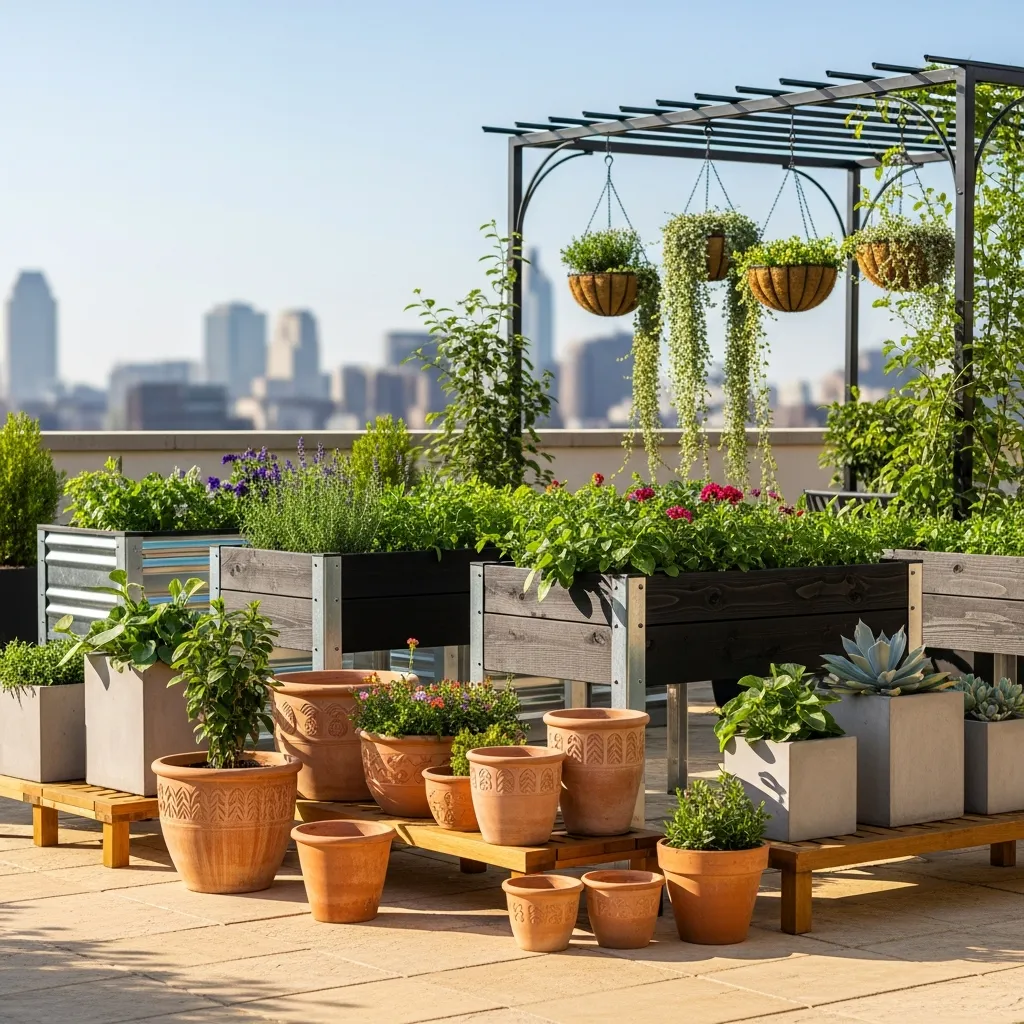
Containers offer flexibility and style for your rooftop garden.
6. Plant Selection & Installation
Choosing the right plants is crucial for a thriving rooftop garden. Consider the climate, sunlight exposure, and wind conditions on your rooftop. Opt for plants that are drought-tolerant, low-maintenance, and well-suited to container growing. Native plants are often a good choice. The cost of plants will vary depending on the species, size, and quantity. Consider starting with smaller plants and allowing them to grow, which can be more cost-effective. Proper installation is also important, ensuring the plants are properly watered and fertilized.
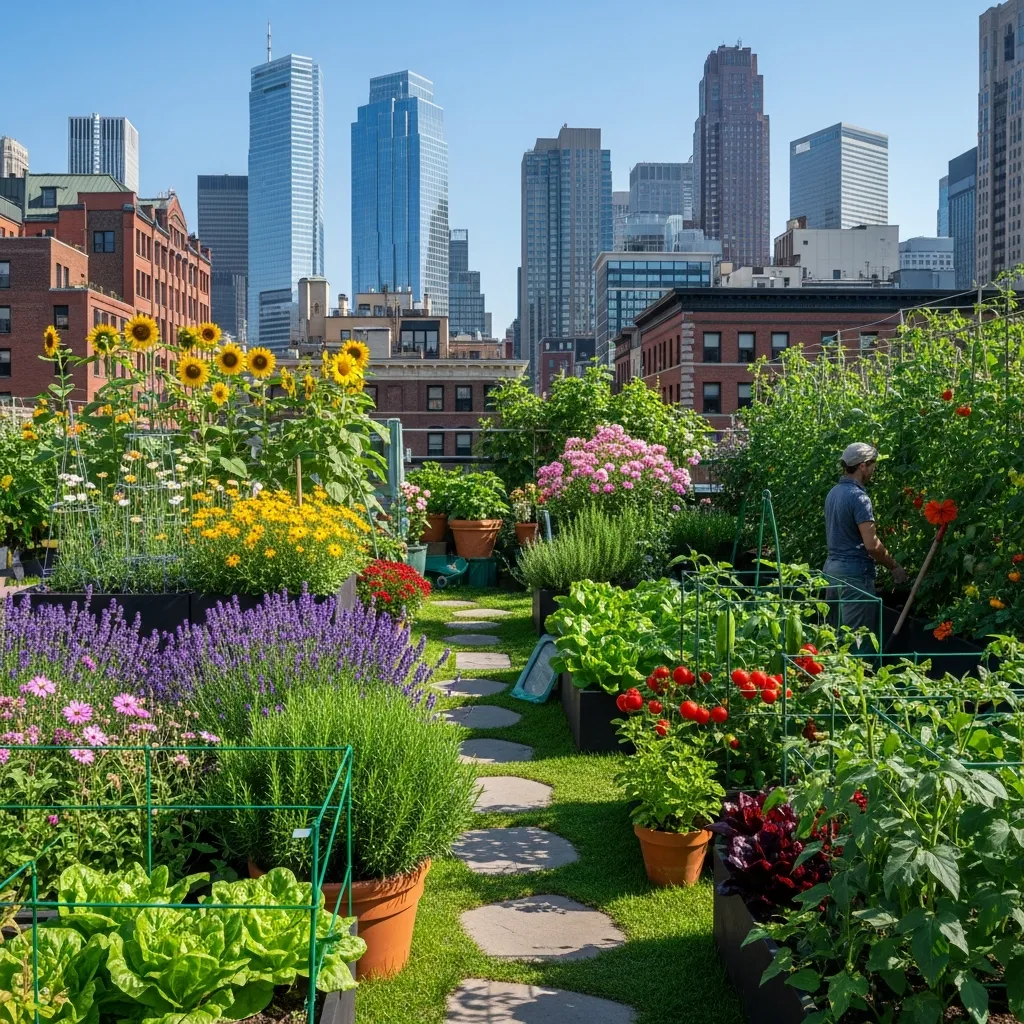
Choose plants that are well-suited to the rooftop environment.
7. Irrigation System Design & Installation
An efficient irrigation system is essential for keeping your plants hydrated, especially during dry periods. Hand-watering can be time-consuming and inefficient, so consider installing an automated irrigation system. Drip irrigation is a popular choice for rooftop gardens, delivering water directly to the roots of the plants. The cost of the irrigation system will depend on the size of your garden and the complexity of the system. Consider using a timer to automate the watering schedule and conserve water. Regular maintenance is important to ensure the system is functioning properly.
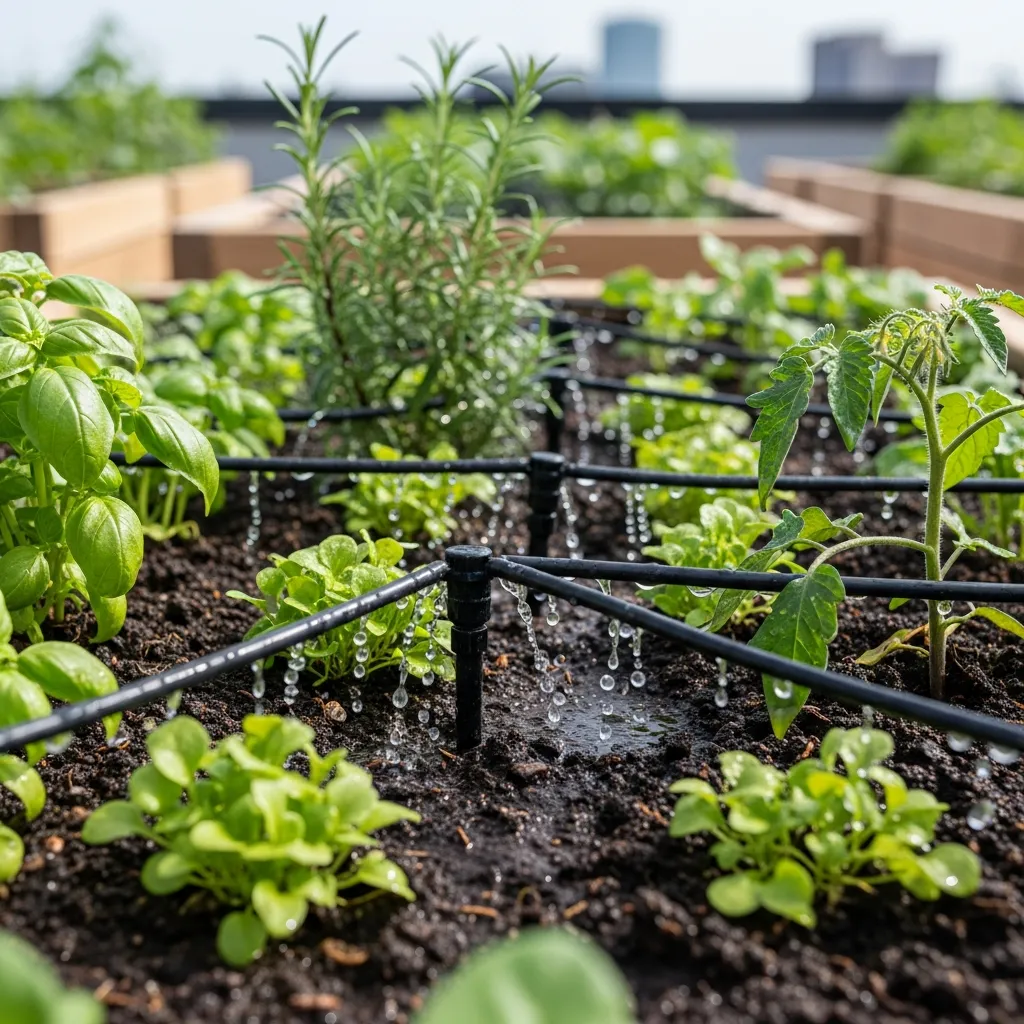
An efficient irrigation system saves time and water.
8. Outdoor Furniture & Seating
Creating a comfortable and inviting space is essential for enjoying your rooftop garden. Outdoor furniture, such as chairs, tables, and benches, can transform your rooftop into a relaxing oasis. Choose furniture that is weather-resistant and durable. The cost of outdoor furniture can vary widely depending on the material, style, and brand. Consider investing in high-quality furniture that will last for years. Add cushions and pillows for extra comfort and style. Consider adding a pergola or umbrella for shade.

Create a comfortable and inviting rooftop space with outdoor furniture.
9. Lighting Fixtures & Installation
Lighting can enhance the ambiance of your rooftop garden and allow you to enjoy it after dark. Consider installing outdoor lighting fixtures to illuminate pathways, highlight plants, and create a warm and inviting atmosphere. Solar-powered lights are a sustainable and cost-effective option. The cost of lighting will depend on the type of fixtures, the number of lights, and the installation costs. Consider using LED lights, which are energy-efficient and long-lasting. Ensure the lighting is properly installed and weatherproofed.

Lighting enhances the ambiance of your rooftop garden.
10. Fencing & Railings
Safety is a top priority for any rooftop garden. Fencing and railings are essential for preventing falls and ensuring the safety of visitors. The height and style of the fencing will depend on local building codes and your personal preferences. The cost of fencing and railings will depend on the material, height, and length. Consider using materials that are durable and weather-resistant. Ensure the fencing is properly installed and meets all safety regulations. Consider adding a gate for easy access.
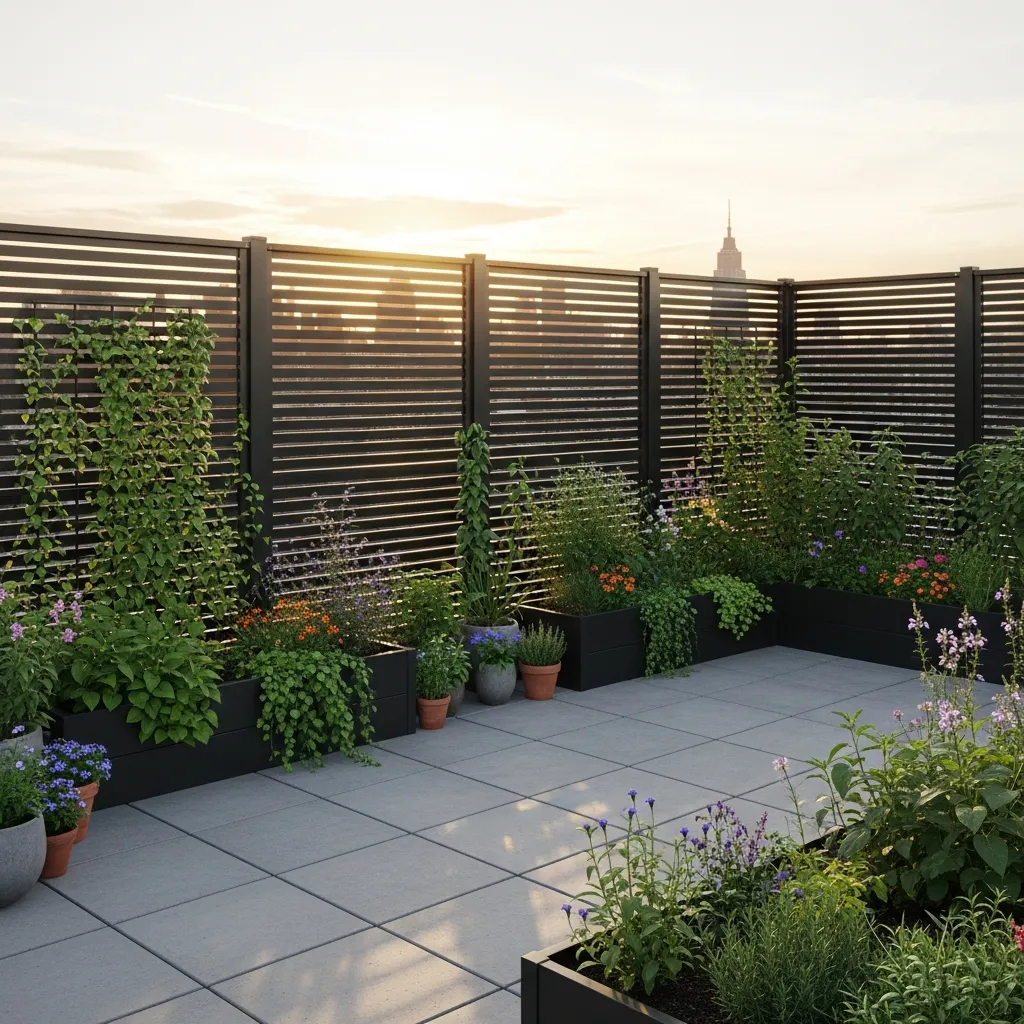
Fencing and railings ensure safety in your rooftop garden.
11. Windbreaks & Shelters
Rooftops can be exposed to strong winds, which can damage plants and make the space uncomfortable. Windbreaks and shelters can help to protect your garden from the elements. Options include trellises, screens, and strategically placed plants. The cost of windbreaks and shelters will depend on the materials and size. Consider using natural materials like bamboo or wood. Ensure the windbreaks are securely anchored to the roof. Consider adding a pergola or awning for additional shelter.
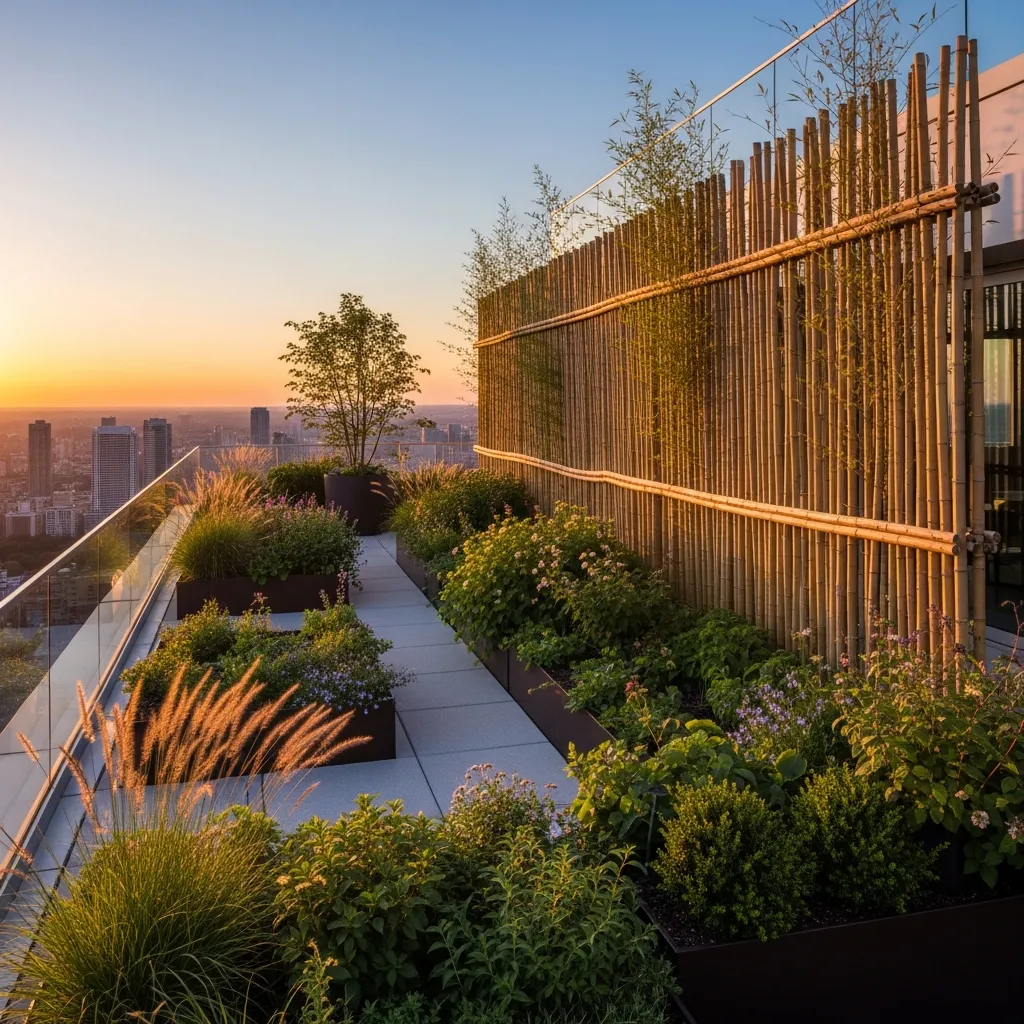
Windbreaks protect your garden from the elements.
12. Garden Tools & Equipment
Maintaining a rooftop garden requires a variety of tools and equipment. These include shovels, trowels, pruning shears, watering cans, and hoses. Invest in high-quality tools that will last for years. The cost of garden tools and equipment will depend on the quality and quantity. Consider purchasing a basic gardening kit to get started. Store your tools in a secure and weatherproof location. Regularly clean and maintain your tools to prolong their lifespan.
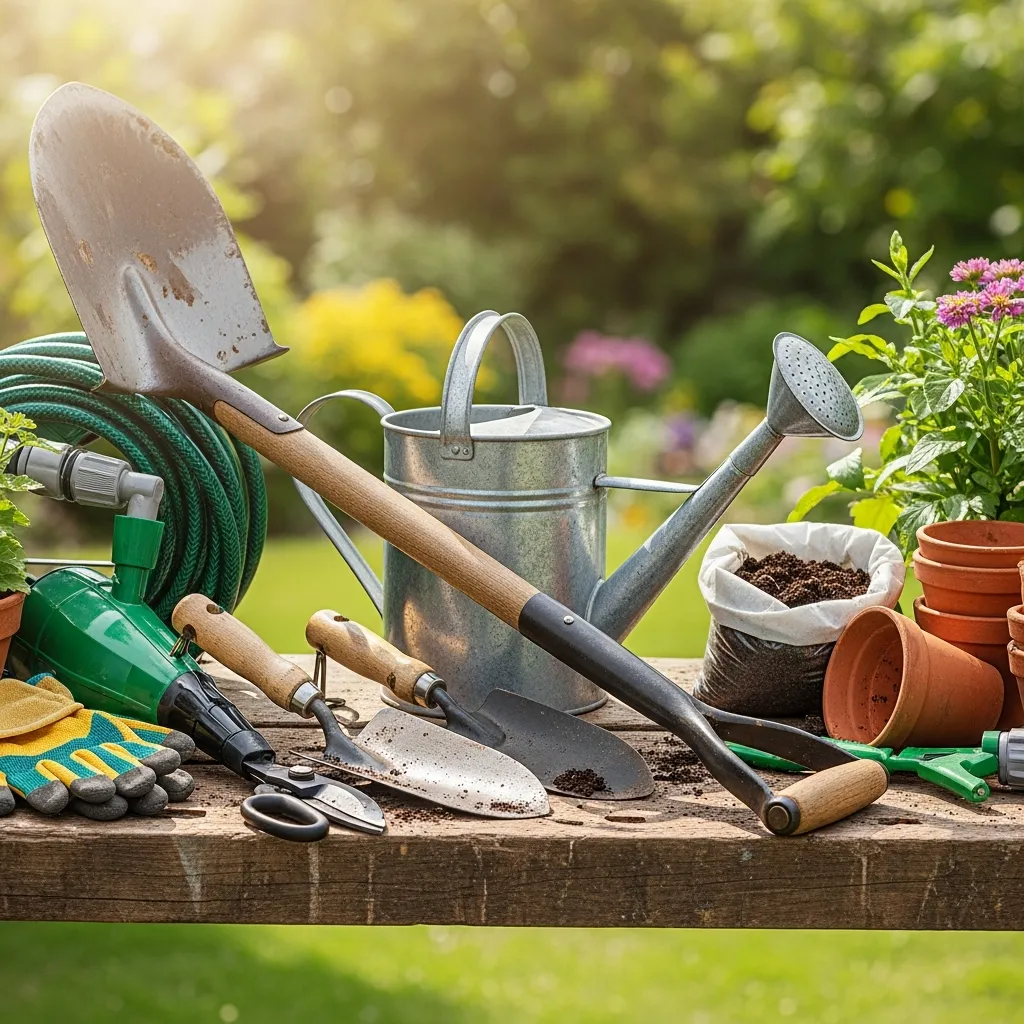
Essential tools for maintaining your rooftop garden.
13. Pest Control & Prevention
Rooftop gardens can be susceptible to pests, such as insects, rodents, and birds. Implement a pest control strategy to protect your plants. This may involve using organic pesticides, traps, and netting. The cost of pest control will depend on the severity of the problem and the methods used. Consider using natural pest control methods whenever possible. Regularly inspect your plants for signs of pests. Consider attracting beneficial insects to your garden.
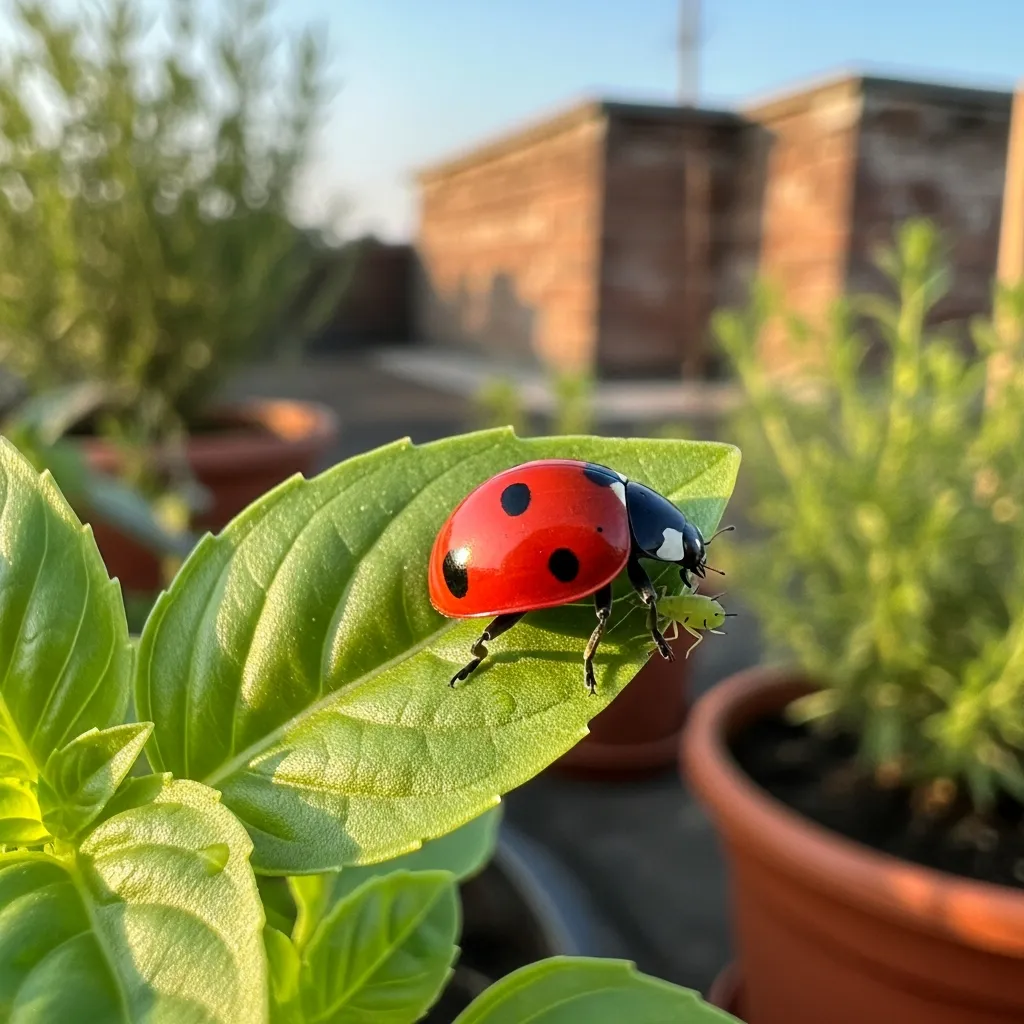
Protect your plants from pests with a pest control strategy.
14. Soil Amendments & Fertilizers
To ensure healthy plant growth, you’ll need to regularly amend the soil and fertilize your plants. Soil amendments improve the soil’s structure and drainage, while fertilizers provide essential nutrients. Choose amendments and fertilizers that are appropriate for your plants. The cost of soil amendments and fertilizers will depend on the type and quantity. Consider using organic amendments and fertilizers whenever possible. Regularly test your soil to determine its nutrient levels. Follow the instructions on the fertilizer packaging carefully.
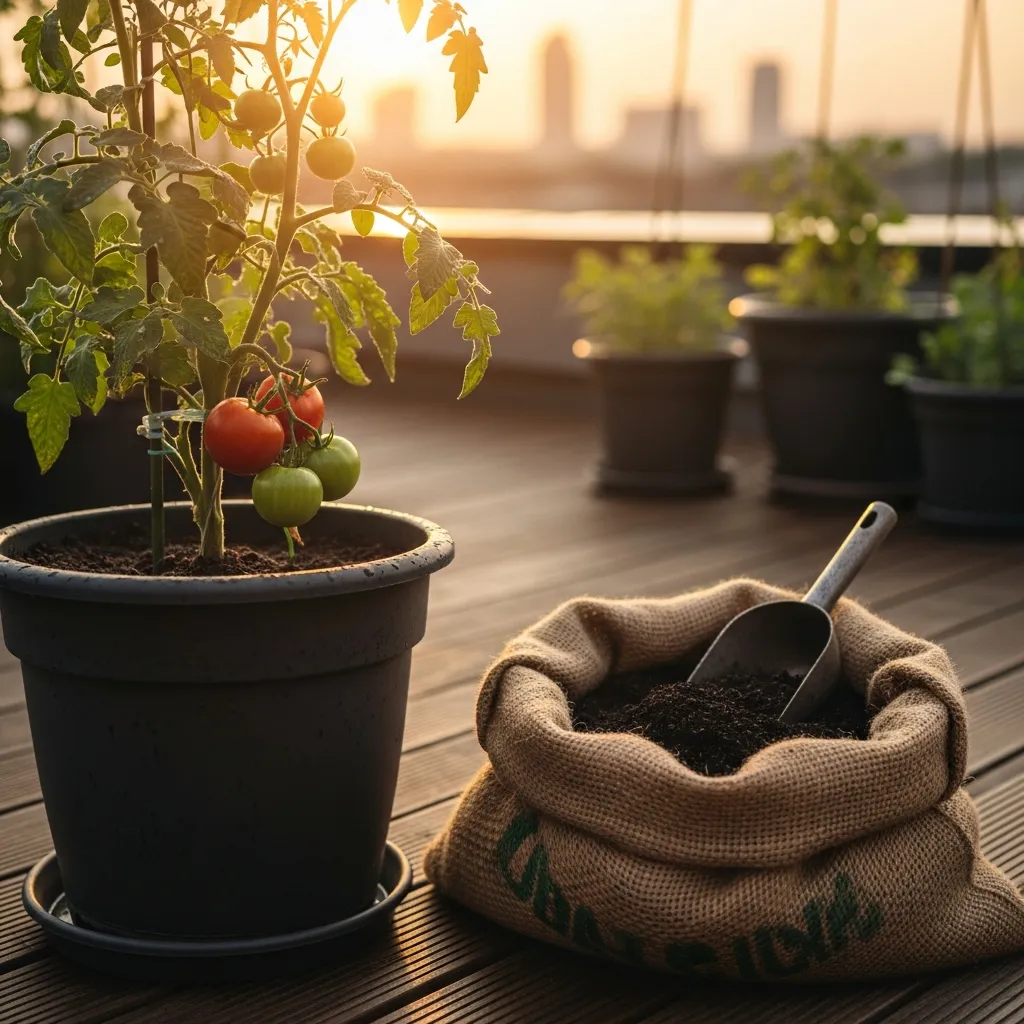
Amend the soil and fertilize your plants for healthy growth.
15. Permits & Inspections
Depending on your location, you may need to obtain permits and inspections before building a rooftop garden. These permits ensure that your garden meets local building codes and safety regulations. Failing to obtain the necessary permits can result in fines and delays. The cost of permits and inspections will vary depending on your location and the size of your garden. Research the permit requirements in your area before starting your project. Hire a qualified contractor who is familiar with local building codes. Be prepared for inspections throughout the construction process.
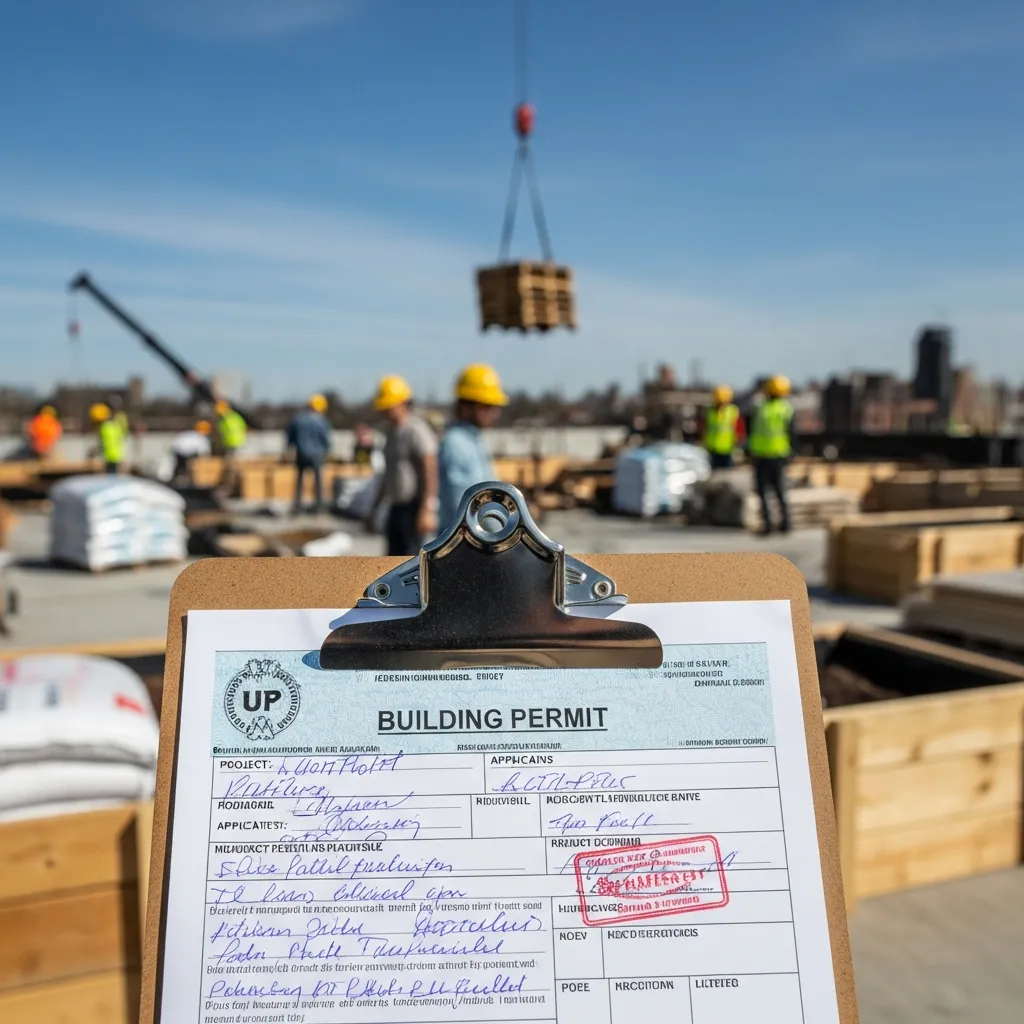
Obtain the necessary permits and inspections for your rooftop garden.
16. Professional Design Fees
Hiring a professional landscape designer or architect can help you create a stunning and functional rooftop garden. A professional can help you with space planning, plant selection, and drainage design. They can also ensure that your garden meets local building codes and safety regulations. The cost of professional design fees will vary depending on the scope of the project and the experience of the designer. Get quotes from several designers before making a decision. Review their portfolios to see if their style matches your preferences. Consider hiring a designer who specializes in rooftop gardens.
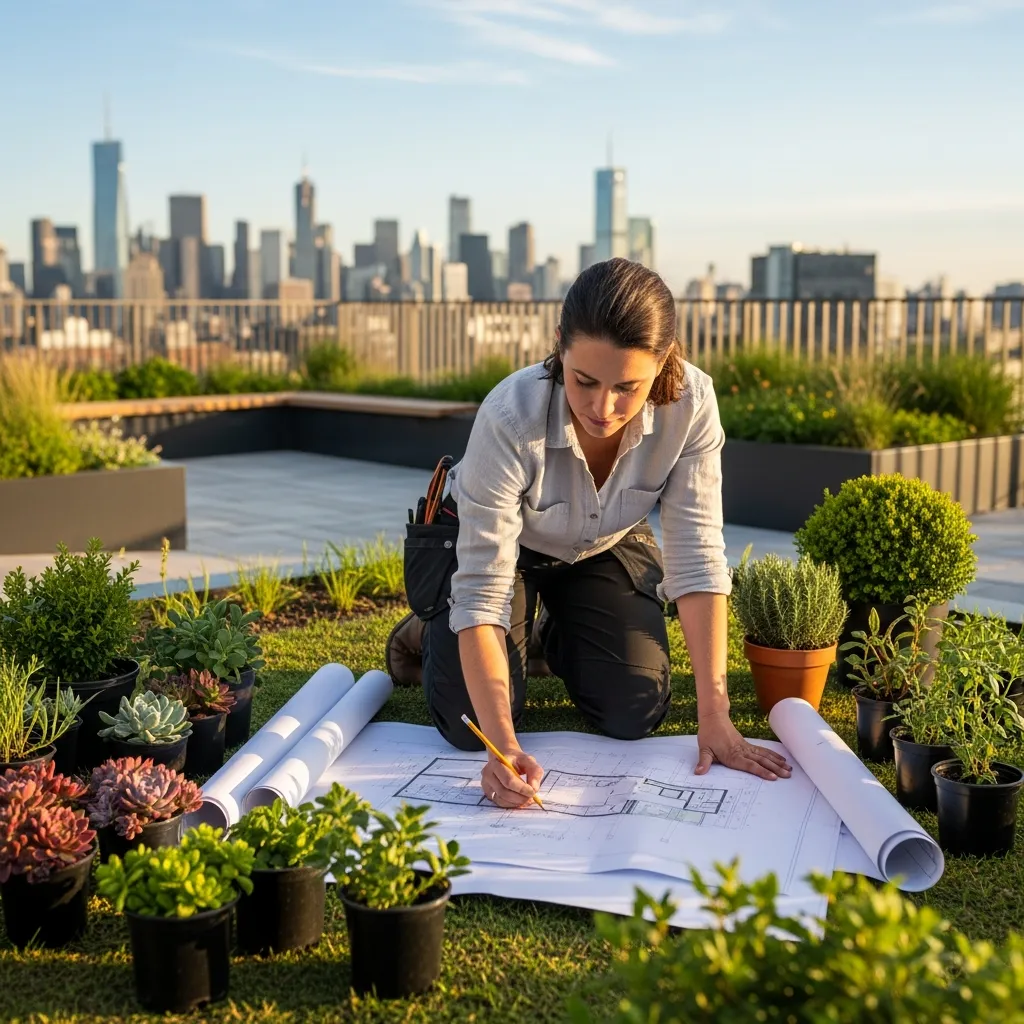
Hire a professional designer to create a stunning rooftop garden.
17. Installation Labor Costs
Labor costs can be a significant expense in any rooftop garden project. Depending on the complexity of the project, you may need to hire contractors to install the waterproofing membrane, drainage system, irrigation system, and other features. Get quotes from several contractors before making a decision. The cost of labor will vary depending on the experience of the contractors and the scope of the project. Make sure the contractors are licensed and insured. Get a detailed contract that outlines the scope of work, the payment schedule, and the warranty. Supervise the work closely to ensure it is done correctly.
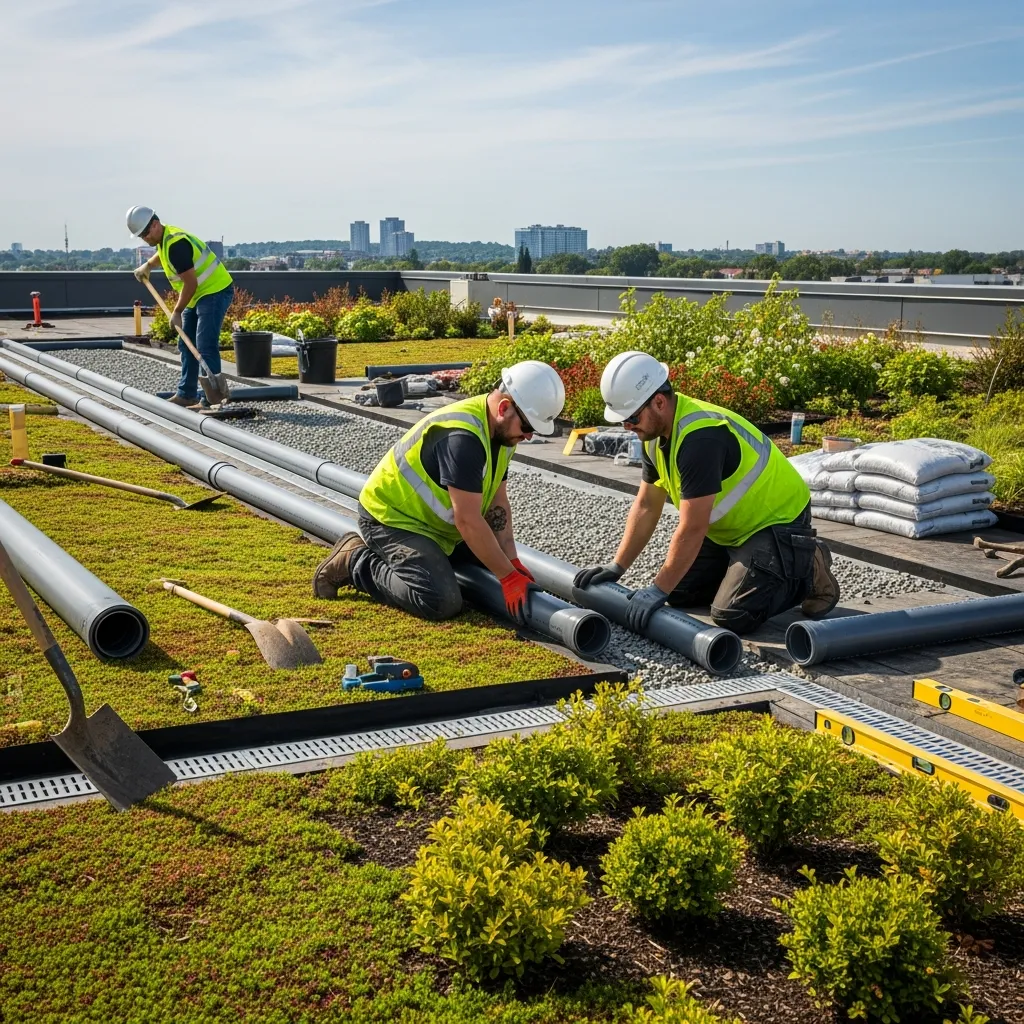
Labor costs can be a significant expense in your project.
18. Delivery Charges & Transportation
Delivering materials to a rooftop can be challenging and expensive. You may need to hire a crane or other specialized equipment to lift heavy items to the roof. Plan ahead for delivery and transportation costs. The cost of delivery charges and transportation will depend on the distance, the weight of the materials, and the equipment required. Get quotes from several delivery companies before making a decision. Consider ordering materials in bulk to save on delivery costs. Make sure the delivery area is clear and accessible.
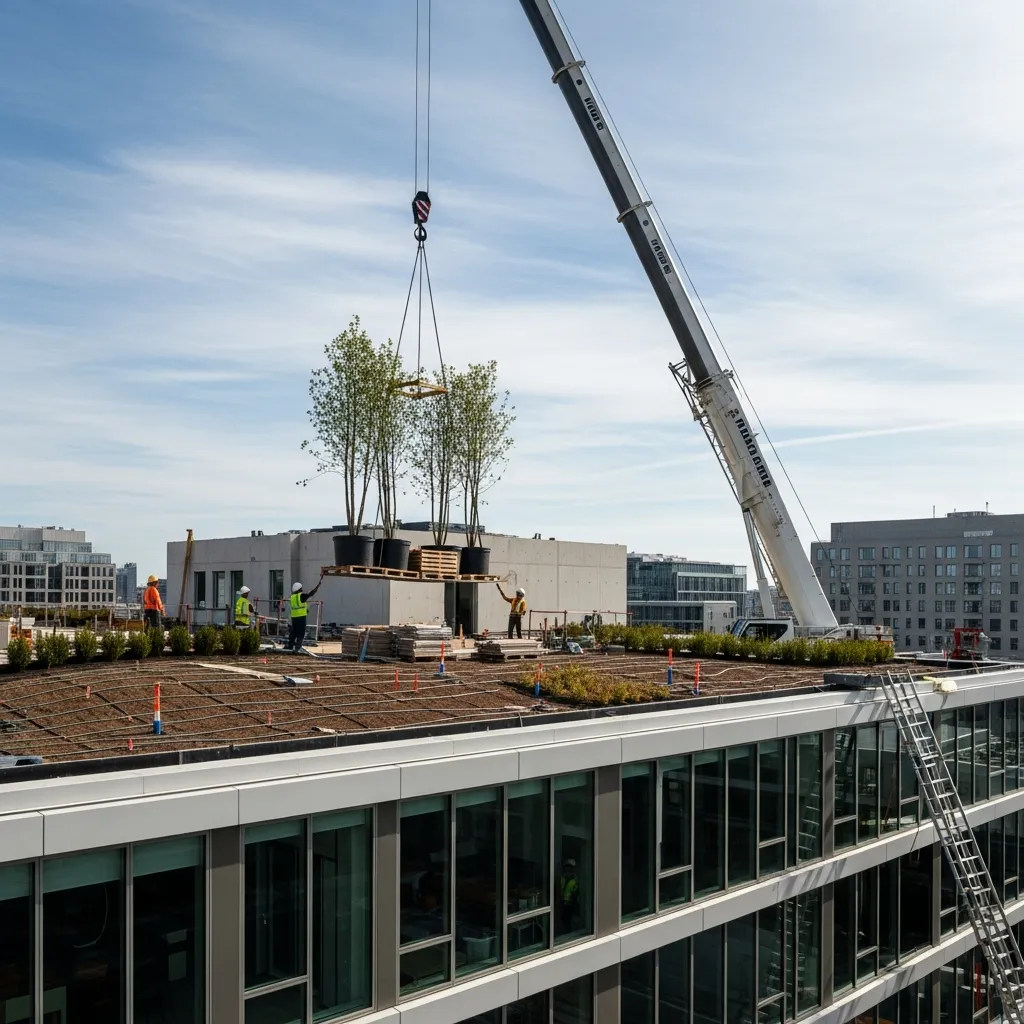
Plan ahead for delivery and transportation costs.
19. Green Roof Subsidies & Incentives
Many cities and municipalities offer subsidies and incentives for green roof projects. These incentives can help to offset the cost of installation and maintenance. Research the available incentives in your area. The amount of the subsidy or incentive will vary depending on the location and the type of project. Apply for the incentives before starting your project. Be prepared to provide documentation and meet certain requirements. Consider working with a consultant who specializes in green roof incentives.
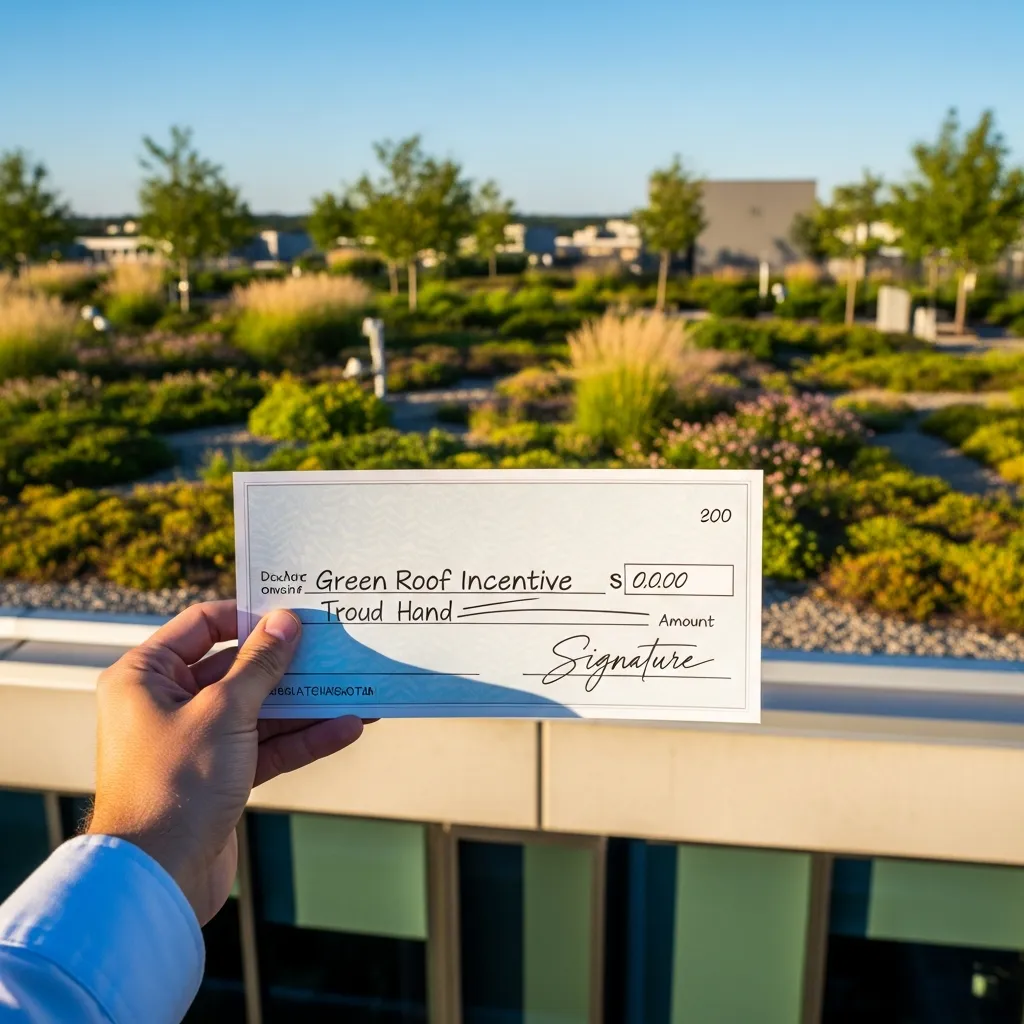
Take advantage of green roof subsidies and incentives.
20. Maintenance Costs (Annual)
Rooftop gardens require ongoing maintenance to keep them healthy and thriving. This includes watering, fertilizing, pruning, weeding, and pest control. Budget for annual maintenance costs. The cost of maintenance will depend on the size of your garden and the types of plants you have. Consider hiring a professional gardener to handle the maintenance. Create a maintenance schedule and stick to it. Regularly inspect your garden for signs of problems.
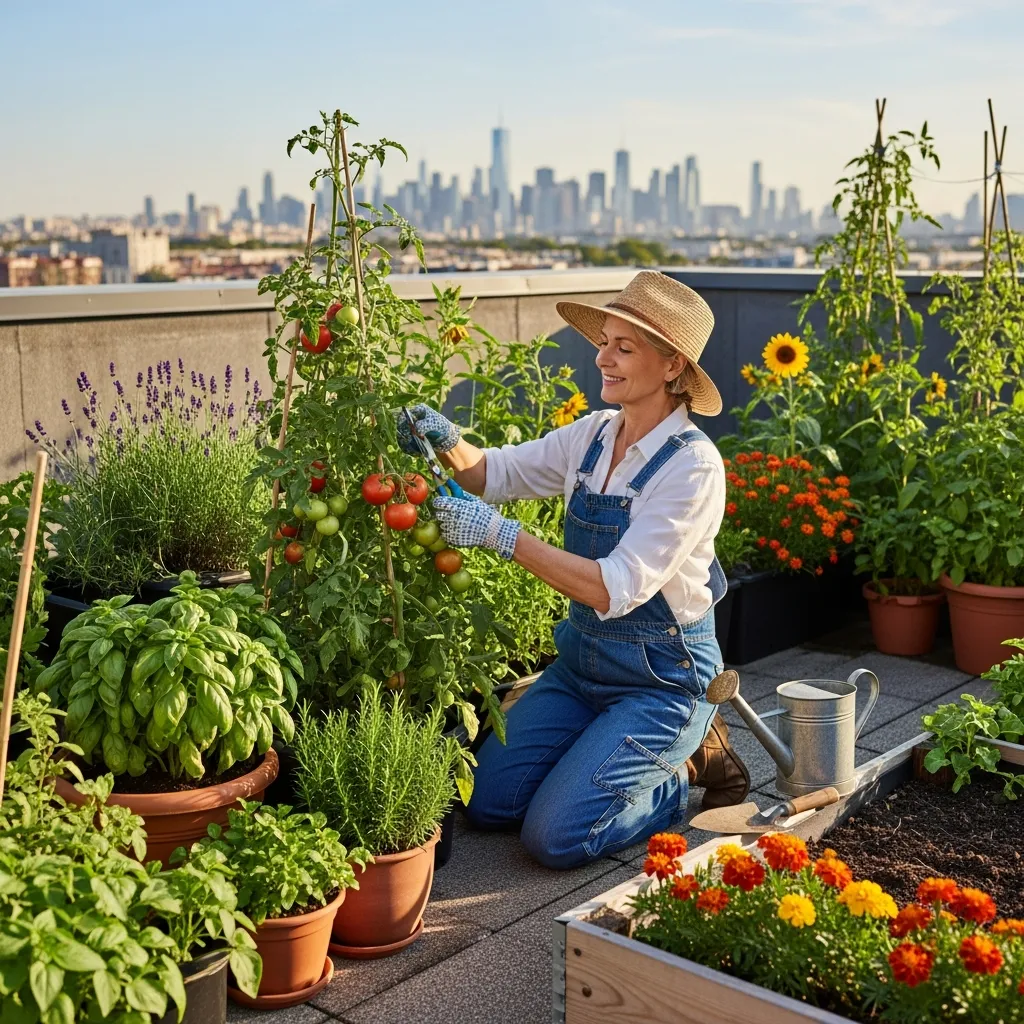
Budget for annual maintenance costs to keep your garden thriving.
21. Irrigation System Maintenance & Repairs
Irrigation systems require regular maintenance to ensure they are functioning properly. This includes cleaning filters, checking for leaks, and adjusting sprinkler heads. Budget for potential repairs. The cost of irrigation system maintenance and repairs will depend on the type of system and the extent of the damage. Regularly inspect your system for signs of problems. Consider hiring a professional to handle the maintenance and repairs. Winterize your system before the first frost.
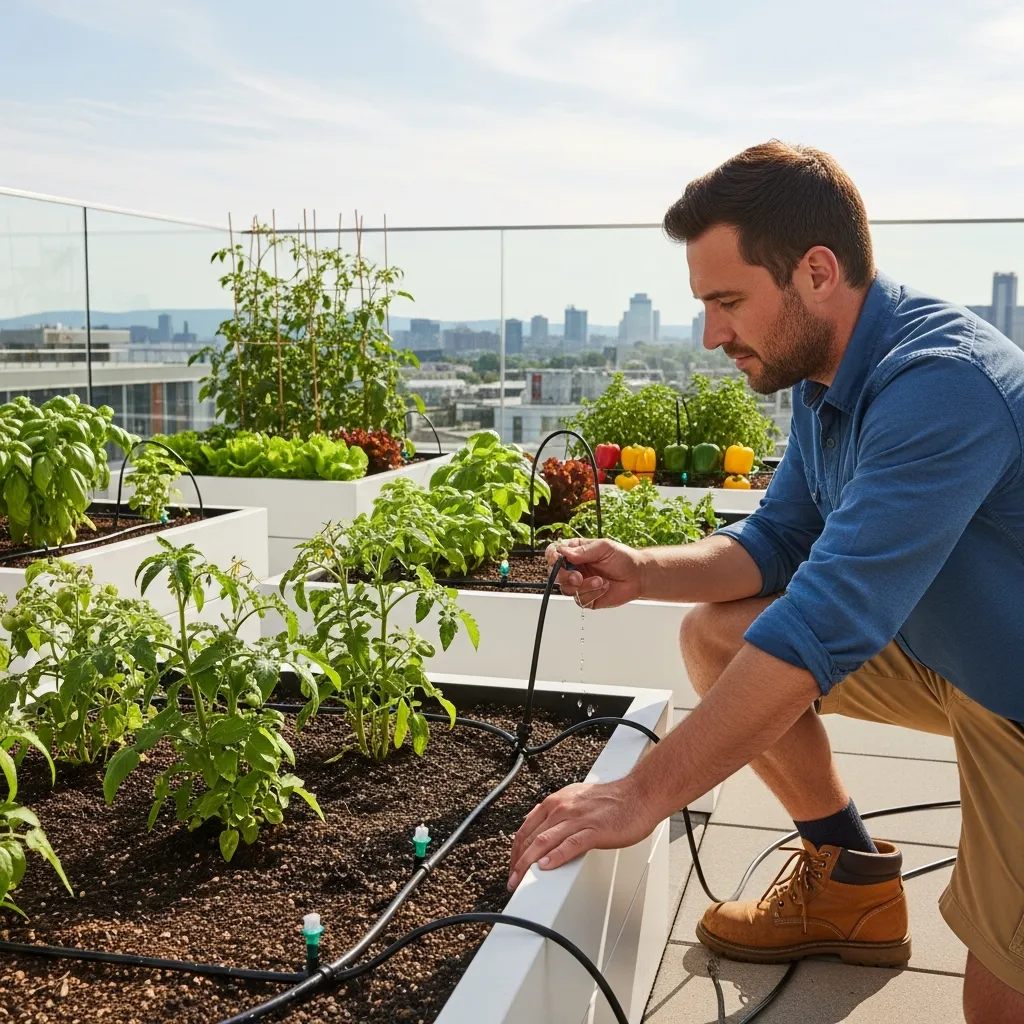
Maintain your irrigation system to ensure it functions properly.
22. Plant Replacement Costs
Plants can die or become damaged due to pests, diseases, or harsh weather conditions. Budget for plant replacement costs. Consider choosing plants that are hardy and disease-resistant. The cost of plant replacement will depend on the type of plant and the size. Keep a record of the plants you have in your garden. Consider propagating your own plants to save money. Shop around for the best prices on plants.
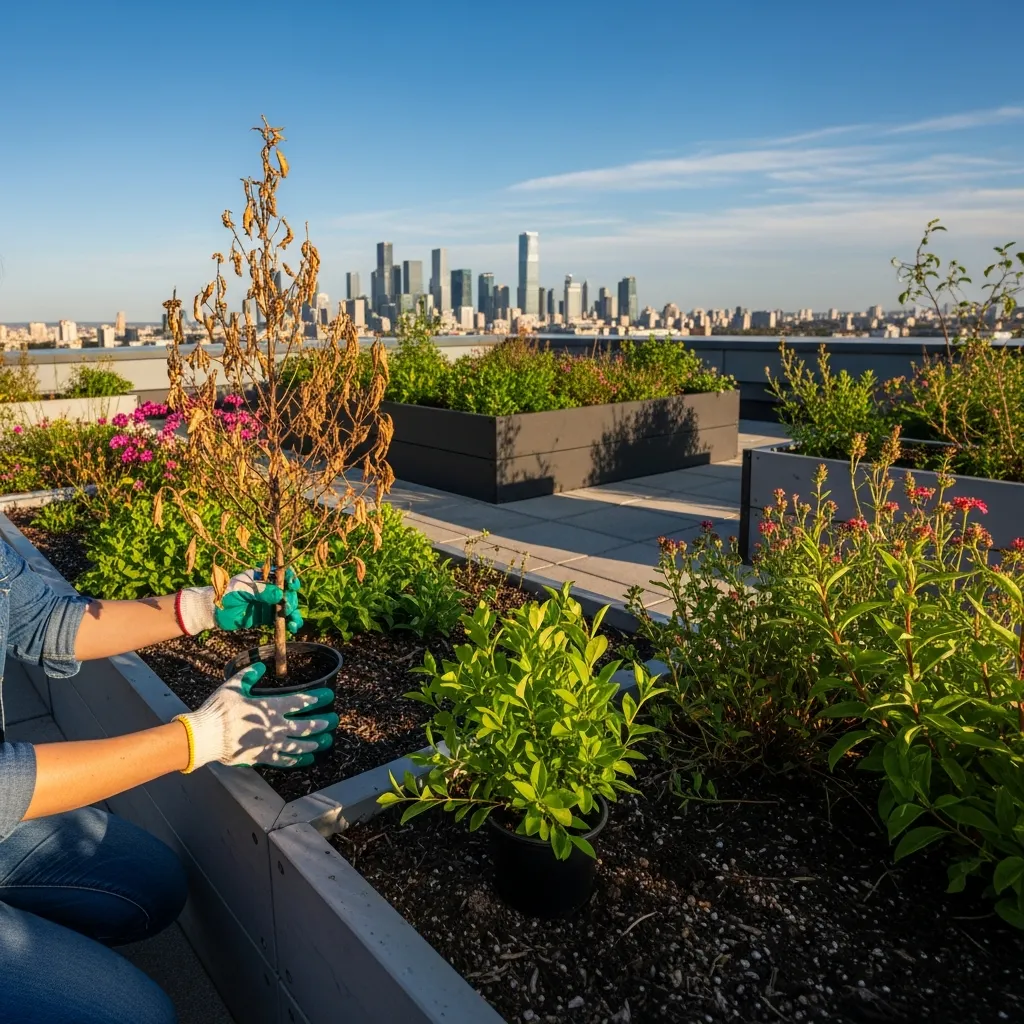
Budget for plant replacement costs.
23. Weather Damage Repairs
Rooftop gardens can be vulnerable to weather damage, such as wind, hail, and frost. Budget for potential repairs. Consider using protective measures, such as windbreaks and frost blankets. The cost of weather damage repairs will depend on the extent of the damage. Regularly inspect your garden for signs of damage. Take preventative measures to minimize the risk of damage. Have insurance coverage for weather-related damage.
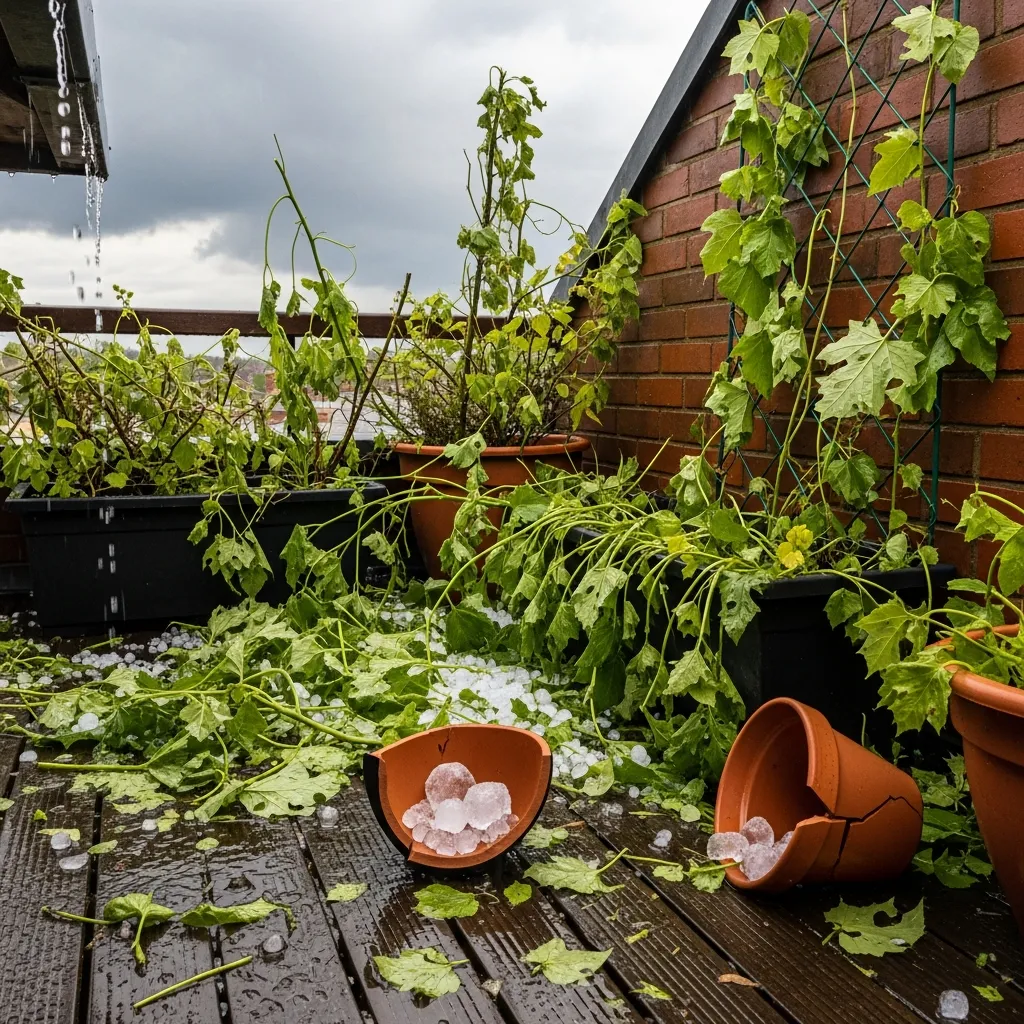
Budget for potential weather damage repairs.
24. Snow Removal Costs
In snowy climates, you may need to remove snow from your rooftop garden to prevent damage to plants and structures. Budget for snow removal costs. Use caution when removing snow to avoid damaging the waterproofing membrane. The cost of snow removal will depend on the amount of snowfall and the size of your garden. Consider hiring a professional snow removal service. Use a plastic shovel to avoid damaging the roof surface. Clear snow away from drainage outlets to prevent ice dams.
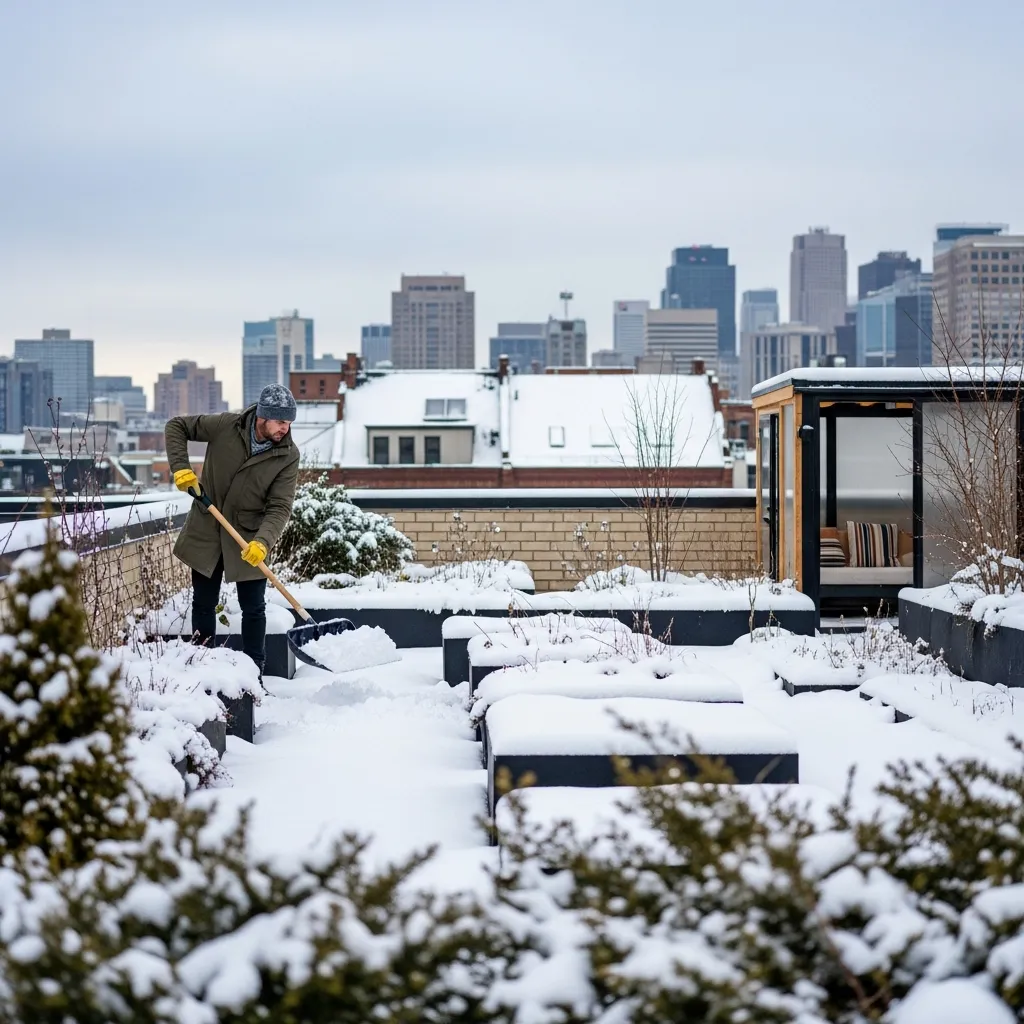
Budget for snow removal costs in snowy climates.
25. Security System Installation & Monitoring
Protect your rooftop garden from theft and vandalism by installing a security system. This may include cameras, alarms, and motion sensors. Consider professional monitoring. The cost of security system installation and monitoring will depend on the type of system and the level of service. Get quotes from several security companies before making a decision. Choose a system that is appropriate for your needs and budget. Regularly test your security system to ensure it is functioning properly.
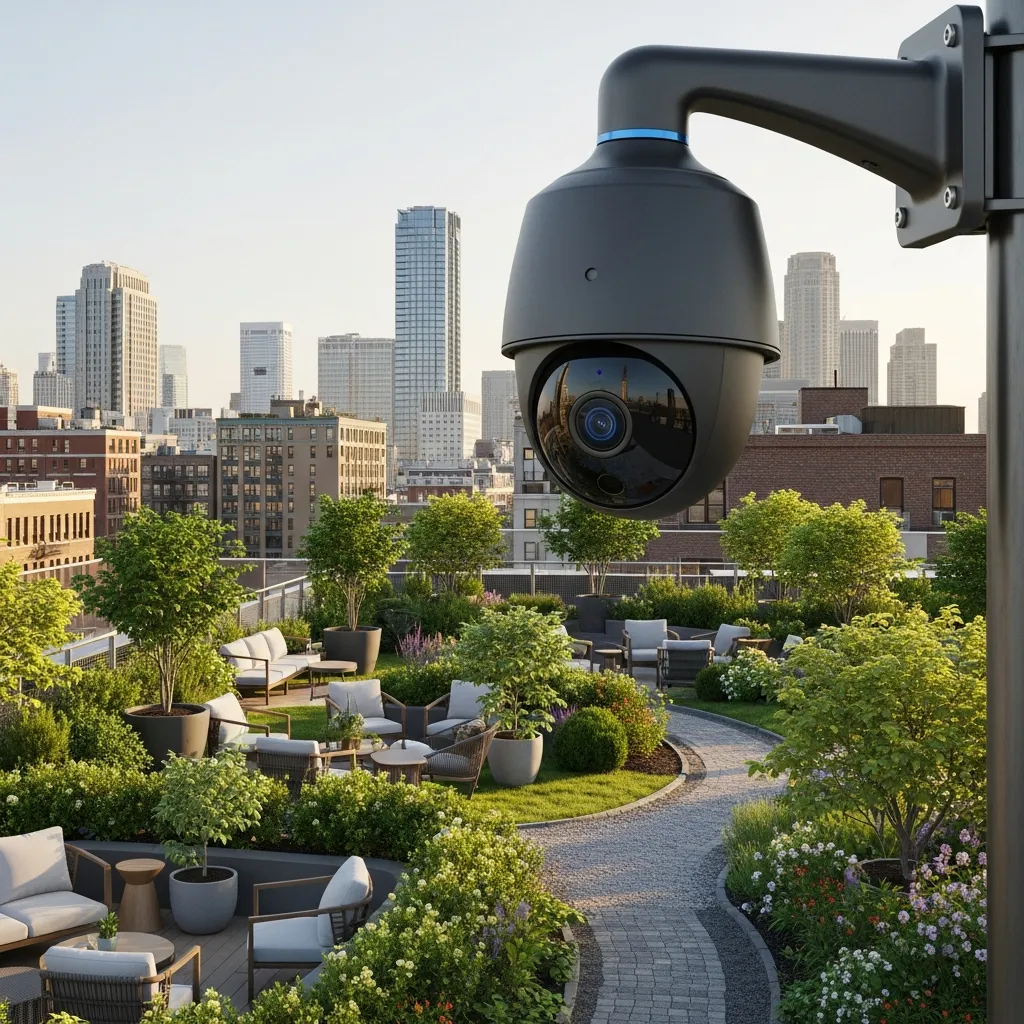
Protect your rooftop garden with a security system.
26. Compost Bin & Composting System
Composting is a great way to reduce waste and create nutrient-rich soil for your rooftop garden. Consider installing a compost bin or composting system. Choose a system that is appropriate for your space and needs. The cost of a compost bin or composting system will depend on the type and size. Consider building your own compost bin to save money. Properly manage your compost to prevent odors and pests. Use the compost to amend the soil in your garden.
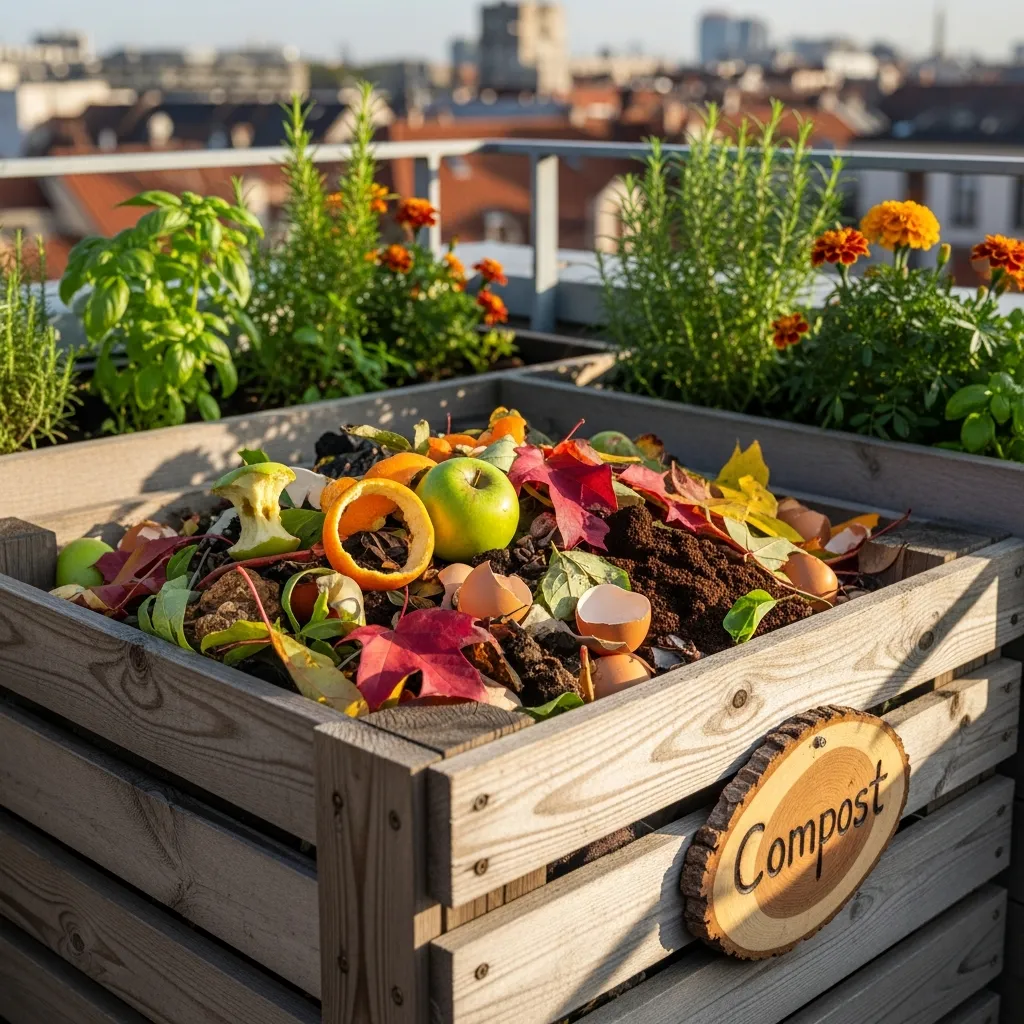
Compost your waste to create nutrient-rich soil.
27. Rainwater Harvesting System
Conserve water and reduce your water bill by installing a rainwater harvesting system. This system collects rainwater from your roof and stores it in a tank for later use. Use the harvested rainwater to irrigate your garden. The cost of a rainwater harvesting system will depend on the size of the tank and the complexity of the system. Research local regulations regarding rainwater harvesting. Ensure the system is properly installed and maintained. Filter the rainwater before using it to irrigate your garden.
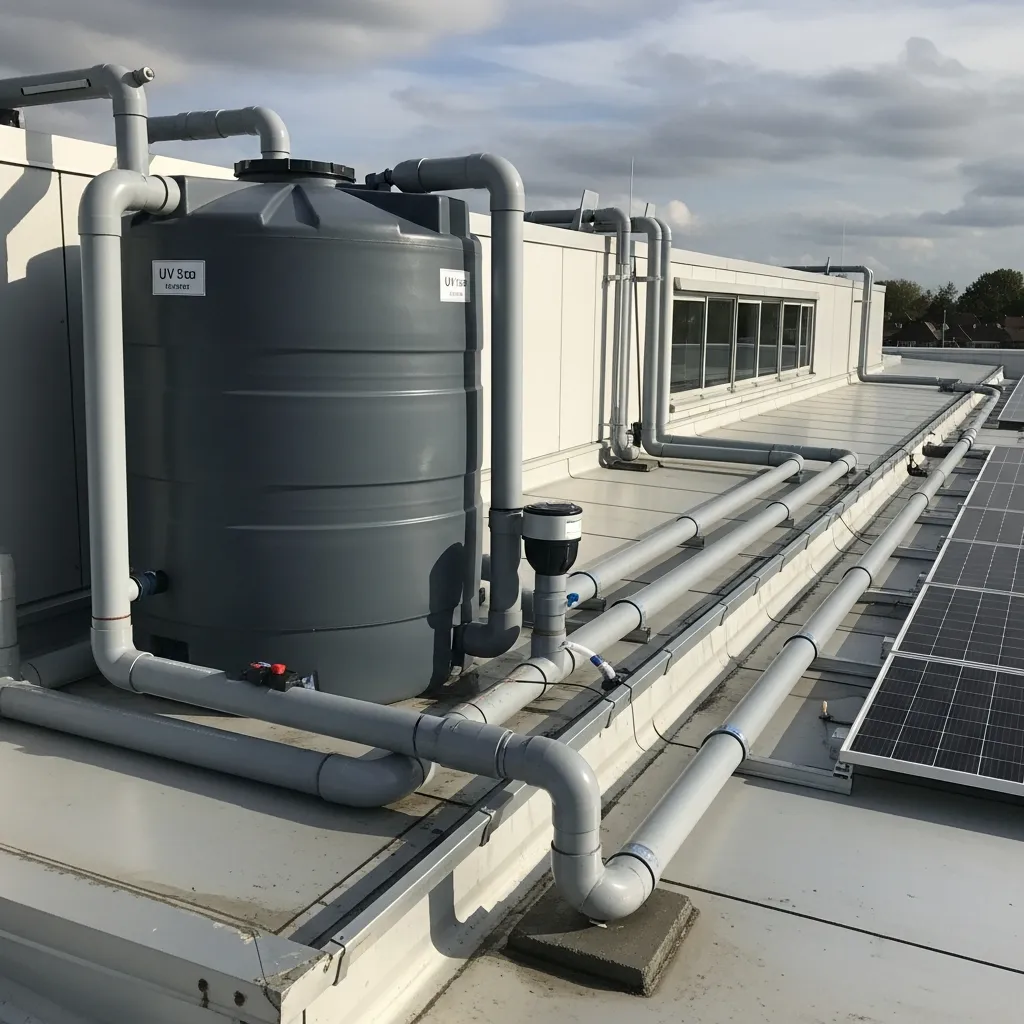
Conserve water with a rainwater harvesting system.
28. Art & Decorative Elements
Adding art and decorative elements can enhance the beauty and personality of your rooftop garden. Consider sculptures, fountains, and other decorative items. Choose items that are weather-resistant and appropriate for the space. The cost of art and decorative elements will vary depending on the type, size, and quality. Shop around for the best prices. Consider creating your own art and decorative elements to save money. Place the items strategically to create visual interest.

Enhance your garden with art and decorative elements.
29. Contingency Fund (10-15% of Total Budget)
Unexpected costs can arise during any construction project. Set aside a contingency fund to cover these unexpected expenses. A contingency fund of 10-15% of the total budget is recommended. Use the contingency fund only for unforeseen expenses. Track all expenses carefully to stay within budget. If you don’t use the contingency fund, you can use it for additional features or improvements to your garden. This will provide peace of mind throughout the project.
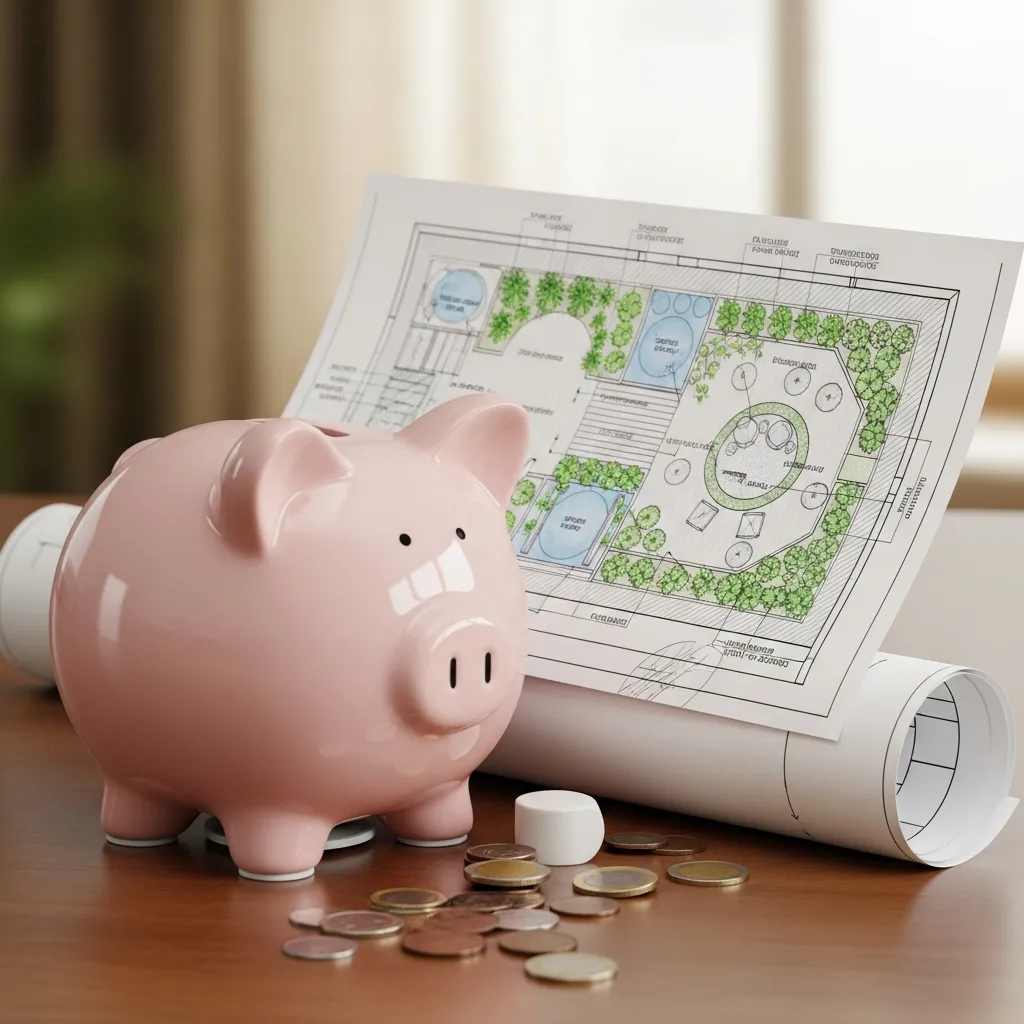
Set aside a contingency fund for unexpected expenses.
Conclusion
Creating a rooftop garden is a rewarding investment that can transform your urban space. By carefully considering each of these 29 cost factors and planning your budget accordingly, you can bring your dream rooftop oasis to life in 2026. Remember to research local regulations, obtain necessary permits, and hire qualified professionals to ensure a successful and sustainable project. Happy gardening!
