
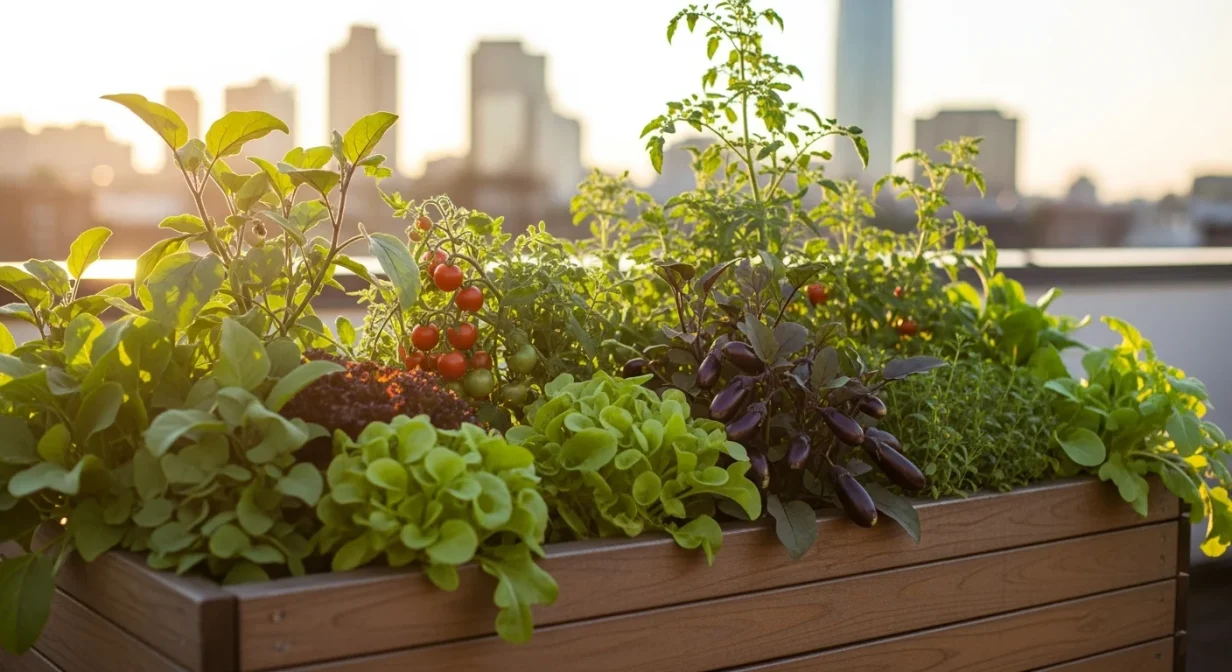
Imagine stepping out onto your rooftop, not just to admire the city skyline, but to harvest fresh, organic vegetables for dinner. Rooftop gardening is a revolutionary way to embrace sustainability and fresh produce, even in the most urban environments. It offers a unique opportunity to reclaim unused space, reduce your carbon footprint, and enjoy the unparalleled satisfaction of growing your own food right above the bustling streets below. This isn’t just a trend; it’s a movement towards greener, healthier city living for everyone, empowering individuals to connect with their food source.
The secret to a successful rooftop garden often lies in smart plant selection and the right containers. Planter boxes are your best friends here, providing the necessary soil depth and drainage while being movable and aesthetically pleasing. Their versatility allows you to optimize sun exposure and protect plants from harsh weather, making them ideal for the unique challenges of an elevated garden. But which vegetables truly thrive in these elevated conditions? We’ve curated a list of the top 15 incredibly rewarding vegetables that are perfectly suited for rooftop planter boxes, promising a bountiful harvest and a stunning green sanctuary. Get ready to turn your overlooked rooftop into a productive and beautiful culinary haven!
1. Leaf Lettuce & Salad Greens
Leaf lettuces, arugula, and other salad greens are quintessential choices for rooftop planter boxes due to their shallow root systems and rapid growth. These varieties thrive in partial sun and cooler temperatures, making them ideal for areas that might get intense afternoon sun but also some shade during the day. You can enjoy multiple harvests by simply snipping the outer leaves, allowing the plant to continue producing fresh greens for weeks on end. Their quick turnaround time means you can have a continuous supply of fresh, crisp salads.
To ensure success, use wide, shallow planter boxes and fill them with a rich, well-draining potting mix. Keep the soil consistently moist, especially during warmer periods, as greens tend to bolt (go to seed) if they dry out or get too hot. Consider planting succession crops every two to three weeks to maintain a steady harvest throughout the growing season. Protecting them from scorching midday sun with a shade cloth can also extend their productivity considerably.
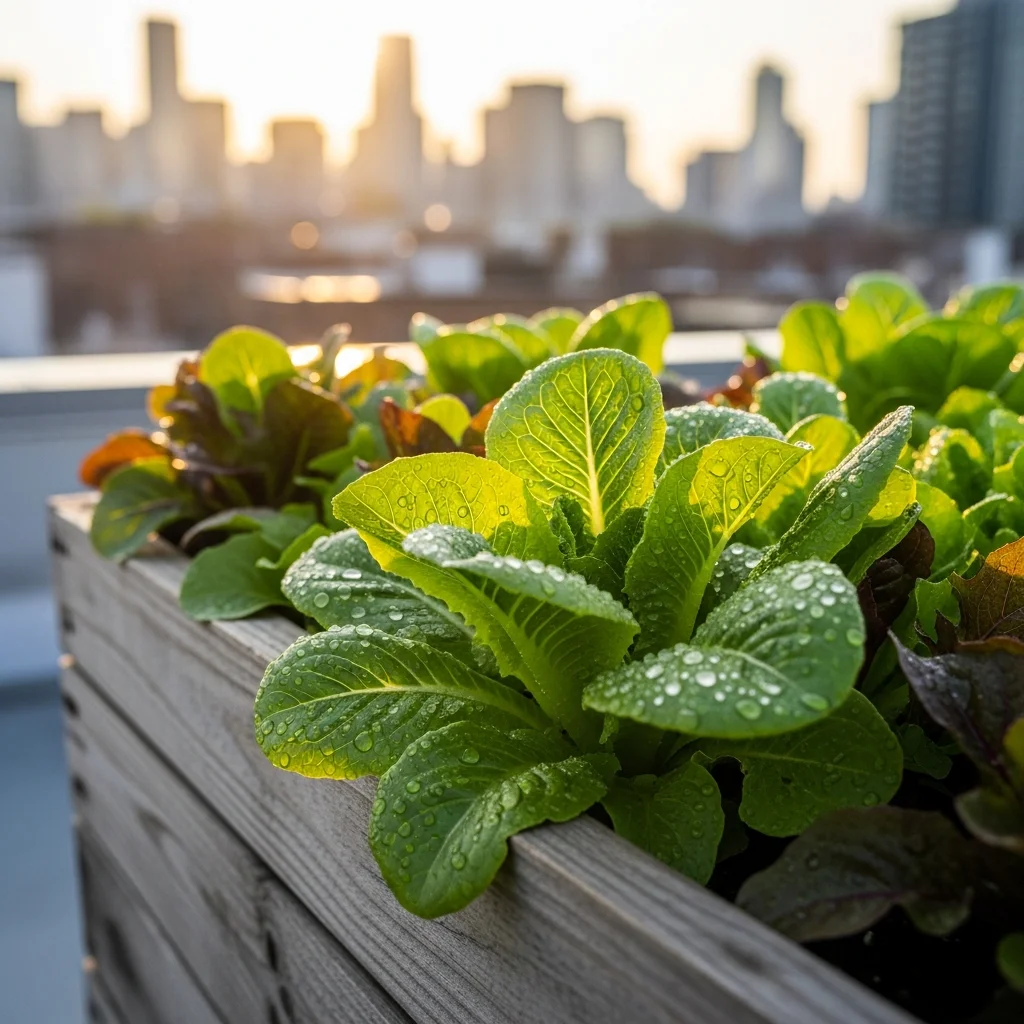
Fresh, crisp salad greens are a breeze to grow in rooftop planter boxes, offering continuous harvests and a touch of urban greenery.
2. Radishes
Radishes are the ultimate instant gratification vegetable for any urban gardener, boasting an incredibly fast growth cycle of often less than a month from seed to harvest. Their compact size and shallow roots make them perfectly suited for even smaller planter boxes, filling gaps between slower-growing plants or providing a quick yield while other crops mature. They add a delightful peppery crunch to salads and are wonderfully easy for beginners to cultivate, making them a fantastic confidence booster for new rooftop gardeners.
Plant radish seeds directly into well-draining soil, ensuring they have consistent moisture for optimal root development. Avoid overcrowding by thinning seedlings to a few inches apart once they emerge, as this prevents stunted growth and woody texture. While they appreciate full sun, excessive heat can make them bolt, so consider partial shade during the hottest parts of summer. Successive plantings every couple of weeks will ensure a continuous supply of these spicy treats.
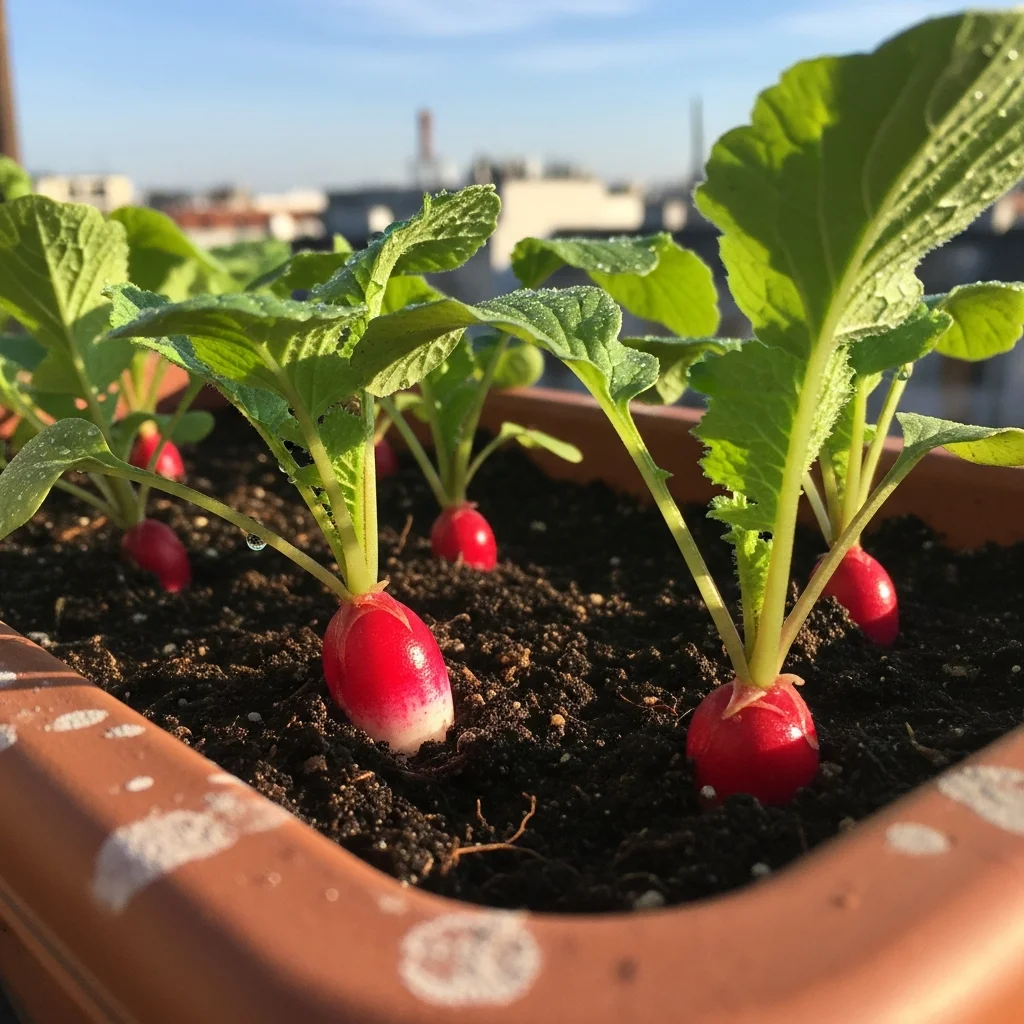
Experience the joy of quick harvests with radishes! These zesty root vegetables thrive in compact rooftop planters.
3. Bush Beans
Bush beans are a fantastic choice for rooftop gardens because they offer a generous yield without requiring the extensive trellising that pole beans demand, making them ideal for planter boxes. Their compact, self-supporting growth habit means less fuss and more beans, providing a steady supply of fresh, tender pods throughout the summer. These nitrogen-fixing legumes also help improve your container soil over time, benefiting subsequent plantings in the same box. They are a robust and rewarding crop for any urban gardener.
Plant bush bean seeds directly into a well-draining potting mix in medium to large planter boxes, spacing them a few inches apart. Ensure they receive at least 6-8 hours of direct sunlight daily for optimal production. Consistent watering is crucial, especially when the plants are flowering and setting pods, to prevent stress and encourage continuous fruiting. Harvest beans regularly to encourage the plant to produce more, ensuring a prolonged and abundant harvest from your rooftop sanctuary.
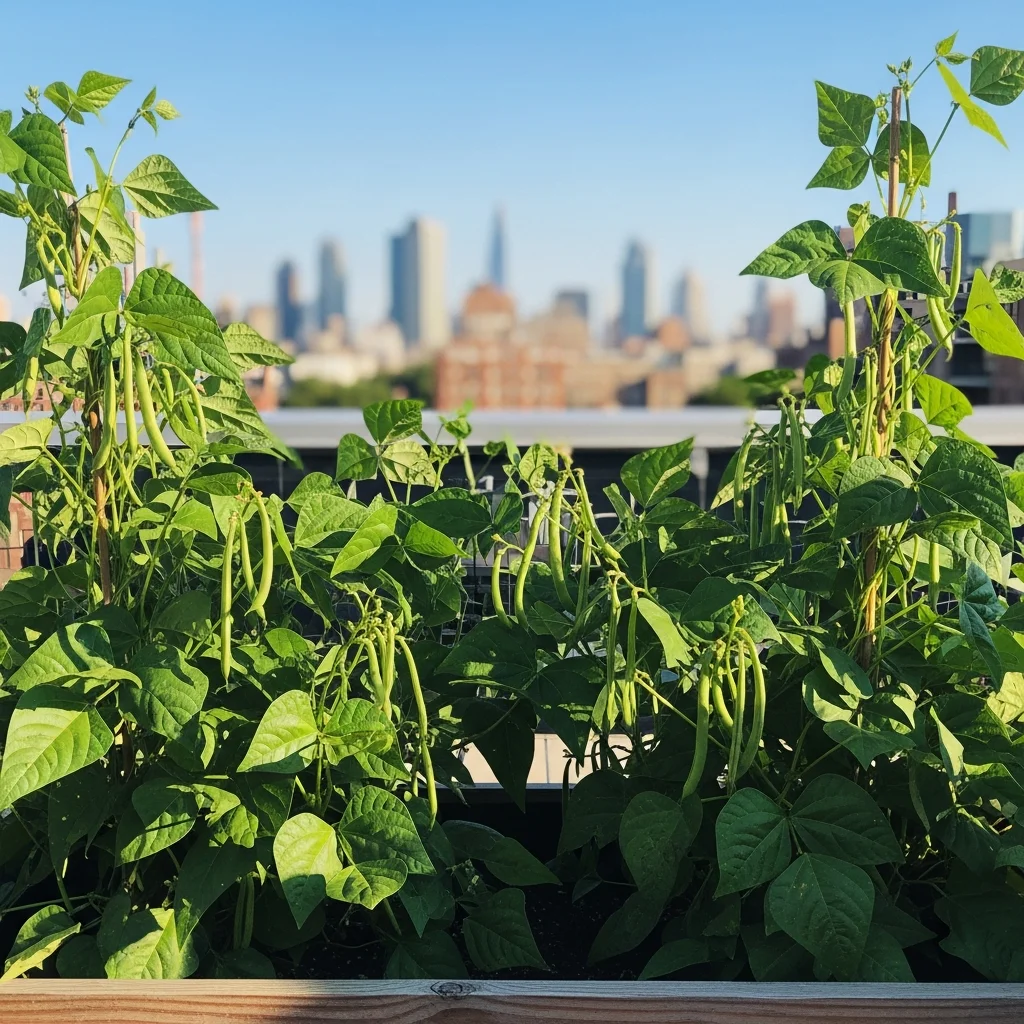
Bush beans offer a bountiful harvest in compact spaces, making them perfect for your sky-high urban garden.
4. Carrots (Dwarf Varieties)
While some might think carrots are challenging for containers, dwarf and ‘Paris Market’ varieties are wonderfully suited for deeper planter boxes on a rooftop. These shorter, stubbier carrots don’t require immense depth, making them perfectly happy in containers that are at least 12-18 inches deep. Growing your own carrots provides an unparalleled sweetness and crispness that store-bought varieties can rarely match, transforming a simple root vegetable into a gourmet delight. Plus, the vibrant foliage adds a beautiful texture to your elevated garden design.
For success, fill your planter boxes with a loose, stone-free, well-draining potting mix that allows the roots to grow without obstruction. Sow seeds thinly and evenly, then lightly cover them with soil, keeping it consistently moist until germination. Thin seedlings once they’re a few inches tall to prevent overcrowding and ensure good root development. Adequate sunlight and steady moisture are key for tender, flavorful carrots, so protect them from drying winds and harsh sun by watering deeply and regularly.
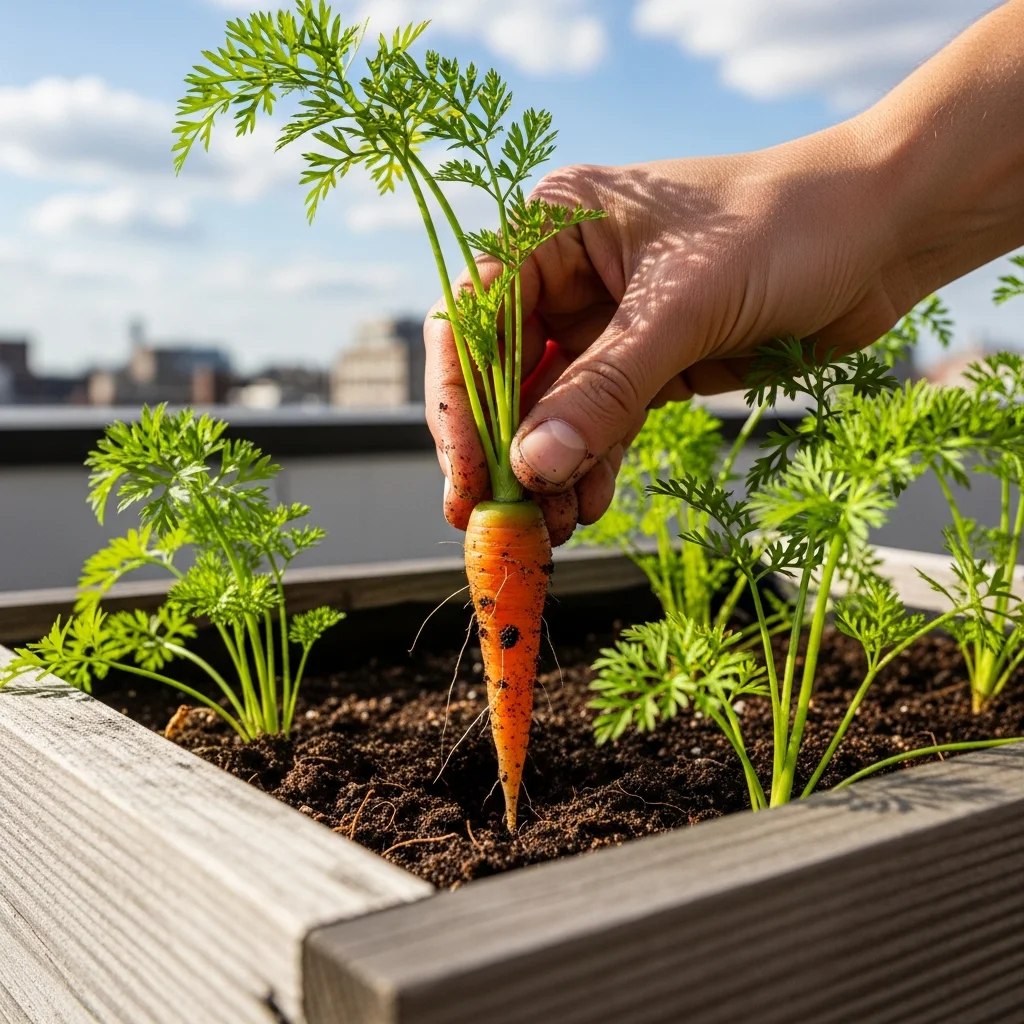
Enjoy the sweet crunch of homegrown carrots! Dwarf varieties thrive in deep planter boxes on your sunny rooftop.
5. Spinach
Spinach is another leafy green powerhouse that excels in rooftop planter boxes, offering incredibly nutritious leaves with minimal effort. It’s a cool-weather crop that tolerates some shade, making it versatile for different sun exposures on your rooftop. Like lettuce, spinach can often be harvested by picking the outer leaves, allowing the plant to continue producing over an extended period. Its dark green leaves add a lush, healthy appearance to your container garden.
Plant spinach seeds directly into wide, shallow containers filled with fertile, well-draining potting mix. Keep the soil consistently moist, as dry conditions can lead to premature bolting, especially as temperatures rise. For a continuous harvest, plant small batches every couple of weeks during spring and fall. In hotter climates, provide some afternoon shade to prolong the growing season and prevent the leaves from becoming bitter.
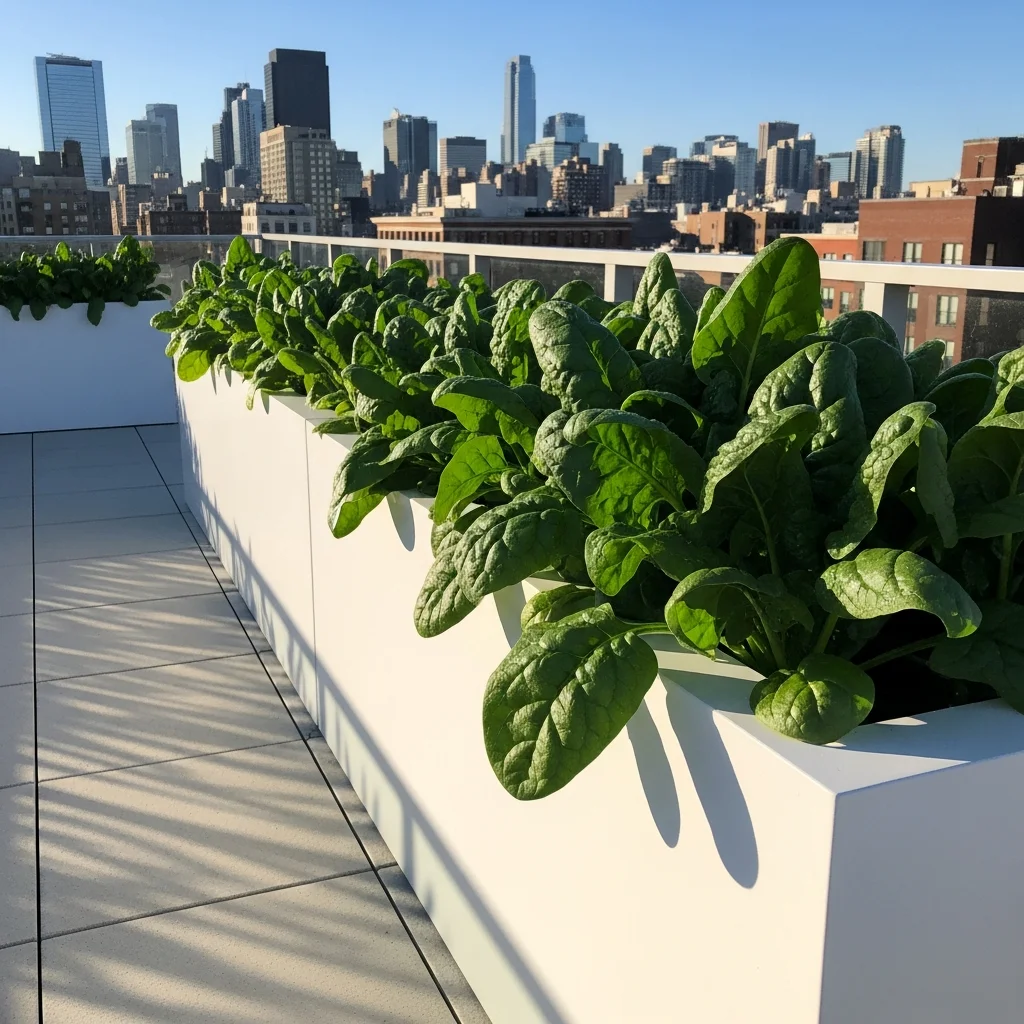
Cultivate nutrient-rich spinach right on your rooftop! Perfect for planter boxes and continuous harvesting.
6. Cherry Tomatoes (Dwarf Varieties)
Cherry tomatoes are incredibly rewarding for rooftop gardens, especially determinate or dwarf varieties that are bred for container living. These compact plants produce an abundance of sweet, juicy fruits, often yielding more than you’d expect from their size. The joy of plucking a sun-warmed cherry tomato right from the vine is an unparalleled experience that every urban gardener should savor. Their relatively smaller root system adapts well to substantial planter boxes, making them a container gardening superstar.
Choose a large planter box, at least 15-20 gallons in volume, to accommodate the plant’s needs and ensure good drainage. Provide full sun (at least 6-8 hours daily) and use a high-quality potting mix enriched with compost. Regular and consistent watering is crucial to prevent blossom end rot and encourage consistent fruiting. Staking or caging dwarf varieties is still recommended to support the heavy fruit load and keep plants tidy, ensuring a healthy, productive harvest all season long.
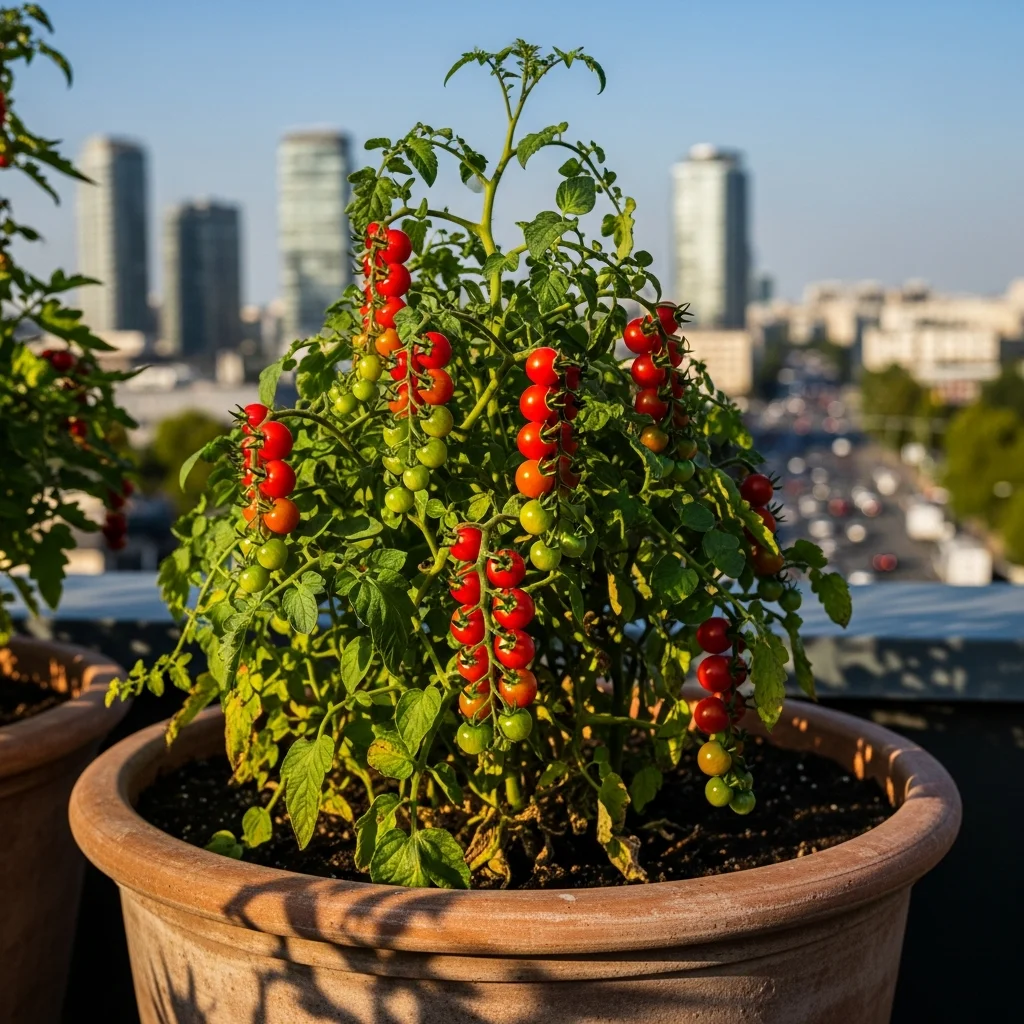
Sweet success! Grow your own juicy cherry tomatoes in sunny rooftop planter boxes for a taste of summer.
7. Bell Peppers
Bell peppers are another excellent choice for sunny rooftop planter boxes, offering a colorful and continuous harvest of crunchy, versatile fruits. These plants thrive in warm conditions and full sun, which rooftops often provide in abundance, making them feel right at home. From sweet green to vibrant red, yellow, or orange, peppers add visual appeal to your garden while delivering fresh flavors to your kitchen. Their sturdy stems and contained growth habit make them manageable in containers.
Select a large planter box, ideally 10-15 gallons per plant, to give bell peppers ample room for root development and fruit production. Use a rich, well-draining potting mix and ensure they receive at least 6-8 hours of direct sunlight daily. Consistent watering is vital, especially during flowering and fruiting, but avoid overwatering. Fertilize every few weeks with a balanced liquid fertilizer to support continuous growth and a prolific harvest. Consider staking taller varieties to prevent branches from breaking under the weight of the fruit.
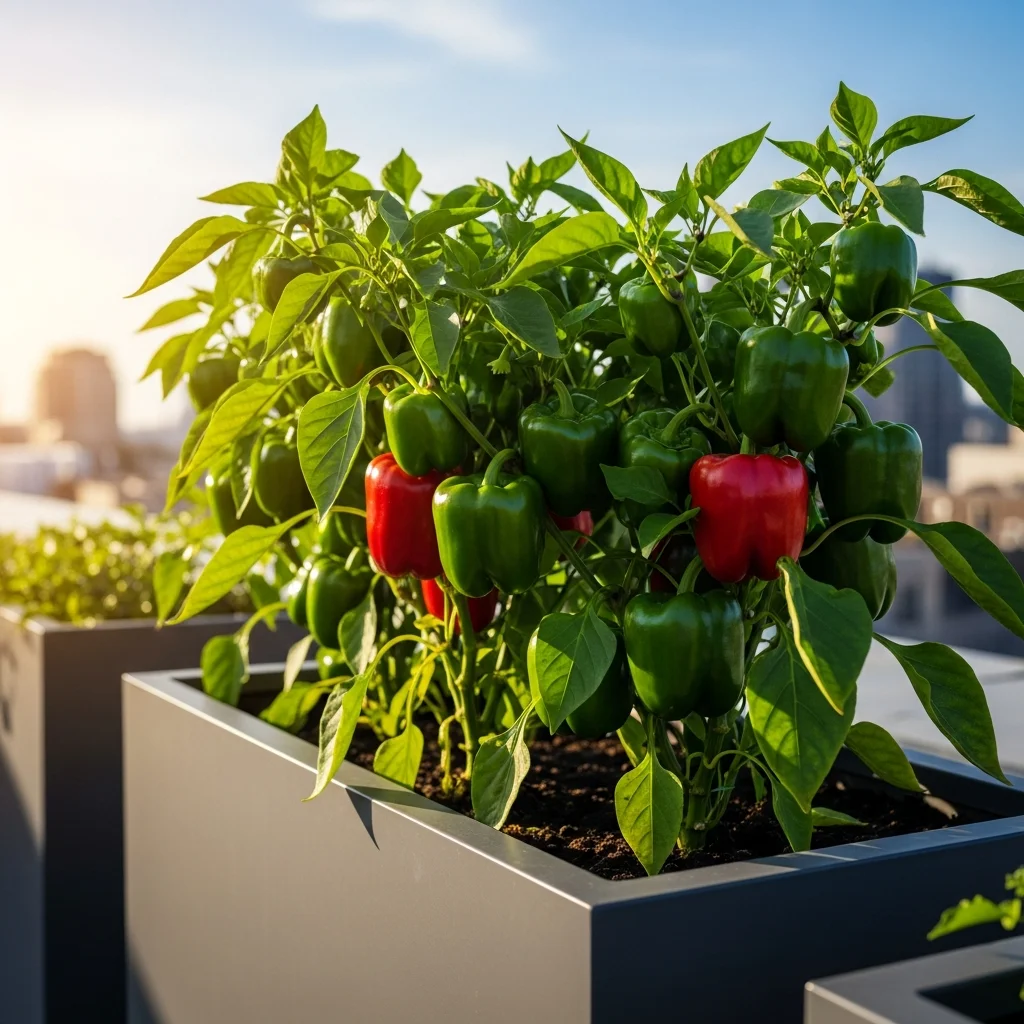
Spice up your rooftop garden with vibrant bell peppers! These sun-lovers are perfect for container growing.
8. Swiss Chard
Swiss chard is a magnificent vegetable for rooftop planter boxes, celebrated for its stunning visual appeal and continuous productivity. Its vibrant stems—ranging from ruby red to brilliant gold—add a splash of color to any urban garden, making it both ornamental and edible. Chard is remarkably resilient, tolerating a range of temperatures and even some partial shade, which makes it forgiving for rooftop environments with variable sun exposure. You can harvest the outer leaves repeatedly for months.
Plant Swiss chard seeds or starts in planter boxes that are at least 8-10 inches deep and wide. Use a fertile, well-draining potting mix and keep the soil consistently moist, as drought can lead to tough, bitter leaves. While it prefers full sun, some afternoon shade will help prolong its harvest season, especially in hot climates. Fertilize regularly with a balanced liquid feed to encourage lush, healthy growth and ensure a steady supply of its nutritious leaves.
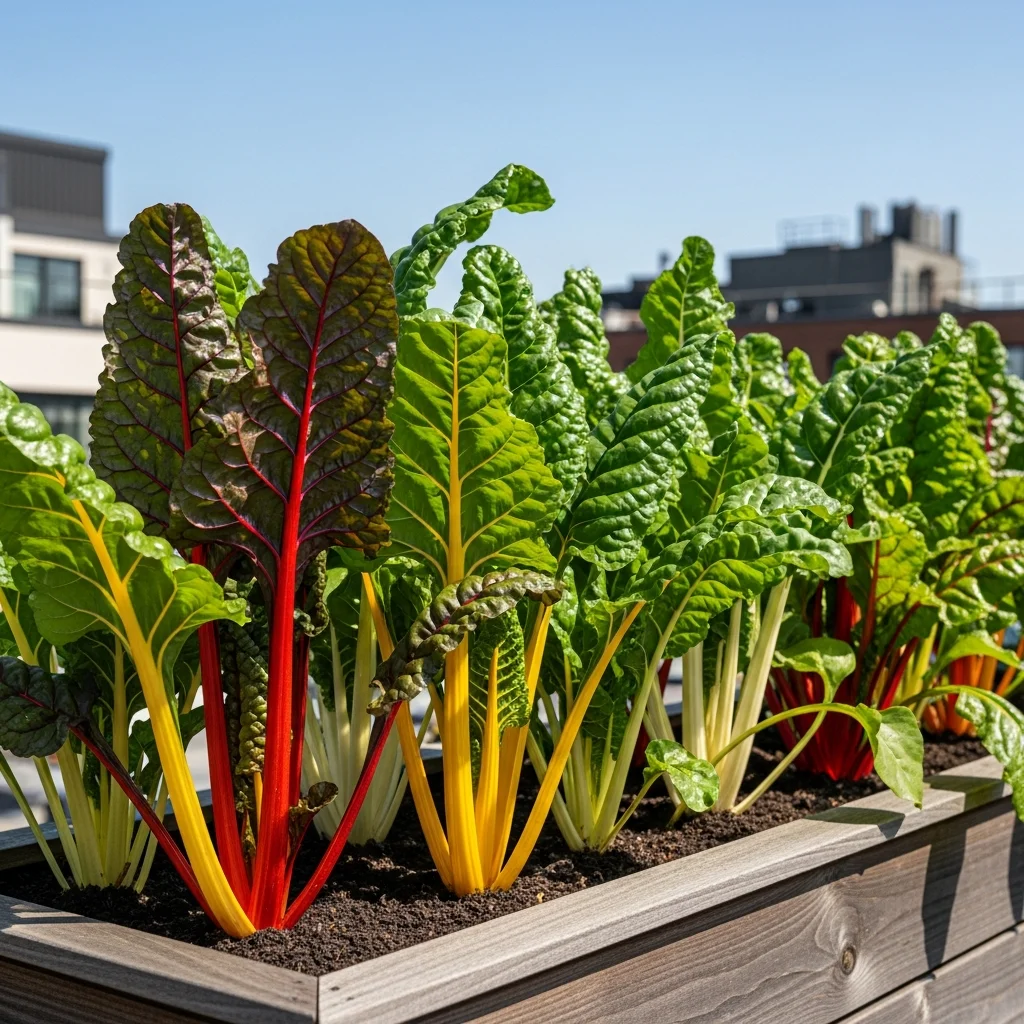
Add a splash of color and nutrition to your rooftop with beautiful, easy-to-grow Swiss Chard!
9. Kale
Kale is a true superstar of the rooftop garden, revered for its robust nature and incredible nutritional value. This hardy leafy green can withstand cooler temperatures and even light frosts, extending your harvest season well into the fall, and sometimes even winter, depending on your climate. Its crinkled leaves provide a beautiful texture in your planter boxes, and like chard, it allows for ‘cut-and-come-again’ harvesting, ensuring a long and productive life. It’s a low-maintenance, high-reward crop for urban spaces.
Plant kale in medium to large planter boxes, at least 10-12 inches deep, filled with rich, well-draining potting mix. It thrives in full sun but can tolerate some partial shade, which can actually make its leaves more tender. Keep the soil consistently moist, and fertilize regularly with a nitrogen-rich organic fertilizer to support its vigorous leafy growth. Protect younger plants from pests like aphids with organic sprays or physical barriers, ensuring a healthy, delicious crop for all your culinary needs.
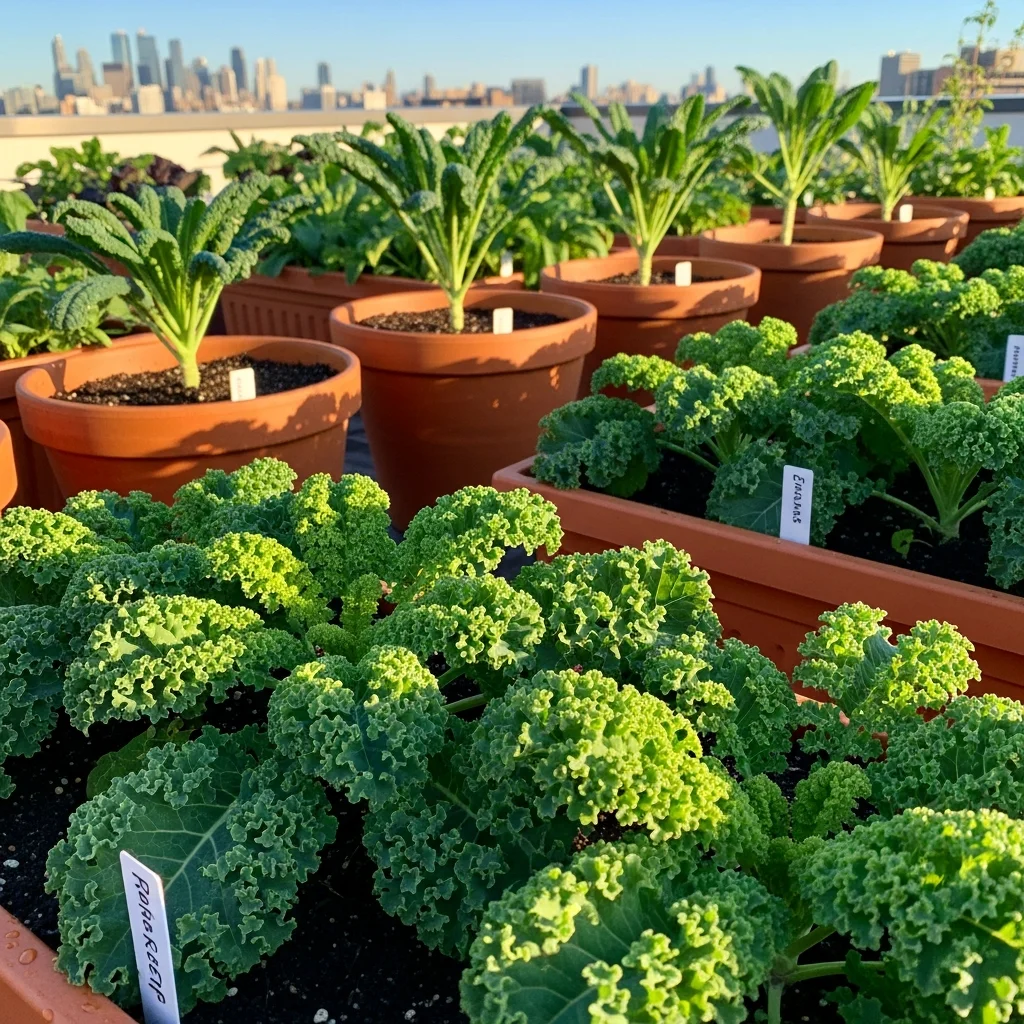
Cultivate super-nutritious kale on your rooftop! This hardy green offers a long harvest season and stunning garden beauty.
10. Basil
While technically an herb, basil is so essential and so perfectly suited for rooftop planter boxes that it deserves a spot on this list. Its aromatic leaves are indispensable in countless culinary dishes, from pestos to pasta sauces, and growing it fresh guarantees an unparalleled flavor and fragrance. Basil thrives in warm weather and full sun, conditions often abundant on a rooftop, making it a natural fit for elevated gardening. Its attractive foliage also adds a lovely green accent to your garden.
Plant basil in medium-sized planter boxes, ensuring good drainage and using a high-quality potting mix. It requires at least 6-8 hours of direct sunlight per day to truly flourish and develop its potent flavor. Water consistently, keeping the soil moist but not waterlogged, as basil dislikes dry feet. Pinch off flower buds as they appear to encourage bushier growth and prevent the plant from going to seed, which can make the leaves bitter. Regular harvesting will also promote more vigorous growth and a continuous supply of fragrant leaves.
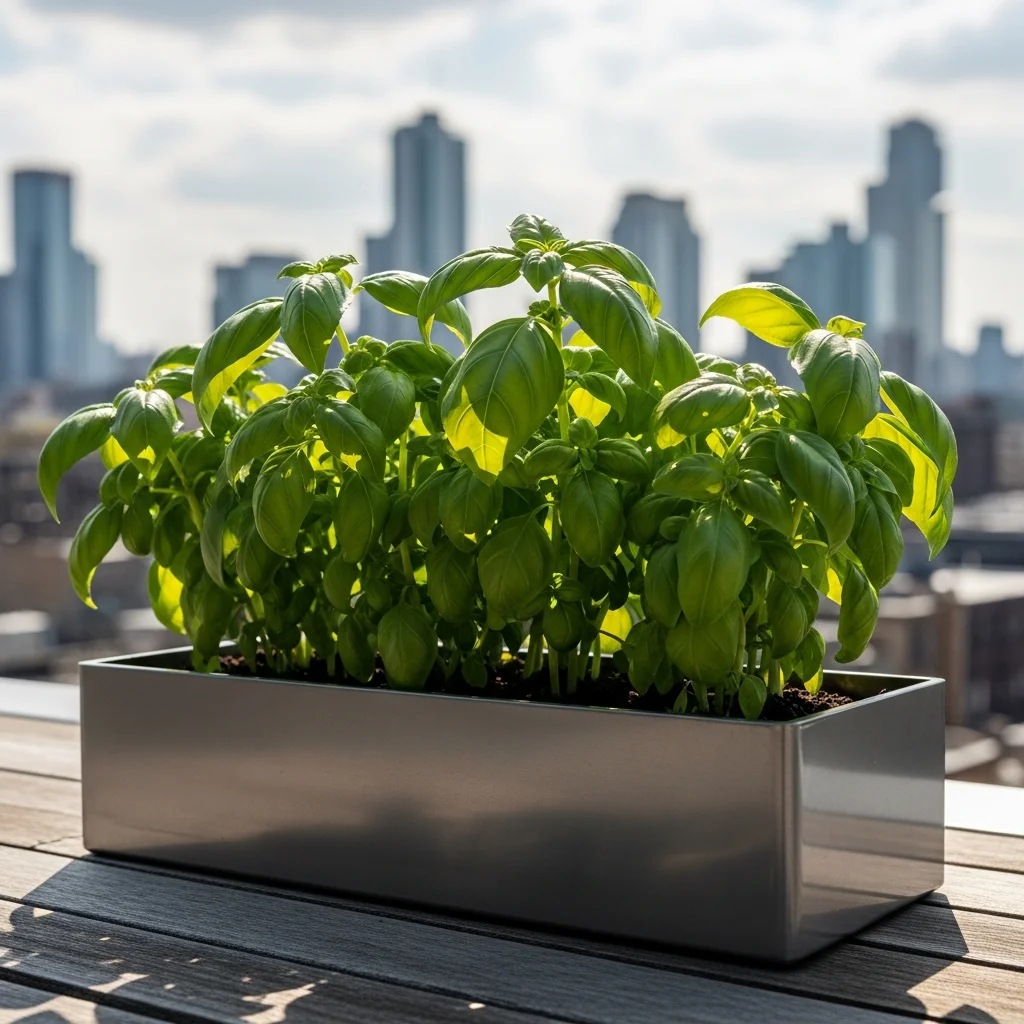
Grow your own fragrant basil right on your rooftop! Essential for fresh culinary delights and beautiful garden aesthetics.
11. Strawberries (Ever-bearing)
Ever-bearing strawberry varieties are a delightful addition to rooftop planter boxes, offering a continuous harvest of sweet, juicy berries from spring through fall. Their compact growth habit and shallow root systems make them ideal for containers, and their cascading runners can add a beautiful, edible cascade over the edges of your boxes. The joy of picking your own sun-ripened strawberries is truly unmatched, bringing a touch of rural charm to your urban oasis. They’re also relatively low-maintenance once established.
Plant strawberries in wide, shallow planter boxes or specialized strawberry pots, ensuring excellent drainage. Use a slightly acidic, well-draining potting mix and place them in a spot that receives full sun for at least 6 hours daily. Consistent watering is crucial, especially as the berries begin to form and ripen, to ensure plump and juicy fruits. Fertilize lightly with a balanced liquid fertilizer every few weeks during the growing season. Protect them from birds with netting if necessary, ensuring you get to enjoy your delicious harvest.
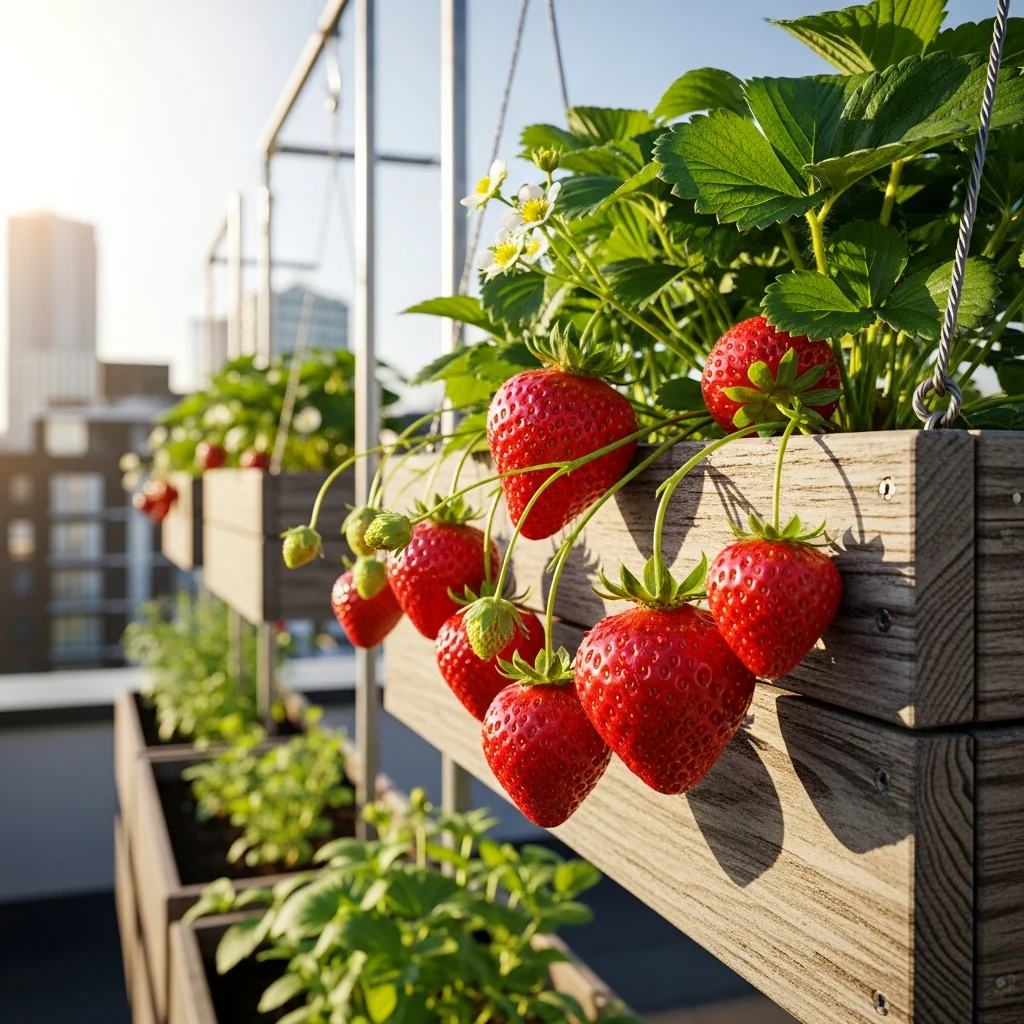
Indulge in homegrown sweetness! Ever-bearing strawberries thrive in rooftop planter boxes, offering delicious harvests.
12. Eggplant (Compact Varieties)
Compact eggplant varieties like ‘Patio Baby’ or ‘Fairytale’ are surprisingly well-suited for rooftop planter boxes, rewarding you with beautiful purple (or white!) fruits. These smaller plants are incredibly productive for their size, providing a steady supply of glossy eggplants perfect for grilling, roasting, or stir-fries. Beyond their culinary use, the deep purple fruits and vibrant green foliage make eggplant plants strikingly ornamental, adding an exotic flair to your elevated garden design. They are heat-loving plants that thrive in abundant sun.
Choose a large planter box, at least 10-15 gallons per plant, to provide ample space for the roots and support the plant’s growth. Eggplants need full sun (6-8+ hours daily) and a rich, well-draining potting mix. Consistent watering is essential, especially once flowers and fruits start to develop, to prevent stunted growth and encourage continuous production. Fertilize every two to three weeks with a balanced liquid feed. Some compact varieties may still benefit from light staking to support heavy fruit loads.
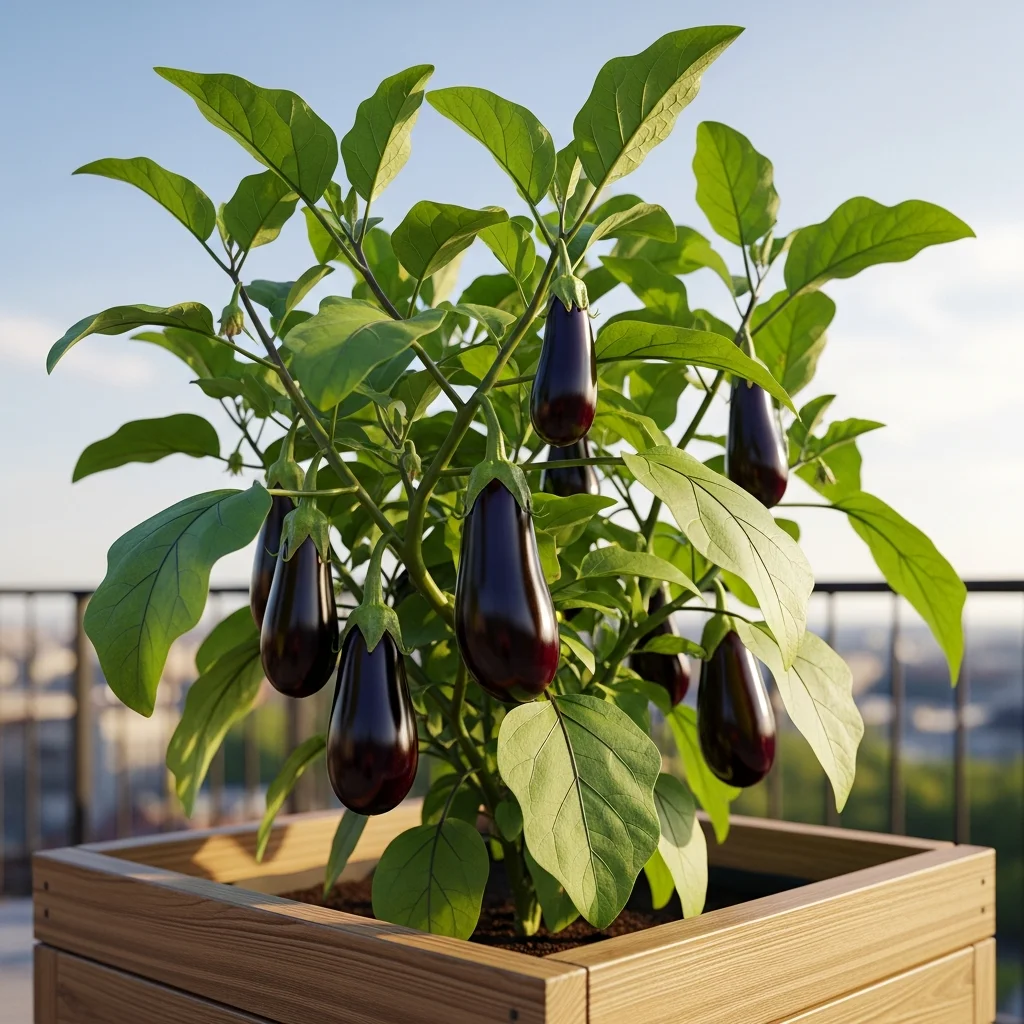
Grow stunning, delicious eggplant in your rooftop garden! Compact varieties are perfect for stylish planter boxes.
13. Zucchini (Bush Varieties)
While traditionally known for sprawling, zucchini can be a fantastic choice for rooftop planter boxes if you select bush or compact varieties. These specialized types offer the same prolific yield of delicious squash without taking over your entire rooftop garden space. A single bush zucchini plant can provide an abundance of tender, versatile fruits for grilling, baking, or sautéing throughout the summer. The large leaves also provide a dramatic, tropical aesthetic to your container arrangements.
Zucchini plants are heavy feeders and require a very large planter box, ideally 20-25 gallons per plant, to accommodate their extensive root system and support fruit production. Ensure they receive at least 6-8 hours of full sun daily and use a rich, well-draining potting mix. Consistent and deep watering is crucial, especially during hot periods and when fruits are forming. Fertilize regularly with a balanced organic fertilizer to maintain vigorous growth and a continuous harvest. Promptly pick zucchini when young to encourage more fruit production.
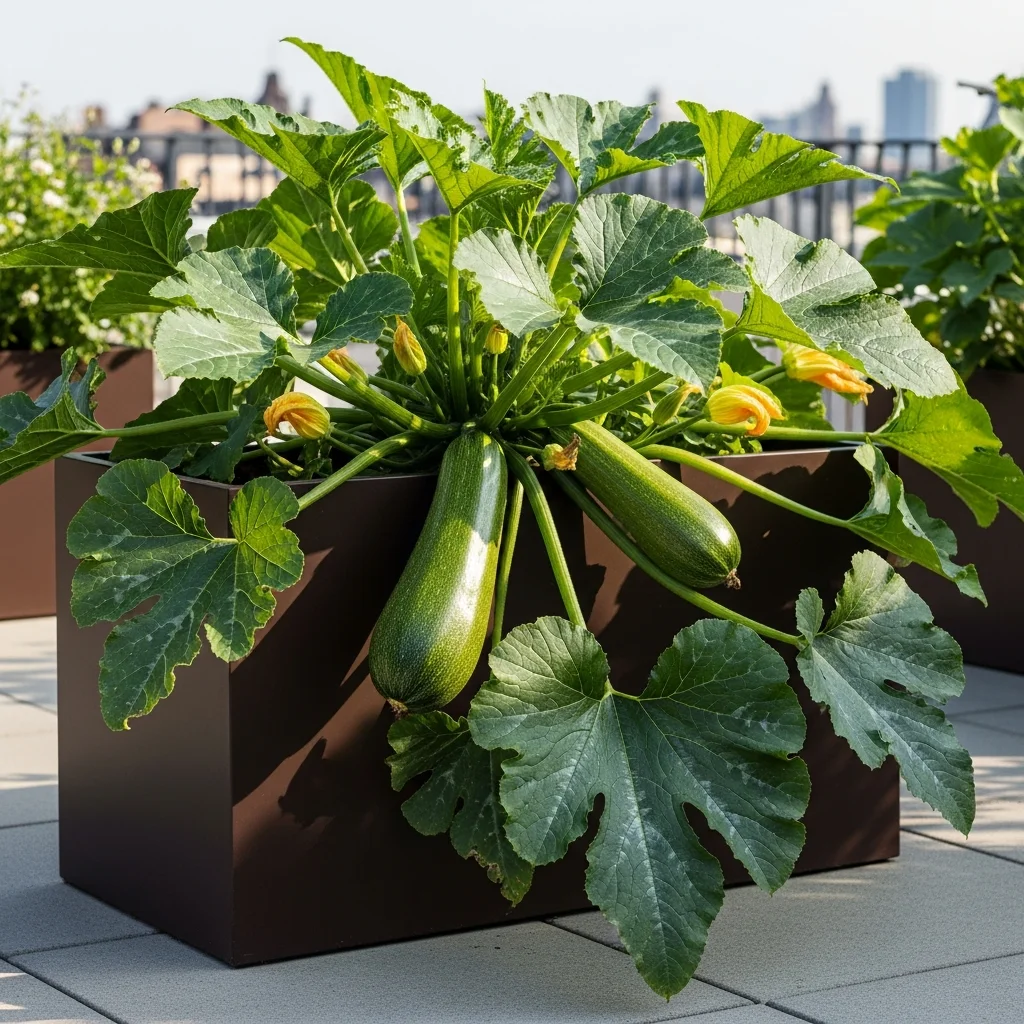
Enjoy abundant zucchini harvests from your rooftop! Bush varieties make this prolific vegetable container-friendly.
14. Dwarf Peas
Dwarf peas, especially snap or snow pea varieties, are an excellent choice for rooftop planter boxes due to their manageable size and delicious, fresh pods. While they are climbing plants, dwarf varieties typically only reach 2-3 feet in height, making them easy to support with small trellises or stakes within the planter. The sweet, crisp peas are a delightful springtime treat, and harvesting them directly from your rooftop garden is an incredibly satisfying experience. They also fix nitrogen in the soil, benefiting other plants.
Plant dwarf peas in planter boxes that are at least 8-10 inches deep and provide a simple trellis or netting for them to climb. Use a well-draining potting mix and ensure they receive full sun, particularly in cooler spring conditions. Keep the soil consistently moist, as peas thrive with steady water. Plant seeds in early spring as soon as the danger of hard frost has passed, and consider a second planting in late summer for a fall harvest. Regular picking of pods encourages the plant to produce more, ensuring a generous supply.
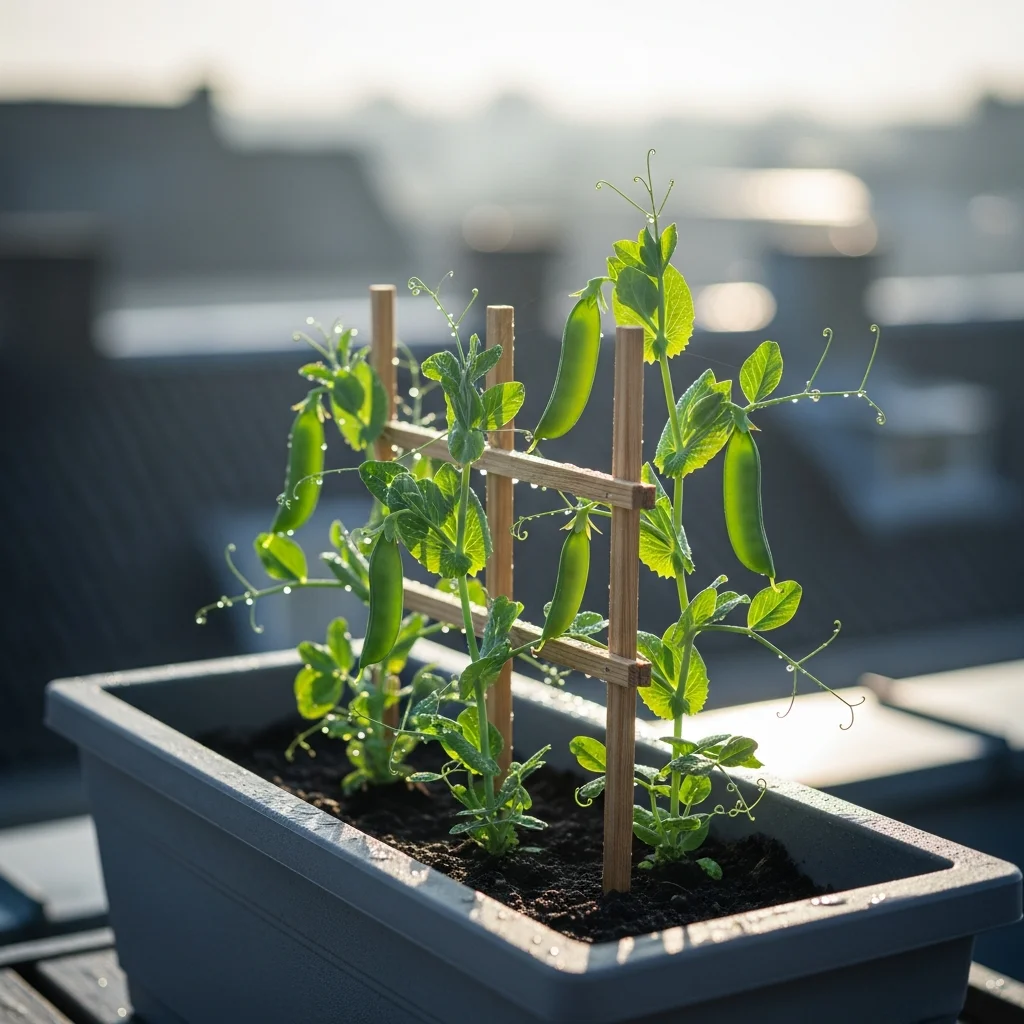
Savor the sweetness of homegrown peas! Dwarf varieties are perfect for sunny rooftop planter boxes with minimal support.
15. Potatoes (Compact Varieties)
Yes, you can grow potatoes on your rooftop! Compact or early-maturing potato varieties are surprisingly well-suited for specialized potato grow bags or deep planter boxes, offering a unique and rewarding harvest. Imagine digging up your own fresh, earthy potatoes just steps from your kitchen – a true farm-to-table experience in the heart of the city. While they require specific care, the yield of these versatile tubers can be quite impressive, making it a truly gratifying project for an urban gardener. They bring a unique element of surprise and discovery to your garden.
For success, use very large containers or specialized potato grow bags, at least 15-20 gallons in capacity, to allow for hilling and tuber development. Plant seed potatoes in a few inches of well-draining potting mix, then progressively add more soil as the plant grows, burying the stems. Potatoes need full sun and consistent moisture, so water deeply and regularly. Fertilize with a balanced organic fertilizer designed for root crops. Harvest when the foliage begins to yellow and die back, tipping out the contents of the container to reveal your buried treasure.
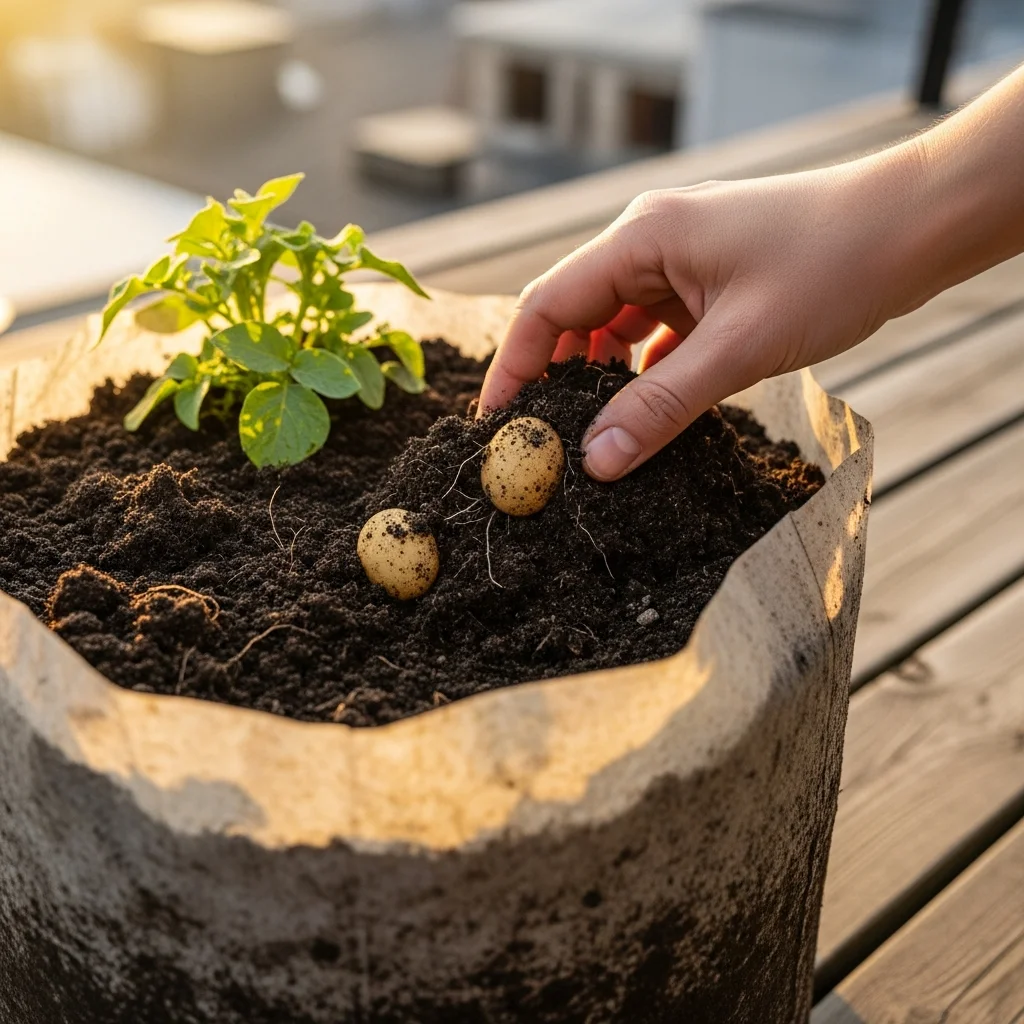
Harvest your own hidden treasures! Grow delicious, compact potato varieties in deep planter boxes on your rooftop.
Conclusion
Embarking on a rooftop gardening journey with planter boxes is an incredibly rewarding endeavor, transforming unused urban spaces into vibrant, productive havens. From the crispness of homegrown lettuce to the sweet burst of a cherry tomato, these 15 vegetables prove that a bountiful harvest is entirely achievable, even high above the city streets. Not only do you gain access to fresh, organic produce, but you also contribute to a greener environment, foster a deeper connection with nature, and create a beautiful sanctuary right at home. We hope this guide inspires you to roll up your sleeves, pick your favorite vegetables, and start cultivating your own sky-high garden today. Pin this article for future reference and share your rooftop garden successes with us – happy growing!
