

Contractor’s Bottom Line
Commercial flat roof decking utilizes heavy-gauge steel or concrete systems designed to support large roof-mounted equipment and foot traffic. These assemblies must meet strict fire resistance ratings and structural load capacities dictated by the International Building Code for commercial occupancies. Coordinate the decking layout with the mechanical trades to ensure proper flashing and structural support around roof curbs and penetrations.
Key Takeaways
- Commercial flat roofs in Dallas require specific materials and installation techniques to withstand the Texas climate and comply with IRC 2021.
- Understanding the code variations for commercial applications is crucial for avoiding costly penalties and ensuring structural integrity; the International Code Council (ICC) dictates standards.
- Budgeting for commercial flat roof decking in Dallas should account for material costs, labor, permits, and potential hidden costs like structural reinforcement. Dallas-Fort Worth pricing is 10-15% higher than the state average.
Commercial flat roof decking presents unique challenges compared to residential pitched roofs, especially in a climate like Dallas, Texas. The expansive surface area and minimal slope demand durable materials, precise installation, and meticulous attention to drainage. Failing to account for these factors can lead to water ponding, structural damage, and premature failure. FIELD NOTE: I inspected a commercial building in the Design District last year where improper decking installation led to significant water damage and a $15,000 repair bill.
The contractor had failed to properly seal the seams, leading to leaks during heavy rain. It’s essential to use experienced professionals who understand the nuances of commercial flat roof decking. The NRCA and ICC provide guidelines for best practices. Choosing the right materials and adhering to the International Code Council (ICC) standards are paramount for ensuring the longevity and performance of your commercial flat roof.
This guide will delve into the specifics of commercial flat roof decking, covering material selection, code compliance, cost considerations, and installation best practices in the Dallas-Fort Worth area.
Unique Challenges of Commercial Flat Roof Decking
Commercial flat roofs face distinct challenges due to their size, minimal slope, and the equipment often housed on them. Large surface areas are more susceptible to wind uplift, requiring robust decking materials and secure fastening. The lack of a steep slope necessitates careful attention to drainage to prevent ponding water, which can lead to leaks and structural damage. Equipment such as HVAC units and solar panels adds significant weight to the roof, demanding a decking system capable of supporting these loads.
Regular maintenance and inspections are critical to identify and address potential issues before they escalate into major problems. Understanding these challenges is the first step toward selecting the appropriate decking materials and installation methods, as outlined by the NRCA.

Code Compliance for Commercial Buildings in Dallas
Commercial building codes often differ significantly from residential codes, particularly regarding roof decking. The International Code Council (ICC) publishes model building codes, and Dallas adopts and amends these codes. Commercial structures typically require higher load-bearing capacity and enhanced fire resistance compared to residential buildings. IRC 2021, which is currently applicable in Dallas as of 2026, specifies minimum decking thicknesses and fastening requirements based on the roof’s load and wind exposure.
Permit requirements and inspections are more stringent for commercial projects, ensuring compliance with safety standards. Understanding these code variations is crucial for avoiding costly delays and ensuring the structural integrity of the building. The ICC provides detailed guidelines for commercial roof decking.

Selecting Materials for Commercial Flat Roof Decking
Several materials are suitable for commercial flat roof decking, each with its own advantages and disadvantages. CDX plywood is a common choice due to its affordability and availability. However, it’s susceptible to moisture damage if not properly protected. Oriented strand board (OSB) offers similar performance but can be more prone to swelling in humid environments.
Advantech is a premium engineered wood product that resists moisture and provides superior strength. Concrete roof decks offer exceptional durability and fire resistance but are significantly heavier and more expensive. The choice of material depends on factors such as budget, load requirements, and climate considerations. ASTM International provides standards for material performance.

Integrating New Decking with Existing Structures
When replacing or repairing commercial flat roof decking, careful integration with the existing structure is essential. Ensure the new decking is properly fastened to the underlying joists or rafters, using appropriate fasteners and spacing. Pay close attention to flashing details around penetrations such as vents and skylights to prevent water intrusion. If the existing structure is damaged or deteriorated, it may require reinforcement or replacement before installing the new decking.
A structural engineer should assess the building’s load-bearing capacity and provide recommendations for ensuring structural integrity. Proper integration is critical for preventing leaks and maintaining the overall stability of the roof. The NRCA provides guidelines for integrating new roofing systems with existing structures.
Addressing Accessibility and Working Constraints
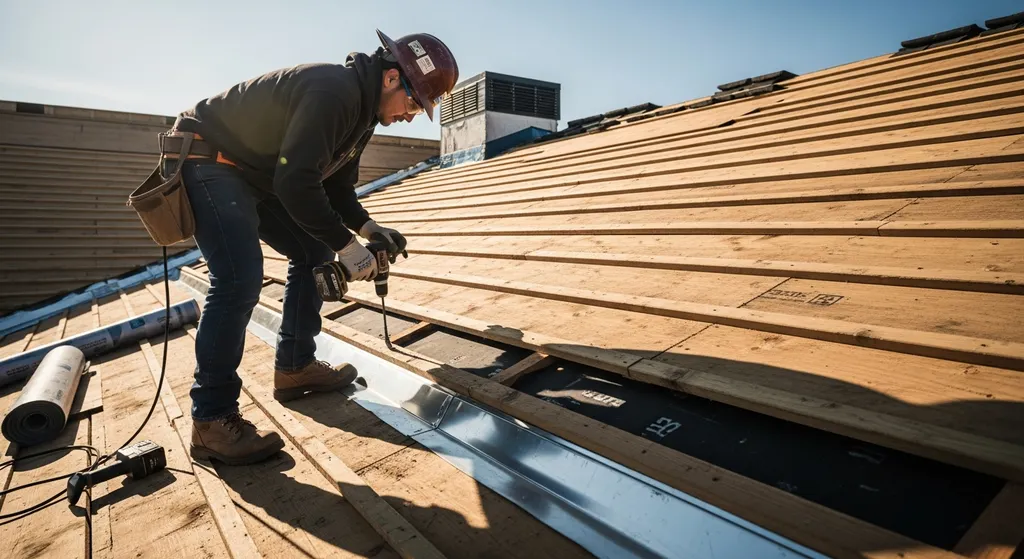
Commercial flat roof projects often present unique accessibility and working constraints. Limited access, confined spaces, and the presence of existing equipment can complicate the installation process. Proper planning and coordination are essential to minimize disruptions to building operations. Safety is paramount when working on commercial roofs.
Workers must be properly trained and equipped with fall protection gear. Material handling and disposal require careful consideration to avoid damage to the building or surrounding property. Addressing these constraints proactively ensures a smooth and efficient installation process. OSHA provides safety guidelines for roofing work.

Navigating Permits and Inspections in Dallas
Obtaining the necessary permits and inspections is a crucial step in any commercial flat roof decking project in Dallas. The City of Dallas requires permits for most roofing work, ensuring compliance with building codes and safety regulations. The permit application process typically involves submitting detailed plans and specifications to the building department. Inspections are conducted at various stages of the project to verify that the work meets code requirements.
Failing to obtain the necessary permits or failing an inspection can result in costly delays and penalties. Familiarize yourself with the local permitting requirements and work closely with the building department to ensure a smooth and compliant project. TDLR (Texas Department of Licensing and Regulation) oversees licensing for contractors in Texas.

DIY vs. Professional Installation: A Realistic Assessment
While some minor roof repairs can be tackled by experienced DIYers, commercial flat roof decking is generally not a DIY project. The complexity of the work, the stringent code requirements, and the potential for serious injury make professional installation the preferred option. Professional roofing contractors have the expertise, equipment, and insurance to handle commercial projects safely and efficiently. They can also provide warranties on their work, offering peace of mind and protection against future problems.
Attempting a DIY installation can lead to costly mistakes and void any manufacturer warranties. Assess your skills and experience realistically before considering a DIY approach.

Specialty Tools and Equipment Required
Commercial flat roof decking installation requires specialized tools and equipment beyond what’s typically found in a homeowner’s toolbox. These include pneumatic nailers for efficient fastening, moisture meters for assessing decking moisture content, and seam rollers for sealing seams in roofing membranes. Lifting equipment may be necessary for hoisting heavy materials onto the roof. Safety equipment such as fall protection harnesses and guardrails is essential for worker safety.
Investing in the right tools and equipment ensures a professional and efficient installation. The NRCA provides guidance on proper tool usage and safety practices.

Sequencing Roofing Work with Other Trades
Commercial construction projects involve multiple trades working in sequence. Proper coordination is essential to avoid delays and conflicts. Roofing work typically follows structural framing and precedes the installation of HVAC equipment and other rooftop fixtures. Communicate with other trades to ensure that the roof decking is properly prepared for their work.
Avoid scheduling conflicts that could disrupt the project timeline. Clear communication and coordination are key to a successful commercial construction project. The NRCA offers guidelines for coordinating roofing work with other trades.

Breaking Down the Cost of Commercial Flat Roof Decking
The cost of commercial flat roof decking varies depending on several factors, including the material, the size of the roof, and the complexity of the project. Material costs typically account for 30-40% of the total cost, while labor costs make up the remaining 60-70%. Other costs include permits, inspections, and disposal fees. Structural reinforcement or repairs can add significantly to the overall cost.
Obtain detailed quotes from multiple contractors to compare pricing and ensure you’re getting the best value. Understanding the cost breakdown helps you budget effectively and avoid unexpected expenses. Prices are impacted by material availability and demand.

Dallas Pricing for Commercial Flat Roof Decking
Commercial flat roof decking costs in Dallas-Fort Worth are influenced by local market conditions. High demand due to frequent storm seasons and a competitive contractor landscape contribute to price variations. Material delivery costs within the DFW Metroplex and permit fees in Dallas County also play a role. In Dallas-Fort Worth, expect to pay $4.00-$8.00 per square foot for installed commercial flat roof decking.
These are current Dallas market prices; costs can be 10-15% higher in remote Texas areas and 5-10% lower in rural counties. Prices fluctuate seasonally, with spring storm season driving a 20-30% premium. Current 2026 Dallas market rates reflect these factors.
Dallas Market Pricing
In Dallas-Fort Worth, expect to pay $4.00-$8.00 per square foot for installed commercial flat roof decking. These are current 2026 Dallas market prices; costs can be 10-15% higher in remote Texas areas and 5-10% lower in rural counties. Prices fluctuate seasonally, with spring storm season driving a 20-30% premium.
Understanding Material Composition and Performance
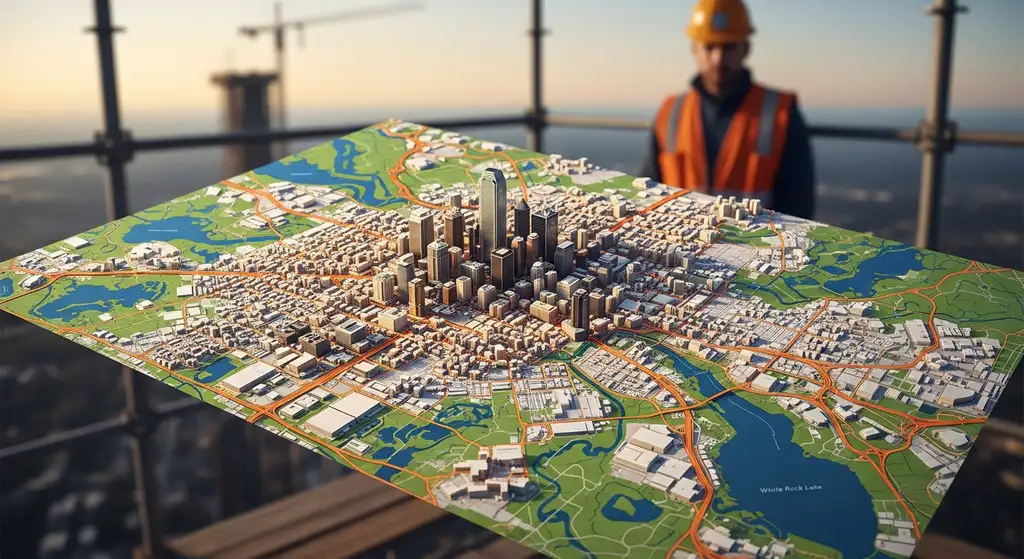
A thorough understanding of material composition is critical when selecting commercial flat roof decking. CDX plywood, for instance, consists of multiple layers of wood veneer glued together, offering good strength at a reasonable cost. OSB is made from compressed wood strands, making it a more cost-effective alternative, though potentially less resistant to moisture. Advantech, an engineered wood product, utilizes a resin-saturated fiber that provides superior moisture resistance and structural integrity.
Concrete roof decks, composed of cement, aggregates, and reinforcing steel, offer exceptional fire resistance and longevity. Each material’s composition dictates its performance characteristics in various conditions. ASTM D3043 provides testing standards for decking materials.

External Authoritative Resources
These industry-standard references support the information in this guide:
Building Codes
Frequently Asked Questions
What is the typical lifespan of commercial flat roof decking?
The lifespan of commercial flat roof decking can range from 20 to 50 years, depending on the material, installation quality, and maintenance practices. Proper installation according to NRCA guidelines is crucial for longevity.
How do I prevent water ponding on my commercial flat roof?
Proper drainage is essential to prevent water ponding. Ensure the roof has adequate slope and that drains are clear of debris. Regular inspections and maintenance can help identify and address potential drainage issues. IRC 2021 provides guidance on roof slope requirements.
What are the signs of damage to commercial flat roof decking?
Signs of damage include sagging, water stains, leaks, and visible rot. Regular inspections can help identify these issues early and prevent further damage. Prompt action can save money and prevent structural problems.
Is it possible to install a green roof on commercial flat roof decking?
Yes, but the decking must be designed to support the added weight of the soil and vegetation. A structural engineer should assess the roof’s load-bearing capacity before installing a green roof. The ICC provides guidelines for green roof construction.
What is the best way to maintain commercial flat roof decking?
Regular inspections, cleaning, and prompt repairs are essential for maintaining commercial flat roof decking. Remove debris, clear drains, and address any leaks or damage immediately. A proactive maintenance plan can extend the life of the roof.
How does hail damage affect commercial flat roof decking in Dallas?
Hail storms common in Dallas can cause significant damage to roof decking, leading to cracks, punctures, and water intrusion. Choosing impact-resistant materials and scheduling regular inspections after storms can mitigate this risk. FEMA provides resources on disaster preparedness.
What is the role of Energy Star in commercial roofing?
Energy Star-rated roofing products can help reduce energy consumption and lower cooling costs by reflecting sunlight and reducing heat absorption. These roofing solutions meet specific energy efficiency criteria set by the EPA. Energy Star certification is beneficial for commercial buildings in hot climates.
Final Thoughts
Commercial flat roof decking requires careful planning, material selection, and installation to ensure long-term performance and compliance with building codes. Ignoring these factors can lead to costly repairs and structural problems. In Dallas, the unique climate and local market conditions further complicate the process. FIELD NOTE: I recently consulted on a commercial building in Deep Ellum where the owner chose the cheapest decking material to save money upfront.
Within a few years, the decking began to rot, resulting in a $20,000 replacement bill. Investing in quality materials and professional installation is always the most cost-effective approach. Contact a qualified roofing contractor to assess your needs and provide a tailored solution. NRCA provides a contractor directory.
