
Contractor’s Bottom Line
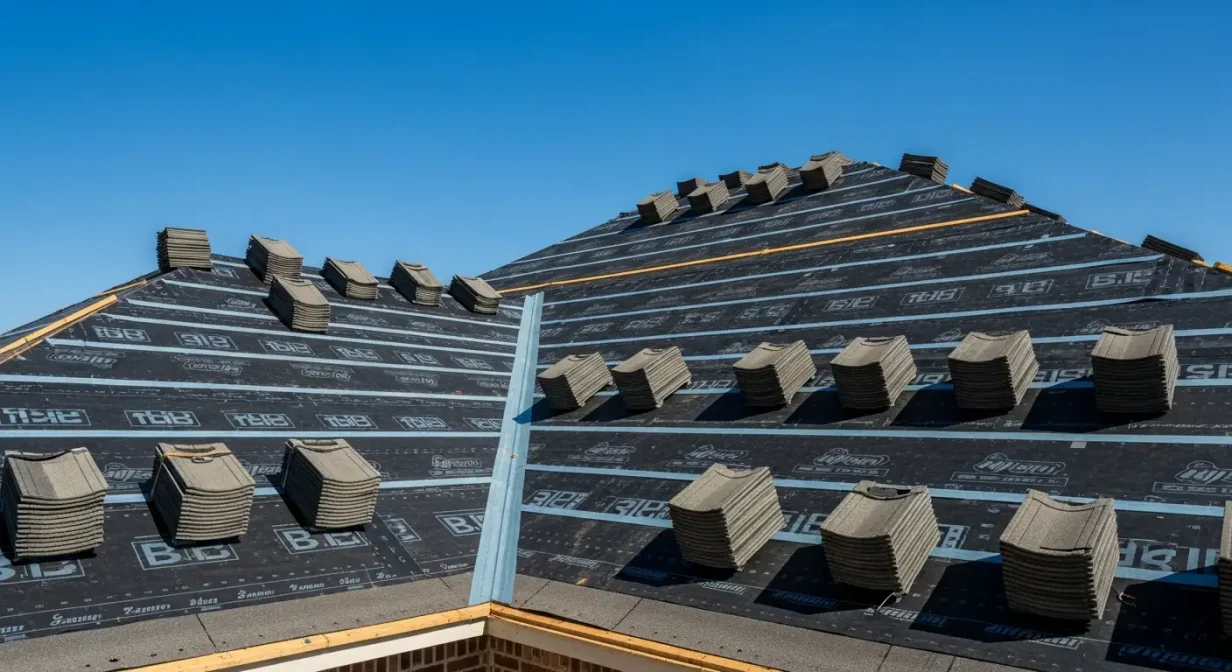
In the Dallas-Fort Worth Metroplex, an ice and water shield roof membrane is a non-negotiable upgrade for valleys and penetrations, even if not strictly mandated for the entire deck by IRC 2021 in this climate zone. Expect to pay between $1.25 and $2.75 per square foot for professional installation of premium SBS-modified bitumen membranes meeting ASTM D1970 standards. The National Roofing Contractors Association (NRCA) strongly recommends these self-adhering underlayments to prevent leaks from wind-driven rain and hydrostatic pressure. Failure to install this correctly in critical areas often leads to insurance claim denials during the frequent North Texas spring storm cycles.
Key Takeaways
- Ice and water shield must meet ASTM D1970 standards for self-adhering polymer modified bitumen.
- IRC R905.1.2 defines the application requirements for underlayment in high-risk leak areas.
- In Dallas, these membranes provide critical protection against wind-driven rain during 70+ mph spring gusts.
- A typical Dallas roof valley requires a minimum 36-inch wide strip of protection for code compliance.
As a consultant in the DFW Metroplex for nearly a decade, I have seen hundreds of roof failures that could have been prevented with a simple roll of self-adhering underlayment. While many homeowners focus exclusively on the aesthetic of asphalt shingles, the secondary water barrier is what actually keeps your attic dry during a North Texas deluge. This guide explores the technical specifications of ice and water shield roof membranes and why they are essential for local code compliance. FIELD NOTE #1: Last spring, a homeowner in Highland Park called me after their two-year-old roof leaked during a standard thunderstorm, resulting in $12,000 in interior drywall and flooring damage.
Upon inspection, I found the contractor had skipped the ice and water shield in the valleys to save roughly $400 in material costs. This ‘saving’ resulted in a complete insurance denial because the installation failed to meet the manufacturer’s specification for valley lining. We now ensure every project we oversee utilizes a high-temp ASTM D1970 membrane in all critical junctions. The National Roofing Contractors Association (NRCA) emphasizes that underlayment is the last line of defense when shingles are compromised by wind or hail.
In the following sections, we will break down the chemistry, the costs, and the specific International Residential Code (IRC) sections you need to know before signing a contract in 2026.
Technical Composition of Self-Adhering Membranes
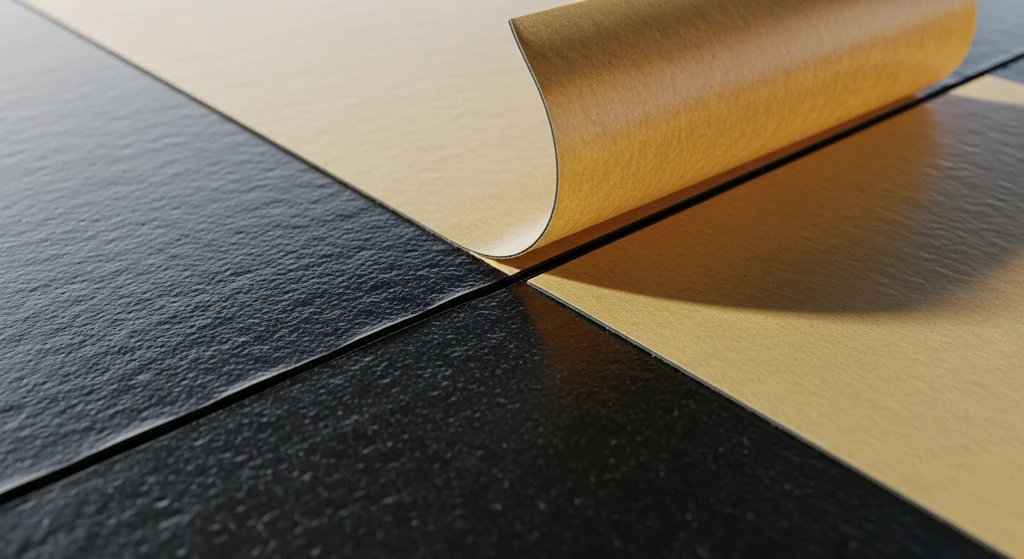
Ice and water shield is a specialized underlayment composed of SBS-modified bitumen, which creates a rubberized, flexible layer that self-seals around fastener penetrations. Unlike standard ASTM D226 felt or common synthetic underlayment, this material features a split-back release liner and a tacky adhesive bottom. This allows the membrane to bond directly to the CDX plywood or oriented strand board (OSB) roof deck, creating a watertight seal that prevents lateral water migration. Manufacturers like GAF, Owens Corning, and CertainTeed engineer these products with different surface textures, such as granular or poly-filmed tops, to ensure roofer traction during installation.
The core technology must conform to ASTM D1970, which tests for nail sealability, moisture vapor permeability, and low-temperature flexibility. In the extreme heat of Dallas, we specifically specify high-temperature rated versions to prevent the adhesive from ‘bleeding’ or sliding under the shingles during 100-degree summer days.
| Membrane Technical Specs | |
|---|---|
| Material Type | SBS-Modified Bitumen |
| Standard | ASTM D1970 |
| Thickness | 40-60 mils |
IRC 2021 and Dallas Building Code Compliance
The International Residential Code (IRC), specifically section IRC R905, mandates the use of ice barriers in regions where the average daily temperature in January is 25°F or less. While Dallas falls just outside the mandatory ‘full-eave’ ice dam zone, local amendments and manufacturer requirements often make its use mandatory for valid warranties. IRC R905.1.2 requires that underlayment be applied in accordance with the manufacturer’s installation instructions, which almost universally require ice and water shield in valleys. In the Dallas-Fort Worth Metroplex, city inspectors look for proper flashing and underlayment integration during the ‘mid-roof’ inspection.
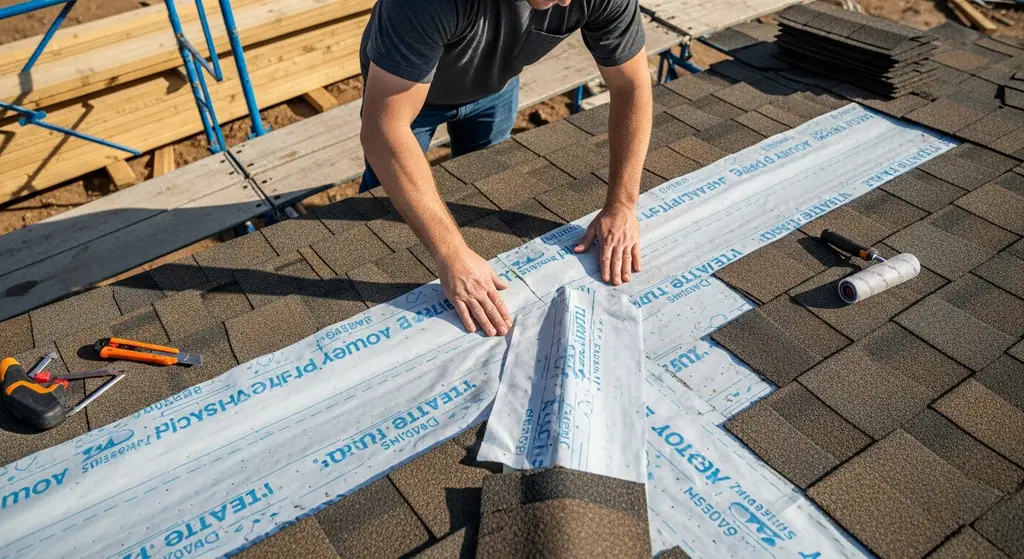
For valley applications, the membrane must be a minimum of 36 inches wide, centered in the valley, and tucked under the drip edge at the eaves. Failure to provide documentation of these materials can lead to a failed final inspection and delays in closing on home sales in 2026.
Advantages
- Self-seals around roofing nails
- Prevents leaks from hydrostatic pressure
- Meets IRC R905 code requirements
Disadvantages
- Higher material cost than felt
- Difficult to remove during future re-roofs
- Requires specific temperature range for install
Field Note from Experience
During an inspection in Plano, I discovered a contractor using standard felt in the valleys of a $900,000 home. I had to stop the project and require them to strip the valleys and install GAF StormGuard. This $600 correction saved the homeowner from a certain leak that would have surfaced within the first three years of the roof’s life.
Performance in the North Texas Climate
The Dallas climate presents unique stressors for ice and water shield roof membranes, primarily due to extreme thermal cycling. In a single 24-hour period, a roof deck in the DFW Metroplex can swing from 40°F to 110°F, causing significant expansion and contraction in the OSB or CDX plywood. Standard underlayments can tear or wrinkle under these conditions, but the elastic nature of SBS-modified bitumen allows it to stretch and maintain its seal. Furthermore, North Texas is prone to ‘microbursts’ and high-wind events during the spring.
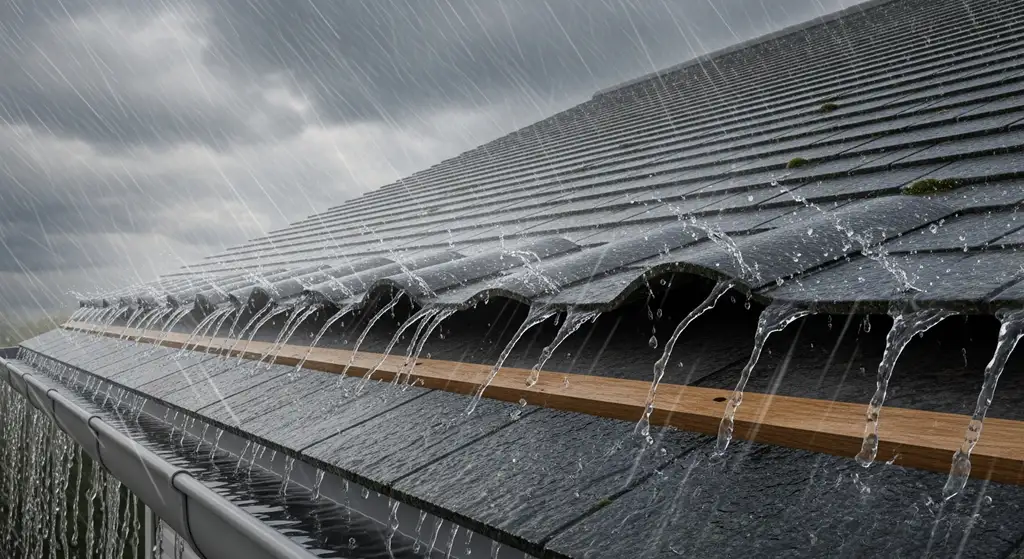
When wind-driven rain is forced upward under the shingles—a phenomenon known as capillary action—standard felt will saturate and leak. An ice and water shield roof acts as a monolithic waterproof cap, ensuring that even if shingles are blown off, the wood structure remains dry until repairs can be made in 2026.
Using ‘Low-Temp’ membranes in summer
Consequence: The adhesive can liquefy and run out from under the shingles, staining the fascia.
Dallas Pricing and Investment Analysis
For a standard 3,000-square-foot home in the Dallas area, upgrading to a comprehensive ice and water shield package typically adds $800 to $1,800 to the total project cost. This includes the material and the additional labor required for the meticulous application of self-adhering sheets. Premium products like CertainTeed WinterGuard or Grace Ice & Water Shield carry a higher price point but offer superior adhesion and high-temperature stability required for our region. Labor rates in the DFW Metroplex currently reflect a high demand for skilled installers who understand complex flashing details.
While a ‘basic’ roof might only include a single roll for the valleys, a ‘high-performance’ specification includes the chimney, skylights, plumbing vents, and the entire eave line. Considering that a single leak repair in a finished attic can cost $2,500+, the ROI on this material is realized during the very first major storm.
Dallas Market Pricing
In Dallas-Fort Worth, expect to pay $1.50-$2.75 per square foot for installed ice and water shield. These are current 2026 Dallas market prices; costs can be 15-20% higher in remote North Texas areas. Prices typically peak in spring (March-May) after storm season.
| Application Area | Estimated Cost (Dallas) |
|---|---|
| Valleys Only (Standard) | $450 – $700 |
| Valleys & Penetrations | $800 – $1,200 |
| Full Eave & Critical Areas | $1,500 – $2,500 |
What Contractors Hide: The ‘Substitution’ Tactic
One of the most common ways contractors increase their margins in the Dallas market is by substituting ‘all-purpose’ synthetic underlayment for true ice and water shield in the contract. They may tell you they are using ‘waterproof underlayment,’ but unless it is a self-adhering modified bitumen meeting ASTM D1970, it does not offer the same protection. Synthetic underlayment is water-resistant, but it is riddled with thousands of staple or nail holes that will leak under hydrostatic pressure. Another industry secret is the reuse of old flashing.
To save time and money, some crews will install the new membrane over old, corroded valley metal or chimney flashing. This creates a ‘bridging’ effect where the membrane cannot properly bond to the substrate, leading to air pockets and eventual condensation or leaks. Always insist on seeing the empty rolls of the specified product and verify that all old metal has been replaced before the new underlayment is applied.
What Contractors Hide
Using ‘Smooth’ surface in valleys
The Reality: Contractors use it because it’s cheaper, but it’s dangerously slick for workers and offers less shingle adhesion.
Skipping the Drip Edge Lap
The Reality: The membrane should lap over the drip edge; many skip this, allowing water to rot the fascia board.
External Authoritative Resources
These industry-standard references support the information in this guide:
Building Codes
Frequently Asked Questions
Is ice and water shield required by code in Dallas?
While not mandated for the entire roof deck due to our climate zone, IRC R905.1.2 requires it in valleys and wherever manufacturer specifications dictate for warranty compliance. Most Dallas building departments require it in all roof valleys.
Can I install shingles directly over ice and water shield?
Yes, shingles are designed to be installed directly over the membrane. The SBS-modified bitumen will seal around the roofing nails to create a watertight bond, as per NRCA recommendations.
How much does a roll of ice and water shield cost in 2026?
In the Dallas market, a standard 2-square roll (200 sq. ft.) typically retails for $110 to $160 depending on the brand and temperature rating.
Does it prevent leaks from hail damage?
While it won’t stop hail from cracking shingles, it acts as a secondary waterproof barrier that prevents the home from flooding if the primary shingles are destroyed.
Should it be used on the entire roof?
In Dallas, full-deck coverage is usually overkill unless you have a very low-slope roof (2:12 to 4:12 pitch), where it is often required by IRC R905.1.1.
What is the difference between this and synthetic underlayment?
Ice and water shield is a thick, self-adhering rubberized asphalt, whereas synthetic underlayment is a thin, woven polypropylene that is mechanically fastened and does not self-seal.
Final Thoughts
Investing in a high-quality ice and water shield roof system is one of the smartest decisions a Dallas homeowner can make. Given the volatility of North Texas weather, the transition from blistering heat to torrential spring storms requires a material that can adapt and protect. By ensuring your contractor follows IRC 2021 standards and utilizes ASTM D1970 membranes, you are securing your home against the most common causes of roof failure. FIELD NOTE #3: I always tell my clients in the DFW Metroplex that a roof is a system, not just a shingle.
I once saw a $4 million estate in North Dallas suffer catastrophic water damage because the builder used ‘cheap’ underlayment on a complex turret. Don’t let a $1,000 upgrade stand between you and a dry home. Verify your materials, demand code compliance, and choose a contractor who values what’s underneath the shingles as much as what’s on top.
