
Contractor’s Bottom Line
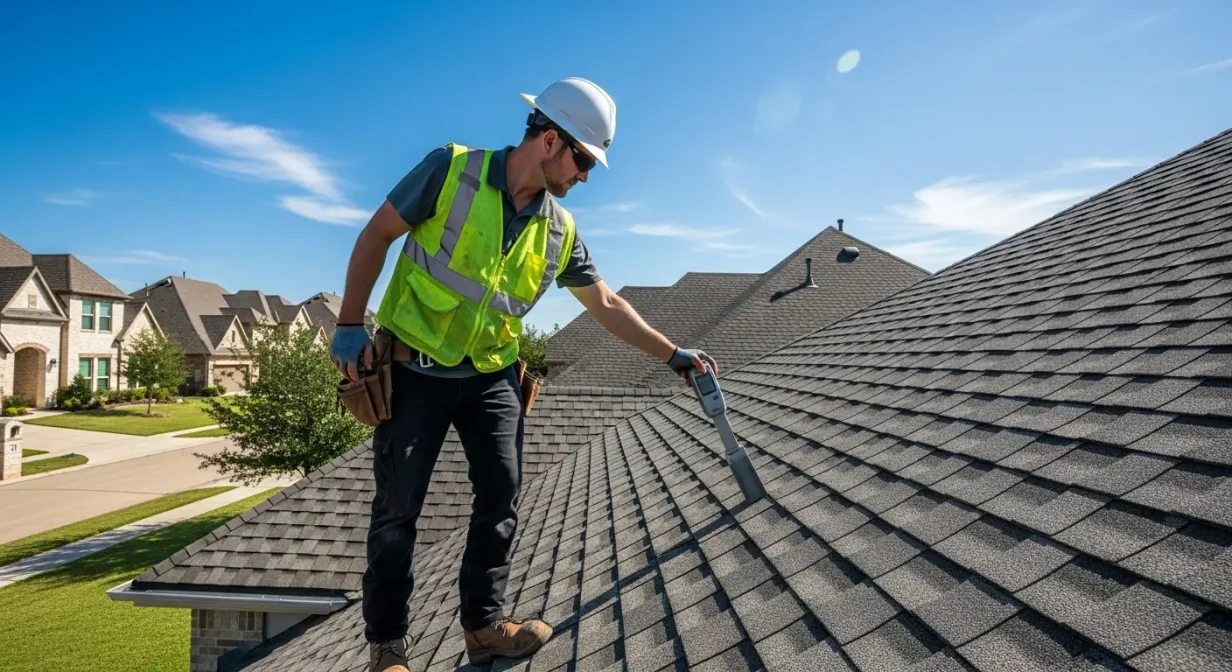
In the Dallas-Fort Worth area, hail damage roof repair requires immediate action to prevent moisture intrusion and structural decay. Most North Texas homes utilize architectural shingles meeting ASTM D3462 standards, but extreme spring storms often necessitate full replacement rather than localized patching. Per IRC R908, if more than 25% of the roof is damaged, Dallas building departments typically require a full tear-off. Expect current 2026 repair costs to range from $600 for minor flashing fixes to $18,000+ for full replacements using UL 2218 Class 4 impact-resistant materials. Always verify your contractor holds a valid NRCA membership and follows OSHA safety protocols to ensure long-term property protection.
Key Takeaways
- Texas HB 2102 makes it illegal for contractors to waive insurance deductibles, a common scam in the DFW Metroplex.
- IRC R905.2.1 requires specific fastening patterns in high-wind zones like North Texas to maintain manufacturer warranties.
- ASTM D226 Type II synthetic underlayment provides superior moisture protection compared to traditional felt during Dallas heat cycles.
I have spent over eight years navigating the aftermath of North Texas spring storms, where golf-ball-sized hail can strip the granules off architectural shingles in minutes. When a storm hits the DFW Metroplex, the immediate concern isn’t just the visible dents but the compromised integrity of your synthetic underlayment and decking. FIELD NOTE #1: Last month, a Dallas homeowner in the M-Streets called me after a ‘storm chaser’ claimed their roof was fine, only for me to find significant bruising that would have led to a $12,000 interior leak within two years. We immediately filed a claim citing NRCA standards for functional damage, ensuring the carrier covered a full replacement rather than a temporary patch.
Understanding the difference between cosmetic and functional damage is critical for any resident in Dallas-Fort Worth. By adhering to International Residential Code (IRC) standards and utilizing high-quality materials from manufacturers like GAF or Owens Corning, you can protect your largest investment from the volatile Texas climate.
Professional Assessment of Hail Impact Severity
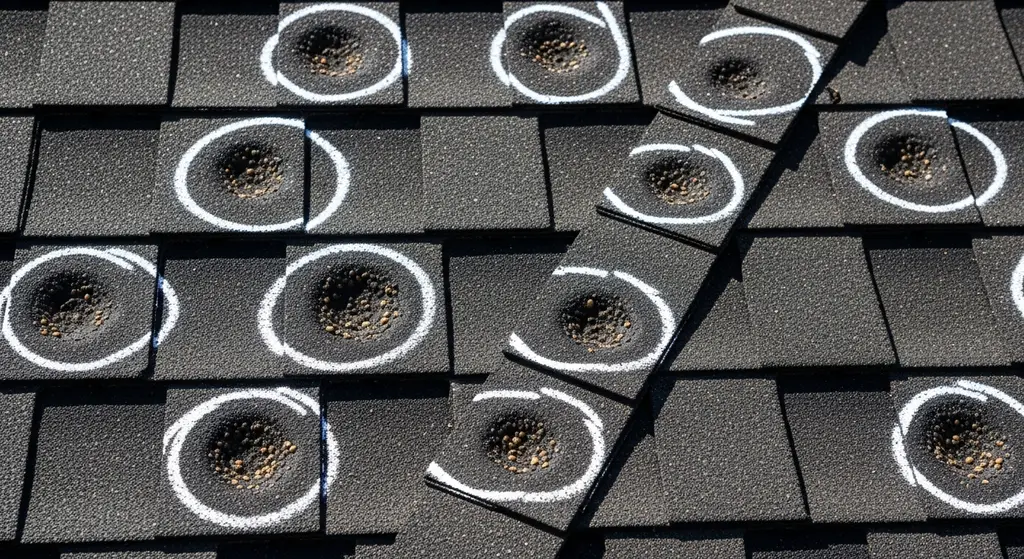
A professional inspection focuses on identifying ‘bruises’ in the asphalt shingles where the fiberglass mat has been fractured by high-velocity impact. We look for circular patterns of granule loss and exposed bitumen, which indicates the material can no longer shed water effectively per ASTM D3043 standards. In the DFW Metroplex, we also examine the soft metals, such as box vents and valleys, for indentations that confirm the hail size and direction of the storm. If the impact is severe enough to dent a 26-gauge steel valley flashing, the underlying shingles are likely compromised beyond simple repair.
Our team utilizes high-resolution thermal imaging to detect moisture trapped beneath the synthetic underlayment, which often precedes visible ceiling stains. This data-driven approach ensures that your insurance adjuster sees objective evidence of functional damage rather than just aesthetic wear.
| Hail Size | Potential Damage | Recommended Action |
|---|---|---|
| 0.75 – 1.0 inch | Granule loss, gutter dents | Professional Inspection |
| 1.25 – 1.75 inch | Mat fracture, shingle bruising | Insurance Claim Filing |
| 2.0+ inches | Underlayment breach, decking damage | Immediate Emergency Tarping |
Latent Leakage
Typical Cost: $2,500 – $5,000
Prevention: Early detection via moisture meters
Insurance Coverage: Covered if documented within 12 months
Code Reference: IRC R905
Navigating Texas Insurance Claims and RCV vs ACV
Understanding your policy’s Depreciation schedule is vital; Replacement Cost Value (RCV) policies cover the full cost of repair, whereas Actual Cash Value (ACV) policies only pay the depreciated value. In Dallas-Fort Worth, many carriers are shifting toward ACV for older roofs, which can leave homeowners with thousands in out-of-pocket expenses. We meticulously document every violation of IRC R908, which governs reroofing, to ensure the insurance company pays for ‘Code Upgrades.’ If your current roof lacks an ice and water shield as required by modern standards, we advocate for its inclusion in the claim to meet current International Code Council (ICC) requirements. Always request a ‘Loss Draft’ explanation from your carrier to see how they calculated labor rates for the North Texas region.
We often find that national software underemphasizes the specific labor costs associated with the steep-slope roofs common in neighborhoods like Highland Park or North Dallas.
| Policy Terms to Know | |
|---|---|
| Deductible | Typically 1-2% of home value in Texas |
| Depreciation | Value lost over time based on roof age |
| Supplement | Additional funds requested for hidden damage |
Field Note from Experience
I helped a Richardson family whose claim for hail damage roof repair was initially denied for ‘wear and tear.’ By referencing the specific impact patterns on their GAF Timberline shingles and citing ASTM D226 underlayment failure, we successfully appealed, resulting in a $15,400 payout for a full system replacement.
Dallas Repair Costs and Replacement ROI
For minor hail damage roof repair in Dallas, homeowners can expect to pay between $500 and $1,500 for shingle replacement and flashing resealing. However, if the storm has compromised more than one-quarter of the roof surface, a full replacement is often the only way to maintain your GAF or CertainTeed manufacturer warranty. A full replacement in the DFW Metroplex currently ranges from $4.50 to $6.50 per square foot for architectural shingles. While this is a significant investment, installing UL 2218 Class 4 shingles can reduce your annual Texas homeowners insurance premiums by up to 20%, providing a clear return on investment.
Labor costs in Dallas remain higher than the national average due to the extreme heat and the high demand for skilled installers during the spring peak. We recommend scheduling major work in the late fall to avoid the ‘storm season premium’ often charged by high-volume contractors.
Dallas Market Pricing
In Dallas-Fort Worth, expect to pay $450-$650 per square (100 sq. ft.) for full replacements. These are current 2026 Dallas market prices; costs vary by region and can be 15-25% higher in remote Texas areas. Peak pricing occurs spring (March-May) storm season.
Advantages
- Class 4 shingles lower insurance premiums
- New synthetic underlayment improves ventilation
- Full replacement resets the warranty clock
Disadvantages
- Higher upfront cost than localized repair
- Significant noise and debris during installation
- Requires building permit and Dallas city inspection
Consumer Protection: Texas HB 2102 and Deductibles
Texas law is very specific regarding insurance fraud and roof repairs; HB 2102 requires contractors to include a bold-faced notice in their contracts stating that the homeowner must pay their deductible. Any roofer offering to ‘waive’ or ‘absorb’ your deductible is committing a Class A misdemeanor, and you could be implicated in the fraud. The Texas Department of Insurance (TDI) monitors these practices closely in the North Texas area following major hail events. We advise all clients to pay their deductible via check or credit card to maintain a clear paper trail for the insurance carrier.
Furthermore, the ‘Prompt Pay Law’ in Texas ensures that carriers must acknowledge your claim within 15 days and make payment within 5 business days after notifying you of the settlement. If your carrier is dragging their feet after a Dallas storm, referencing Texas Insurance Code Chapter 542 can often expedite the process.
Contractors offering ‘free’ roofs
Consequence: Potential insurance fraud charges and voided warranties
Unsolicited door knockers after a storm
Consequence: Often ‘storm chasers’ who use sub-standard materials
What Contractors Hide: Dallas Roofing Secrets
Many contractors in the DFW Metroplex will cut corners by reusing old flashing or skipping the installation of an ice and water shield in the valleys. While the International Residential Code (IRC) allows for some reuse if the material is in good condition, the NRCA recommends new flashing for every replacement to ensure a watertight seal. Another common tactic is using ‘contractor grade’ 3-tab shingles while charging the insurance company for premium architectural shingles. Always verify the material delivery ticket against your contract to ensure you are receiving the ASTM D3462 rated products you were promised.
Lastly, be wary of ‘lifetime’ warranties that only cover the material and not the labor. A truly reputable Dallas roofer will offer a workmanship warranty backed by a manufacturer like Owens Corning, ensuring that if a leak occurs due to poor installation, the repair is covered at no cost to you.
What Contractors Hide
Reusing old roof vents
The Reality: Saves the contractor $200 but risks leaks at the seal
Skipping synthetic underlayment
The Reality: Uses cheap felt paper that tears easily in Texas wind
Field Note from Experience
A homeowner in Arlington nearly fell for a $5,000 ‘cash back’ offer from a roofer. I explained that this was a violation of HB 2102, and had they proceeded, the insurance company could have legally denied the entire $18,000 claim for fraud.
External Authoritative Resources
These industry-standard references support the information in this guide:
Building Codes
Frequently Asked Questions
How long do I have to file a hail damage claim in Texas?
Most Texas policies allow for one year from the date of the storm, but you should check your specific policy language as some ‘named storm’ provisions are shorter. Timely filing ensures you meet NRCA recommendations for preventing secondary moisture damage.
Does insurance cover a full roof replacement for hail?
Yes, if the damage is ‘functional’ rather than cosmetic and exceeds the deductible. Per IRC R908, if the repair requires removing more than 25% of the roof, a full replacement is often mandated by Dallas building codes.
What is the best shingle for hail in Dallas?
UL 2218 Class 4 impact-resistant shingles, like the GAF Timberline ArmorShield II, are the gold standard for the DFW Metroplex. These shingles are designed to withstand 2-inch hail without fracturing the asphalt mat.
Can I repair just one slope of my roof?
While technically possible, it is rarely recommended in Dallas due to shingle matching issues and warranty complications. Most carriers will cover the full roof if multiple slopes show damage meeting ASTM D3043 failure criteria.
Will my insurance rates go up if I file a hail claim?
In Texas, insurance companies generally cannot raise your individual rates for an ‘Act of God’ claim like hail. However, regional rates for the entire DFW Metroplex may increase after a widespread storm event.
Do I need a permit for hail damage roof repair in Dallas?
Yes, any repair exceeding 100 square feet typically requires a building permit from the City of Dallas. This ensures the work is inspected for IRC R905 compliance, including proper nailing patterns.
Final Thoughts
Addressing hail damage roof repair in the Dallas-Fort Worth area requires a balance of technical knowledge and insurance savvy. By insisting on high-quality materials like architectural shingles and synthetic underlayment that meet ASTM standards, you ensure your home remains protected against the next North Texas storm. FIELD NOTE #3: I always tell my clients in Plano and Frisco that the cheapest bid is usually the most expensive in the long run. One homeowner saved $2,000 on a ‘budget’ repair only to spend $8,000 fixing interior mold damage caused by improper flashing.
Don’t cut corners; hire a professional who understands the IRC 2021 requirements and stands by their work. Protect your home and your peace of mind by choosing quality over a quick fix.
