
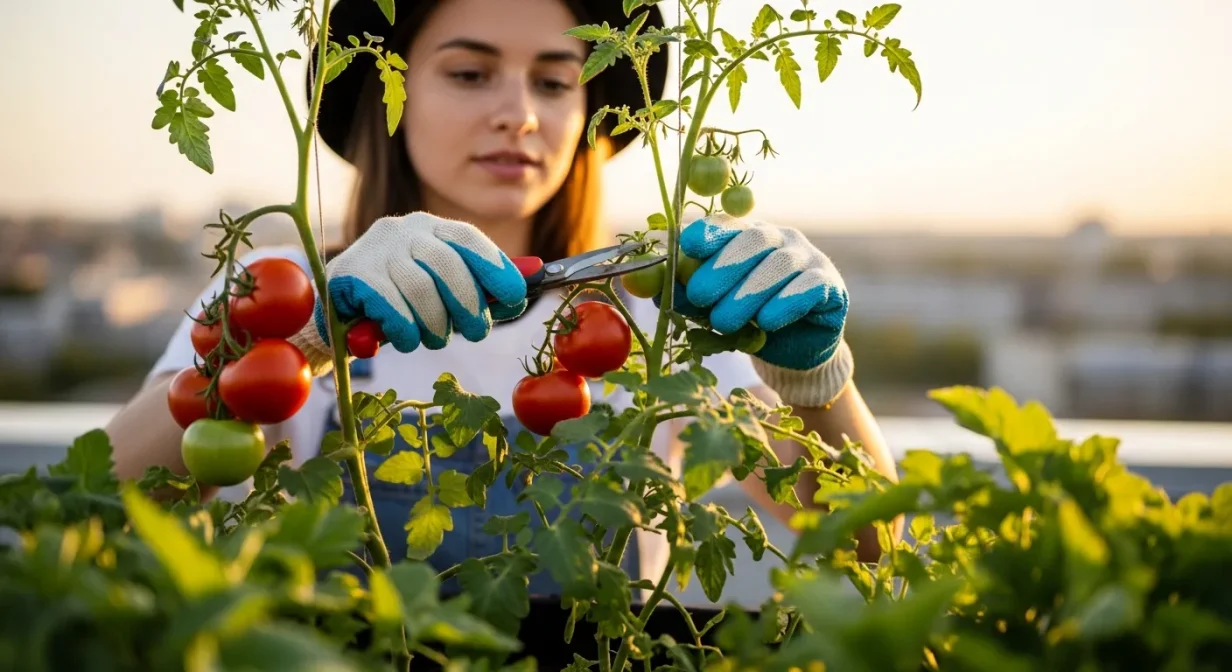
Dreaming of a lush rooftop garden but worried about the constant watering demands? You’re not alone! Rooftop gardens offer incredible benefits, from fresh produce to stunning city views, but they can also be challenging environments. The exposure to sun and wind means plants dry out quickly, making consistent watering a must. This is where self-watering containers come to the rescue, offering a convenient and efficient solution for busy gardeners and rooftop environments. Imagine enjoying vibrant blooms and delicious harvests without the daily chore of watering. Self-watering containers provide a consistent water supply to your plants’ roots, reducing water waste and promoting healthy growth. From simple DIY projects to stylish store-bought options, there’s a self-watering container to suit every style and budget. This comprehensive guide explores 25 of the best self-watering container garden ideas for transforming your rooftop into a thriving and low-maintenance green paradise. Get ready to be inspired!
1. Stacked Self-Watering Planters
Maximize vertical space with stacked self-watering planters. These modular systems are perfect for small rooftop gardens where floor space is limited. They allow you to grow a variety of herbs, vegetables, or flowers in a compact and visually appealing arrangement. The self-watering reservoir at the base provides a consistent water supply to all the plants, making maintenance a breeze. Consider using different tiers for different plant types, placing taller plants at the top and trailing plants at the bottom for a cascading effect. Stacked planters are also great for creating a green wall effect, adding a touch of nature to your urban oasis. Look for durable, weather-resistant materials that can withstand the harsh rooftop environment.
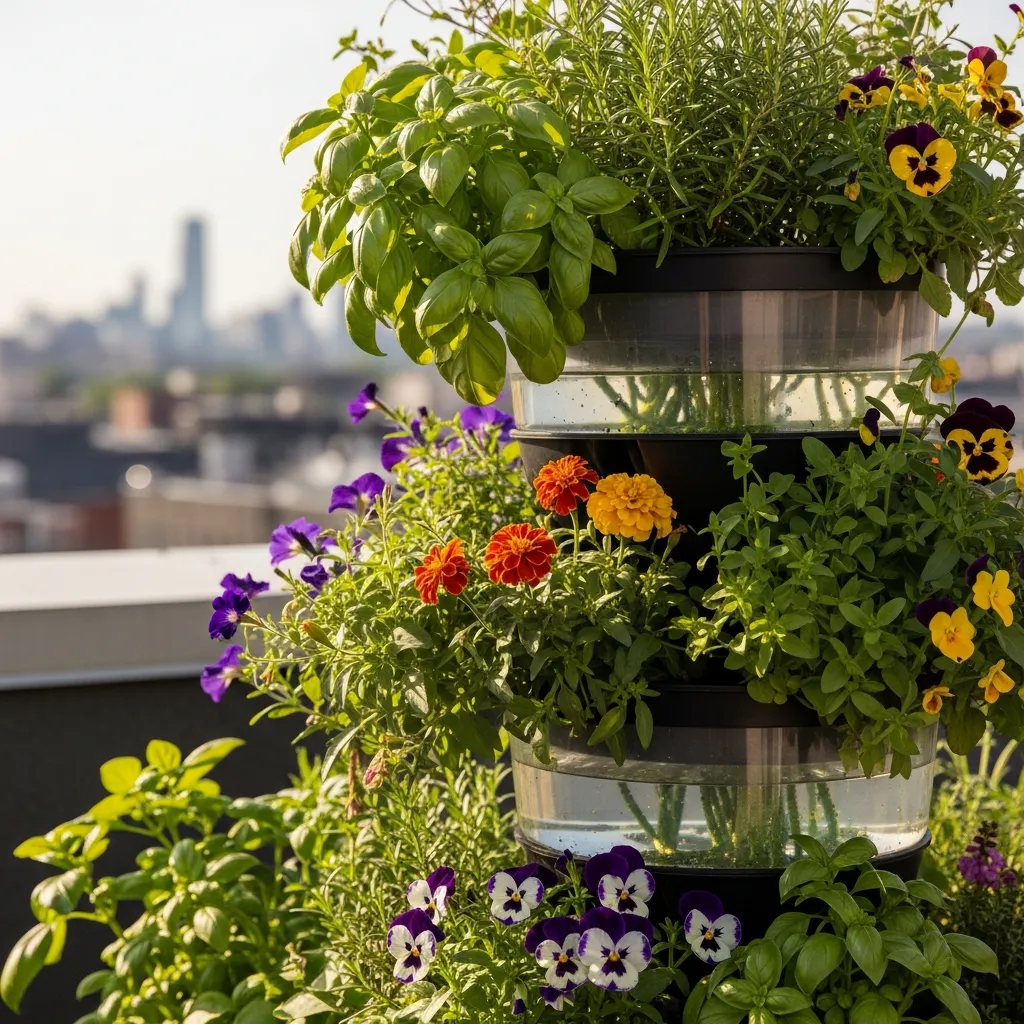
Stacked self-watering planters maximize space and minimize watering chores.
2. Self-Watering Hanging Baskets
Add a touch of whimsy and color to your rooftop with self-watering hanging baskets. These baskets are ideal for trailing plants like petunias, verbena, and strawberries. The self-watering reservoir ensures that your plants stay hydrated even on hot, sunny days. They also add a vertical element to your garden, creating visual interest and maximizing space. Choose lightweight materials for your hanging baskets to avoid putting too much stress on your rooftop structure. Consider using a drip irrigation system to supplement the self-watering reservoir during extremely dry periods. Regularly check the water level and refill as needed to keep your plants thriving.
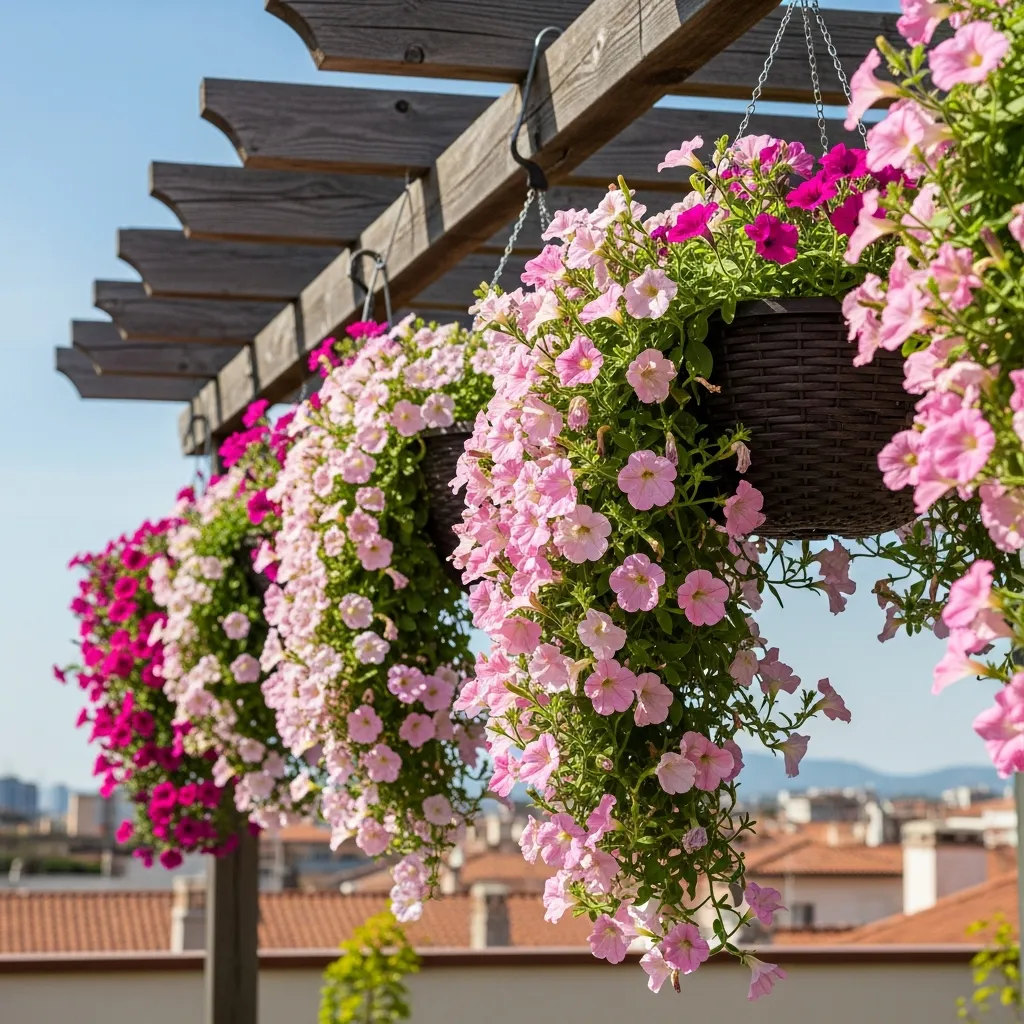
Self-watering hanging baskets bring beauty and ease to your rooftop garden.
3. DIY Self-Watering Buckets
Create your own self-watering containers using recycled buckets. This is a budget-friendly and eco-conscious way to garden on your rooftop. Simply drill holes for drainage and wicking, and create a reservoir at the bottom of the bucket. Fill the top with potting mix and plant your favorite vegetables, herbs, or flowers. There are many tutorials available online that provide step-by-step instructions for building your own self-watering buckets. Be sure to use food-grade buckets if you plan to grow edible plants. This DIY project is a fun and rewarding way to create a sustainable and productive rooftop garden.
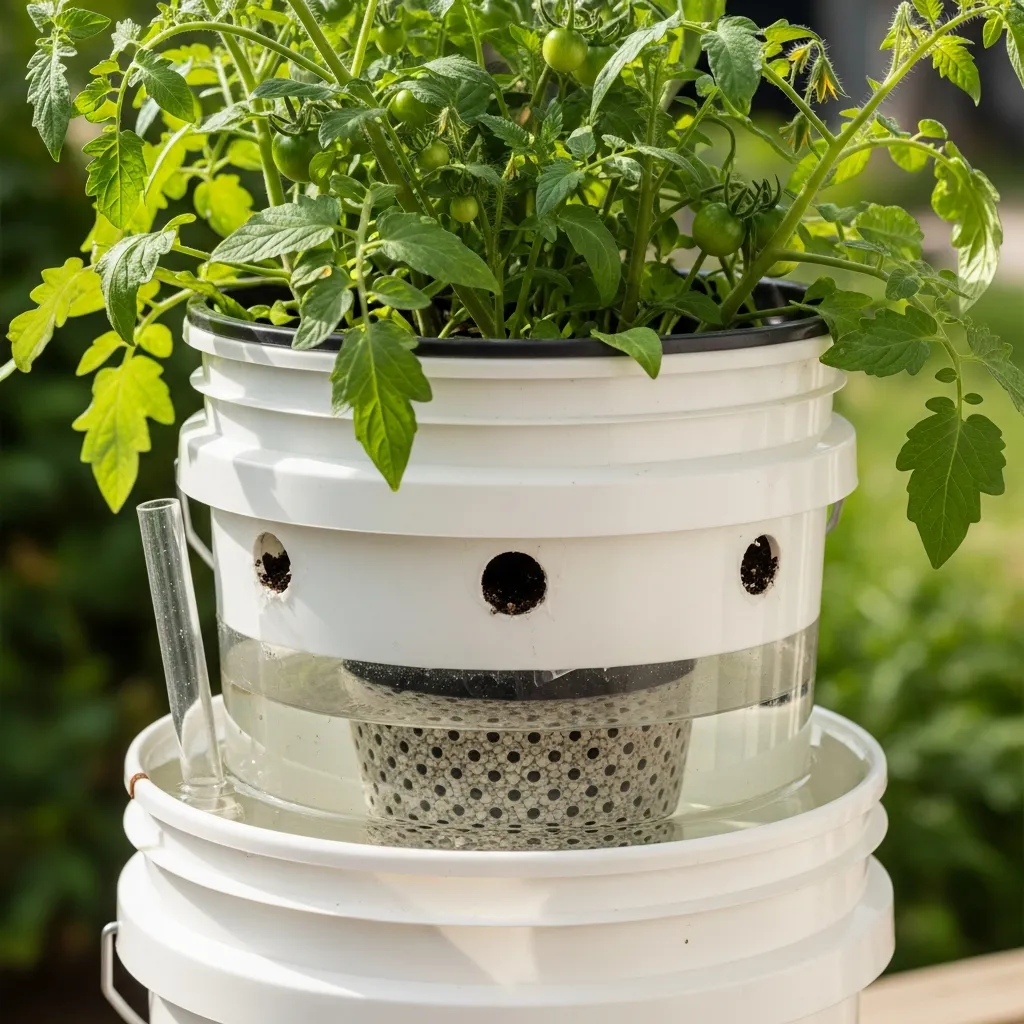
DIY self-watering buckets are a budget-friendly and eco-conscious gardening solution.
4. Self-Watering Raised Garden Beds
Elevate your gardening experience with self-watering raised garden beds. These beds provide excellent drainage and aeration, promoting healthy root growth. The self-watering reservoir ensures that your plants receive a consistent water supply, even in dry conditions. Raised beds also make gardening more accessible, reducing strain on your back and knees. Choose durable materials for your raised beds, such as cedar wood or recycled plastic. Consider adding a liner to prevent soil erosion and water leakage. Self-watering raised beds are perfect for growing vegetables, herbs, and flowers on your rooftop.
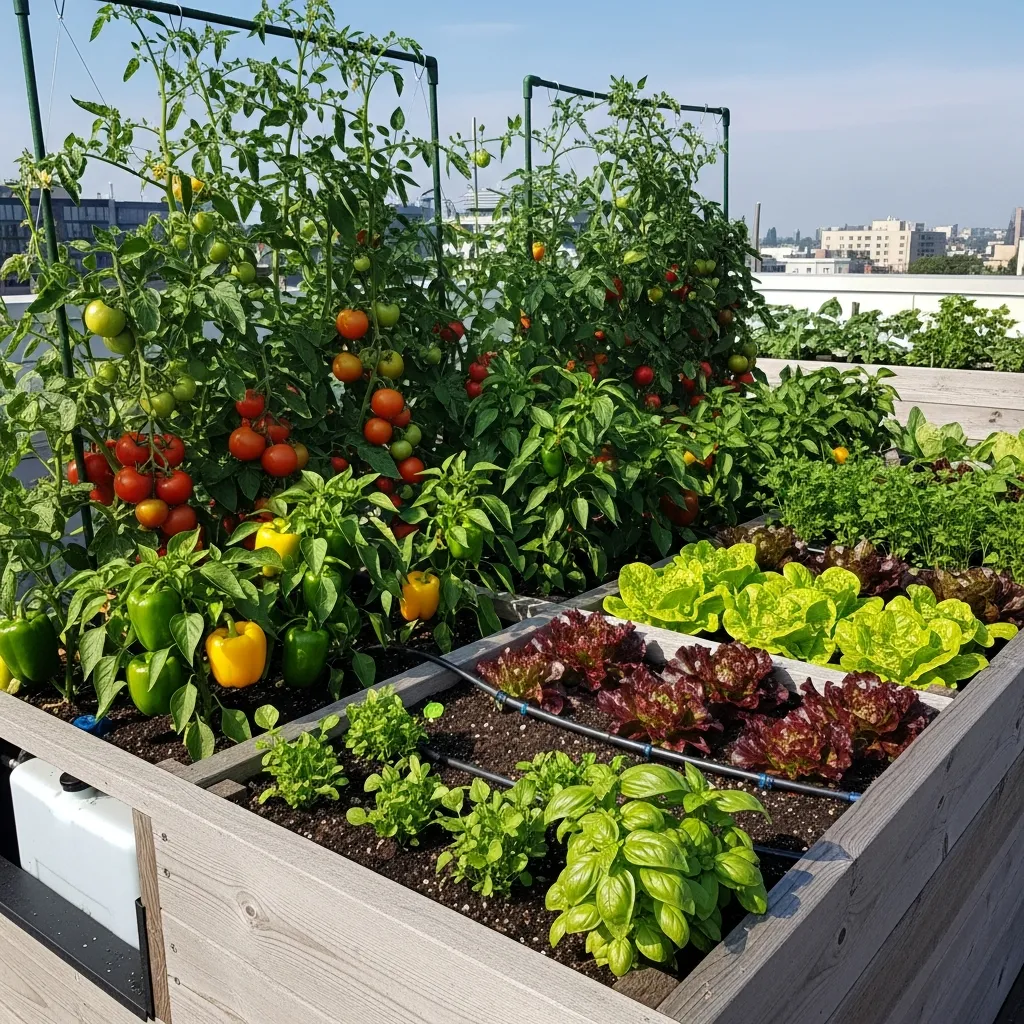
Self-watering raised garden beds offer excellent drainage and consistent hydration.
5. Self-Watering Window Boxes
Bring beauty and fragrance to your windows with self-watering window boxes. These boxes are perfect for growing flowers, herbs, and small vegetables. The self-watering reservoir ensures that your plants stay hydrated even when you’re away. Window boxes also add a touch of charm and curb appeal to your rooftop. Choose window boxes that are specifically designed for self-watering. Be sure to select plants that are appropriate for the amount of sunlight your windows receive. Self-watering window boxes are a great way to add a touch of green to your rooftop without taking up too much space.
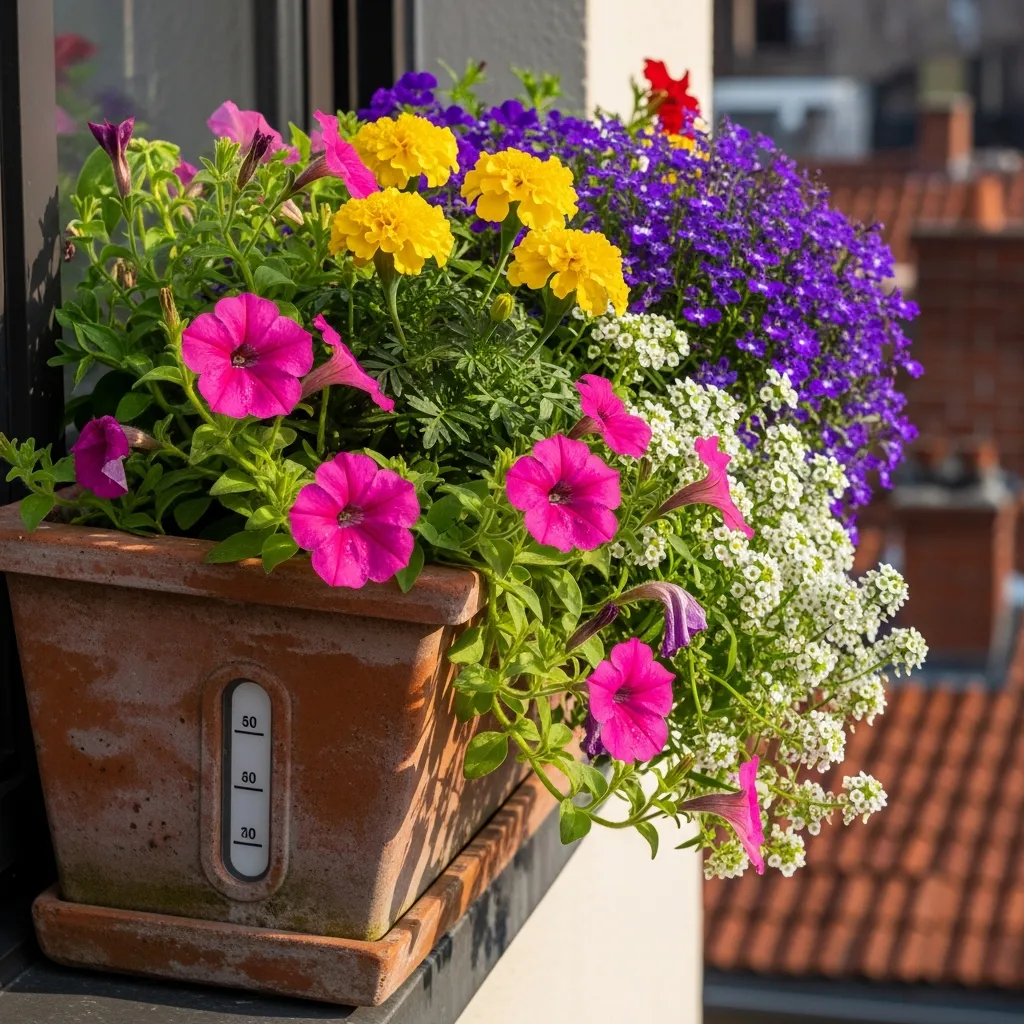
Self-watering window boxes bring beauty and fragrance to your windows.
6. Wick Watering Systems
Implement a simple and effective wick watering system for your existing containers. This method uses a wick made of absorbent material to draw water from a reservoir to the soil. It’s a great way to convert your existing containers into self-watering systems without having to purchase new ones. You can use materials like cotton rope, felt strips, or old t-shirts to create your wicks. Make sure the wick is in direct contact with the water reservoir and the soil. Wick watering systems are particularly effective for smaller plants that require consistent moisture.
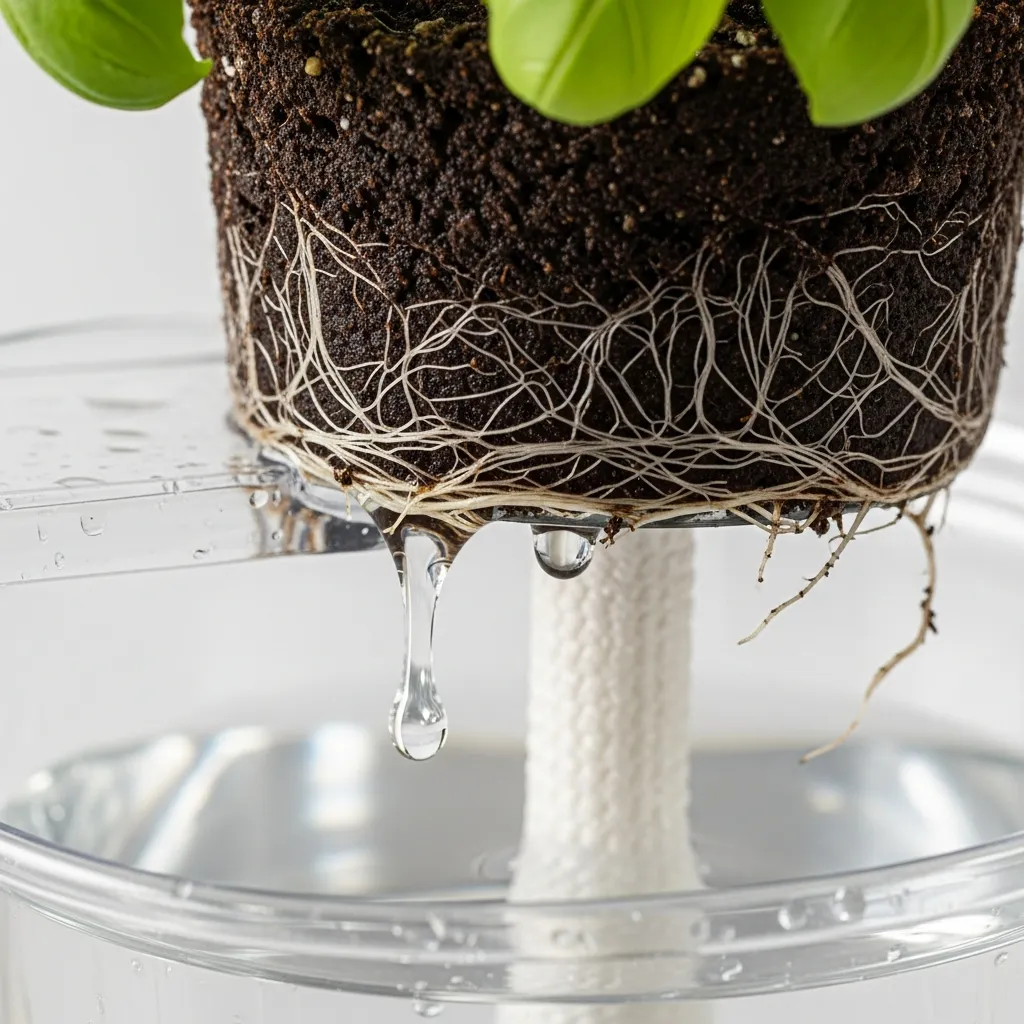
Wick watering systems are a simple and effective way to self-water your plants.
7. Ollas: Ancient Watering Technique
Embrace an ancient watering technique with ollas, unglazed clay pots buried in the soil. These pots slowly release water into the surrounding soil, providing a consistent and efficient source of hydration for your plants. Ollas are a sustainable and eco-friendly way to water your garden. Bury the olla up to its neck, leaving the top exposed for easy refilling. Fill the olla with water regularly, and the clay will slowly release moisture into the soil. Ollas are particularly effective for deep-rooted plants like tomatoes, peppers, and squash.
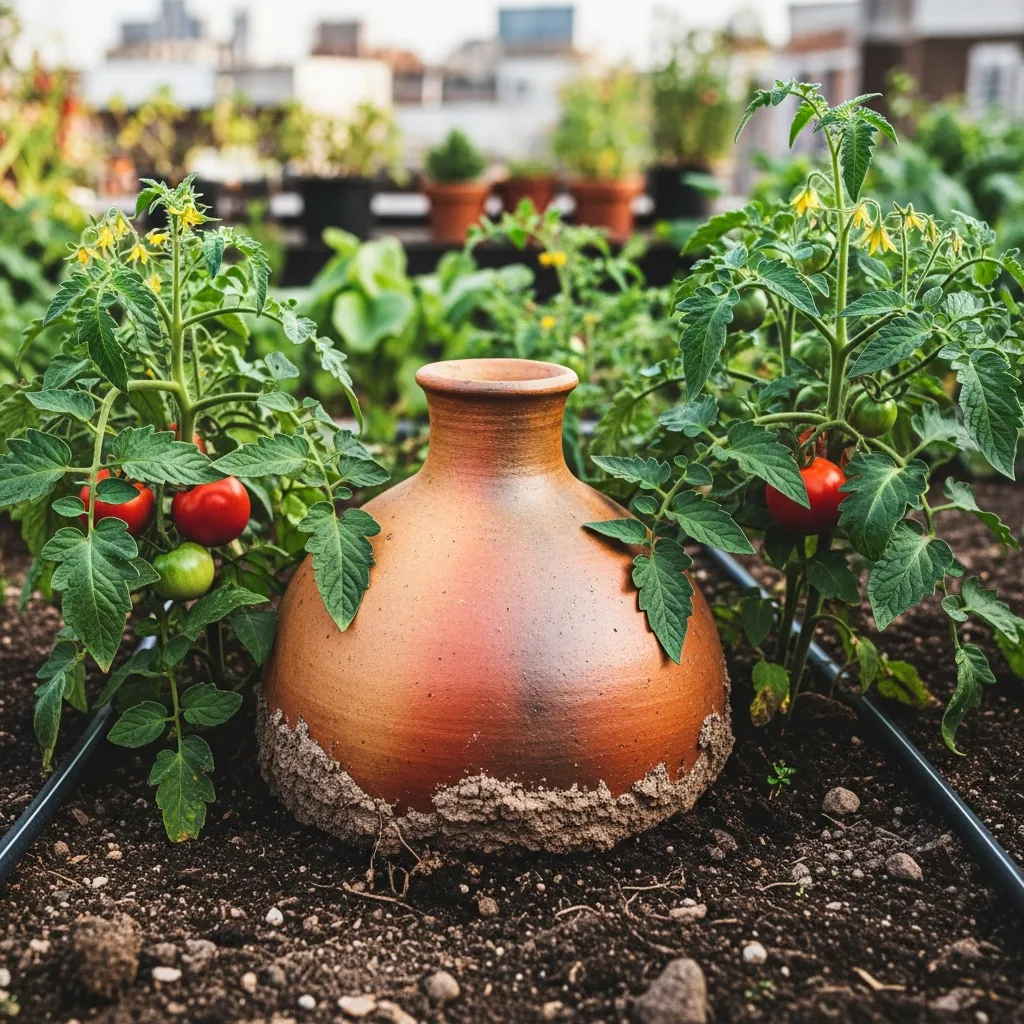
Ollas provide a sustainable and efficient way to water your plants.
8. Self-Watering Herb Gardens
Create a thriving herb garden with self-watering containers. Fresh herbs are a must-have for any rooftop garden, and self-watering containers make it easy to keep them healthy and productive. Grow your favorite herbs like basil, mint, rosemary, and thyme in self-watering pots for a constant supply of fresh flavor. Choose a location that receives plenty of sunlight for your herb garden. Regularly harvest your herbs to encourage new growth. Self-watering herb gardens are a great way to add flavor and fragrance to your rooftop.
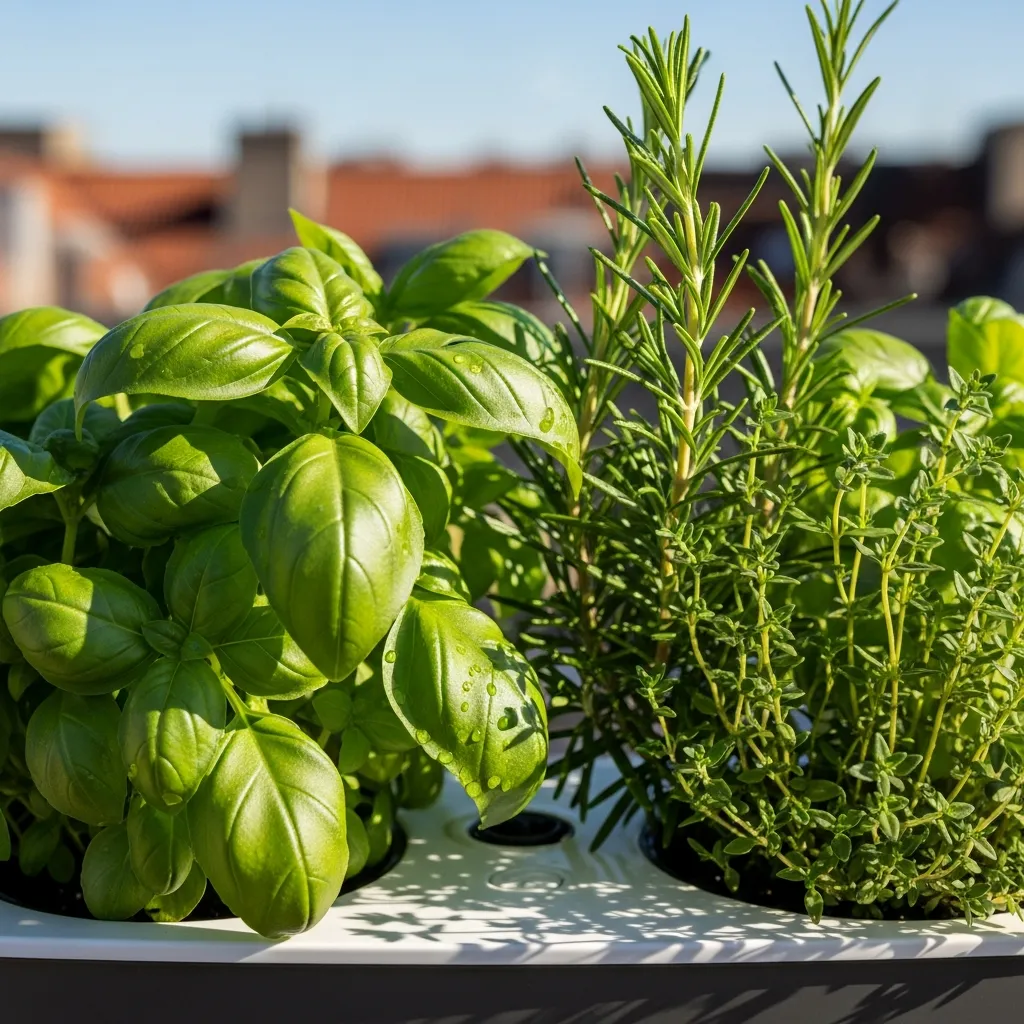
Self-watering herb gardens provide a constant supply of fresh flavor.
9. Self-Watering Vegetable Gardens
Grow your own delicious vegetables with self-watering containers. Self-watering containers are perfect for growing tomatoes, peppers, cucumbers, and other vegetables on your rooftop. The consistent water supply ensures that your plants stay healthy and productive, even in hot and dry conditions. Choose a location that receives at least six hours of sunlight per day for your vegetable garden. Provide support for vining plants like tomatoes and cucumbers. Self-watering vegetable gardens are a rewarding way to enjoy fresh, homegrown produce.
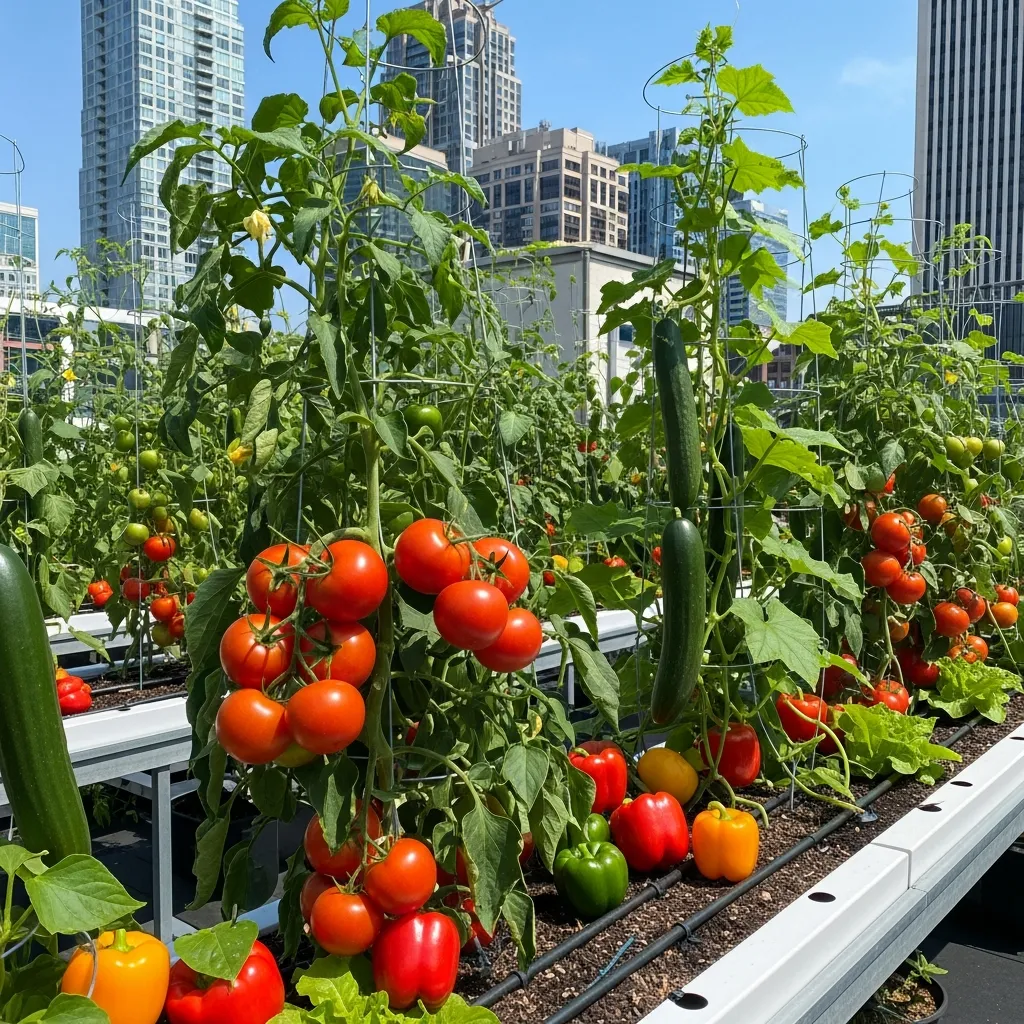
Self-watering vegetable gardens allow you to enjoy fresh, homegrown produce.
10. Self-Watering Strawberry Planters
Enjoy fresh, juicy strawberries from your rooftop garden with self-watering strawberry planters. These planters are specifically designed to provide the optimal growing conditions for strawberries. The self-watering reservoir ensures that your plants receive a consistent water supply, resulting in a bountiful harvest. Choose a sunny location for your strawberry planters. Regularly fertilize your plants to encourage fruit production. Self-watering strawberry planters are a sweet addition to any rooftop garden.
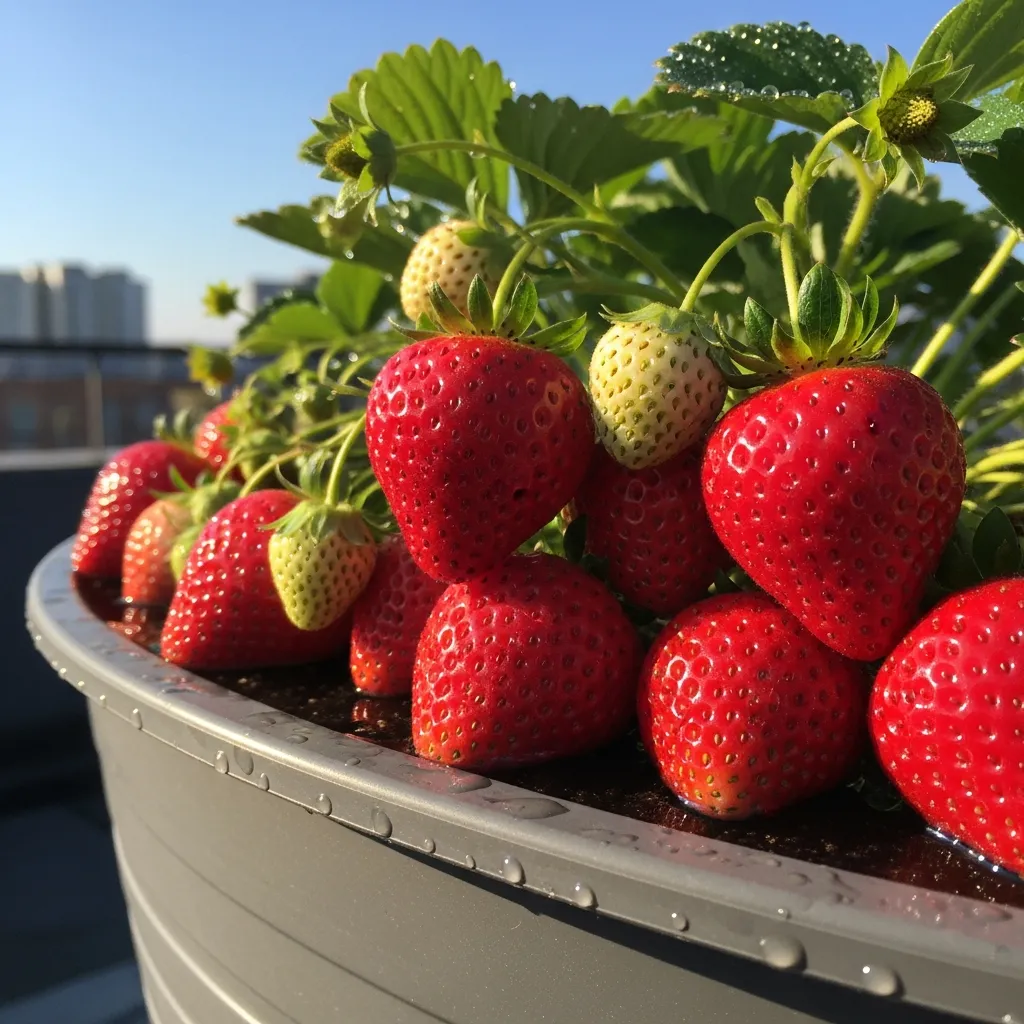
Self-watering strawberry planters provide a sweet and bountiful harvest.
11. Upcycled Pallet Self-Watering Garden
Transform an old wooden pallet into a stylish and functional self-watering garden. This is a creative and eco-friendly way to add greenery to your rooftop. Simply line the pallet with landscape fabric and create individual pockets for your plants. Add a self-watering system to each pocket for easy maintenance. There are many tutorials available online that provide step-by-step instructions for building your own upcycled pallet self-watering garden. Choose plants that are appropriate for the size and depth of the pallet pockets. This project is a unique and sustainable way to create a vertical garden on your rooftop.
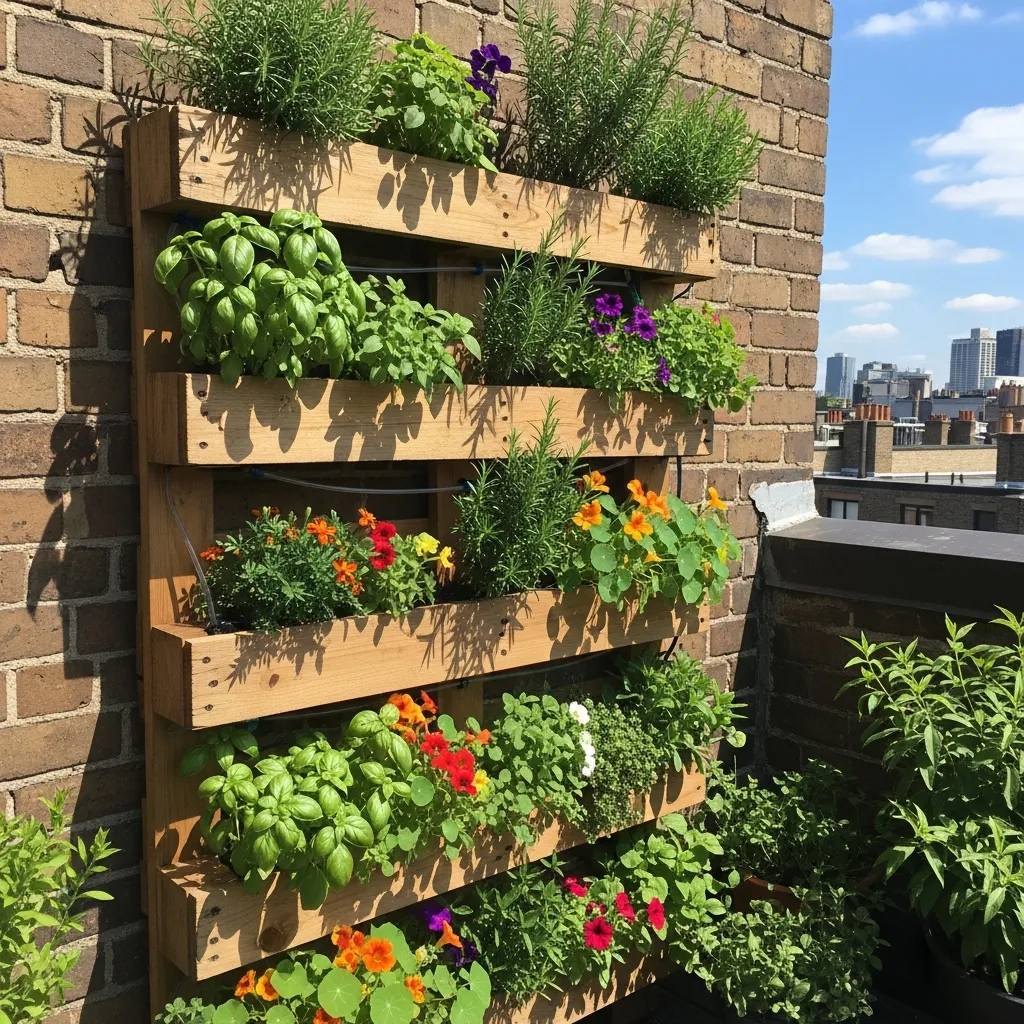
Upcycled pallet self-watering gardens are a creative and eco-friendly solution.
12. Smart Self-Watering Systems
Take your rooftop garden to the next level with smart self-watering systems. These systems use sensors and timers to automatically water your plants based on their specific needs. They can be controlled remotely via a smartphone app, making it easy to manage your garden from anywhere. Smart self-watering systems can save you time and water, while also ensuring that your plants receive the optimal amount of hydration. They are particularly useful for larger rooftop gardens with a variety of plants. Consider investing in a smart self-watering system for a truly effortless gardening experience.
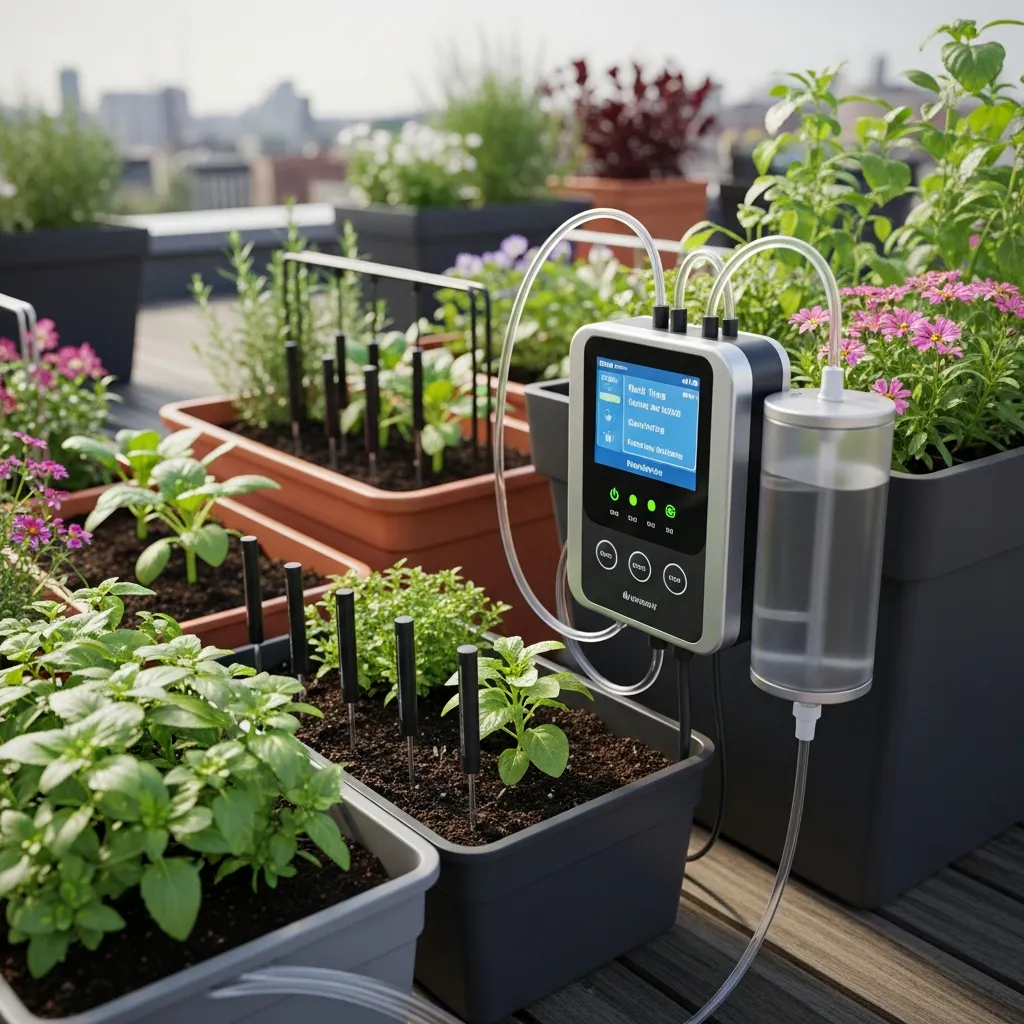
Smart self-watering systems offer automated and efficient garden management.
13. Self-Watering Succulent Gardens
Create a low-maintenance and drought-tolerant succulent garden with self-watering containers. Succulents are perfectly suited for rooftop environments, as they can withstand hot and dry conditions. Self-watering containers help to prevent overwatering, which is a common problem with succulents. Choose a well-draining potting mix specifically designed for succulents. Provide plenty of sunlight for your succulent garden. Self-watering succulent gardens are a beautiful and easy-to-care-for addition to any rooftop.
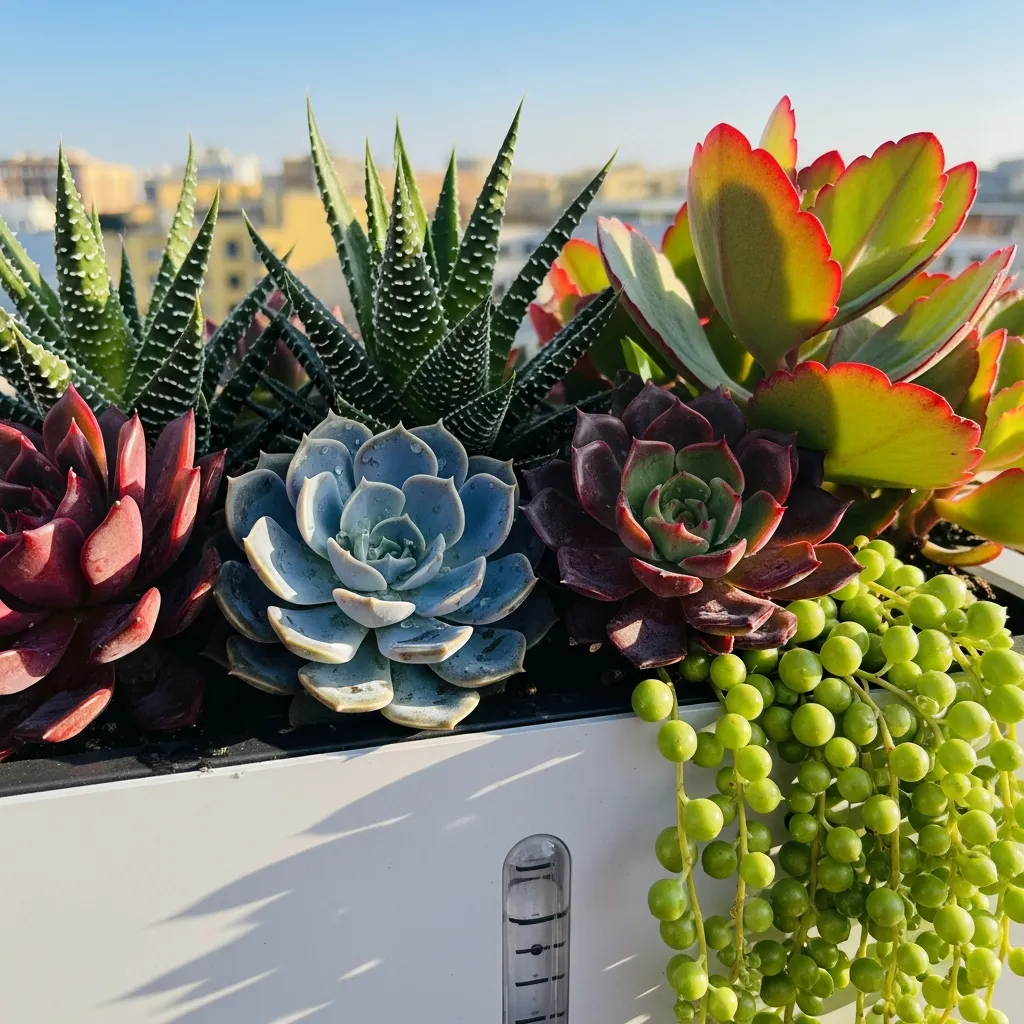
Self-watering succulent gardens are low-maintenance and drought-tolerant.
14. Self-Watering Planters with Built-in Trellises
Support climbing plants like tomatoes, cucumbers, and beans with self-watering planters that have built-in trellises. These planters provide both a consistent water supply and a sturdy support structure for your plants. They are a convenient and space-saving way to grow vining vegetables and flowers on your rooftop. Choose a trellis that is appropriate for the size and weight of your plants. Regularly prune your plants to encourage healthy growth. Self-watering planters with built-in trellises are a practical and attractive addition to any rooftop garden.
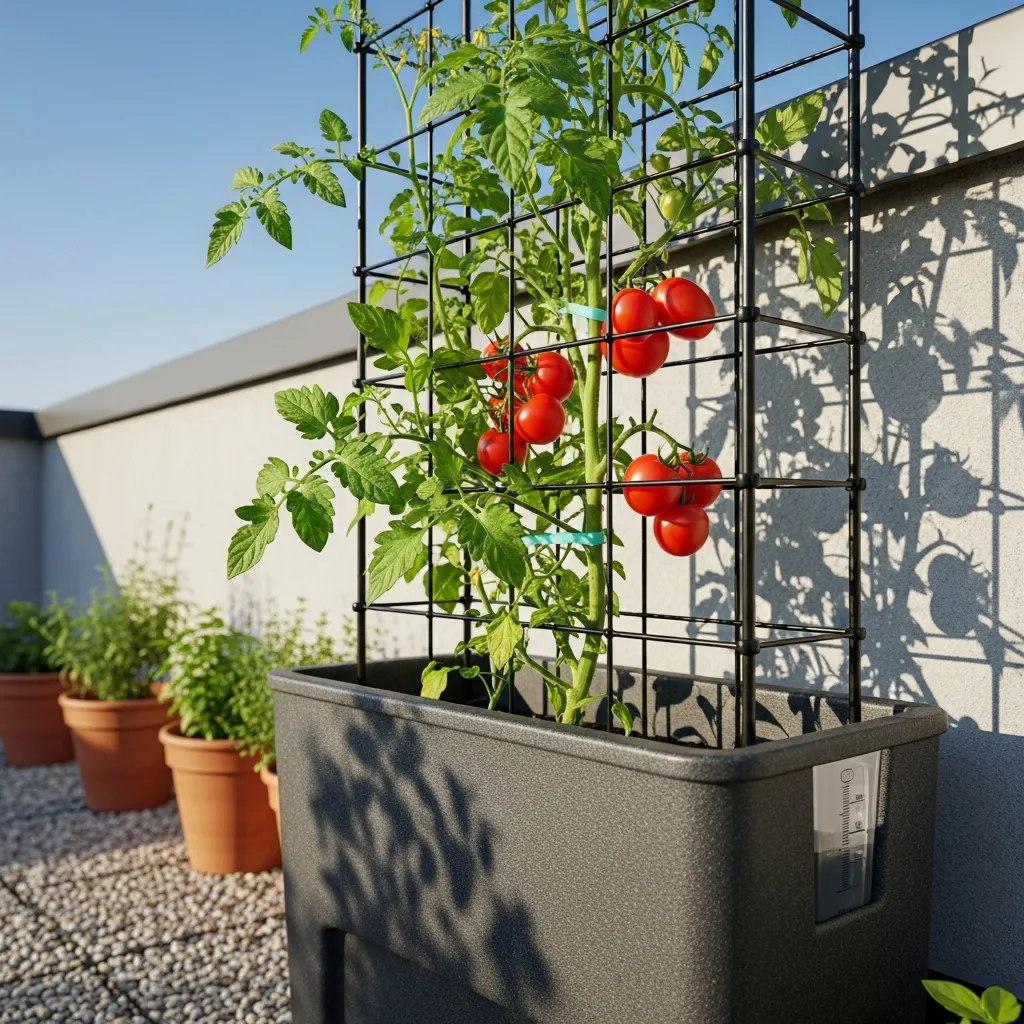
Self-watering planters with built-in trellises provide support and hydration for climbing plants.
15. Recycled Tire Self-Watering Planters
Give old tires a new life by transforming them into self-watering planters. This is a creative and eco-friendly way to recycle and add character to your rooftop garden. Simply cut a hole in the top of the tire, line it with landscape fabric, and create a self-watering reservoir at the bottom. Be sure to clean the tires thoroughly before using them as planters. Choose plants that are appropriate for the size and depth of the tire. Recycled tire self-watering planters are a unique and sustainable gardening solution.
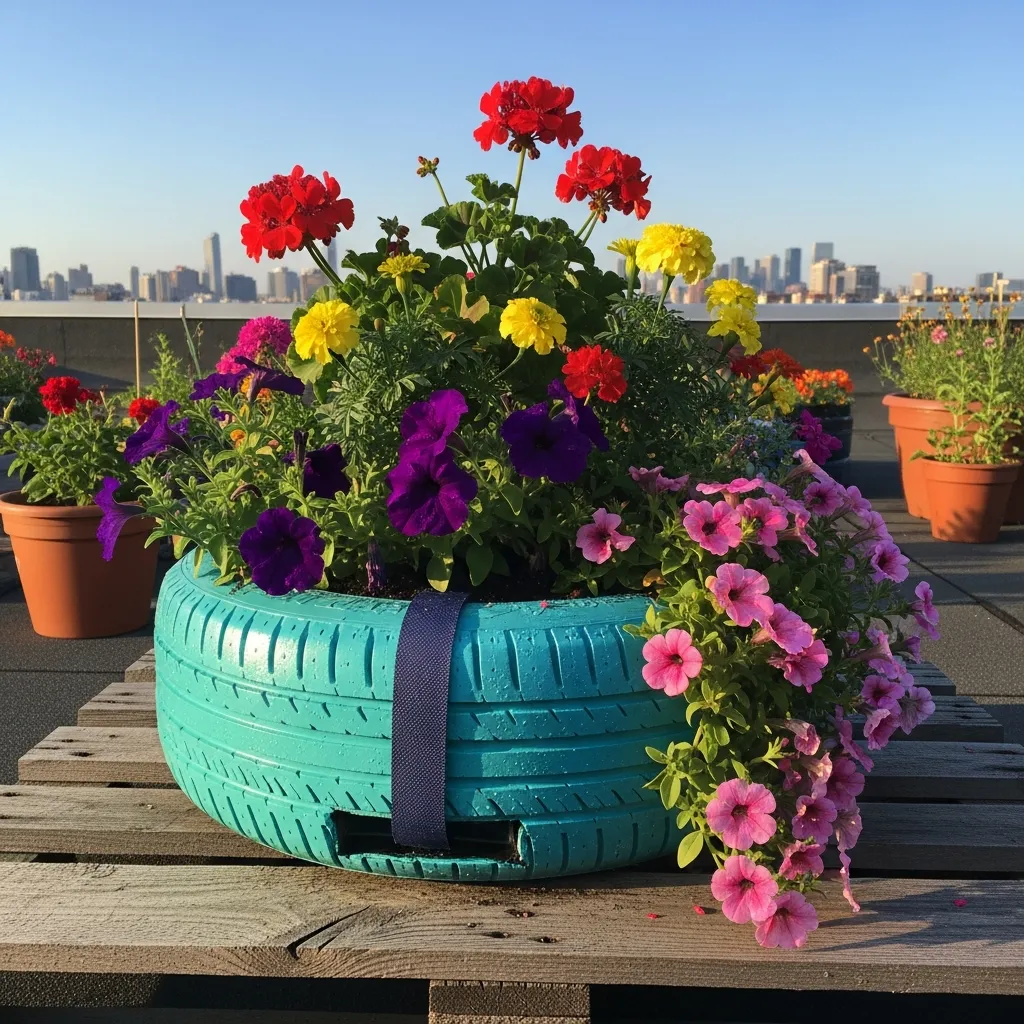
Recycled tire self-watering planters are a unique and sustainable gardening solution.
16. Self-Watering Pallet Collar Beds
Utilize pallet collars for easy and affordable self-watering raised beds. These stackable wooden frames are readily available and can be easily converted into self-watering containers. Line the bottom with plastic and create a reservoir for simple and effective watering. Pallet collars offer flexibility in size and depth, adapting to different plant needs. They are also lightweight, making them suitable for rooftop gardens with weight restrictions. Consider painting or staining the pallet collars for added aesthetic appeal.
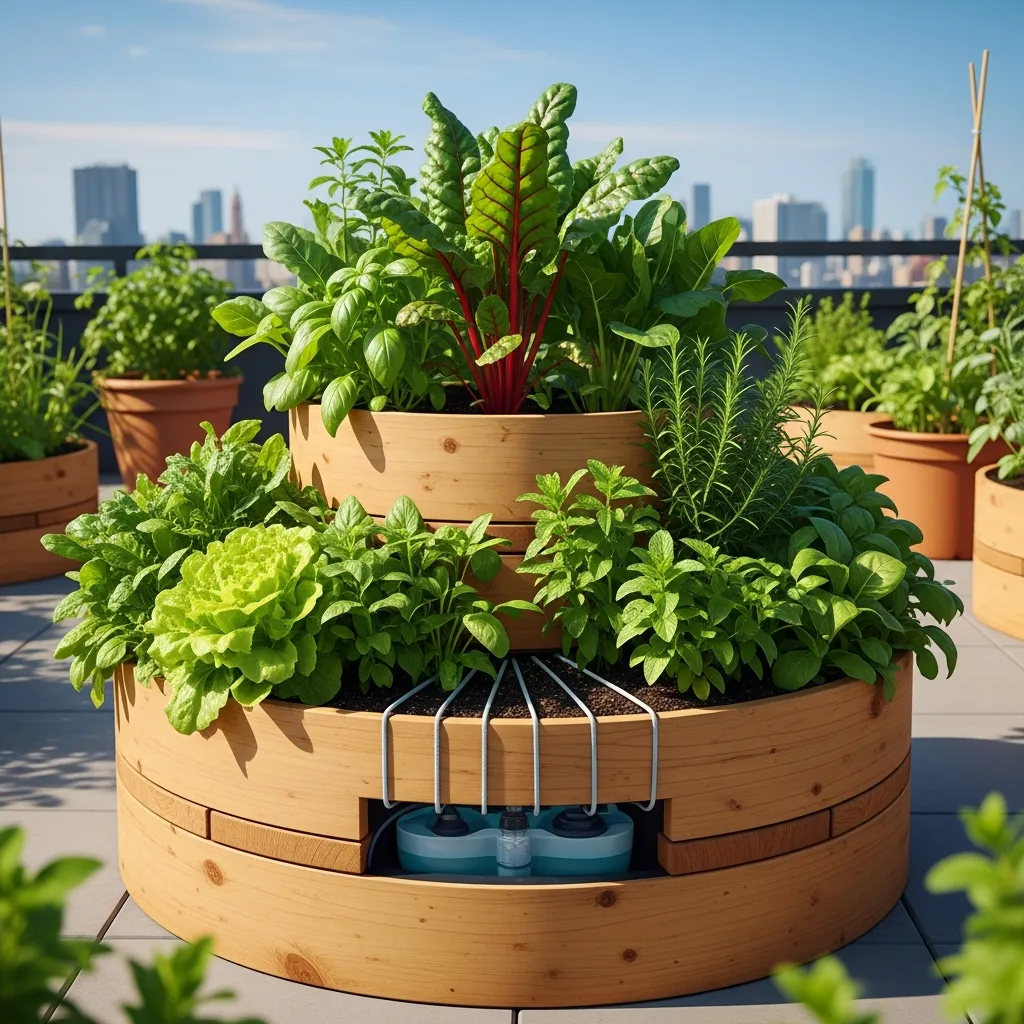
Self-watering pallet collar beds offer an affordable and versatile gardening solution.
17. Modified Rain Barrels for Self-Watering
Repurpose rain barrels into large-capacity self-watering containers. By adding a drainage system and a wicking setup, you can create a reservoir that slowly releases water to your plants. This is a sustainable way to conserve water and provide consistent hydration. Rain barrels are ideal for growing larger plants like tomatoes, peppers, and squash. Make sure to properly seal the barrel to prevent leaks and ensure efficient water distribution. Consider adding a float valve to automatically refill the reservoir from a rainwater harvesting system.
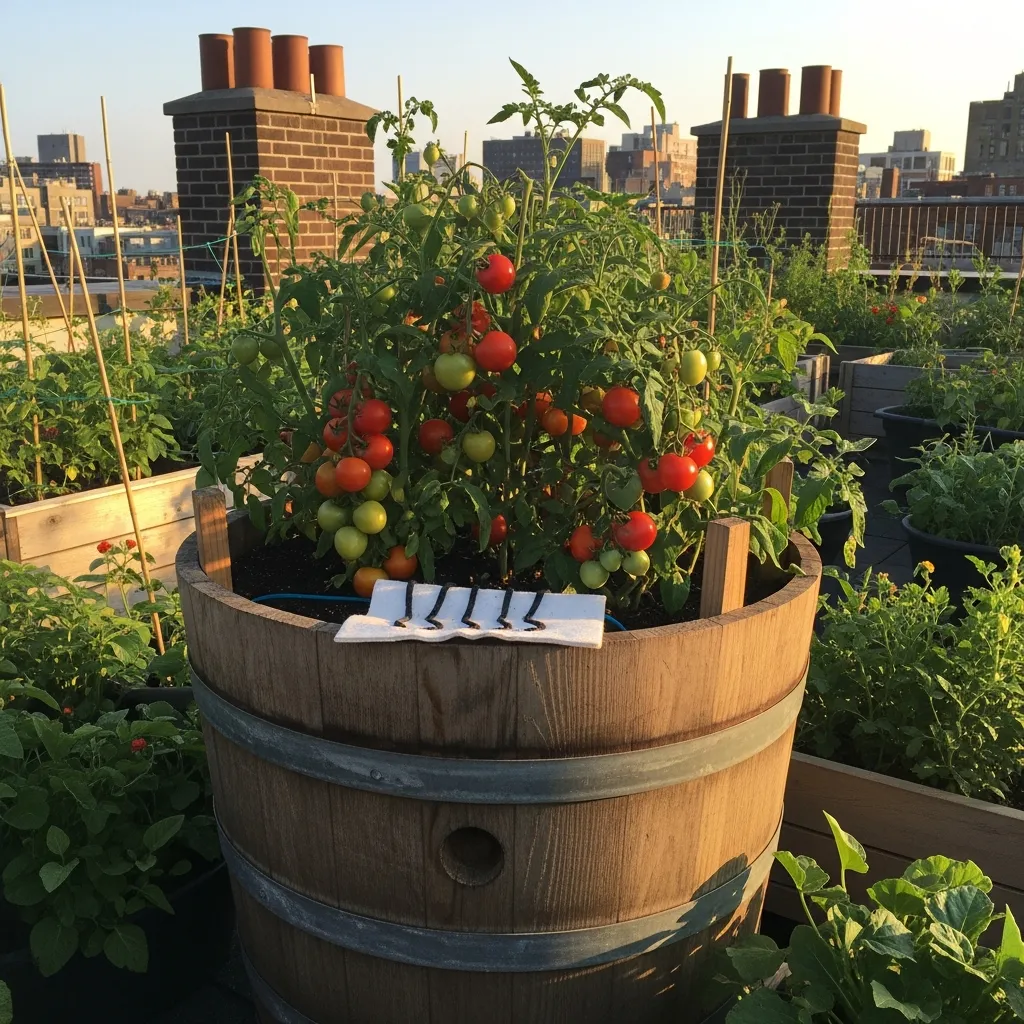
Modified rain barrels offer a sustainable and high-capacity self-watering solution.
18. Self-Watering Planters with Integrated Lighting
Enhance your rooftop garden’s ambiance with self-watering planters that feature integrated lighting. These planters combine the practicality of self-watering with the beauty of illuminated plants. They are perfect for creating a relaxing and inviting atmosphere in the evening. Choose planters with LED lighting for energy efficiency and long-lasting performance. Consider using different colored lights to create a variety of moods and effects. Self-watering planters with integrated lighting are a stylish and functional addition to any rooftop.
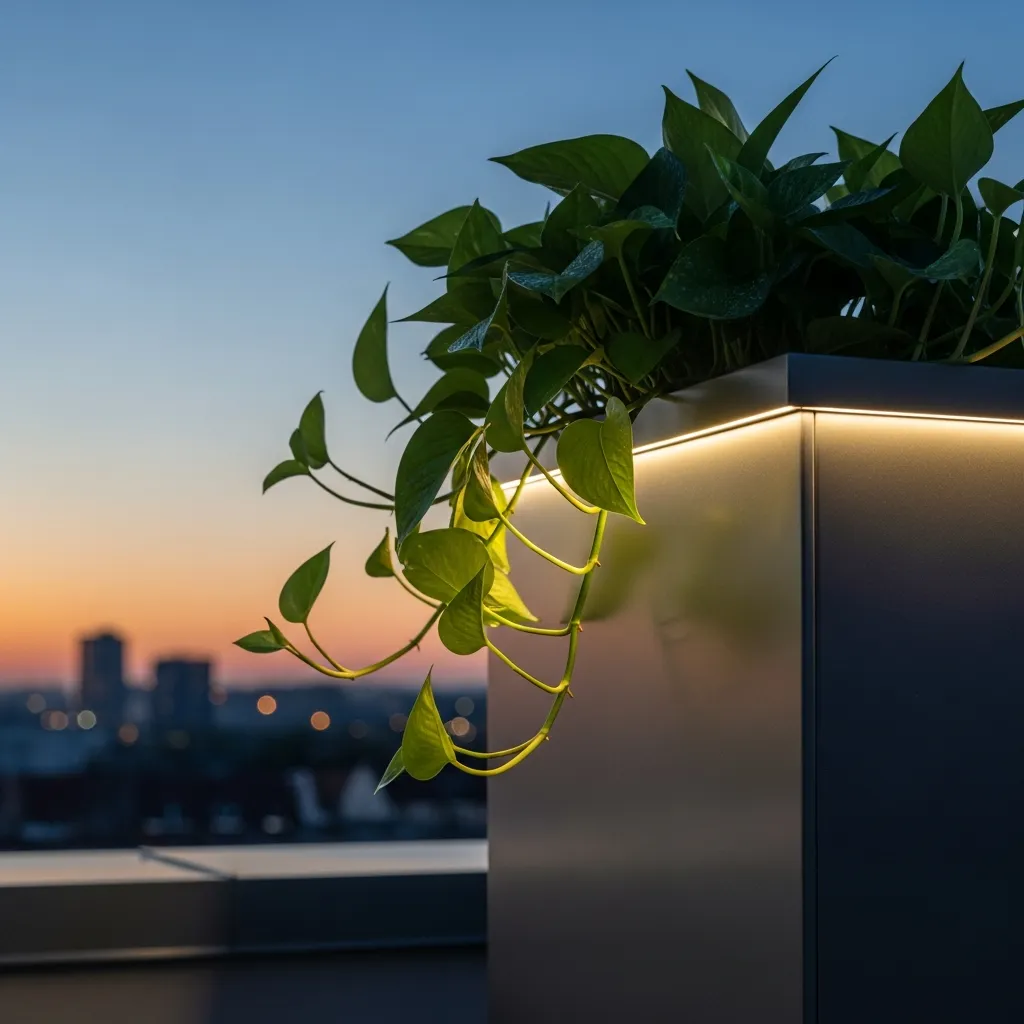
Self-watering planters with integrated lighting enhance your rooftop garden’s ambiance.
19. Self-Watering Aquaponic Systems
Combine the benefits of gardening and aquaculture with self-watering aquaponic systems. These systems use fish waste to fertilize plants, creating a symbiotic relationship that reduces the need for traditional fertilizers. The self-watering component ensures that your plants receive a consistent water supply. Aquaponic systems are a sustainable and efficient way to grow both plants and fish on your rooftop. They require careful monitoring and maintenance, but the results are well worth the effort. Consider starting with a small-scale aquaponic system to learn the basics before expanding.
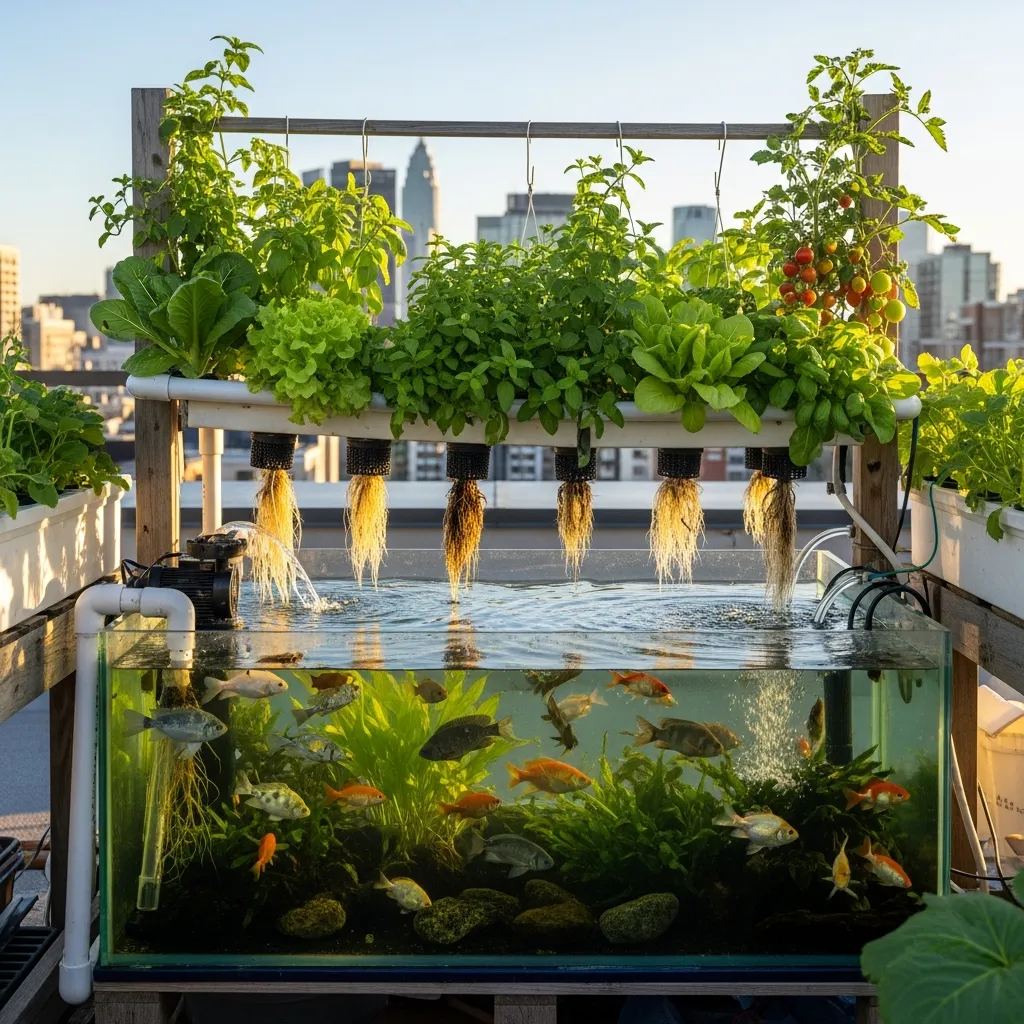
Self-watering aquaponic systems offer a sustainable and efficient way to grow plants and fish.
20. Hydroponic Self-Watering Containers
Explore hydroponics with specialized self-watering containers. These containers provide nutrients directly to the plant roots without the use of soil. This method allows for faster growth and higher yields compared to traditional soil-based gardening. The self-watering feature ensures consistent nutrient delivery. Hydroponic systems require careful monitoring of pH and nutrient levels. They are ideal for growing leafy greens, herbs, and some fruits. Consider using a hydroponic self-watering container for a clean and efficient gardening experience.
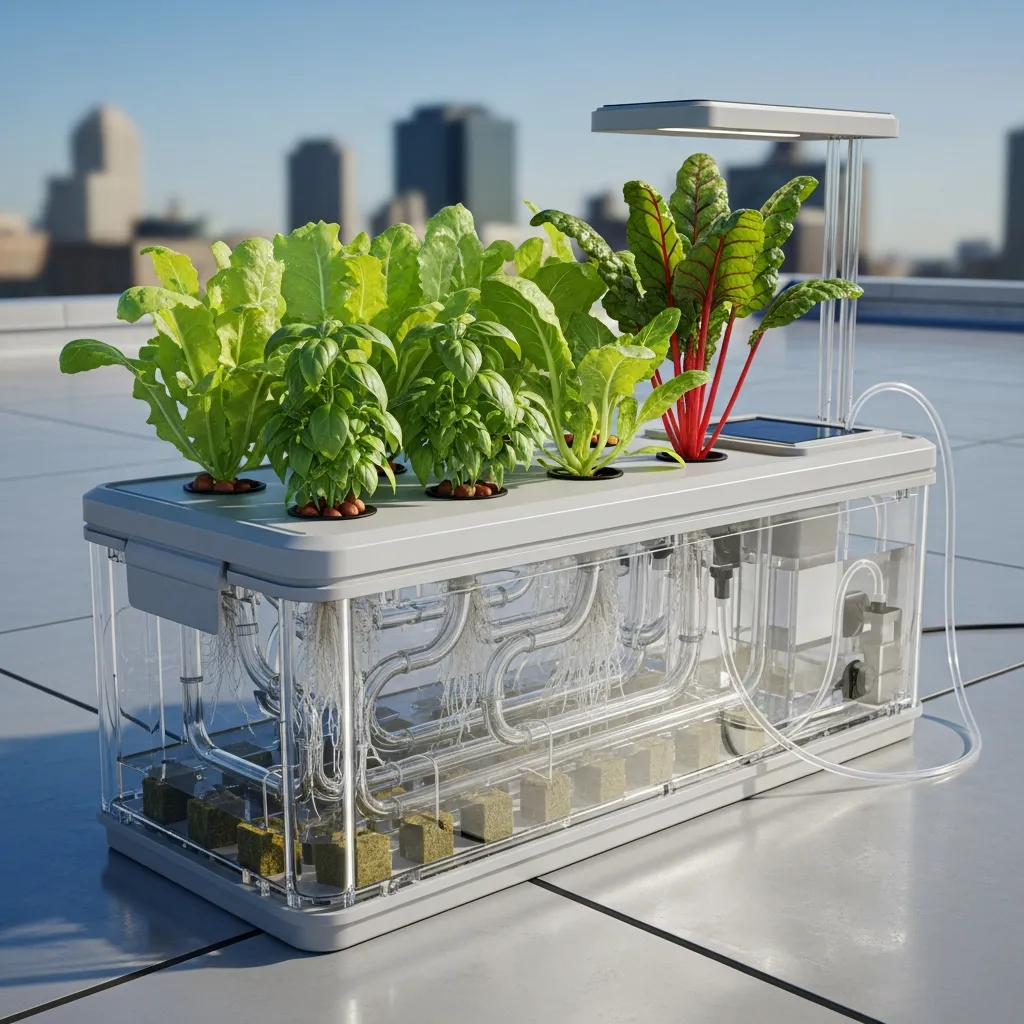
Hydroponic self-watering containers offer faster growth and higher yields.
21. Self-Watering Terracotta Pots
Embrace the classic charm of terracotta pots with self-watering modifications. These pots are porous, allowing for good aeration and drainage. By adding a reservoir at the bottom and a wicking system, you can create a self-watering terracotta pot that maintains optimal moisture levels. Terracotta pots are a stylish and affordable option for rooftop gardening. They are also naturally breathable, which helps to prevent root rot. Consider painting or sealing the terracotta pots to protect them from the elements.
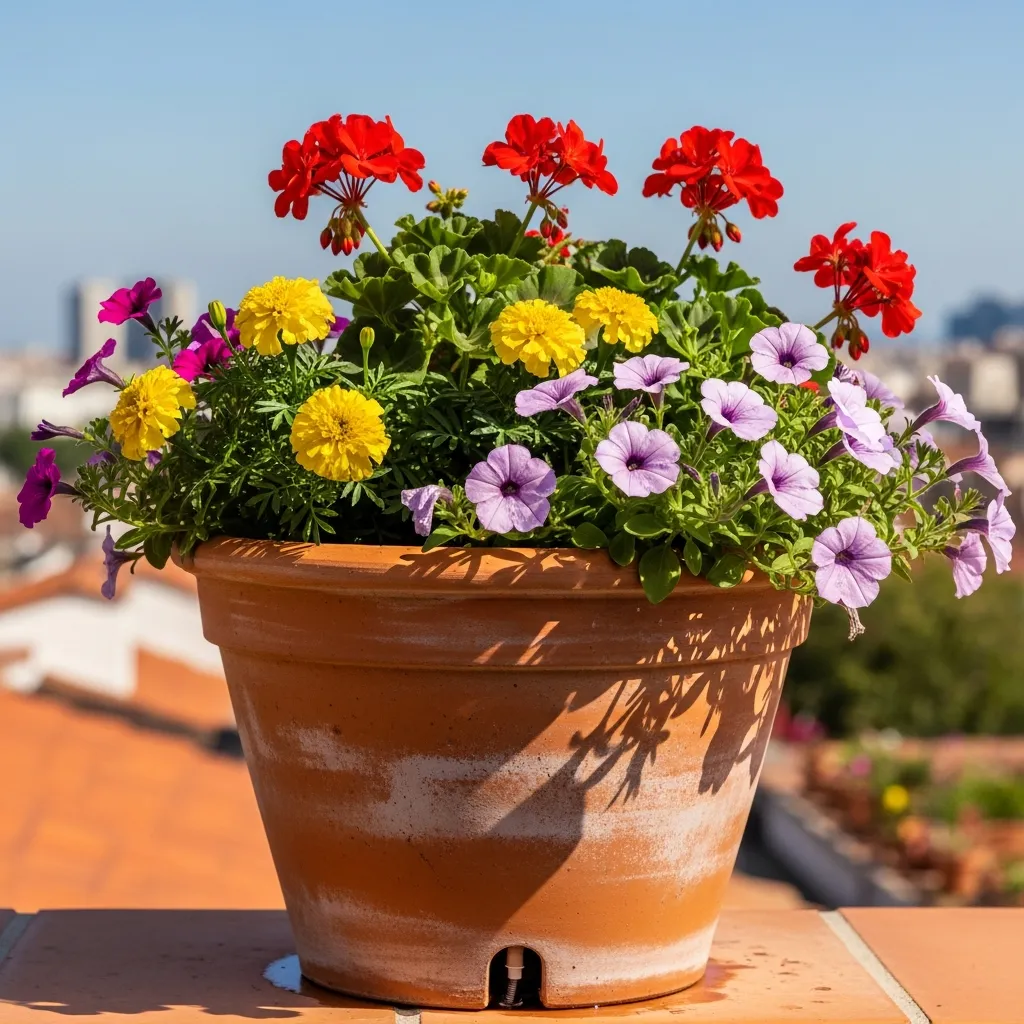
Self-watering terracotta pots combine classic style with modern convenience.
22. Self-Watering Planters with Casters
Make your rooftop garden more mobile with self-watering planters that have casters. These planters can be easily moved around to follow the sun or to create different arrangements. The self-watering feature ensures that your plants stay hydrated even when they are being moved. Choose planters with sturdy casters that can support the weight of the soil and plants. Consider using planters with locking casters to prevent them from rolling away in windy conditions. Self-watering planters with casters offer flexibility and convenience in your rooftop garden.
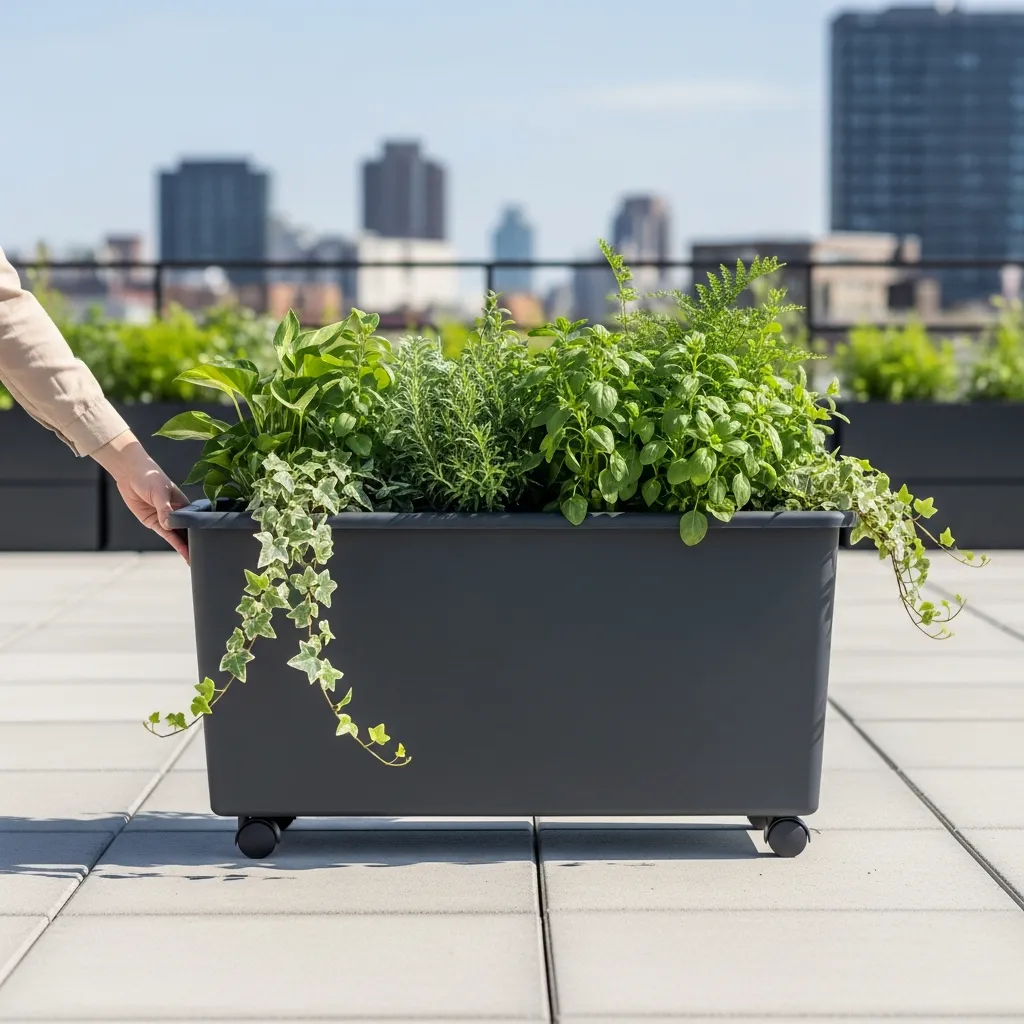
Self-watering planters with casters offer flexibility and convenience in your rooftop garden.
23. Smart Irrigation Controllers with Existing Containers
Upgrade your current container garden with a smart irrigation controller. These devices connect to your existing water source and automatically water your plants based on pre-set schedules or real-time weather data. They can be used with a variety of watering methods, including drip irrigation and soaker hoses. Smart irrigation controllers can save you water and money, while also ensuring that your plants receive the optimal amount of hydration. They are a cost-effective way to automate your watering system. Consider investing in a smart irrigation controller to simplify your rooftop gardening routine.
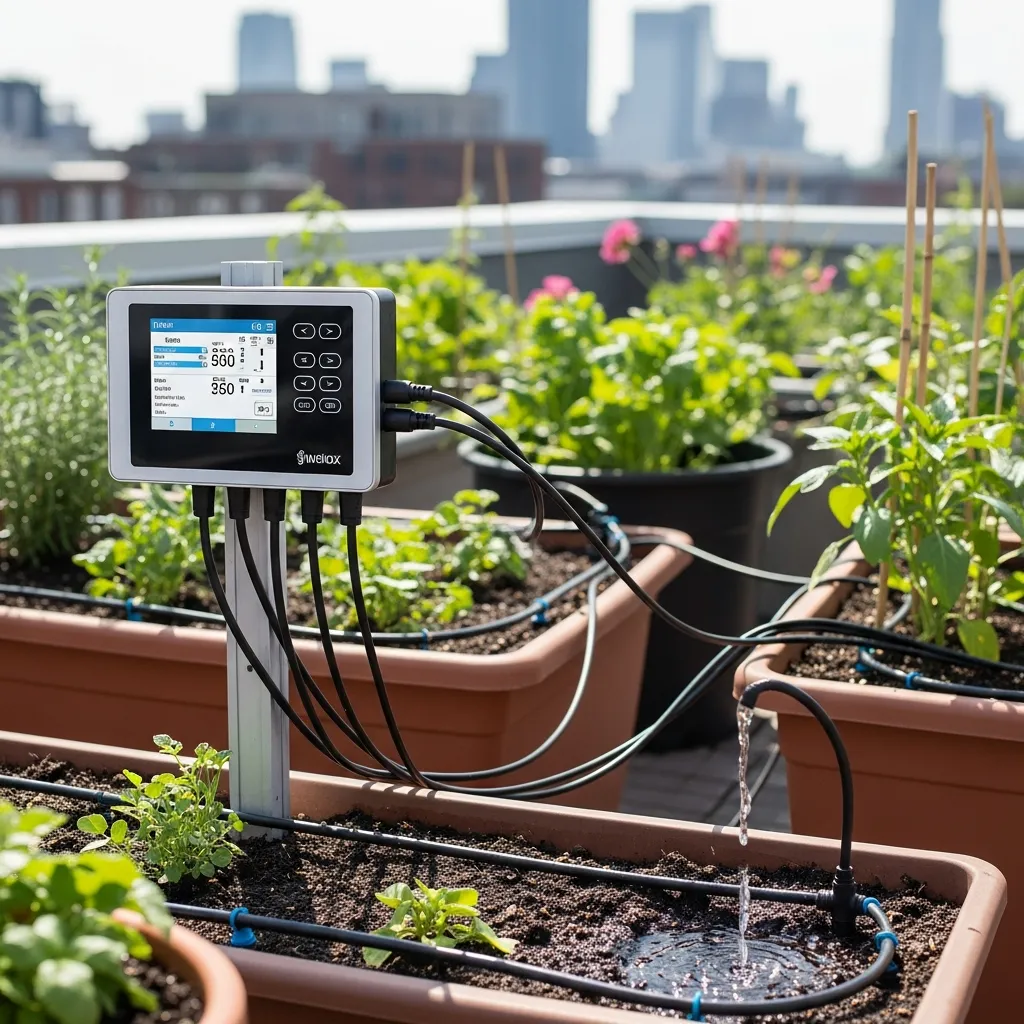
Smart irrigation controllers automate your watering system and save water.
24. Geotextile Self-Watering Grow Bags
Utilize geotextile grow bags with a self-watering base for lightweight and breathable container gardening. These bags allow for excellent drainage and aeration, preventing root circling. By adding a reservoir at the bottom, you can create a self-watering system that provides consistent moisture. Geotextile grow bags are a great option for rooftop gardens with weight restrictions. They are also easy to store and transport. Consider using geotextile self-watering grow bags for a lightweight and efficient gardening solution.
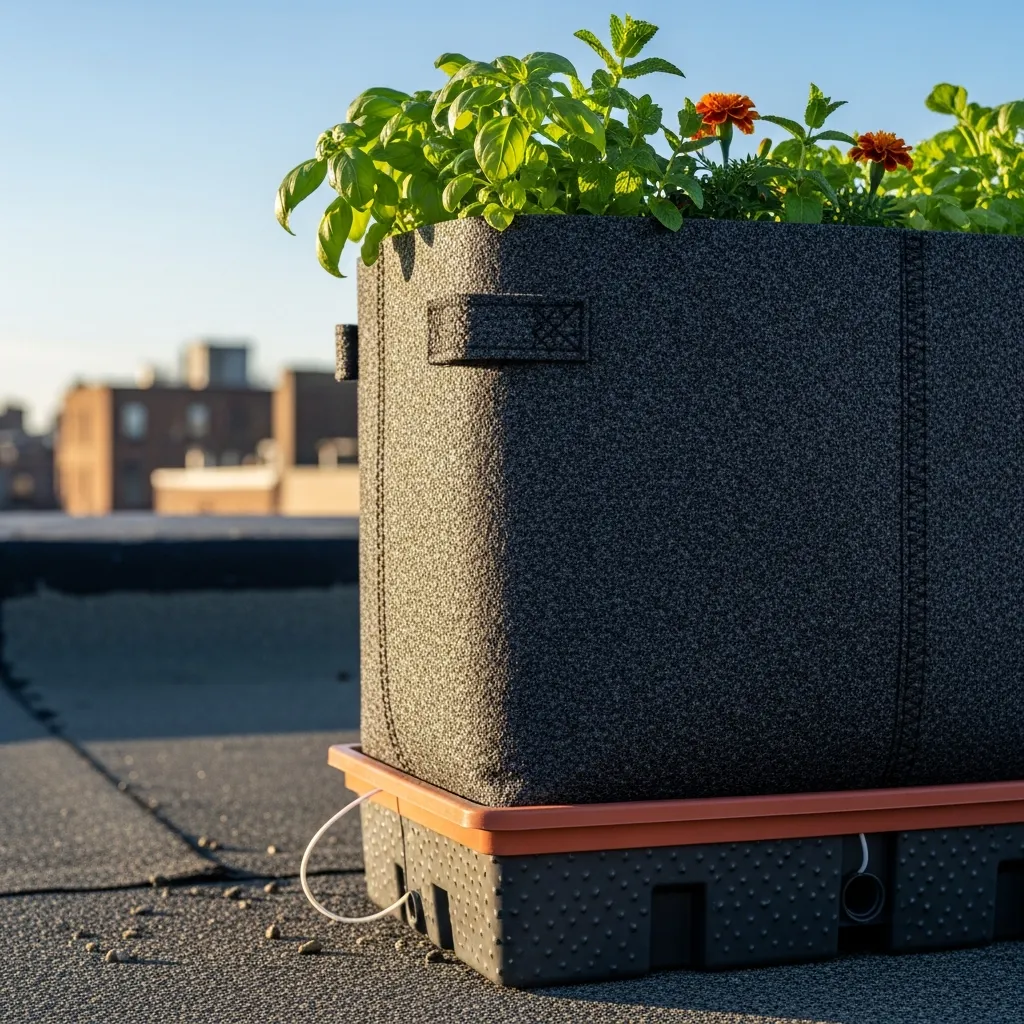
Geotextile self-watering grow bags offer a lightweight and breathable gardening solution.
25. Modular Self-Watering Green Walls
Create a stunning vertical garden with modular self-watering green wall systems. These systems consist of individual panels that can be easily attached to walls or fences. Each panel has its own self-watering reservoir, ensuring that your plants receive a consistent water supply. Modular green walls are a great way to add greenery to your rooftop without taking up too much space. They can be customized to fit any size or shape. Consider using a modular self-watering green wall system to create a beautiful and low-maintenance vertical garden.
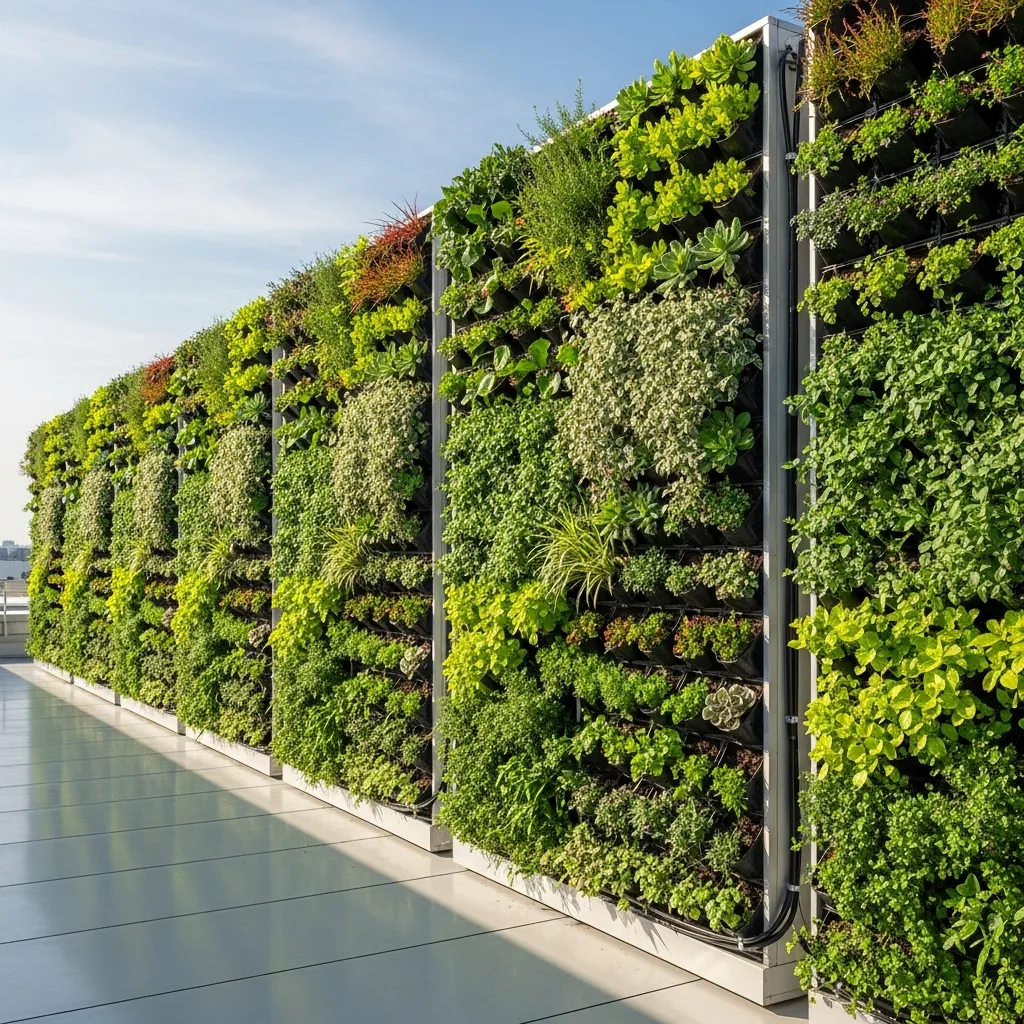
Modular self-watering green walls create stunning vertical gardens with ease.
Conclusion
With these 25 self-watering container garden ideas, you’re well-equipped to create a thriving rooftop oasis with minimal effort. From DIY projects to smart technology, there’s a solution to fit every style and budget. Embrace the convenience and efficiency of self-watering systems and enjoy the beauty and bounty of a healthy rooftop garden without the constant watering demands. Happy gardening!
